
Michelin Plate
Our verdict
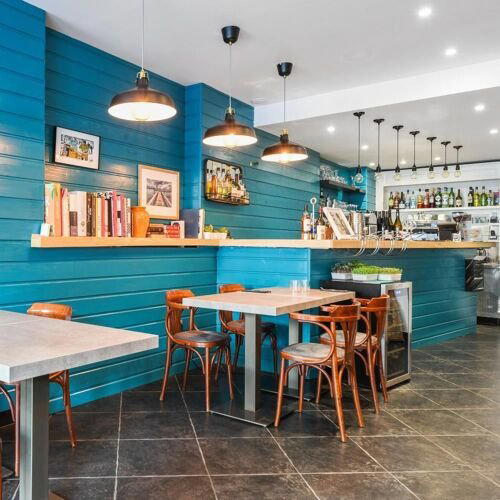
A Michelin Plate-recognised address on Rue Sainte in Marseille's 7th arrondissement, Alivetu serves Mediterranean cooking rooted in the olive-oil-forward traditions of the Provençal coast. it occupies a practical but serious position in a city whose restaurant scene now spans three-star destinations to neighbourhood institutions.

Pearl is the En Primeur Club membership app, where members save venues, book tables and use the concierge.
The menu
What to order
- Bouillabaisse maison
- Carpaccio de légumes
- Poivrons farcis
Where Rue Sainte Meets the Mediterranean Table
The 7th arrondissement of Marseille has a particular quality in the evening: the limestone facades catch the last of the southern light, the streets narrow as you move away from the Vieux-Port, and the restaurants that line them are notably less tourist-facing than those clustered around the waterfront. Rue Sainte sits in that zone. At number 145, Alivetu occupies a position that says something about the kind of dining Marseille does quietly well: Mediterranean cooking at a mid-range price point, taken seriously enough to have earned consecutive Michelin Plate recognition in 2024 and 2025.
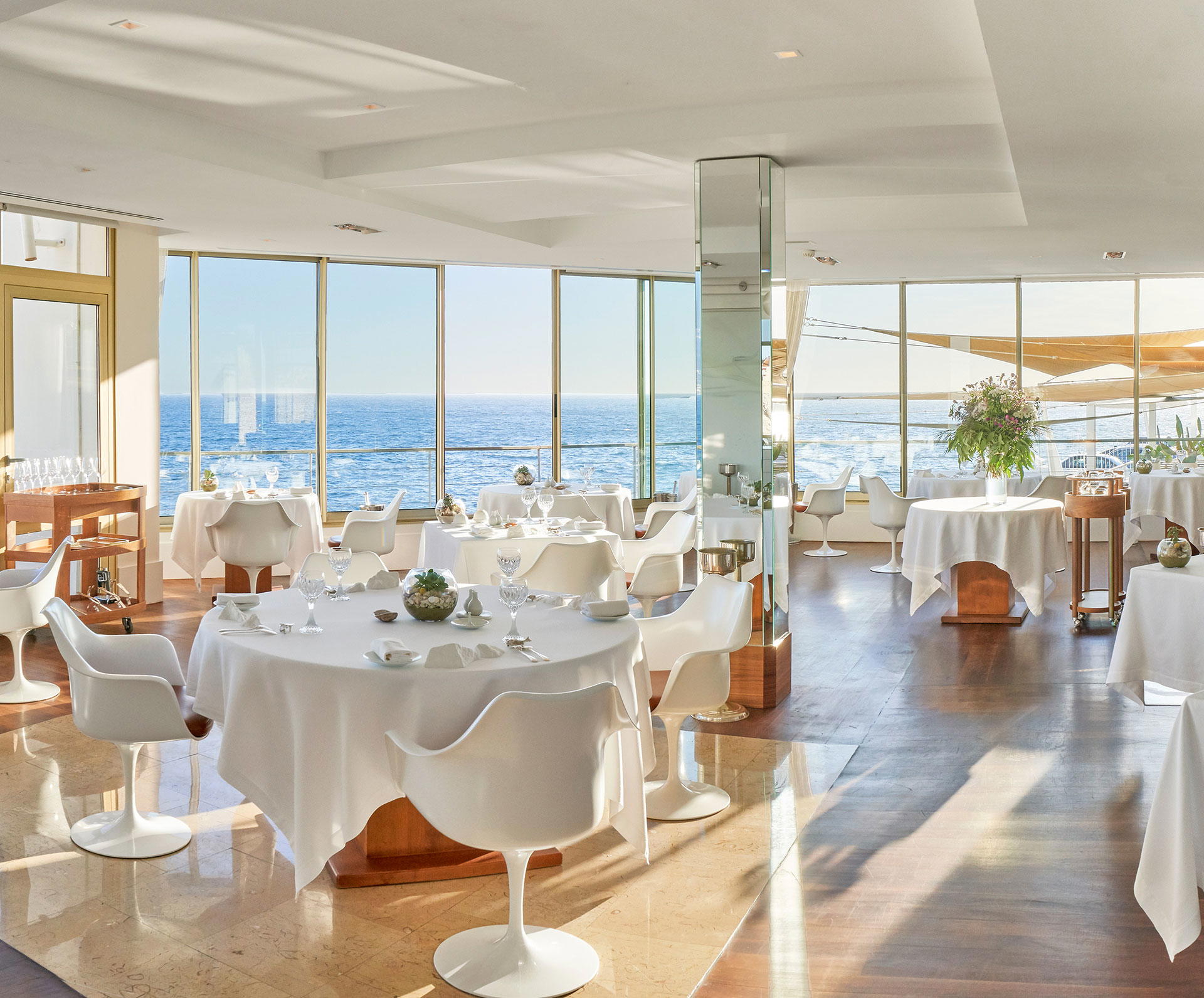
The Michelin Plate, often misread as a consolation award, actually signals something specific: inspectors have identified cooking of sufficient consistency and quality to flag for attention, even where a star has not been assigned. In Marseille's broader dining context, that matters. The city's Michelin-starred tier is small and expensive. AM par Alexandre Mazzia holds three stars and operates at €€€€. Le Petit Nice, also three-starred, centres on French seafood at comparable pricing. Une Table, au Sud sits at the one-star level, also at €€€€. Alivetu's €€ pricing and Plate recognition place it in a different tier entirely: the restaurant for the evening you want to eat well without the ceremony or cost of the city's leading tables.
The Olive Oil Foundation of Southern French Cooking
Mediterranean cuisine, as a category, is defined less by any single technique than by its ingredient logic. Olive oil is not a finishing touch here; it is the base from which most of the cooking builds. In Provence and along the French Mediterranean coast, that tradition has deep roots. The olive groves of the Var, the Alpilles, and the areas around Aix-en-Provence produce oils of distinct character: some grassy and green-forward when pressed early, others riper and more rounded from later harvests. The cuisine that grew up around those oils uses them in ways that northern French cooking does not: as the cooking fat, the emulsifier in sauces, the carrier of aromatics like garlic and thyme, and the finishing drizzle that ties a dish together before it reaches the table.
Restaurants working in the Mediterranean tradition in Marseille sit inside this logic whether they make it explicit or not. The flavour register of a well-executed aioli, a daurade cooked in olive oil with herbs, or a vegetable gratin where the oil has been absorbed into the layers over long cooking time is inseparable from the quality of what was poured in. Alivetu's positioning as a Mediterranean address in this city means the ingredient foundation is not incidental; it is the frame through which the kitchen's sourcing and execution choices should be read.
For useful comparison across the Mediterranean basin, the same ingredient logic appears at very different price points and scales. La Brezza in Ascona approaches Mediterranean cooking from a Swiss-Italian perspective, while Arnaud Donckele and Maxime Frédéric at Louis Vuitton in Saint-Tropez represent what happens when Mediterranean produce meets a high-investment luxury format. Alivetu operates well below that register, which is exactly the point.
Alivetu in the Marseille Neighbourhood Context
The 7th arrondissement is not where visitors tend to start when they arrive in Marseille, but it is where a certain kind of Marseillais goes to eat. The area between the Vieux-Port and the Corniche runs through streets with a mix of long-established neighbourhood restaurants and newer addresses that have settled here partly because rents allow for better food-to-price ratios than the more visible waterfront positions. Alivetu's address on Rue Sainte places it in that corridor.
At that volume and score, the signal is consistent: this is not a restaurant being carried by a single wave of enthusiastic early reviewers. It suggests repeat visitors and a stable kitchen output. In a city where neighbourhood restaurants can be inconsistent, that consistency at the €€ price point is the practical argument for the address.
Other strong neighbourhood options in this range include Cédrat and Ekume, both worth considering when planning a broader Marseille itinerary. For anyone building a multi-day programme in the city, the full range of options is covered in our Marseille restaurants guide, with further recommendations in our Marseille hotels guide, our Marseille bars guide, our Marseille wineries guide, and our Marseille experiences guide.
Planning Your Visit
Alivetu sits at 145 Rue Sainte in the 7th arrondissement, a short distance from the Vieux-Port. The €€ price range places it comfortably within mid-budget dining for Marseille, making it accessible for most travellers without advance financial planning. Neither a phone number nor a website is currently listed in EP Club's database, so reservations are leading pursued directly at the address or through third-party booking platforms. Current hours should be confirmed before visiting.
For context on where Alivetu sits in the broader French dining spectrum, the country's most decorated restaurants include addresses like Alléno Paris au Pavillon Ledoyen, Flocons de Sel in Megève, Mirazur in Menton, Troisgros in Ouches, Auberge de l'Ill in Illhaeusern, and Bras in Laguiole. Alivetu operates in an entirely different register from those addresses, which is its strength for a certain kind of evening: serious Mediterranean cooking, Michelin-noted consistency, and pricing that does not require a occasion to justify the reservation.
Frequently asked questions
What's the pricing like at Alivetu?
Pricing at Alivetu is listed as €€.
How do I find Alivetu?
Alivetu is located at 145 Rue Sainte, 13007 Marseille, France, Marseille.
Comparison Snapshot
A short peer table to compare basics side-by-side.
| Venue | Cuisine | Price | Awards | Notes |
|---|---|---|---|---|
| AlivetuThis venue (the venue you are viewing) | Modern Mediterranean Bistronomique | $30–50 | Michelin Plate | Not listed |
| AM par Alexandre Mazzia | Avant-Garde French with African Influences | $300–500 | 3 Michelin Stars · La Liste Top Restaurants | French, Creative |
| Une Table, au Sud | Modern Provençal Fine Dining | $100–150 | 1 Michelin Star · Star Wine List | Modern Cuisine |
| Chez Fonfon | Traditional French Seafood & Bouillabaisse | $50–100 | Michelin Plate | French Bistro, Seafood |
| Chez Etienne | Marseillaise Pizza | $20–30 | Not listed | Provencal |
Recognition history
Dated appearances from independent guides and award organizations, with the underlying list record or original source where available.
Michelin Plate
Michelin
Full recognition history (3 entries)
Michelin Plate
Michelin
Michelin Plate
Michelin
Continue exploring
More in Marseille
Restaurants in Marseille
All restaurants in Marseille →
Bars in Marseille
All bars in Marseille →
Details
- Cozy
- Elegant
- Modern
- Date Night
- Business Dinner
- Group Dining
- Open Kitchen
- Extensive Wine List
- Local Sourcing
- Organic
- A La Carte
- Set Menu
- Wine
- Vegetarian Friendly
Current opening hours
- Monday
- Closed
- Tuesday
- 7–9:30 PM
- Wednesday
- 12–1:30 PM, 7–9:30 PM
- Thursday
- 12–1:30 PM, 7–9:30 PM
- Friday
- 12–1:30 PM, 7–9:30 PM
- Saturday
- 12–1:30 PM, 7–9:30 PM
- Sunday
- Closed
Hours can change for holidays and private events. Hours as of .
Sobri et chic space with stone, wood, olive trees, natural light, and mezzanine evoking a sun-bleached Mediterranean garden.