Our verdict
On the Quai du Port, Miramar occupies one of Marseille's most storied addresses for bouillabaisse, the city's defining dish and a menu architecture that separates serious practitioners from casual imitators. Positioned alongside the Old Port's working fish trade, it sits in a different register from the creative tasting-menu tier represented by AM par Alexandre Mazzia, offering instead a tradition-anchored format where the ritual of the dish is the experience itself.

Pearl is the En Primeur Club membership app, where members save venues, book tables and use the concierge.

The menu
What to order
- Bouillabaisse
- Bourride
- Mediterranean Seafood Specialties
The Quai du Port and What It Demands of a Restaurant
Standing at 12 Quai du Port, you are looking at one of the most contextually loaded restaurant addresses in France. The Old Port of Marseille is not a picturesque backdrop, it is a working argument. The morning fish auction, the returning trawlers, the salt-and-diesel air: all of it creates a set of expectations that a restaurant in this location either answers or evades. Miramar, positioned directly on the quayside, is operating in a tradition that stretches back through generations of Marseillais cooking, where the menu is not a creative document so much as a declaration of provenance.
That distinction matters in 2024 Marseille more than it might in any other French city. The restaurant tier here has split meaningfully. On one side, creative tasting-menu houses like AM par Alexandre Mazzia and Une Table, au Sud have built internationally recognised programs around personal culinary languages that happen to be rooted in Marseille. On the other, a smaller number of houses have held to the civic dishes, bouillabaisse above all, as their reason for existing. Miramar belongs to the second camp, and that positioning carries its own rigour.
Menu Architecture as Civic Statement
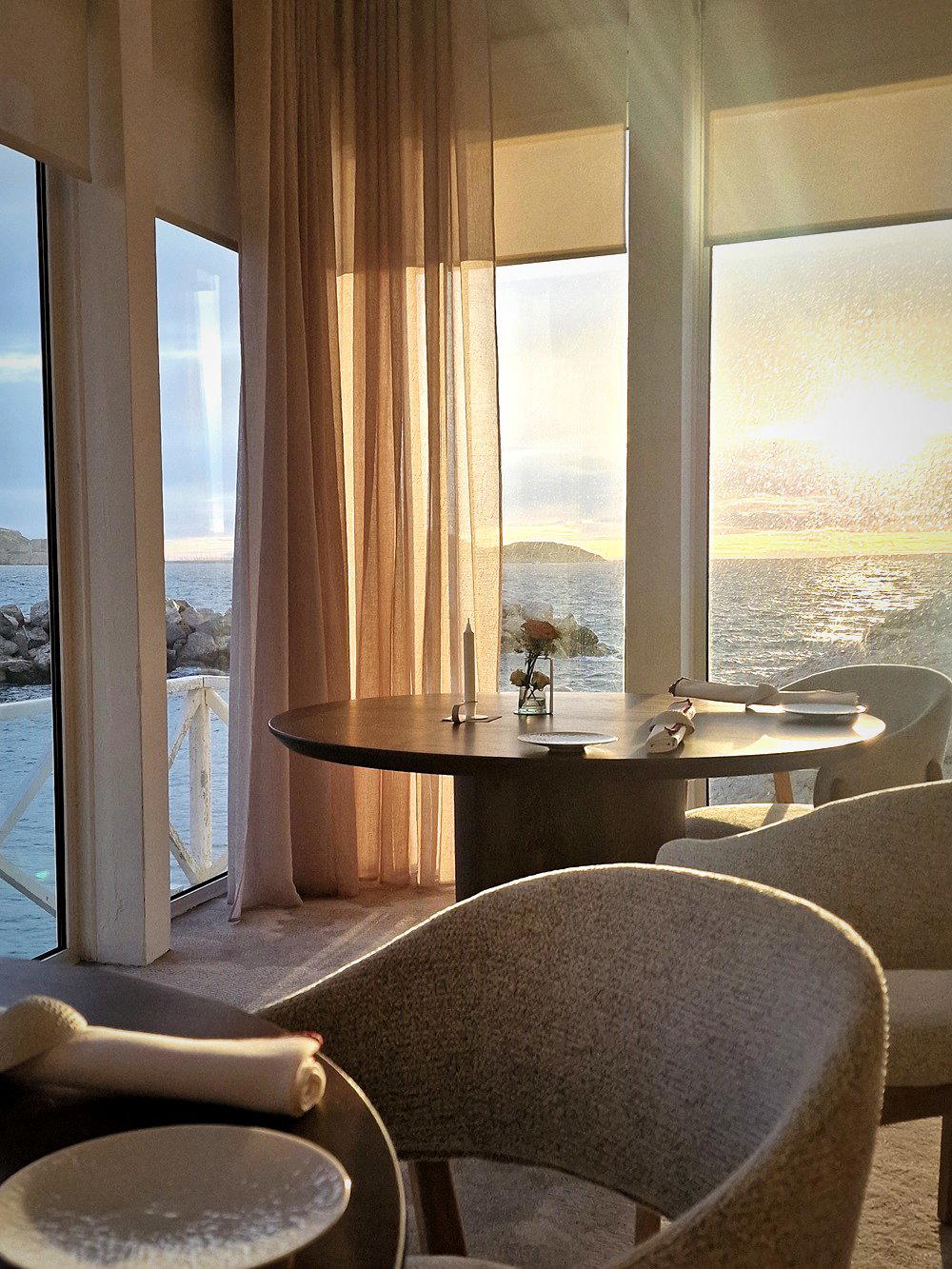
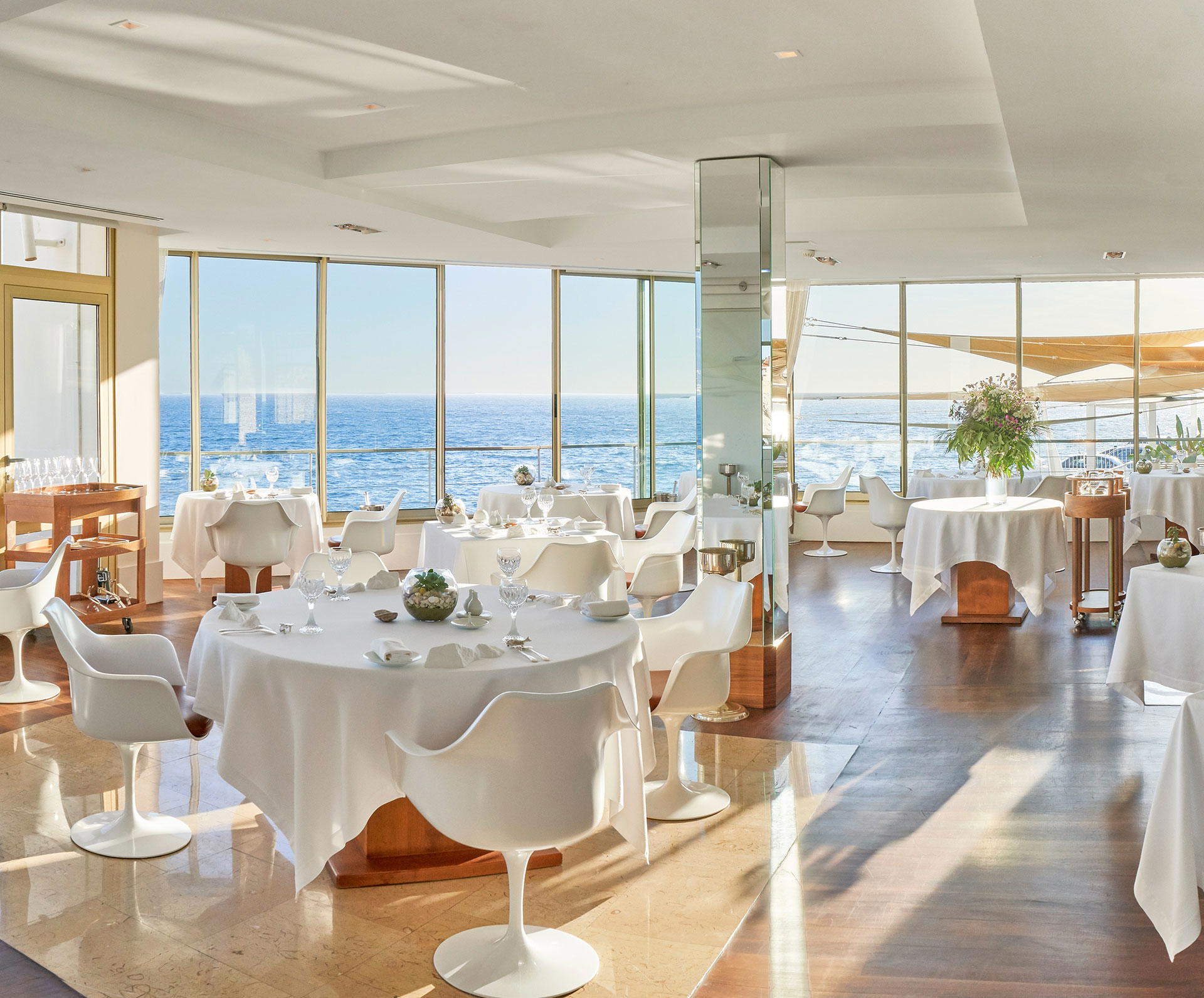
The menu at a serious bouillabaisse address is not structured the way a modern tasting menu is. It does not build through textures or reference culinary lineage in abstract terms. Instead, it operates as a protocol. The broth arrives first, poured at the table from a separate vessel over croutons spread with rouille; the fish, rockfish and shellfish sourced from the same Mediterranean waters visible from the dining room windows, follows on a platter for the table to inspect before being plated. This is not theatre for its own sake. It is the format that the dish demands, one codified by the Marseille Bouillabaisse Charter, a document signed by a group of city restaurants (Miramar among the founding signatories) that sets minimum standards for ingredients, sourcing, and presentation.
That charter is the relevant credential here, not any individual award. It specifies that authentic bouillabaisse must include at least four species of local rockfish, rascasse, grondin, saint-pierre, and vive among them, along with pommes de terre, saffron, and the rouille served aside. The charter also prohibits shortcuts that have become common at tourist-facing establishments: frozen fish, pre-made broth, or the omission of the separate broth service. A restaurant that has held to these standards across decades is making a claim about the menu that functions differently from a Michelin star or a 50 Best listing. It is a claim about identity.
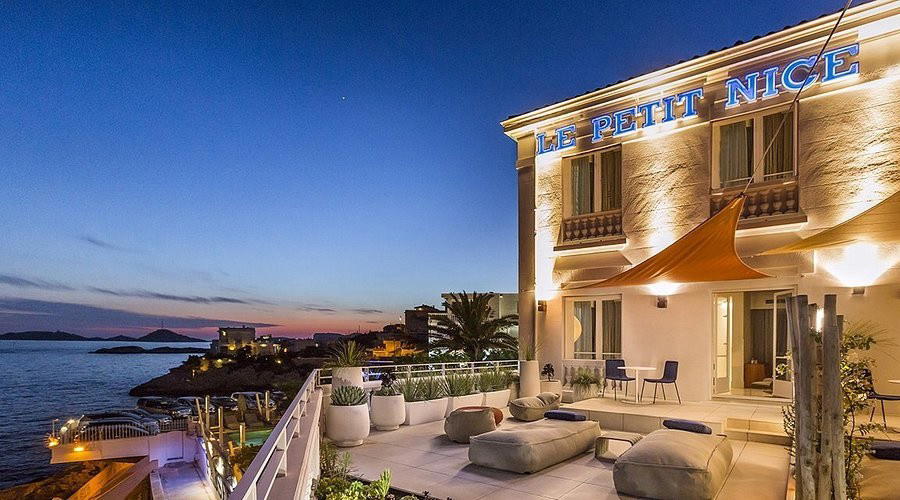
For context on how seriously the charter's adherents take sourcing discipline, consider that Le Petit Nice, Marseille's three-Michelin-star address, also treats Mediterranean fish sourcing as a foundational commitment, though its menu translates that sourcing into a creative register that Miramar does not attempt. The two restaurants are not in competition; they are answering different questions about what a Marseille fish restaurant is for.
Where Miramar Sits in the Broader French Fine Dining Context
France's most decorated restaurants, Alléno Paris au Pavillon Ledoyen, Paul Bocuse - L'Auberge du Pont de Collonges, Auberge de l'Ill, Mirazur in Menton, Troisgros, and Bras in Laguiole, are largely defined by chef-driven creative programs. Regional tradition-anchored restaurants occupy a quieter but no less serious tier. The comparison is instructive: establishments like Assiette Champenoise in Reims, Au Crocodile in Strasbourg, and Auberge du Vieux Puits in Fontjoncouse demonstrate that regional identity and formal ambition can coexist. Miramar operates in this tradition: a restaurant whose authority derives from its relationship to a place and a dish rather than from a singular creative voice.
Internationally, the parallel is something like Le Bernardin in New York occupying the fish-as-subject category with clarity of purpose, or Atomix demonstrating that a tightly defined format can carry as much seriousness as an open-ended tasting menu. The format discipline is the point.
The Vibe at the Quai du Port
Marseille does not perform Frenchness for visitors the way Paris sometimes does. The Old Port neighbourhood around the Quai du Port is dense, loud, and oriented toward locals as much as tourists. A restaurant lunch here on a Tuesday in November, fishing season in full operation, reads differently from the same meal taken in July when the port fills with leisure boats and the dining rooms turn over faster. The atmosphere at Miramar reflects that duality: a room that has served serious eaters and occasional visitors in roughly equal measure, without adjusting its core proposition for either.
For a broader view of where this address sits within the city's dining scene, the full Marseille restaurants guide maps the competitive set from neighbourhood bistros like Alivetu and 1860 Le Palais through to the tasting-menu tier.
Planning Your Visit
The Quai du Port address places Miramar within walking distance of the major Vieux-Port transport hub, accessible by metro (Vieux-Port station) and central to most visitor accommodation in the 1st and 2nd arrondissements. Bouillabaisse at a charter-compliant address is priced as a serious commitment, expect figures in line with the €€€ to €€€€ range that the city's tradition-focused fish houses occupy, and note that the dish is typically ordered in advance or available only in the lunch and dinner service windows when fresh catch allows. Reservations are advisable, particularly on weekends and during summer months when the port-side tables are at a premium. The restaurant's address on the quayside means harbour-facing seating is a reasonable expectation in fair weather, though indoor seating covers the full service regardless of conditions.
Frequently asked questions
Is Miramar a family-friendly restaurant?
Miramar's address on the Quai du Port places it in a working harbour neighbourhood rather than a manicured tourist zone, and the restaurant's format centres on a serious bouillabaisse service. That context suits families with older children who can engage with a structured, course-driven meal. It is not a casual drop-in venue.
What's the vibe at Miramar?
The Old Port around 12 Quai du Port is dense and unfiltered, fishing boats, market traders, salt air, and Miramar sits inside that energy rather than apart from it. Inside, the tone is that of a civic institution: purposeful, unhurried, oriented around the ritual of a proper bouillabaisse rather than scene-setting or performance.
How does Miramar's bouillabaisse compare to others in Marseille?
Marseille has a small number of addresses still committed to the full traditional bouillabaisse protocol, and Miramar at 12 Quai du Port is among those that treat it as a civic rather than a commercial exercise. The Old Port location means the kitchen is working within metres of where the catch arrives, which shapes both sourcing and the menu's daily character. For visitors comparing options across the city, this address represents the format at its most historically grounded.
What should I order at Miramar?
Bouillabaisse is the reason to come to this address. At a Marseille house of this standing, it is served in the traditional sequence: broth and rouille first, then the fish presented and portioned tableside. Ordering anything else as your main course would be a deliberate decision to sidestep the entire point of the restaurant.
How do I find Miramar?
Miramar is located at 12 Quai du Port, 13002 Marseille, France, Marseille.
The Quick Read
Comparable venues nearby, for context on price, style, and recognition.
| Venue | Cuisine | Price | Notes |
|---|---|---|---|
| MiramarThis venue (the venue you are viewing) | Traditional Mediterranean Seafood & Bouillabaisse | $100–150 | Not listed |
| Les Fenêtres | Modern Mediterranean Brasserie | $50–100 | Grands Carmes, Modern Mediterranean Brasserie |
| Gingette Solaire Le Présage | Eco-responsible Mediterranean Solar Cuisine | $20–30 | Chateau-Gombert, Eco-responsible Mediterranean Solar Cuisine |
| La Parenthèse | Mediterranean Tapas with Natural Wine Focus | $30–50 | Bonneveine, Mediterranean Tapas with Natural Wine Focus |
| La Cantine | Mediterranean Bistro | $30–50 | Opera, Mediterranean Bistro |
| PEPERE | Mediterranean Cocktail Bar with Tapas | $20–30 | Prefecture, Mediterranean Cocktail Bar with Tapas |
Recognition history
Dated appearances from independent guides and award organizations, with the underlying list record or original source where available.
Opinionated About Dining Classical in Europe Ranked #142
Opinionated About Dining