On a quiet street beside the Musée des Beaux-Arts in Marseille's first arrondissement, Restaurant Femina occupies a position that places it within the city's longer tradition of family-run neighbourhood dining. The address at 1 Rue du Musée puts it a short walk from the Vieux-Port, within reach of Marseille's most concentrated stretch of serious restaurants.
Pearl is the En Primeur Club membership app — saves, bookings, and concierge access live there. Same editors, same standards.
- Address
- 1 Rue du Musée, 13001 Marseille, France
- Phone
- +33 4 91 54 03 56
- Directions
- Get directions
 Saves & bookings on Pearl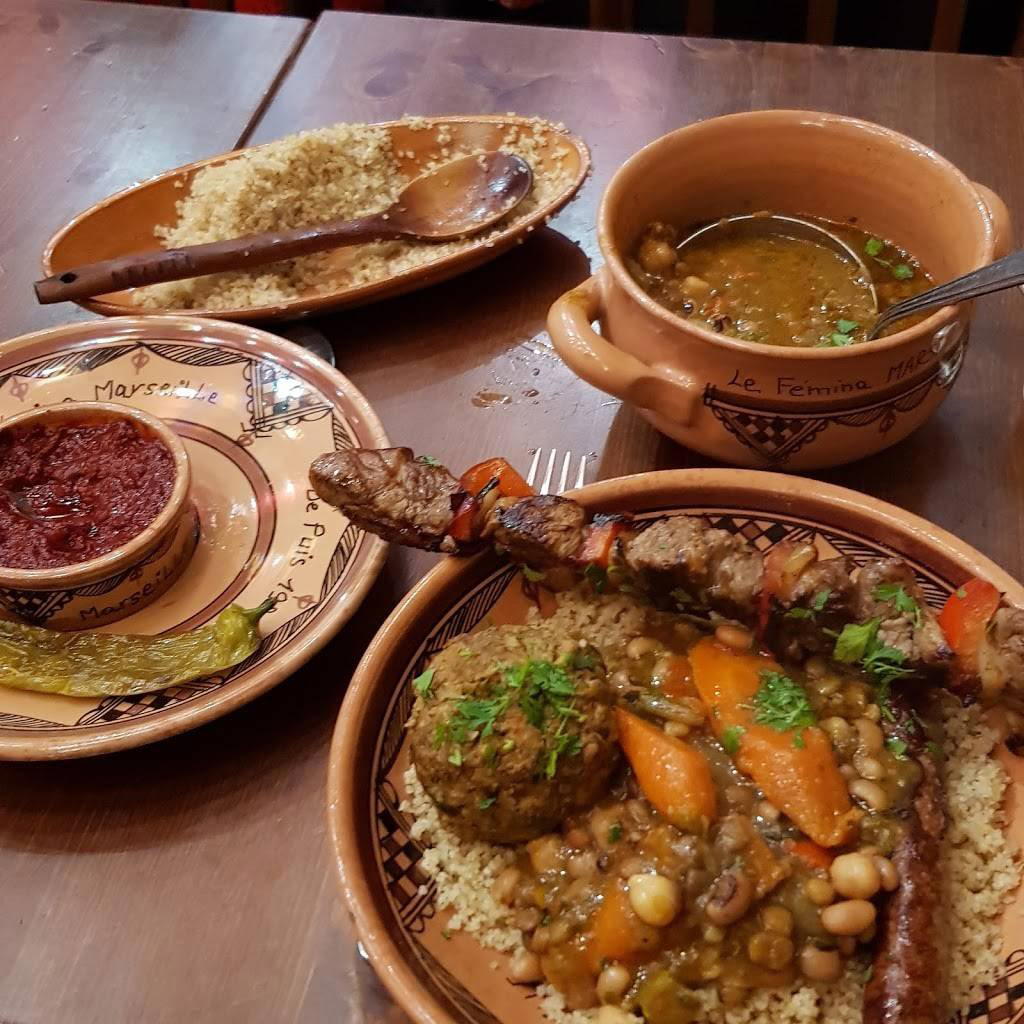
A Street-Level Address in Marseille's Old Quarter
The first arrondissement of Marseille has never been the city's loudest neighbourhood for dining, which is precisely what makes it worth attention. While the Vieux-Port waterfront pulls the tourist current, the streets running toward the Musée des Beaux-Arts operate at a different register: quieter, more residential, and home to a category of restaurant that survives on neighbourhood loyalty rather than foot traffic. Restaurant Femina is an Algerian Couscous Specialist at 1 Rue du Musée, 13001 Marseille, France, with a casual dress code, recommended reservations, and an average spend of about $25 per person. It sits squarely in that tradition. The address itself signals something: a museum-adjacent side street in a city where the serious food conversation has historically clustered around the port and the calanques is a deliberate positioning, whether by design or inheritance.
Marseille's dining character is shaped by geography as much as by culture. It is France's oldest city and its most Mediterranean one, and those two facts compress into every aspect of how the city eats. The port trade brought North African, Italian, Greek, and Levantine influences into the local kitchen centuries before fusion became a culinary category. What emerged is a cuisine that does not announce its influences but absorbs them: the bouillabaisse tradition, the offal-forward dishes of the old working waterfront, the Provençal herb vocabulary applied to North African spicing. Restaurants in this city that survive long enough to become neighbourhood institutions tend to carry some of that layering in their menus, even when the menu itself is not trying to make a historical argument.
Where Femina Sits in Marseille's Restaurant Spectrum
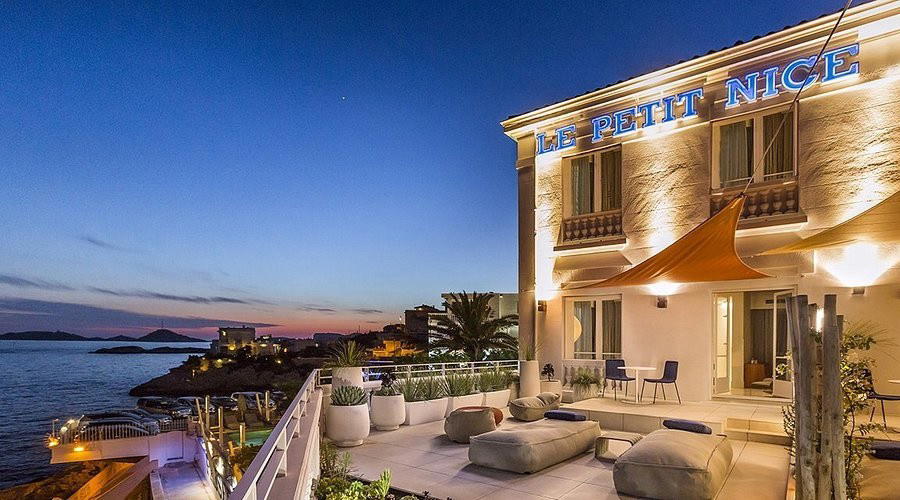
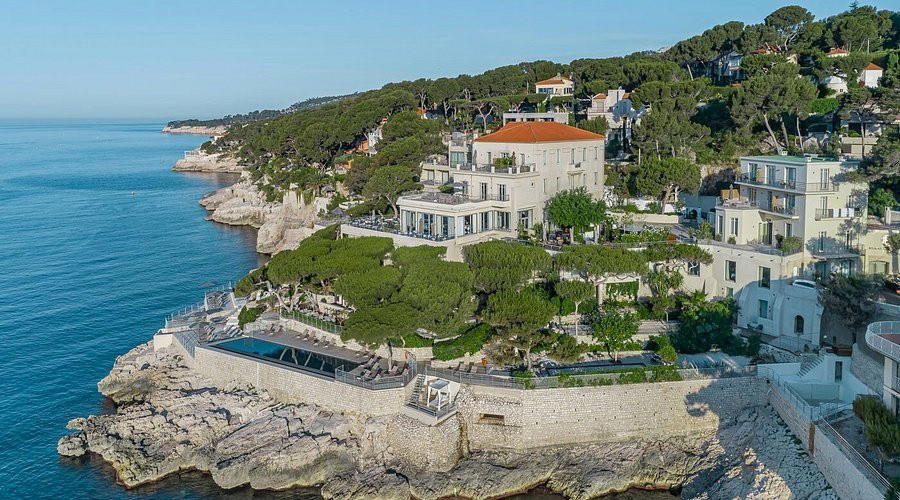
Marseille's fine-dining tier has sharpened considerably over the past decade. AM par Alexandre Mazzia operates at the creative extreme of the spectrum, with a tasting-menu format that places it in conversation with destination restaurants across France rather than with Marseille's neighbourhood circuit. Le Petit Nice anchors the seafood-luxury tier with a clifftop position and a long Michelin history. Une Table, au Sud represents the modern-cuisine middle, where Provençal ingredients meet contemporary French technique at a price point that still requires planning.
Below that Michelin-facing tier, Marseille has a substantial layer of restaurants that function differently: they are not angling for critical recognition, they are not updating their menus seasonally to chase trends, and they are not building a brand. They are feeding the city. Restaurant Femina belongs to this category, alongside addresses like Alivetu and 1860 Le Palais, which serve the Mediterranean and Provençal traditions without the apparatus of fine dining. This is not a lesser category. In a city with Marseille's culinary depth, the neighbourhood restaurant tier is where the actual culture lives.
The broader French restaurant tradition that Femina connects to is among the more documented in the world. From Paul Bocuse - L'Auberge du Pont de Collonges in Collonges-au-Mont-d'Or to Auberge de l'Ill in Illhaeusern, the country's restaurant heritage is built on houses that stayed in one place, served one community, and refined a fixed repertoire over decades. That model contrasts sharply with the mobility and reinvention that defines contemporary dining at places like Mirazur in Menton or Flocons de Sel in Megève. Both traditions are French. They are simply arguing for different things.
The Cultural Roots of the Marseille Table
Understanding Restaurant Femina requires some understanding of the specific Marseillais food culture it operates within. This is a city where the Sunday lunch table runs long, where fish is bought at the Vieux-Port market before nine in the morning, and where the question of the correct way to make bouillabaisse is treated with the same seriousness that wine regions apply to appellation rules. The Restaurant de la Bouillabaisse charter, signed by a group of Marseille restaurants in 1980, is a useful reference point: it formalised what could and could not be called a genuine bouillabaisse, and its existence tells you something about how seriously this city takes the codification of its own culinary identity.
That cultural seriousness extends to the category of restaurant that holds local tradition rather than chasing international recognition. In other French cities, these addresses are often considered secondary. In Marseille, they are often considered primary. The city's food culture is not primarily export-facing; it is internal, serving a population that has strong opinions about what it wants to eat and where it wants to eat it. A restaurant that earns a position on a regular Marseillais's rotation is operating at a meaningful level of trust, whatever its Michelin status.
For international context, this neighbourhood-institution model is not distinctive to Marseille. Bras in Laguiole and Les Prés d'Eugénie - Michel Guérard in Eugénie-les-Bains both represent versions of the rooted French restaurant that derives authority from place and duration rather than from annual reinvention. Georges Blanc in Vonnas is another example, where a village address and a multi-generational kitchen have produced a kind of institutional gravity. The difference in Marseille is that this gravity operates across an entire city, not just at the marquee level. See our full Marseille restaurants guide for a wider map of how the city's dining tiers fit together.
Planning Your Visit
The restaurant is at 1 Rue du Musée, 13001 Marseille, in the first arrondissement, a short walk from the Vieux-Port. The street runs adjacent to the Musée des Beaux-Arts, making it accessible by foot from most central Marseille hotels. For a broader picture of Marseille's restaurant options across price tiers, from the high-end seafood of Le Petit Nice to the creative tasting menus of AM par Alexandre Mazzia, the Marseille guide maps the full spectrum.
Price and Positioning
Comparable venues nearby, for context on price, style, and recognition.
| Venue | Cuisine | Price | Notes |
|---|---|---|---|
| Restaurant FeminaThis venue — the venue you are viewing | Noailles, Algerian Couscous Specialist | $$ | Not listed |
| La Parenthèse | Not listed | $$ | Bonneveine, Mediterranean Tapas with Natural Wine Focus |
| Les Réformés | Chapitre, Mediterranean Bistronomique | $$ | Not listed |
| La Pagaille | Not listed | $$ | Hotel De Ville, Modern Mediterranean Tapas |
| Coquille | Opera, Provençal Seafood Bistro | $$ | Not listed |
| Emile 1933 | Le Rouet, Classic French Brasserie | $$ | Not listed |
Continue exploring
More in Marseille
Restaurants in Marseille
Browse all →
Bars in Marseille
Browse all →
Hotels in Marseille
Browse all →
At a Glance
- Cozy
- Lively
- Rustic
- Casual Hangout
- Family
- Historic Building
Current opening hours
- Monday
- Closed
- Tuesday
- 12–2:30 PM, 7–11 PM
- Wednesday
- 12–2:30 PM, 7–11 PM
- Thursday
- 12–2:30 PM, 7–11 PM
- Friday
- 12–2:30 PM, 7–11 PM
- Saturday
- 12–2:30 PM, 7–11 PM
- Sunday
- 12–3:30 PM
Hours can change for holidays and private events. Last verified .
Cozy with lively, kitsch decor featuring Algerian and Amazigh flags, small bistro tables, old photos, and lively atmosphere.