A neighbourhood fixture on Rue Sylvabelle in Marseille's 6th arrondissement, PEPERE draws a loyal local crowd that returns not for spectacle but for consistency and a sense of place. It occupies a quieter register than the city's Michelin-decorated dining rooms, operating closer to the tradition of the French neighbourhood bistro than the tasting-menu circuit. For visitors looking beyond the waterfront restaurant row, it represents the kind of address regulars rarely advertise.
Pearl is the En Primeur Club membership app — saves, bookings, and concierge access live there. Same editors, same standards.
- Address
- 24 Rue Sylvabelle, 13006 Marseille, France
- Website
- module.thefork.com
- Directions
- Get directions
 Saves & bookings on Pearl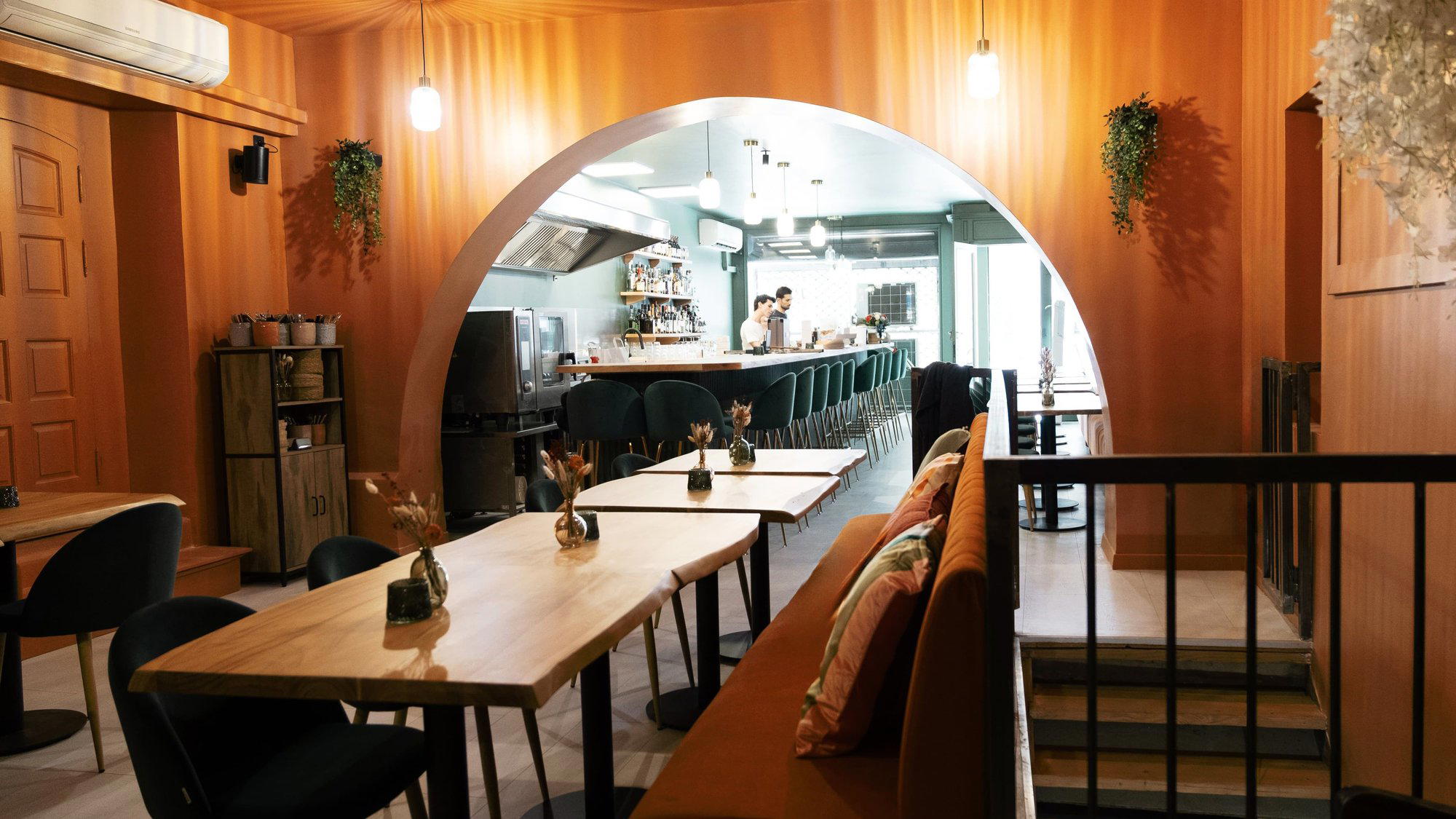
The Street That Locals Keep Quiet About
Rue Sylvabelle runs through Marseille's 6th arrondissement without much fanfare. The neighbourhood around it, settled and residential, sits at a remove from the tourist-facing Vieux-Port energy and the self-consciously ambitious dining rooms that have given Marseille a new kind of culinary credibility over the past decade. In that context, PEPERE at number 24 operates in a register that the city's regulars tend to guard with a particular possessiveness. Addresses like this one don't need to announce themselves; their reputation circulates through the kind of word-of-mouth that predates review platforms.
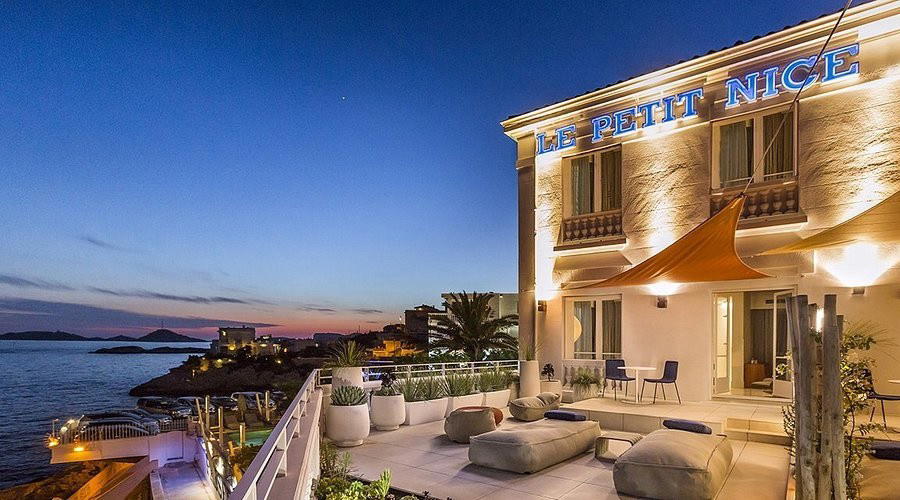
Marseille's dining scene has split visibly in recent years between the high-concept end, AM par Alexandre Mazzia and Une Table, au Sud at the creative, decorated tier, Le Petit Nice anchoring the grand seafood tradition, and a quieter stratum of neighbourhood places that persist because their regulars would notice immediately if they disappeared. PEPERE belongs to that second category, and that is not a demotion. It is a different kind of ambition entirely.
What the Regulars Are Actually After
The French neighbourhood bistro has a specific contract with its clientele. The cooking doesn't need to surprise; it needs to be reliable. The room doesn't need to impress first-time visitors; it needs to be comfortable for people on their fifth or fifteenth visit. The unwritten menu, the dishes that regulars order without looking at the printed version, the small adjustments a kitchen makes for known faces, is the real measure of a place like this.
In Marseille, that tradition carries extra weight. The city's food culture has always been less interested in the prestige of a meal than in its honesty. Bouillabaisse at its leading is a fisherman's leftover solution that became an art form through repetition, not through culinary ambition. The same principle applies to the bistro culture in the 6th: places endure because they offer something that doesn't require a special occasion to justify. PEPERE's position on Rue Sylvabelle places it inside that tradition, in a neighbourhood where the lunch crowd tends to be made up of the same faces that came the week before.
PEPERE sits alongside neighbourhood anchors like Alivetu and 1860 Le Palais in the tier of local-first addresses that don't pitch themselves to visitors first.
Marseille's Neighbourhood Bistro Tradition in a Broader Frame
France's most celebrated dining rooms, Auberge de l'Ill in Illhaeusern, Troisgros - Le Bois sans Feuilles, Bras in Laguiole, Paul Bocuse - L'Auberge du Pont de Collonges, Assiette Champenoise in Reims, Au Crocodile in Strasbourg, Auberge du Vieux Puits in Fontjoncouse, Flocons de Sel in Megève, Mirazur in Menton, and Alléno Paris au Pavillon Ledoyen, represent one end of French dining's range. Internationally, places like Le Bernardin in New York City and Atomix define what high-formality restaurant ambition looks like in a non-European context. None of that is the reference point for what PEPERE is doing.
The reference point is closer to home: the Marseille table where the carafe arrives without being ordered, where the plat du jour reflects what came in fresh that morning, and where the room operates at a pace set by the neighbourhood rather than by a reservation system designed to maximise covers. That model survives in French cities because a segment of the population actively maintains it through habit, and because the economics of the neighbourhood bistro, when executed without extravagance, can sustain a long run if the cooking holds up.
Finding It and Planning Around It
The 6th arrondissement is accessible by foot from the city centre and by the Estrangin-Préfecture metro station, which puts Rue Sylvabelle within a short walk of the broader network. The neighbourhood has a density of similar addresses and operates at a different rhythm from the Vieux-Port area, making it worth half a day if the goal is to understand the city's residential dining culture rather than its showcase end.
What the address does reliably signal is a type of experience: the 6th-arrondissement bistro format, best reserved ahead and open Tue and Wed 5 PM to 12 AM, Thu and Fri 5 PM to 1 AM, and Sat 6 PM to 1 AM.
Booking and Cost Snapshot
Comparable venues nearby, for context on price, style, and recognition.
| Venue | Cuisine | Price | Notes |
|---|---|---|---|
| PEPEREThis venue — the venue you are viewing | Not listed | $$ | Not listed |
| Cantoche | Opera, Modern Mediterranean Bistro | $$ | Not listed |
| La Parenthèse | Not listed | $$ | Bonneveine, Mediterranean Tapas with Natural Wine Focus |
| La Baleine | Not listed | $$ | Notre Dame Du Mont, Mediterranean Bistronomie |
| OAÏ | Opera, Provençal Mediterranean Bistro | $$ | Not listed |
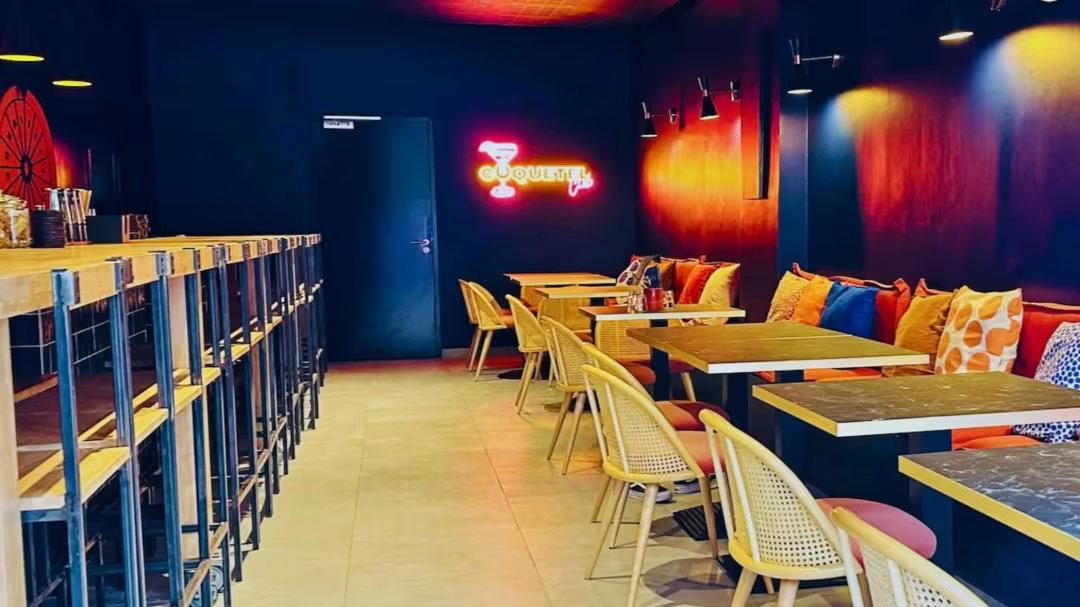
| Coquetel Club | Not listed | $$ | Castellane, French Cocktail Bar with Boards |
Continue exploring
More in Marseille
Restaurants in Marseille
Browse all →
Bars in Marseille
Browse all →
Hotels in Marseille
Browse all →
At a Glance
- Intimate
- Trendy
- Sophisticated
- Cozy
- Casual Hangout
- After Work
- Date Night
- Standalone
- Craft Cocktails
Current opening hours
- Monday
- Closed
- Tuesday
- 5 PM–12 AM
- Wednesday
- 5 PM–12 AM
- Thursday
- 5 PM–1 AM
- Friday
- 5 PM–1 AM
- Saturday
- 6 PM–1 AM
- Sunday
- Closed
Hours can change for holidays and private events. Last verified .
Intimate, well-curated atmosphere with carefully selected presentation and attention to detail that creates a sophisticated yet welcoming environment.