Hôtel Le Doge

Relais Chateaux Award
Our verdict
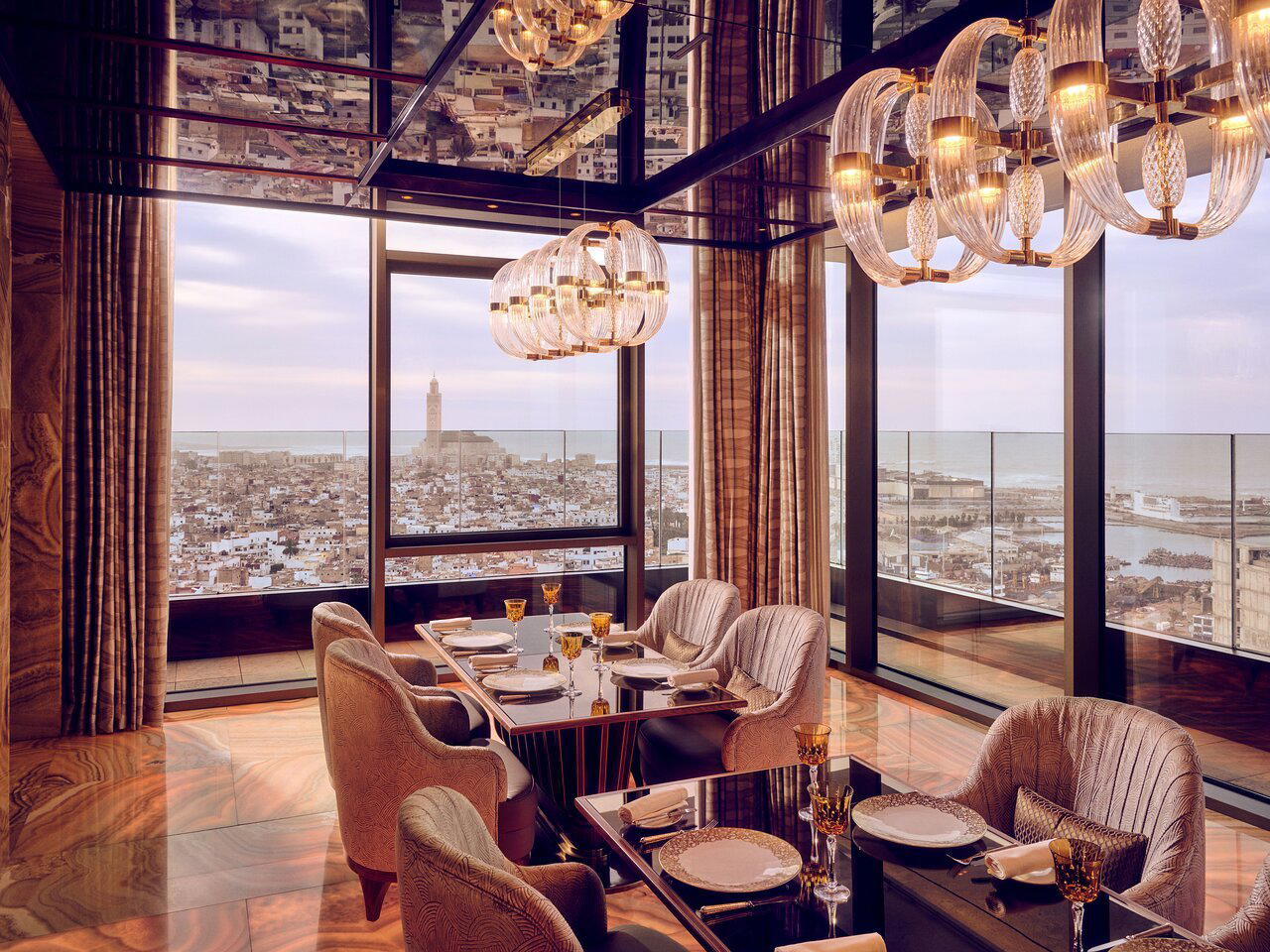
A 1930s Art Deco address in Casablanca, Hôtel Le Doge operates at the intersection of Moroccan fine dining and French culinary tradition. The intimate atmosphere and preserved architecture place it in a different tier from the city's large hotel dining rooms.

Pearl is the En Primeur Club membership app, where members save venues, book tables and use the concierge.
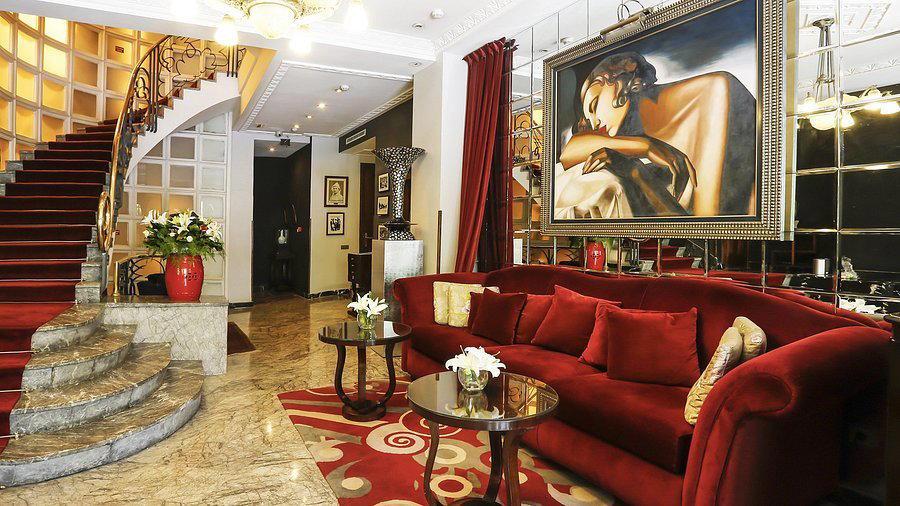
Where the 1930s Still Set the Terms
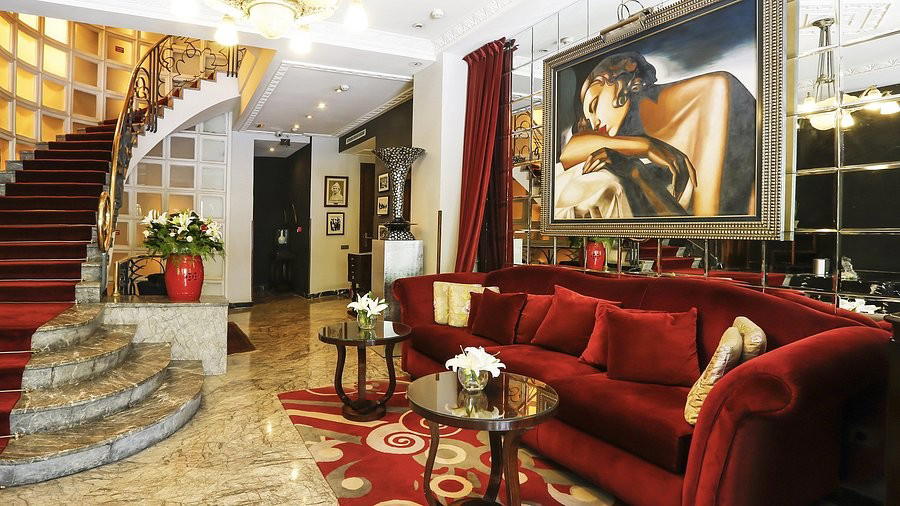
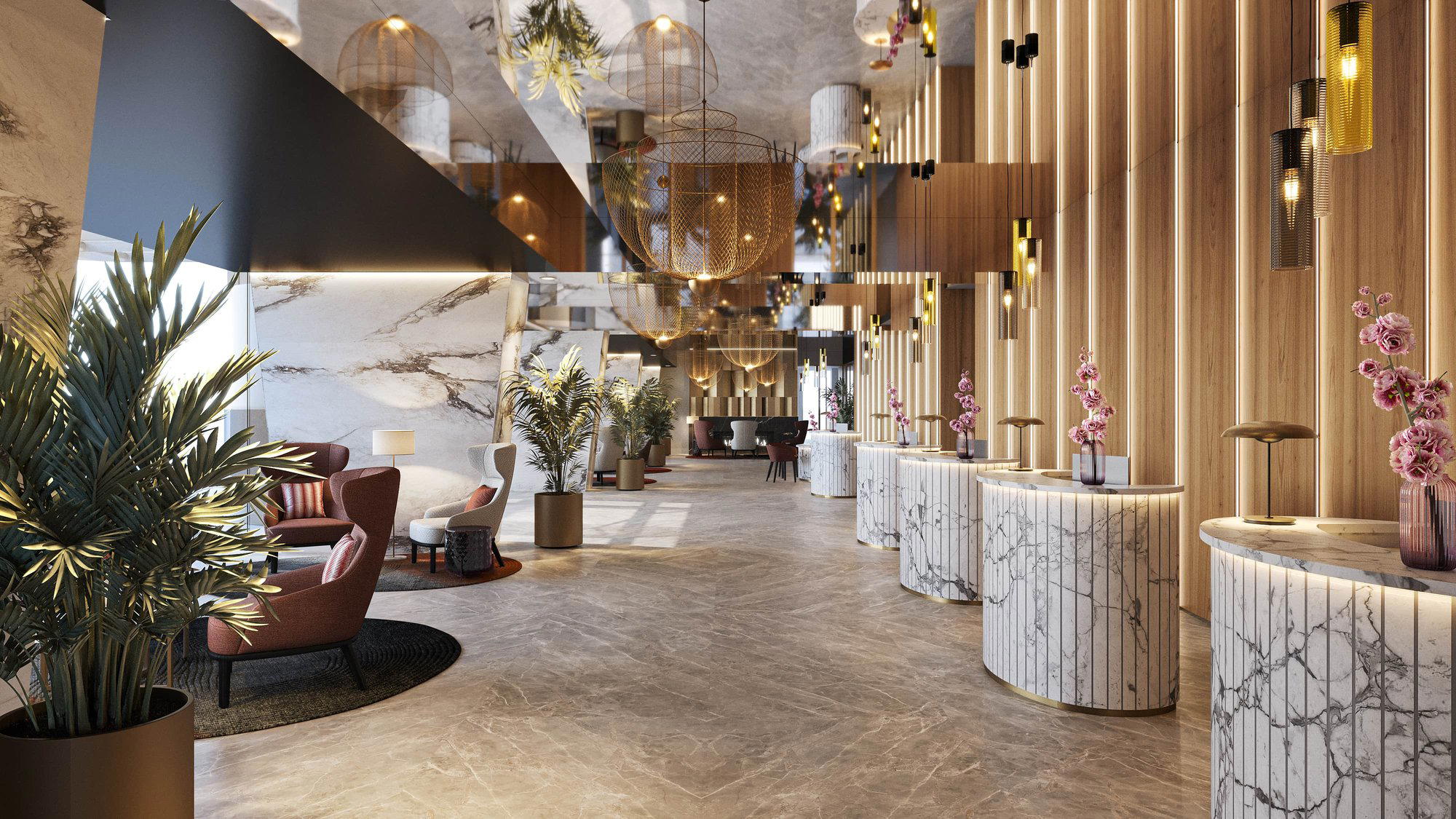
Casablanca's relationship with its Art Deco heritage is complicated. The city built more Art Deco architecture per square metre than almost anywhere outside Miami during the French Protectorate period, yet much of it has been absorbed into the anonymous fabric of a working commercial city. The buildings that survive intact and in active use, rather than repurposed, subdivided, or simply neglected, are worth paying attention to. Arriving here, the physical environment does much of the editorial work before you've ordered anything: the proportions, the materials, and the period detailing establish a frame of reference that shapes how the Moroccan-French kitchen is received.
That context matters because Moroccan-French cuisine in Casablanca exists across a wide register, from the grand hotel dining rooms attached to international properties, to neighbourhood restaurants where the French influence is largely a matter of presentation rather than technique. Hôtel Le Doge occupies a middle position in that range: intimate enough to feel residential, formal enough to signal that the kitchen takes the French side of the equation seriously.
The Opening Spread as an Editorial Statement
Moroccan hospitality has always organised itself around arrival, the gesture of bread, olive oil, preserved lemon, and the first wave of small dishes that precedes any main course. In the fine dining register, this opening sequence becomes a deliberate statement about the kitchen's priorities. At Hôtel Le Doge, the Moroccan-French framing means that opening spread operates in two registers simultaneously: the traditional spread of dips, cooked salads, and preserved vegetables drawn from Moroccan mezze culture, and the more restrained, technique-forward plating that French culinary training brings to the same ingredients.
This tension is worth understanding if you're comparing the experience here to other options in the city. La Grande Table Marocaine at Royal Mansour Casablanca operates at a grander scale within a purpose-built palace hotel, where the opening spread is part of a more theatrical production. Iloli, also working in the Moroccan-French category, approaches the same cuisine with a different tonal register. What distinguishes the Le Doge setting is the architecture itself, a 1930s dining room carries a specific kind of formality that shapes how a spread of briouats, zaalouk, and taktouka reads. The dishes don't change, but the container does.
The art of the Moroccan opening course is fundamentally about balance: enough variety to communicate generosity, enough restraint to leave appetite for what follows. The cooked vegetable salads, typically three to five at this level, should each read as distinct, the eggplant preparation differing clearly from the tomato, the carrot from the beet. Where French technique enters is in the precision of seasoning and the decision to plate individually rather than serve communally. Both approaches have logic; the Le Doge format sits closer to the individual-plating end of that spectrum without abandoning the spirit of shared abundance.
Placing Le Doge in Casablanca's Dining Sequence
Casablanca is Morocco's commercial capital rather than its cultural one, and its restaurant scene reflects that. The city has a wider range of international options than Marrakesh or Fès, but fewer of the deeply traditional medina-based dining rooms that define those cities' upper tiers. For Moroccan fine dining in a classical key, visitors often travel south or inland, Le Marocain at La Mamounia in Marrakesh and Palais Ronsard in the same city represent the Marrakesh version of that tradition. In Fès, Gayza operates within the medina context that Casablanca structurally lacks.
What Casablanca offers instead is a version of Moroccan dining filtered through a century of French colonial and post-colonial exchange, a cuisine that is neither purely traditional nor straightforwardly European, but genuinely hybrid. Hôtel Le Doge's 1930s building is, in architectural terms, a product of exactly that same exchange. The alignment between setting and cuisine is not coincidental; it's the thing that makes this address coherent rather than merely atmospheric.
For guests moving through Morocco rather than staying in one city, the comparison points extend further. Heure Bleue Palais in Essaouira offers another version of the hotel-dining-room format with strong architectural bones. L'Oliveraie in El Hajeb and Château Roslane take the French-Moroccan exchange in a more agrarian direction. The city-based, architecturally grounded format that Hôtel Le Doge represents is, within that broader map, relatively uncommon.
Practical Considerations
Hôtel Le Doge sits at GPS coordinates 33.5928, -7.6234, approximately five kilometres from Casa Port and Casa Voyageurs train stations, both accessible from the city centre and from the airport line. Casablanca Mohamed V International Airport is roughly 20 kilometres away, making the address reachable by taxi or rail without significant complication for arriving guests. The intimate atmosphere referenced in the venue's own positioning signals limited capacity, which in practice means that booking ahead, particularly for dinner on weekends, is advisable rather than optional.
Comparable addresses in Casablanca's premium Moroccan-French tier include Iloli and Table 3; those serve as useful calibration points for expectation-setting on spend.
For a broader view of the city's options across categories, EP Club maintains guides covering Casablanca restaurants, hotels, bars, wineries, and experiences. For readers whose Morocco itinerary extends beyond Casablanca, the restaurant guides for +61 in Marrakesh, Le Petit Cornichon in Marrakech, and Le Jasmine in Casablanca itself offer useful contrast across format and cuisine type. Those seeking a global calibration point for fine dining at this level may also reference Le Bernardin in New York City as a benchmark for how French technique operates at the higher end of the fine dining register.
Frequently asked questions
How far ahead should I plan for Hôtel Le Doge?
Le Doge operates as an intimate property, that format tends to fill quickly during Casablanca's business travel peaks and Moroccan public holidays. A booking window of two to three weeks is a reasonable baseline; for weekend dinners or larger parties, four weeks gives more room to secure preferred dates. The property sits at GPS 33.5928, -7.6234, roughly five kilometres from Casa Port station, so logistics from the city centre are straightforward to plan around.
Comparable Spots, Quickly
Comparable venues nearby, for context on price, style, and recognition.
| Venue | Cuisine | Price | Awards | Notes |
|---|---|---|---|---|
| Hôtel Le DogeThis venue (the venue you are viewing) | Traditional Moroccan & Mediterranean | Not listed | Relais Chateaux Award | Not listed |
| La Sqala | Traditional Moroccan | $10–20 | Not listed | Medina |
| La Grande Table Marocaine - Royal Mansour Casablanca | Refined Moroccan Fine Dining | $150–200 | La Liste Top Restaurants | Anfa |
| Luminà Restaurant | Moroccan-inspired International Fusion | Not listed | Not listed | Anfa |
| Iloli | Modern Japanese Gastronomy | $30–50 | La Liste Top Restaurants | Gauthier |
| Cocoa Café | Parisian-Style Café | Not listed | Not listed | city center |
Recognition history
Dated appearances from independent guides and award organizations, with the underlying list record or original source where available.
Relais Chateaux Award
Relais Chateaux
Continue exploring
More in Casablanca
Restaurants in Casablanca
All restaurants in Casablanca →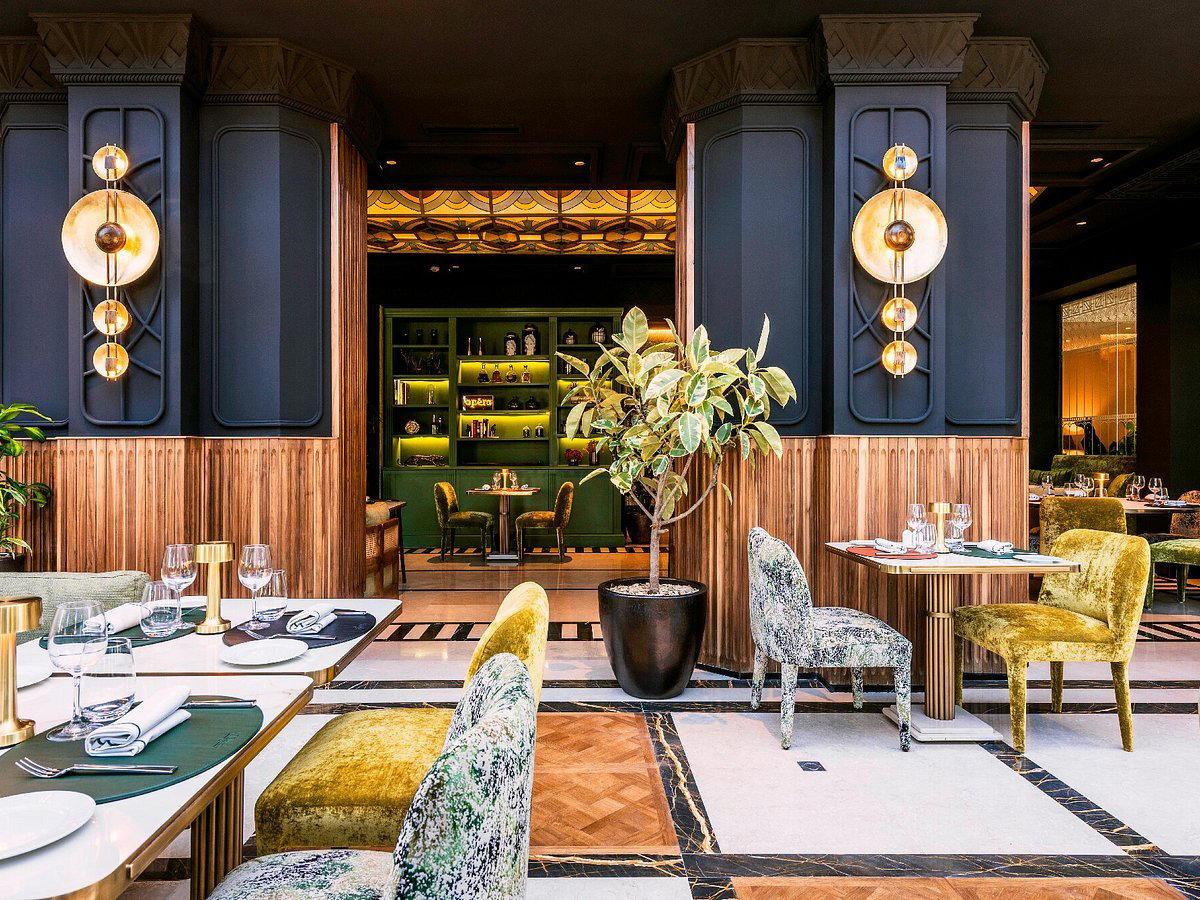
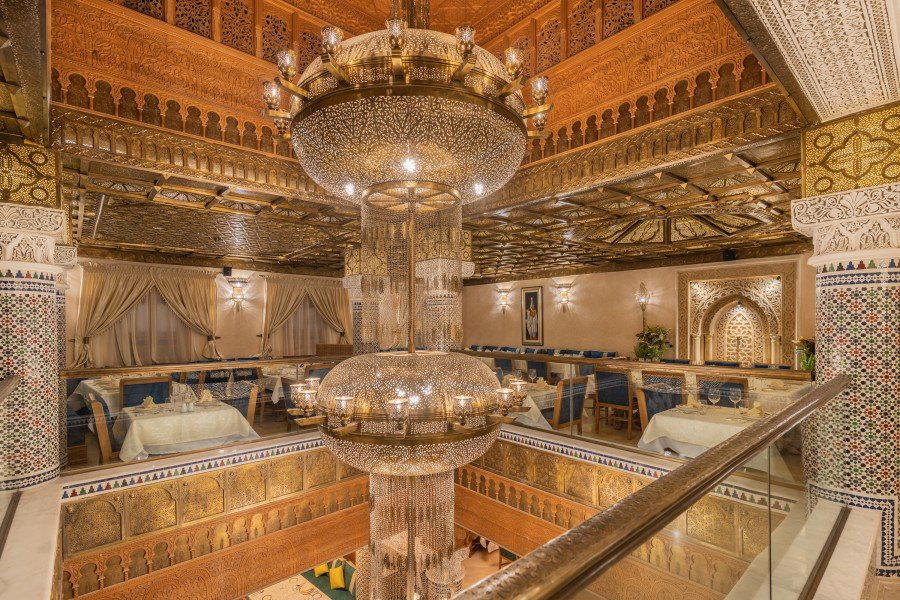
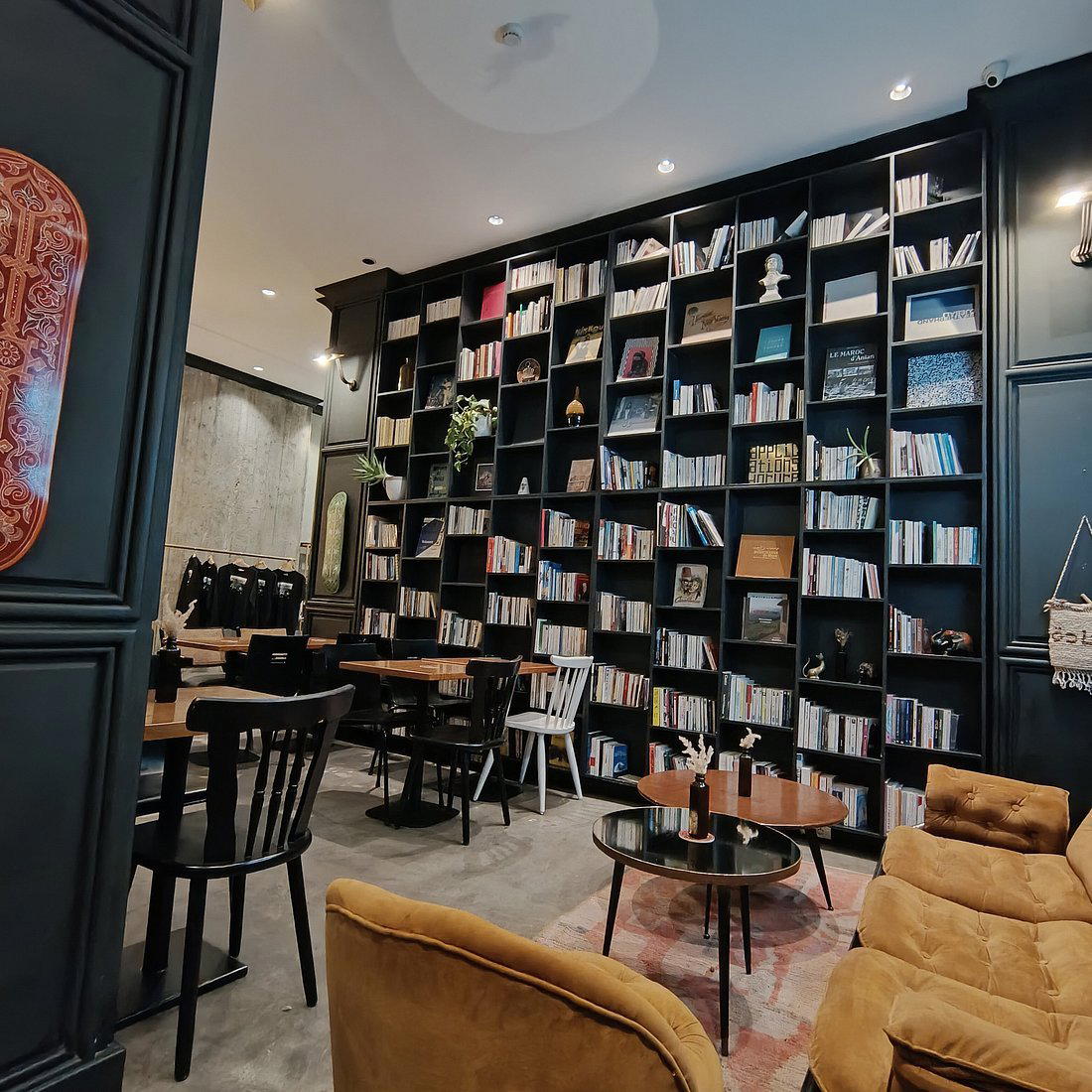
Bars in Casablanca
All bars in Casablanca →
Details
- Elegant
- Classic
- Sophisticated
- Intimate
- Cozy
- Date Night
- Special Occasion
- Business Dinner
- Rooftop
- Hotel Restaurant
- Historic Building
- Terrace
- Extensive Wine List
- Local Sourcing
- Skyline
- Street Scene
- Tasting Menu
- A La Carte
- Vegetarian Friendly
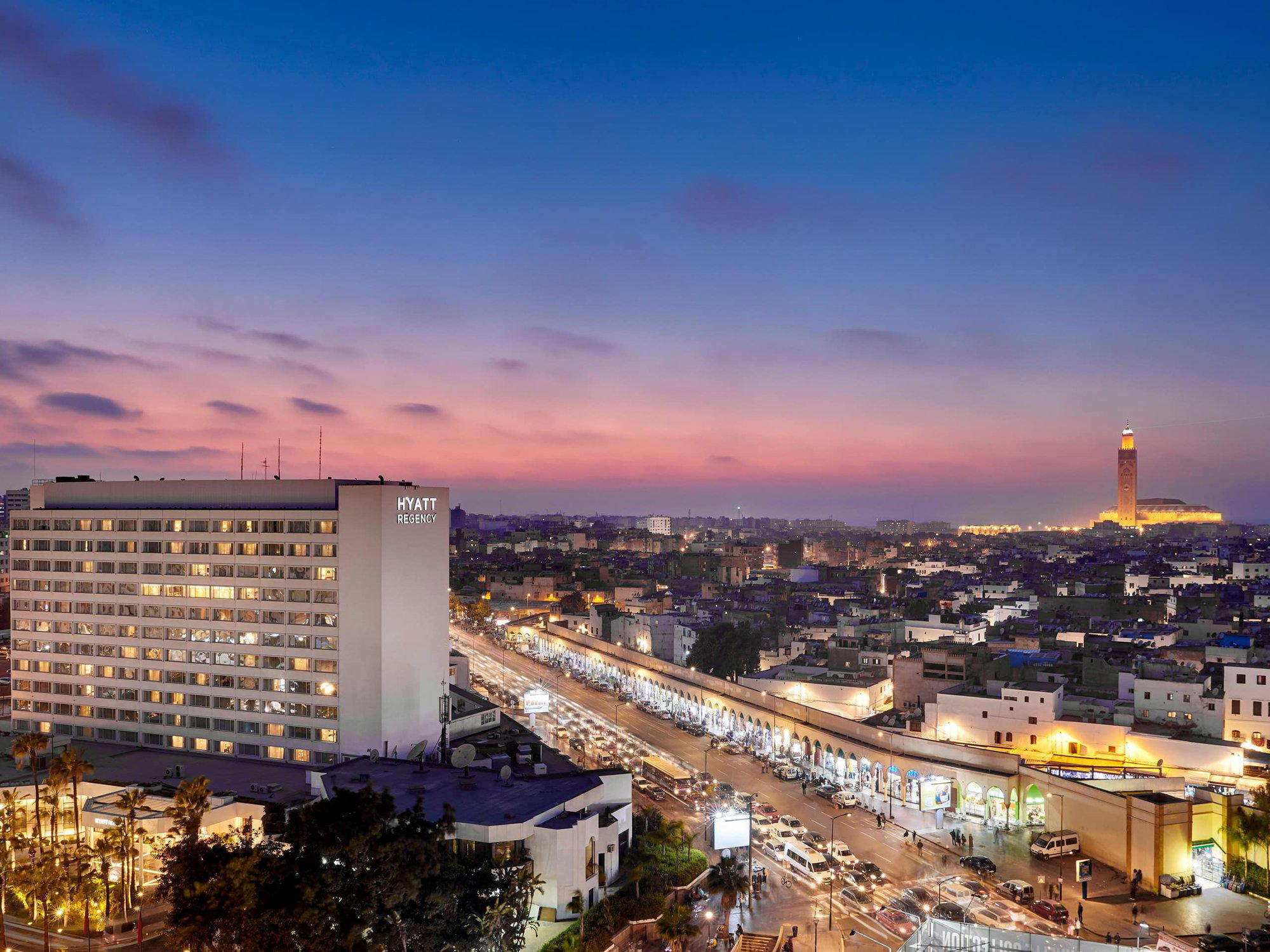
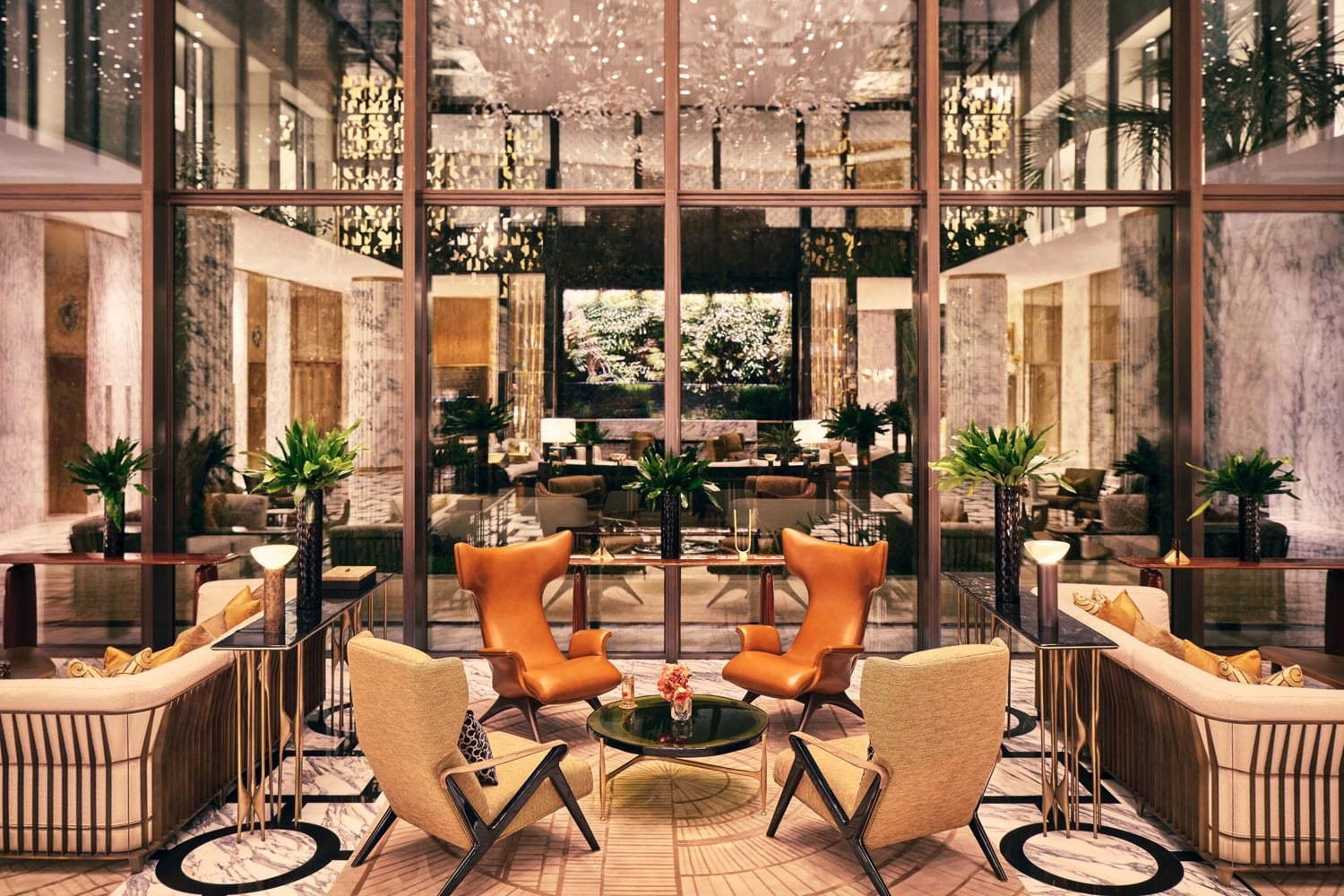
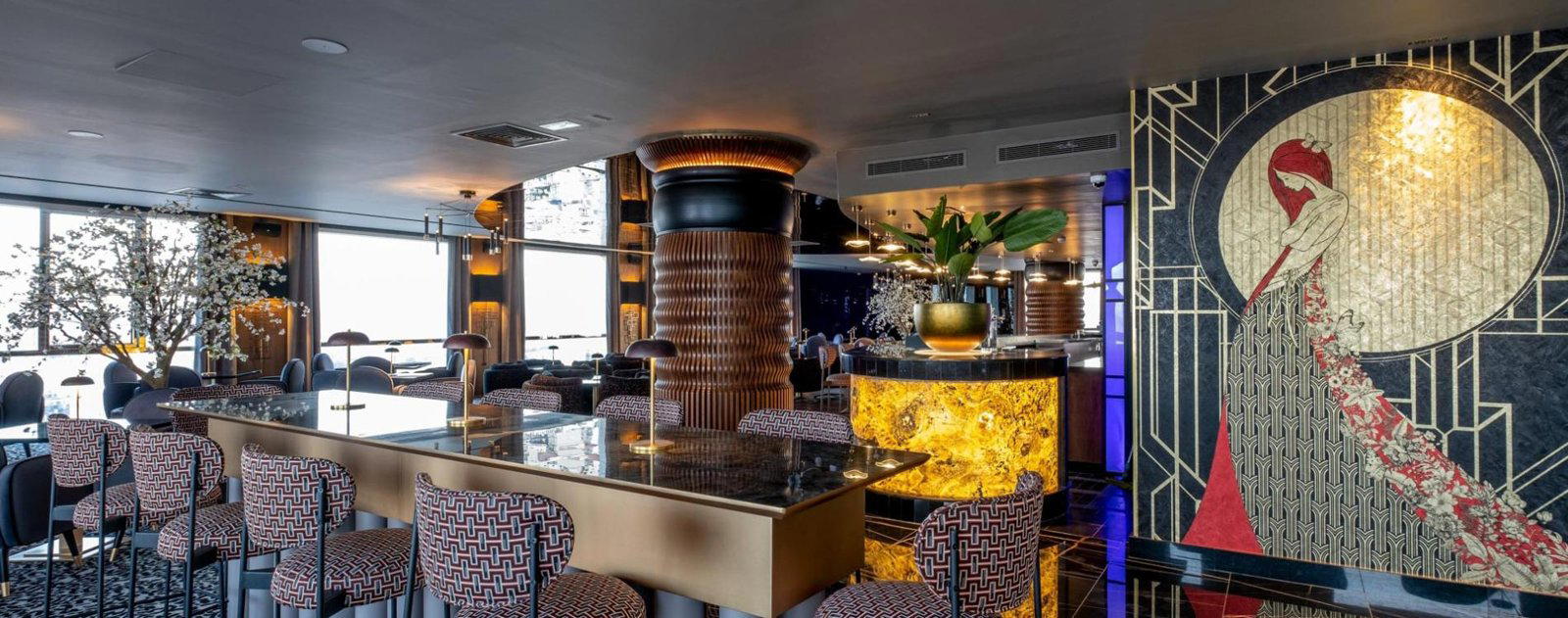
Cozy and elegantly decorated Art Deco interiors with hand-painted tableware and stained glass at Le Jasmine; relaxed, lively rooftop atmosphere with city views at Le Doge Café.