Á La Maison Grand occupies a address on Szervita tér in Budapest's fifth district, placing it within walking distance of the city's most decorated dining rooms. The restaurant enters a conversation about ingredient-led cooking that Budapest's top tier has been having for over a decade, with sourcing transparency increasingly defining how serious kitchens separate themselves from the field.
Pearl is the En Primeur Club membership app — saves, bookings, and concierge access live there. Same editors, same standards.
- Address
- Budapest, Szervita tér 3, 1052 Hungary
- Phone
- +36206187580
- Website
- alamaisonbudapest.hu
- Directions
- Get directions
 Saves & bookings on Pearl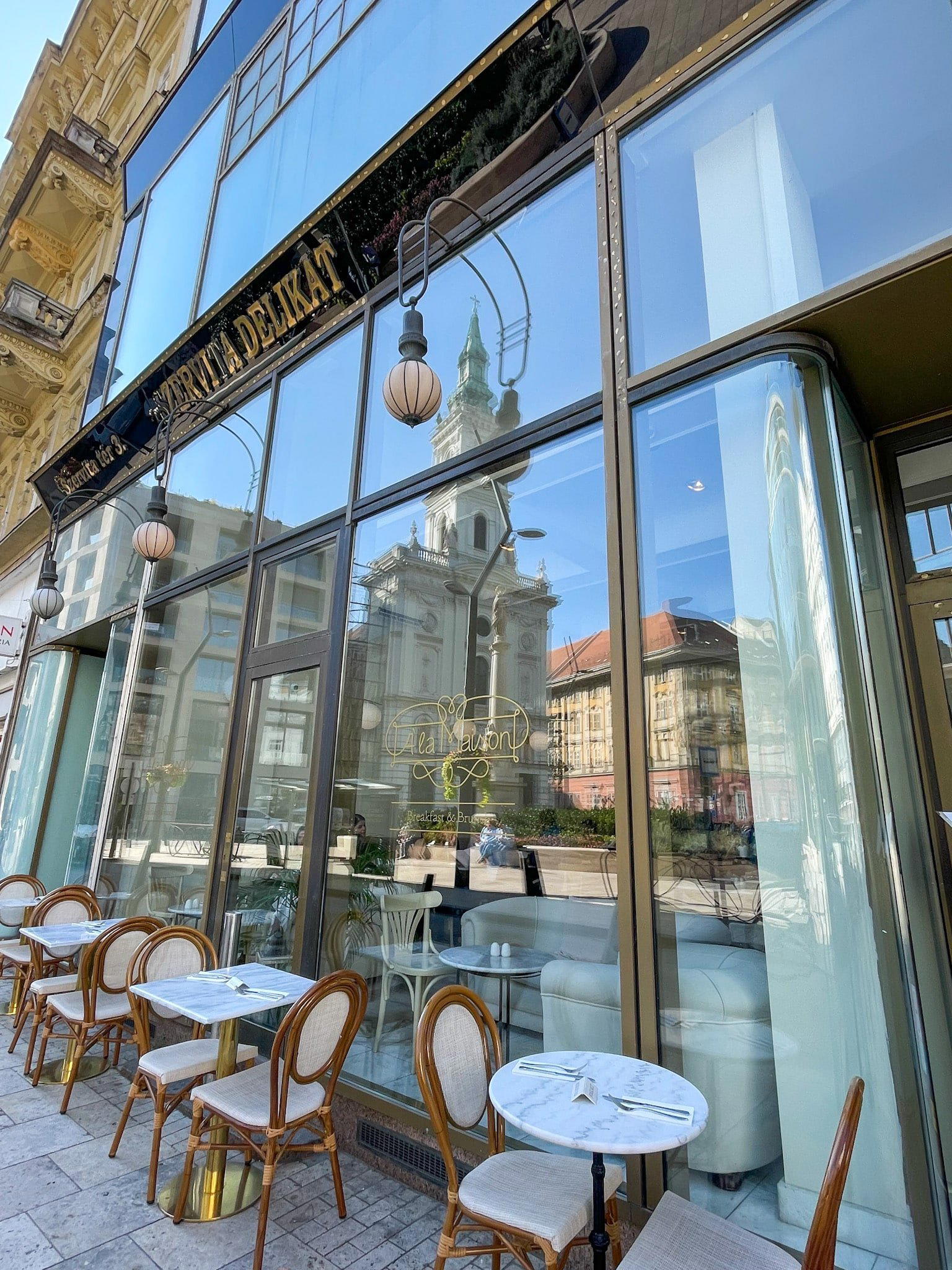
Szervita Tér and the Fifth District's Dining Gravity
Budapest's fifth district pulls a disproportionate share of the city's serious dining. Szervita tér, a compact square that sits between the Váci utca shopping corridor and the Danube-facing boulevards, is a few minutes on foot from the chain bridge and a short walk from several of Budapest's most discussed addresses. The square has the architectural density of the inner city without the tourist throughput of the riverfront, which tends to attract restaurants more interested in what's on the plate than in capturing passing trade. Á La Maison Grand is a restaurant in Budapest, serving French Breakfast & Brunch at Szervita tér 3, with.
The address matters because the fifth district's dining ecology is now genuinely competitive. Costes holds the distinction of being Hungary's first Michelin-starred restaurant, and its continued presence anchors the district's reputation. Babel and Stand have built followings around modern Hungarian technique and seasonal Hungarian produce. In that environment, a restaurant on Szervita tér is not operating in isolation; it is placing itself into a conversation where sourcing, craft, and editorial intent are the baseline expectations.
Where the Food Comes From: Sourcing as Editorial Statement
One consequential shift in Budapest's higher-end dining over the past decade has not been about technique or plating convention. It has been about provenance. The kitchens that have earned sustained recognition in the city, including Borkonyha Winekitchen at its €€€ price point and essência at €€€€, have built their identities around demonstrable relationships with Hungarian producers. That shift reflects something real about Hungary's agricultural position: the country has the soil, the climate, and the farming culture to supply serious kitchens with beef, pork, poultry, freshwater fish, and produce that can compete with what arrives from Western European supply chains at considerably higher cost.
Restaurants in the region that have attracted particularly notice beyond Budapest's city limits have often done so by mining this supply chain with specificity. Platán Gourmet in Tata and Pajta in Őriszentpéter are two examples of kitchens outside the capital that have built their identities around direct producer relationships in ways that urban restaurants often struggle to replicate. BoriMami in Gyöngyös and Aranysárkány Vendéglő in Szentendre demonstrate that sourcing-led cooking is not confined to Michelin-tracked addresses; it extends across Hungary's towns and wine regions. Halasi Pince Panzió in Villány and Forst-Ház Étterem és Kávézó in Eger embed sourcing directly into their wine-region identities, where proximity to producers is structural rather than aspirational.
For a restaurant on Szervita tér to enter this conversation credibly, it needs to answer the same question that Budapest's decorated kitchens have been forced to answer: where, specifically, does the food come from, and what does that mean for what arrives on the table? One competitive version of this story in Budapest is not about organic certification or menu copy that mentions farm names. It is about seasonal discipline, the willingness to change what is served based on what is actually available, and kitchen relationships with suppliers that are specific enough to be verifiable.
Budapest's €€€€ Tier: What the Price Point Implies
At the upper price tier of Budapest's dining market, the competitive set is relatively defined. Costes, Stand, Babel, and essência all operate at €€€€ and all carry meaningful recognition. Booking windows at one recognised addresses in this tier can run weeks to months ahead, particularly on weekend evenings. The guest profile skews toward locals with serious interest in the cooking, visiting food professionals, and international travelers specifically seeking Hungarian kitchen output rather than a generic European fine-dining experience.
What separates restaurants within this tier is not always obvious from the outside. Service format, tasting menu length, wine list depth, and room design all vary. But the kitchens that hold their position over time in Budapest tend to do so through consistency in sourcing and a resistance to the kind of menu drift that follows short-term trend pressure. Restaurants like Borkonyha Winekitchen, which operates one tier below at €€€ but holds Michelin recognition, demonstrate that price point alone does not determine credibility in Budapest's evaluative framework.
Internationally, the conversation about ingredient sourcing at this level has been shaped by kitchens like Le Bernardin in New York City, where sourcing documentation is a foundational part of the restaurant's public identity, and Atomix in New York City, which applies Korean ingredient logic to a fine-dining format in ways that have influenced how sourcing narratives are constructed globally. Budapest's leading kitchens are drawing from these international reference points while anchoring their output in the Carpathian Basin's actual produce.
Getting There and Planning Your Visit
Szervita tér 3 is accessible on foot from Deák Ferenc tér, Budapest's central metro interchange where lines M1, M2, and M3 converge, in approximately ten minutes. The square is also walkable from Vörösmarty tér on the M1 yellow line. For visitors staying in Pest-side hotels near the Danube, the address is within comfortable walking distance without public transport. For broader context on how Á La Maison Grand sits within Budapest's full dining range, the EP Club Budapest restaurants guide covers the city's major addresses across price tiers.
Visitors building a wider itinerary around Hungarian food beyond the capital should note that several strong addresses are within a half-day's travel. Classic Grill Serbian Restaurant Underground in Szeged, Astro Tea and Kávéház in Győr, La Pizza Del Lupo in Onga, and Almalomb in Hosszúhetény represent how Hungary's food scene distributes well beyond its capital, with regional producers and local food cultures that feed both city kitchens and their own local dining rooms.
Comparable Spots, Quickly
Comparable venues nearby, for context on price, style, and recognition.
| Venue | Cuisine | Price | Notes |
|---|---|---|---|
| Á La Maison GrandThis venue — the venue you are viewing | French Breakfast & Brunch | $$ | Not listed |
| Gerlóczy Cafe | French-Hungarian Bistro | $$ | Belvaros |
| Café Vian Liszt Ferenc tér | Traditional Hungarian Bistro | $$ | Terézváros |
| Padron | Spanish Tapas | $$ | Pest |
| Callas | Traditional Hungarian | $$ | Terézváros |
| Vadrózsa | Traditional Hungarian & International | $$ | Pasaret |
Continue exploring
More in Budapest
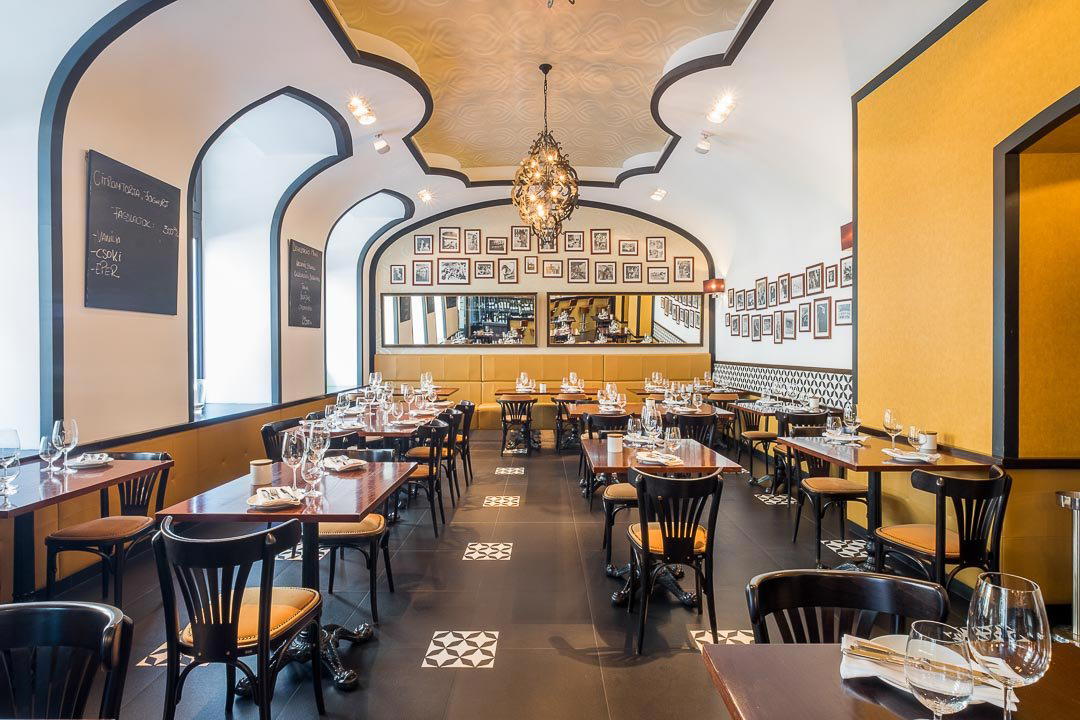
Restaurants in Budapest
Browse all →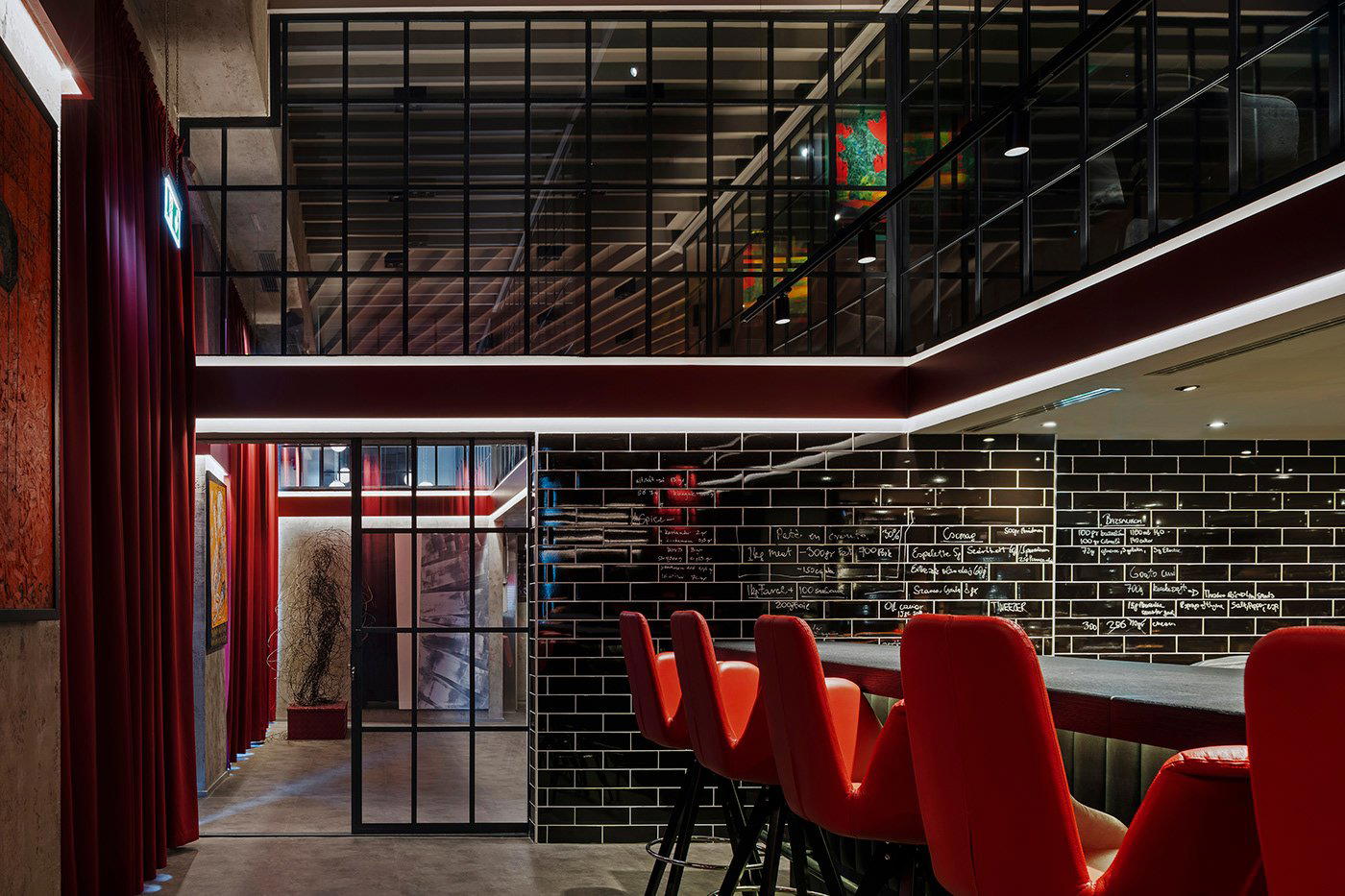
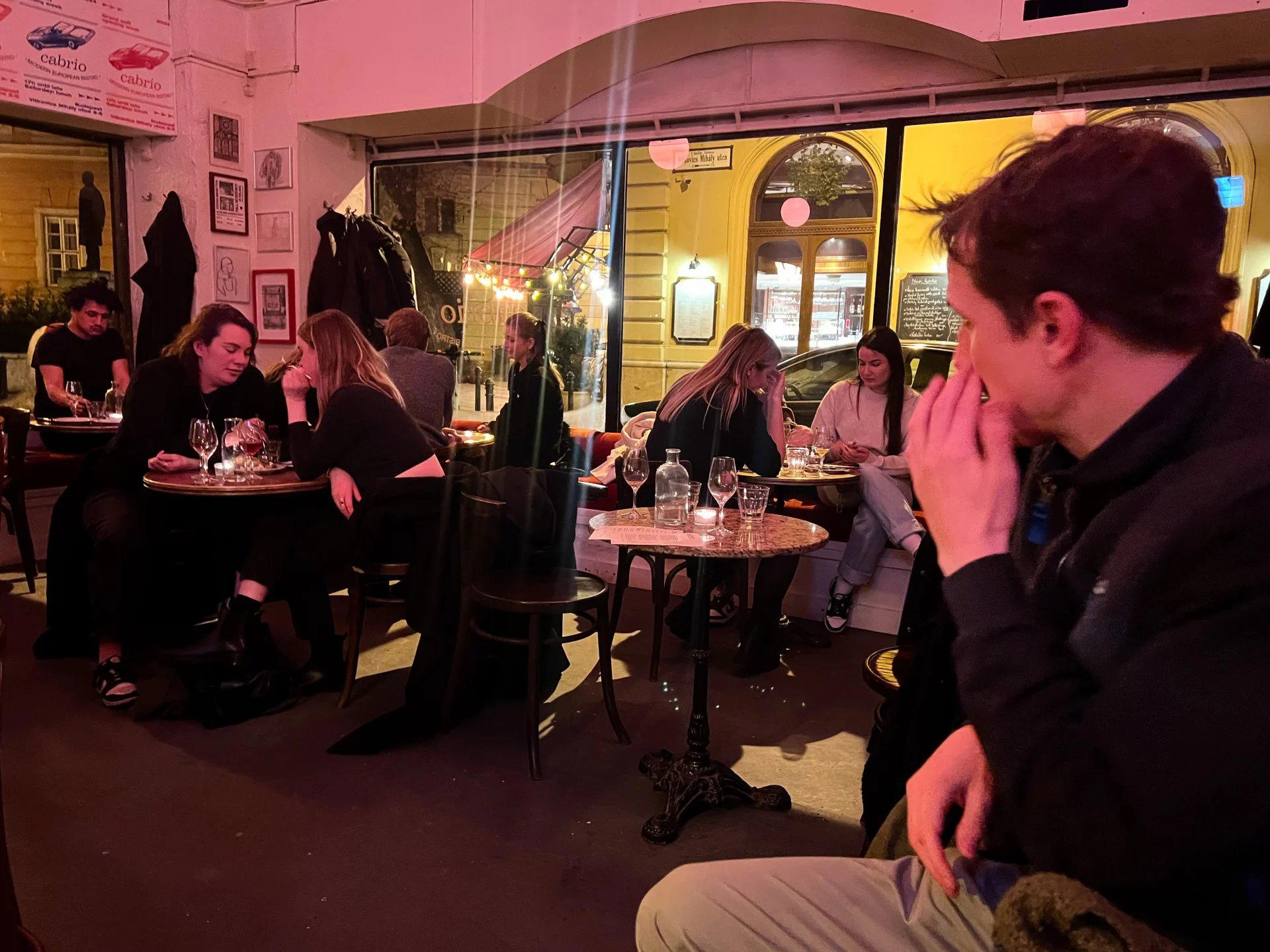
Bars in Budapest
Browse all →
Hotels in Budapest
Browse all →
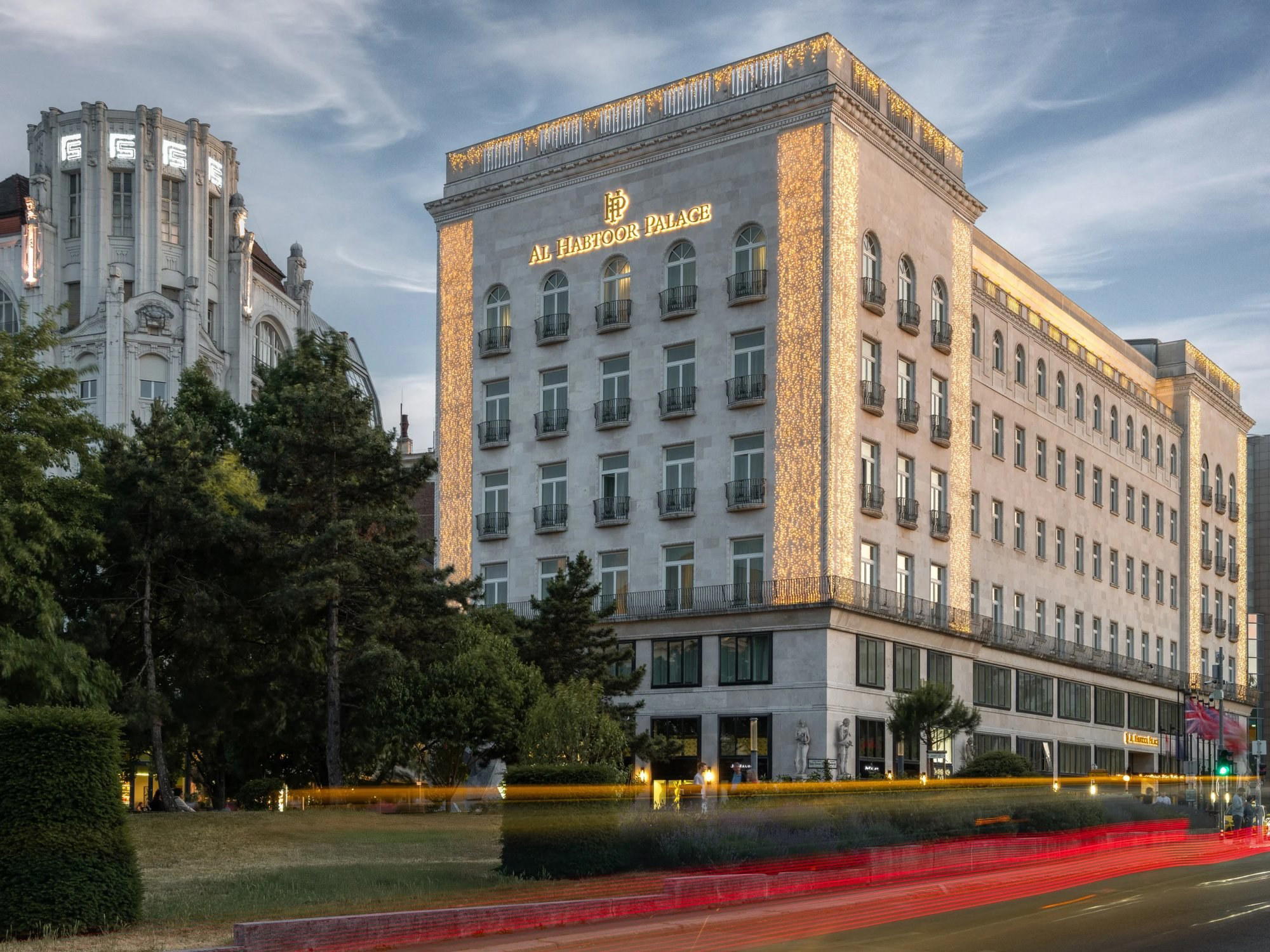
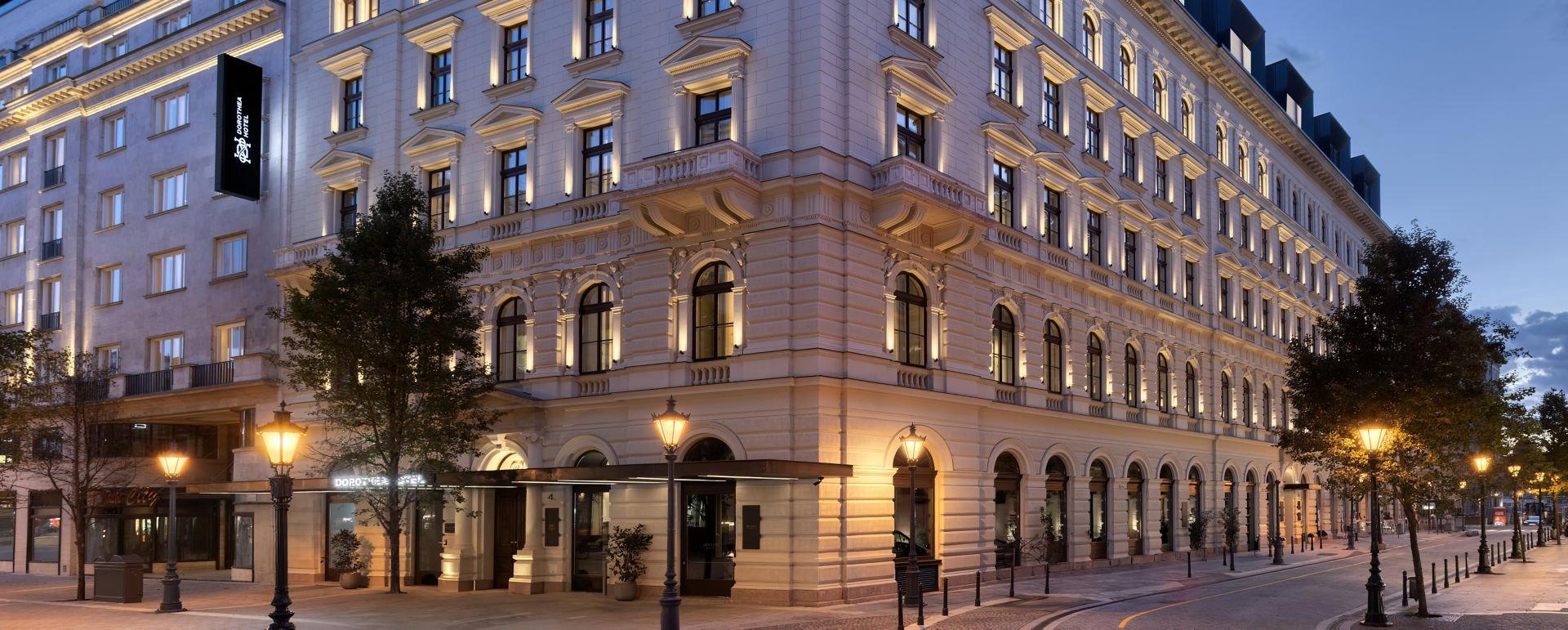
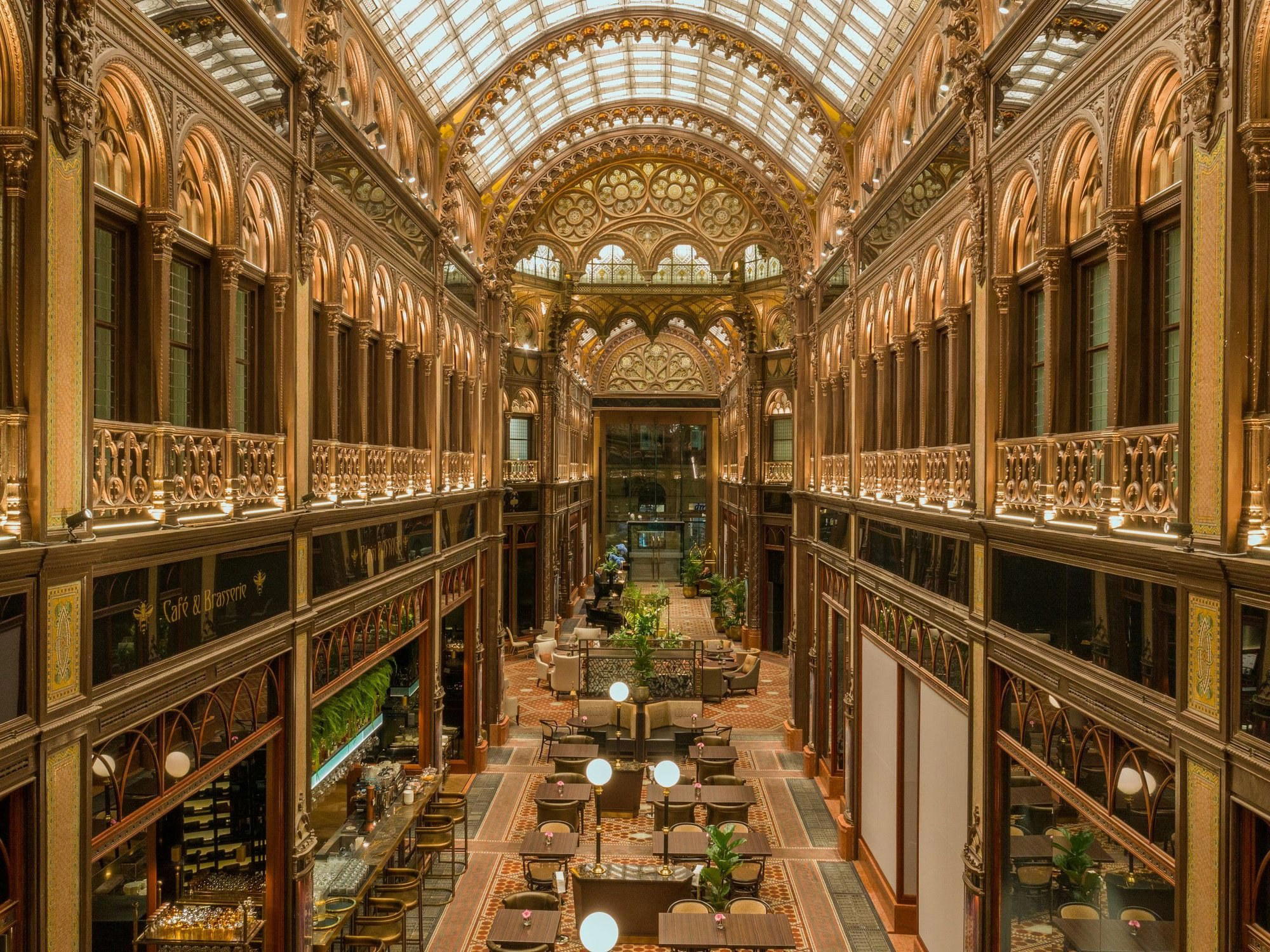
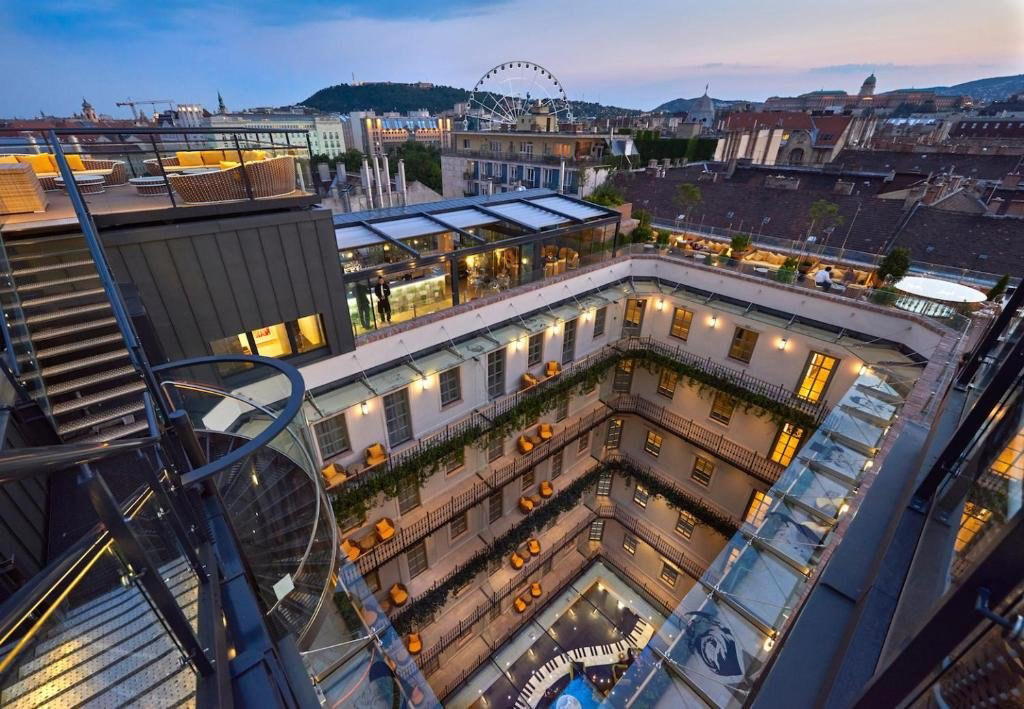
At a Glance
- Cozy
- Classic
- Elegant
- Brunch
- Casual Hangout
- Terrace
Current opening hours
- Monday
- 8 AM–3 PM
- Tuesday
- 9 AM–3 PM
- Wednesday
- 9 AM–3 PM
- Thursday
- 9 AM–3 PM
- Friday
- 8 AM–3 PM
- Saturday
- 8 AM–4 PM
- Sunday
- 8 AM–3 PM
Hours can change for holidays and private events. Last verified .
Charming Provence vintage style with French melodies playing, creating a comfortable and cozy atmosphere.