On a quiet side street in Budapest's eighth district, Padron occupies a slice of the city's increasingly considered dining scene. The address on Horánszky utca places it within walking distance of the Palota quarter, where a younger wave of restaurants has been rethinking what neighbourhood eating looks like in the Hungarian capital. It is a name that rewards attention rather than announces itself.
Pearl is the En Primeur Club membership app — saves, bookings, and concierge access live there. Same editors, same standards.
- Address
- Budapest, Horánszky u. 10, 1085 Hungary
- Phone
- +36309001204
- Website
- padron.hu
- Directions
- Get directions
 Saves & bookings on Pearl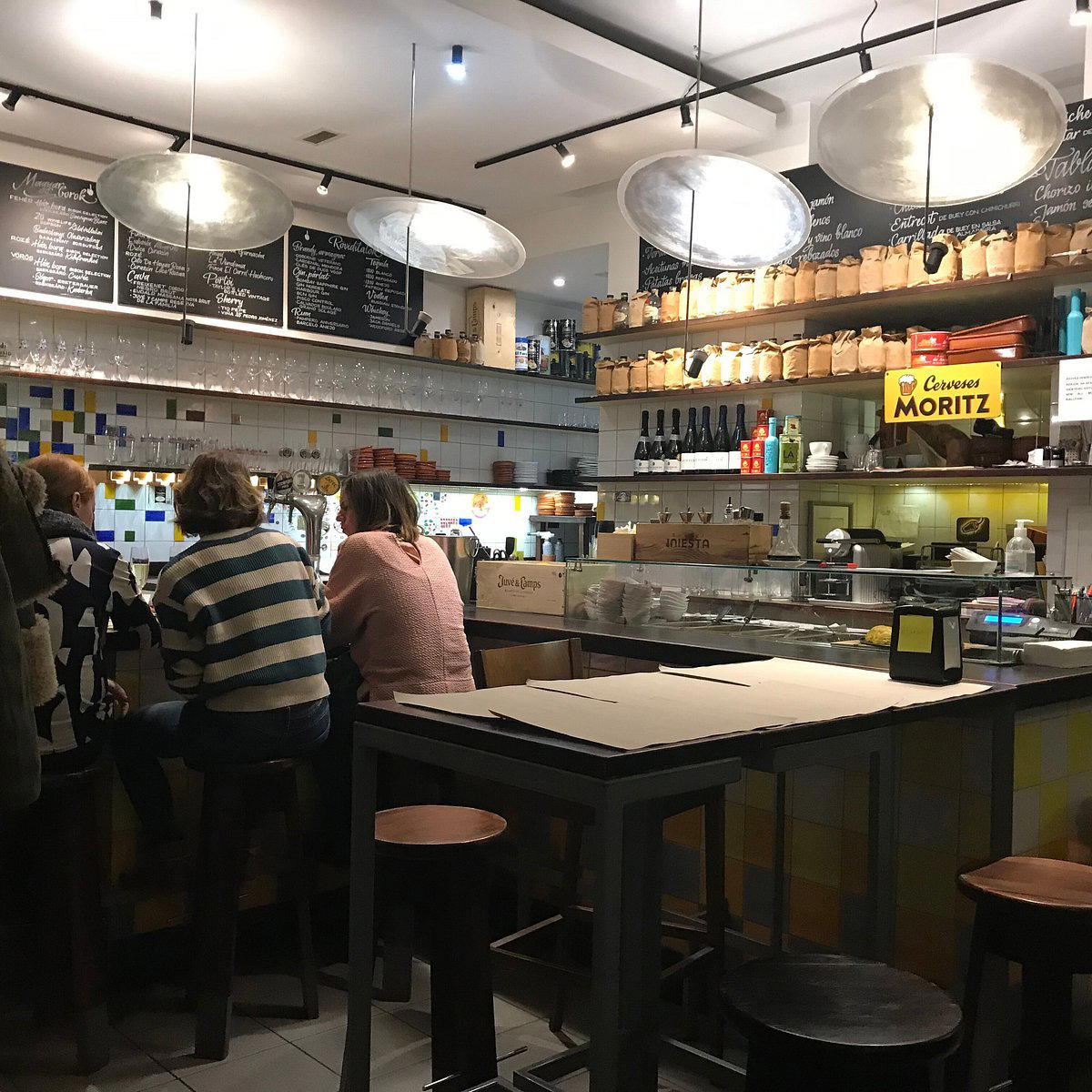
A Street, a District, and What They Signal
Budapest's eighth district has spent the better part of a decade shedding its reputation as the city's rough edge and building a local dining culture. The restaurants that have taken root along streets like Horánszky utca are not the ones chasing tourist traffic from the Danube embankment. They draw a different crowd, one that books ahead, reads menus carefully, and tends to know the difference between a kitchen that is working with intention and one that is simply working. Padron, at number 10, is a Spanish tapas restaurant in Budapest.
The eighth district's dining identity has developed in contrast to the Michelin-tracked heavyweights concentrated in the first and fifth districts. Where Stand (€€€€ · Modern Cuisine) and Babel (€€€€ · Modern Cuisine) operate at the formal end of Budapest's contemporary cuisine spectrum, the restaurants of the Palota neighbourhood tend toward something less stage-managed. The setting is typically intimate, the pricing more accessible, and the cooking more openly experimental. That structural difference matters when you are deciding which part of the city's dining map to spend an evening on.
The Sustainability Frame in Hungarian Dining
Across Central Europe, a cohort of restaurants has moved sourcing and waste practices from backstage to front-of-house conversation. It reflects a shift in how younger Hungarian cooks relate to domestic producers. The country's agricultural regions produce ingredients that can anchor a kitchen philosophically as much as logistically. Reducing supply chain length is, in the Hungarian context, also a way of connecting to a food culture that was always more regional than its communist-era homogenisation suggested.
Budapest's most considered restaurants now approach this in different ways. Borkonyha Winekitchen (€€€ · Modern Cuisine) has long built its menu around Hungarian wine-pairing logic, which implies a certain discipline around domestic sourcing. Costes (€€€€ · Modern Cuisine), as the city's first Michelin-starred address, established a precedent for rigorous ingredient selection at the formal end of the market. At the neighbourhood level, where Padron operates, the conversation is less publicised but no less present. A kitchen working at this scale and in this district has practical incentives to buy locally: shorter supply lines and direct relationships with producers who can accommodate small-batch or imperfect-grade produce.
That last point matters for waste reduction specifically. Restaurants that source from smaller farms tend to develop menus that accommodate the whole harvest rather than cherry-picking particularly photogenic cuts and grades. It is a discipline that shows up in how a kitchen thinks about secondary preparations, stocks, ferments, and preserved elements that carry flavour through service without generating the kind of surplus that ends up in the bin.
Where Padron Sits in the Budapest comparable set
Budapest's mid-market restaurant tier has become one of the more interesting places to eat in Central Europe, partly because the price gap between a neighbourhood restaurant and a Michelin-level tasting menu is still significant enough to support a genuinely distinct middle category. Venues like Bilanx at the €€€ contemporary tier and Stand25 Bisztró at the accessible traditional end mark out the range. Padron's address in the eighth district places it in a cohort that tends to price and operate closer to the accessible end of that spectrum while cooking with the kind of seriousness that used to be reserved for higher brackets.
Comparisons with essência (€€€€ · Modern Cuisine) or the creative tier occupied by Rumour by Rácz Jenő are instructive precisely because they clarify what Padron is not. Those venues operate within the formal tasting-menu economy, where a meal is a structured event with a defined running time, a set number of courses, and a price point that assumes the occasion is the point. Padron's neighbourhood context suggests a different contract with the diner: the meal is part of an evening, not the whole of it.
For those exploring beyond the capital, Hungary's regional dining scene offers comparable thinking in different settings. Platán Gourmet in Tata and Pajta in Őriszentpéter both operate in contexts where sourcing from the immediate landscape is not a marketing stance but a logistical baseline. BoriMami in Gyöngyös, Forst-Ház Étterem és Kávézó in Eger, and Halasi Pince Panzió in Villány represent a strand of Hungarian hospitality that has always been more rooted in place than its urban counterparts. Aranysárkány Vendéglő in Szentendre, Classic Grill Serbian Restaurant Underground in Szeged, and Astro Tea & Kávéház in Gyor further illustrate how varied the country's food culture is once you move beyond the capital's dining corridors.
Planning a Visit
Horánszky utca 10 is within the eighth district. The street itself is residential in character, which means the restaurant announces itself at street level rather than through any hotel-lobby approach. Reservations are essential. Given the neighbourhood's growing profile and the modest footprint typical of restaurants at this scale in Budapest, booking ahead rather than arriving speculatively is the sensible approach, particularly on Thursday through Saturday evenings when the eighth district draws its highest footfall.
For international reference points on what serious sourcing-led cooking can look like at the highest levels, Le Bernardin in New York City and Atomix in New York City demonstrate how ingredient discipline and cultural rootedness can operate within fine-dining frameworks. The conversation in Budapest's eighth district is younger and less codified, but the underlying questions about sourcing, waste, and regional identity are the same ones those kitchens have been working through for years. And outside Italy, La Pizza Del Lupo in Onga and Almalomb in Hosszúhetény show how rural Central European kitchens approach the same tension between place and craft on their own terms.
Cuisine and Credentials
Comparable venues nearby, for context on price, style, and recognition.
| Venue | Cuisine | Price | Notes |
|---|---|---|---|
| PadronThis venue — the venue you are viewing | Spanish Tapas | $$ | Not listed |
| Cafe Vian Gozsdu Udvar | Traditional Hungarian Bistro | $$ | Belvaros |
| EscoBar & Cafe | Hungarian & Italian Fusion | $$ | District IX (Ferencváros) |
| Pizziozo Budapest | Neapolitan-Middle Eastern Fusion Pizza | $$ | Ferencvaros |
| Két Szerecsen | Modern Hungarian Bistro | $$ | Terézváros |
| Indigo Indiai Étterem | Authentic Indian | $$ | Terézváros |
Continue exploring
More in Budapest
Restaurants in Budapest
Browse all →
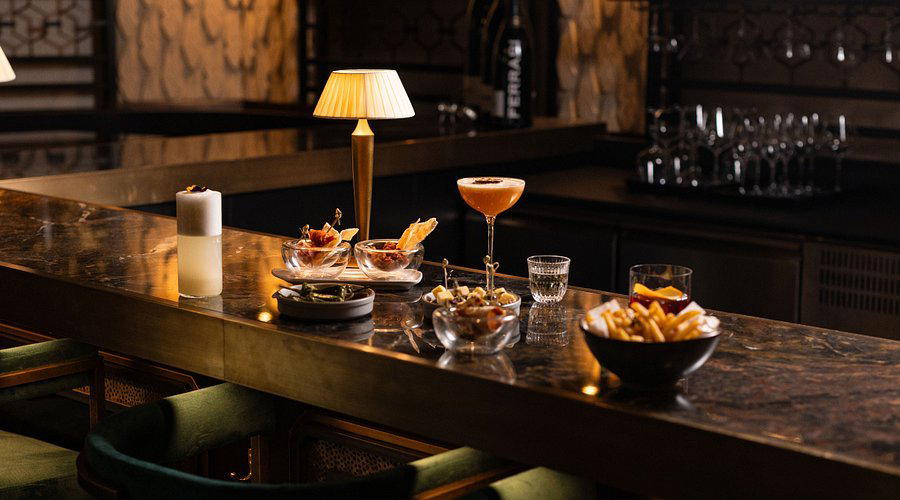
Bars in Budapest
Browse all →
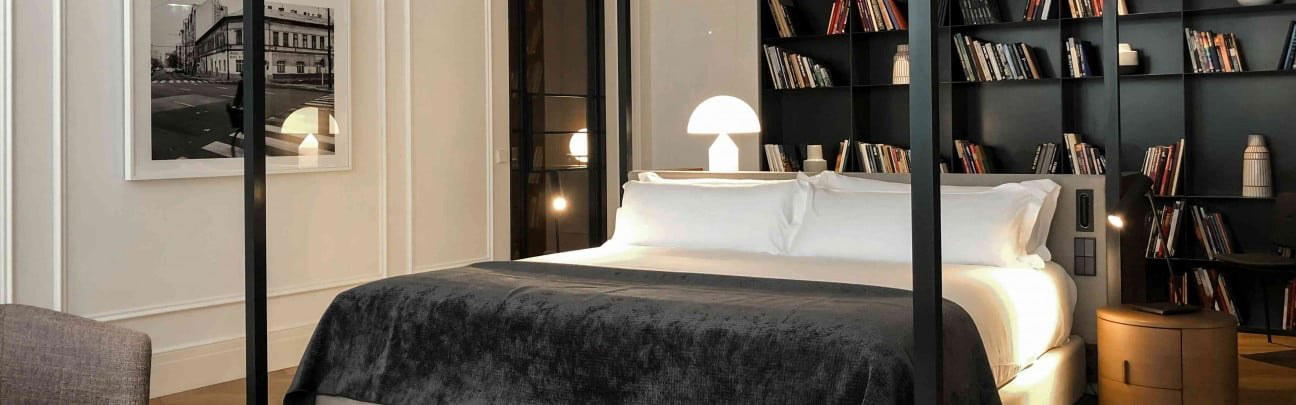
Hotels in Budapest
Browse all →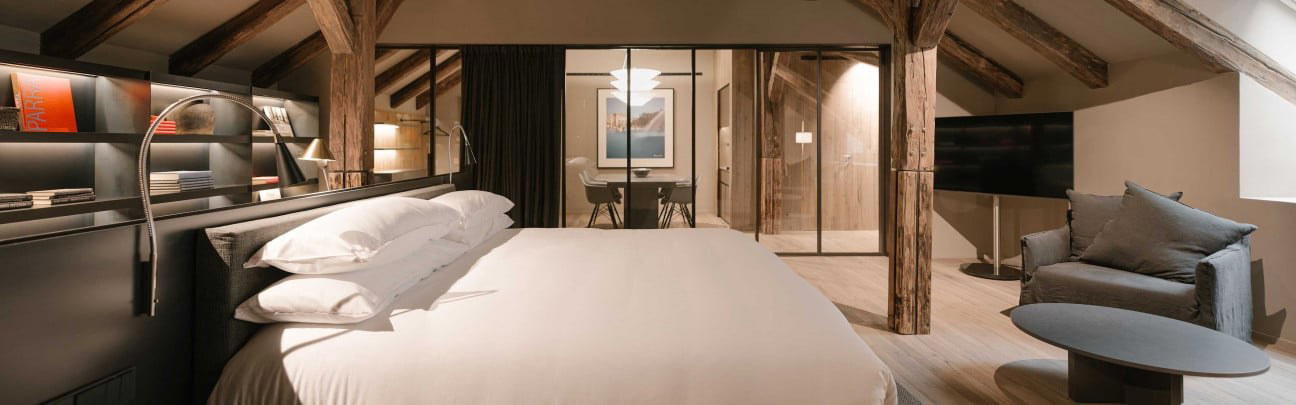

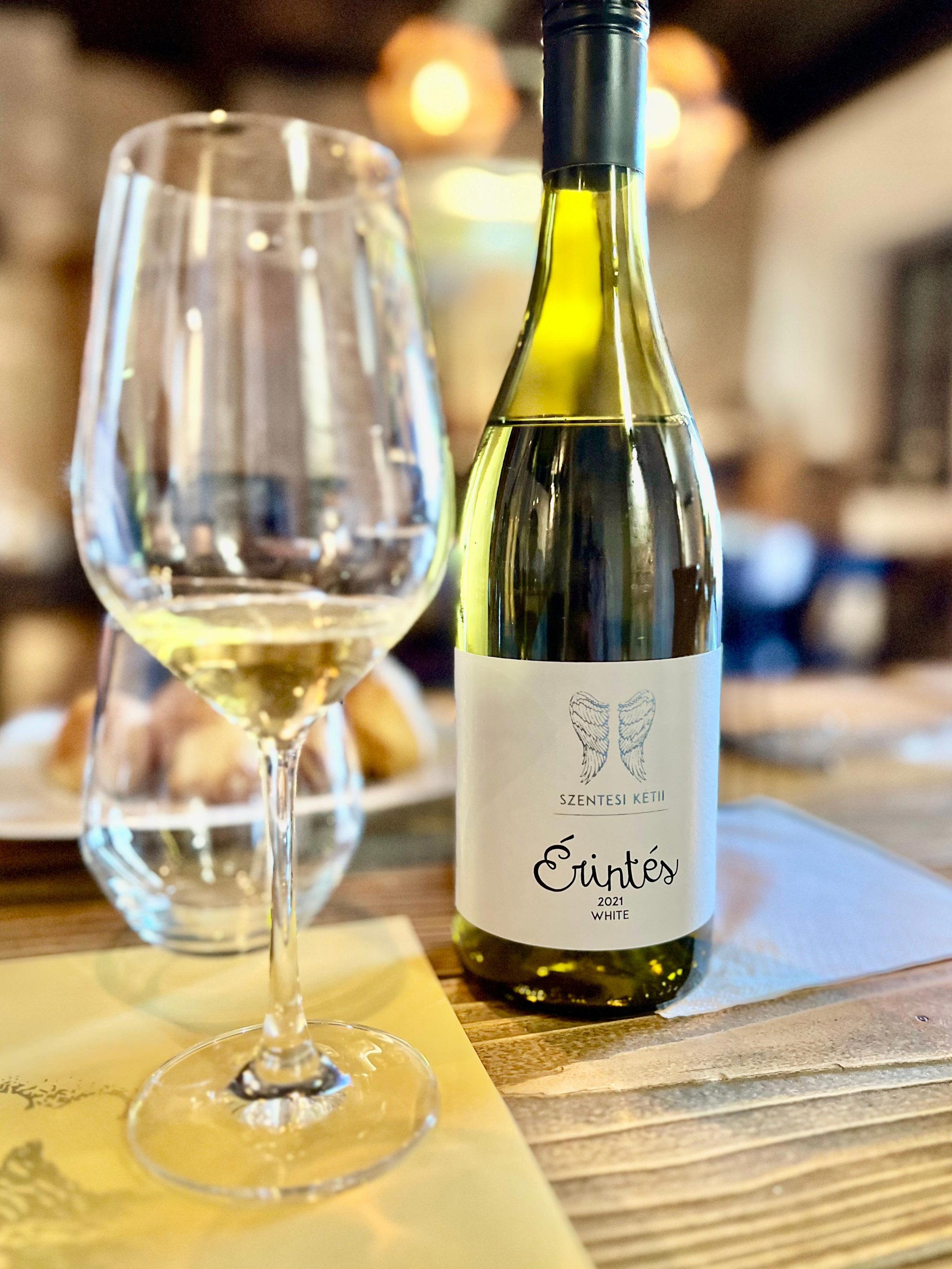
At a Glance
- Casual
- Cozy
- Intimate
- Date Night
- Casual Hangout
- Extensive Wine List
Current opening hours
- Monday
- Closed
- Tuesday
- 5–11 PM
- Wednesday
- 5–11 PM
- Thursday
- 5–11 PM
- Friday
- 5–11 PM
- Saturday
- 5–11 PM
- Sunday
- Closed
Hours can change for holidays and private events. Last verified .
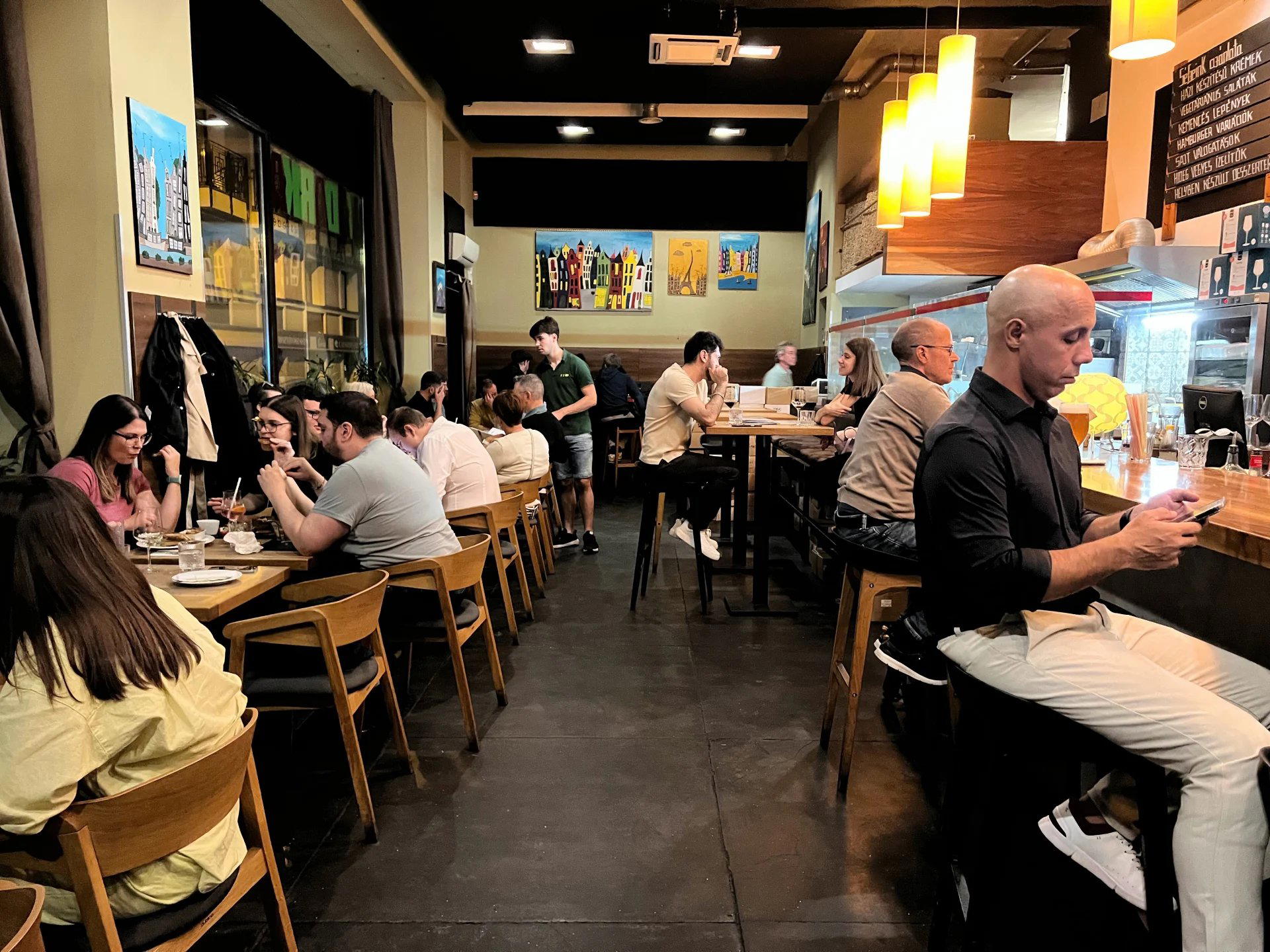
Cozy and laid-back with a homey, comforting feel in a simple setting.