Vadrózsa occupies a quiet residential address in Budapest's Buda Hills, operating at the upper end of the city's fine dining spectrum. The restaurant draws on Hungarian culinary tradition while positioning itself among the capital's most serious dinner tables. Reserve well in advance and dress accordingly for an evening that takes both food and service seriously.
Pearl is the En Primeur Club membership app — saves, bookings, and concierge access live there. Same editors, same standards.
- Address
- Budapest, Pentelei Molnár u. 15, 1025 Hungary
- Phone
- +3613265809
- Website
- vadrozsa.hu
- Directions
- Get directions
 Saves & bookings on Pearl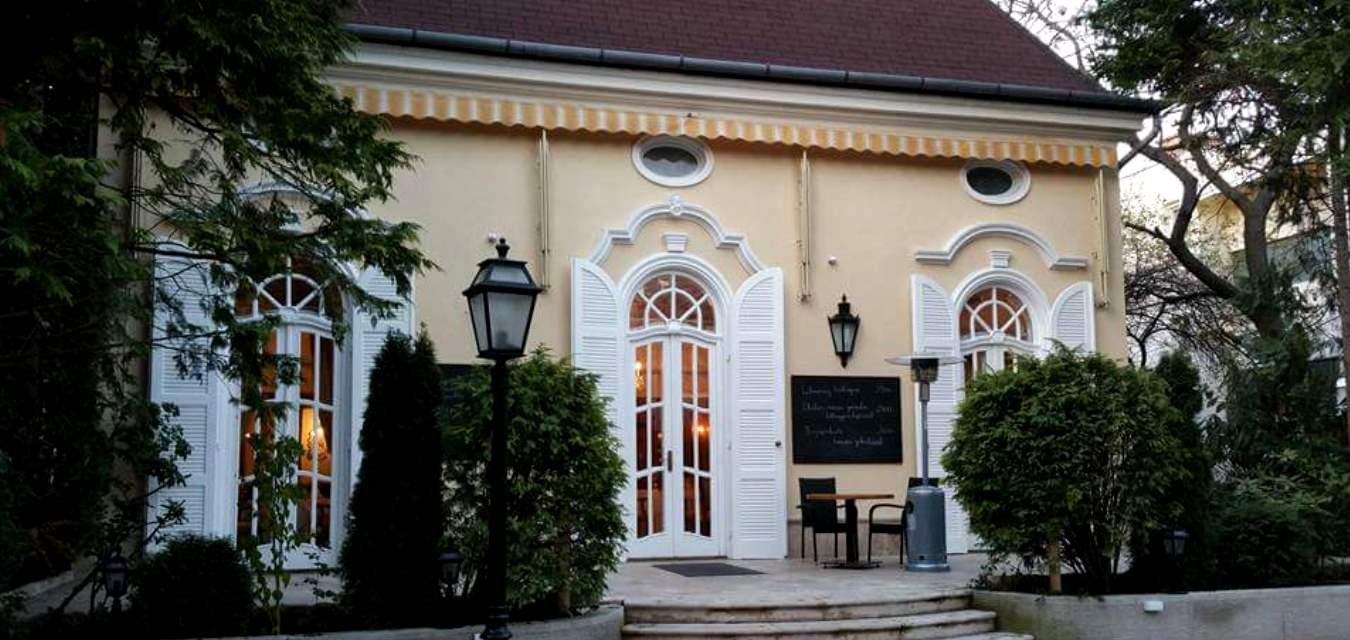
Buda's Quieter Register of Serious Dining
Pest holds the density: the Michelin-starred rooms, the wine-kitchen hybrids, the brasseries running prix-fixe menus until late. Buda operates differently. Its restaurants sit further apart, embedded in residential streets or hillside villas rather than commercial strips, and they tend to attract a local clientele that values discretion over visibility. Vadrózsa, located on Pentelei Molnár utca in the 2nd district, belongs to that Buda tradition, a formal room in a residential address, a long way in atmosphere from the tourist circuits of the Inner City.
That geography matters because it shapes expectations in both directions. Guests arriving from Pest cross the river and climb into quieter territory; the transition is part of the experience. Restaurants in this part of Buda, villas converted into dining rooms, gardens used in warmer months, occupy a different competitive register from their Pest counterparts. Where Costes and Babel draw on the energy of their central locations, Vadrózsa trades on calm. The dining room is the point, not the street outside it.
Where the Team Holds the Room Together
The rooms that hold their reputation across years do so through coordination: a chef whose output is consistent, a sommelier who can move between Hungarian wine regions and international references without condescension, and front-of-house staff who read a table rather than recite a script. That triangulation is what separates a good dinner from a reliable institution.
The country's wine canon, Tokaj Aszú, Egri Bikavér, the increasingly credible dry whites from the Somló and Badacsony regions, rewards a sommelier who understands both domestic production and the international reference points that help foreign guests orient. At restaurants operating in Vadrózsa's tier, the wine list tends to skew local in a way that reflects genuine knowledge rather than nationalism, with producers selected for quality rather than proximity. That kind of list, presented well, is a sign that the room takes its role seriously.
The front-of-house dynamic at Budapest's upper-tier restaurants has shifted in recent years. The old Central European formality, stiff, ceremony-heavy service that prioritised hierarchy over warmth, has given way to something more calibrated. The better rooms now aim for attentiveness without rigidity, reading whether guests want explanation or space. That shift reflects both international training influence and a generational change in what Hungarian diners expect from a serious evening out.
Hungarian Cuisine at Formal Register
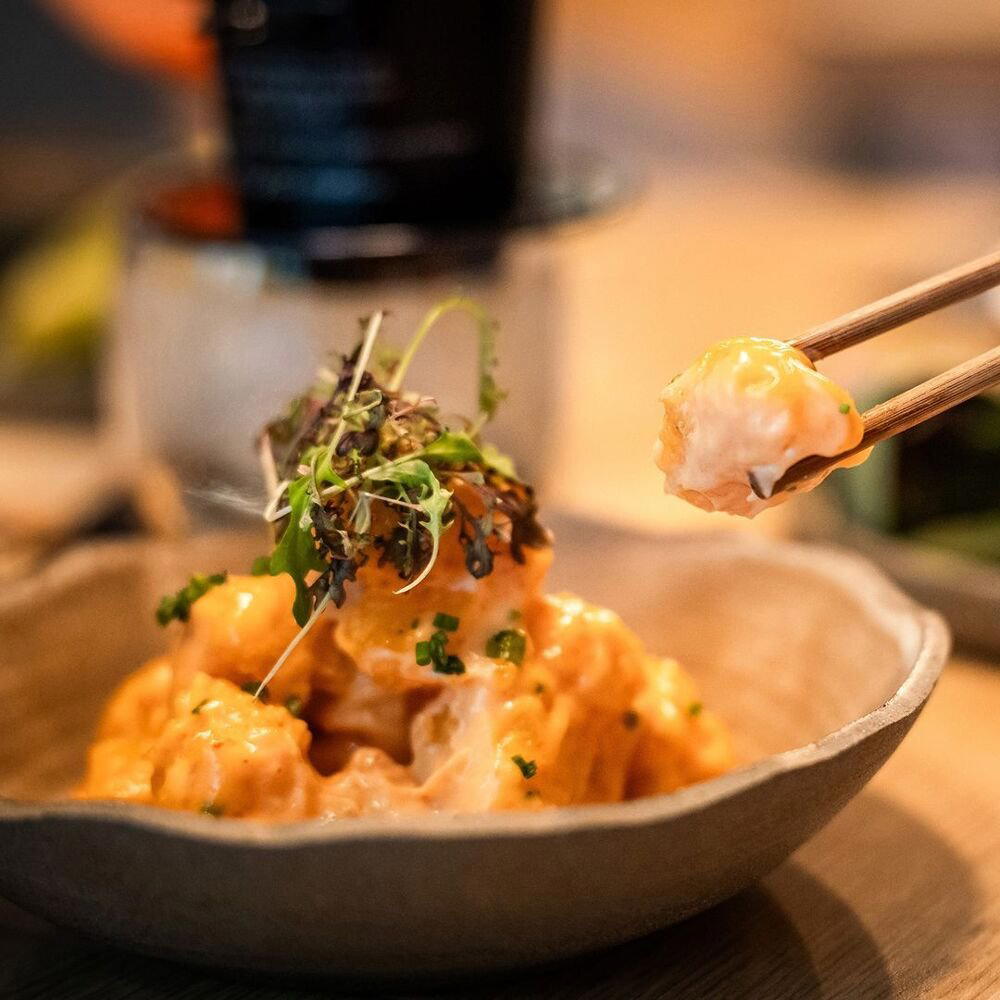
Fine dining in Budapest has spent the past decade negotiating its relationship with Hungarian culinary tradition. The question of how much to modernise, and how much modernisation constitutes erasure, has produced different answers across the city's leading rooms. Some restaurants have moved toward a fully contemporary idiom, using Hungarian ingredients as raw material for techniques derived from French or Nordic kitchens. Others have held closer to classical preparation, treating gulyás, paprika-braised meats, and freshwater fish from Lake Balaton as endpoints rather than starting points.
The restaurants that have held longest in Budapest's upper tier tend to occupy a middle position: Hungarian ingredients and flavour references, executed with the precision and plating discipline that formal dining now demands. That position is harder to maintain than it sounds. It requires kitchen discipline to avoid slipping into either nostalgic reproduction or technique-led detachment. The Buda Hills setting, with its association with established Hungarian culinary tradition, tends to pull restaurants in this direction more than their Pest counterparts. For comparison, essência represents a more internationally inflected approach to the same price tier.
Hungarian fine dining outside Budapest follows a different set of pressures. Venues like Platán Gourmet in Tata and Pajta in Őriszentpéter work with regional produce in ways that are structurally different from city restaurants, closer to their ingredients, further from the competition that sharpens urban kitchens. Vadrózsa, as a Buda institution, sits between those two worlds: city infrastructure and ambition, residential calm and a guest base that arrives with specific expectations.
Budapest in a Wider Hungarian Context
Understanding what Vadrózsa represents requires some sense of how Hungary's restaurant culture is distributed beyond the capital. The country has produced serious dining rooms in unexpected locations: BoriMami in Gyöngyös, Forst-Ház Étterem és Kávézó in Eger, Halasi Pince Panzió in Villány, and Aranysárkány Vendéglő in Szentendre among them. Each of these operates within its own regional logic. Budapest's leading rooms, by contrast, have to compete with international reference points and a guest base that includes well-travelled diners who arrive with comparative expectations formed in Paris, Copenhagen, or Tokyo.
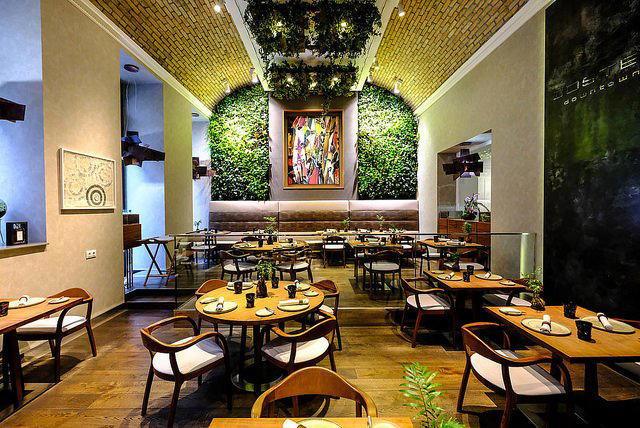
That international dimension is most visible at the upper end of the Budapest market, where restaurants like Costes have long positioned themselves against European rather than merely domestic peers. Vadrózsa's Buda address places it slightly apart from that international competition, serving a clientele that may be less interested in global rankings and more interested in a certain kind of evening, quiet, deliberate, rooted in a particular sense of Hungarian hospitality that the central hotel-restaurant circuit rarely provides.
Planning Your Visit
Vadrózsa is located at Pentelei Molnár utca 15 in Budapest's 2nd district, in the Buda Hills area accessible by taxi or rideshare from central Budapest (crossing one of the Danube bridges and heading uphill into the residential 2nd district). Given the restaurant's residential setting and the absence of a large walk-in clientele, booking ahead is advisable; this part of Buda does not offer easy alternative options if a table is unavailable. Dress for the room, formal or smart casual is the appropriate register for a venue at this level.
Diners travelling from further afield who want to extend their Hungarian dining exploration might consider venues in the wider region, including Classic Grill Serbian Restaurant Underground in Szeged or Almalomb in Hosszúhetény, which represent different regional expressions of Hungarian hospitality. For reference points at the global level, Le Bernardin in New York City and Atomix in New York City illustrate what sustained kitchen-and-service coordination produces at the summit of the international fine dining market.
Price and Recognition
Comparable venues nearby, for context on price, style, and recognition.
| Venue | Cuisine | Price |
|---|---|---|
| VadrózsaThis venue — the venue you are viewing | Not listed | $$ |
| Franziska Pest | Belvaros, Healthy Brunch Cafe | $$ |
| Gettó Gulyás | Belvaros, Authentic Hungarian Stews | $$ |
| Kispiac | Terézváros, Traditional Hungarian Bistro | $$ |
| Marumba | Belvaros, Modern Vegetarian Hungarian | $$$ |
| Gléda Vendéglö | Obuda, Modern Hungarian | $$ |
Continue exploring
More in Budapest
Restaurants in Budapest
Browse all →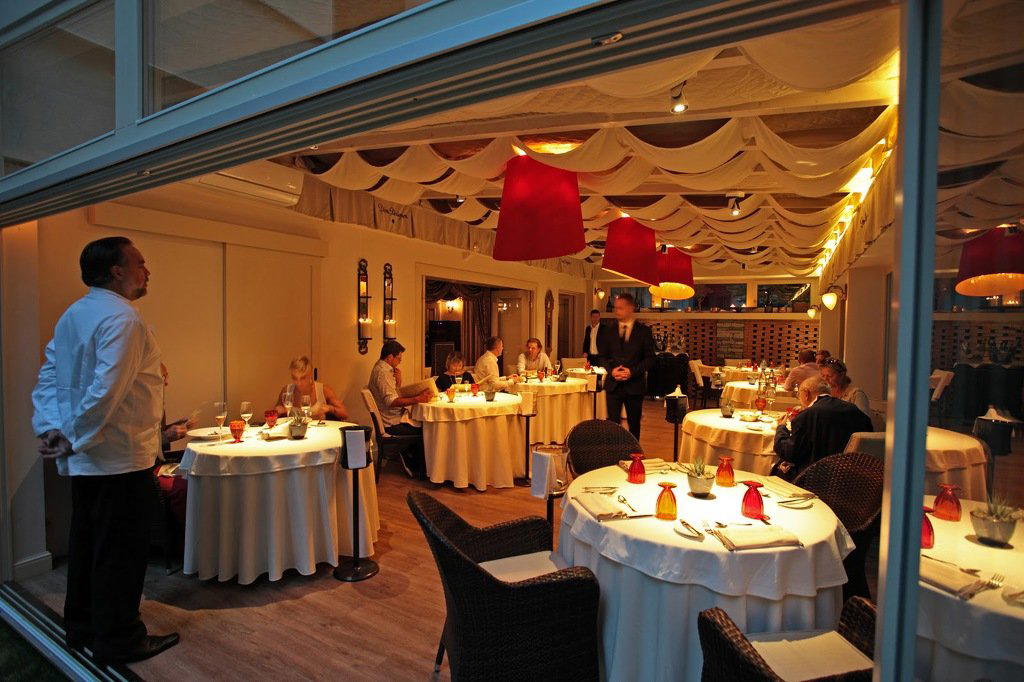
Bars in Budapest
Browse all →
Hotels in Budapest
Browse all →

At a Glance
- Elegant
- Classic
- Cozy
- Date Night
- Special Occasion
- Group Dining
- Garden
- Historic Building
- Terrace
- Garden
Current opening hours
- Monday
- Closed
- Tuesday
- 5–11 PM
- Wednesday
- 5–11 PM
- Thursday
- 12–11 PM
- Friday
- 12–11 PM
- Saturday
- 12–11 PM
- Sunday
- 12–4 PM
Hours can change for holidays and private events. Last verified .
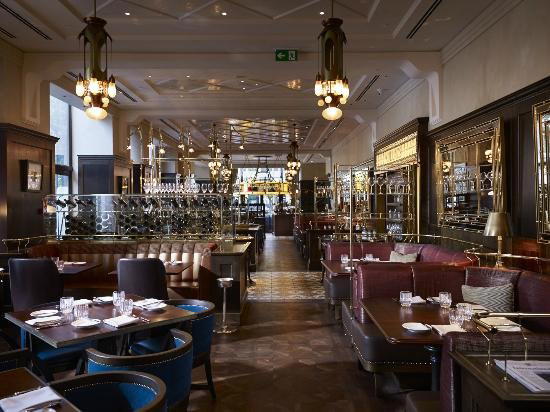
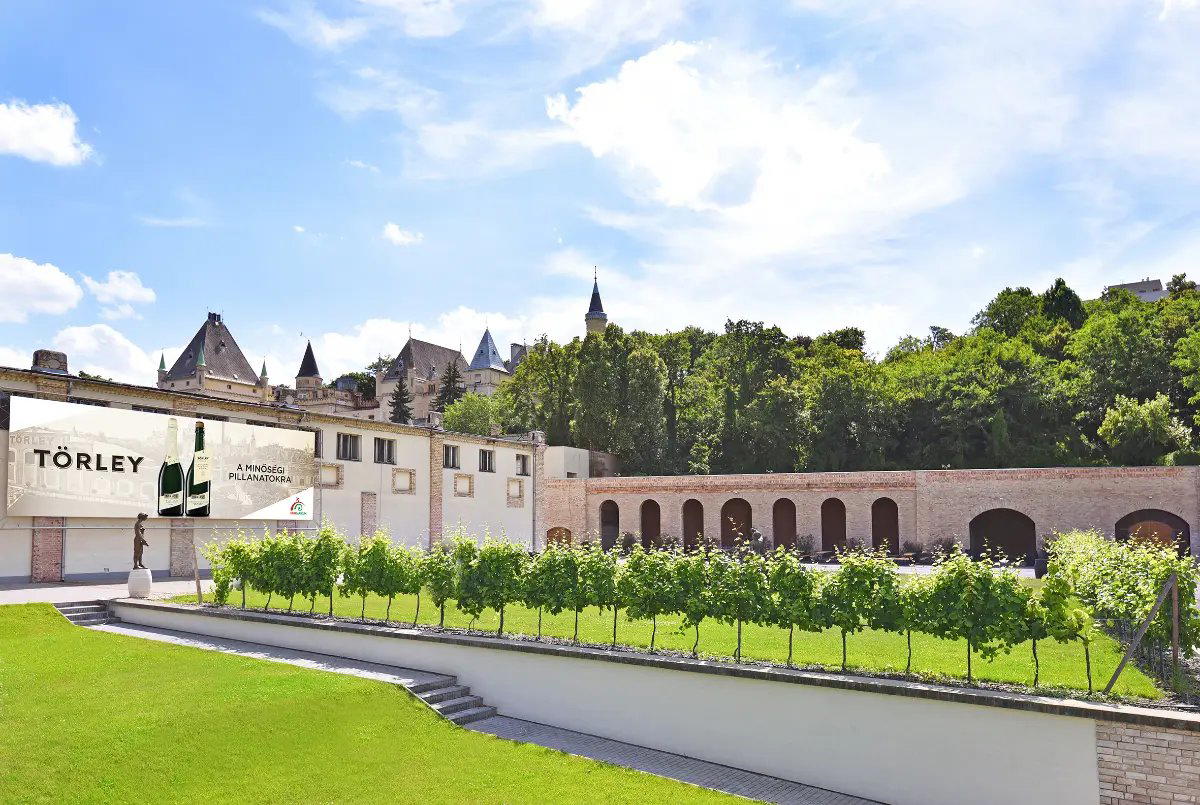
Elegant bourgeois atmosphere with antique furniture, damask-laid tables, coffered ceilings, and engraved porcelain, offering a peaceful garden setting.