
La Grande Table Marocaine at the Royal Mansour sits inside one of Marrakesh's most architecturally serious hotel properties, where the dining room format matches the ambition of the riad complex around it. The kitchen works within a tradition of refined Moroccan cooking that prioritises sourced ingredients and classical technique over novelty. For Marrakesh fine dining, it occupies a tier of its own.
Pearl is the En Primeur Club membership app — saves, bookings, and concierge access live there. Same editors, same standards.
- Address
- Hôtel Royal Mansour, Rue Abou Abbas El Sebti, Marrakech 40000, Morocco
- Phone
- +212529808282
- Website
- royalmansour.com
- Directions
- Get directions
 Saves & bookings on Pearl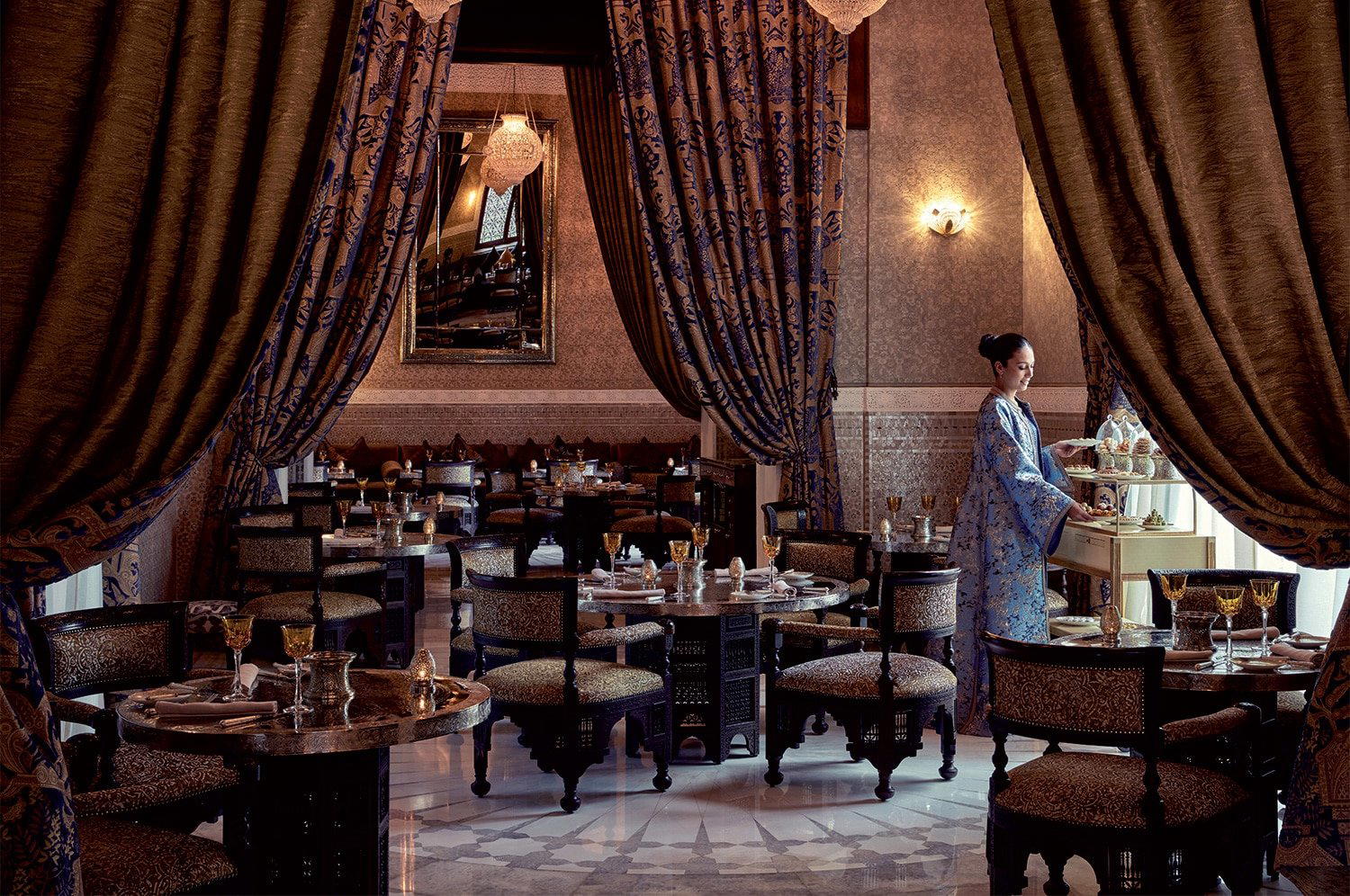
Where the Architecture Sets the Mood Before the Food Does
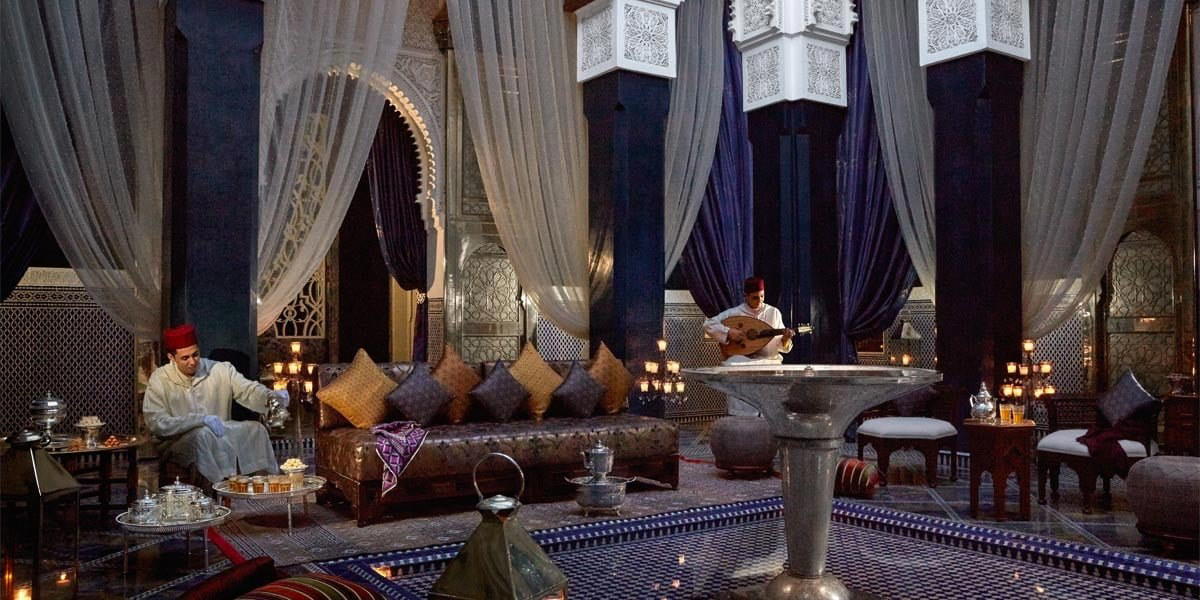
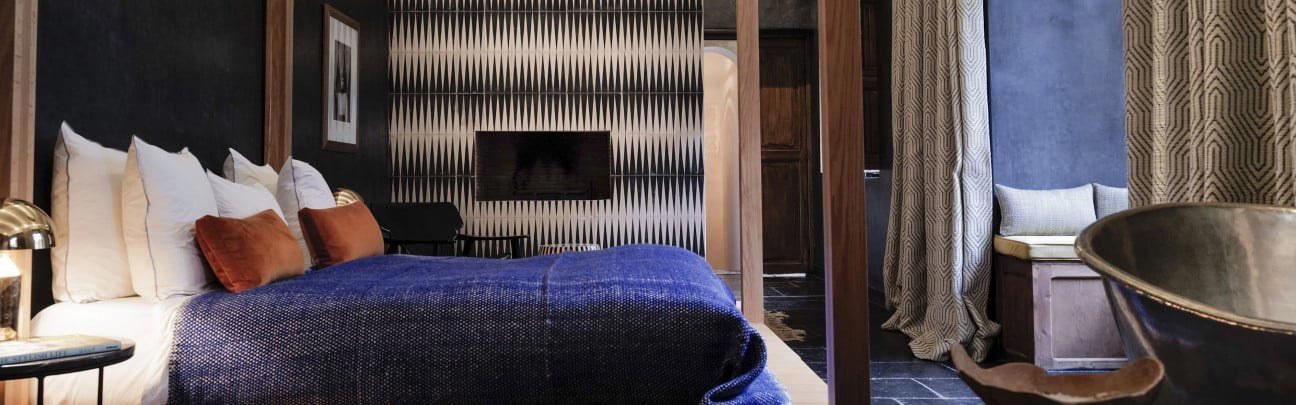
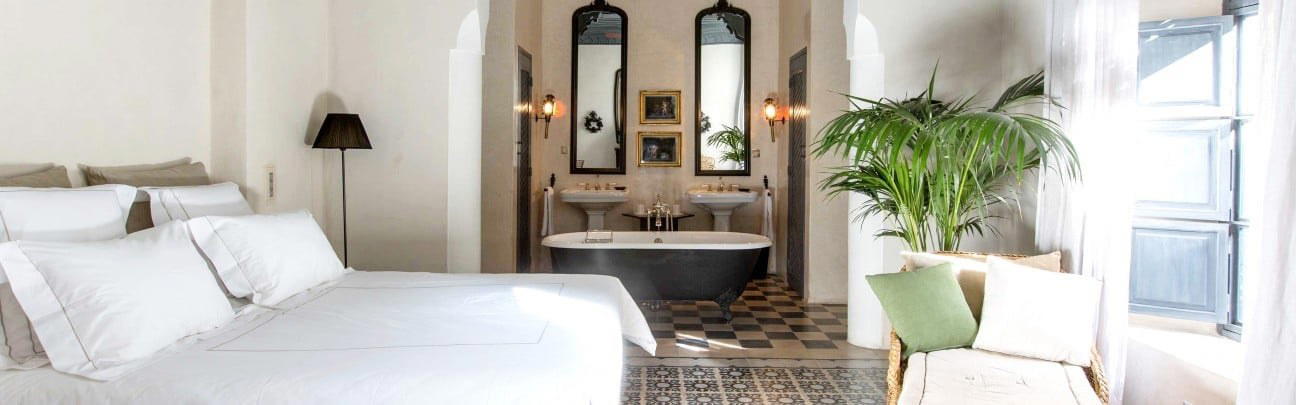
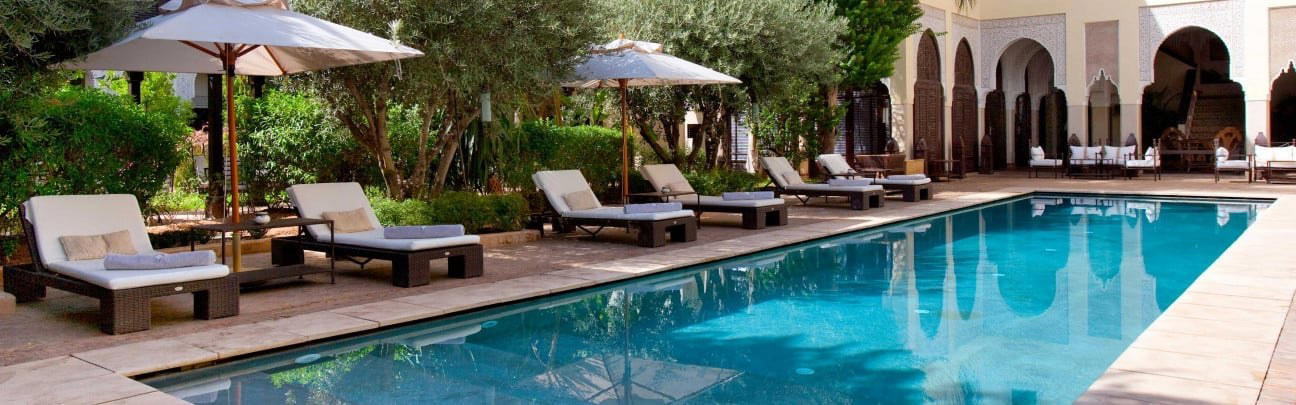
Approaching the Royal Mansour on Rue Abou Abbas El Sebti, the exterior gives almost nothing away. The medina walls are intentionally plain, a design logic borrowed from Fes and Marrakesh's most serious historic riads, where the city's leading things are kept interior and private. Inside, the hotel operates as a compound of individual riad villas, each with private courtyards and hand-laid zellige tilework. La Grande Table Marocaine sits within this compound, and the physical environment exerts real pressure on the meal before a single dish arrives. The dining room's proportions, the carved plasterwork, the ambient temperature held steady against Marrakesh's heat: these are not incidental details. They frame what Moroccan haute cuisine is arguing for when it insists on treating itself as seriously as any European fine dining tradition.
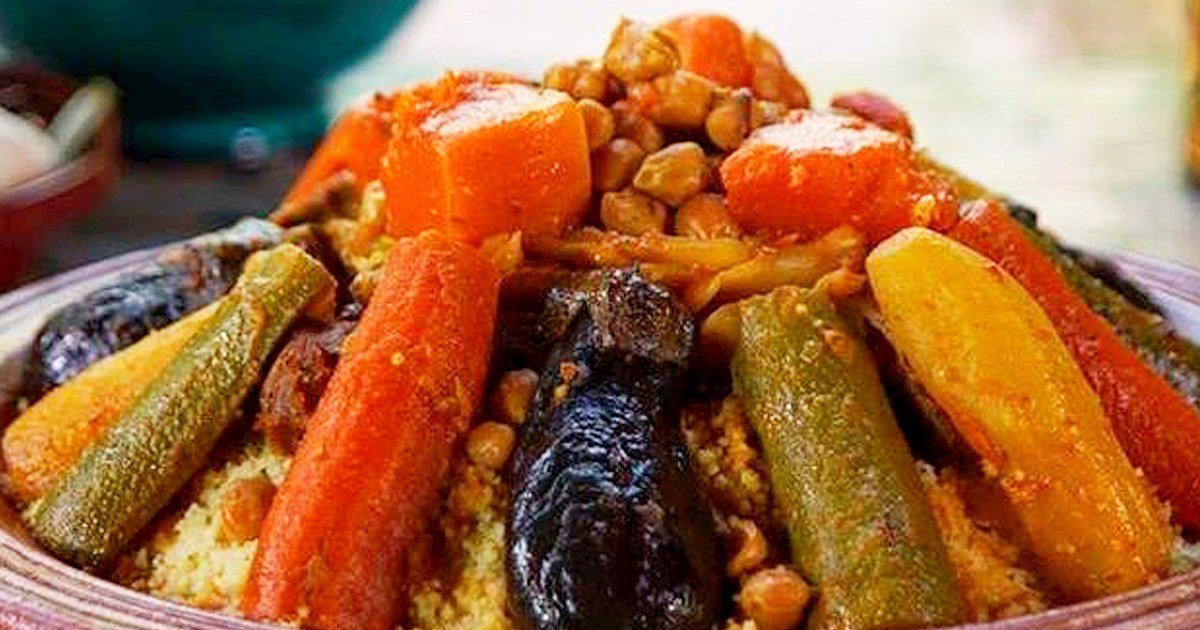
That argument matters. Moroccan cooking has a tendency to get flattened into tourist shorthand: tagines, couscous, mint tea in a silver pot. La Grande Table Marocaine operates inside a different register, one closer to the mode of Al Fassia, which has spent decades insisting on the technical precision Moroccan cuisine requires when handled without concession. The difference here is the scale of the surrounding property, which functions as both a declaration of intent and a logistical framework that supports sourcing and kitchen ambition in ways smaller establishments cannot easily replicate.
Ingredient Sourcing as Culinary Argument
One coherent version of Moroccan fine dining is built on sourcing, not just technique. Morocco's agricultural geography is unusually varied for a country of its size: saffron from Taliouine, argan oil from the Souss valley southwest of Marrakesh, preserved lemons from home producers across the central plains, lamb from the High Atlas foothills, and coastal seafood from the Atlantic ports running from Agadir to Essaouira. The Moroccan pantry, when sourced carefully, requires almost no augmentation to produce food of real depth and complexity.
La Grande Table Marocaine sits inside an operation, the Royal Mansour hotel, that was conceived at a scale where serious sourcing is structurally possible. Hotel kitchen programs at this level typically involve direct producer relationships rather than standard wholesale supply chains, because the volume and consistency demands are precise enough to justify it. What this means at the table is food that tastes of specific places within Morocco rather than a generic approximation of the country's cuisine. The saffron reads as saffron. The preserved citrus has the funk and brightness that comes from proper aging rather than industrial shortcutting. This is where the ingredient story converges with the quality story: the two are not separable.
For the broader context of how Morocco's coastal and inland ingredients translate into restaurant cooking, the range extends well beyond Marrakesh. L'Araignée Gourmande in Oualidia demonstrates what Atlantic oysters and seafood look like in a regional setting, while Heure Bleue Palais in Essaouira connects coastal sourcing to a riad hotel format not entirely unlike what the Royal Mansour does inland. Château Roslane in Icr Iqaddar traces how Moroccan wine production has developed in parallel with the country's fine dining ambitions, a pairing dimension increasingly relevant at the summit tier of Moroccan restaurant programs.
Where It Sits in Marrakesh's Fine Dining Structure
Marrakesh's premium restaurant tier has fragmented over the past decade. The hotel dining category has grown more competitive, particularly as properties affiliated with international groups brought French-trained execution to Moroccan formats. La Grande Brasserie by Hélène Darroze represents the French-in-Morocco axis at the upper end, while Sesamo and +61 show how the city's dining scene has absorbed international formats and made them locally functional. Le Palace in Marrakech occupies adjacent hotel-restaurant territory.
What the restaurant does that most of its Marrakesh peers do not is insist on Moroccan cooking as the primary framework rather than a decorative overlay on a European template. The comparison venue list, which includes Moroccan-French hybrid programs like Palais Ronsard, illustrates how common the fusion direction has become. The all-Moroccan commitment is a more demanding editorial position and, when executed well, a more instructive one. It requires the kitchen to make arguments from within the tradition rather than borrowing credibility from French technique.
Across Morocco more broadly, the restaurants doing interesting work with the national culinary tradition operate in similarly serious institutional contexts. Berrada in Fes engages with northern Moroccan cooking from a position of geographic authority, while Dar Dada in Sidi Belyout and La Sqala: Café Maure locate Moroccan hospitality traditions across different urban registers. For a wider map of where Moroccan cuisine sits internationally, the precision cooking programs at Le Bernardin in New York City and Atomix in New York City demonstrate what institutional kitchen ambition looks like when it operates without compromise, a useful calibration point for understanding what the restaurant is attempting within its own tradition.
Planning a Visit
The restaurant is located inside the Royal Mansour hotel at Rue Abou Abbas El Sebti, Marrakech 40000. Advance reservations are essential. Advance booking is advisable. The medina location means vehicular access works well through the hotel's dedicated approach rather than attempting to move through the surrounding lanes on foot from a distance.
Fast Comparison
Comparable venues nearby, for context on price, style, and recognition.
| Venue | Cuisine | Price | Notes |
|---|---|---|---|
| La Grande Table MarocaineThis venue — the venue you are viewing | Modern Moroccan Fine Dining | $$$$ | Not listed |
| Nomad Marrakech | Modern Moroccan | $$$$ | Marrakech-Médina |
| Le Restaurant - La Maison Arabe | Refined Traditional Moroccan | $$$$ | Marrakech-Médina |
| Le Bistro Arabe - Moroccan Jazz Restaurant in Marrakech | Moroccan Jazz Bistro | $$$ | Marrakech-Médina |
| Azar | Moroccan-Lebanese-Mediterranean Fusion | $$$$ | Gueliz |
| La Villa des Orangers | French-Moroccan Fine Dining | $$$$ | Marrakech-Médina |
Recognition history
Dated appearances from independent guides and award organizations, with the underlying list record or original source where available.
La Liste Top Restaurants
La Liste
Continue exploring
More in Marrakech
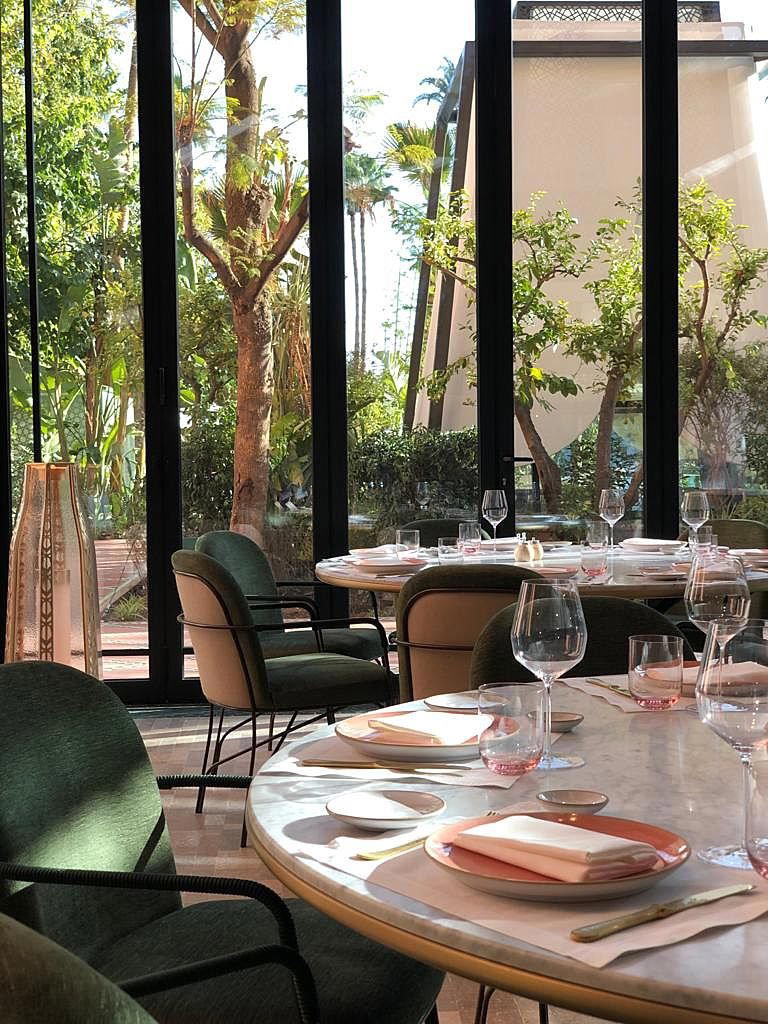
Restaurants in Marrakech
Browse all →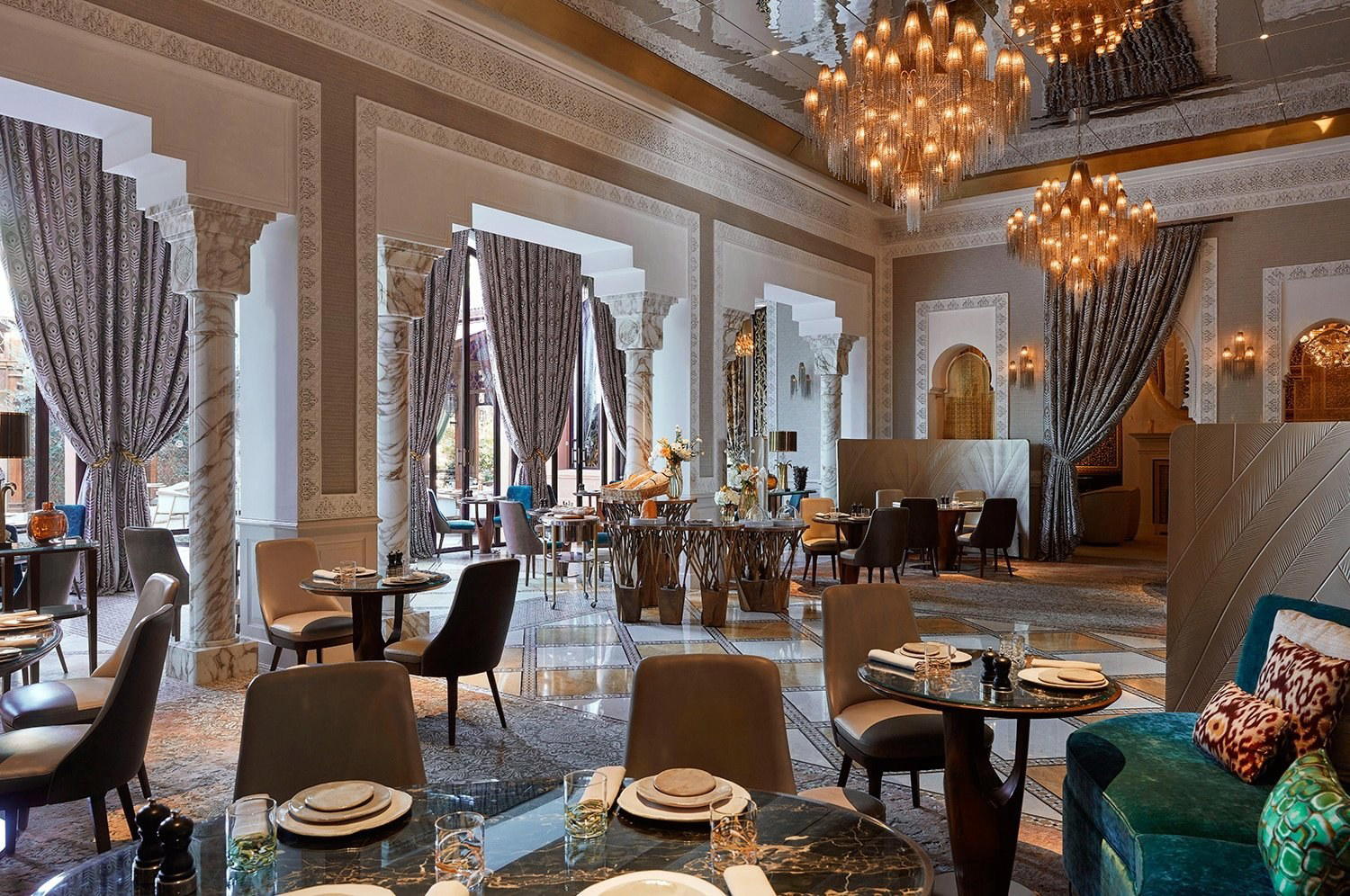
Bars in Marrakech
Browse all →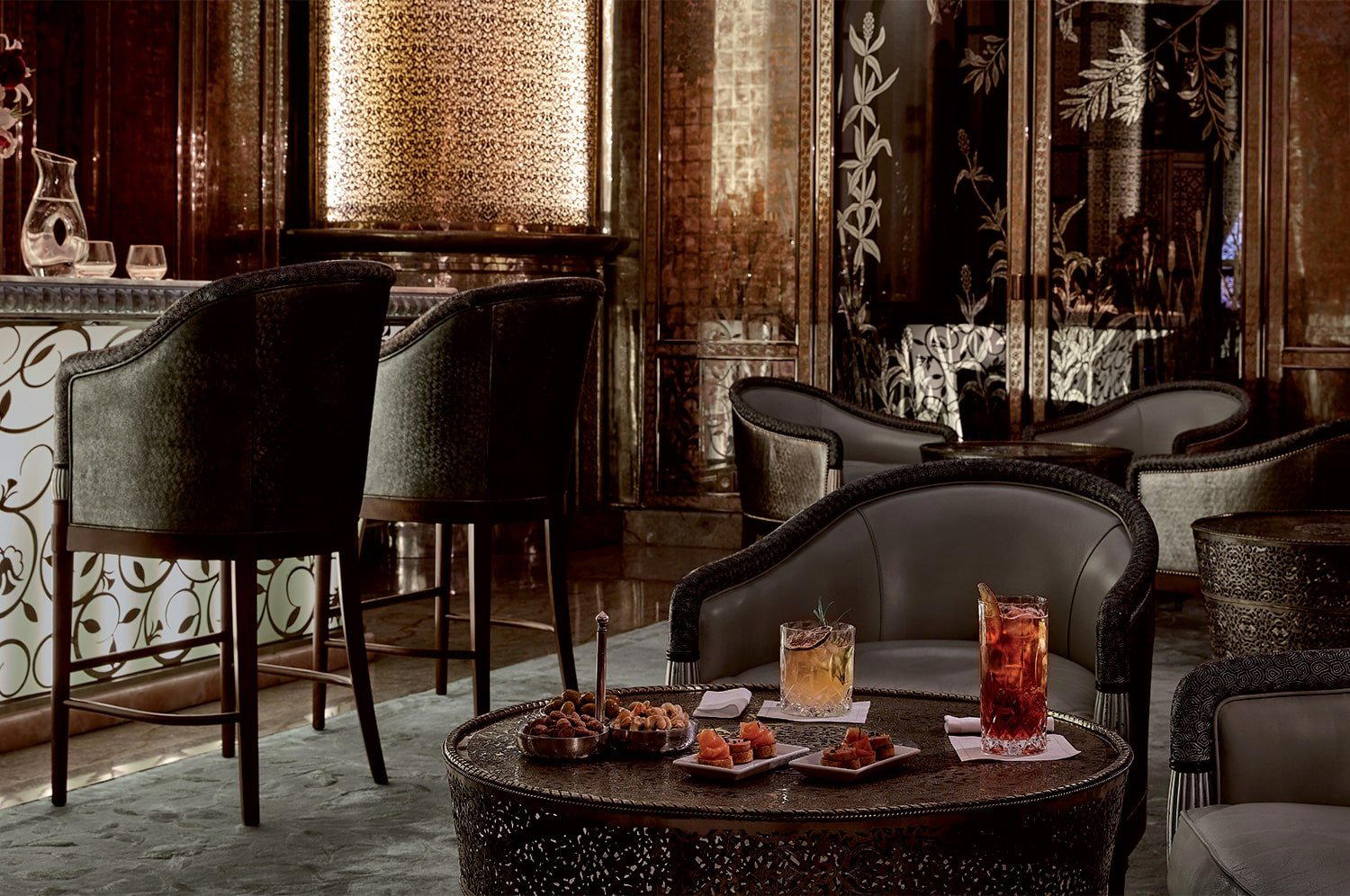
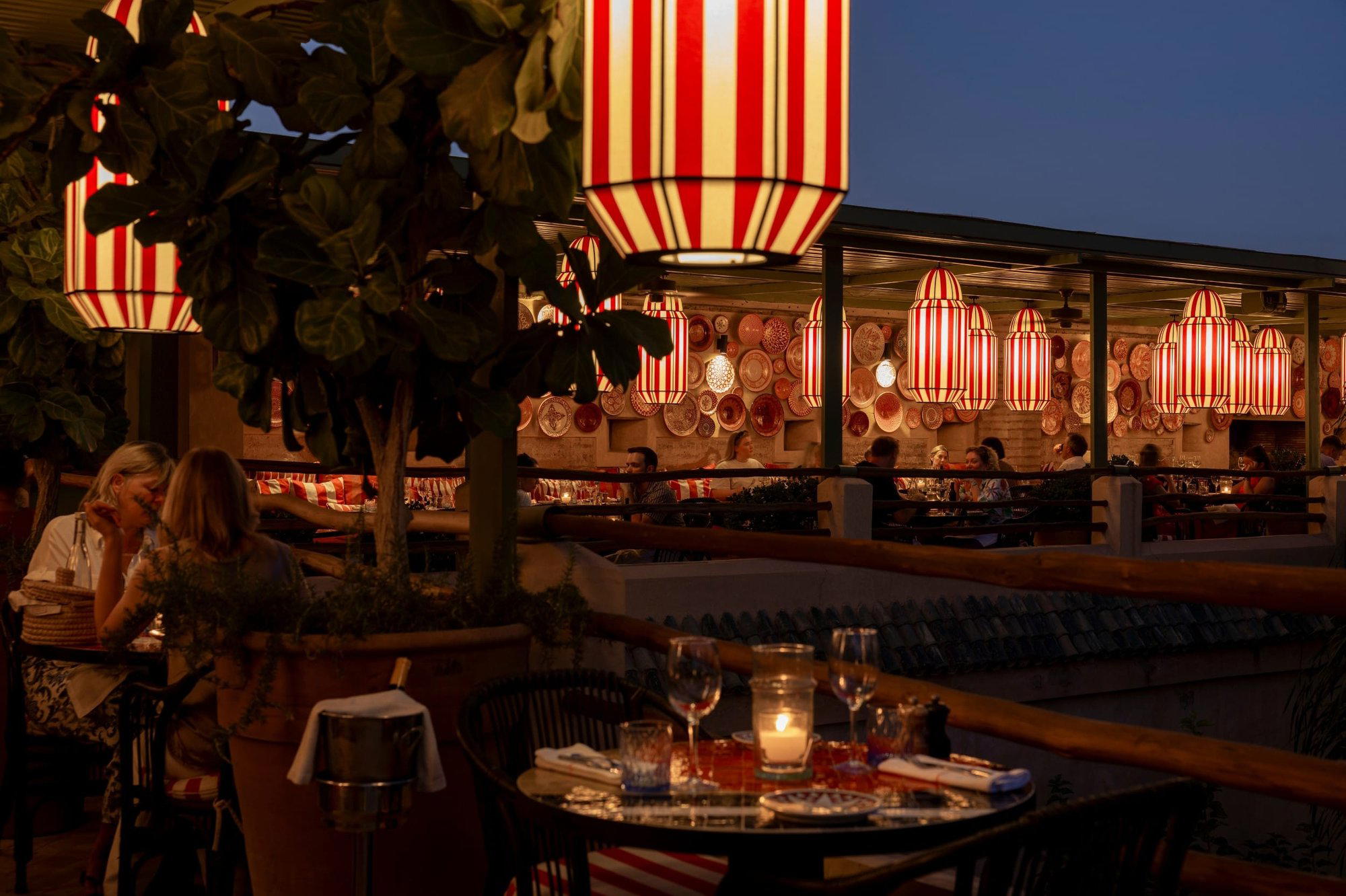

Hotels in Marrakech
Browse all →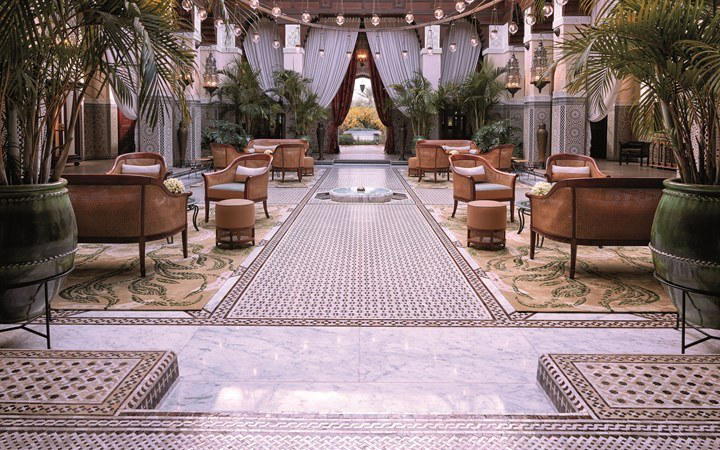
Wineries in Marrakech
Browse all →
At a Glance
- Elegant
- Ornate
- Sophisticated
- Special Occasion
- Celebration
- Date Night
- Private Dining
- Hotel Restaurant
- Historic Building
- Extensive Wine List
Current opening hours
- Monday
- 7 AM–10:30 PM
- Tuesday
- 7 AM–10:30 PM
- Wednesday
- 7 AM–10:30 PM
- Thursday
- 7 AM–10:30 PM
- Friday
- 7 AM–10:30 PM
- Saturday
- 7 AM–10:30 PM
- Sunday
- 7 AM–10:30 PM
Hours can change for holidays and private events. Last verified .
Spellbinding luxurious space with oil portraits on gilded walls, ornate filigree, and a hum of traditional instruments.