
A Tuscan transplant on the corner of Via Lazzaro Papi and Corso Lodi, La Cucina de' Mibabbo brings the cooking traditions of Tuscany into a Milanese neighbourhood setting. The name translates as 'my grandfather's cooking,' and the kitchen follows through: Tuscan ingredients, wood-fired preparations in the evening, and a more concise lunch format.
Pearl is the En Primeur Club membership app — saves, bookings, and concierge access live there. Same editors, same standards.
- Address
- Via Lazzaro Papi angolo, C.so Lodi, 20135 Milano MI, Italy
- Phone
- +39 02 4548 8997
- Website
- mibabbo.it
- Directions
- Get directions
 Saves & bookings on Pearl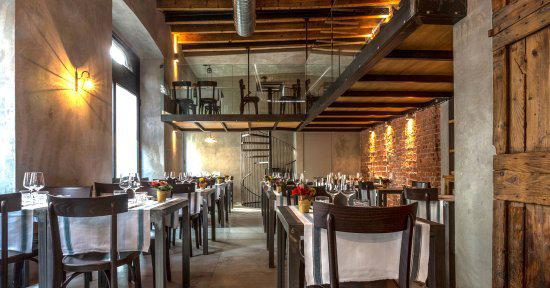
Tuscany's Cooking Traditions, Planted in Milan's Porta Romana Quarter
The corner of Via Lazzaro Papi and Corso Lodi sits in Porta Romana, a neighbourhood that Milano locals know well. The streets here are residential in scale, the bars are the kind where the espresso comes with a small glass of water without being asked, and the restaurants tend toward the practical end of Italian dining. Into this context, La Cucina de' Mibabbo arrives as something slightly out of place in useful sense: a kitchen whose allegiances are firmly Tuscan, operating in a city whose culinary identity is built on risotto alla milanese, cotoletta, and the northern Italian table.
That regional displacement is the point. The name, translating from the Italian as 'my grandfather's cooking,' signals a project rooted in inheritance rather than innovation for its own sake. Tuscan cooking at this level is defined by its respect for primary ingredients: the quality of the olive oil, the sourcing of the meat, the patience of a wood-fired oven. Those values are not fashionable gestures here but structural commitments, applied with what the kitchen describes as a contemporary twist on the foundations.
A Culinary Tradition with Deep Roots
Tuscan cuisine occupies a particular position in the Italian regional canon. It is often described, accurately, as 'cucina povera' in origin, a cooking tradition shaped by scarcity, where technique compensates for limited ingredients and nothing is wasted. The reality, though, is that Tuscany's table is simultaneously austere and generous: saltless bread, bean soups, thick-cut bistecca, roasted meats pulled from wood ovens, olive oils pressed from olives grown on hillsides specific enough to taste like a coordinate. The cuisine resists decoration. It asks its ingredients to carry the argument.
When that tradition is transplanted to Milan, it enters a city with different instincts. Milan's dining scene has bifurcated across the last decade into ambitious modernist restaurants, venues like Enrico Bartolini, Andrea Aprea, and Seta at the leading end, alongside Cracco in Galleria and Verso Capitaneo in the creative middle tier, and a neighbourhood restaurant culture that prizes reliability and honesty over experimentation. La Cucina de' Mibabbo belongs firmly to the second current. At the €€ price point, it is priced against the honest neighbourhood trattoria rather than against Milan's fine dining tier.
What distinguishes it within that neighbourhood tier is the specificity of its regional identity. Many Italian restaurants in Milan trade on a loosely national menu, pasta, risotto, secondi, without commitment to a particular region's grammar. A kitchen anchored in Tuscany, using Tuscan ingredients and a wood-fired oven as a structural element of the evening menu, is making a more disciplined argument.
The Wood Oven as Organising Principle
Evening service at La Cucina de' Mibabbo centres on the wood-fired oven, and that single piece of equipment tells you a great deal about what the kitchen is prioritising. Wood-fired cooking is not a theatrical flourish in the Tuscan tradition; it is the baseline. Grilled meats cooked over wood carry a smoke character that gas cannot replicate, and the heat management required demands a cook who understands fire rather than a dial. The evening menu's emphasis on grilled meats and wood-oven preparations reflects a deliberate choice to showcase the techniques that define Tuscan cooking at its most expressive.
The lunch format operates differently. More restricted in scope and more broadly Italian in feel, it functions as a practical midday service for a working neighbourhood rather than a showcase for regional identity. That dual-format approach, expansive in the evening, efficient at lunch, is common among Milanese neighbourhood restaurants that need to serve both the office worker at 13:00 and the couple booking for a considered dinner at 20:00.
Where La Cucina de' Mibabbo Sits in the Broader Italian Picture
For context on what serious Tuscan cooking looks like at different scales, the Italian restaurant scene offers useful reference points. Enoteca Pinchiorri in Florence represents Tuscan fine dining at its most formal, a three-Michelin-star institution whose wine list is among the more extensive in Europe. At the other geographic extreme, Caino in Montemerano and L'Asinello in Castelnuovo Berardenga demonstrate what happens when Tuscan ingredients are interpreted in situ, with access to the producers and landscapes that give the cuisine its specificity. The restaurant operates in none of those registers. It is a neighbourhood restaurant carrying a regional identity into a different city, and its 2024 Michelin Plate, a recognition of solid cooking and consistent standards rather than haute ambition, accurately positions its tier.
For the wider Italian fine dining picture in the north, the relevant comparisons extend to places like Osteria Francescana in Modena, Le Calandre in Rubano, Piazza Duomo in Alba, Dal Pescatore in Runate, and Atelier Moessmer Norbert Niederkofler in Brunico, kitchens operating in a completely different register, where regional identity is the departure point for serious creative ambition. The restaurant does not compete with that tier. It serves a different purpose: delivering a coherent regional table at an accessible price in a city that can use more of both.
That volume of feedback at that score is evidence of a kitchen that does not have bad nights in public.
Know Before You Go
- Address: Via Lazzaro Papi angolo, Corso Lodi, 20135 Milano
- Cuisine: Tuscan, with a contemporary interpretation
- Price range: €€ (mid-range, neighbourhood trattoria tier)
- Evening menu: Wood-fired oven and grilled meats prominent; broader Tuscan selection
- Lunch menu: More restricted, generally Italian in scope 5 (1,697 reviews)
- Neighbourhood: Porta Romana, south-central Milan
Comparable Venues
Comparable venues nearby, for context on price, style, and recognition.
| Venue | Cuisine | Price | Notes |
|---|---|---|---|
| La Cucina de' MibabboThis venue — the venue you are viewing | Modern Tuscan Trattoria | $$ | Not listed |
| La Cantina di Manuela | Italian Wine Bar | $$ | Buenos Aires - Porta Venezia - Porta Monforte |
| Quadri Bistrot | Modern Italian Bistro | $$$ | Brera |
| Giolina | Contemporary Neapolitan Pizza | $$ | Buenos Aires - Porta Venezia - Porta Monforte |
| Remulass | Modern Italian Vegetable-Forward Bistro | $$$ | Buenos Aires - Porta Venezia - Porta Monforte |
| Altatto Bistrot | Contemporary Vegetarian Bistrot | $$$ | Moncucco - San Cristoforo |
Recognition history
Dated appearances from independent guides and award organizations, with the underlying list record or original source where available.
Michelin Plate
Michelin
Michelin Plate
Michelin
Michelin Plate
Michelin
Continue exploring
More in Milan
Restaurants in Milan
Browse all →
Bars in Milan
Browse all →
Hotels in Milan
Browse all →

At a Glance
- Cozy
- Rustic
- Intimate
- Elegant
- Date Night
- Group Dining
- Family
- Celebration
- Open Kitchen
- Extensive Wine List
Current opening hours
- Monday
- 12–3 PM, 7:30–11 PM
- Tuesday
- 12–3 PM, 7:30–11 PM
- Wednesday
- 12–3 PM, 7:30–11 PM
- Thursday
- 12–3 PM, 7:30–11 PM
- Friday
- 12–3 PM, 7:30–11 PM
- Saturday
- 7:30–11 PM
- Sunday
- Closed
Hours can change for holidays and private events. Last verified .
Cozy and intimate atmosphere featuring exposed brickwork, wood elements, cast iron, and dim lighting creating a rustic yet refined Tuscan feel.