

A Michelin Plate-awarded vegetarian bistrot on the southern edge of old Milan, Altatto operates from a converted bakery on Via Zumbini under a trio of female chefs who trained in the lineage of Pietro Leemann's Joia. Two tasting menus and an à la carte option apply fine-dining technique to plant-based cooking, with colour, precision, and seasonal produce doing the work that protein typically handles elsewhere.
Pearl is the En Primeur Club membership app — saves, bookings, and concierge access live there. Same editors, same standards.
- Address
- Via Bonaventura Zumbini, 39, 20143 Milano MI, Italy
- Phone
- +39 328 664 1670
- Website
- altatto.com
- Directions
- Get directions
 Saves & bookings on Pearl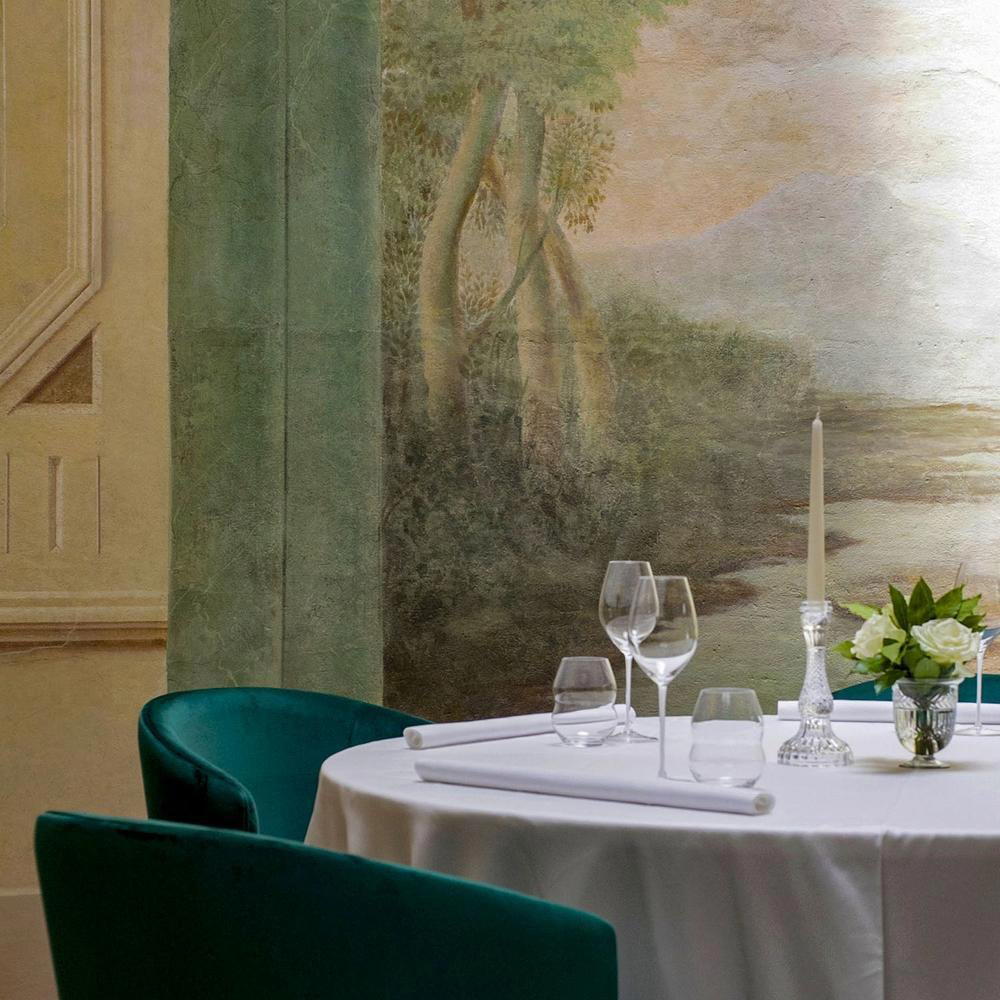
A Former Bakery, a Different Kind of Ambition
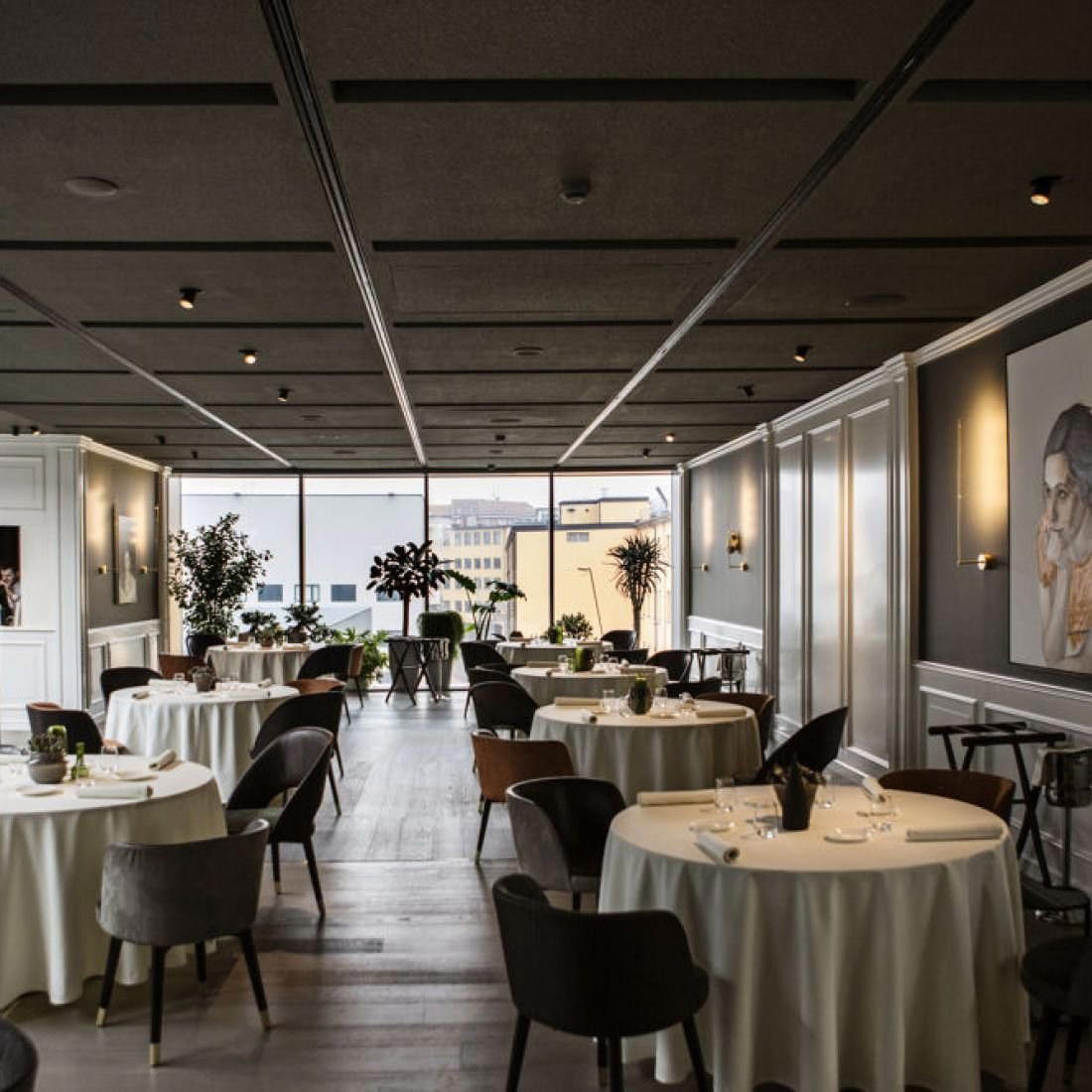
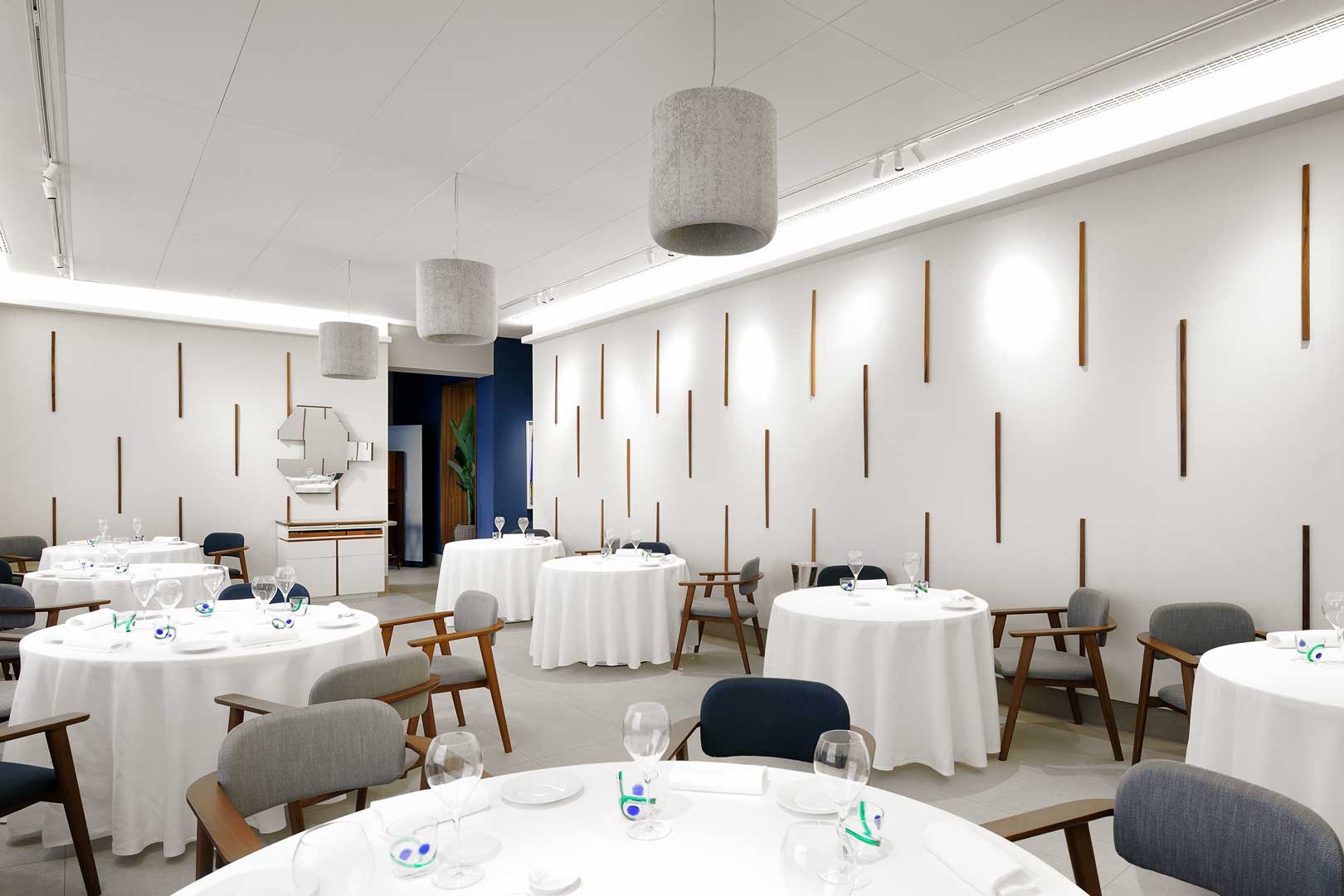
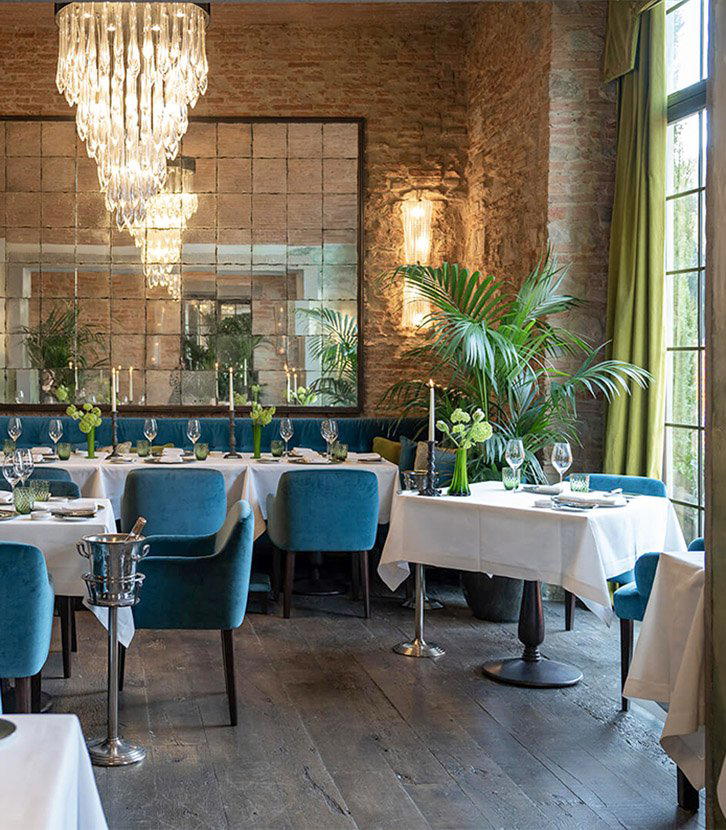
Altatto Bistrot is a contemporary vegetarian bistrot at Via Bonaventura Zumbini, 39, 20143 Milano MI, Italy, in Milan's 20143 district. The building itself was once a bakery, and the bones of that former life, compact proportions, a sense of accumulated use, set the register for what happens inside. This is not a restaurant that performs luxury through scale or spectacle. The contemporary-style conversion keeps the space tight and deliberately considered, which means every detail of the meal carries more weight than it might in a larger room.
Across Milan's higher-end dining tier, the dominant mode remains meat-forward and either classically Italian or progressively modernist. Houses like Enrico Bartolini, Cracco in Galleria, Andrea Aprea, and Seta operate at the €€€€ bracket with full brigade kitchens and rooms engineered for occasion dining. Altatto sits in the €€€ price tier, occupying a different position entirely: a bistrot format with tasting menu ambition, where the constraint of a plant-based kitchen has produced a cooking style that is specific, trained, and increasingly difficult to dismiss.
The Lineage Behind the Menu
Plant-based fine dining in Milan has a single clear reference point: Joia, the restaurant founded by Pietro Leemann that became the first vegetarian establishment in Europe to earn a Michelin star. That precedent matters here, because the three chefs behind Altatto, Cinzia, Giulia, and Sara, cite Joia explicitly as a formative influence. The connection is less about replication and more about inheritance: the understanding that vegetables and fruit, handled with the same product knowledge and technique that a classical kitchen applies to protein, can support a serious multi-course format.
What distinguishes the current generation of plant-based fine dining from its predecessors is an increased comfort with colour, texture contrast, and what might be called productive daring, dishes that take a risk on unfamiliar combinations rather than retreating to the safe legibility of a composed salad or a mushroom risotto. Altatto's recognition in 2025 signals that this approach has sufficient discipline to merit attention at that level, even if it sits below the starred tier occupied by Joia.
For international context, premium vegetarian tasting menus have developed significant depth in Asia, with addresses like Fu He Hui in Shanghai and Lamdre in Beijing operating at the luxury end of the format. In Italy, the comparison set is narrower. Across the broader Italian fine-dining canon, from Osteria Francescana in Modena to Enoteca Pinchiorri in Florence, Uliassi in Senigallia, Quattro Passi in Marina del Cantone, and Atelier Moessmer Norbert Niederkofler in Brunico, the plant-based tasting menu format remains a niche. Altatto's position in that niche, and in Milan specifically, is more significant than the address or the room size immediately suggests.
Two Menus, One Argument
The tasting menu format at Altatto functions as an argument rather than a progression of dishes in the conventional sense. When a kitchen removes meat and fish from the equation, each course has to do more conceptual work: the diner cannot default to the narrative arc of a classic menu, where protein anchors the middle and dessert provides resolution. Instead, the kitchen must build surprise and variation through technique, through the sequencing of textures, and through the decision about when to introduce something daring against something grounding.
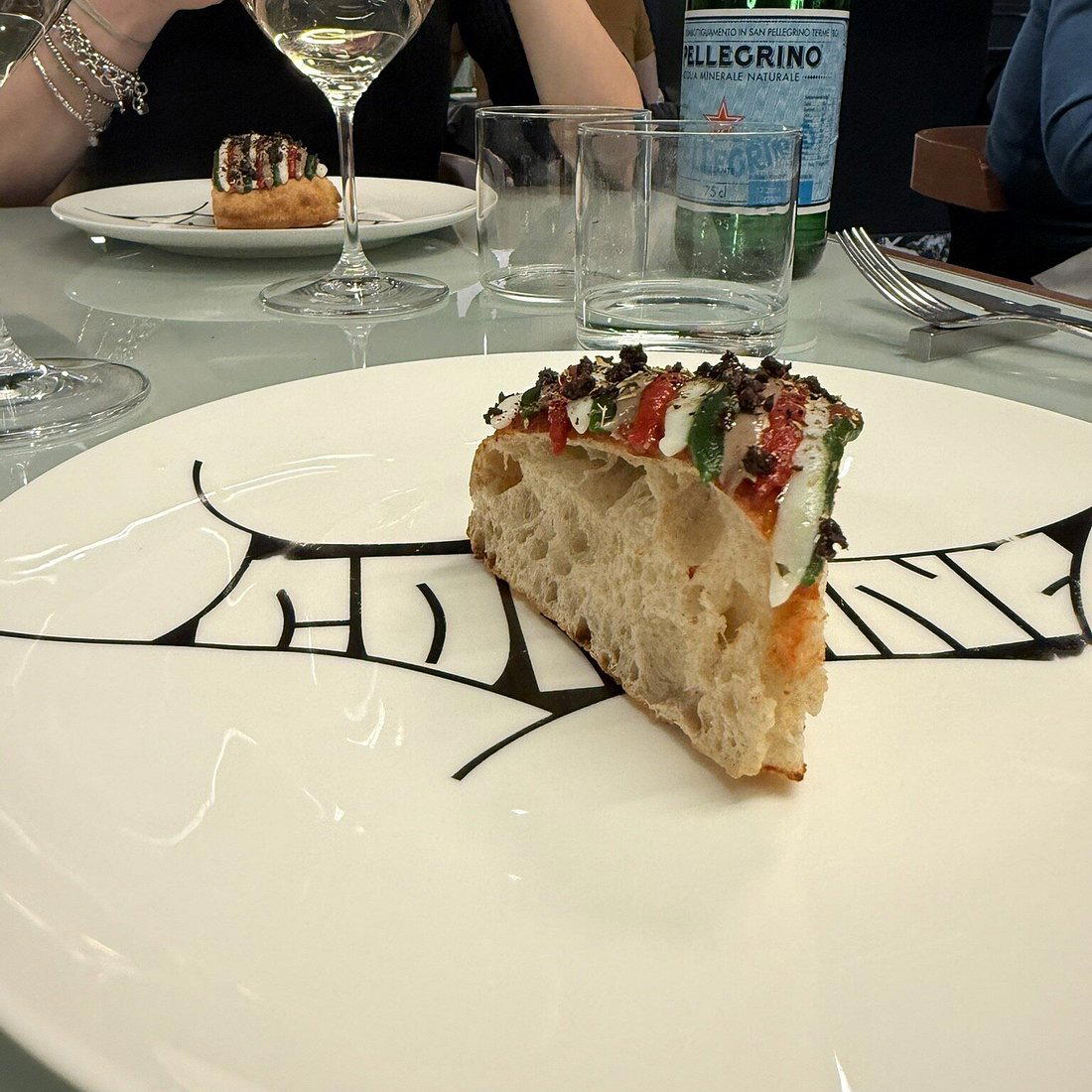
Two tasting menus are offered, with the option to order dishes à la carte for those who prefer to move through the format on their own terms. The Michelin guide's assessment notes that the dishes are colourful and beautifully presented, descriptors that, in the context of vegetarian cooking, point to a kitchen that understands visual composition as structural, not decorative. Colour in this context is often the first signal of produce quality and seasonal specificity: a plate built around the right moment in the year for a particular vegetable reads differently than one assembled from commodity supply.
That seasonal attention matters more in a plant-based kitchen than in most others. Without the stabilising presence of aged proteins or preserved components, the menu's quality is directly tied to what is available and at what stage. Spring and early summer, when Lombardy's produce markets shift toward legumes, young leaves, and early-season alliums, tend to sharpen the argument that this style of cooking makes. Autumn brings a different register: roots, squash, and fungi that support longer-cooked, more substantial preparations. Booking with some awareness of the season will shape what the experience delivers.
Booking, Pricing, and Practical Planning
Booking is essential. The compact size of the room means that tables fill, and the bistrot format does not carry the reserve capacity of a larger operation. Reservations made well in advance, particularly for weekend evenings, are the practical baseline for visiting.
The €€ price point places Altatto in accessible territory relative to Milan's fine-dining tier, where comparable tasting menu experiences at Michelin-starred houses carry significantly higher covers. For a two-course or full tasting menu experience with produce-driven cooking at this level of execution, the value relationship is clear. The address on Via Zumbini is reachable from central Milan, though it sits outside the immediate radius of the Duomo or Brera neighbourhoods that concentrate most international visitor traffic. That geographic position is part of what keeps it operating in a quieter register.
Comparable Venues
Comparable venues nearby, for context on price, style, and recognition.
| Venue | Cuisine | Price | Notes |
|---|---|---|---|
| Altatto BistrotThis venue — the venue you are viewing | Contemporary Vegetarian Bistrot | $$$ | Not listed |
| Antica Osteria il Ronchettino | Traditional Milanese Osteria | $$$ | Gratosoglio - Q. Re Missaglia - Q. Re Terrazze |
| Fourghetti | Contemporary Italian Fine Dining | $$$ | Tibaldi |
| Altriménti | Modern Italian Bistro | $$$ | De Angeli - Monte Rosa |
| Dry Cocktails & Pizza | Modern Neapolitan Pizza & Craft Cocktails | $$$ | Brera |
| Antica Osteria del Mare | Sardinian Seafood Osteria | $$ | Tibaldi |
Recognition history
Dated appearances from independent guides and award organizations, with the underlying list record or original source where available.
Michelin Plate
Michelin
We're Smart World 4 Radishes
We're Smart World
Michelin Plate
Michelin


At a Glance
- Minimalist
- Intimate
- Elegant
- Cozy
- Modern
- Date Night
- Special Occasion
- Open Kitchen
- Courtyard
- Natural Wine
- Zero Waste
Current opening hours
- Monday
- 7–11 PM
- Tuesday
- 7–11 PM
- Wednesday
- 7–11 PM
- Thursday
- 7–11 PM
- Friday
- 7–11 PM
- Saturday
- Closed
- Sunday
- Closed
Hours can change for holidays and private events. Last verified .
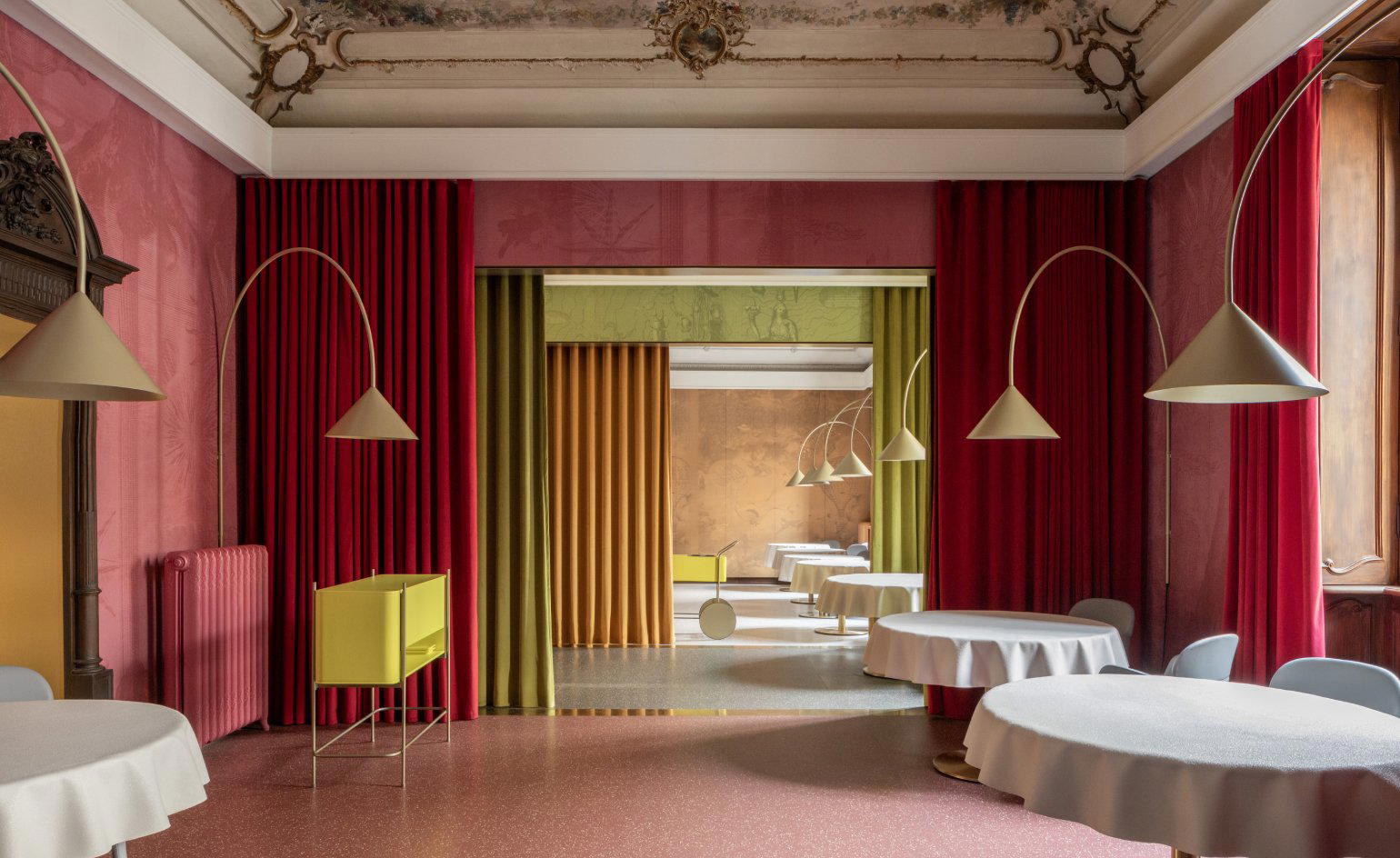
Minimalist, clean-lined space with warm lighting, cozy atmosphere, and informal jovial service.