Fernet-Branca occupies a specific tier in Milan's amaro tradition. For anyone tracing Italian distilling through its Milanese roots, this is the reference point.

Pearl is the En Primeur Club membership app — saves, bookings, and concierge access live there. Same editors, same standards.
- Address
- Milan
- Phone
- +39 02 8513 970
- Website
- fernetbranca.com
- Directions
- Get directions
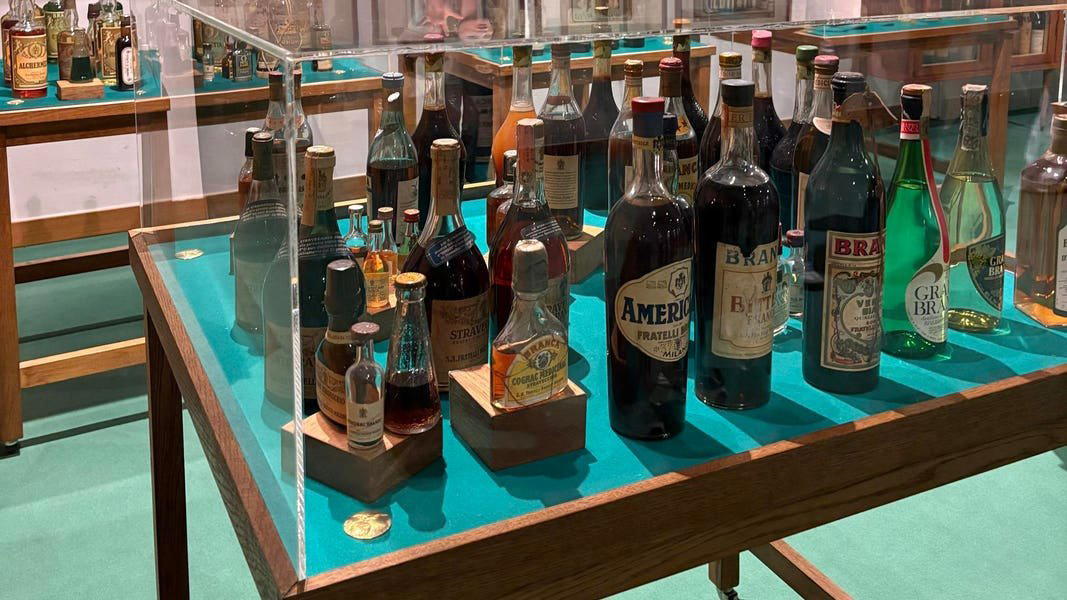
The Amaro That Built a City's Drinking Identity
Milan has a different relationship with bitterness than the rest of Italy. Where Torino built its identity around vermouth and aperitivo ritual, and Naples leaned into citrus-forward digestivi, Milan made the bitter liqueur — dense, herbal, and uncompromising — into something close to civic identity. Fernet-Branca sits at the centre of that tradition, carrying a formulation rooted in the 19th century and a profile that has influenced how bartenders and drinkers across the world understand the amaro category.
This is not a story about a new producer or a chef pivoting into spirits. It is a story about what happens when a product becomes so embedded in a city's culture that the product and the place become nearly indistinguishable. Walking through Milan's historic distilling quarter, the amber bottles and the unmistakable label appear in aperitivo bars, behind restaurant counters, and in the kinds of enoteca that stock things not because they are fashionable but because they have always been there. The production home is Fratelli Branca Distillerie, the Milanese operation that has maintained the Fernet-Branca formula across generations and changing markets.
Understanding the Tasting Experience
The experience of Fernet-Branca is inseparable from context. Served neat at room temperature, the liqueur arrives with a density of botanical layering, the standard formulation draws on a blend of herbs, roots, and spices that produces a bitterness far removed from the lighter, more approachable amaro styles made fashionable by producers further south. The colour is deep, the texture viscous without being syrupy. This is not an entry point into bitter liqueurs; it rewards familiarity rather than punishing curiosity.
In Milan's better aperitivo settings, Fernet-Branca functions as a digestivo taken seriously. It appears at the end of long meals as much as it does in the middle of bar service, often served alongside a coffee or in combination with mint in the format that Buenos Aires adopted and returned to European drinkers as a global bartending staple. That crossover signal, a Milanese product that became the house pour of Argentine dining culture, is part of what gives the category its unusual reach. The amaro tradition in northern Italy, from the Distilleria Marzadro in Nogaredo to grappa producers like Nonino Distillery in Pavia di Udine and the artisanal-focused Distilleria Romano Levi in Neive, covers a wide spectrum of production philosophy, but Fernet-Branca occupies the mass-prestige tier, consistent enough to serve as a reference, complex enough to merit attention.
Where It Sits in the Milan Spirits Scene
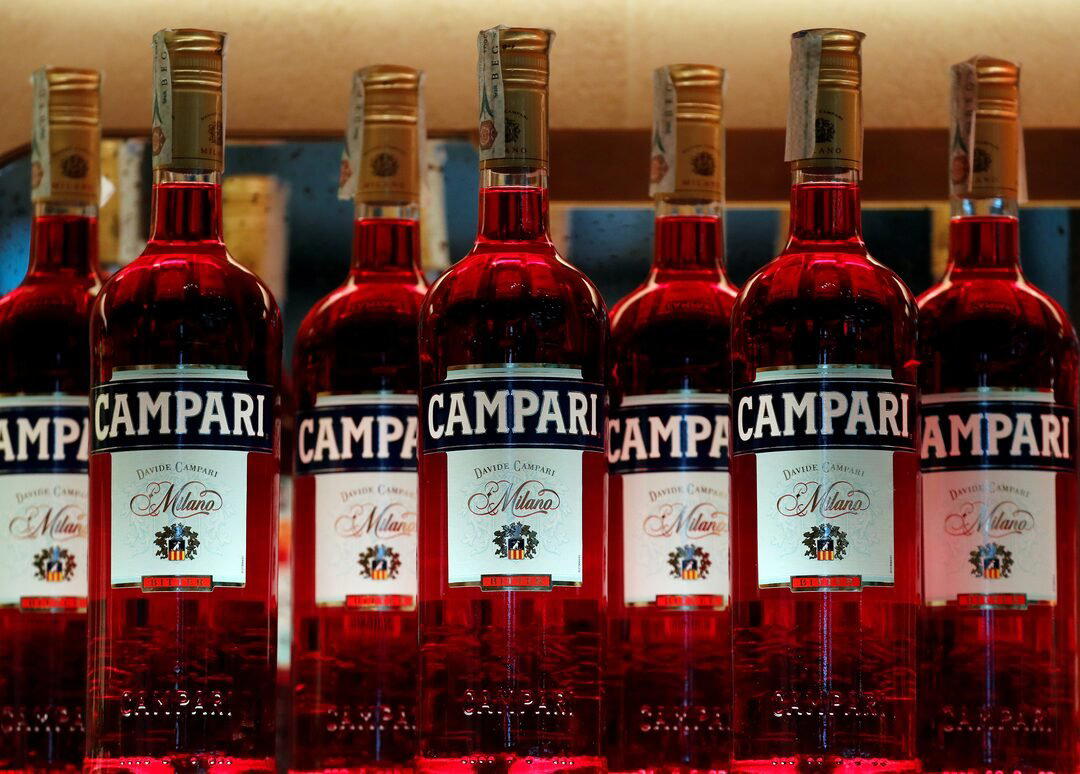
Milan's aperitivo culture is often framed through Campari, whose red-hued, bittersweet profile defines the city's pre-dinner drinking ritual and whose presence is anchored by the broader Gruppo Campari portfolio. Fernet-Branca occupies a different position in the same ecosystem: where Campari is consumed at volume across daylight hours, Fernet operates in the post-dinner hours or as the kind of single pour that signals the end of a meal rather than the beginning of an evening. Amaro Ramazzotti, another Milanese heritage product, sits somewhere between the two in terms of sweetness and occasion.
The distinction matters because it shapes how visitors engage with the product. Fernet-Branca is not the thing you order at an outdoor bar in the Navigli district at 6pm when the aperitivo hour is in full swing. It is what you drink after the tagliatelle and the second bottle of Barolo at 11pm in a restaurant that has been open since the 1970s. That position, post-prandial, deliberate, almost medicinal in its original intent, gives it a gravity that lighter aperitivo products do not carry. For those tracking Italian wine and spirit production more broadly, the contrast with wine-focused estates like Aldo Conterno in Monforte d'Alba or Ca' del Bosco in Erbusco is instructive: the production logic is entirely different, but the emphasis on formula integrity and house style over trend responsiveness places them in a shared cultural conversation about what Italian production heritage actually means in practice.
The Format and How to Approach It
There is no single tasting room or formal visitor programme to describe here in the way one might outline for a wine estate such as Lungarotti in Torgiano, Castello di Volpaia in Radda in Chianti, or L'Enoteca Banfi in Montalcino. The encounter with Fernet-Branca in Milan is distributed across the city's bars, restaurants, and the Fratelli Branca Distillerie itself, which holds historical and production significance for those interested in the mechanics of how a 19th-century formula survives industrial modernity. The distillery has served as a site of cultural programming and production heritage display, making it a reference for visitors who want to engage with the product at source rather than purely through consumption.
Practically, the most immediate way to understand what Fernet-Branca actually is involves ordering it where Milanese professionals order it: in the kinds of neighbourhood bars in the Porta Romana or Isola districts where the bottles have been on the shelf for decades and the bartenders serve it at the correct temperature without being asked. This is not a product that performs well when over-explained or theatricalised. Its value is in its directness.
For those comparing European spirits traditions, the contrast with single malt scotch producers such as Aberlour in Aberlour or Napa-adjacent allocation models like Accendo Cellars in St. Helena is less about style than about the relationship between formula, place, and time. Fernet-Branca is a product where the formula is the point, and the city is the proof of concept.
Planning Your Visit
Milan is served by two airports, Malpensa and Linate, and the city's central position in the Lombardy rail network makes it direct to reach from most northern Italian cities. The Fratelli Branca Distillerie is located in the city itself, and while formal tours should be confirmed directly given variable availability, the distillery has historically been accessible to visitors with a serious interest in production heritage. For the broader Milan eating and drinking picture, including the aperitivo bars where Fernet-Branca appears in its natural context, see our full Milan restaurants guide.
What It’s Closest To
Comparable venues nearby, for context on price, style, and recognition.
| Venue | Cuisine | Price | Notes |
|---|---|---|---|
| Fernet-BrancaThis venue — the venue you are viewing | Milan | Not listed | Not listed |
| Ramazzotti | Winery | Not listed | Milan |
| Gruppo Campari | Winery | Not listed | Milan |
| Campari | Winery | Not listed | Duomo |
| Amaro Ramazzotti | Winery | $30–50 | Milan |
Continue exploring
More in Milan
Wineries in Milan
Browse all →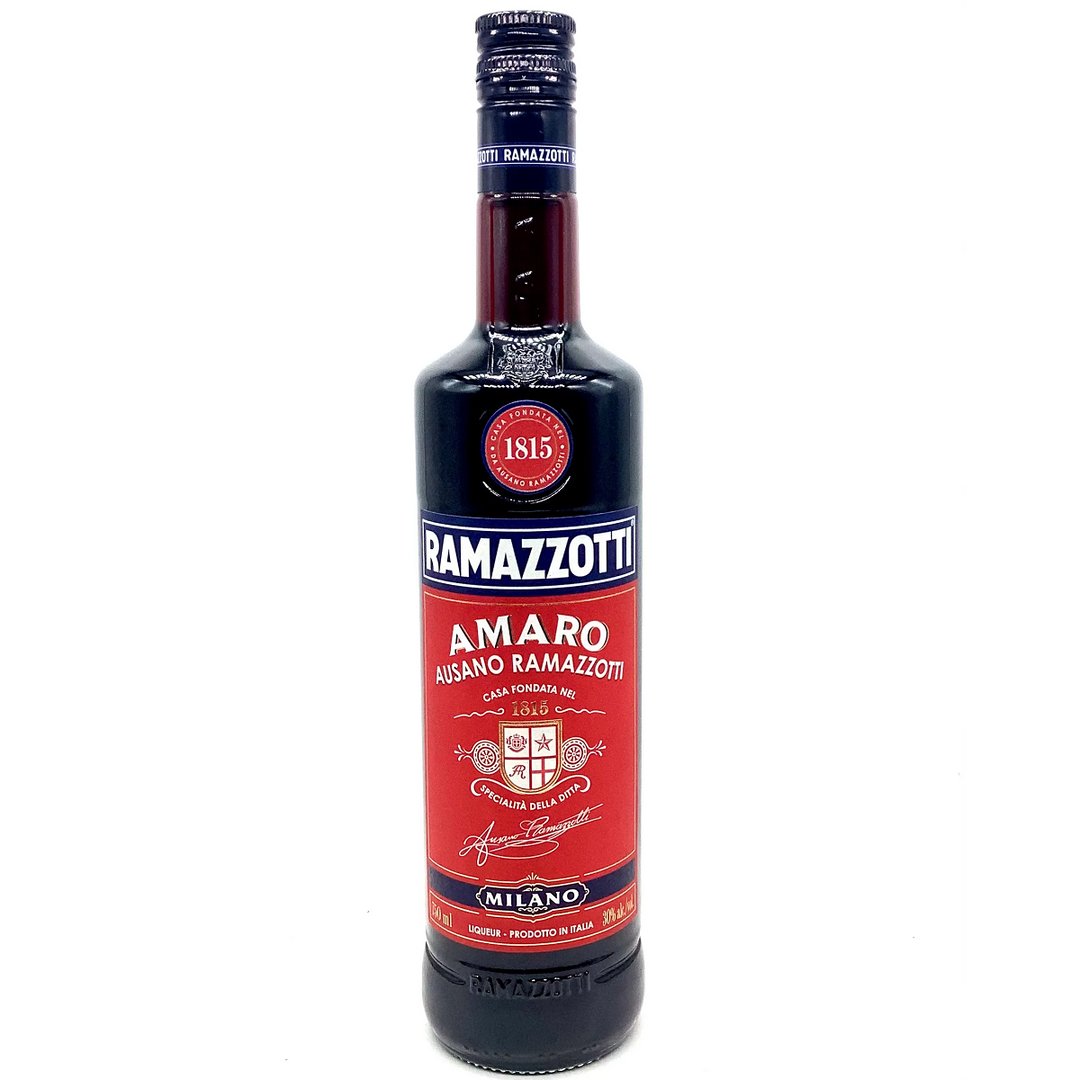
Bars in Milan
Browse all →
Restaurants in Milan
Browse all →
Details
- Classic
- Well Known
- Wine Education
- Historic Building
- Fortified
- Distillery Tour
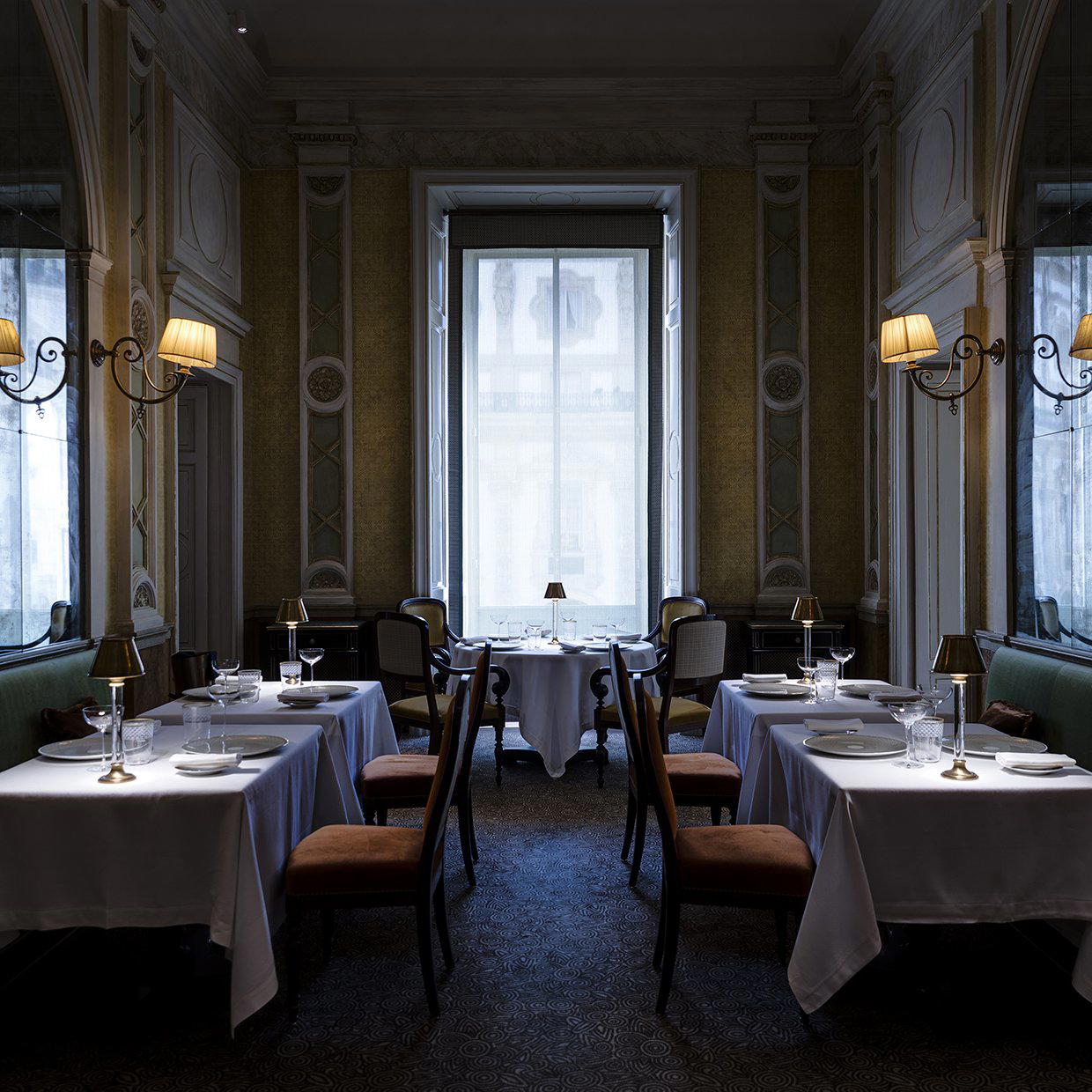
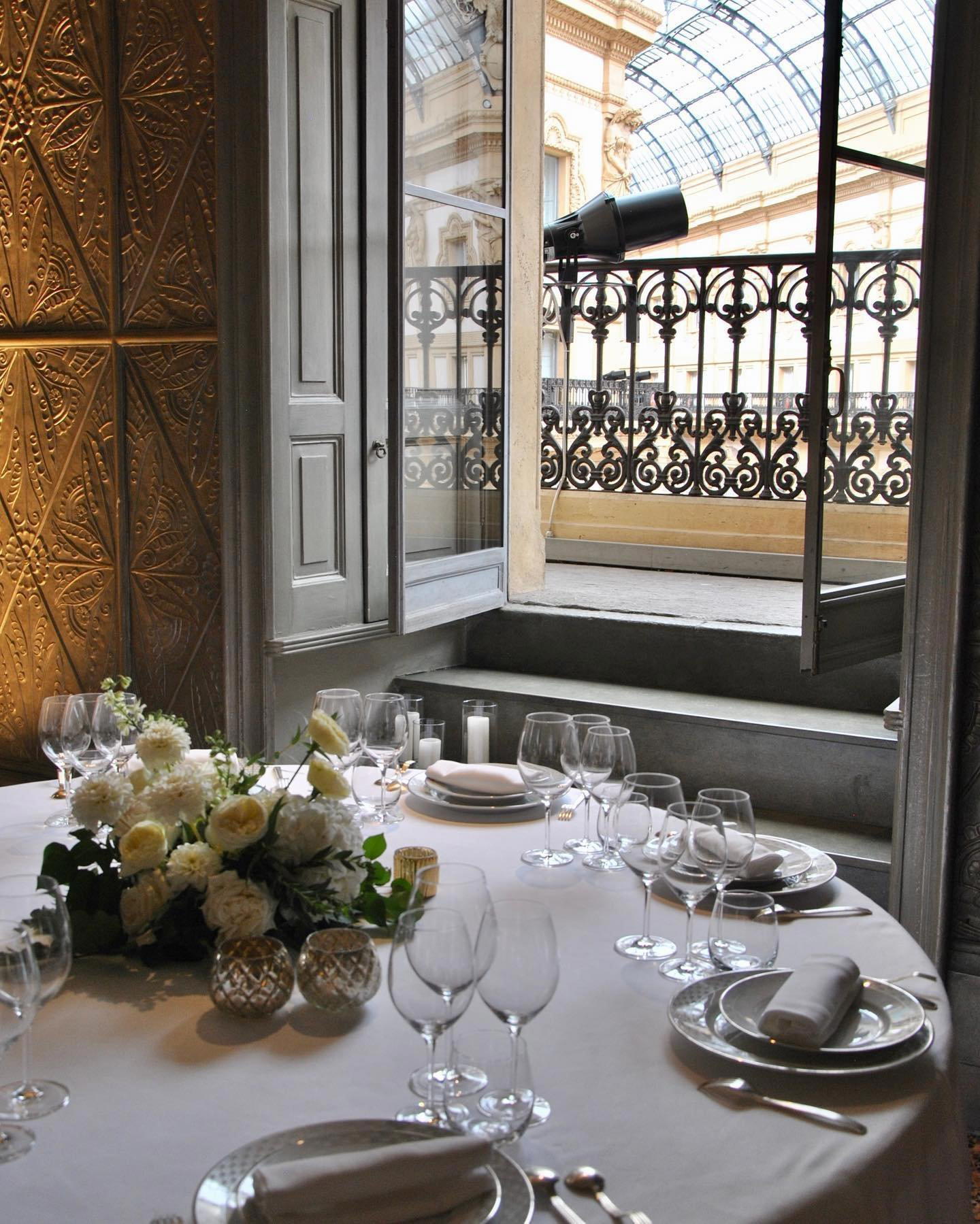
Apothecary-like with complex herbal aromas, dimly lit aging halls filled with oak vats, and a medicinal, sophisticated atmosphere.