Amaro Ramazzotti is one of Milan's most historically rooted bitter liqueur producers. The amaro tradition it represents sits at the intersection of alpine herb craft and urban Milanese drinking culture, placing it in a distinct tier among Italian bitter spirits producers. For those tracing Italy's amaro heritage from source, this is a reference point worth understanding.

Pearl is the En Primeur Club membership app — saves, bookings, and concierge access live there. Same editors, same standards.
- Address
- Milan
- Website
- ramazzotti1815.com
- Directions
- Get directions
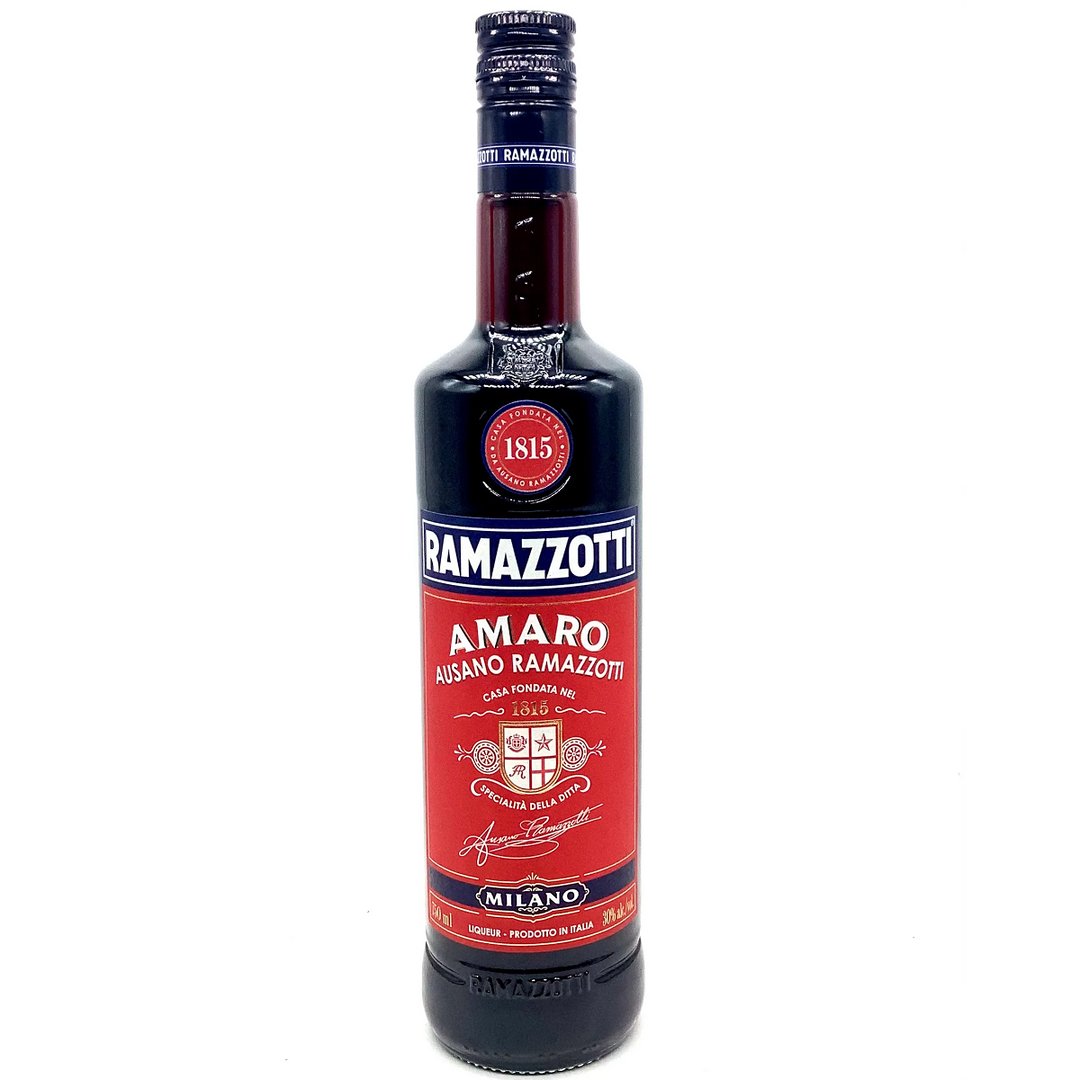
Milan's Amaro Tradition and Where Ramazzotti Sits Within It
Italian amaro culture did not emerge from a single region or a single philosophy. It grew from apothecary traditions, monastic herb knowledge, and the particular geography of a peninsula that stretches from alpine passes to Mediterranean coastline. The herbs, roots, and citrus peels that define each amaro recipe reflect the altitude, climate, and soil of where they were originally gathered or traded. Milan, positioned at the foot of the Alps and historically connected to trade routes moving spices and botanicals across northern Italy, became one of the defining cities in amaro production. Ramazzotti is among the producers that crystallised that urban-alpine tradition into a recognisable style.
The amaro category in Italy is not a monolith. Producers range from alpine-focused bitters with pronounced gentian bitterness, like those emerging from the northeastern valleys near Distilleria Marzadro in Nogaredo, to the more citrus-forward, lower-alcohol styles typical of southern production. Ramazzotti occupies a middle register: approachable enough for aperitivo culture, structured enough to function as a digestivo. That positioning reflects Milan's dual identity as both a commercial hub and a city with deep roots in northern Italian ingredient culture.
Terroir in the Glass: What the Botanicals Tell You
The concept of terroir, applied habitually to wine and increasingly to grappa producers like Distilleria Romano Levi in Neive and Nonino Distillery in Pavia di Udine, translates to amaro not through a single plot of land but through the cumulative sourcing decisions that define a recipe's botanical signature. Northern Italian amari lean on alpine herbs, gentian root, rhubarb, and mountain botanicals that register the altitude and cold-season intensity of their growing environments. The citrus component in many Milanese amari reflects historical trade connections rather than local cultivation, but it anchors the style's identity as clearly as any single-origin ingredient would.
What distinguishes a producer's expression within this framework is not simply the ingredient list but the proportion and preparation: maceration length, alcohol base, rest period, and filtration approach all shape how the land's ingredients read in the final liquid. In that sense, Ramazzotti's character as a northern Italian amaro is inseparable from the geography of its botanical sourcing, even if the production now operates at industrial scale.
To understand Ramazzotti's place in the broader Italian spirits conversation, it helps to map it against the Lombard and northern Italian production tradition. Grappa houses like Nonino and Marzadro express terroir through pomace origin and distillation method. Wine producers such as Ca' del Bosco in Erbusco and Aldo Conterno in Monforte d'Alba work with single-appellation fruit. Amaro sits at a different point on that spectrum, where the terroir expression is composite and the recipe itself is the archive of regional ingredient knowledge accumulated over generations.
Milan's Competitive Set for Bitter Spirits
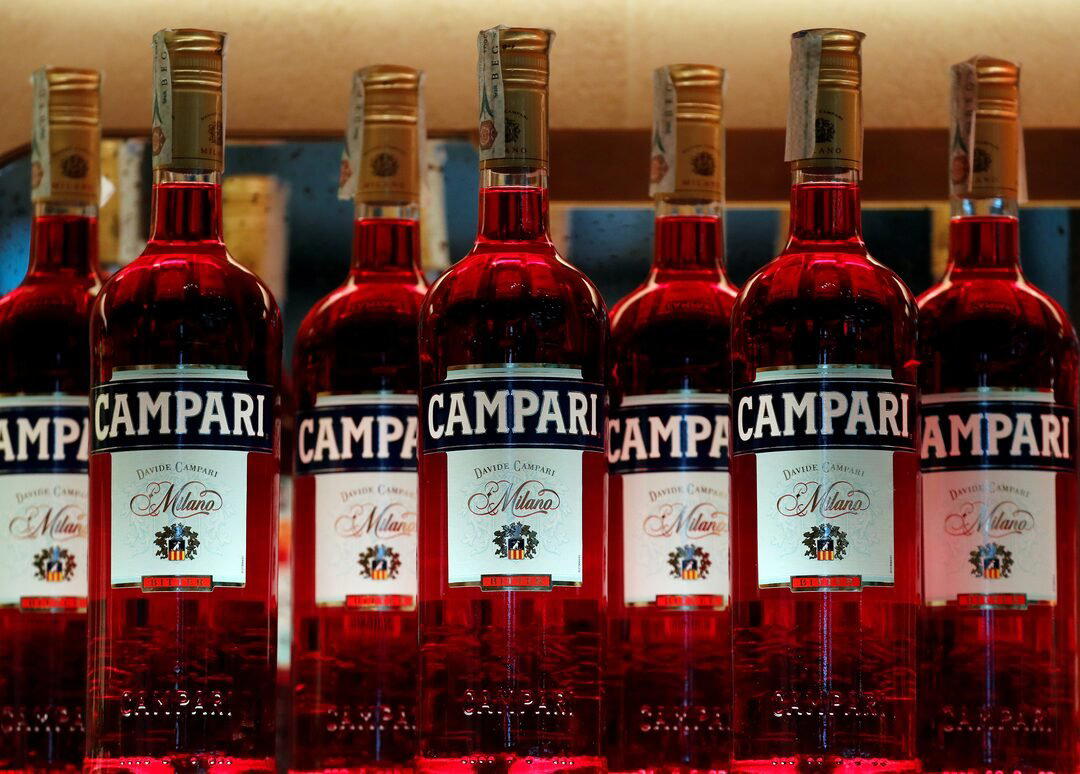
Milan has historically hosted several of Italy's most commercially significant bitter spirits producers, a concentration that reflects the city's role as a distribution and trade centre rather than a purely agricultural one. Campari, founded in Milan in 1860, defines one pole of the category: a low-alcohol, high-bitterness aperitivo with a proprietary botanical formula. Gruppo Campari, the multinational that now owns that legacy, represents how the category has been institutionalised at scale. Ramazzotti operates within this same Milanese tradition but sits in a different stylistic register, closer in character to a true digestivo amaro than to the aperitivo-first positioning of Campari.
Fernet-Branca and the parent company Fratelli Branca Distillerie produce a more intensely medicinal, menthol-forward amaro that commands a different drinking occasion and a loyal global following. Between Campari's aperitivo register and Fernet-Branca's austere digestivo style, Ramazzotti has long carved out a middle position: bittersweet rather than bitter-first, approachable on the palate while retaining the herbal complexity that separates genuine amaro from flavoured spirits.
For spirits buyers and travellers exploring northern Italy's drinking culture, Ramazzotti belongs alongside producers who maintain recipe integrity at scale, a smaller group than the broader amaro market might suggest.
The Broader Italian Context: From Lombardy to the South
Placing Ramazzotti in a national context requires looking at what distinguishes northern Italian amari from the styles produced further south and east. Producers in Tuscany, such as those connected to estates like Castello di Volpaia in Radda in Chianti, or wine-anchored houses like L'Enoteca Banfi in Montalcino and Lungarotti in Torgiano, frame their spirits production within an agricultural and viticultural identity. The amaro tradition in the north is more urban, more pharmaceutical in its historical roots, and more reliant on alpine botany than on estate-grown ingredients.
That distinction shapes how you read Ramazzotti against the Italian spirits spectrum. It is not an estate product expressing a single terroir in the wine sense. It is a recipe product, and the terroir question resolves to the sourcing geography of its botanical ingredients and to the historical continuity of a formula developed in the northern Italian ingredient trade. For travellers using Milan as an entry point to Italian spirits culture, that distinction is worth internalising before moving deeper into the production landscape across Piedmont, Friuli, or Umbria.
Planning Your Visit to Milan's Amaro Heritage
Milan rewards spirits-focused visitors who treat the city as a production and drinking culture context rather than just a retail destination. The aperitivo hour, typically beginning around 6pm in the city's bar-dense neighbourhoods, remains the natural context for encountering Ramazzotti as part of a broader northern Italian bitter spirits exploration. For those moving beyond Milan into northern Italy's wine and spirits regions, the connections between Ramazzotti's botanical sourcing and the alpine and sub-alpine ingredient culture visible in producers like Marzadro and Nonino become clearer with each lateral comparison. For broader itinerary planning in the city, our full Milan restaurants guide covers the dining and drinking culture across the key neighbourhoods. For context on how amaro culture connects to the international spirits conversation, producers like Aberlour in Aberlour and New World producers such as Accendo Cellars in St. Helena offer reference points for understanding how different production traditions signal quality and identity within their respective categories.
How It Stacks Up
| Venue | Cuisine | Price |
|---|---|---|
| Amaro RamazzottiThis venue — the venue you are viewing | This venue | $30–50 |
Continue exploring
More in Milan
Wineries in Milan
Browse all →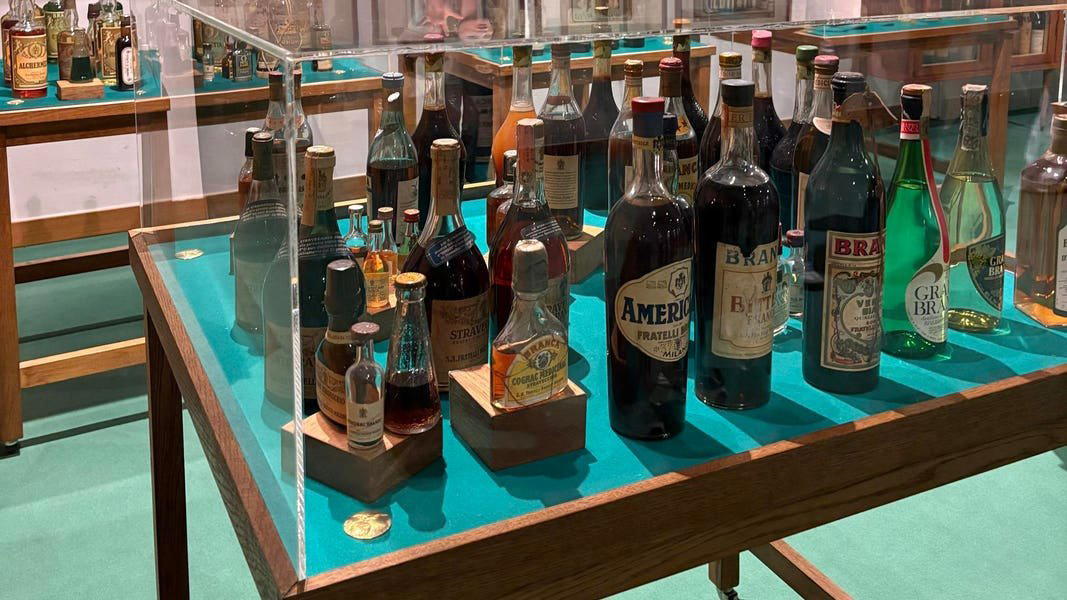
Bars in Milan
Browse all →
Restaurants in Milan
Browse all →
Details
- Well Known
- Classic
- Sophisticated
- Special Occasion
- Celebration
- Fortified
Dark amber liquid with complex herbal aromatics; evokes Italian tradition and heritage through its distinctive bottle design maintained since 1815.