Skip to Main Content
La Fête du ChampagneCode: PEARL
← Collection
Milan, Italy

Italian Wine Brands

Italian Wine Brands is a Milan-based wine group built around industrial scale rather than cellar-door romance. Its interest lies in how Italian terroir is translated for global distribution: Barolo, Amarone, Prosecco and Primitivo di Manduria move through a network of regional wineries, supplier protocols and bottling plants rather than a single estate narrative.

Pearl is the En Primeur Club membership app — saves, bookings, and concierge access live there. Same editors, same standards.

Plan your visit on PearlPlan Your Visit
Address
Viale Abruzzi, 94, 20131 Milano MI, Italy
Phone
+39 02 3051 6516
Directions
Get directions
Saves & bookings on Pearl
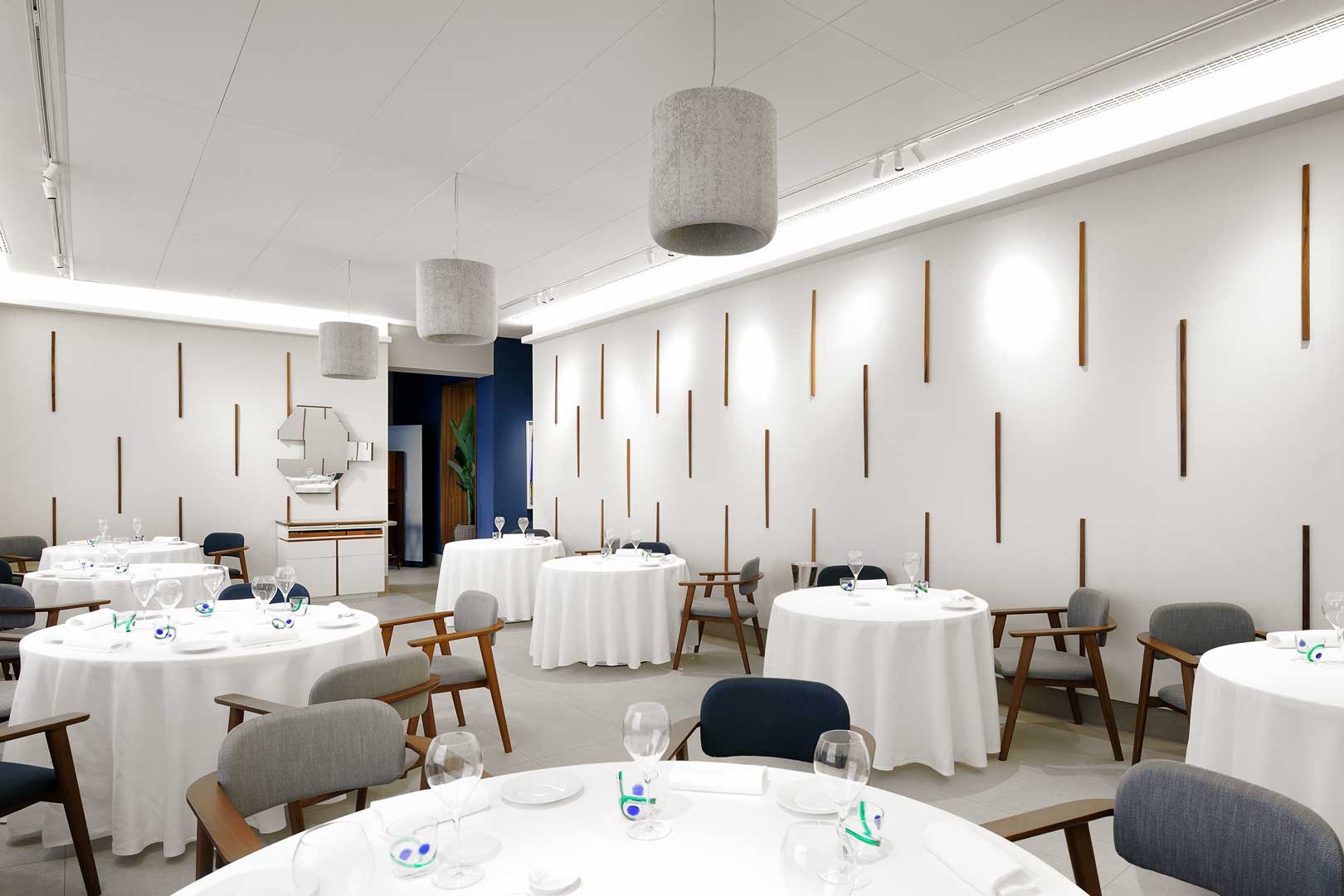
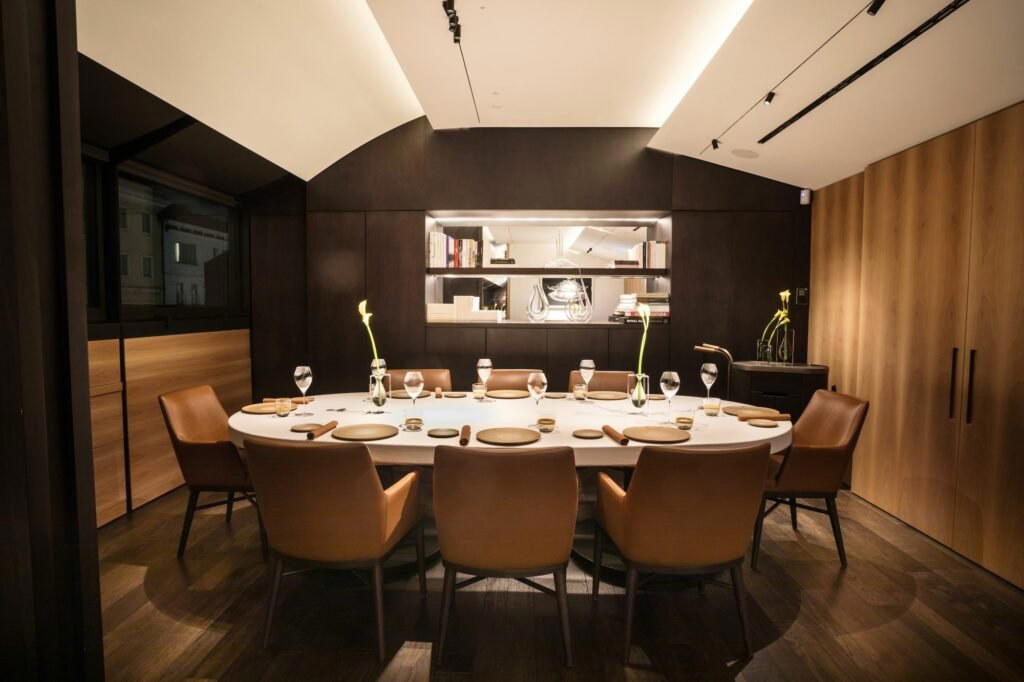
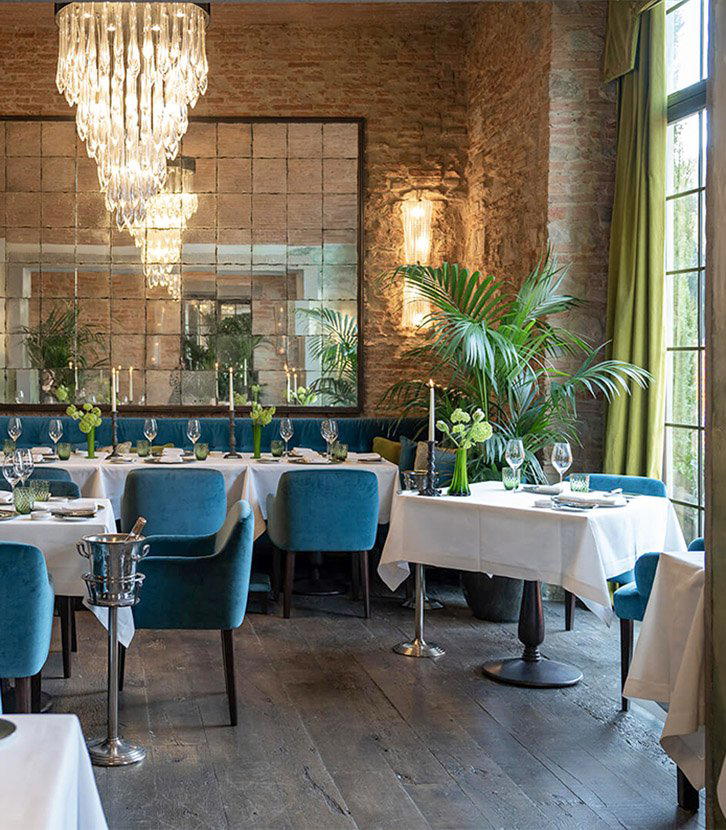
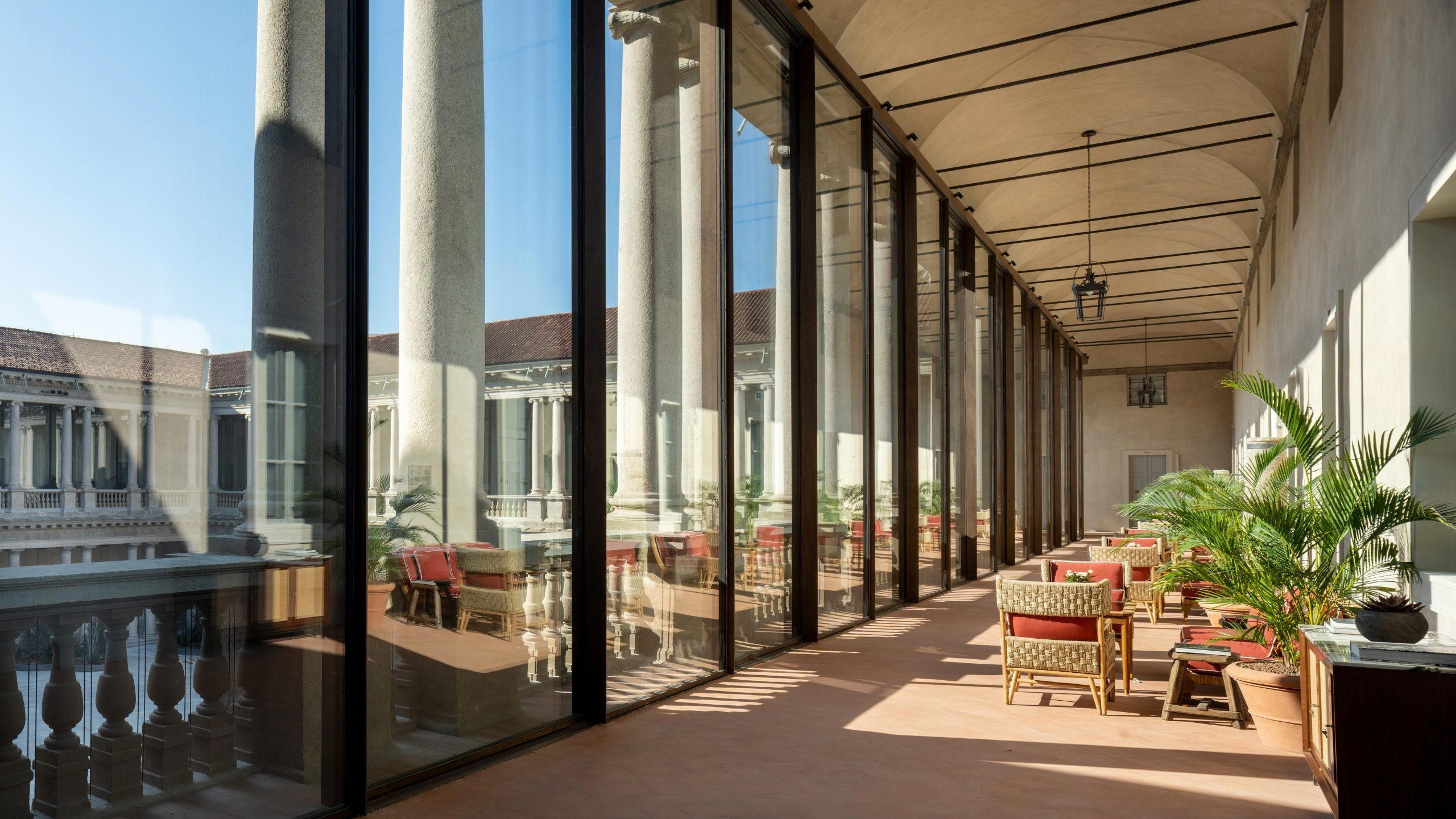
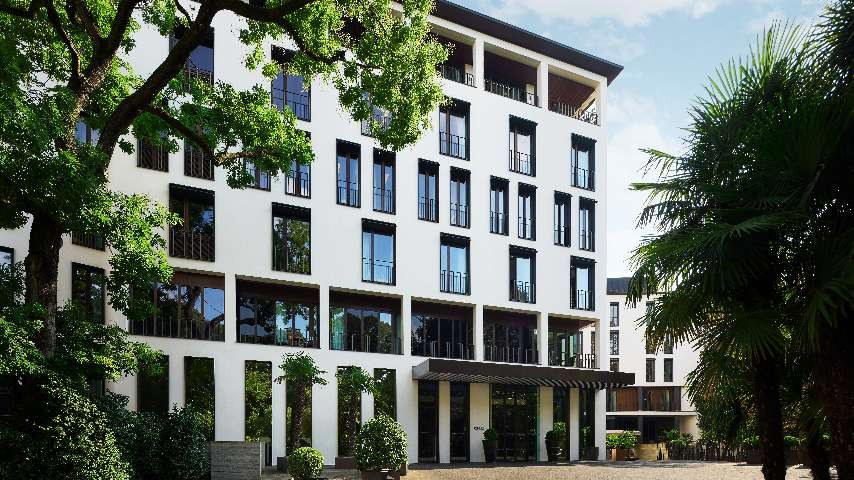
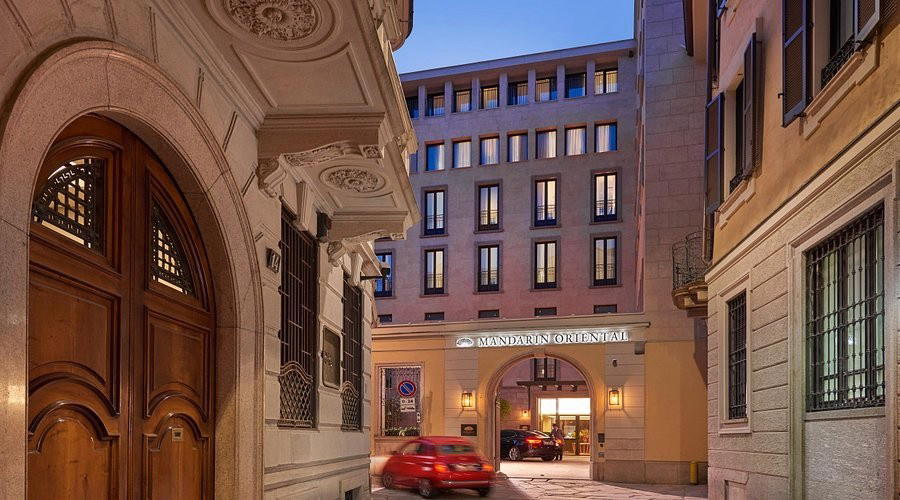
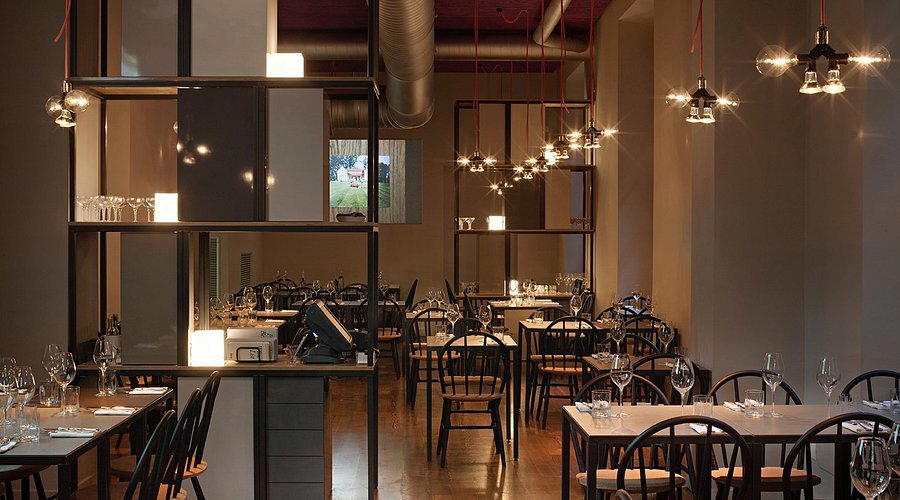
Italian Wine Brands winery in Milan, Italy
About

Approach Italian Wine Brands as a corporate wine group rather than as a visitor-focused tasting room. The picture is broad but clear: this is a large, industrial-scale wine organization associated with multiple cellars and bottling plants across Italy. Its Milan presence should be understood through that lens. The atmosphere is more corporate and production-focused than leisurely or hospitality-led, with the emphasis falling on efficiency, quality control and international distribution.

That distinction is important for setting expectations. Many wine addresses are described through a romantic language of vineyards, cellar doors and intimate tastings. Italian Wine Brands belongs to a different category. The relevant story is scale: wine handled through a wider production and distribution system, not a single small estate experience.

Italian terroir treated as a national portfolio

Because Italian Wine Brands is a group with multiple cellars and bottling plants across Italy, it is best read as part of the industrial and organizational side of the wine world.

That structure changes the nature of the experience. Instead of focusing on one vineyard, one cellar team or one highly personal hospitality format, the emphasis is on coordination. Large wine groups depend on repeatability, oversight and market-facing consistency. Quality control becomes part of the identity, as does the ability to move wine through broader channels beyond a single local audience.

For some travelers, that may feel less romantic than a small cellar visit. For others, it is exactly the point. The winery represents the part of the wine industry that turns production, bottling, logistics and distribution into a coordinated system. It is a useful reminder that the wine business is not only about tasting rooms and countryside settings; it is also about infrastructure.

Scale, production and the export version of Italy

One grounded way to describe the winery is as a large, industrial-scale wine group. Its profile points toward multiple production locations, a corporate atmosphere and an orientation toward international distribution. Those are the facts that should shape any planning decision. This is not a venue to frame around an restaurant-style service, a specific tasting menu, a named beverage program or a public hospitality format.

That makes the address more relevant to people interested in how wine reaches markets than to visitors looking for a conventional leisure stop. Efficiency and quality control are not background details; they are central to the identity of the group. In a large wine organization, the work of maintaining standards across facilities and channels is part of what defines the brand experience, even when it is not visible in the way a vineyard view or cellar tour is.

Within Milan, the winery therefore sits most naturally in a corporate and production-minded category. Readers comparing it with other dining or drinking options in Milan should avoid expecting the same kind of atmosphere they might find in a restaurant, bar or intimate tasting room. The profile points instead to a business-oriented wine group whose significance lies in scale, organization and distribution.

Who should care about this kind of wine address

The winery will work well to readers who are curious about the commercial architecture behind wine: how a large group coordinates production, bottling, standards and international reach. It is less suited to anyone whose main goal is a casual visitor experience, a chef-led meal, a public tasting counter or a picturesque cellar narrative.

The listed price level is $$, but price is only a small part of the story. The more useful lens is format. The winery is described as corporate and production-focused, with multiple cellars and bottling plants across Italy. That tells you more about the likely character of the venue than any invented menu, ranking or service claim would.

The critical takeaway is simple: the winery is best understood as a case study in the industrial and distribution side of Italian wine. In Milan, its appeal is not built on hospitality details, but on the confirmed profile of a large wine group oriented around efficiency, quality control and international distribution.

Frequently asked questions

The record

Recognition history

Dated appearances from independent guides and award organizations, with the underlying list record or original source where available.

  1. Falstaff Winery - Listed

    Falstaff
At a Glance
Vibe
  • Industrial
  • Well Known
  • Modern
  • Sophisticated
Best For
  • Corporate Event
  • Group Outing
Sourcing
  • Sustainable
Varietals
  • Nebbiolo
  • Corvina
  • Glera
  • Primitivo
Wine Styles
  • Still Red
  • Still White
  • Sparkling
Noise LevelQuiet
CapacityLarge
Wine ClubNo
Direct-to-Consumer ShippingYes

Large, industrial-scale wine group with multiple cellars and bottling plants across Italy; atmosphere is more corporate and production-focused than visitor-focused, oriented around efficiency, quality control, and international distribution rather than a boutique estate experience.