Michelin Plate
Our verdict
La Cantina di Manuela on Via Carlo Poerio holds consecutive Michelin Plates for 2024 and 2025, placing it inside Milan's dependable mid-range classic dining tier. A wine-lined room sets the tone for elaborately composed evening plates, while a leaner salad-led lunch menu serves the business crowd near Porta Venezia. The cotoletta alla milanese is the dish to order.

Pearl is the En Primeur Club membership app, where members save venues, book tables and use the concierge.
A Room Built Around the Bottle
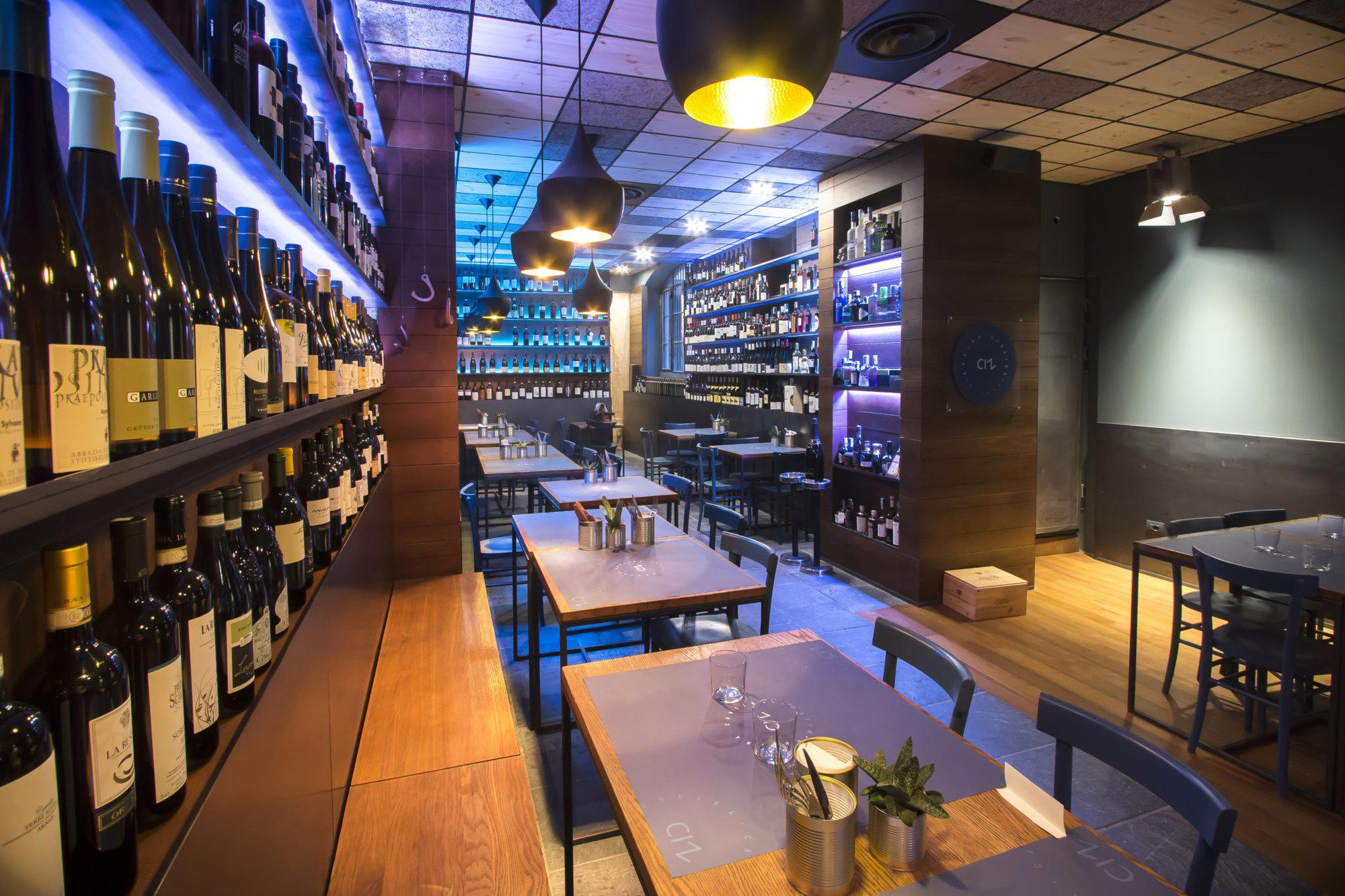
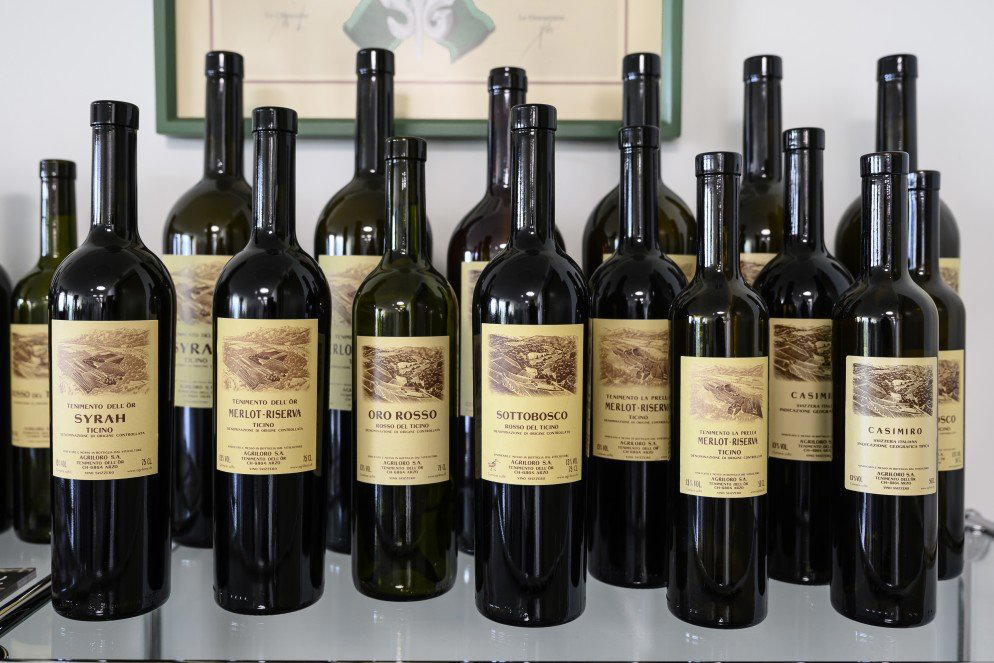
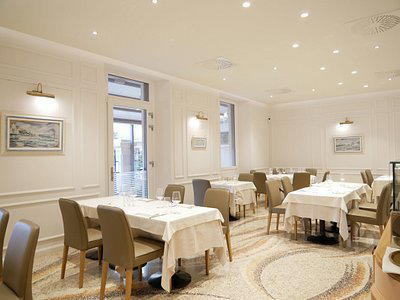
On Via Carlo Poerio, a quiet residential stretch east of the Porta Venezia gardens, the first thing you register at La Cantina di Manuela is not a menu or a maître d' but the walls themselves. Bottles are arranged floor to ceiling, giving the dining room the texture of a serious enoteca that happens to serve food rather than a restaurant that keeps wine as an afterthought. That distinction matters in Milan, where the city's classic-dining tier increasingly treats the cellar as scenery. Here it reads as a statement of intent about where the kitchen's priorities sit: ingredients sourced to pair, not merely to plate.
Where La Cantina Sits in Milan's Dining Spread
Milan's restaurant scene has become sharply tiered. At the leading, places like Enrico Bartolini, Andrea Aprea, and Seta operate at €€€€ price points with two or three Michelin stars apiece. Below them, Cracco in Galleria holds a single star in the same high-spend bracket. La Cantina di Manuela operates at €€, a tier that in Milan's current market signals something specific: traditional technique, recognisable regional dishes, and a room that earns repeat custom from neighbourhood regulars rather than one-off destination diners. Consecutive Michelin Plates in 2024 and 2025 confirm it is not simply a cheap local, the guide's recognition at Plate level indicates cooking that meets a defined standard of quality without claiming tasting-menu ambition. Among Italian classics dining at this price tier, compare also InGalera, which occupies an entirely different social context but a similar commitment to craft at accessible price points.
Further afield, the lineage of Italian classic cooking this kitchen draws from runs through properties like Dal Pescatore in Runate, Osteria Francescana in Modena, and Piazza Duomo in Alba, though those properties operate at far higher price and ambition tiers. The point is that La Cantina di Manuela draws from the same regional-ingredients-first tradition, applied through the specific lens of Milanese classic cuisine. For the European classic-dining parallel, see Maison Rostang in Paris or KOMU in Munich, both of which occupy analogous positions in their respective cities: mid-tier price, serious technique, strong cellar presence.
The Sourcing Logic Behind a Classic Menu
Classic Milanese cooking is built on ingredients with specific provenance: saffron from the Po Valley lowlands in risotto alla milanese, veal from Lombardy's cattle-raising tradition in the cotoletta. The kitchen at La Cantina di Manuela operates within this framework. The menu runs to elaborate compositions in the evening, with antipasti given room to function as a proper opening act rather than a token course. The sourcing model here is regional coherence rather than farm-to-table branding, the dishes signal where they come from through the identity of the preparation itself, which is how northern Italian classic cooking has always communicated provenance.
The cotoletta alla milanese is the house speciality, which in this context means the one dish against which the kitchen is willing to be judged. In Milanese tradition, the cotoletta is bone-in veal, breaded and pan-fried in butter until the crust is deep gold and the meat remains faintly pink at the bone. Getting the cut right requires sourcing milk-fed veal with sufficient fat cover; getting the execution right requires patience and heat management that cannot be shortcut. The fact that this kitchen makes it a signature is not incidental, it is a declaration that the sourcing and technique are confident enough to hold up against every other cotoletta in the city.
Lunch vs. Evening: Two Different Rooms in One
The dual format at La Cantina di Manuela is worth understanding before you book. At lunch, the elaborate evening menu gives way to salads and simpler plates aimed at the business clientele around Porta Venezia. This is a pragmatic, time-aware adjustment that is common in Milan's smarter mid-range restaurants, the city's lunch culture runs to 45-minute windows, and kitchens that try to serve full evening menus at midday often end up serving neither format well. The antipasti disappear from the lunchtime offer, which means the full range of what the kitchen can do is available only in the evening.
For a first visit specifically to assess the kitchen, the evening sitting makes the stronger case. The wine wall context is also better appreciated over a longer meal, and the antipasti course is where elaborate sourcing becomes most legible on the plate. Visitors who arrive for a weekday lunch and find a streamlined salad menu have not seen the same restaurant that earned two consecutive Michelin Plates.
The Cellar as Context
Italian mid-range classic dining has a complicated relationship with its wine lists. The leading rooms treat the cellar as a continuation of regional sourcing logic, Lombardy's Franciacorta and Oltrepò Pavese, Piedmont's Barolo and Barbaresco as structural anchors, with the broader Italian list reflecting the same ingredients-first sensibility as the kitchen. A room where the bottles are architectural, as they are here, signals that the list has depth and that the staff are equipped to navigate it with you. It would be unusual for a restaurant that uses its cellar as the primary visual element to then produce a pedestrian wine offering.
For the full range of serious wine-led venues across the city, the Milan wineries guide offers a broader frame. For context on how the city's drinking culture connects to its dining scene, the Milan bars guide is a useful parallel read. The full Milan restaurants guide maps where La Cantina di Manuela sits across the wider field, from multi-starred destinations down through the €€ classic tier. Those planning a longer stay can cross-reference with the Milan hotels guide and the Milan experiences guide.
For landmark Italian dining beyond the city, Enoteca Pinchiorri in Florence, Le Calandre in Rubano, and Atelier Moessmer Norbert Niederkofler in Brunico each represent different expressions of the Italian ingredients-first tradition at higher price tiers.
Know Before You Go
- Address: Via Carlo Poerio, 3, 20129 Milano
- Price range: €€
- Recognition: Michelin Plate 2024 and 2025
- Lunch format: Salad-focused, suited to business dining
- Evening format: Elaborate plates including antipasti; cotoletta alla milanese as house speciality
- Booking: Contact details, check current booking channels before visiting
- Hours:, verify directly before travelling
Frequently asked questions
What cuisine category does La Cantina di Manuela fall under?
What's the price range at La Cantina di Manuela?
Pricing at La Cantina di Manuela is listed as €€.
What's La Cantina di Manuela known for in terms of accolades?
La Cantina di Manuela has received recognition including: The dining room in this young, dynamic restaurant is surrounded by bottles of wine. Elaborate dishes feature on the menu, with antipasti available in the evening. At lunchtime these are replaced by various salads aimed at a business cliente….
What's the signature dish at La Cantina di Manuela?
Milanese-style cutlets are the house speciality, as confirmed by the restaurant's own menu positioning. This puts La Cantina squarely in the tradition of cucina classica, where the cotoletta is a benchmark dish judged on technique and sourcing rather than novelty. In the evening, elaborate antipasti accompany the fuller menu.
What's La Cantina di Manuela's location?
La Cantina di Manuela is located at Via Carlo Poerio, 3, 20129 Milano MI, Italy, Milan.
Can I walk in to La Cantina di Manuela?
Walk-in availability depends on the time slot. The lunch service runs shorter salad-focused plates aimed at the local business crowd, which tends to turn tables faster than the more elaborate evening sittings. A reservation is the safer approach for dinner, when the wine-lined room and full menu draw a longer-stay clientele. check the venue's official channels at Via Carlo Poerio, 3, Milan to confirm.
A Credentials Check
| Venue | Cuisine | Price | Awards | Notes |
|---|---|---|---|---|
| La Cantina di ManuelaThis venue (the venue you are viewing) | Italian Wine Bar | Not listed | Michelin Plate | Not listed |
| Enrico Bartolini | Modern Italian Fine Dining | $300–500 | 3 Michelin Stars · World's 50 Best #85 | Creative |
| Cracco in Galleria | Modern Italian Fine Dining | $150–200 | 1 Michelin Star · World's 50 Best #33 | Modern Cuisine |
| Andrea Aprea | Modern Italian Fine Dining | $200–300 | 2 Michelin Stars · La Liste Top Restaurants | Modern Italian, Italian Contemporary |
| Seta | Modern Italian Fine Dining | $150–200 | 2 Michelin Stars · La Liste Top Restaurants | Modern Italian |
| Contraste | Modern Italian Fine Dining | $150–200 | 1 Michelin Star · La Liste Top Restaurants | Progressive Italian, Modern Cuisine |
Recognition history
Dated appearances from independent guides and award organizations, with the underlying list record or original source where available.
Michelin Plate
Michelin
Full recognition history (3 entries)
Michelin Plate
Michelin
Michelin Plate
Michelin