
Kyogokuzushi holds Tabelog Bronze Awards for 2025 and 2026 and a Tabelog score of 4.14, placing it among the leading 100 sushi restaurants in western Japan. Located five minutes from JR Nagahama Station in Shiga Prefecture, it runs distinct counter and table menus under the same roof, with Edo-mae omakase nigiri available exclusively at the six- to seven-seat counter by reservation.
Pearl is the En Primeur Club membership app — saves, bookings, and concierge access live there. Same editors, same standards.
- Address
- 6-11 Motohamacho, Nagahama, Shiga 526-0059, Japan
- Phone
- +81 749-62-3265
- Website
- kyougokuzushi.jp
- Directions
- Get directions
 Saves & bookings on Pearl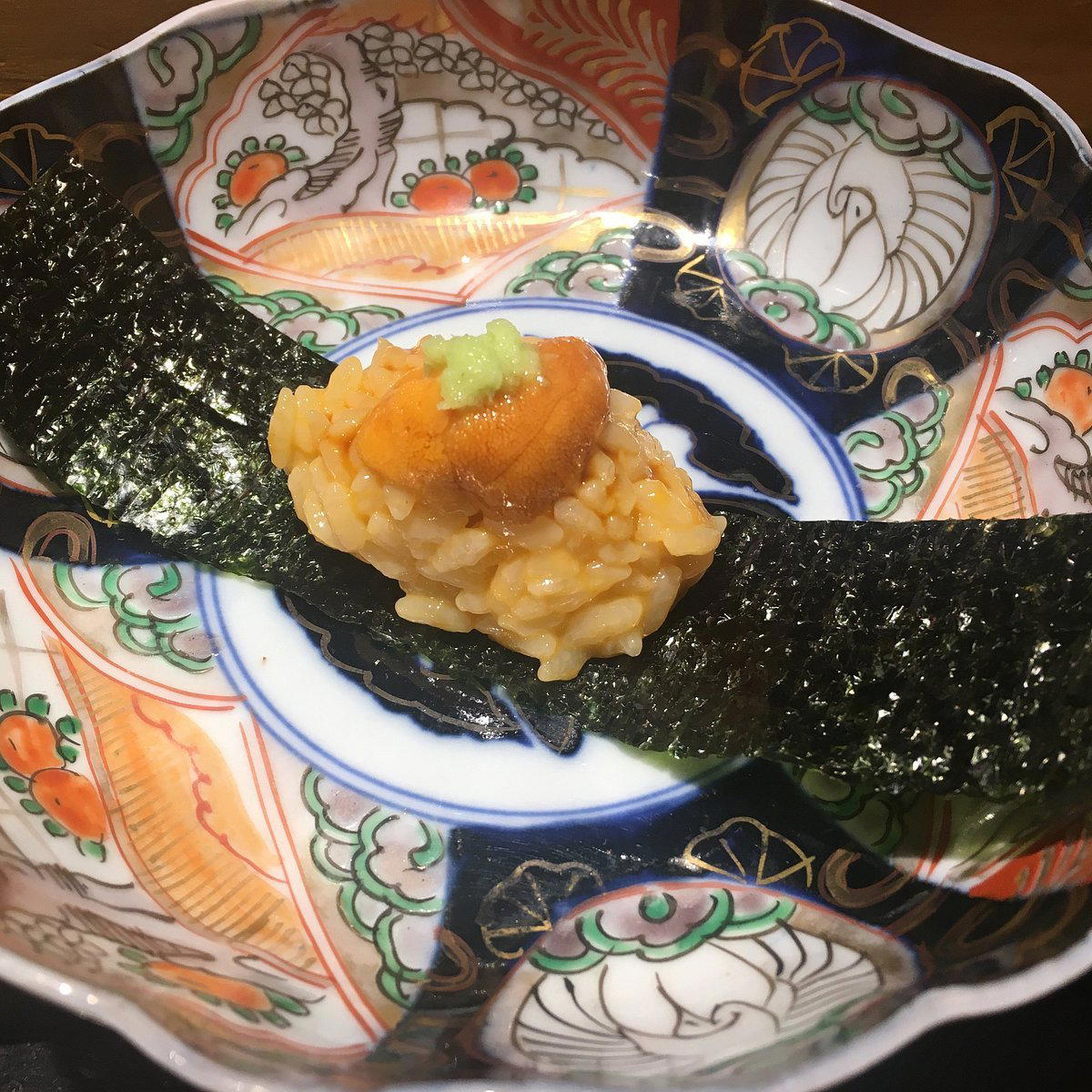
Sushi in a Lake District Town: What Nagahama's Award Recognition Signals
Western Japan's sushi recognition tends to concentrate in Osaka and Kyoto, where urban density and tourism infrastructure support a dense tier of award-winning counters. Kyogokuzushi, on a quiet street five minutes on foot from JR Nagahama Station in Shiga Prefecture, sits outside that urban cluster and earns its credentials anyway. A Tabelog score of 4.14, Tabelog Bronze Awards in both 2025 and 2026, and consecutive selection for the Tabelog Sushi WEST "Tabelog 100" in 2021 and 2025 place it in a comparable set that begins in Osaka and extends to the smaller cities of the Kansai interior. For a town better known for its castle and its lacquerware than its dining scene, that recognition carries some weight. Visitors planning a Kansai circuit that already includes stops at Gion Sasaki in Kyoto or HAJIME in Osaka will find Kyogokuzushi at a meaningfully different price register and a noticeably different pace.
Lake Biwa's Larder: The Sourcing Logic Behind a Shiga Sushi Counter
The Tabelog listing notes a specific emphasis on fish quality, and the geography around Nagahama makes that emphasis more than routine. Shiga Prefecture sits at the inland shore of Lake Biwa, Japan's largest freshwater lake, which has shaped the region's food culture for centuries. The lake's proximity to the Japan Sea coast and the established distribution routes through Obama and Maizuru mean that a well-connected sushi kitchen in Nagahama can access Japan Sea seafood within hours of landing. That corridor, running northwest from Lake Biwa toward the Wakasa Bay fishing ports, has historically supplied Kyoto's kaiseki kitchens with the fish that defined Obama's reputation as "Obama, Kyoto's kitchen." A sushi counter in Nagahama operating at this award level is drawing from the same supply chain, positioning its sourcing closer to a regional seafood hub than the address alone would suggest.
This matters when comparing Kyogokuzushi to its urban equivalents. Counters like Harutaka in Tokyo compete inside a market where Tsukiji and Toyosu proximity is assumed. In a smaller city, the decision to prioritize fish sourcing is a deliberate operational choice, not a default. The repeated Tabelog recognition in the WEST regional category reflects precisely this kind of sourcing discipline carried out at some distance from Japan's largest seafood markets. For comparison's sake, highly decorated fish-focused restaurants in other contexts, from Le Bernardin in New York City to Goh in Fukuoka, demonstrate that proximity to a major port is a common factor in sustaining high-level seafood cooking. Kyogokuzushi operates without that default advantage.
Counter and Table: Two Experiences, One Address
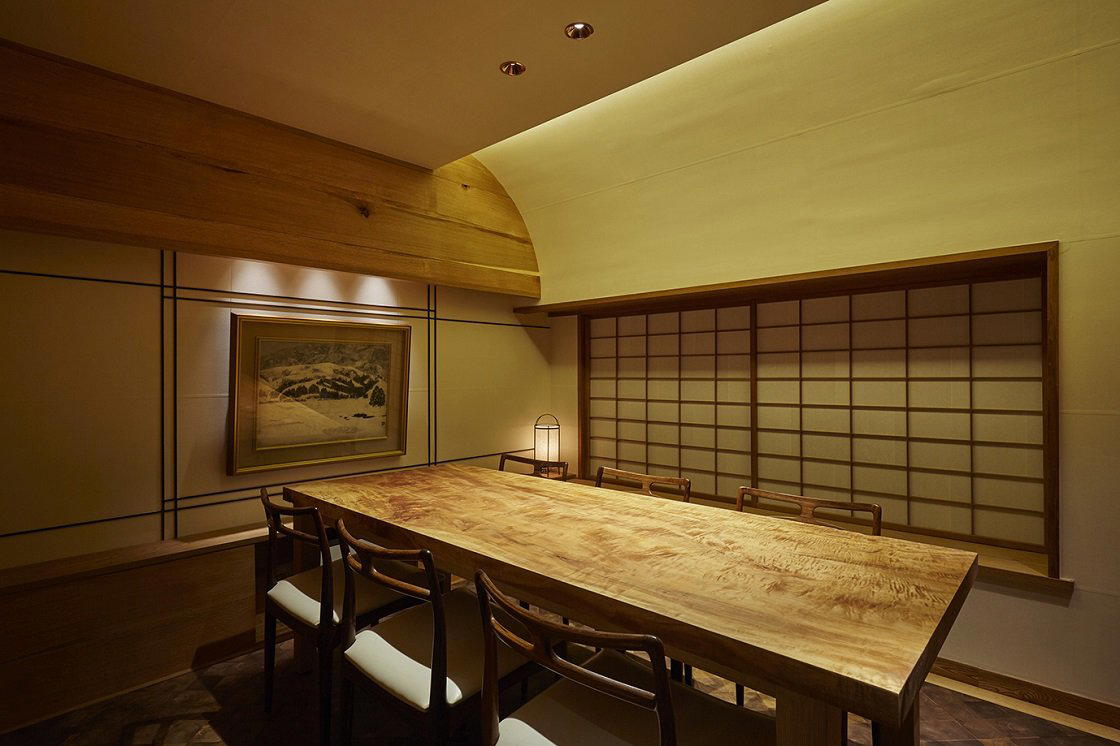
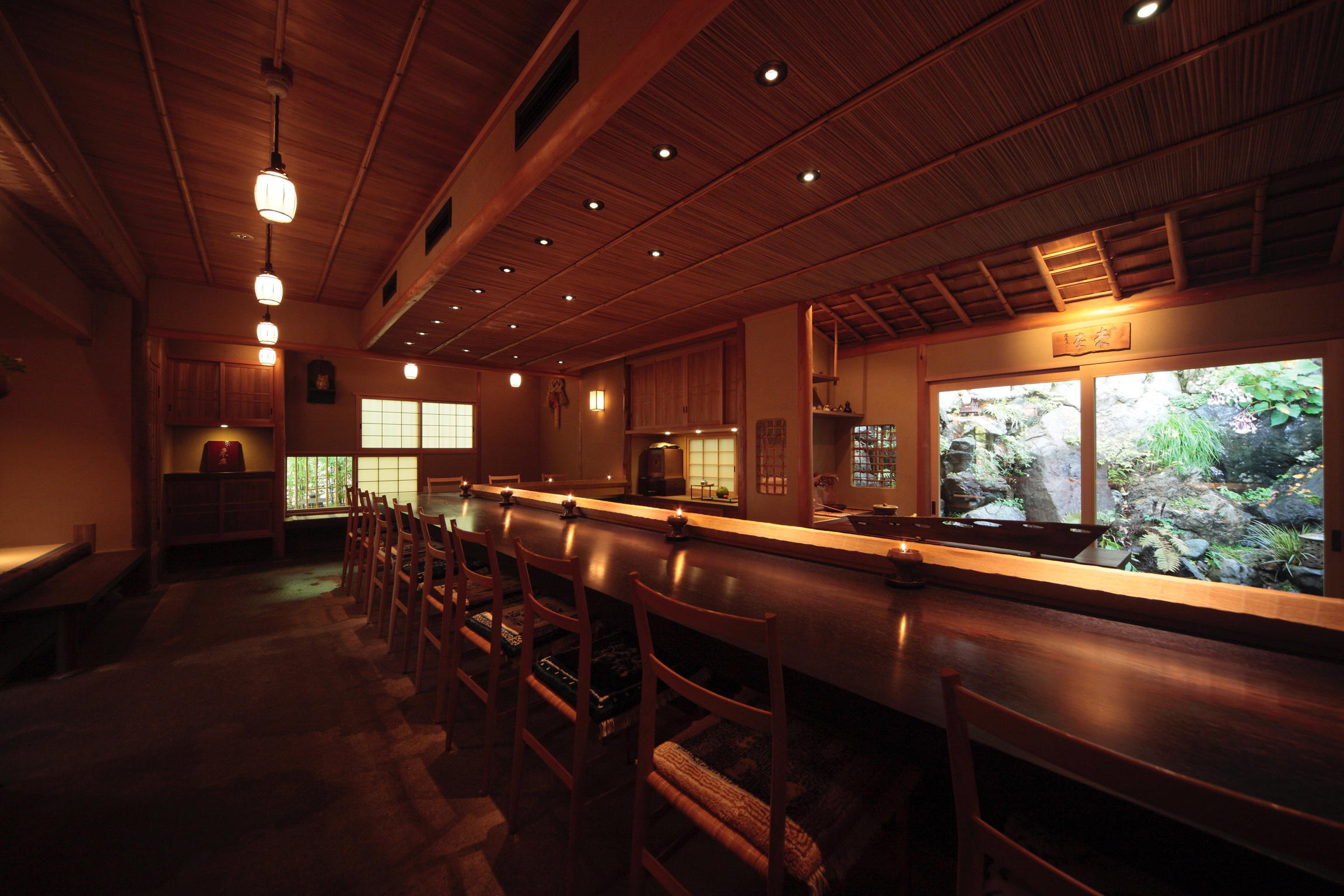
The structure of Kyogokuzushi is direct. The restaurant holds 31 seats across three distinct configurations: a counter for six to seven people, refined table seating for 16, and a private room for up to eight. These are not interchangeable options. Counter seats require a reservation and carry a different menu, with Edo-mae omakase nigiri available in two formats (13 pieces at 6,600 yen or 15 pieces at 8,800 yen) and Omakase Sushi Kappo priced at 13,200 yen or 15,400 yen. The table menu runs at a lower average, meaning the same address serves two quite different dining occasions.
The Edo-mae tradition at the counter is the key reference point. Edo-mae sushi, which emerged in Edo-period Tokyo and defined the nigiri form that spread worldwide, relies on a specific set of techniques applied to fresh fish: light vinegar in the rice, controlled fish temperature, precision in the cut. At a counter with six to seven seats serving a maximum of three groups, the format preserves a preparation discipline that gets lost in larger rooms. This is the tier that Tabelog reviewers are assessing when they assign a 4.14 score and push the restaurant into the western Japan top 100. Anyone booking the table for a set meal is visiting a good local sushi restaurant; anyone booking the counter is engaging with a distinct sushi tradition carried out at award-validated level.
For regional context, Tokuyamazushi in Shiga represents another expression of the prefecture's sushi tradition, while SOWER in Nagahama demonstrates the city's range in the innovative end of the dining spectrum. The contrast between these addresses reflects how a town of Nagahama's scale can sustain multiple dining registers without the volume that supports larger city restaurant ecosystems.
The Atmosphere and the Address
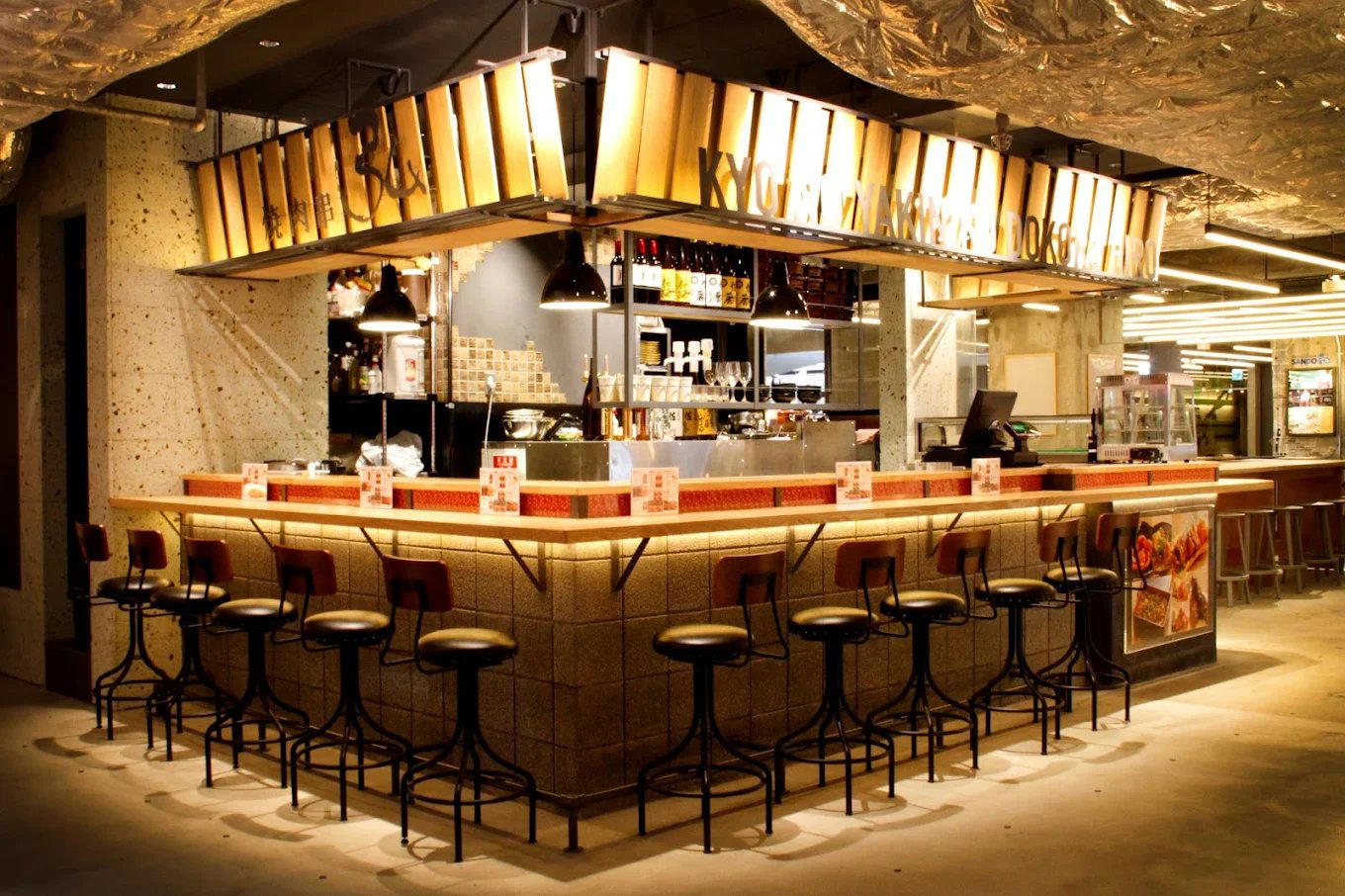
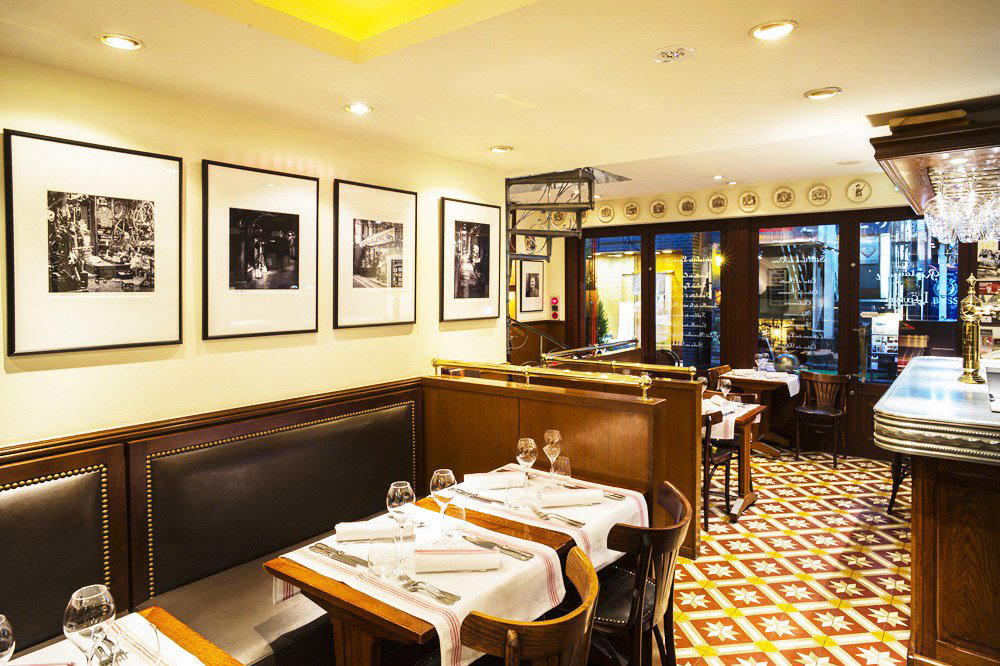
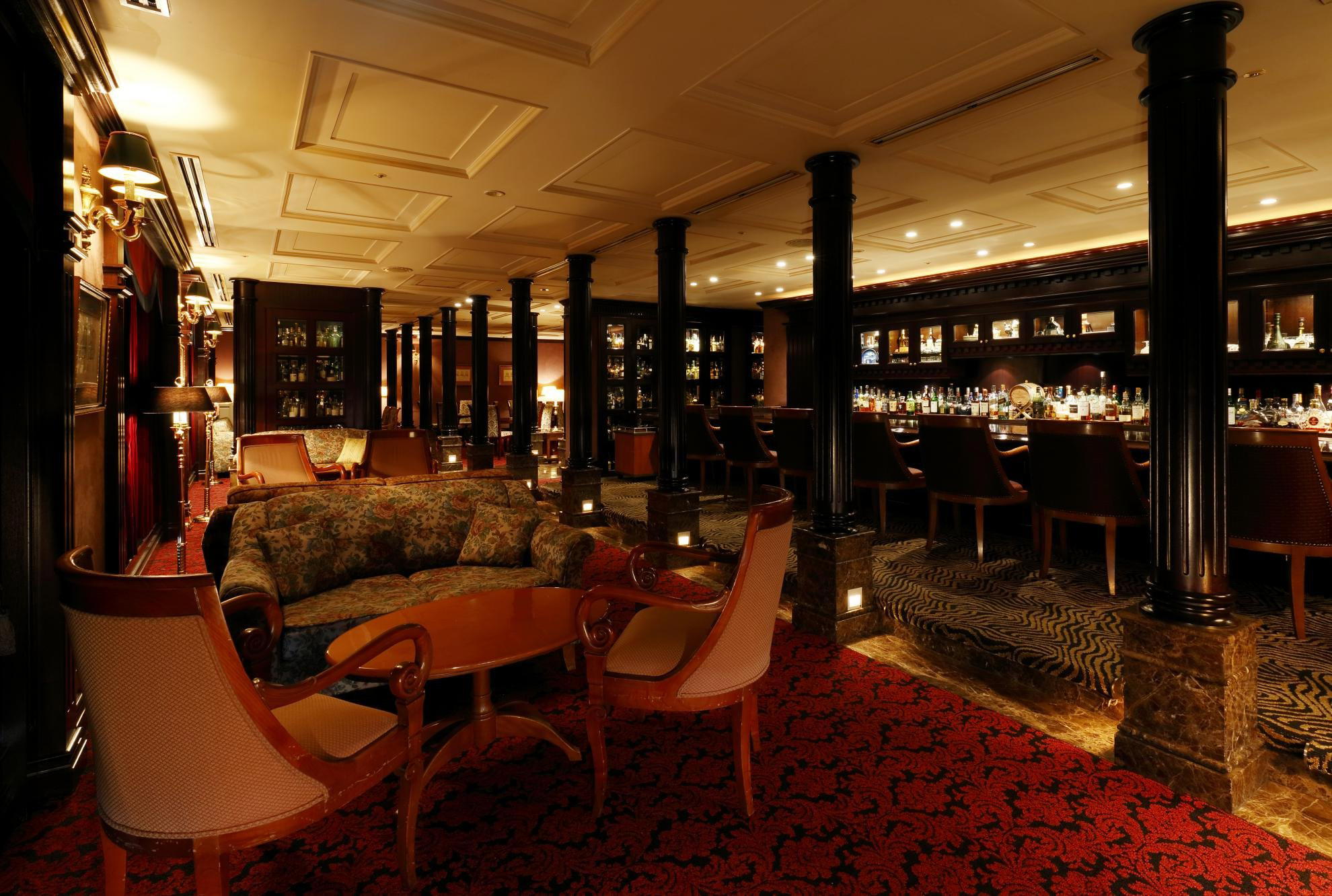
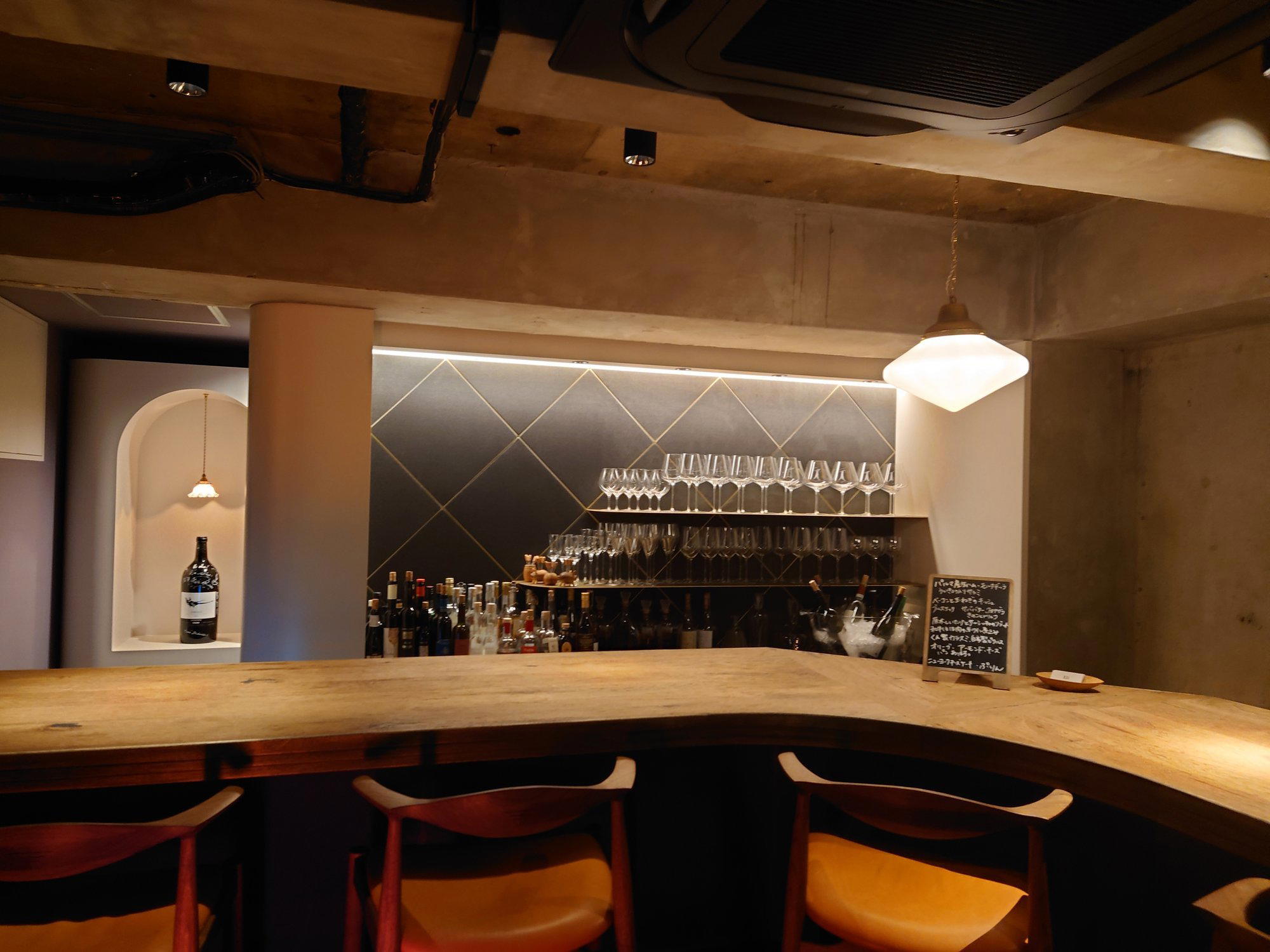
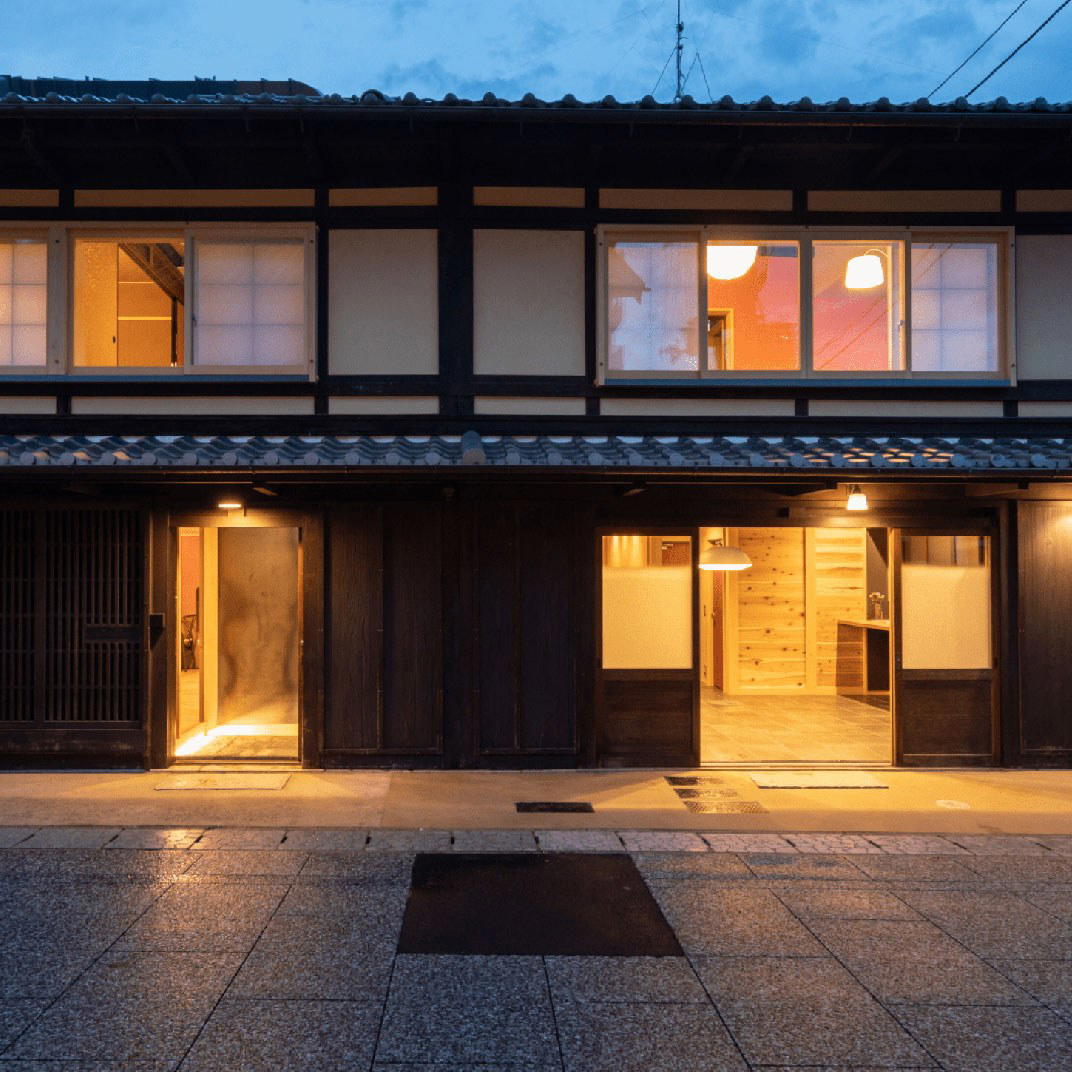
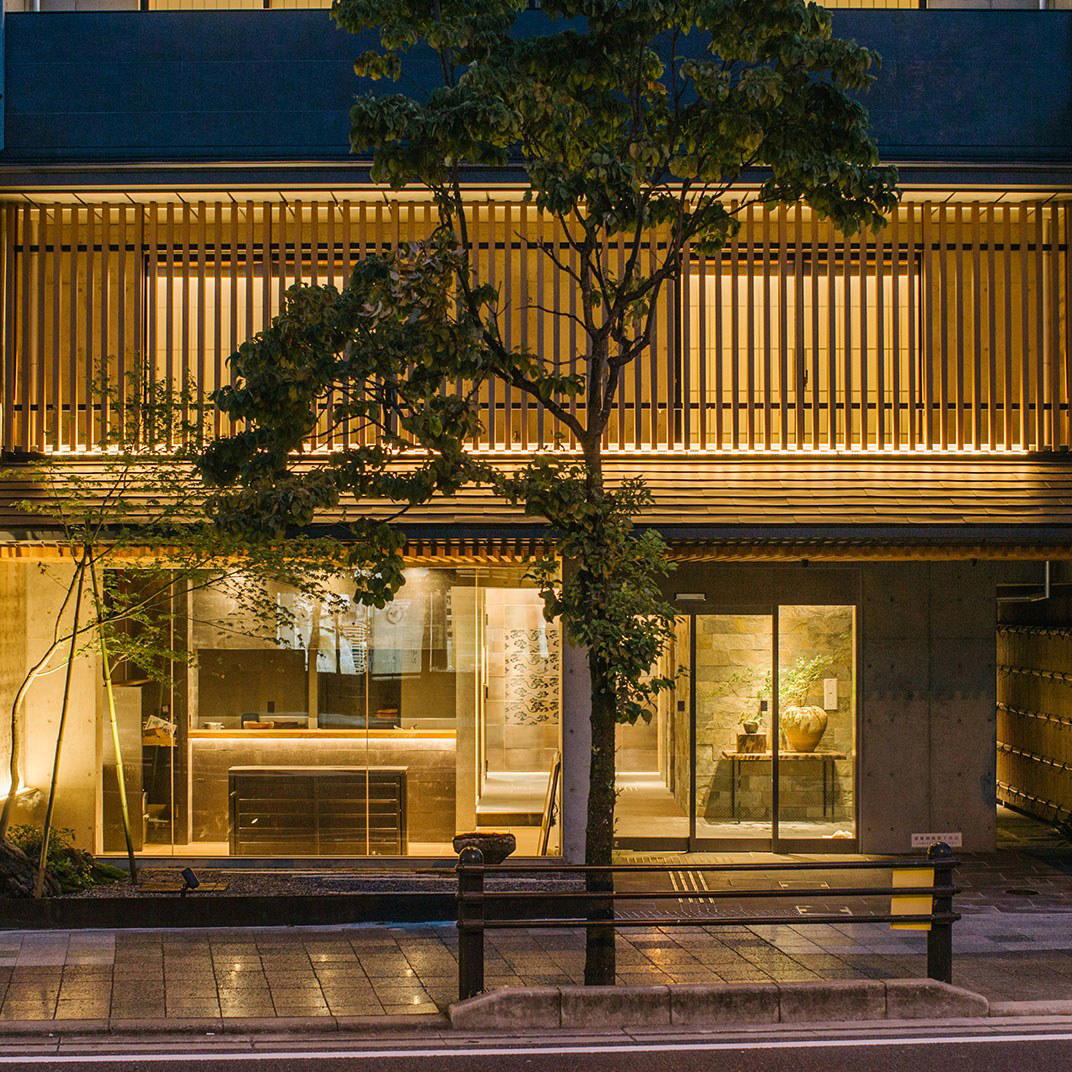
Nagahama's Motohamacho district sits close to the old castle grounds and the historic merchant townhouses that give the city's lakefront its character. The setting is decidedly unhurried compared to a Kyoto or Osaka dining street. A sushi counter in this neighbourhood operates at a pace more typical of Japan's mid-sized historic towns than its metropolitan dining scenes. The physical room combines counter seating with a tatami room and sunken seating, which signals a willingness to accommodate both the formal omakase experience and the more relaxed family or group occasion. The sake program, described as particular about nihonshu, suggests a drinks list curated with the same deliberateness applied to the fish.
Lunch and dinner operate on the same continuous service, open from 11:00 with last food orders at 20:30, closed Tuesdays and the third Wednesday of each month. Parking validation is available through the nearby Hodaya Kobecho lot.
Planning Your Visit
Counter availability is limited, so reservations are recommended for the omakase formats. The restaurant is five minutes on foot from JR Nagahama Station, which sits on the Biwako Line connecting to Maibara (with shinkansen access) and southwest toward Kyoto. Travellers combining Kyoto with a Lake Biwa detour, or those building an itinerary that includes akordu in Nara or affetto akita in Akita as part of a wider regional Japan circuit, will find Nagahama a plausible half-day addition with this counter as the anchor. For reference points at a different scale and price level, 1000 in Yokohama, 6 in Okinawa, Abon in Ashiya, and Atomix in New York City illustrate the breadth of the award-recognized dining tier that Kyogokuzushi occupies at the regional level.
Side-by-Side Snapshot
Comparable venues nearby, for context on price, style, and recognition.
| Venue | Cuisine | Price | Notes |
|---|---|---|---|
| KyogokuzushiThis venue — the venue you are viewing | Edomae Sushi | $$$$ | Not listed |
| Tokuyamazushi | Modern Fermented Japanese Kaiseki | $$$$ | Yogo |
| Teuchi Soba Mitani | Handmade Soba & Izakaya | $$ | Nagahama |
| SOWER | Modern Japanese Farm-to-Table | $$$$ | Nagahama |
| Torikita Honten | Traditional Nagahama chicken & egg bowls and udon | $ | Motohamacho / Nagahama Sta. area |
| 住茂登 | Japanese | Not listed | Nagahama |
Recognition history
Dated appearances from independent guides and award organizations, with the underlying list record or original source where available.
Tabelog Bronze #219
Tabelog
Tabelog Bronze
Tabelog
Tabelog 100 #20 · No. 20
Tabelog · Tabelog 100 - Sushi - WEST - 2025
At a Glance
- Classic
- Elegant
- Intimate
- Business Dinner
- Family
- Special Occasion
- Chefs Counter
- Private Dining
- Sake Program
- Local Sourcing
Current opening hours
- Monday
- 11 AM–9 PM
- Tuesday
- Closed
- Wednesday
- 11 AM–9 PM
- Thursday
- 11 AM–9 PM
- Friday
- 11 AM–9 PM
- Saturday
- 11 AM–9 PM
- Sunday
- 11 AM–9 PM
Hours can change for holidays and private events. Last verified .
Relaxed atmosphere with counter seating, tatami rooms, and sunken seating, offering an intimate and traditional sushi experience.