
Nagahama’s soba culture rewards restraint, grain quality, and the discipline of hand-cut noodles. Teuchi Soba Mitani belongs in that conversation through its Tabelog 100 - Soba - WEST selections in 2024 and 2025, a modest 34-seat format, and a drinks list oriented toward sake and shochu rather than spectacle.
Pearl is the En Primeur Club membership app — saves, bookings, and concierge access live there. Same editors, same standards.
- Address
- 滋賀県長浜市朝日町1-6
- Phone
- +81749630003
- Website
- soba-mitani.com
- Directions
- Get directions
 Saves & bookings on Pearl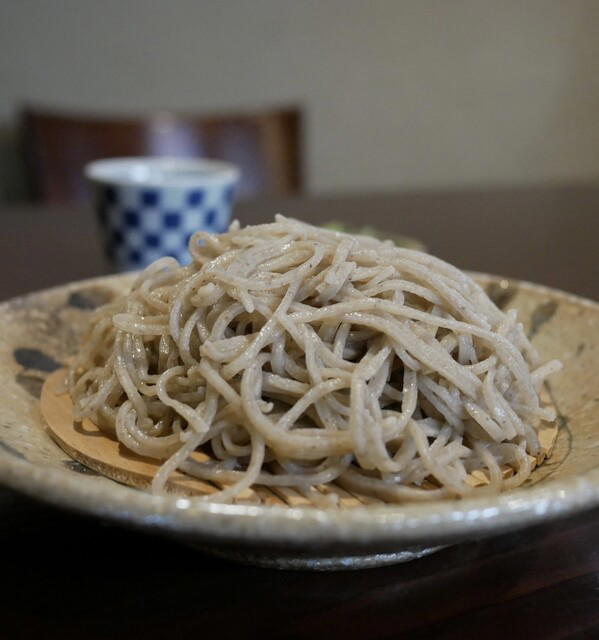
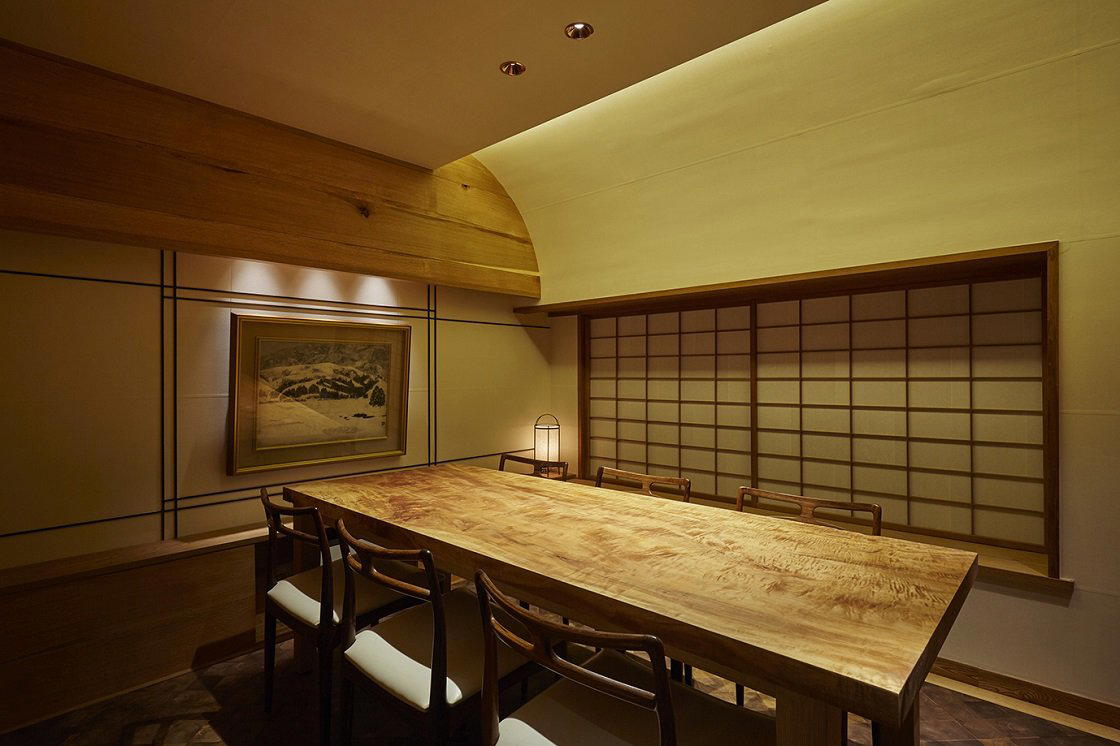
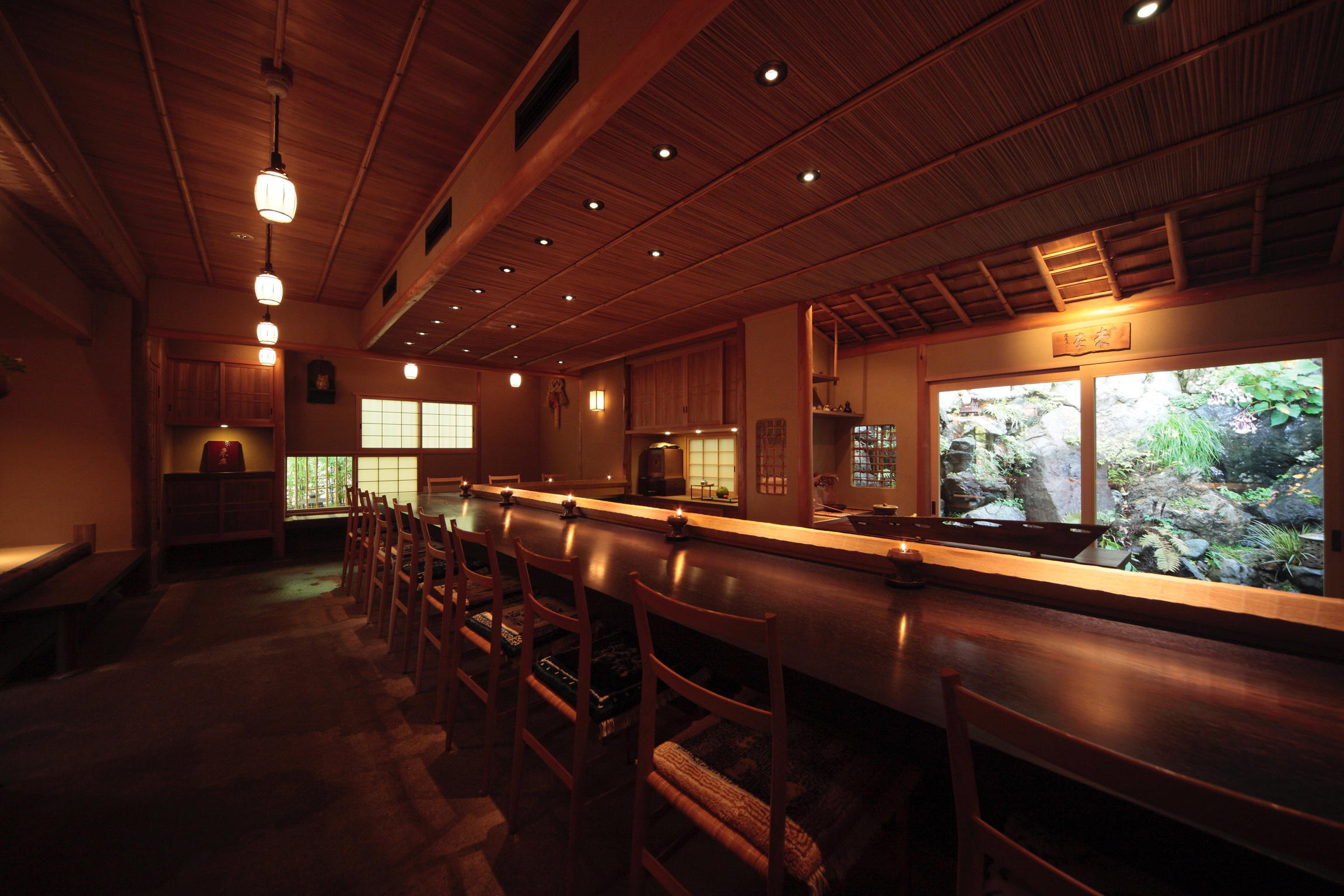
Approach a house-style soba restaurant in Nagahama and the cues are quieter than in Kyoto’s temple districts or Tokyo’s polished counter rooms. The signal is proportion: a small room, tatami seating in the mix, and a menu built around buckwheat rather than theatre. In that setting, Teuchi Soba Mitani reads as part of a regional food culture where the ingredient carries the argument. Soba is not a luxury category by default, but serious soba is exacting: milling, hydration, cutting, boiling, rinsing, and dipping sauce have little room for disguise.
Nagahama adds its own geography to that equation. The city sits on the eastern side of Lake Biwa, where travel dining often splits between station-adjacent comfort, lake-country cooking, and destination rooms that pull visitors into northern Shiga. For a wider map of that range, Our full Nagahama restaurants guide is the broader starting point, while nearby addresses such as Baika Tei, Kyogokuzushi, SOWER (Innovative), Tokuyamazushi (Kaiseki), and Torikita Honten show how compact the city’s serious dining spectrum can be.
Hand-cut soba in a lake-country city, judged by grain rather than gloss
The strongest soba restaurants in western Japan tend to make a narrow promise and execute it with repetition. That is why a Tabelog 100 - Soba - WEST selection matters here: the category does not reward elaborate plating as much as consistency, noodle texture, and the relationship between buckwheat and tsuyu. Teuchi Soba Mitani was selected for the 2025 list, after appearing in the 2024 selection, placing it within a regional soba conversation that extends beyond Nagahama’s local dining circuit.
The ingredient-sourcing lens is essential with soba because buckwheat is the dish’s structure, not a background starch. Japan’s serious soba rooms often build identity through flour choice, grind, water balance, and cut, even when the public-facing menu stays plain. The reward for the diner is not abundance; it is definition. Cold soba formats expose aroma and snap, while warm preparations ask whether the noodle can hold against broth. A restaurant in this category earns attention when it keeps those fundamentals legible across service.
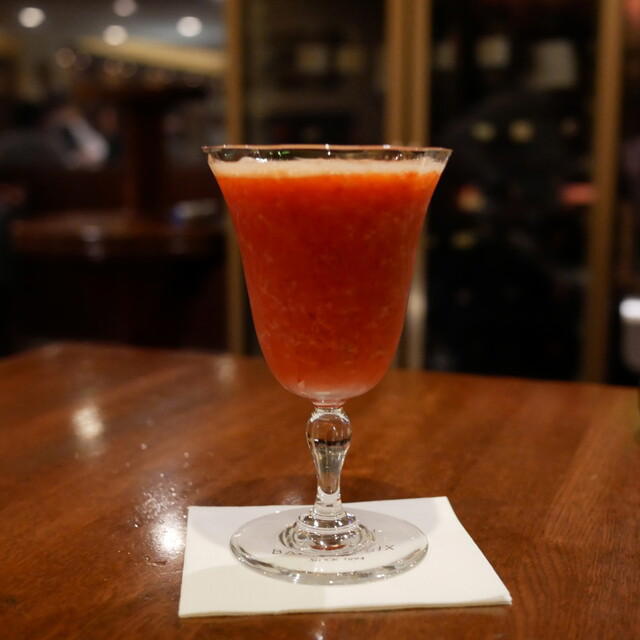
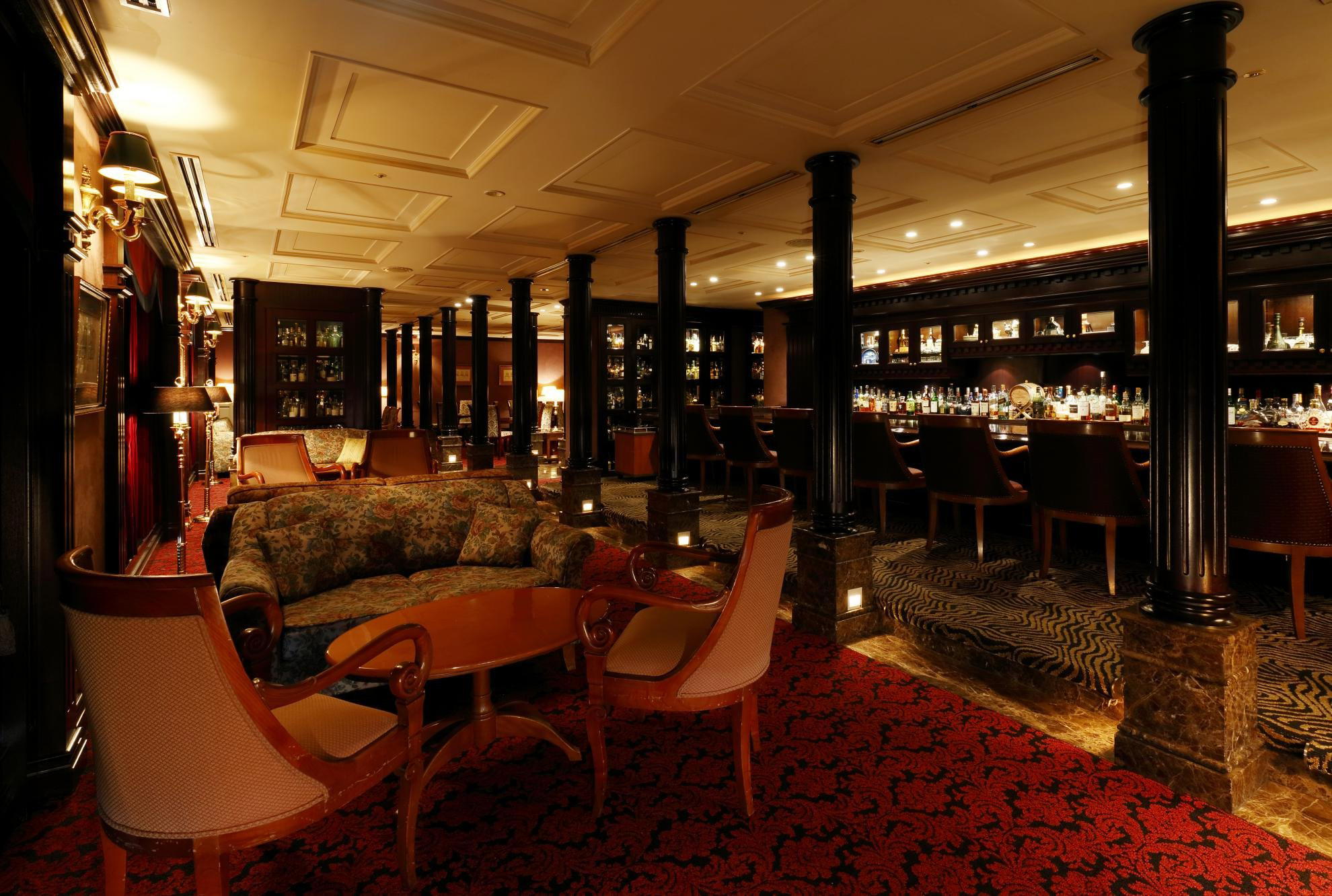
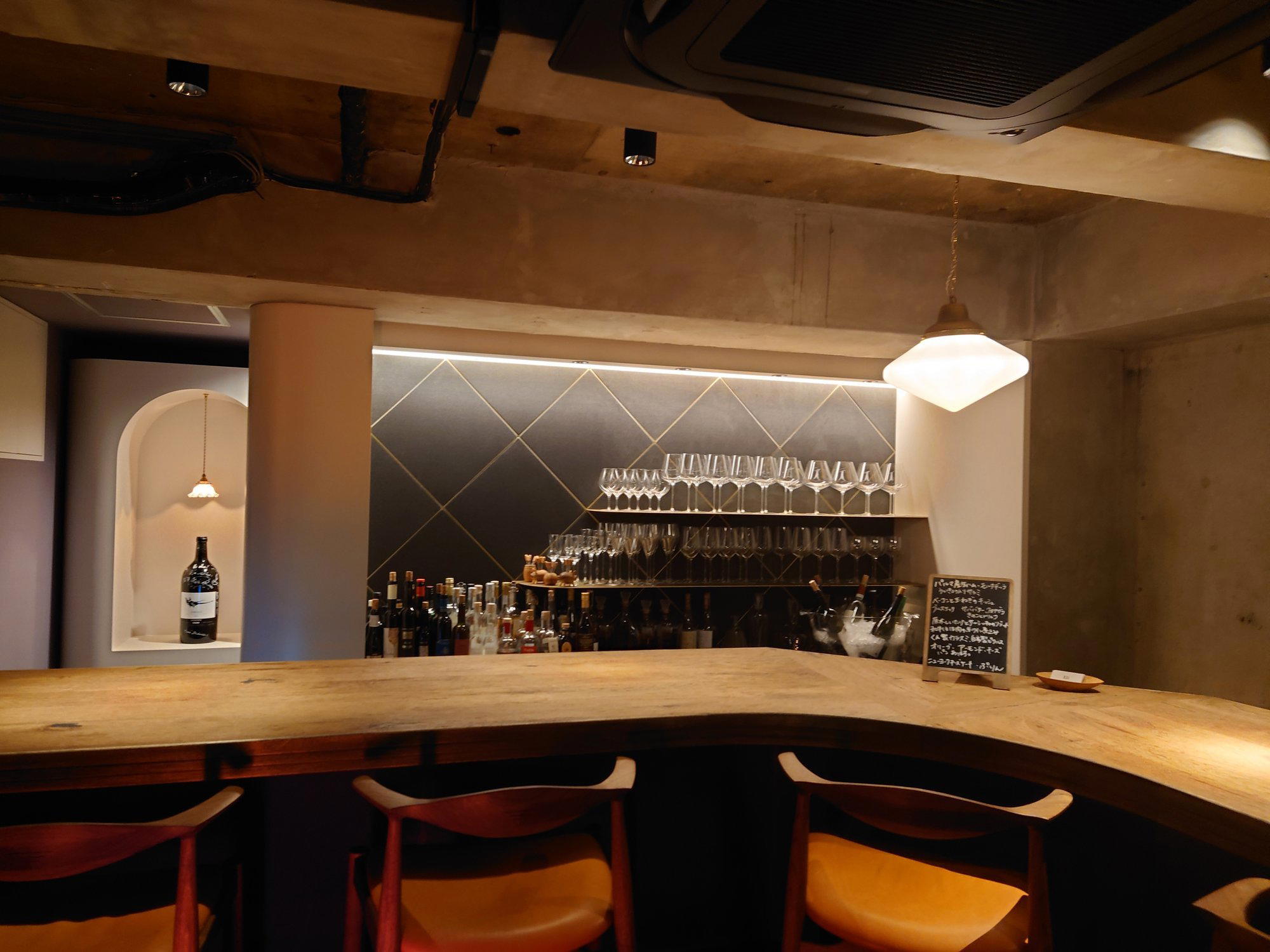
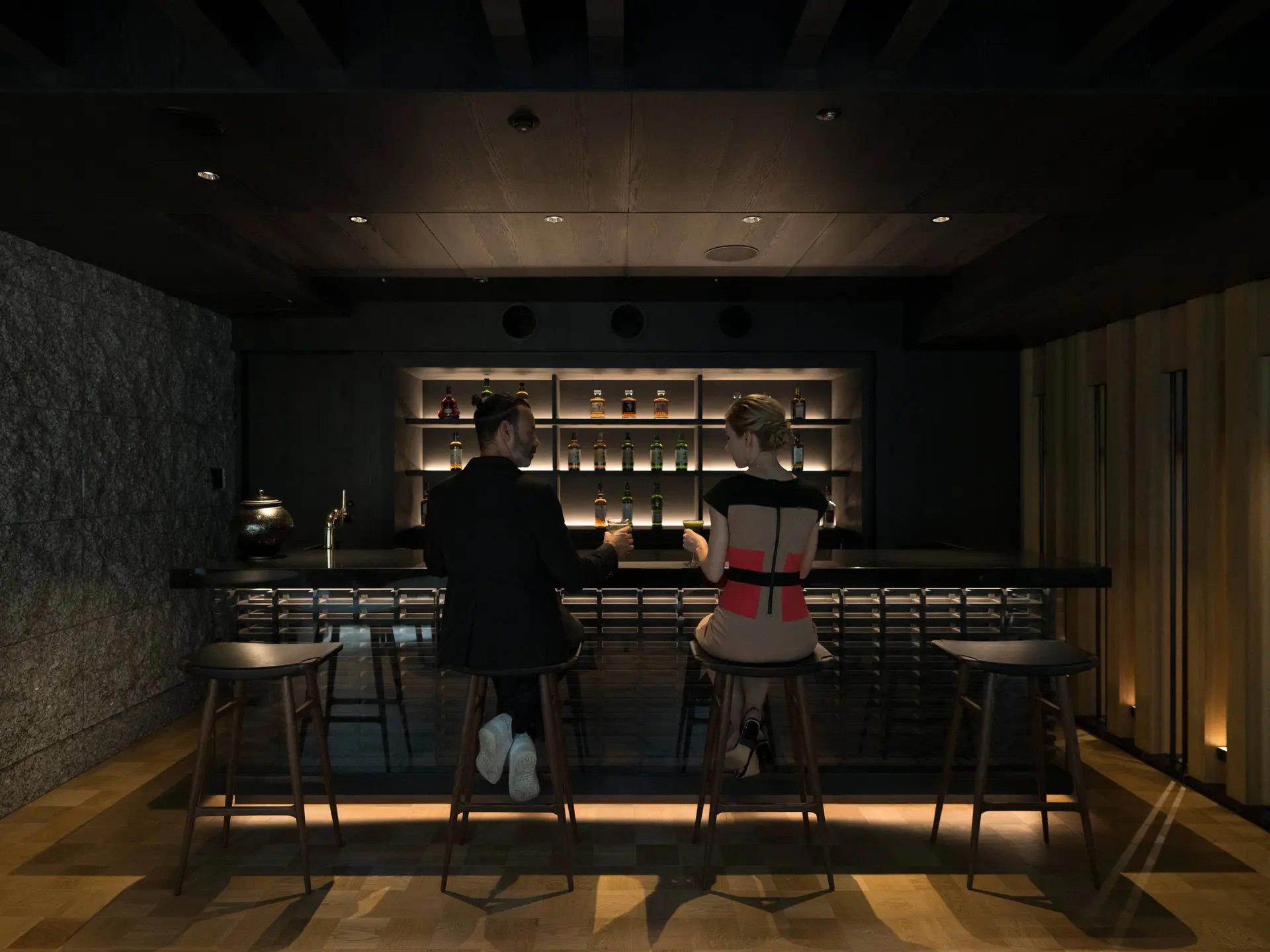
That explains why the room’s tavern-adjacent details matter without turning the meal into an izakaya session. The listing includes soba, Japanese shochu, and izakaya categories, with sake and shochu noted as part of the drinks program. In rural and regional Japan, soba and sake have long shared a practical grammar: noodles for precision, alcohol for pacing, small plates when the house offers them, and a finish that does not require a tasting-menu arc. The format suits Nagahama, a city where visitors may be moving between lake, castle-town streets, and rail travel rather than committing an entire evening to formal dining.
Where it sits among Nagahama's serious casual rooms
Nagahama’s dining appeal is not built on a single category. Sushi, kappo-style cooking, grilled meat, soba, and contemporary tasting formats all operate within a small-city scale. Compared with Kyogokuzushi, the appeal here is less about counter seafood ritual and more about the Japanese noodle craft that can carry a meal at a lower spend. Compared with Baika Tei or Torikita Honten, both in a similar casual-price band, soba offers a sharper test of a kitchen’s restraint.
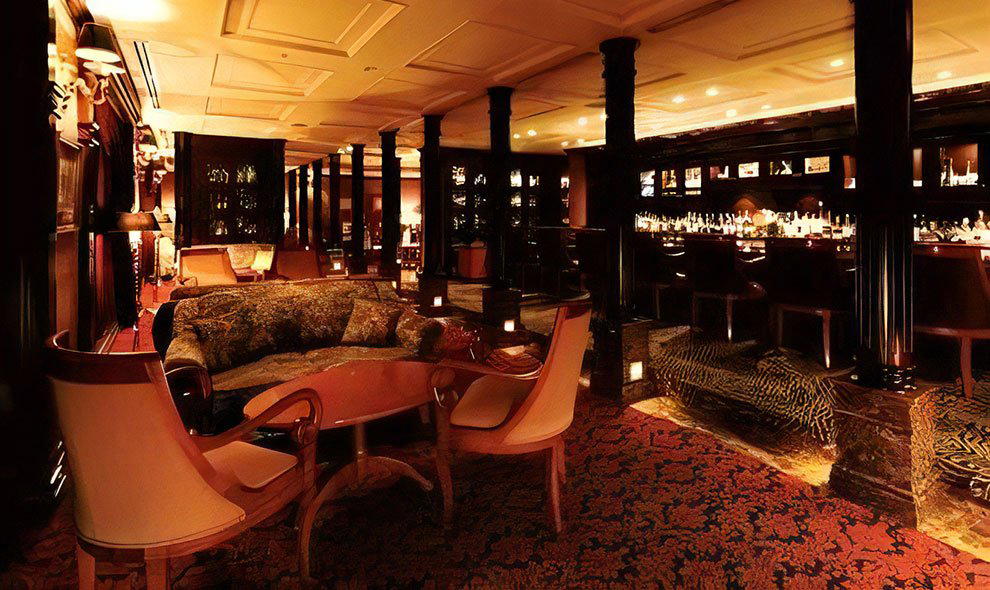
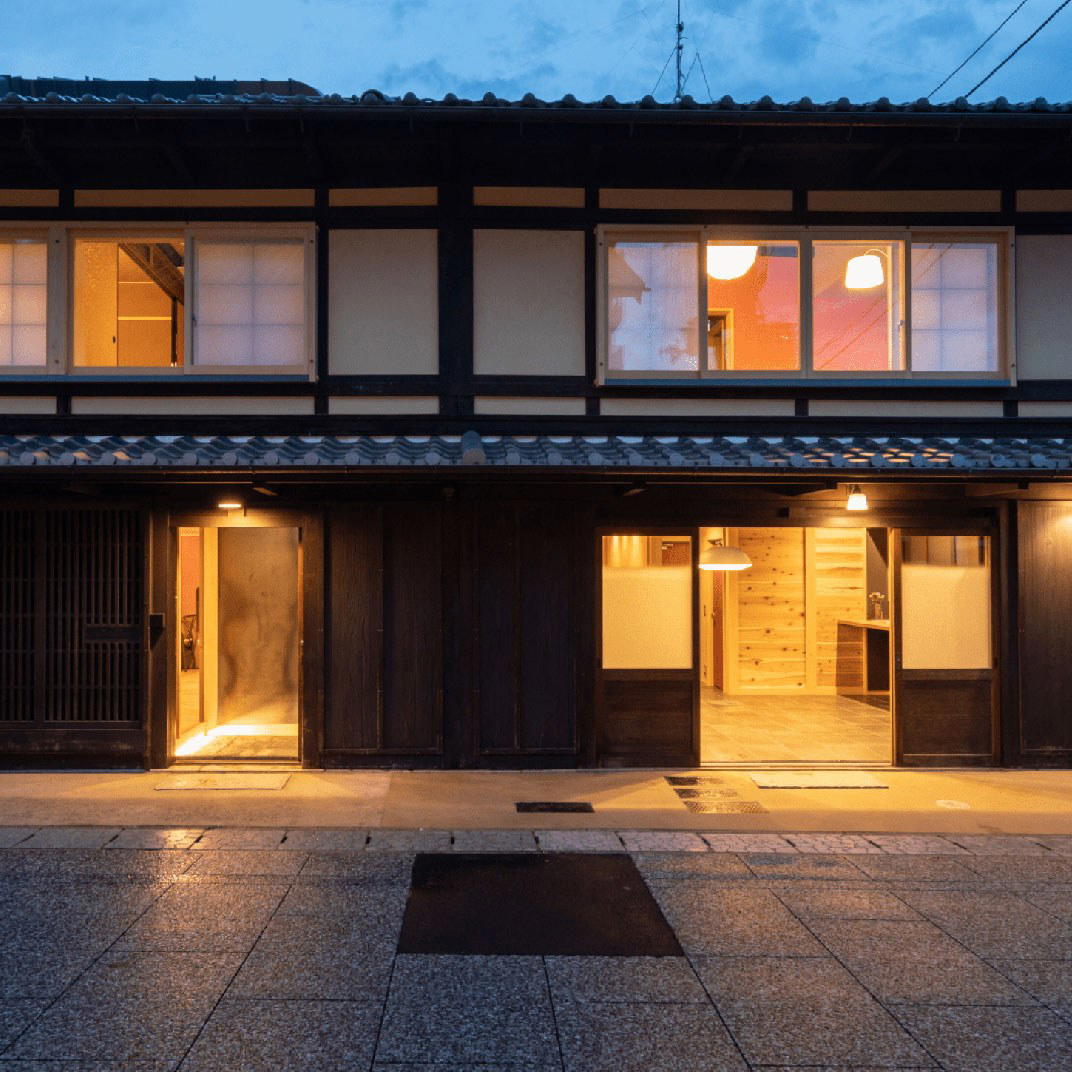
The small scale helps. With 34 seats, the restaurant is neither a tiny destination counter nor a high-volume noodle hall. That middle size is useful for travellers: intimate enough to preserve craft, accessible enough to fit into a Nagahama day without the ceremony of a long dégustation. Reservations are available, private rooms are not, and private use is listed for groups up to 20 people, which points to a room that serves local regularity as much as visiting diners. Children are welcome, another clue that the restaurant’s seriousness sits in the food rather than in formality.
The value proposition is also part of the story. In Japanese dining, soba can be one of the clearest ways to read quality without paying for imported luxury ingredients or extended service choreography. A recognised soba house at this spend sits differently from a low-cost convenience meal: the price may be gentle, but the craft is unforgiving. That is the reason Teuchi Soba Mitani belongs on an itinerary for travellers who care about everyday Japanese food at a high level, not only the elaborate meals that dominate international attention.
How to build a Nagahama day around a soba stop
For travellers, the practical rhythm is simple: treat soba as a focused meal rather than a backup lunch. The restaurant is by Nagahama Station on foot, with a small number of parking spaces in front and additional 24-hour parking nearby, so it works for both rail and car-based Shiga itineraries. Soba may run out before posted service ends, a common feature of serious noodle houses and a reason to avoid treating the final seating window as flexible.
Nagahama rewards a wider plan. Food-focused visitors can pair a soba meal with the city’s restaurant circuit through Our full Nagahama restaurants guide, then add lodging context through Our full Nagahama hotels guide. For those mapping a fuller trip, Our full Nagahama bars guide, Our full Nagahama wineries guide, and Our full Nagahama experiences guide help separate a single meal from a stronger lake-country itinerary.
Japan’s casual dining depth also becomes clearer when Nagahama is placed beside other focused rooms across the country and abroad. The appeal is not the same as sukiyaki at -Grilled beef Sukiyaki- KAMAKURA TANUKIAN 鎌倉 たぬき庵 in Kamakura, charcoal-and-tuna dining at. 鮪と炭火焼き うお炭 秋葉原店 in Tokyo, café culture at.cafe in Osaka, or regional modern dining at.know in Kumamoto. Nor is it the same proposition as (Shoku) Vietnam in Kawasaki, [Curry Senmon Ten] Maruyama Kyoju. in Sapporo, Jōdo Saké Bar in Los Angeles, or Onigiri Time in Pasadena. The point is narrower and more Japanese: a modest room where buckwheat, water, cut, and timing do the work.
How It Stacks Up
Comparable venues by cuisine and price in the same metro.
| Venue | Cuisine | Price | Notes |
|---|---|---|---|
| Teuchi Soba Mitani | Handmade Soba & Izakaya | $$ | Nagahama |
| Baika Tei | Ramen shop | $ | . Tamura, Nagahama |
| 住茂登 | Japanese | Not listed | Nagahama |
| Torikita Honten | Traditional Nagahama chicken & egg bowls and udon | $ | Motohamacho / Nagahama Sta. area |
| Tokuyamazushi | Modern Fermented Japanese Kaiseki | $$$$ | Yogo |
| Kyogokuzushi | Edomae Sushi | $$$$ | Motohamacho |
Recognition history
Dated appearances from independent guides and award organizations, with the underlying list record or original source where available.
Tabelog 100 #21 · No. 21
Tabelog · Tabelog 100 - Soba - WEST - 2025
At a Glance
- Cozy
- Classic
- Intimate
- Solo
- Casual Hangout
- After Work
- Group Dining
- Standalone
- Sake Program
- Beer Program
- Local Sourcing
A relaxed soba-izakaya with a homely, comfortable atmosphere where guests can linger over handmade noodles, small plates, and sake after sightseeing near Nagahama Station.