
Torikita Honten gives Nagahama’s everyday dining culture a serious reference point: a compact shokudo known for chicken-and-egg bowls, udon, and the kind of local lunch format that rewards appetite over ceremony. Its Tabelog Diner “Tabelog 100” selections in 2024 and 2026 place a low-key, family-friendly room inside a national conversation usually dominated by more formal counters.
Pearl is the En Primeur Club membership app — saves, bookings, and concierge access live there. Same editors, same standards.
- Address
- 滋賀県長浜市元浜町8-26
- Phone
- +81749621964
- Website
- tabelog.com
 Saves & bookings on Pearl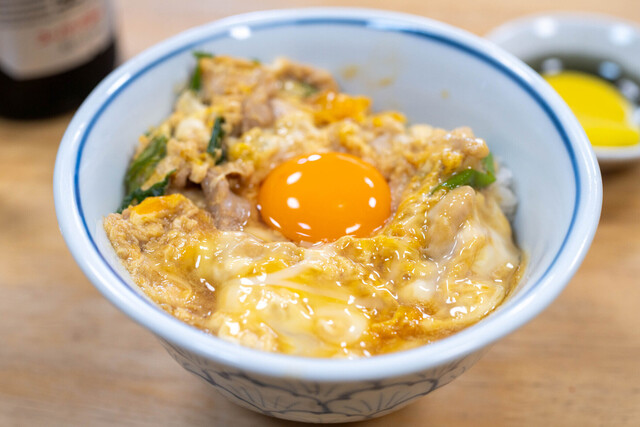
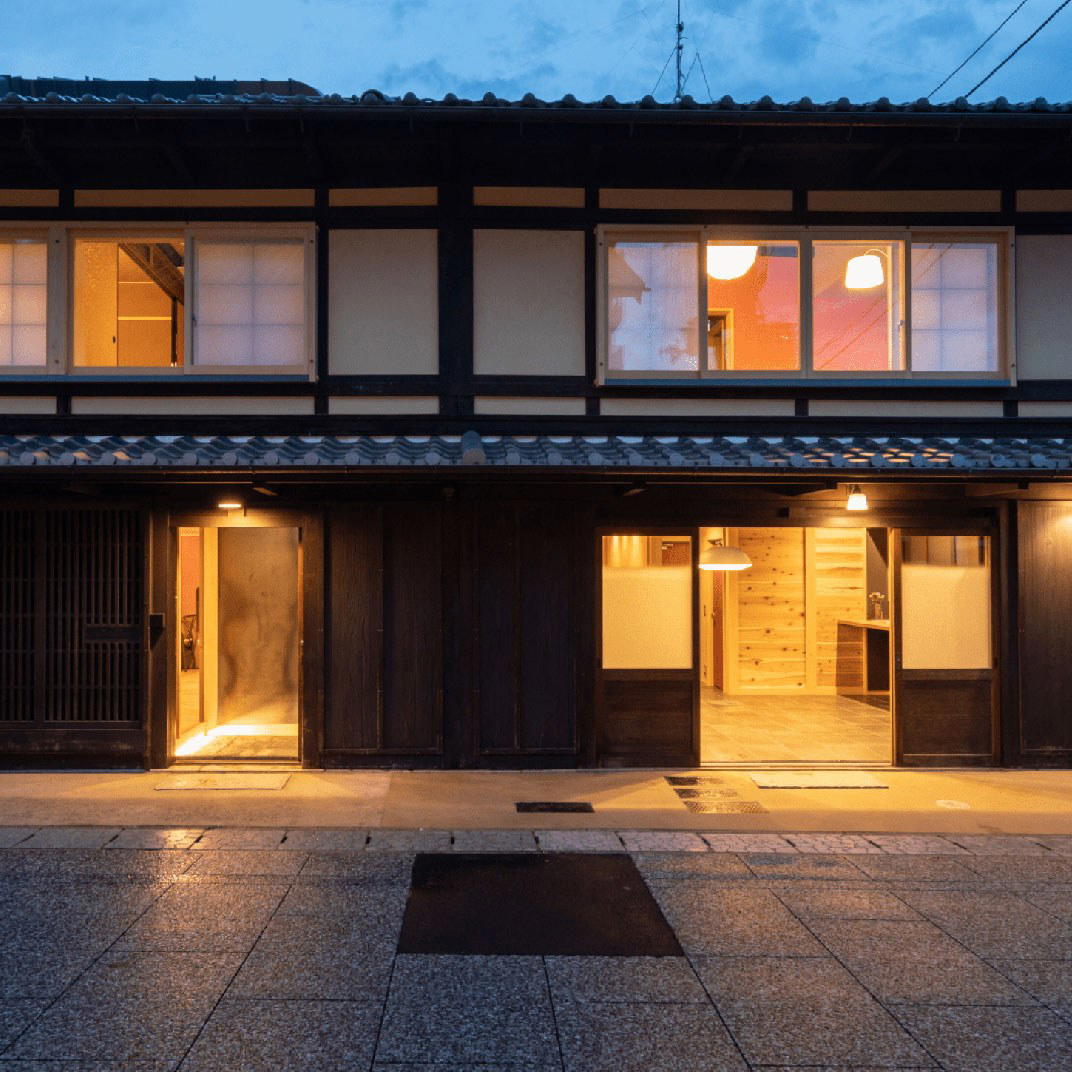
Motohamacho’s dining rhythm is quieter than Kyoto’s temple-side queues or Osaka’s station-basement turnover, and that restraint matters. In Nagahama, a meal can still feel tied to the scale of the old merchant streets: small rooms, short menus, quick decisions, and cooking built around staple ingredients rather than performance. Torikita Honten belongs to that tradition, a shokudo where chicken, egg, dashi, rice, noodles, and sake carry more weight than décor or ceremony.
That makes the recognition interesting. Tabelog selected the restaurant for its Diner “Tabelog 100” list in 2024 and again in 2026, a signal that Japan’s everyday dining category is being judged with more seriousness than its modest price tier might suggest. The point is not luxury. It is whether a familiar format can hold identity, consistency, and local loyalty across generations of use.
Chicken, egg, dashi, and the discipline of the shokudo format
Japanese cafeteria cooking often looks simple from the outside because the grammar is so familiar: rice bowls, noodles, set meals, simmered broths, protein cooked to order or held briefly for service. The craft sits in proportion. Too much sweetness in the broth, too much heat on the egg, or a heavy hand with seasoning turns a comfort dish into a blunt one. Torikita Honten’s listed categories, cafeteria, oyako-don, and udon, put it in that narrow band of restaurants where repetition is the test.
The house’s public description identifies chicken and egg rice bowl as its signature dish, with chicken simmered in dashi for four hours and finished with raw egg. That detail matters because oyako-don depends on two forms of timing: the longer extraction of stock and the last-minute softness of egg over rice. The ingredient sourcing angle here is not farm-name theater. It is the older Japanese logic that an inexpensive bowl can still be ingredient-led if the cooking respects broth, grain, poultry, and egg as a system.
In Nagahama, that kind of meal sits naturally beside soba, sushi, kaiseki, and lake-country cooking rather than below them. Teuchi Soba Mitani represents the noodle specialist lane; Kyogokuzushi covers the city’s sushi register; Tokuyamazushi (Kaiseki) pulls Shiga’s lake and mountain ingredients into a more formal idiom. The shokudo counterpoint is different: shorter meal, lower ceremony, and a tighter focus on whether the bowl in front of the diner makes sense.
Why Nagahama's modest rooms reward sharper attention
Nagahama’s position on Lake Biwa gives the city a food culture that does not need to imitate metropolitan dining. The stronger meals here tend to speak in regional accents: freshwater traditions, old commercial streets, soba craft, grilled and simmered comfort food, and the practical hospitality of places built for repeat local use. Torikita Honten fits that map because it does not ask the diner to decode a concept. It asks for attention to balance, pacing, and the way a small menu holds up under demand.
The room is compact, with 18 seats arranged across small tables, and the public guidance notes that shared seating may be used when the restaurant is crowded. That is not a quirk; it is part of how Japan’s small, high-demand neighborhood dining rooms manage access without turning into reservation-only clubs. It also changes the meal’s social temperature. This is not hushed counter dining. It is closer to the civic function of a shokudo: families, friends, solo diners, and travelers moving through the same narrow space with minimal fuss.
Payment and access details reinforce the genre. Cash-only dining, no private rooms, no private use, and no smoking keep the experience closer to an old-format local diner than a polished destination restaurant. Families are explicitly welcomed, and the listed occasions lean toward family meals and friends rather than business entertaining. For travelers used to ranking Japan through omakase counters and tasting menus, that context is useful. A restaurant can be nationally recognized without becoming formal.
Comparisons within Nagahama clarify the decision. Baika Tei occupies a similar approachable price band, while SOWER (Innovative) points toward a more contemporary restaurant conversation. The restaurant is the choice when the appeal is not novelty but compression: a few staple dishes, a small room, and a cooking tradition that treats poultry and broth as the meal’s center of gravity.
How to place it in a Nagahama itinerary
The smarter way to use Nagahama is not to over-schedule it like a capital city. Build the day around the old town, Lake Biwa, and one or two meals that show different sides of Shiga’s table. A chicken-and-egg bowl or udon meal here makes sense as the casual anchor, especially if a later reservation points toward kaiseki, sushi, or a more contemporary kitchen.
For broader planning, start with Our full Nagahama restaurants guide, then cross-check the city’s wider travel frame through Our full Nagahama hotels guide, Our full Nagahama bars guide, Our full Nagahama wineries guide, and Our full Nagahama experiences guide. Readers comparing casual Japanese formats beyond Shiga can also look at -Grilled beef Sukiyaki- KAMAKURA TANUKIAN 鎌倉 たぬき庵 in Kamakura. 鮪と炭火焼き うお炭 秋葉原店 in Tokyo.cafe in Osaka.know in Kumamoto, (Shoku) Vietnam in Kawasaki, [Curry Senmon Ten] Maruyama Kyoju. in Sapporo, Jōdo Saké Bar in Los Angeles, and Onigiri Time in Pasadena.
The editorial case for the restaurant is direct: it shows how a humble Japanese diner can earn national attention without abandoning the everyday meal. In a city where scale is part of the charm, that restraint is the point.
Side-by-Side Snapshot
Comparable venues by cuisine and price in the same metro.
| Venue | Cuisine | Price | Notes |
|---|---|---|---|
| Torikita HontenThis venue — the venue you are viewing | Traditional Nagahama chicken & egg bowls and udon | $ | Not listed |
| Teuchi Soba Mitani | Handmade Soba & Izakaya | $$ | Nagahama |
| 住茂登 | Japanese | Not listed | Nagahama |
| Baika Tei | Ramen shop | $ | . Tamura, Nagahama |
| Kyogokuzushi | Edomae Sushi | $$$$ | Motohamacho |
| SOWER | Modern Japanese Farm-to-Table | $$$$ | Nagahama |
Recognition history
Dated appearances from independent guides and award organizations, with the underlying list record or original source where available.
Tabelog 100 #100 · No. 100
Tabelog · Tabelog 100 - Diner - 2026
At a Glance
- Cozy
- Classic
- Lively
- Well Known
- Family
- Casual Hangout
- Solo
- Standalone
- Historic Building