
Michelin Selected
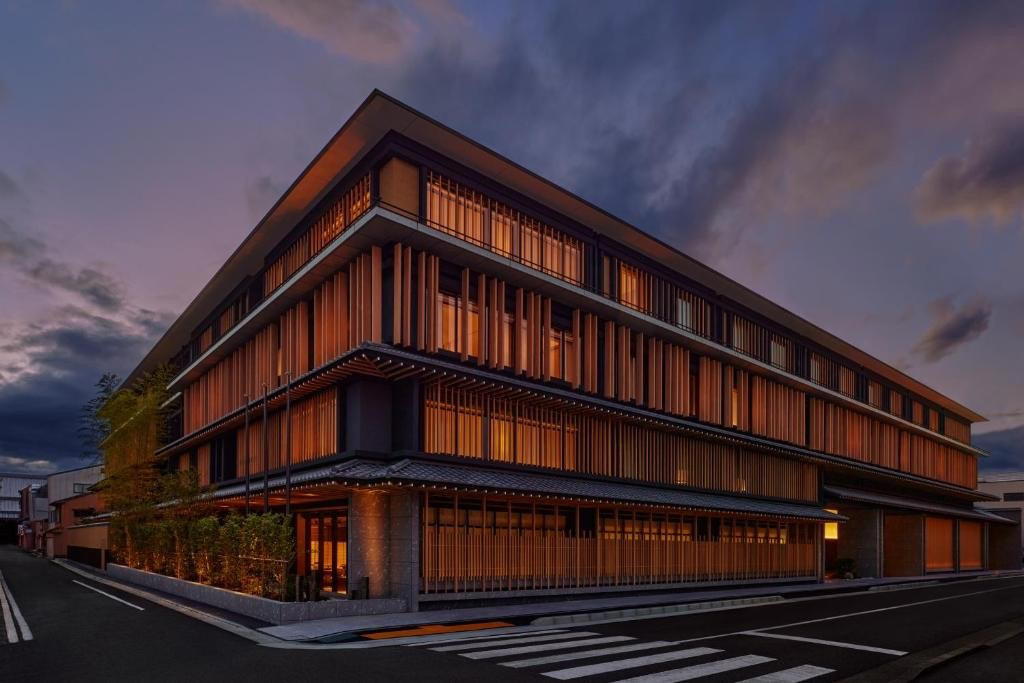
Selected by the Michelin Guide Hotels 2025, Hotel Koo Otsuhyakucho occupies a quiet address in central Otsu, the lakeside city on Biwa's western shore that sits within easy reach of Kyoto. The property belongs to a tier of smaller, design-conscious Japanese hotels that trade on spatial restraint and local material sensibility rather than resort scale or chain affiliation.

Pearl is the En Primeur Club membership app, where members save venues, book tables and use the concierge.
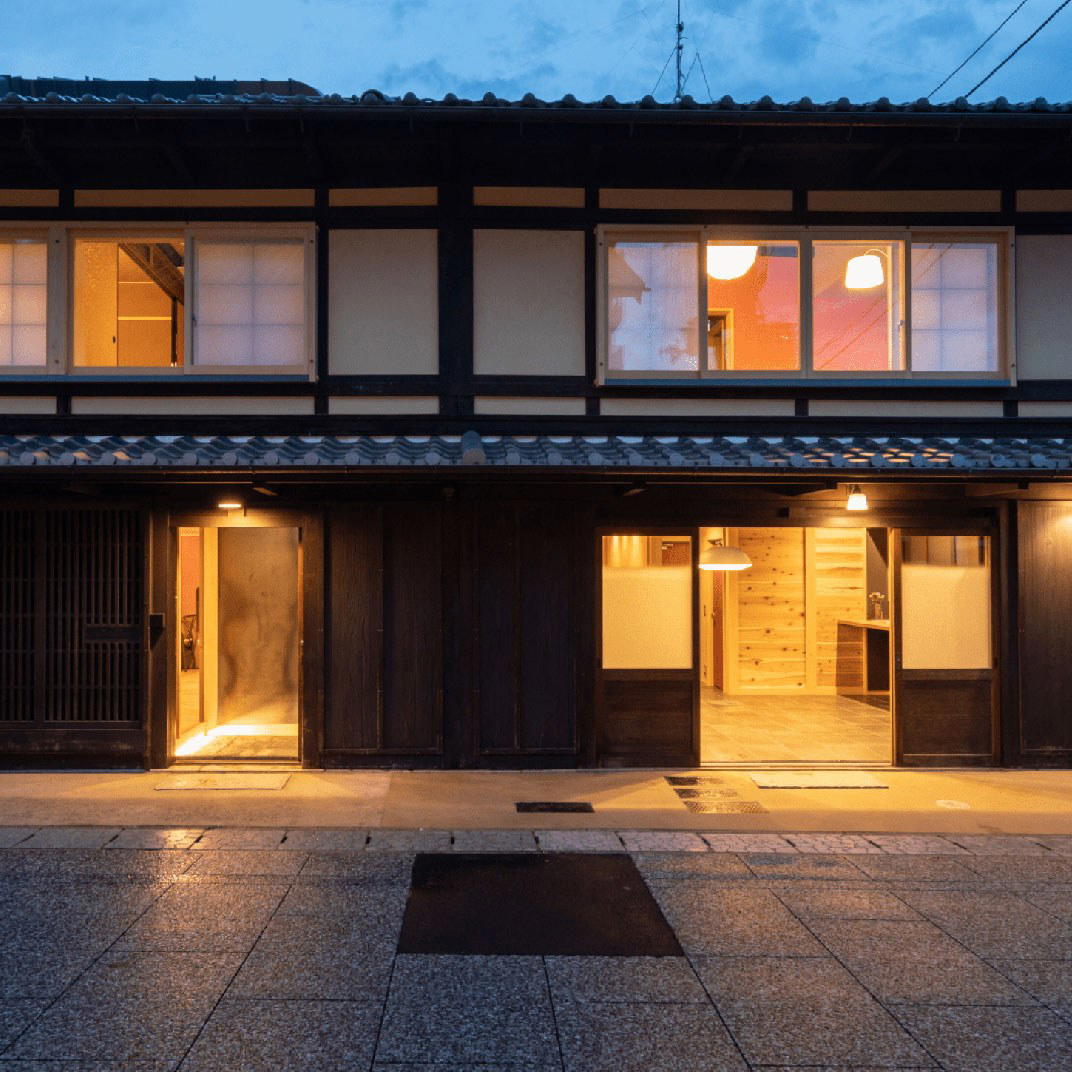
Where Lake Biwa's Edge Meets Considered Design
Otsu rarely competes for attention against its neighbour Kyoto, which lies roughly fifteen minutes east by train. That geographical proximity has historically positioned the city as an afterthought for travellers moving between Osaka and the old imperial capital. The more attentive reading, however, places Otsu on a separate axis entirely: a lakeside city with its own civic rhythm, anchored by the vast expanse of Lake Biwa, Japan's largest freshwater lake, and a streetscape that still carries traces of its role as a historic station town on the Tokaido road. Hotel Koo Otsuhyakucho sits at 1-2-6 Chuo in the city centre, a quiet block that positions it within walking distance of the lake's western shore and within the kind of low-rise urban fabric that gives smaller Japanese cities their particular quality of stillness.
A Design Register That Reads Against Scale
Japan's premium accommodation market has divided sharply over the past decade. On one side, large international operators and established ryokan groups command recognition through sheer resource depth, long histories, or internationally marketed brands. On the other, a smaller cohort of independently conceived properties has emerged, oriented less toward scale and more toward spatial precision: fewer keys, more deliberate material choices, a design language that responds to its specific address rather than a corporate template. Hotel Koo Otsuhyakucho belongs to this second group.
The aesthetic grammar of properties in this tier tends to draw from the same deep well: natural materials sourced close to the build site, light management as a deliberate design tool, proportions calibrated to produce calm rather than spectacle. For a Kansai property specifically, those choices carry additional resonance. The region's design tradition, from the restrained townhouses of old Kyoto to the tatami-room geometry of established ryokan, has long treated absence and emptiness as compositional elements equal in weight to any physical object. How Hotel Koo Otsuhyakucho applies those principles at its specific city-centre address gives the property its editorial character.
The City Context That Shapes the Stay
Understanding why a stay at Hotel Koo Otsuhyakucho works requires understanding Otsu's position in the wider Kansai network. The city is the prefectural capital of Shiga Prefecture, which places it at the administrative centre of a region that often functions as a quiet counterpoint to the tourist density of neighbouring Kyoto and Nara. Lake Biwa dominates Shiga's geography, covering roughly one-sixth of the prefecture's total area, and the lake's cultural and ecological significance runs through the local food supply, the seasonal rhythms of the city, and the way residents orient themselves in space. Arriving in Otsu from Kyoto takes under twenty minutes by the JR Biwako Line from Kyoto Station to Otsu Station, a logistical fact that makes the city a genuinely viable base for Kansai exploration rather than merely a spillover destination for overflow bookings.
For travellers who have already worked through the compressed itinerary of Kyoto's temple circuit, Otsu offers a recalibrated pace. The Enryaku-ji temple complex on Mount Hiei, a UNESCO World Heritage site, sits above the city. The historic Shiga Prefectural Museum of Art holds collections tied directly to the region's cultural inheritance. The lakefront promenade shifts in character across seasons in ways that more visited corridors rarely do, simply because the audience is thinner and the commercial overlay lighter. This is the environment that a design-led city hotel in Otsu reads against, and it shapes the case for staying here over booking another night in Kyoto's increasingly saturated central hotel market. For a broader orientation to what the city offers around the property, our full Otsu restaurants guide maps the dining and neighbourhood character in more detail.
The category of Michelin Selected small Japanese hotels that Hotel Koo Otsuhyakucho joins is not a homogeneous group. At the design-rigorous end of the national spectrum, properties like Benesse House in Naoshima fuse art institution and hotel into a single frame, while Zaborin in Kutchan applies forest-setting minimalism in Hokkaido. Established ryokan properties such as Nishimuraya Honkan in Kinosaki-cho and Asaba in Izu carry longer institutional histories but operate within the same quality framework. Within Kansai specifically, the comparison sharpens: HOTEL THE MITSUI KYOTO represents the larger-format, heritage-site anchor approach, while rural retreat options like Gora Kadan in Hakone and Amanemu in Mie sit at different price and format registers entirely. Hotel Koo Otsuhyakucho occupies a more urban, more intimate position within this geography, closer in spirit to the city-centre smaller hotel format than to the onsen resort or the grand luxury anchor.
Further afield, the design sensibility that connects properties like Satoyama-Jujo in Niigata, Nasu Mukunone in Nasu, and Fufu Kawaguchiko in Fujikawaguchiko to this property is less about price or category than about a shared orientation: these are hotels that ask you to pay attention to the space itself, not merely to consume its amenities. That orientation suits Otsu's quieter register well. By contrast, the internationally branded tier represented by Bvlgari Hotel Tokyo or Higashiyama Niseko Village, a Ritz-Carlton Reserve, operates from a different premise altogether, one where brand legibility and amenity depth define the proposition. Neither approach is superior in absolute terms; they answer different questions about what a stay should do.
Planning the Stay
Hotel Koo Otsuhyakucho's central Otsu address at 1-2-6 Chuo places it within the city's walkable core. Otsu Station on the JR Biwako Line serves direct connections to Kyoto Station in roughly fifteen minutes, making day travel into Kyoto direct without requiring a full itinerary reorientation. The Keihan Ishiyama-Sakamoto Line also runs along the western lake shore and connects several of the city's key cultural sites. Given that detailed pricing, room configuration, and booking specifics are best confirmed directly through current channel listings, the most reliable approach is to check availability through the property or its listed booking partners before finalising plans, particularly during the autumn foliage season and the spring period around late March and April, when Kansai accommodation pressure intensifies across the board.
Frequently Asked Questions
What kind of setting is Hotel Koo Otsuhyakucho?
The property occupies a city-centre address in Otsu, Shiga Prefecture, on the western shore of Lake Biwa in Japan's Kansai region. It holds a Michelin Selected designation in the 2025 Michelin Guide Hotels, placing it within a tier of smaller Japanese properties recognised for quality of experience over scale. The setting combines urban accessibility with proximity to the lake and to Kyoto, roughly fifteen minutes away by train. It reads as a considered alternative to the denser hotel market in central Kyoto, suited to travellers who want spatial calm alongside convenient regional access.
Which room offers the leading experience at Hotel Koo Otsuhyakucho?
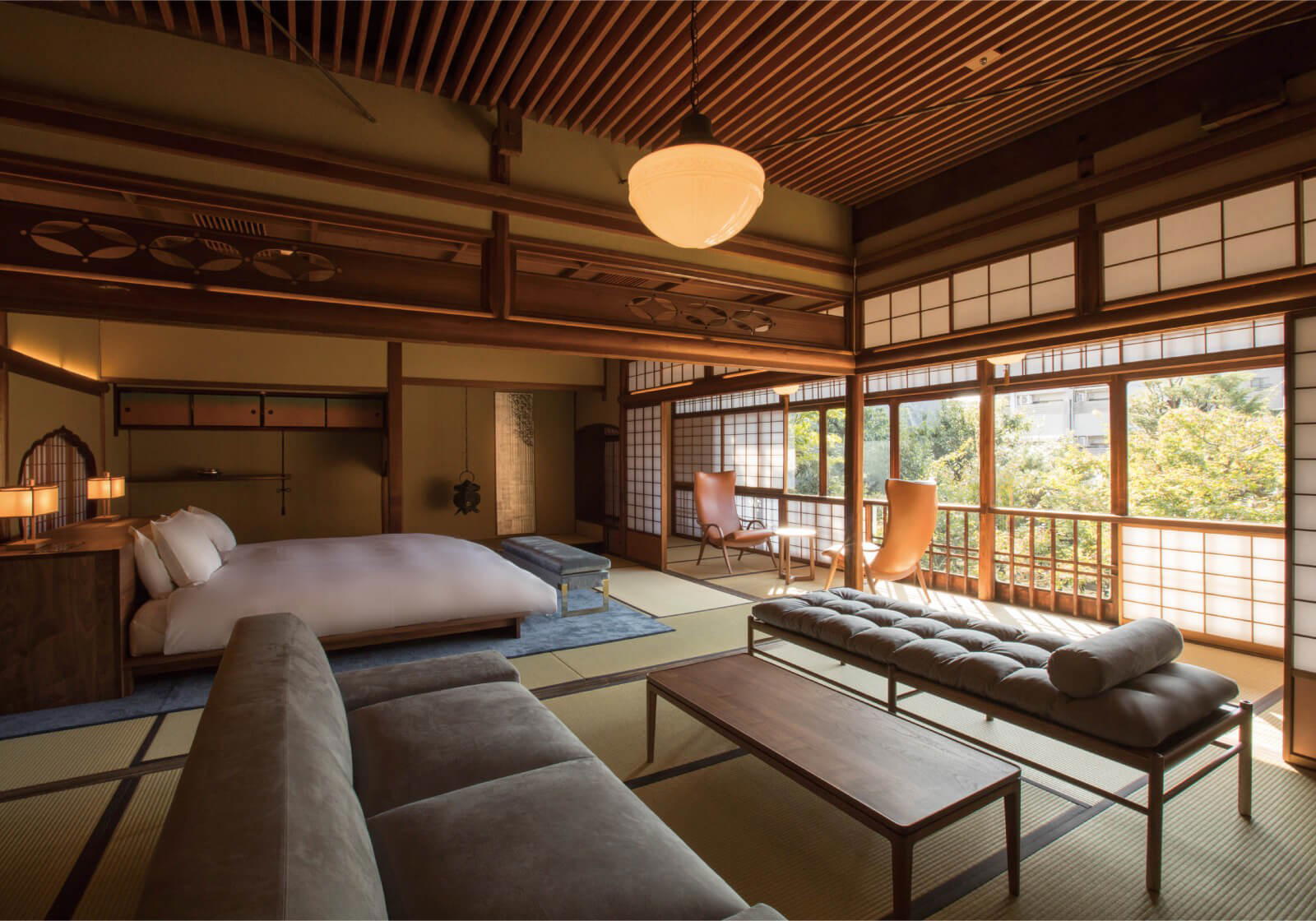
As a Michelin Selected hotel, the overall standard across the house is the credentialled baseline. In properties of this design-led Japanese type, rooms that connect to exterior views or incorporate natural light as a compositional element tend to define the strongest guest experiences. Given the city-centre location near Lake Biwa, any room with lake or garden orientation would likely reflect the design intentions most directly. Confirming room types and current pricing directly with the property before booking is the practical course.
Comparable Spots, Quickly
Comparable venues nearby, for context on price, style, and recognition.
| Venue | Cuisine | Price | Awards | Notes |
|---|---|---|---|---|
| Hotel Koo OtsuhyakuchoThis venue (the venue you are viewing) | Renovated machiya townhouses in shopping district | $100–200 | Michelin Selected | Not listed |
| おごと温泉 湯の宿 木もれび | 伝統的な温泉旅館 | $100–200 | Not listed | おごと温泉 |
| Terrace Midoubaru | Modern ryokan with Japanese hospitality and panoramic views. | Not listed | Michelin Selected | Hotta |
| Kifune Ugenta | traditional ryokan with modern designer touches | Not listed | 1 Michelin Key | Kibune |
| Yawn Yard | Private villa resort integrated with nature | Not listed | Michelin Selected | Kouri Island |
| eph KYOTO | culture-concept boutique hotel embodying Kyoto's traditional motifs | Not listed | Michelin Selected | Minami |
Recognition history
Dated appearances from independent guides and award organizations, with the underlying list record or original source where available.
Michelin Selected
Michelin
Continue exploring
More in Otsu
Hotels in Otsu
All hotels in Otsu →
Bars in Otsu
Browse all →
Restaurants in Otsu
All restaurants in Otsu →
Wineries in Otsu
Browse all →
Details
- Modern
- Cozy
- Elegant
- Scenic
- Romantic Getaway
- Weekend Escape
- Garden
- Historic Building
- Design Destination
- Wi Fi
- Room Service
- Concierge
- Garden
- Bar
- Garden
Warm historical vibe with stylish renovations, cozy lighting, designer furniture, and a relaxing fusion of old and new Japanese aesthetics.