In Nagahama's historic merchant district, 佐藤組 occupies a quietly serious position in Shiga Prefecture's dining scene. The restaurant sits on Omiyacho, a street shaped by centuries of Lake Biwa trade routes, placing it in a culinary tradition rooted in freshwater ingredients and regional agriculture. For travellers already plotting stops at Kyoto or Osaka, it represents a considered detour into a less-trafficked corner of the Kansai hinterland.
Pearl is the En Primeur Club membership app — saves, bookings, and concierge access live there. Same editors, same standards.
- Address
- 10-1 Omiyacho, Nagahama, Shiga 526-0054, Japan
- Phone
- +81 749-65-2588
- Website
- sumimoto-kamo.com
- Directions
- Get directions
 Saves & bookings on Pearl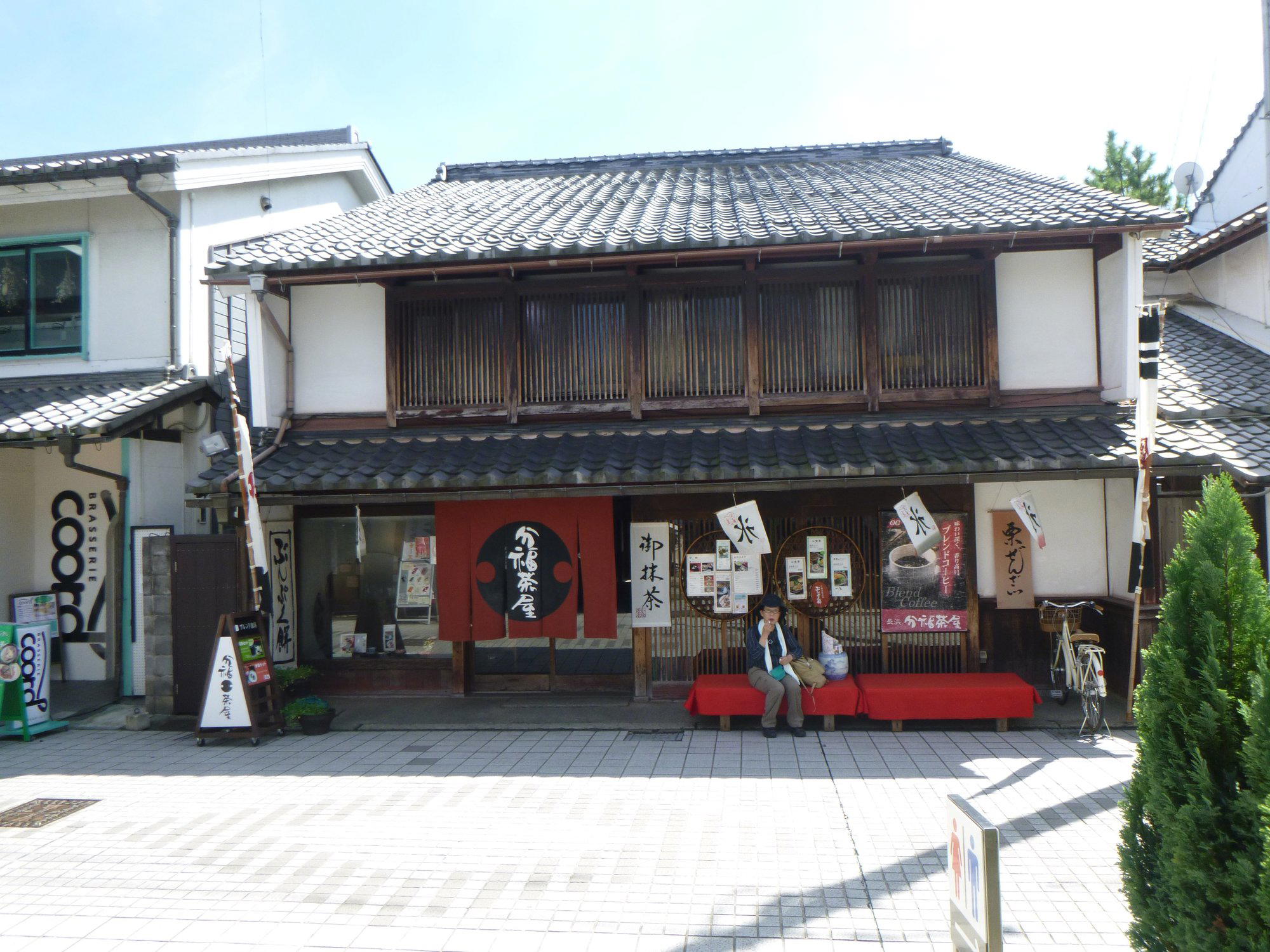
Where Lake Biwa Defines the Plate
Nagahama is not a city that announces itself. Positioned on the northeastern shore of Lake Biwa, Japan's largest freshwater lake, this former castle town has spent centuries accumulating a quiet commercial identity rather than a tourist one. The streets around Omiyacho, the address of 住茂登, carry that character forward. These were merchant quarters built on the transit trade between the Sea of Japan coast and Kyoto, and the foodways that developed here reflect that geography: freshwater fish from the lake, rice from the Omi plain, fermented and preserved ingredients shaped by an inland climate with distinct seasons.
That context matters when thinking about what a restaurant in this location means. In the broader Kansai region, dining attention concentrates heavily on Kyoto and Osaka. Venues like Gion Sasaki in Kyoto or HAJIME in Osaka operate inside dense, internationally visible dining ecosystems. Nagahama operates on a different register entirely: smaller, less documented, and directly connected to a regional larder that most visitors to Japan never reach.
The Omiyacho Address and What It Signals
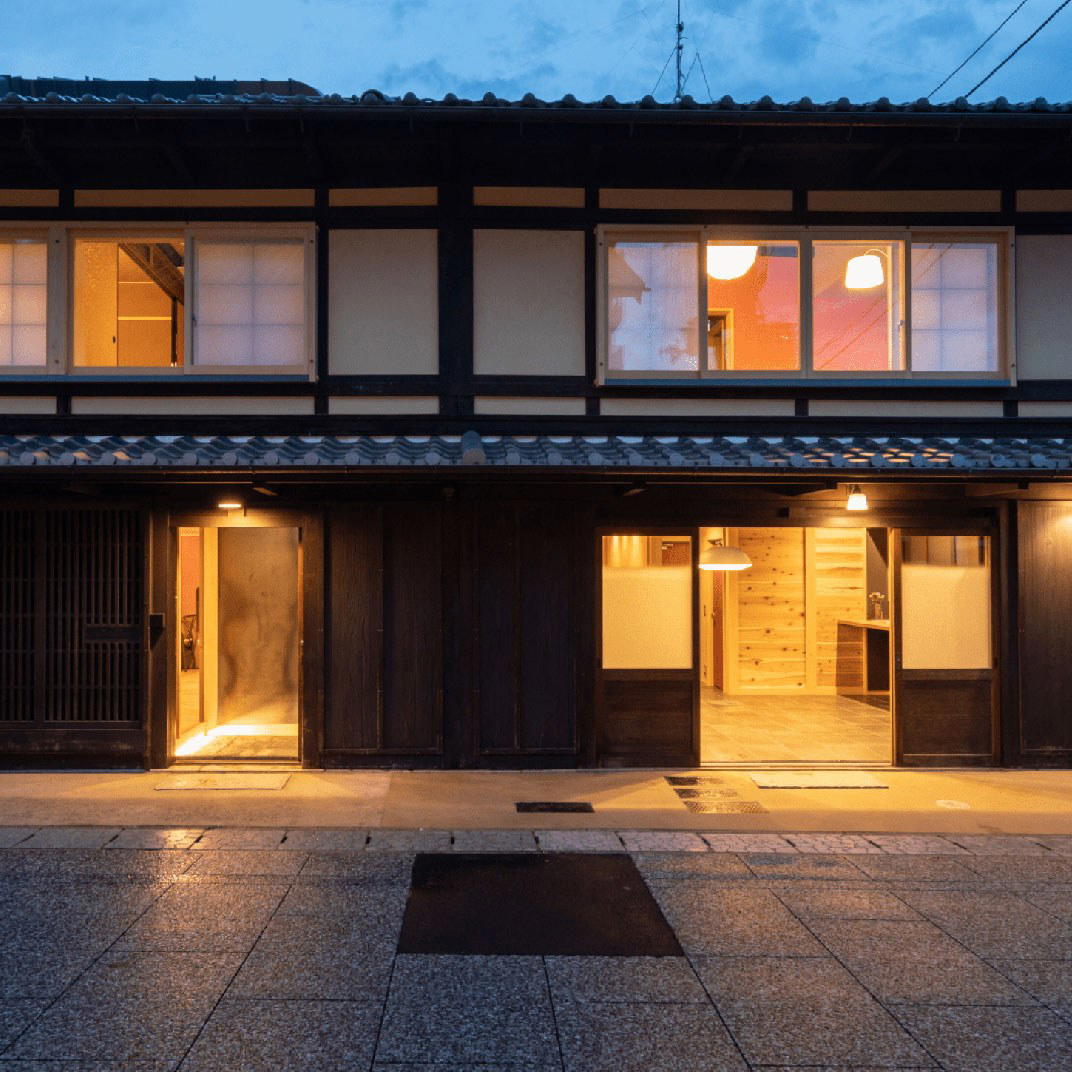
The specific address, 10-1 Omiyacho, places 佐藤組 in the heart of Nagahama's preserved commercial district, a few minutes from the old castle grounds and the covered shopping street that locals still use as a daily artery. In Japanese provincial cities, this kind of central-but-understated positioning often correlates with restaurants that rely on repeat local clientele and regional reputation rather than tourist foot traffic. It is the kind of address that takes some navigation to find, and which rewards the effort.
Shiga Prefecture as a whole has a sourcing story worth understanding. Lake Biwa produces nigorobuna, the carp species used in funazushi, one of Japan's oldest fermented fish preparations, predating contemporary sushi by several centuries. The lake's ecosystem also supplies various freshwater species that don't appear on menus in coastal cities. The surrounding agricultural land provides Omi beef, a wagyu designation with documented history stretching back to the Edo period, and rice varieties adapted to the basin's specific soil and water conditions. A restaurant operating in this geography has access to ingredients that cannot simply be sourced from a wholesale market in another prefecture.
This sourcing reality positions Nagahama's dining scene differently from the kaiseki traditions that have crystallised in Kyoto. For a point of comparison within the region, Tokuyamazushi (Kaiseki) in Shiga represents the more formalised end of the prefecture's dining spectrum, while SOWER (Innovative) in Nagahama itself reflects a newer generation of cooks working the same regional larder through a different lens. 住茂登 sits within this local conversation, shaped by the same geography even if its specific format and approach differ from either neighbour.
Provincial Dining and the Case for Detours
Japan's secondary and tertiary cities have increasingly become serious dining destinations in their own right, partly because regional sourcing has become a genuine differentiator in a market saturated with technically accomplished urban restaurants. The pattern holds across the country: Goh in Fukuoka draws on Kyushu's distinct agricultural and fishing traditions; akordu in Nara connects Basque technique to ancient Japanese capital sourcing. In each case, the provincial address is the point, not the limitation.
Nagahama amplifies this logic. The city sits on a Shinkansen line, making it accessible from Kyoto in under thirty minutes and from Osaka in under an hour. Visitors who treat it as a day trip from either city can reach the Omiyacho district without significant logistics. Those who stay overnight gain access to a pace of town that changes perceptibly after the day-trippers leave. The morning markets near the lake, the covered arcade in the late afternoon, the near-silence of the castle district by evening, these are the conditions under which a meal at a restaurant like 佐藤組 makes its full sense.
For travellers already building an itinerary around Japanese culinary geography, the Shiga-Nagahama axis fills a gap between the more-covered ground of Kyoto and the northern Japan options represented by places like 夕張山乃 in Sapporo or 三本木 川魚店 in Nanao. Nearby, 湖南厨房 in Takashima offers another perspective on Lake Biwa's culinary orbit, while Kyogokuzushi represents Nagahama's sushi tradition within the same compact geography.
Planning a Visit
Nagahama is reached most efficiently from Kyoto via the JR Biwako Line, with journey times around 45 to 50 minutes. From Osaka, the same line connects through Kyoto with a total journey of roughly 80 minutes. The city is compact enough to explore on foot or by bicycle once you arrive, and the Omiyacho district is within walking distance of Nagahama Station. Because specific booking methods are walk-in friendly, contacting the restaurant directly is the appropriate approach. Visitors to the area should also consider the broader Shiga dining circuit.
For context within Japan's wider dining spectrum, the technical ambition found at counters like Harutaka in Tokyo or the ingredient-forward philosophy visible at Atomix in New York City and the seafood rigour of Le Bernardin in New York City represent the international benchmarks against which serious regional Japanese dining is increasingly measured. Nagahama's answer to that conversation is grounded, specific, and rooted in a lake that has been feeding this part of Japan for longer than most of those benchmarks have existed.
Comparison Snapshot
Comparable venues nearby, for context on price, style, and recognition.
| Venue | Cuisine | Price | Notes |
|---|---|---|---|
| 住茂登This venue — the venue you are viewing | Japanese | Not listed | Not listed |
| Torikita Honten | Traditional Nagahama chicken & egg bowls and udon | $ | Motohamacho / Nagahama Sta. area |
| Baika Tei | Ramen shop | $ | . Tamura, Nagahama |
| Teuchi Soba Mitani | Handmade Soba & Izakaya | $$ | Nagahama |
| SOWER | Modern Japanese Farm-to-Table | $$$$ | Nagahama |
| Kyogokuzushi | Edomae Sushi | $$$$ | Motohamacho |

At a Glance
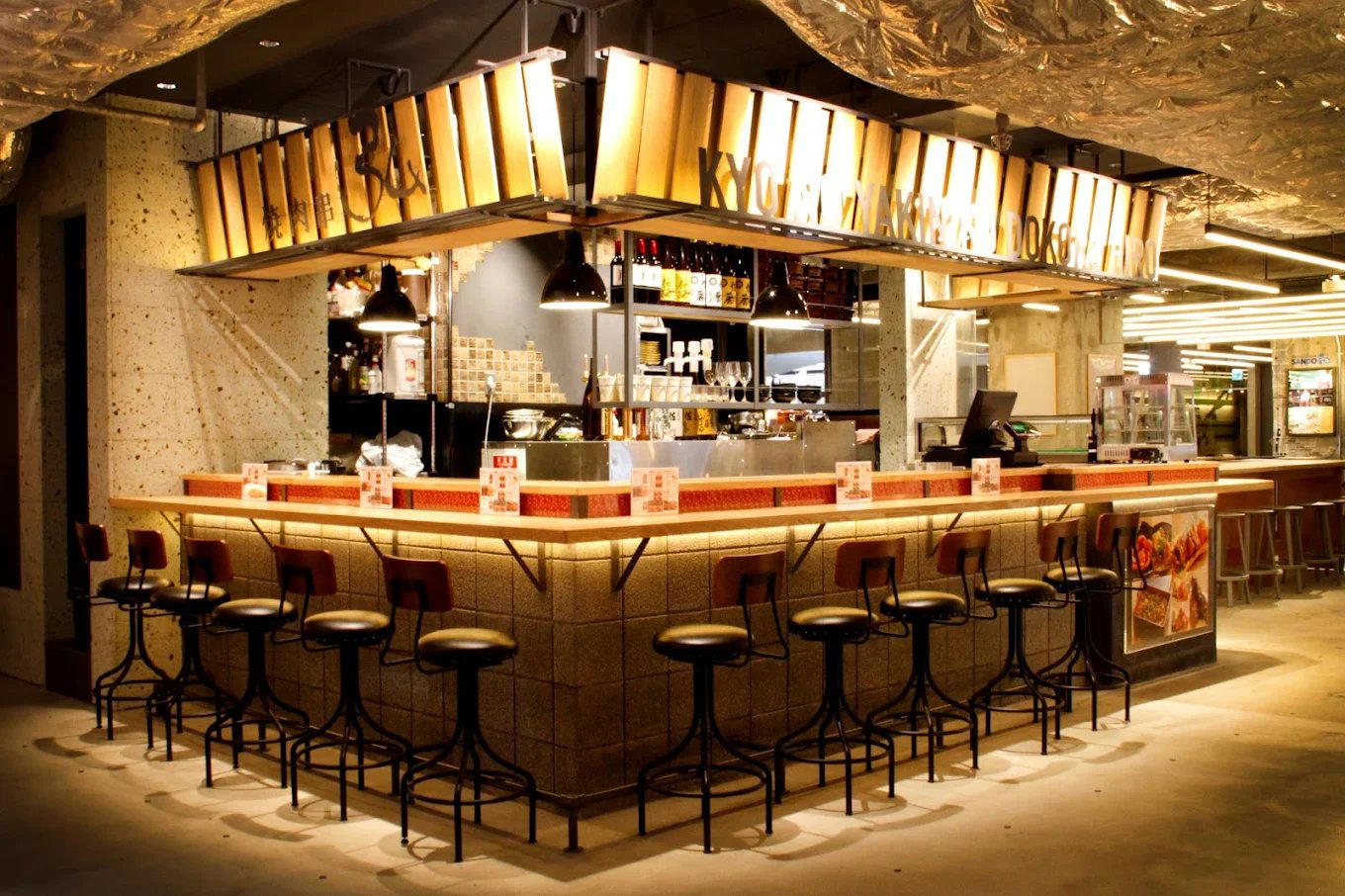
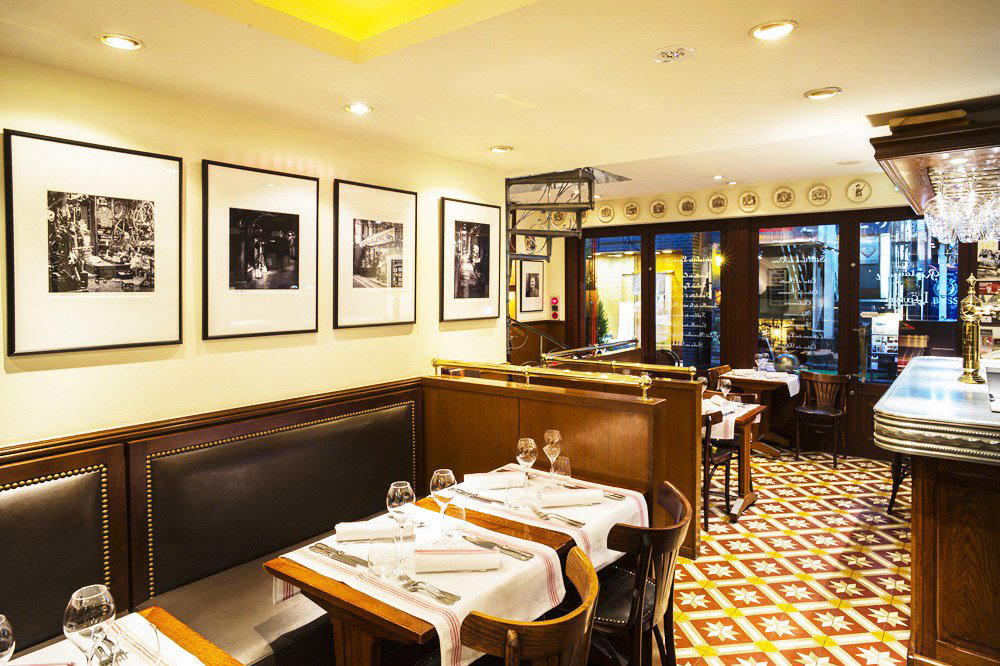
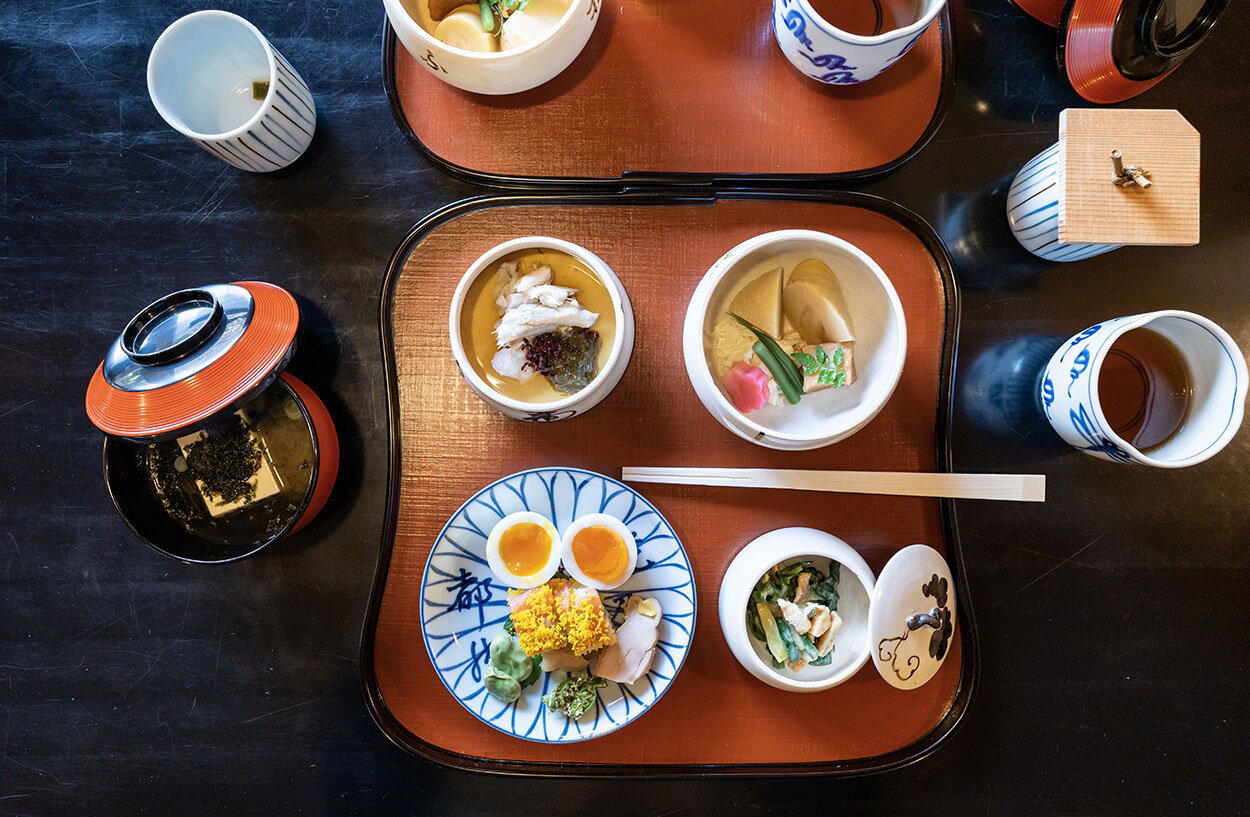
Casual local atmosphere