


Tokuyamazushi puts Nagahama’s lake-country food culture into a kaiseki frame, with fermentation, freshwater fish and auberge-style pacing doing the heavy lifting. Its 2026 Tabelog Bronze recognition, 4.36 score and OAD Japan ranking place it among serious destination restaurants rather than casual regional dining.
Pearl is the En Primeur Club membership app — saves, bookings, and concierge access live there. Same editors, same standards.
- Address
- 1408 Yogocho Kawanami, Nagahama, Shiga 529-0523, Japan
- Phone
- +81 749-86-4045
- Website
- tokuyamazushi.com
- Directions
- Get directions
 Saves & bookings on Pearl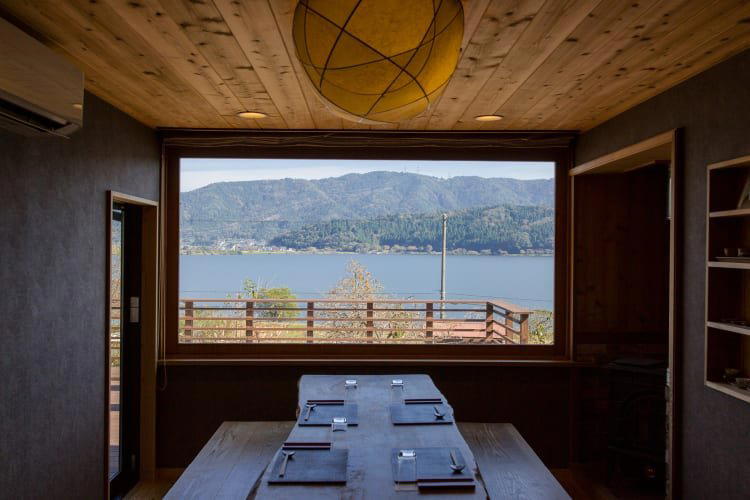
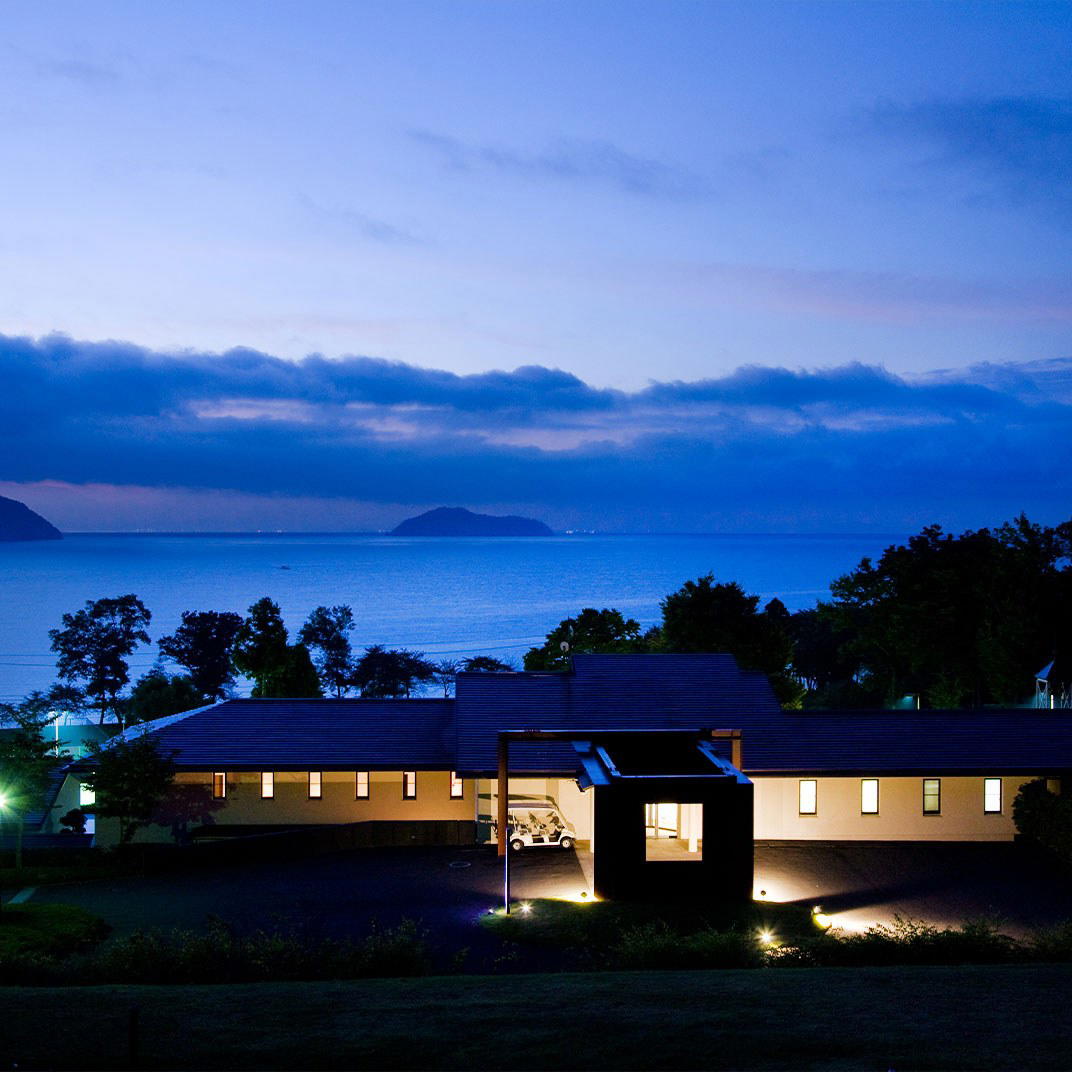
Lake Yogo changes the tone before the meal begins. Nagahama’s northern edge is not Kyoto’s formal restaurant grid or Osaka’s appetite-driven sprawl; it is quieter, colder in mood, tied to water, mountain roads and preserved foodways. Here, kaiseki reads less like urban theatre than a system for making season, place and restraint legible course by course.
Tokuyamazushi belongs to the small Japanese category where restaurant and inn overlap, and regional cuisine carries the weight usually assigned to luxury ingredients in big-city dining rooms. The comparison is not a polished Ginza counter but rural kaiseki addresses such as Hirasansou, Shofukuro Honten, Oryori Hayashi, Suzue and Doujin: places where the journey, ecology and meal rhythm are part of the critical equation. In Nagahama, Lake Yogo makes that equation unusually direct, giving the restaurant a local vocabulary rather than a backdrop.
Lake-country kaiseki, built around fermentation and freshwater fish
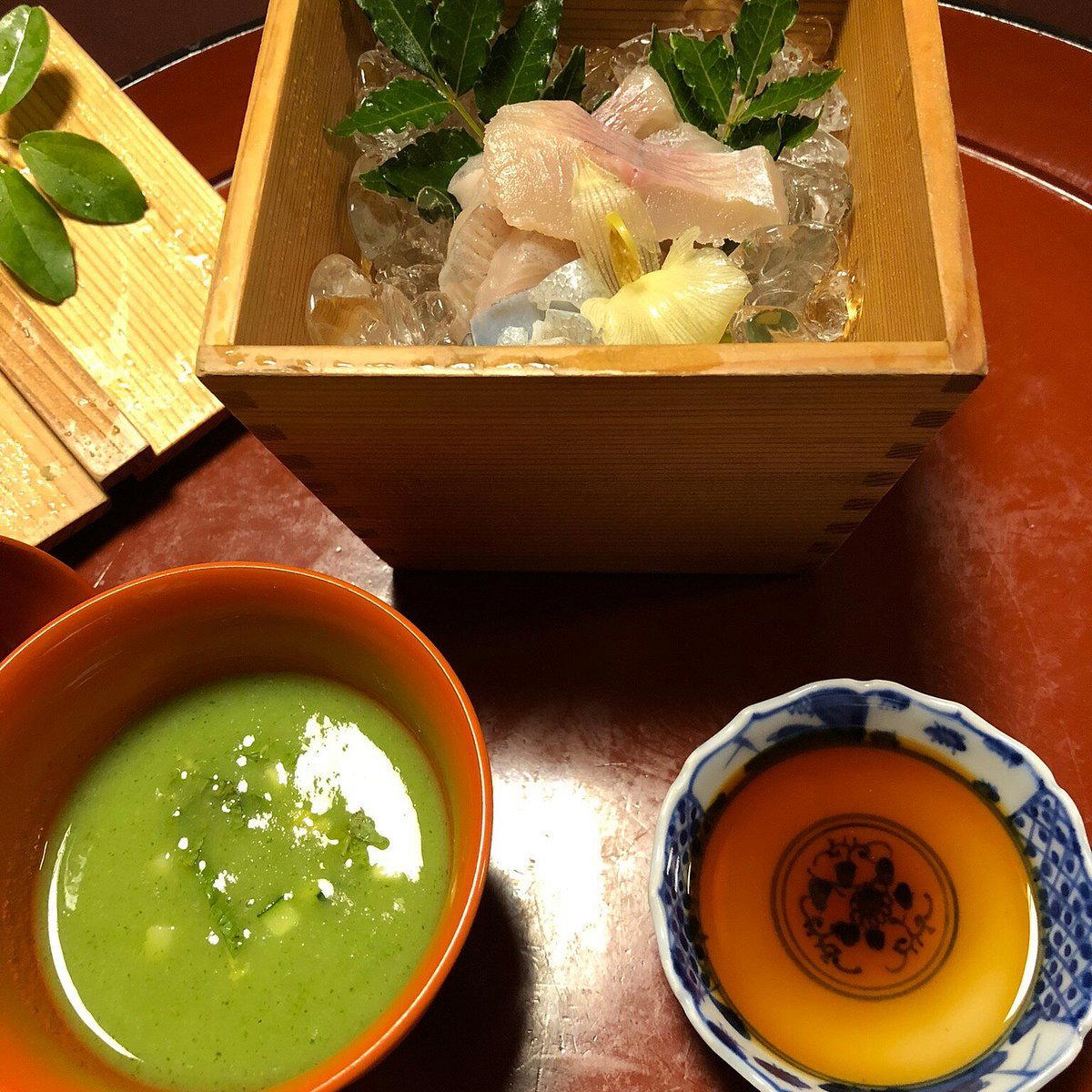
Kaiseki is often reduced to pretty plates, but its deeper discipline is editorial: what to show, what to withhold, and how one course alters the next. At Tokuyamazushi, the lens is regional cuisine with a strong emphasis on fermented cooking and fish. Fermentation in Japan is not merely preservation; it concentrates time, salinity, acidity and local microbial character into the meal’s structure.
Shiga’s food culture has long been shaped by freshwater fish and preservation, especially lake fish traditions distinct from coastal sushi and Kyoto’s temple-influenced refinement. The restaurant’s category, regional cuisine and auberge, signals a meal not trying to mimic metropolitan kaiseki. It works from a narrower geography, which gives the experience its seriousness: ingredients and techniques point back to the lake rather than outward to luxury supply chains.
The awards locate its current standing without turning the meal into a trophy case. Tokuyamazushi holds a 2026 Tabelog Bronze Award with a 4.36 score, appears in the 2026 OAD Top Restaurants in Japan ranking at No. 66, and receives 86 points from La Liste for 2026. These signals place it in a national conversation about Japanese dining, but its value is more specific: kaiseki where regional grammar is not an accent, but the argument.
For readers comparing Nagahama dining, this differs from the city’s more accessible restaurant circuit. Baika Tei, Kyogokuzushi, SOWER (Innovative), Teuchi Soba Mitani and Torikita Honten map the city across sushi, soba, poultry and contemporary cooking. Tokuyamazushi sits in a narrower lane: destination kaiseki with lodging-adjacent pacing and a strong sense of local food memory.
Why the meal reads differently from city kaiseki
Urban kaiseki often depends on compression: a refined room, set procession, chef’s seasonal edit and clientele moving between hotels, trains and late reservations. Nagahama slows that tempo. The auberge format makes the restaurant feel closer to a regional study than a standalone dinner appointment. Hiroaki Tokuyama’s name appears with the restaurant’s award listings, but the stronger point is continuity between chef, place and technique.
That matters for anyone used to Kyoto kaiseki, where codified elegance can become the benchmark. Here, the aesthetic is less courtly polish than productive tension between refinement and preservation. Fermented cuisine has edges: depth, salt, acidity, aroma and the patience of time. In a multi-course format, those qualities give kaiseki a different architecture. The meal is not only seasonal but historical, because preservation methods carry older regional habits into a contemporary dining room.
Price signals reinforce the point. This is not casual Shiga eating repackaged for visitors; published Japanese dining platforms place dinner at JPY 40,000 to JPY 49,999 and lunch at JPY 20,000 to JPY 29,999. That puts the restaurant in a serious destination tier, to be judged against specialized regional kaiseki rather than ordinary local meals. The better question is not whether it offers urban glamour, but whether the trip rewards interest in Japanese regional technique at high resolution.
For broader planning, Our full Nagahama restaurants guide gives the dining context, while Our full Nagahama hotels guide, Our full Nagahama bars guide, Our full Nagahama wineries guide and Our full Nagahama experiences guide frame the overnight version of the trip. That matters more here than for a city restaurant, because the strongest case for the meal is tied to its setting.
Who should make the trip
This is a persuasive booking for diners who understand kaiseki as a disciplined seasonal form and want to see how it changes outside the major urban centres. It is less suited to groups seeking volume, spontaneity or a high-energy room. The private-room availability, non-smoking policy and auberge character point toward concentration rather than spectacle.
Across Japan, the gap is widening between restaurants that perform locality as decoration and those that let locality determine the meal’s logic. Tokuyamazushi belongs to the second group. Its national rankings and Tabelog history, including Silver awards from 2019 through 2025 before Bronze in 2026, show sustained attention from serious diners, but the more useful evidence is structural: regional cuisine, fish-focused cooking, fermentation and a lake setting working in the same direction.
Readers building a Japan itinerary around kaiseki can use Tokyo as counterweight. Ajihiro, Kaiseki in Tokyo and Akasaka Asada, Kaiseki in Tokyo represent a more metropolitan frame, while Nagahama gives the form a rural, freshwater emphasis. For contrast across other Japanese dining formats, EP Club also covers -Grilled beef Sukiyaki- KAMAKURA TANUKIAN 鎌倉 たぬき庵 in Kamakura. 鮪と炭火焼き うお炭 秋葉原店 in Tokyo.cafe in Osaka.know in Kumamoto, (Shoku) Vietnam in Kawasaki and [Curry Senmon Ten] Maruyama Kyoju. in Sapporo. Against that wider map, Tokuyamazushi is not a general Japan recommendation; it is precise guidance for diners who care how place changes the meaning of kaiseki.
How It Stacks Up
Comparable venues by cuisine and price in the same metro.
| Venue | Cuisine | Price | Notes |
|---|---|---|---|
| TokuyamazushiThis venue — the venue you are viewing | Modern Fermented Japanese Kaiseki | $$$$ | Not listed |
| Kyogokuzushi | Edomae Sushi | $$$$ | Motohamacho |
| 住茂登 | Japanese | Not listed | Nagahama |
| Torikita Honten | Traditional Nagahama chicken & egg bowls and udon | $ | Motohamacho / Nagahama Sta. area |
| SOWER | Modern Japanese Farm-to-Table | $$$$ | Nagahama |
| Teuchi Soba Mitani | Handmade Soba & Izakaya | $$ | Nagahama |
Recognition history
Dated appearances from independent guides and award organizations, with the underlying list record or original source where available.
La Liste Top Restaurants
La Liste
Opinionated About Dining Top Restaurants in Japan Ranked #66
Opinionated About Dining
Tabelog Bronze #461
Tabelog
La Liste Top Restaurants
La Liste
Opinionated About Dining Top Restaurants in Japan Ranked #69
Opinionated About Dining
Tabelog Silver
Tabelog
Opinionated About Dining Top Restaurants in Japan Ranked #59
Opinionated About Dining
Opinionated About Dining Top Restaurants in Japan Ranked #122
Opinionated About Dining
At a Glance
- Rustic
- Elegant
- Intimate
- Scenic
- Cozy
- Special Occasion
- Chefs Counter
- Sake Program
- Local Sourcing
- Mountain
Current opening hours
- Monday
- 12–2:30 PM, 6–9 PM
- Tuesday
- 12–2:30 PM, 6–9 PM
- Wednesday
- 12–2:30 PM, 6–9 PM
- Thursday
- 12–2:30 PM, 6–9 PM
- Friday
- 12–2:30 PM, 6–9 PM
- Saturday
- 12–2:30 PM, 6–9 PM
- Sunday
- 12–2:30 PM, 6–9 PM
Hours can change for holidays and private events. Last verified .
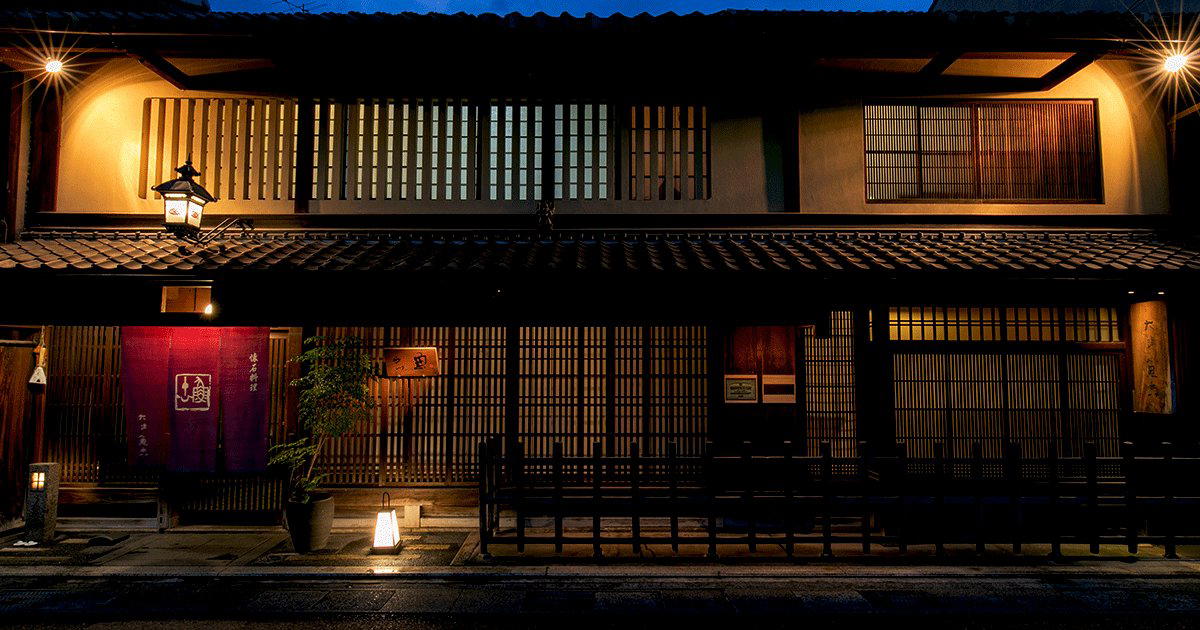
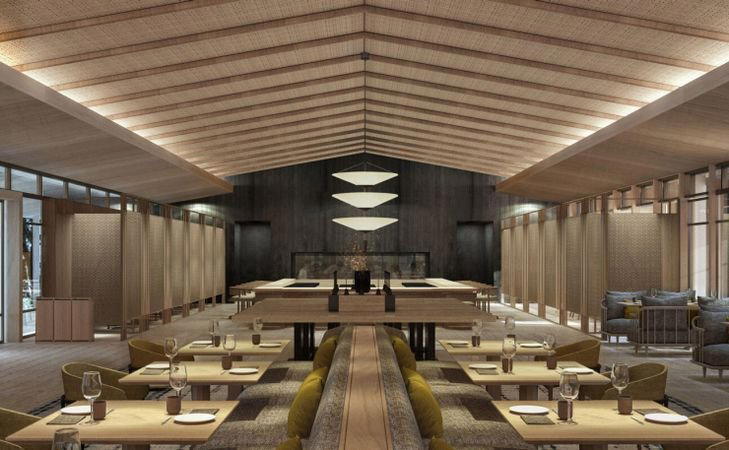
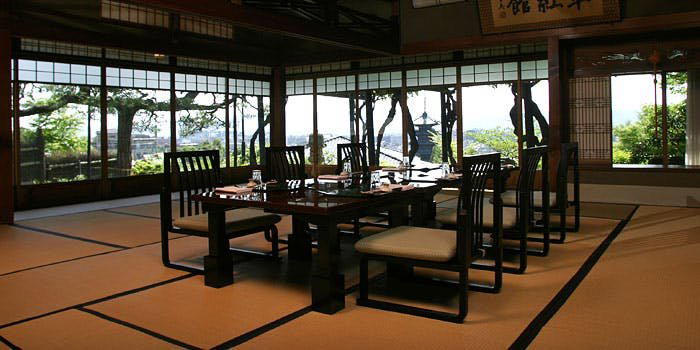
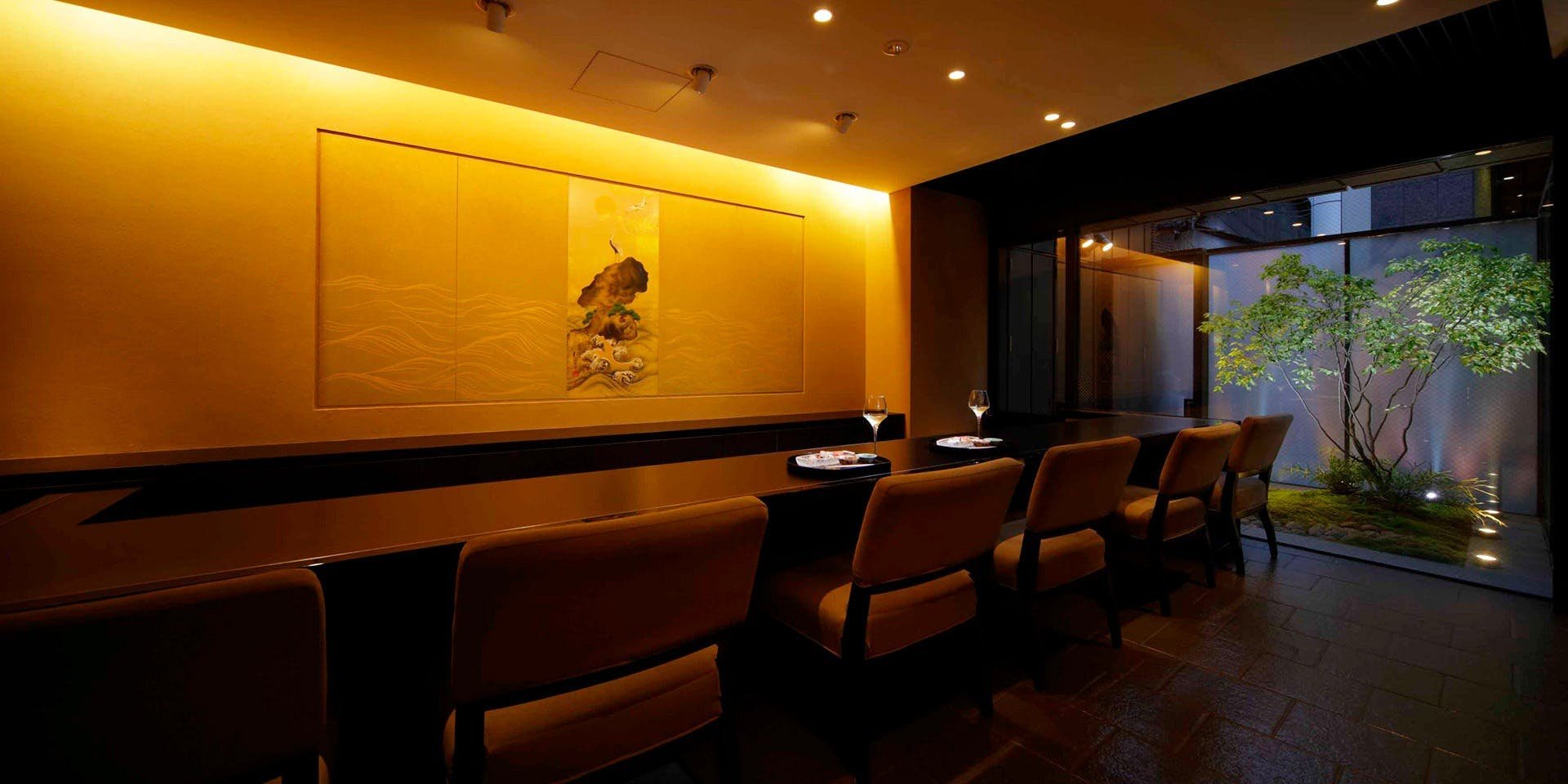
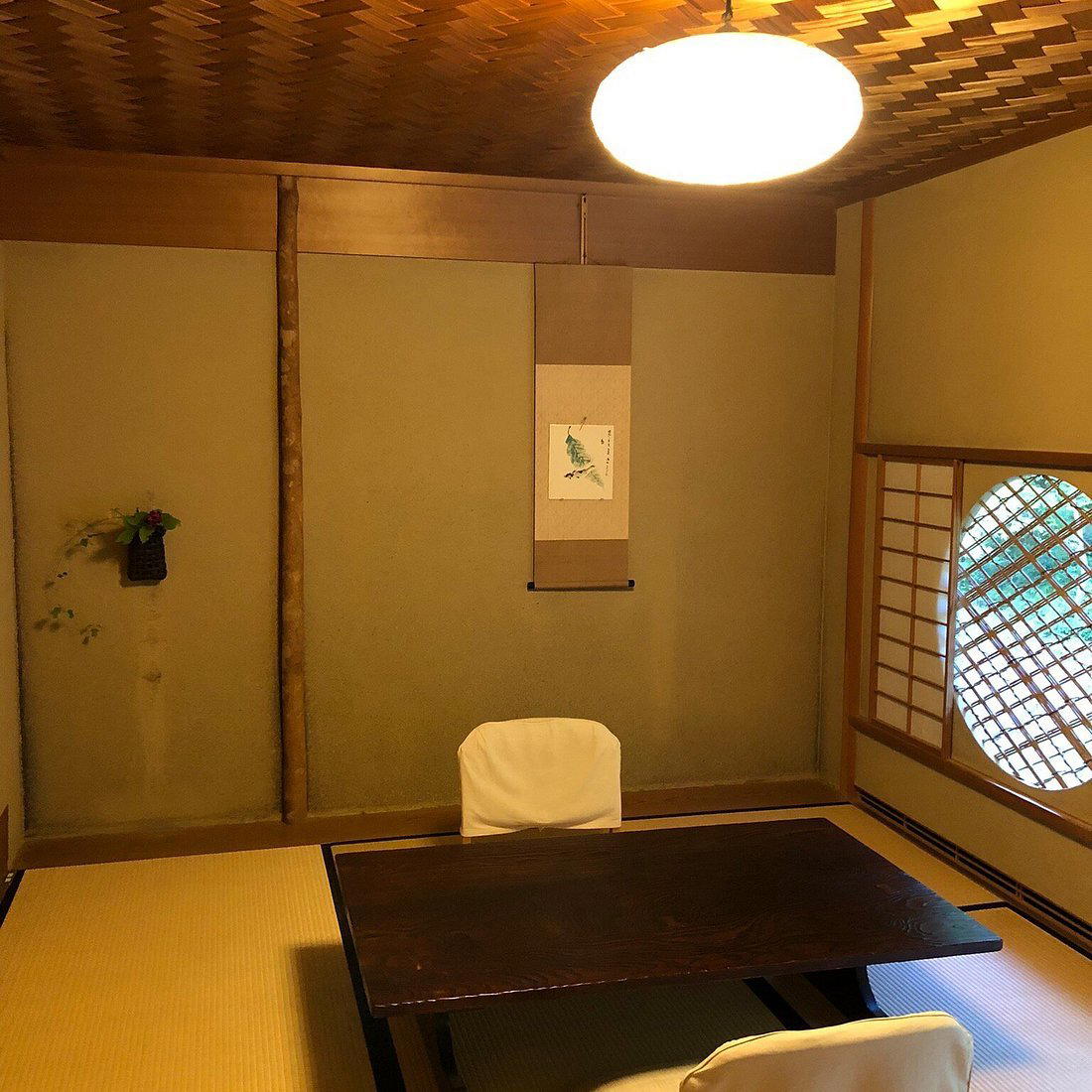
Rustic elegance in tatami rooms with tranquil lake and mountain views, fostering an intimate and meditative atmosphere.