Kyewol Gomtang

Kyewol Gomtang holds consecutive Michelin Bib Gourmand recognition (2024 and 2025) for its focused gomtang program in Seongsu-dong, Seoul's most restlessly evolving neighbourhood. The single-dish format and ₩-tier pricing place it firmly in the tradition of Korean restorative cooking, where a clear, long-simmered beef broth carries more authority than any multi-course menu.
Pearl is the En Primeur Club membership app — saves, bookings, and concierge access live there. Same editors, same standards.
- Address
- 8 Seongdeokjeong 3-gil, Seongsu-dong 1(il)-ga, Seongdong-gu, Seoul, South Korea
- Phone
- +82 70-8703-0310
- Website
- instagram.com
- Directions
- Get directions
 Saves & bookings on Pearl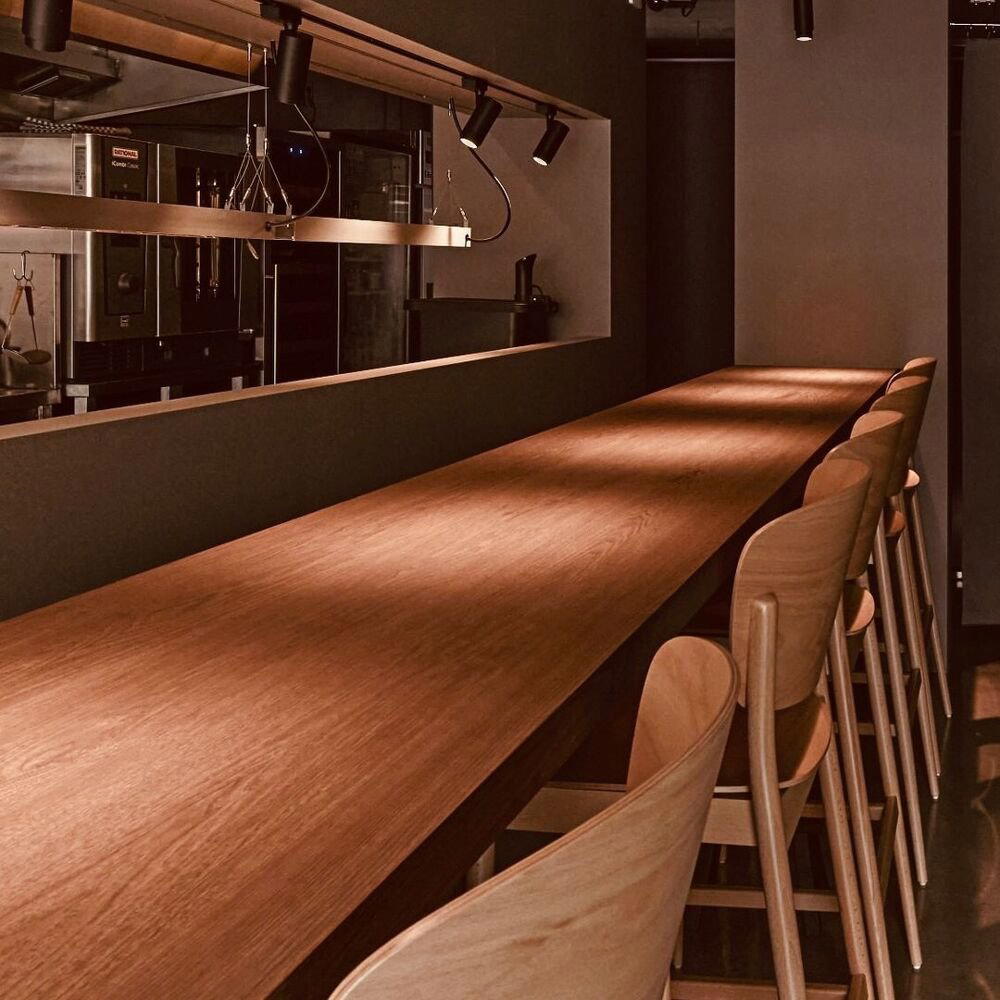
A Bowl That Earns Its Place in Seongsu-dong
Seongsu-dong occupies an unusual position in Seoul's dining map. Once a light-industrial district known for shoemakers and small workshops, it has absorbed a decade of gentrification without fully shedding its working-character. The streets around Seongdeokjeong-gil carry that tension visibly: converted factories host espresso bars and design studios, while older neighbourhood restaurants, the kind that have never needed a social media presence, continue filling tables by reputation alone. Kyewol Gomtang sits inside that second category, at 8 Seongdeokjeong 3-gil, and its Bib Gourmand recognition in 2024 and 2025 confirms what the regulars already knew.
What Gomtang Actually Is
Gomtang belongs to a family of Korean long-simmered bone broths that prioritises clarity over richness. Where seolleongtang clouds white from extended marrow extraction, gomtang runs paler and more translucent, its flavour built from beef bones and cuts simmered at a lower boil over many hours. The result is a broth with a clean, direct savouriness that reads differently from the milkier profiles many visitors associate with Korean bone soup. Rice and sliced beef arrive in the bowl; salt, chopped spring onion, and kimchi come on the side. The format changes almost nothing from table to table, decade to decade. That is the point.
This tradition has a geography in Seoul. Hadongkwan, operating in Jung-gu since 1939, is the reference point most Koreans cite first. The newer generation of gomtang houses, including Gomtang Lab, has introduced more deliberate sourcing and sharper kitchen discipline while keeping the single-dish format intact. Kyewol sits within this continuum, earning its Bib Gourmand at the ₩ price tier, positioning that Michelin reserves for places delivering strong value, not stripped-back compromise.
The Regulars' Logic
The editorial angle most useful for understanding Kyewol Gomtang is not the menu, the menu barely changes, but the pattern of return visits. In Seoul's gomtang culture, regulars are not driven by novelty. They are driven by consistency: the broth temperature, the balance of salt, the quality of the beef slices, and the particular clarity of the stock on any given morning. These are the variables that distinguish a serious gomtang house from a functional one, and they are the variables that regular customers track across dozens of visits.
0 from 84 reviews is modest in volume but meaningful in context. Gomtang restaurants rarely attract the tourist-review traffic that inflates ratings at tasting-menu destinations. The reviewer base skews local, and local reviewers apply different criteria: they are measuring reliability, not spectacle. A 4.1 in that environment reflects a kitchen that does not have bad days often enough to leave a trace in the aggregate.
Compare this to the broader Seoul dining conversation. At the high end, places like Mingles, Gaon, and Kwon Sook Soo have built reputations around reinterpreting Korean ingredients through refined multi-course formats. That is one legitimate direction for Korean cuisine. Kyewol Gomtang operates on a different premise entirely: that the original form, executed with discipline, requires no elaboration. The Bib Gourmand, awarded twice in succession, suggests Michelin inspectors agree.
Seongsu-dong as Context
The neighbourhood matters for practical and cultural reasons. Seongsu-dong is not Insadong or Bukchon, where heritage dining sits alongside heritage architecture for a coherent tourist experience. It is a district where you go for a specific reason, a specific restaurant, a specific café, a specific gallery, and the surrounding streets reward curiosity but do not demand it. Getting to Seongsu Station on Line 2 puts most visitors within walking distance of the address. The area's character means the restaurant draws from a mixed clientele: local workers at lunch, neighbourhood residents in the morning hours when gomtang is traditionally eaten, and an increasing number of visitors who have done the research.
For comparison within the city's gomtang and Korean broth tradition, Hapjeongok and Neungdong Minari each occupy distinct niches in Seoul's restorative-cooking spectrum. Further afield in Korea, Hanwolgwan in Busan and Baegyangsa Temple in Jangseong-gun illustrate how broth-centred Korean cooking extends well beyond Seoul's city limits. For Korean dining that crosses into international reference points, Atomix in New York City and Le Bernardin represent a different register entirely, useful for understanding the range of what Korean culinary technique can produce when applied at different scales and ambitions.
Where It Fits in the Price Tier
The ₩ designation places the restaurant in a category that demands particular clarity about what value means. At Seoul's Michelin-starred restaurants, the ₩₩₩₩ tier covers contemporary Korean tasting menus at places like Gaon or innovators like The Flying Hog in Seogwipo. The Bib Gourmand category was designed precisely to recognise kitchens that deliver at the lower end of the price scale without diluting quality. Two consecutive years of that recognition at the ₩ tier is a specific, verifiable signal that this is not a restaurant cutting corners to maintain affordability.
For visitors building a Seoul itinerary that spans the full range of Korean dining, the restaurant fills a role that no tasting-menu restaurant can. It delivers one of the city's foundational cooking traditions in its most direct form.
Know Before You Go
- Address: 8 Seongdeokjeong 3-gil, Seongsu-dong 1(il)-ga, Seongdong-gu, Seoul
- Nearest transit: Seongsu Station, Seoul Metro Line 2
- Price tier: ₩ (Michelin Bib Gourmand value tier)
- Awards: Michelin Bib Gourmand 2024 and 2025
- Cuisine: Gomtang (traditional Korean beef broth, single-dish format)
- Booking: Walk-in friendly; hours: Mon-Sun 11 AM to 2:30 PM and 5 PM to 8:30 PM
Price and Recognition
Comparable venues nearby, for context on price, style, and recognition.
| Venue | Cuisine | Price | Awards | Notes |
|---|---|---|---|---|
| Kyewol GomtangThis venue — the venue you are viewing | 응봉동, Korean Chicken Gomtang | $ | Bib Gourmand | Not listed |
| Okdongsik | Not listed | $ | Bib Gourmand | Seongsan-dong, Traditional Korean Pork Gomtang |
| Jeongmyeon | 송정동, Korean Noodle Soups | $$ | Bib Gourmand | Not listed |
| Gebangsikdang | Not listed | $$ | Bib Gourmand | 압구정동, Korean Soy Sauce-Marinated Crab (Ganjang Gejang) |
| Seoryung | Not listed | $$ | Bib Gourmand | 소공동, Pyongyang-Style Cold Noodles (Naengmyeon) |
| Manjok Ohyang Jokbal | Not listed | $$ | Bib Gourmand | Sajik-dong, Traditional Korean Jokbal (Braised Pig's Trotters) |
Recognition history
Dated appearances from independent guides and award organizations, with the underlying list record or original source where available.
Michelin Bib Gourmand
Michelin
Michelin Bib Gourmand
Michelin

At a Glance
- Cozy
- Intimate
- Modern
- Casual Hangout
- Solo
- Chefs Counter
- Open Kitchen
Current opening hours
- Monday
- 11 AM–2:30 PM, 5–8:30 PM
- Tuesday
- 11 AM–2:30 PM, 5–8:30 PM
- Wednesday
- 11 AM–2:30 PM, 5–8:30 PM
- Thursday
- 11 AM–2:30 PM, 5–8:30 PM
- Friday
- 11 AM–2:30 PM, 5–8:30 PM
- Saturday
- 11 AM–2:30 PM, 5–8:30 PM
- Sunday
- 11 AM–2:30 PM, 5–8:30 PM
Hours can change for holidays and private events. Last verified .
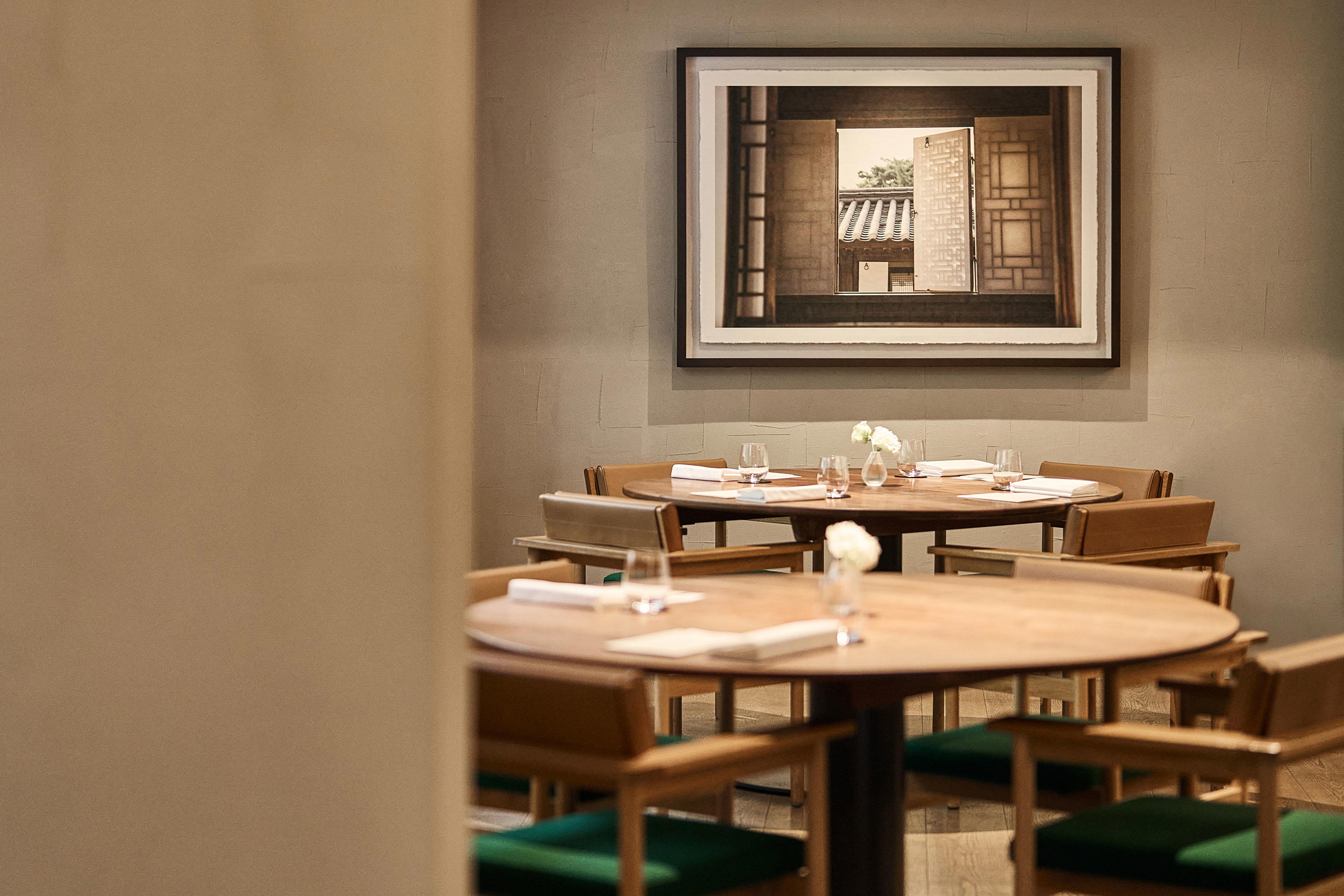
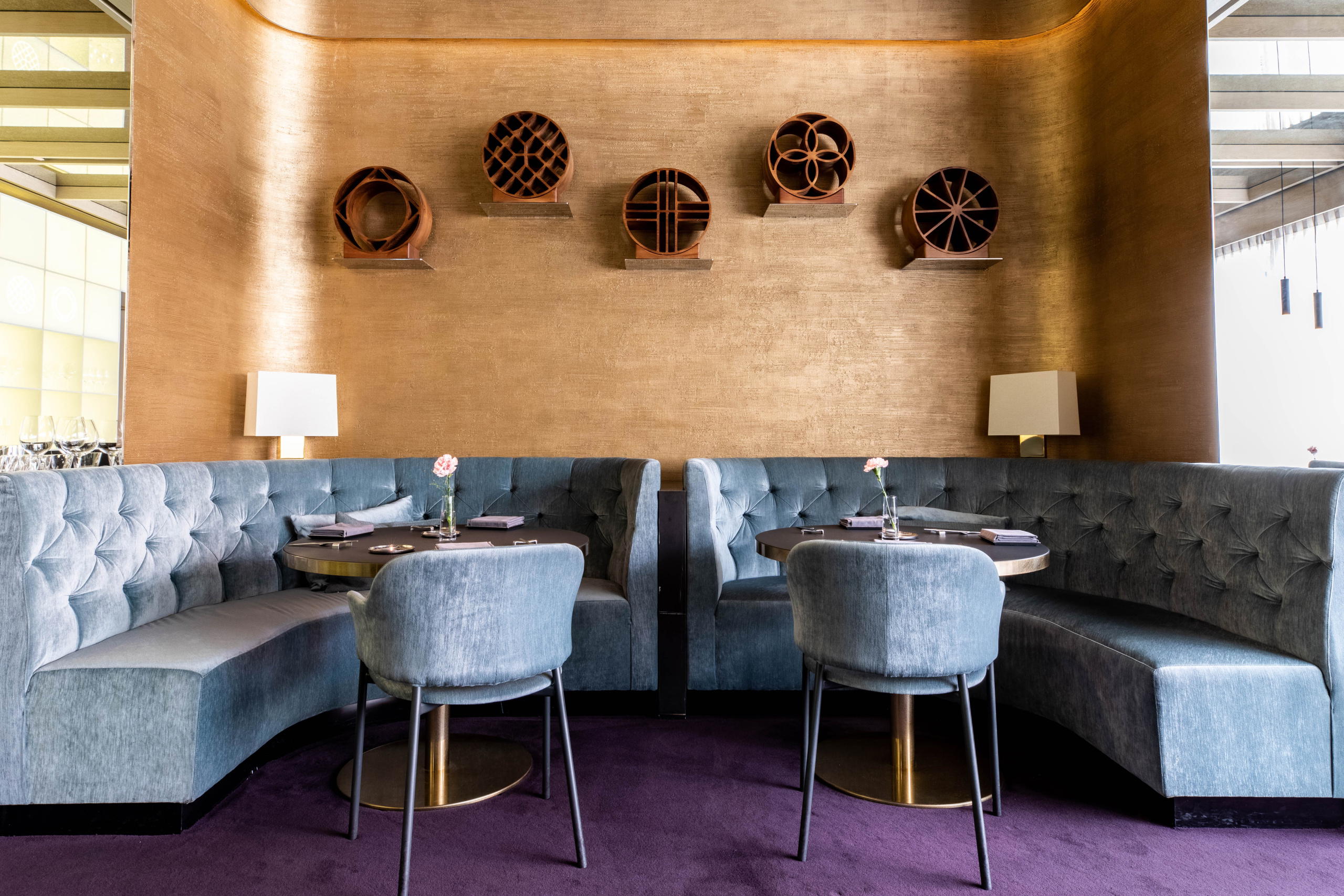
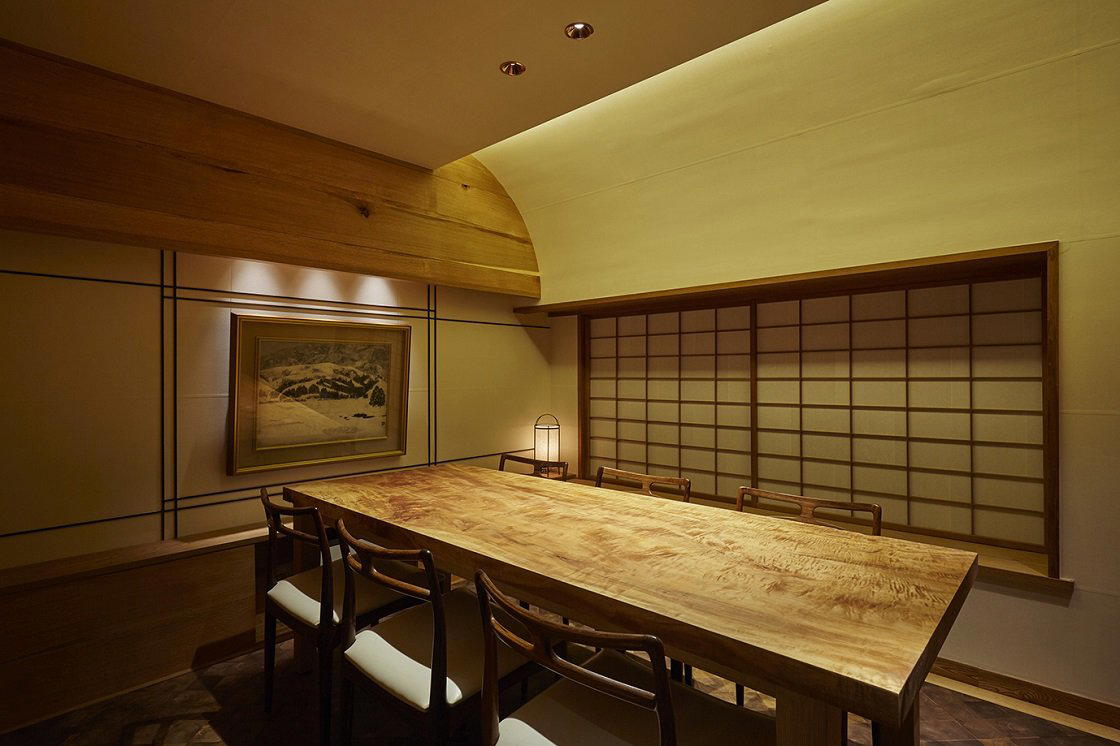
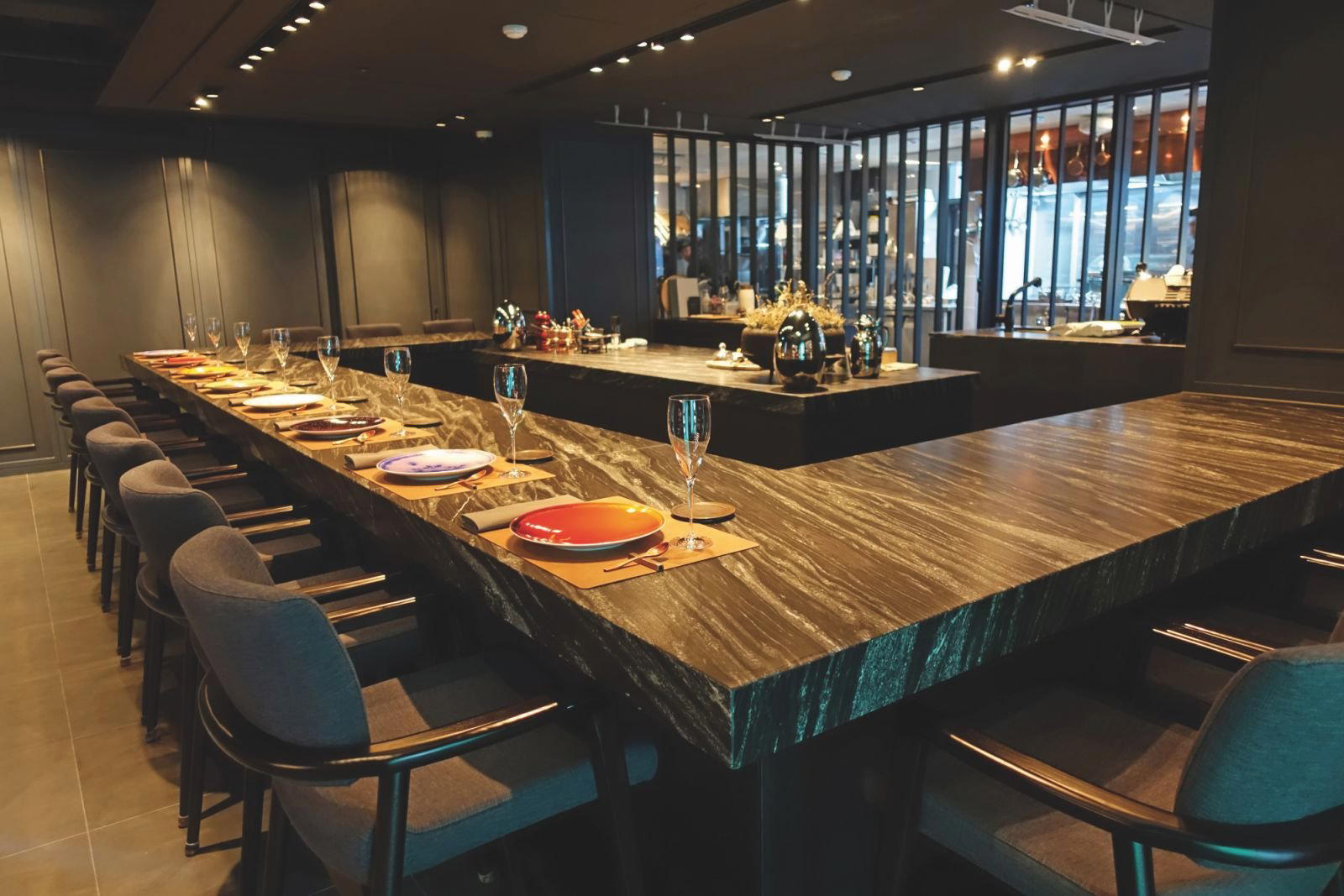
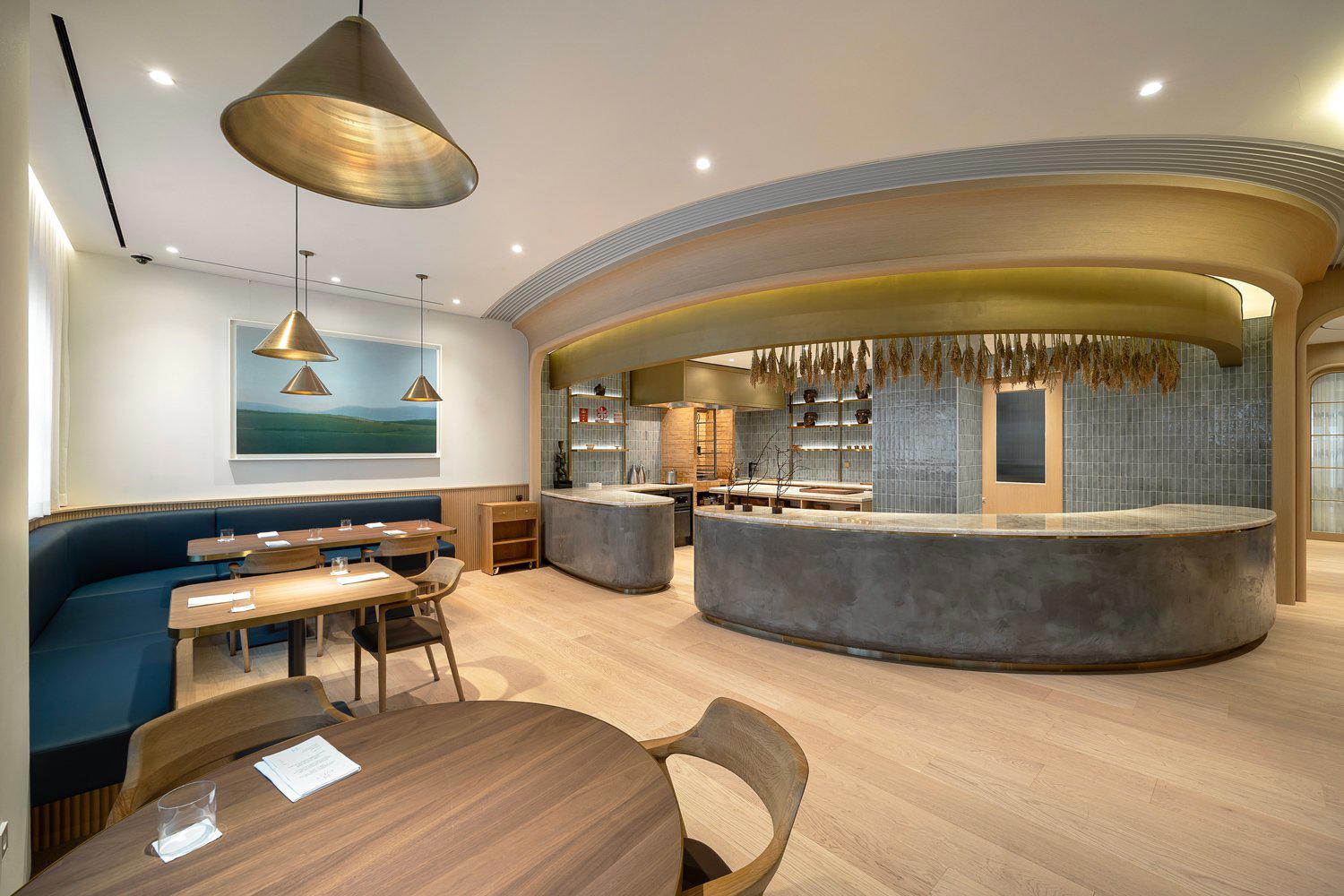
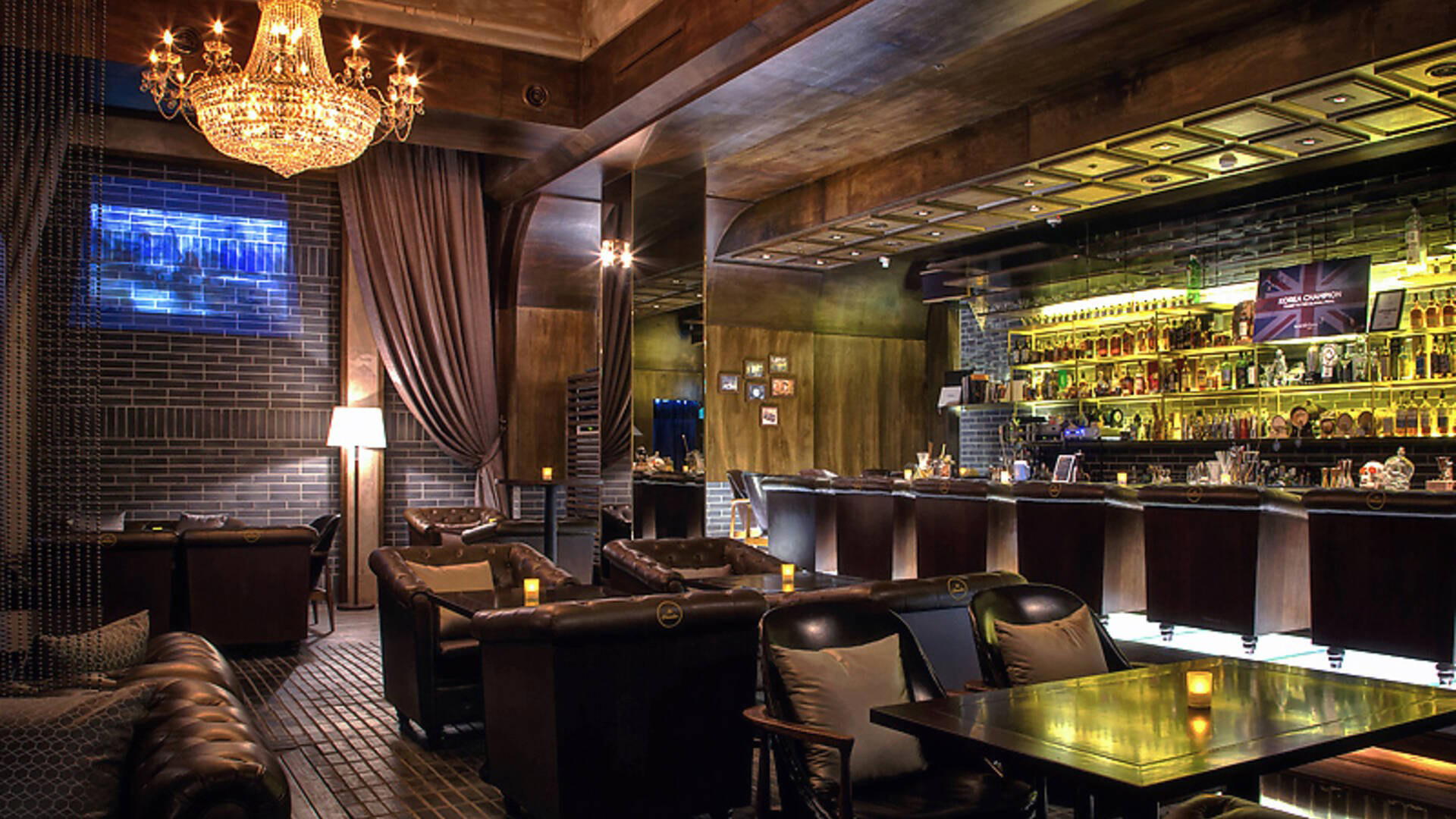
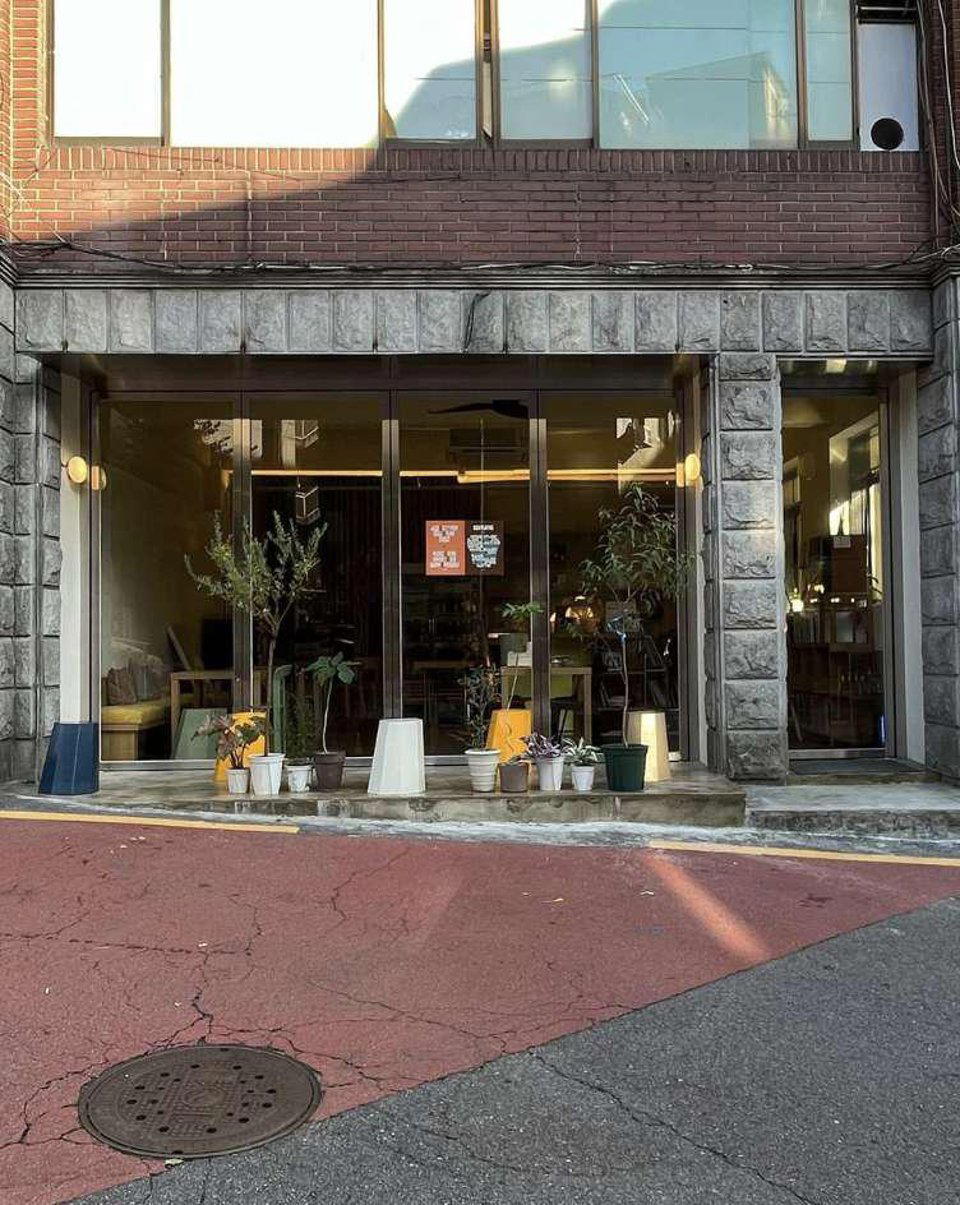
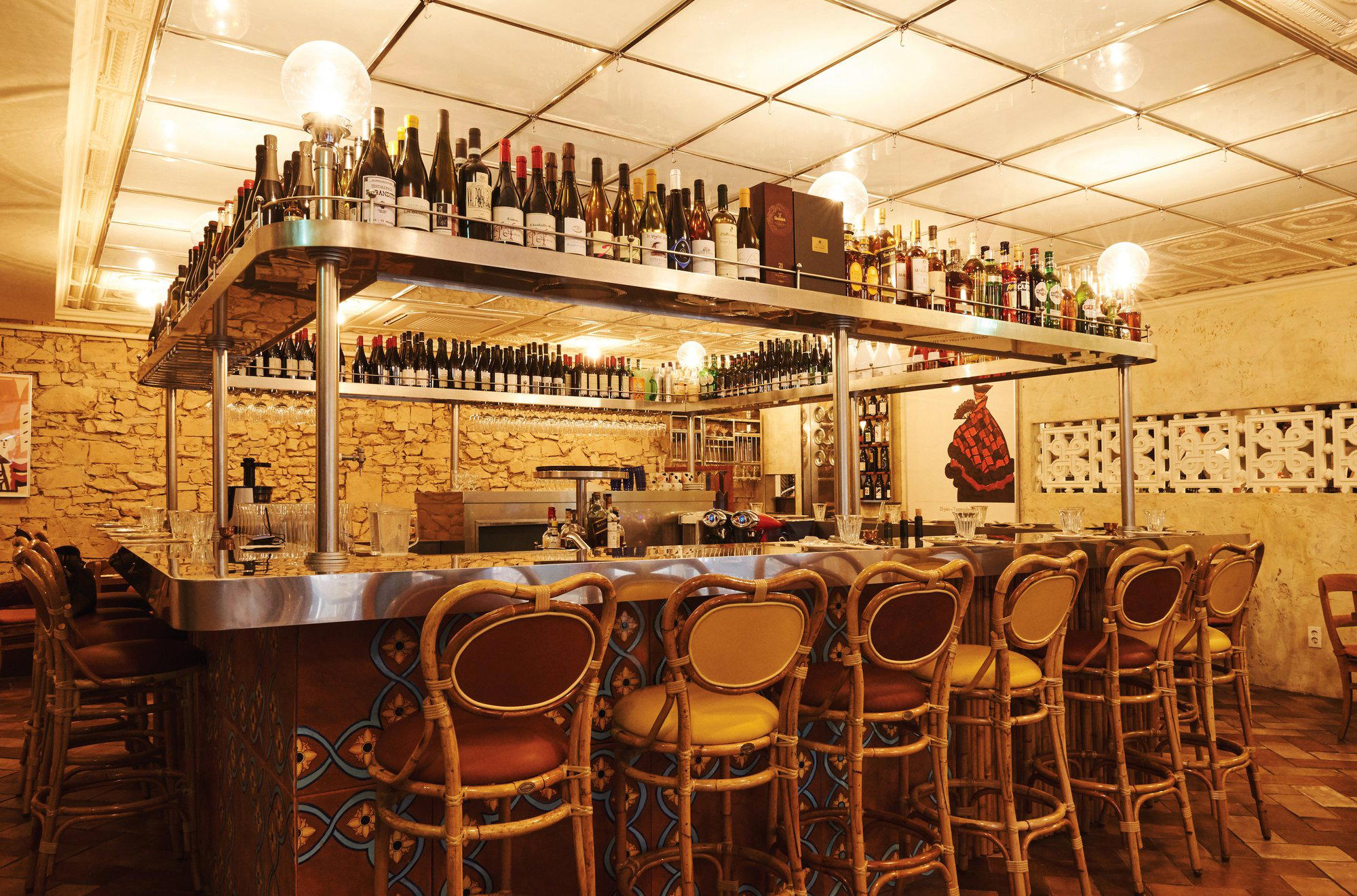
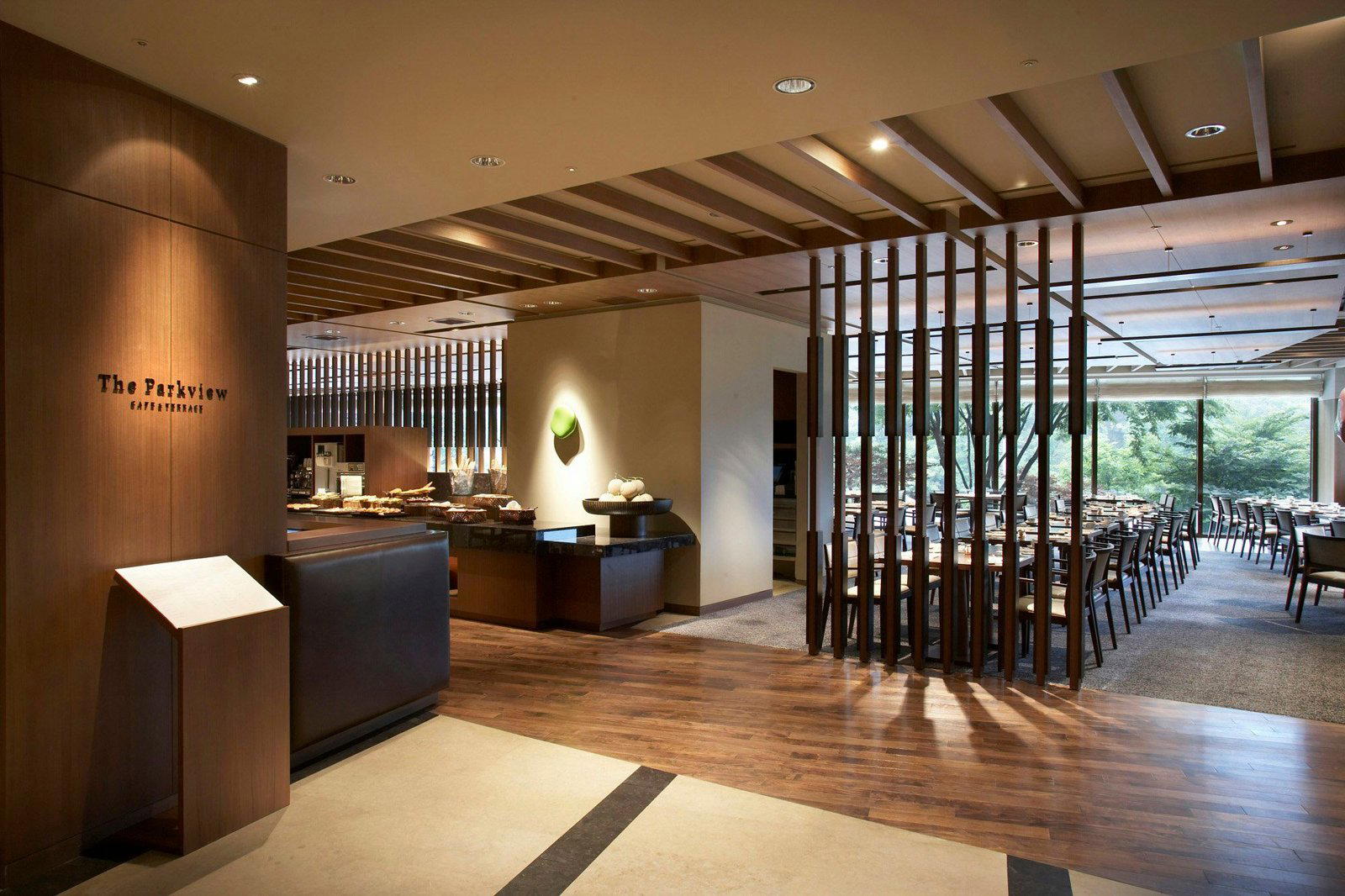
Neat, clean atmosphere with Japanese-inspired decoration and a cozy, serene setting.