Neungdong Minari

Neungdong Minari has held the Michelin Bib Gourmand in both 2024 and 2025, placing it among Seoul's most consistently recognized gomtang specialists. Located in Yongsan District, the restaurant serves the slow-boiled beef bone soup that anchors Korean everyday dining at a single-price-tier accessible enough to draw regulars and critics alike.
Pearl is the En Primeur Club membership app — saves, bookings, and concierge access live there. Same editors, same standards.
- Address
- 28 Hangang-daero 40-gil, Yongsan District, Seoul, South Korea
- Phone
- +82 2-790-1026
- Website
- instagram.com
- Directions
- Get directions
 Saves & bookings on Pearl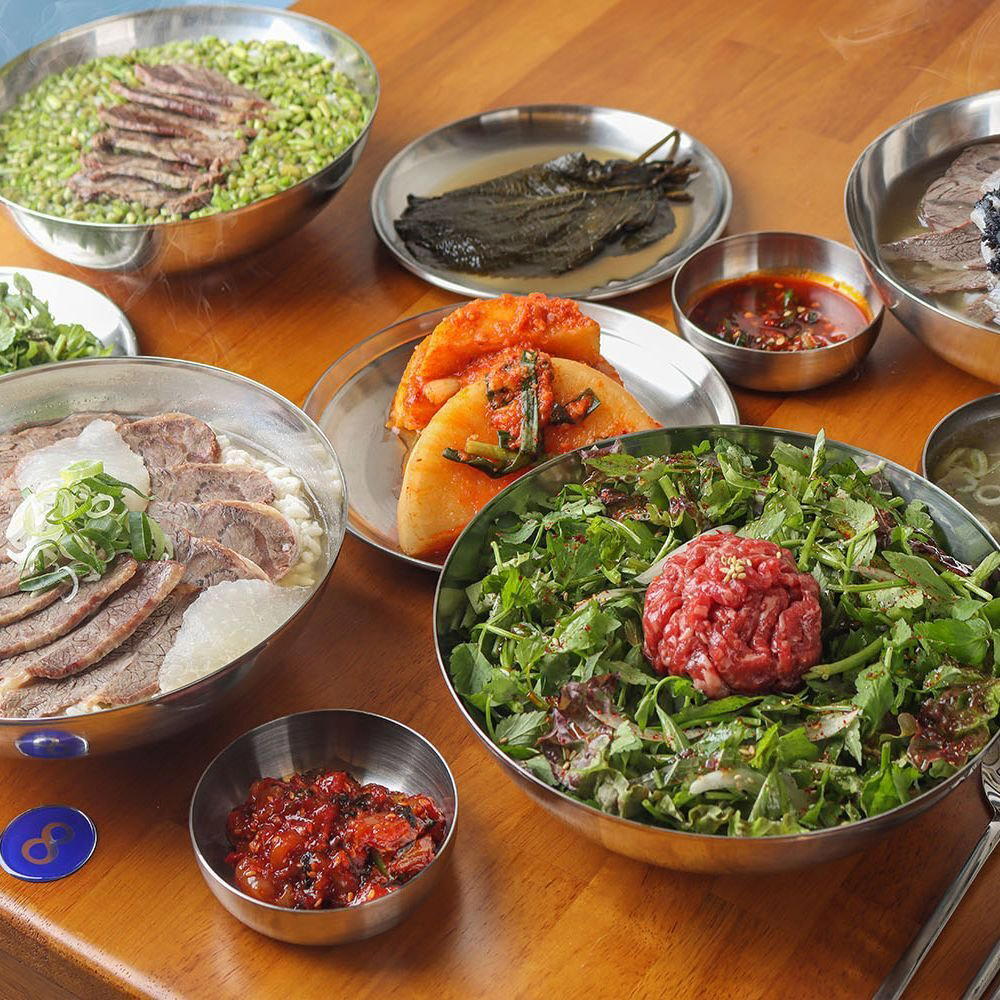
The Bowl Seoul Returns To
In Seoul's Yongsan District, along a side street off Hangang-daero, the approach to Neungdong Minari follows a pattern that gomtang veterans across the city will recognize: a modest facade, a queue that forms before the doors open, and the particular smell of bones that have been at a low simmer since before dawn. The physical environment signals nothing of ceremony. That absence of ceremony is precisely the point. Gomtang, the long-cooked beef bone and brisket soup that functions as Seoul's default restorative meal, has always operated in spaces stripped of pretension, where the quality argument is made entirely in the bowl.
Neungdong Minari has held the Michelin Bib Gourmand for two consecutive years (2024 and 2025), a distinction the Bib category reserves for places offering notable quality at a moderate price. That recognition places it inside a small peer group of Seoul soup specialists earning formal critical attention without moving into the fine-dining price tier. Among gomtang houses with comparable recognition, the competitive set includes Hadongkwan, one of the city's oldest operating gomtang addresses, and Hapjeongok, which draws a lunchtime crowd from the surrounding office corridors.
What Gomtang Actually Is
Understanding why any gomtang house earns critical notice requires understanding what the category demands technically. Gomtang is not a forgiving dish. The broth is produced by boiling beef bones, sometimes with brisket or offal cuts, for an extended period, typically six to twelve hours, depending on the house, until the collagen breaks down and the liquid reaches an opaque, ivory tone. There is no stock reduction shortcut that produces the same result. No aromatics mask a poorly managed boil. The soup either has depth from the process or it does not.
The ingredient logic connects to a wider editorial point about Korean culinary tradition: precision comes from time and sourcing, not from complexity of technique. Where contemporary Korean fine dining at places like Gaon or Kwon Sook Soo layers Korean ingredients with modernist presentation, the gomtang counter operates at the other end of that tradition: the same indigenous ingredients, the same long time commitment, but plated with absolute functionalism. Both approaches are legitimate responses to the same underlying ingredient culture. The gomtang house simply refuses to dress it up.
The crossover that makes Neungdong Minari editorially interesting within the EA-GN-15 frame, local ingredients meeting technique discipline, is not about imported methods in any literal sense. It is about the rigorous application of a traditional technique to a supply chain question: which bones, sourced how, processed at what temperature, held for how long. These are the variables that separate a Bib Gourmand-level bowl from a street-corner version, and they require the same discipline as any kitchen running French-influenced reduction sauces. The standards are simply expressed differently. For Korean contemporary kitchens exploring that intersection explicitly, Mingles and, in its more experimental iteration, Gomtang Lab represent what happens when the base tradition is pushed toward menu experimentation.
Yongsan and the Soup Quarter Logic
Yongsan District sits between Itaewon and the Han River, a zone that has absorbed several cycles of redevelopment without losing the residential density that sustains everyday dining. The gomtang category has historically concentrated in older commercial corridors, Euljiro, Jongno, and pockets of Mapo, where multi-generational lunch spots hold leases through low margins and high volume. Yongsan's version of that pattern is slightly younger but follows the same logic: workers, residents, and the occasional food-press visitor sharing the same tables without distinction of purpose.
The Bib Gourmand designation has a measurable effect on foot traffic to neighborhoods like this. It introduces a category of visitor, the intentional diner rather than the opportunistic one, without necessarily shifting the pricing or the format. That tension is worth watching in Seoul's casual dining sector, where foreign food media attention has demonstrably altered reservation culture at several mid-tier Korean restaurants over the past five years. Gomtang counters are more resistant to that shift than most, because the format does not accommodate the slow-dining behavior that usually follows media attention. The bowl is consumed. The table turns. Kyewol Gomtang operates under comparable conditions in a different district and illustrates the same dynamic.
Where Neungdong Minari Sits in the Price Tier
The single-symbol price rating (₩) confirms what the Bib Gourmand implies: this is accessible dining by any Seoul metric. Gomtang at this tier typically runs between ₩10,000 and ₩15,000 per bowl, with optional add-ons for extra meat or rice.
| Venue | Cuisine | Price Tier | Recognition |
|---|---|---|---|
| The restaurant | Gomtang | ₩ | Michelin Bib Gourmand 2024, 2025 |
| Hadongkwan | Gomtang | ₩ | Historic address, long critical record |
| Hapjeongok | Gomtang | ₩ | High-volume lunch specialist |
| Mingles | Korean Contemporary | ₩₩₩₩ | Michelin-starred, multi-year |
| Gaon | Korean Fine Dining | ₩₩₩₩ | Three Michelin Stars |
For travelers structuring a Seoul food itinerary around both ends of the Korean dining tradition, the logic of combining a gomtang morning with an evening at a contemporary Korean counter is well established among food journalists covering the city. The price differential makes it arithmetically easy.
Planning Your Visit
Arriving early in the morning or at the tail end of the lunch window tends to reduce wait times at high-recognition soup counters across the city.
For Korean soup culture beyond Seoul, Hanwolgwan in Busan represents the regional gomtang tradition operating under different supply and climate conditions. Temple food at Baegyangsa Temple in Jangseong-gun sits at the opposite end of the Korean broth tradition, plant-based, contemplative, and equally technique-dependent. For comparison with how Korean culinary discipline translates internationally, Atomix in New York City and the seafood precision of Le Bernardin illustrate what happens when comparable ingredient obsession meets a different dining culture entirely.
Budget and Context
Comparable venues nearby, for context on price, style, and recognition.
| Venue | Cuisine | Price | Awards | Notes |
|---|---|---|---|---|
| Neungdong MinariThis venue — the venue you are viewing | 효창동, Korean Minari Gomtang | $$ | Bib Gourmand | Not listed |
| Seokyonanmyunbang | 소공동, Korean-Italian Fusion Nanmyeon | $$ | Bib Gourmand | Not listed |
| Jaha Son Mandu | 평창동, Handmade Korean Dumplings | $$ | Bib Gourmand | Not listed |
| Jungin Myeonok | 상수동, Pyongyang Naengmyeon | $$ | Bib Gourmand | Not listed |
| Ggupdang | Jamsil-dong, Modern Korean Pork BBQ | $$ | Bib Gourmand | Not listed |
| Manjok Ohyang Jokbal | Not listed | $$ | Bib Gourmand | Sajik-dong, Traditional Korean Jokbal (Braised Pig's Trotters) |
Recognition history
Dated appearances from independent guides and award organizations, with the underlying list record or original source where available.
Michelin Bib Gourmand
Michelin
Michelin Bib Gourmand
Michelin
Continue exploring
More in Seoul
Restaurants in Seoul
Browse all →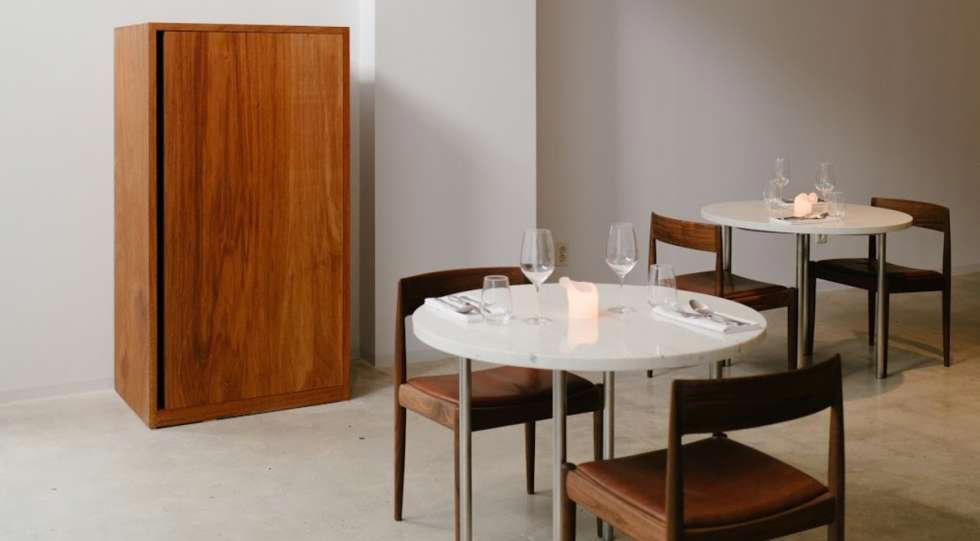
At a Glance
- Cozy
- Retro
- Classic
- Casual Hangout
- Family
- Open Kitchen
- Local Sourcing
Current opening hours
- Monday
- 10 AM–11 PM
- Tuesday
- 10 AM–11 PM
- Wednesday
- 10 AM–11 PM
- Thursday
- 10 AM–11 PM
- Friday
- 10 AM–11 PM
- Saturday
- 9:30 AM–11 PM
- Sunday
- 9:30 AM–11 PM
Hours can change for holidays and private events. Last verified .
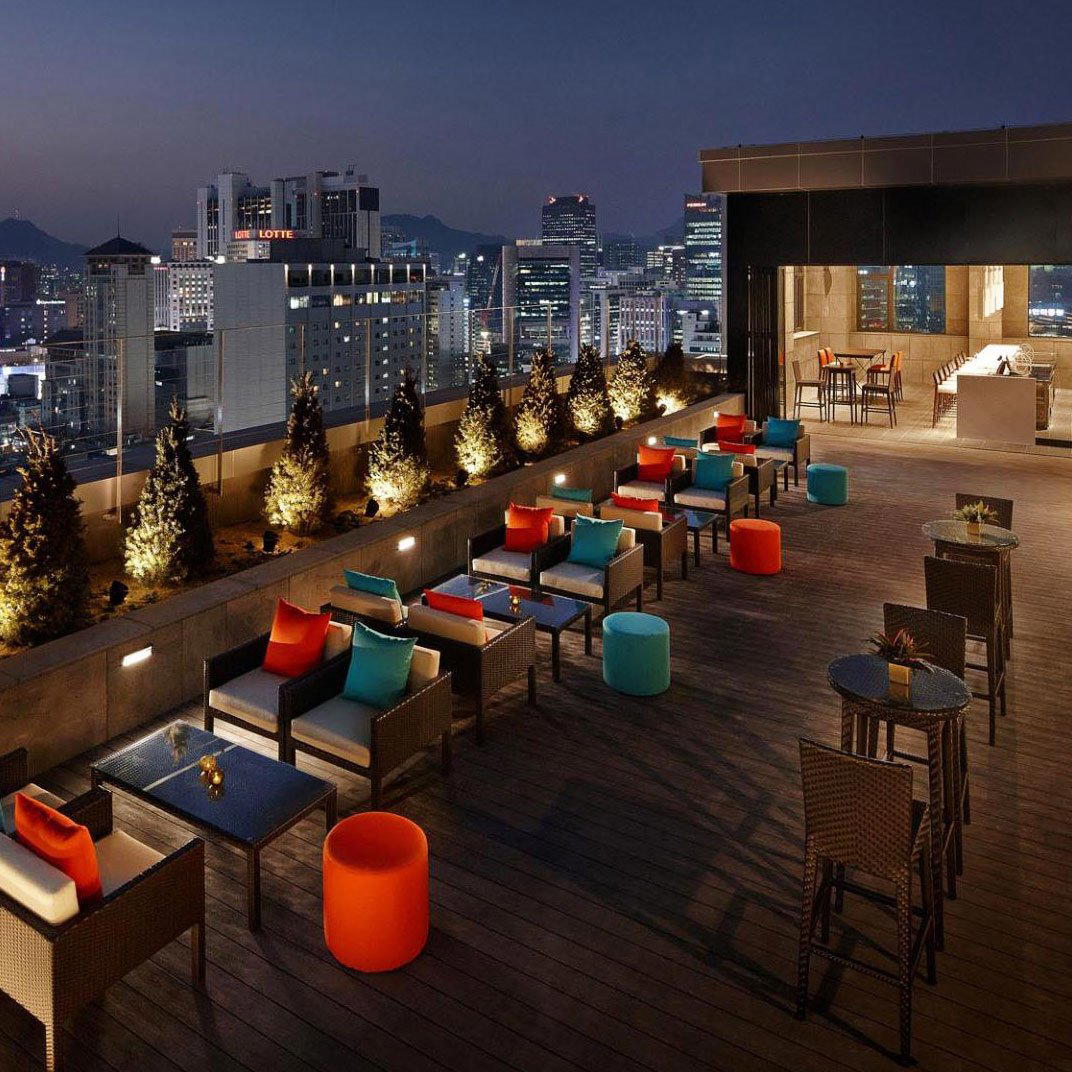
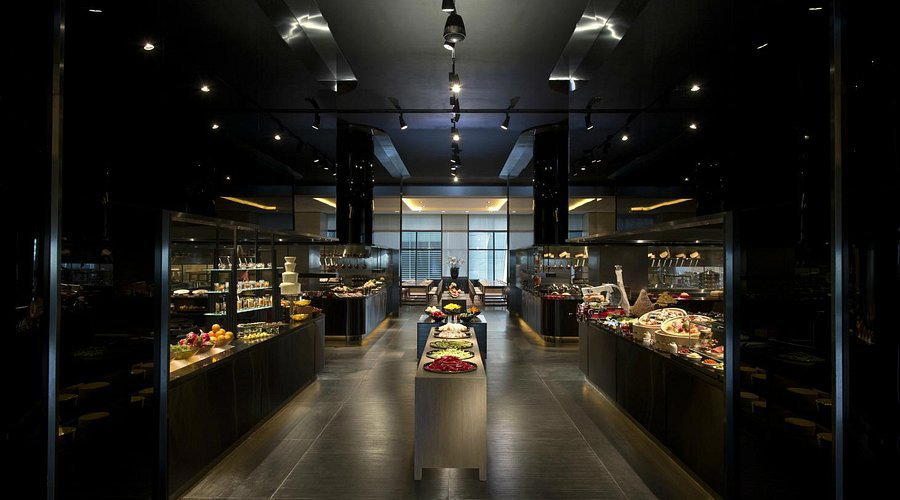
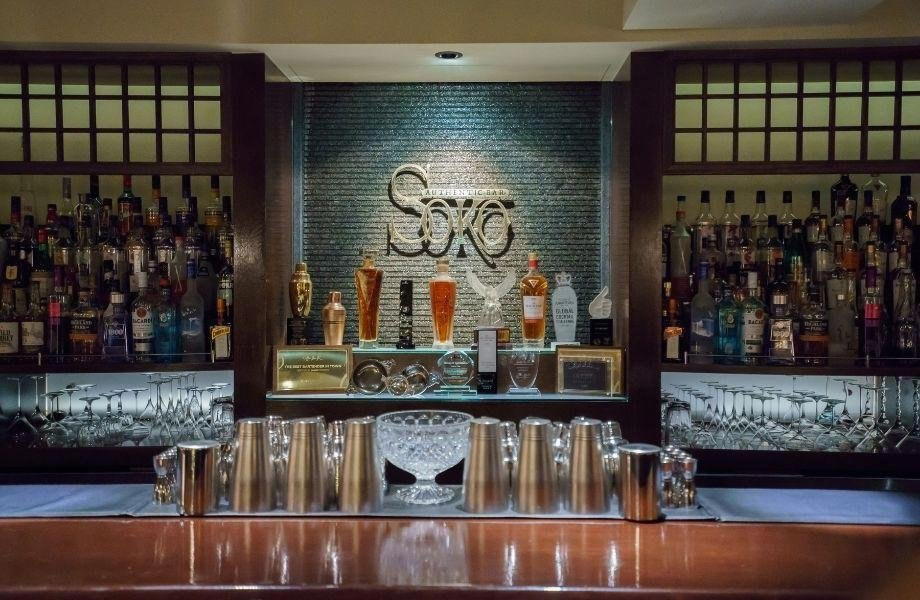
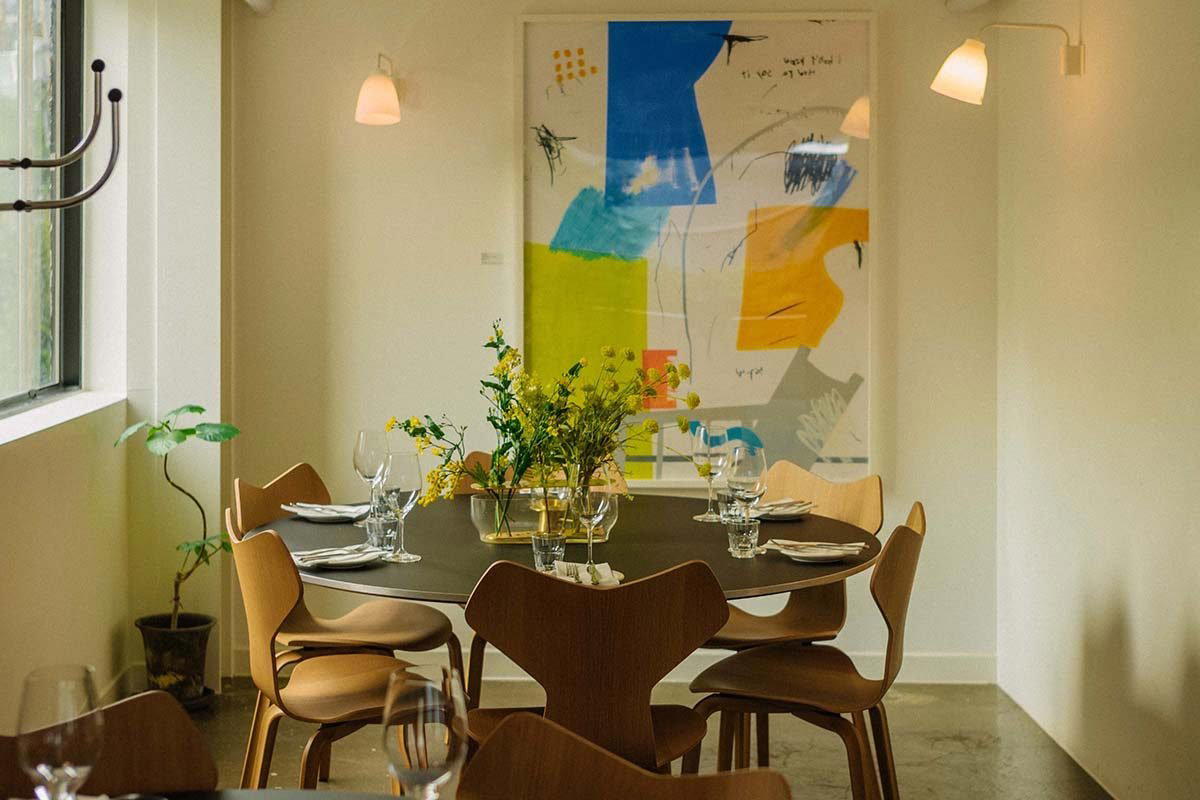
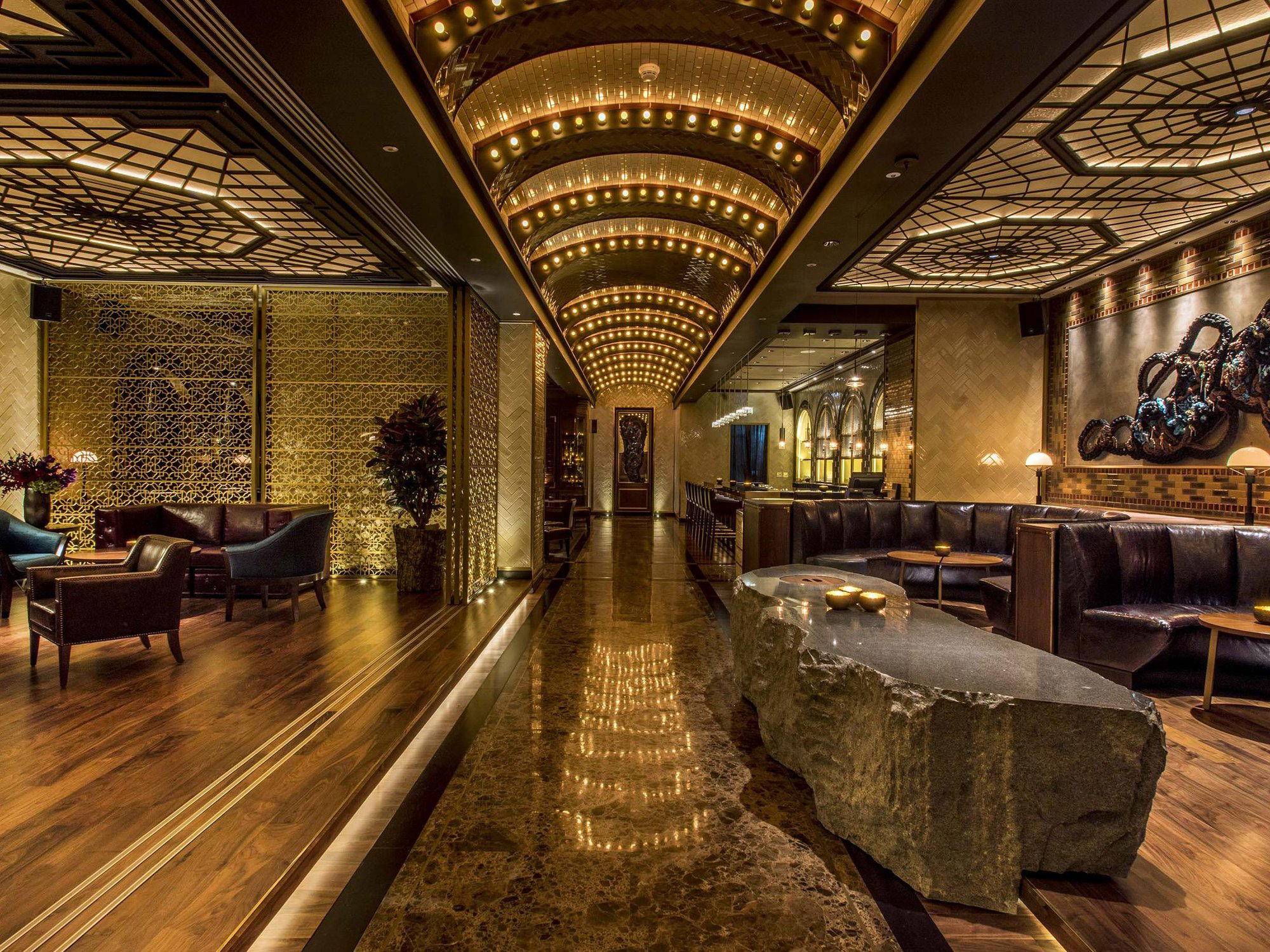
Cozy, retro-inspired interior evoking a traditional market or grandma's room with functional lighting, clean finishes, and relaxed, welcoming atmosphere.