Hanwolgwan

Hanwolgwan in Busan's Suyeong-gu district earned a Michelin Bib Gourmand in 2025 for its heifer hanwoo gomtang, served from a broth that diner reviews consistently rate 4.8 out of 5. The kitchen offers a choice between clear meat broth and rich bone broth, topped with brisket, chuck, and knee joint cuts. Side dishes arrive in hand-forged bronze bangjja yugi tableware, placing a centuries-old Korean table tradition at the centre of an affordable, ingredient-focused meal.
Pearl is the En Primeur Club membership app — saves, bookings, and concierge access live there. Same editors, same standards.
- Address
- South Korea, Busan, Suyeong-gu, Gwangan-ro 62beon-gil, 10 1층
- Phone
- +82 51-711-7025
- Website
- m.place.naver.com
- Directions
- Get directions
 Saves & bookings on Pearl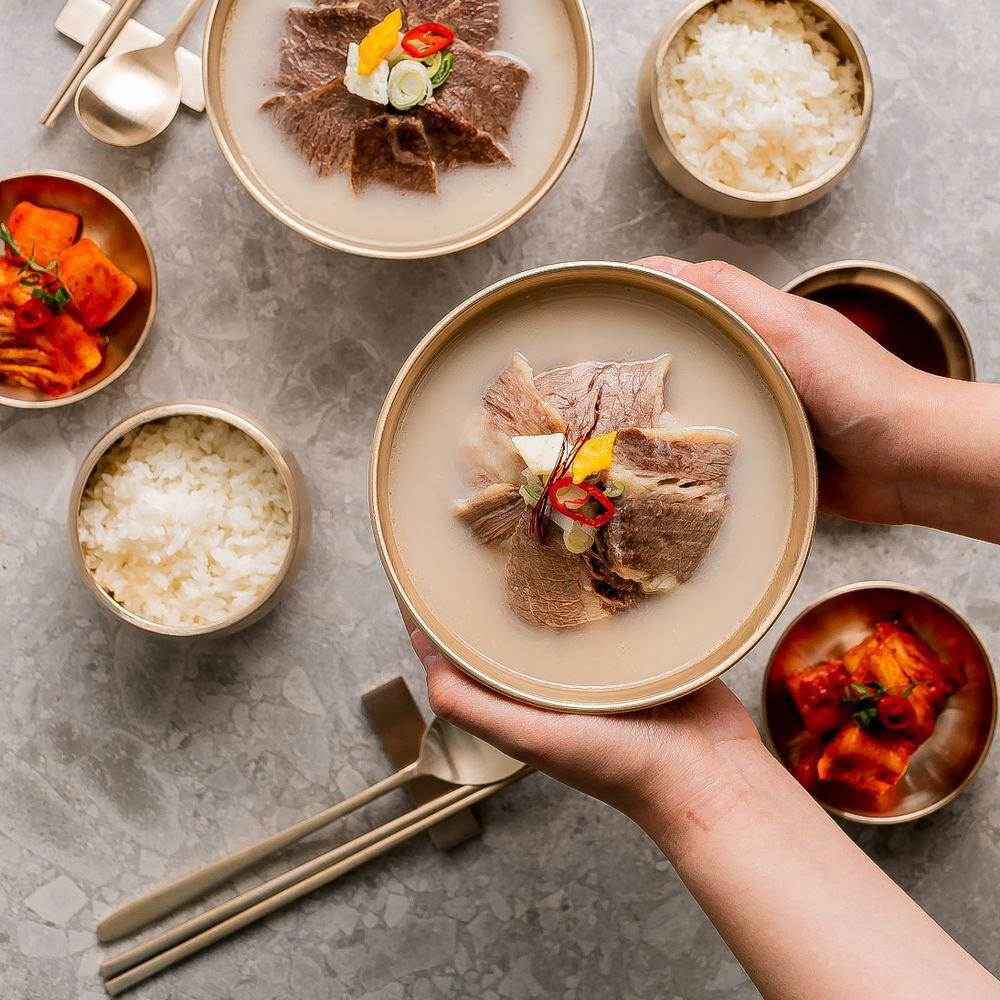
Gomtang in Busan: A Broth With Centuries Behind It
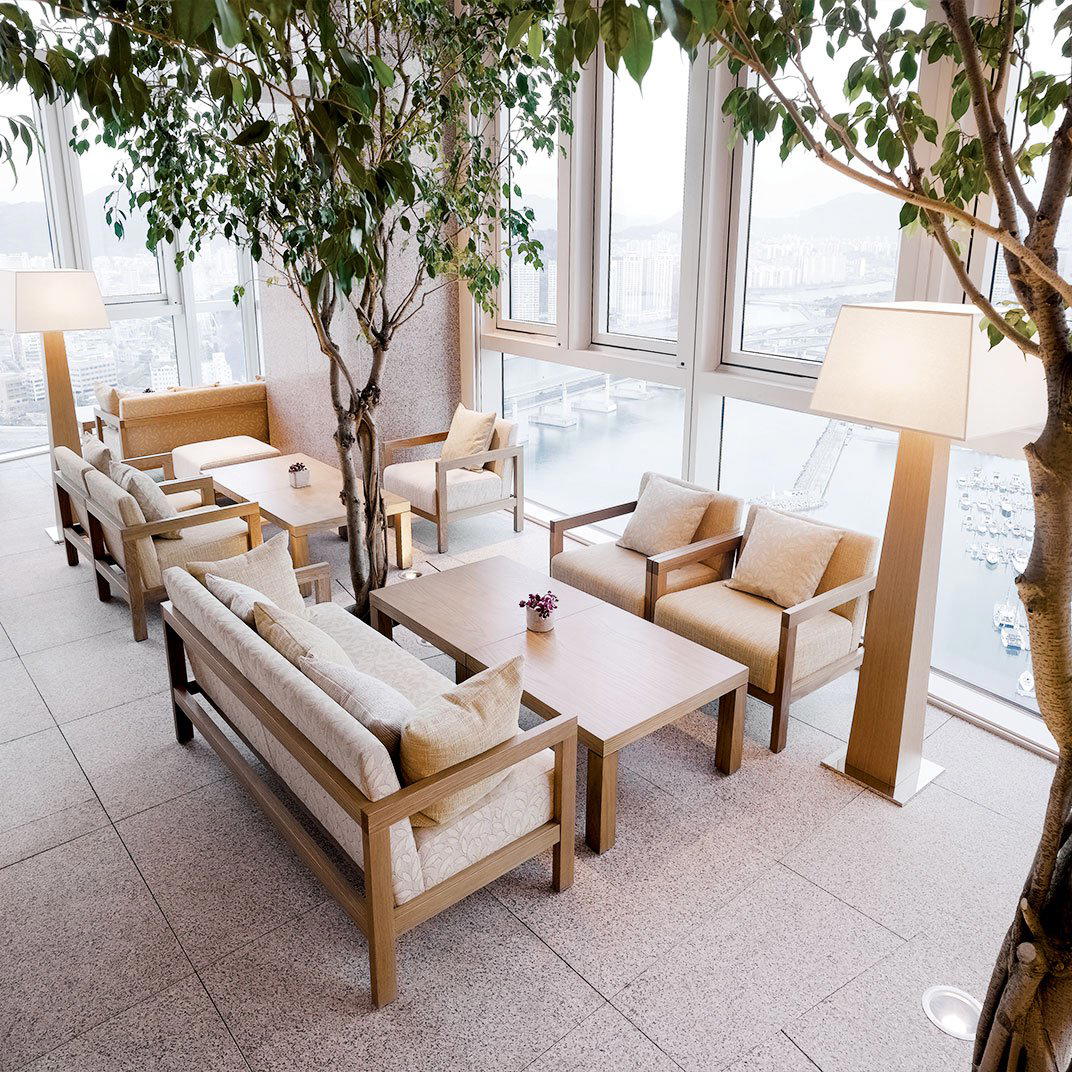
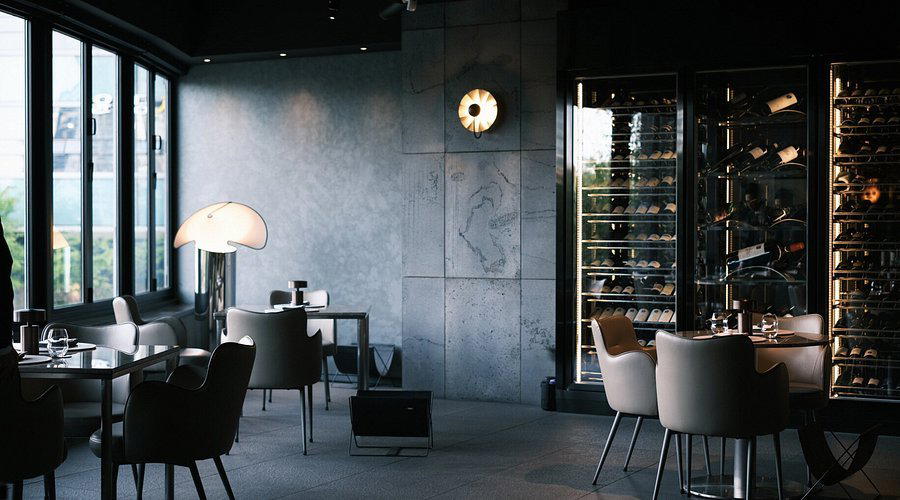
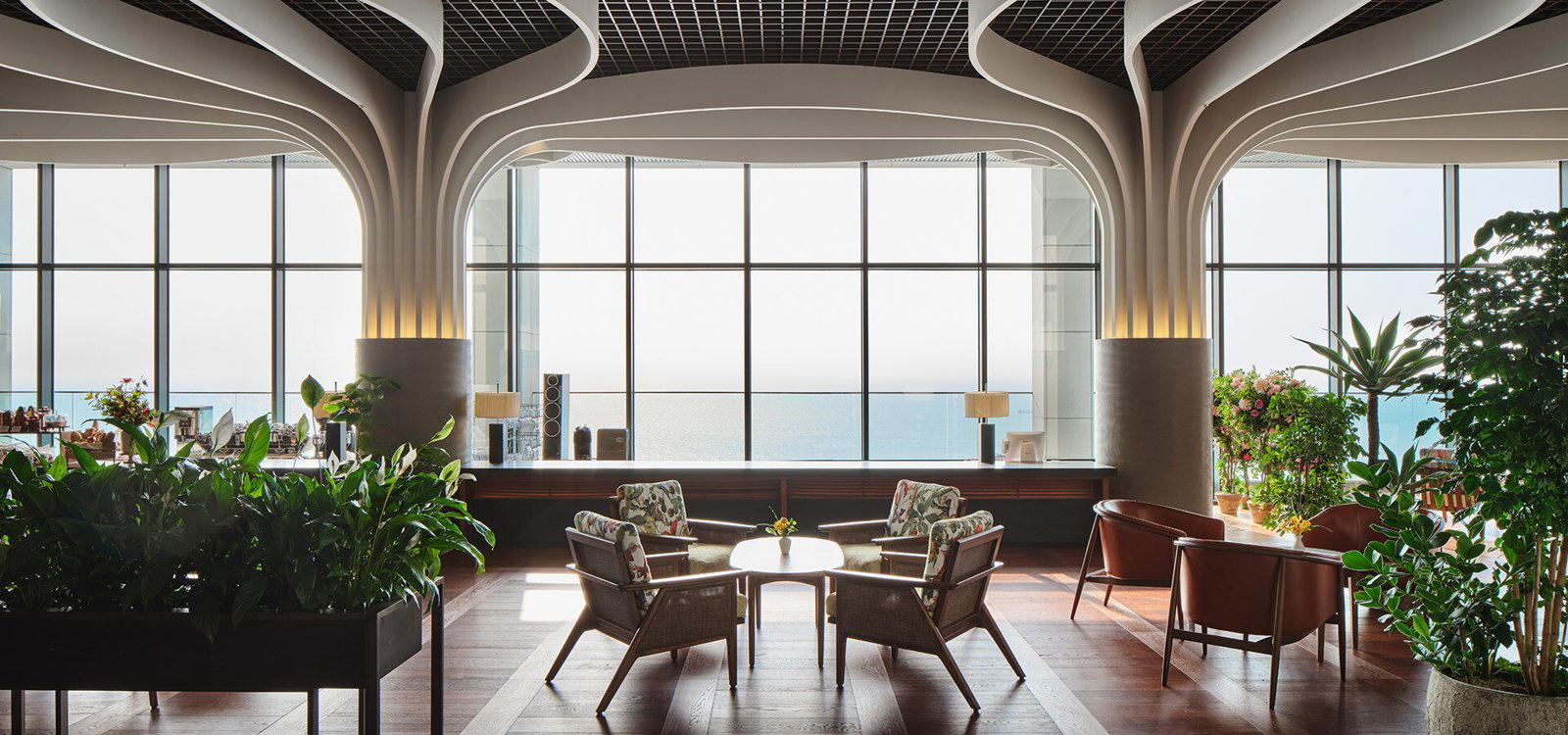
The dining room at Hanwolgwan, on Gwangan-ro in the Suyeong-gu district, carries the particular quiet of a room where the food is taken seriously and the setting makes no effort to distract from it. Bronze tableware catches the light. Steam rises from bowls that arrive with the unhurried confidence of a kitchen that has been doing this long enough to trust the process. This is gomtang country, and the atmosphere reflects that.
Gomtang sits at the older, more austere end of Korean broth cookery. Where Anmok in Busan represents the city's dwaeji-gukbap tradition, pork-based, punchy, deeply associated with the port and its working-class history, gomtang belongs to a quieter register. The broth is beef-derived, long-simmered, and historically associated with Joseon court provisioning and the careful use of whole cattle. The distinction matters because it shapes what you are sitting down to eat: not a meal defined by boldness, but one defined by depth.
Heifer Hanwoo and the Logic of Ingredient Selection
Hanwoo beef occupies a specific position in Korean food culture. As Korea's native cattle breed, it carries protected designation status and commands prices that reflect both scarcity and the cultural weight attached to it. Hanwolgwan's decision to source exclusively from heifers rather than the full hanwoo population is a narrower commitment still. Heifer beef is generally considered to carry a more delicate fat distribution and a cleaner aromatic profile than beef from older animals, which is precisely the quality that matters in a clear broth where there is nowhere for inferior ingredients to hide.
This approach places Hanwolgwan in a small cohort of gomtang specialists, found across Korea, with notable concentrations in Seoul, that use ingredient provenance as the central quality argument rather than technique novelty. The Seoul gomtang scene includes long-running institutions such as Hadongkwan and Hapjeongok, both of which have operated for decades on similar principles. More recently, Gomtang Lab in Seoul has approached the category from a more contemporary angle.
Two Broths, Several Cuts, One Bowl
The kitchen gives diners a structural choice that functions as a small education in what gomtang can be. The clear meat broth version is built around the beef's inherent flavour, strained clean and served without the opacity that long bone extraction produces. The rich bone broth version draws deeper collagen and mineral character from extended cooking, producing a milkier, more viscous texture that coats differently. Neither version is the correct one; the choice depends entirely on what you are in the mood for and which quality of hanwoo flavour you want to foreground.
Both options are served with a selection of cuts, brisket, chuck, and knee joint, which gives a single bowl the range of textures and fat levels that would otherwise require ordering multiple dishes. Brisket brings layered fat and grain; chuck offers a leaner, firmer bite; knee joint provides the gelatinous richness that signals slow cooking done without shortcuts. The effect is a bowl that covers the full register of hanwoo eating without requiring a large table or a large bill.
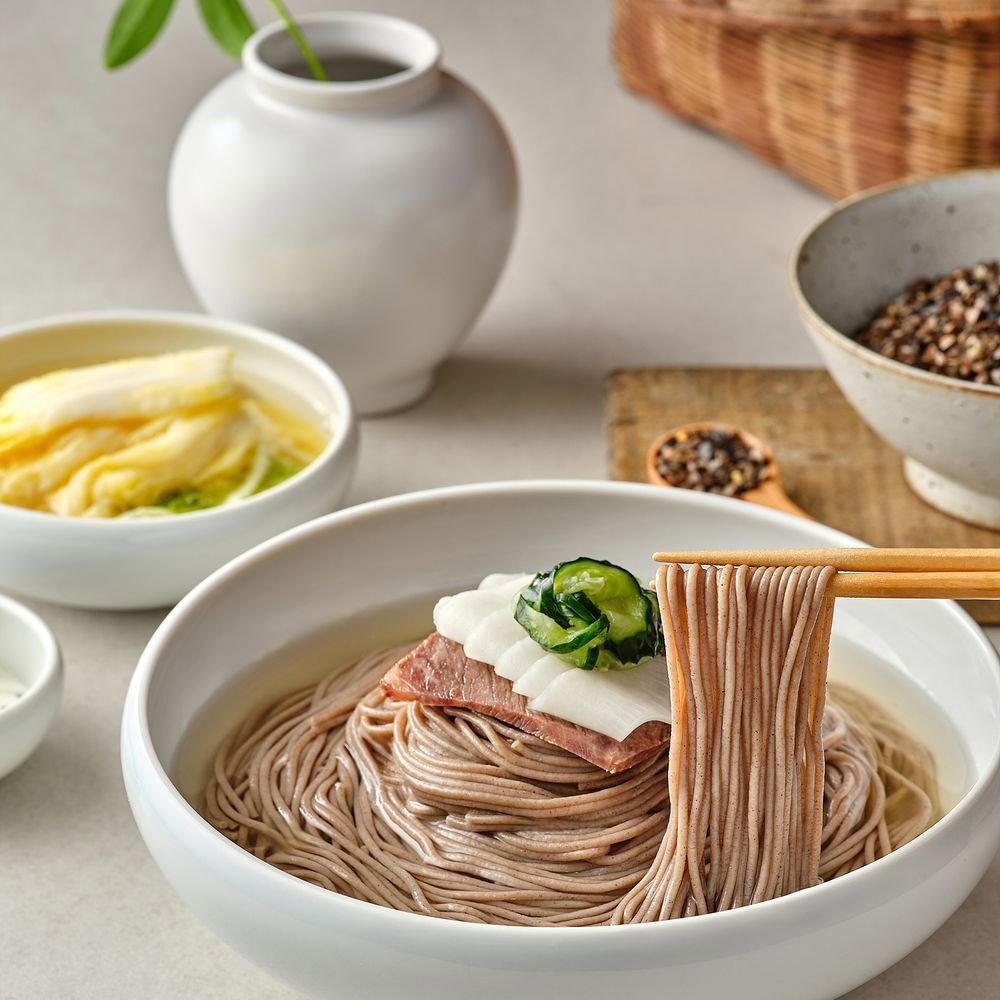
Side dishes arrive in bangjja yugi, hand-forged bronze tableware that has been part of Korean table culture since at least the Goryeo period. Bronze has natural antimicrobial properties that led to its adoption in Korean court settings, and its continued use in specialist restaurants functions partly as a quality signal and partly as a statement about cultural continuity. The kimchi served alongside is described in Michelin's own citation as elegantly plated, a detail that carries weight given the Bib Gourmand's specific attention to value and quality balance.
Where Hanwolgwan Sits in Busan's Dining Tier
Busan's recognised restaurant scene spans a wide price range. At the upper end, Mori operates a Japanese counter at ₩₩₩ pricing with a Michelin star, while Palate delivers contemporary Korean cooking at ₩₩ with similar recognition. Born and Bred holds the premium steakhouse position at ₩₩₩₩. Hanwolgwan operates at ₩₩₩, alongside Anmok and 100.1. Pyeongnaeng. What connects these lower-priced Michelin-recognised venues is a shared logic: the cooking is specialised, ingredient-focused, and deeply rooted in a specific Korean food tradition rather than adapted for broad or international appeal.
Hanwoogwan's Bib Gourmand sits in the same framework as the Bib awarded to traditional specialists across the Korean peninsula. Institutions like Baegyangsa Temple in Jangseong-gun earn Michelin recognition through a similar logic of tradition, restraint, and ingredient integrity. At the fine dining end of Korean cuisine, Gaon in Seoul, Mingles, and Kwon Sook Soo in Gangnam-gu each build on Korean culinary heritage from a different starting point.
Planning Your Visit
Hanwolgwan is in Suyeong-gu at 10, Gwangan-ro 62beon-gil, a district that sits between the Gwangalli beach area and the Suyeong river, accessible by metro on the Busan Metro Line 2 (Gwangan station) or by taxi from the Haeundae or Centum City areas in under fifteen minutes depending on traffic. The ₩ price point means gomtang is accessible to any travel budget, though it is worth arriving with some patience during peak lunch hours when queue times at popular broth houses in Korean cities can extend the visit meaningfully. Booking is recommended, and current hours are Monday to Friday from 9 AM to 9 PM, Saturday from 9 AM to 10 PM, and Sunday from 9 AM to 9 PM. The dress code is smart casual, and the room is suited to solo dining or small groups.
Cuisine and Recognition
Comparable venues nearby, for context on price, style, and recognition.
| Venue | Cuisine | Price | Awards | Notes |
|---|---|---|---|---|
| HanwolgwanThis venue — the venue you are viewing | Premium Korean Beef Bone Soup (Gomtang) | $$$ | Bib Gourmand | Not listed |
| Damiok | Pyeongyang Naengmyeon | $$ | Bib Gourmand | Gaegeum 1(il)-dong |
| Anmok | Modern Korean Dwaeji-Gukbap | $ | Bib Gourmand | Namcheon 1(il)-dong |
| Hapcheon Gukbapjip | Busan Dwaeji Gukbap | $ | Bib Gourmand | Yongho 4(sa)-dong |
| 100.1. Pyeongnaeng | Pyongyang-style Naengmyeon | $ | Bib Gourmand | Namcheon 1(il)-dong |
| Shunsai Kubo | Japanese Unagi Hitsumabushi | $$ | Bib Gourmand | Hwamyeong2-dong |
Recognition history
Dated appearances from independent guides and award organizations, with the underlying list record or original source where available.
Michelin Bib Gourmand
Michelin
Michelin Bib Gourmand
Michelin
Continue exploring
More in Busan
Restaurants in Busan
Browse all →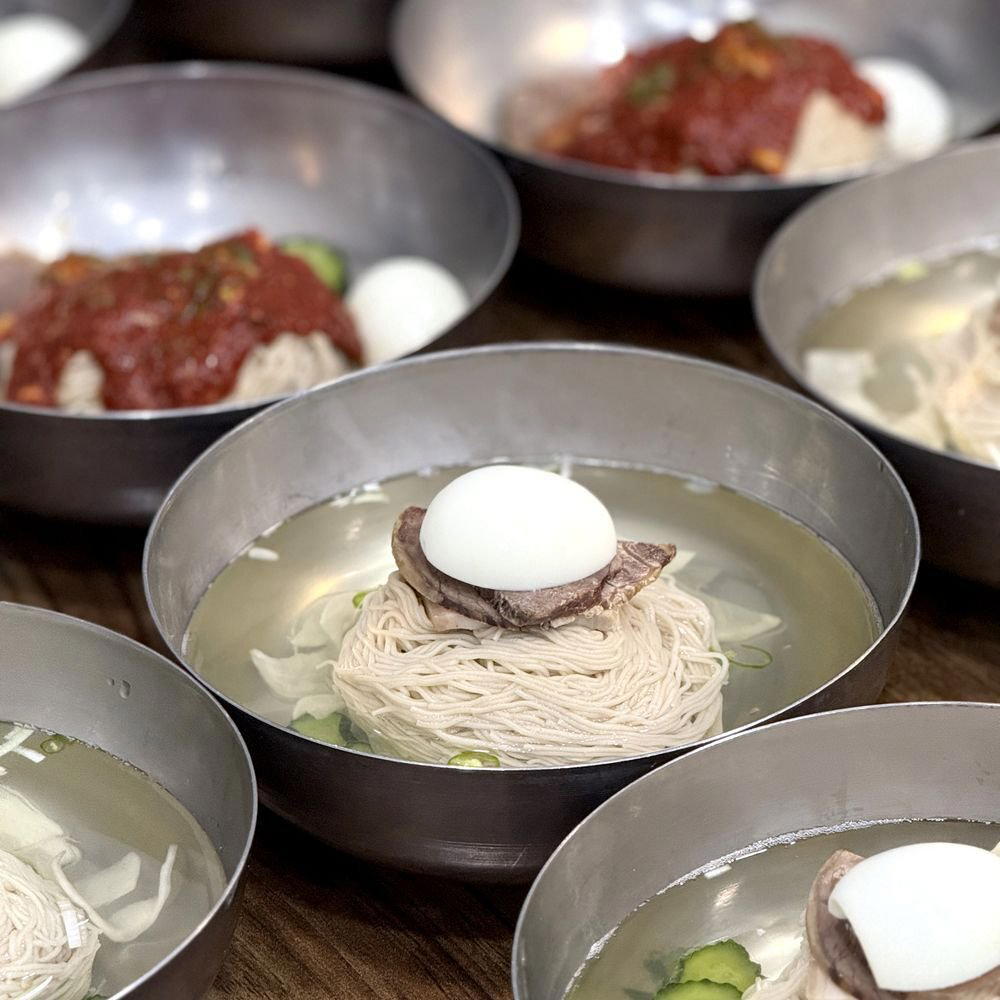
At a Glance
- Quiet
- Elegant
- Minimalist
- Intimate
- Solo
- Family
- Special Occasion
- Standalone
- Sake Program
- Local Sourcing
Current opening hours
- Monday
- 9 AM–9 PM
- Tuesday
- 9 AM–9 PM
- Wednesday
- 9 AM–9 PM
- Thursday
- 9 AM–9 PM
- Friday
- 9 AM–9 PM
- Saturday
- 9 AM–10 PM
- Sunday
- 9 AM–9 PM
Hours can change for holidays and private events. Last verified .
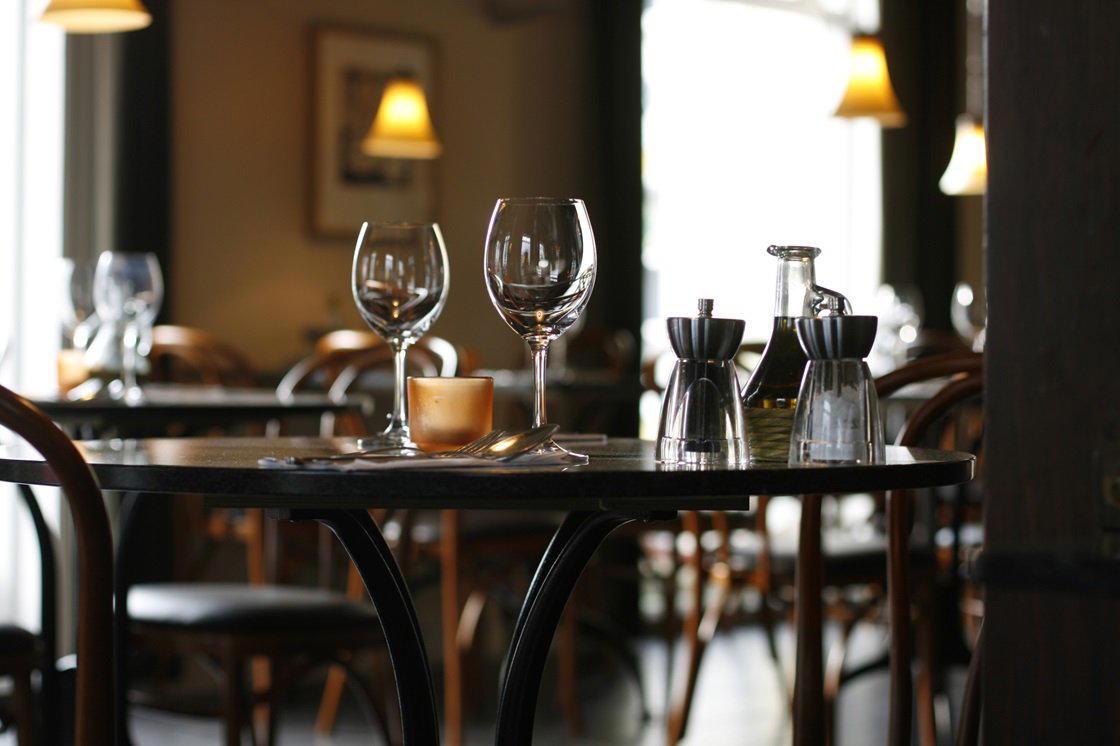
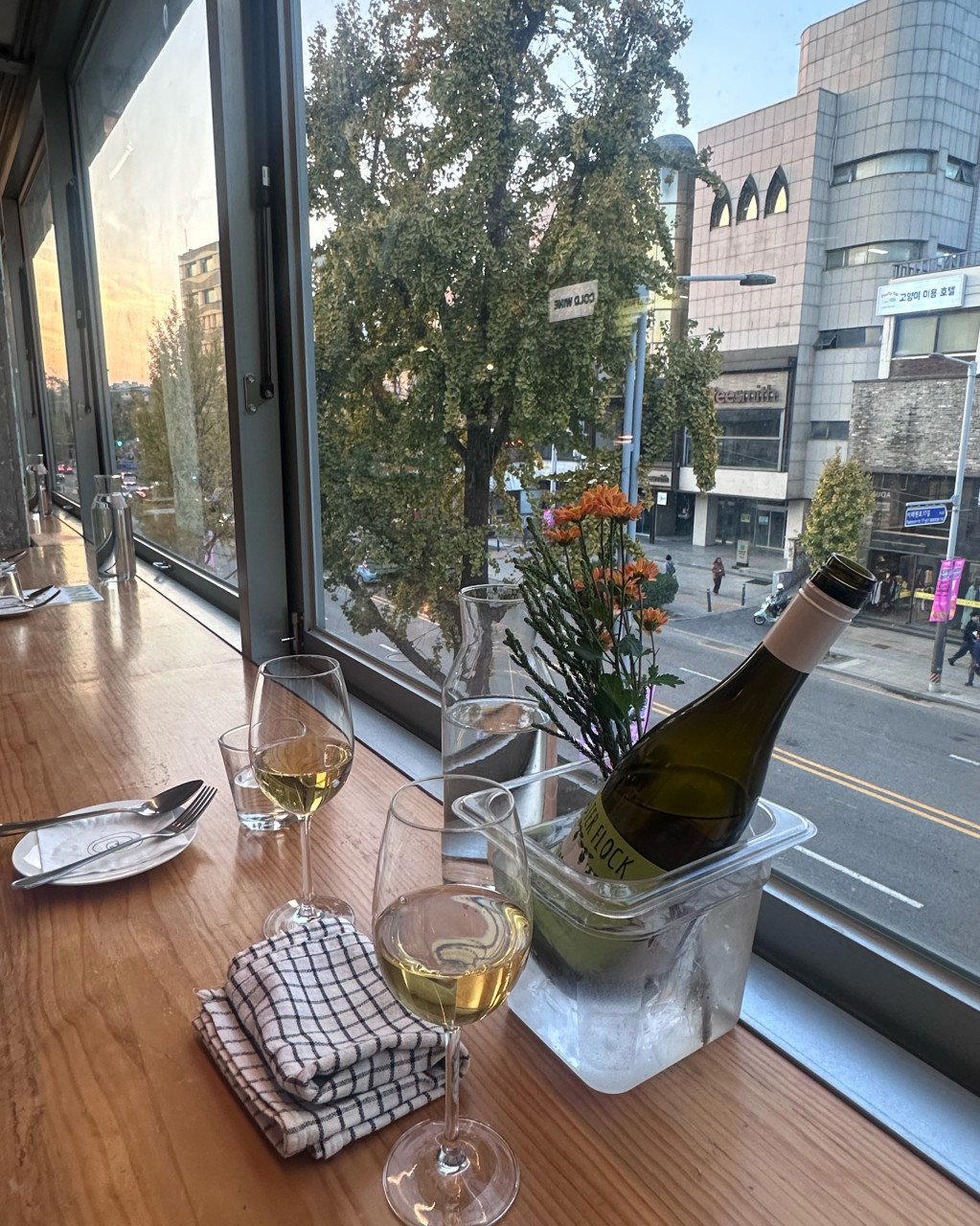
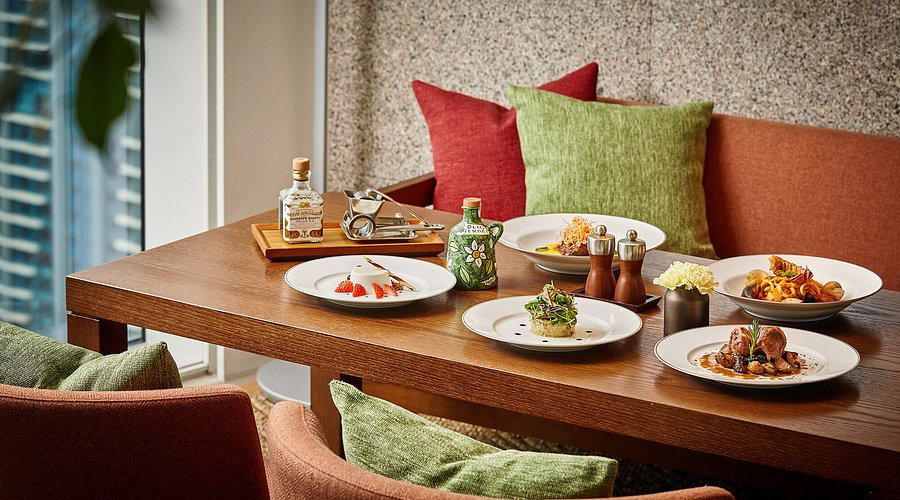
Hushed, contemporary minimalist space with warm wood, soft lighting, and bronze vessels creating a serene counterpoint to Busan's coastal energy.