Gebangsikdang

Michelin Bib Gourmand
Our verdict
Gebangsikdang holds back-to-back Michelin Bib Gourmand recognition (2024 and 2025) for its gejang, the Korean tradition of curing raw seafood in soy or chili paste. Priced at the entry tier of Seoul dining, it occupies a specific niche in Gangnam: specialist rather than omnivore, ingredient-driven rather than technique-showboating.

Pearl is the En Primeur Club membership app, where members save venues, book tables and use the concierge.
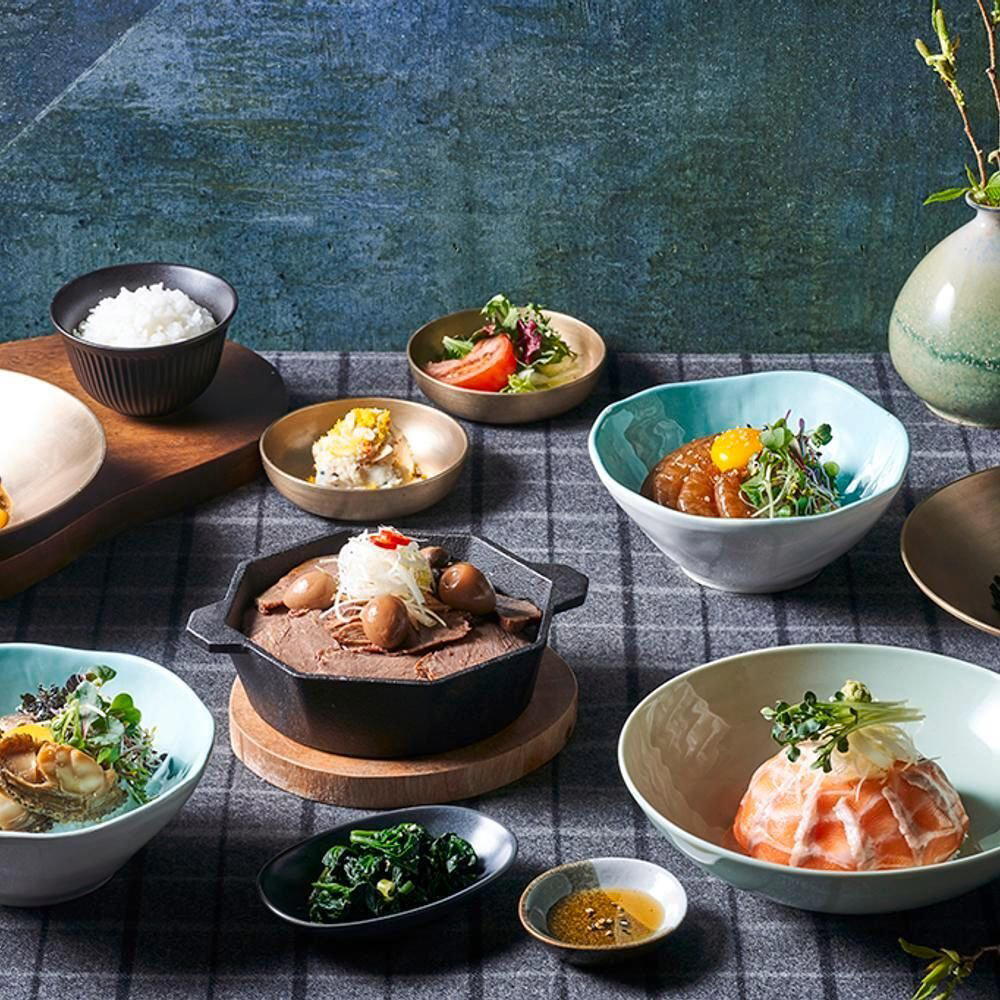
The menu
What to order
- Soy Sauce Marinated Crab
- Soy Sauce Marinated Crab Roe Bibimbap
- Soy Sauce Marinated Shrimp
The address puts you on a side street in Gangnam, a district more associated with contemporary Korean tasting menus priced at ₩₩₩₩ and Michelin star ambitions than with the kind of quietly disciplined specialty house that Gebangsikdang represents. That contrast is worth noting before you arrive. Seoul's Gangnam dining tier runs from approachable neighbourhood spots through to rooms like 권숙수 - Kwon Sook Soo and Gaon at the formal end. Gebangsikdang sits in a different register entirely: single-minded about gejang, priced at the ₩ tier, and carrying two consecutive Michelin Bib Gourmand awards rather than stars. The Bib Gourmand category exists for exactly this kind of place, good cooking at a price point that doesn't require a budget conversation before booking.
What Gejang Actually Is
Gejang is one of the older preservation techniques in Korean culinary tradition. Raw crab is cured either in soy sauce (ganjang gejang) or in a chili paste (yangnyeom gejang), then left to ferment for a period that transforms the texture of the meat and develops a briny, intensely savoury character that bears little resemblance to cooked crab. The technique predates refrigeration as a means of extending shelf life, but in contemporary Seoul it reads more as a devotional practice than a practical one. Getting gejang right requires sourcing crab of the correct size and fat content at the right moment in the season, balancing the cure, and controlling fermentation. Restaurants that commit to it as a house specialty are narrowing their audience deliberately, this is not a cuisine that softens itself for hesitant diners.
At the broader Seoul level, gejang specialists sit in a distinct niche from the contemporary Korean rooms that have accumulated international attention. Restaurants like Mingles, Jungsik, and alla prima operate in the innovation-led tier, recontextualising Korean ingredients through tasting menu formats. Gejang specialists operate in a different economy of attention: the craft is the tradition itself, with no theatrical presentation required to justify the dish. For context on how gejang fits into Seoul's wider raw seafood tradition, the Hwa Hae Dang entry is a useful parallel, and Jinmi Sikdang represents another point of comparison in the category.
The Booking Reality
The editorial angle here is practical, because with a venue like this, logistics determine whether the meal happens at all. Gebangsikdang does not have a listed phone number or website in public directories, which is characteristic of a certain tier of Seoul specialist: known through word of mouth, Korean-language food communities, and now, Michelin recognition, but not actively marketed to international visitors.
The practical consequence of that visibility is that walk-in access has become less reliable. The Bib Gourmand effect is well-documented in Seoul: rooms that previously turned tables without much planning become appointments-only operations within a year of listing. Given that Gebangsikdang operates at the ₩ price point and functions as a specialist rather than an expansive restaurant, seating capacity is likely limited relative to demand. Arriving without a reservation or local contact to assist with booking is a meaningful risk, particularly during peak dining periods and weekends. If you are planning a Seoul itinerary around specific meals, this one requires earlier planning than its price point might suggest. For broader Seoul restaurant planning, the full Seoul restaurants guide maps the category more completely.
Where This Sits in the Seoul Specialist Tier
Seoul's Michelin-listed dining has expanded considerably in recent years, and the Bib Gourmand tier in particular reflects the depth of the city's neighbourhood-level specialist cooking. The starred tier, venues like those listed in the Gangnam contemporary Korean cluster, or the temple cuisine at Baegyangsa Temple further afield, represents a different investment in both money and occasion-setting. Gebangsikdang sits below that tier in price but not necessarily in culinary rigour. The repeated Bib Gourmand recognition signals that the kitchen is consistent rather than intermittently impressive, which matters more in a fermentation-dependent cuisine where variation is built into the process.
For comparison, the ₩₩₩₩ Gangnam tier includes options like 7th Door, Eatanic Garden, Onjium, and Zero Complex, all carrying Michelin star recognition and operating in contemporary formats at four to five times the price point. Gebangsikdang occupies a different purpose in the dining week: less occasion, more conviction. Korean diners have historically treated gejang restaurants as places to eat well without ceremony, and that relationship between the cuisine and its setting is part of what Michelin is recognising with the Bib Gourmand rather than a star, the cooking belongs to its context.
For a wider view of South Korean regional cooking in this price register, Mori in Busan offers a useful counterpoint in a different city's specialist scene.
Planning Your Visit
Gebangsikdang is located at 17 Seolleung-ro 131-gil in Gangnam District. The neighbourhood is well-connected by Seoul Metro, with Seolleung and Yeoksam stations both within reasonable walking distance. The ₩ price tier means a full meal here costs substantially less than at any starred restaurant in the district, which makes the Michelin recognition all the more pointed, this is a kitchen doing something the inspectors considered worth flagging twice, at a price accessible to a much wider audience than the tasting-menu tier. Whether you reach it through a Korean-speaking contact, a local concierge, or by presenting yourself at the door during off-peak hours, the effort required to secure a seat is roughly proportional to how seriously the city's food community takes the restaurant. For hotels, bars, and other experiences to build around the visit, the Seoul hotels guide, bars guide, and experiences guide provide the wider context. The Seoul wineries guide is also available for those planning a fuller itinerary.
What Should I Eat at Gebangsikdang?
The menu at Gebangsikdang is built around gejang in its two primary forms: ganjang gejang (soy-cured raw crab) and yangnyeom gejang (chili paste-cured raw crab). Both are served in the Korean meal format, with rice and accompanying banchan, rather than as isolated courses. The soy-cured version is the more traditional preparation and the one most frequently cited in connection with the restaurant's Michelin Bib Gourmand recognition (2024 and 2025). Given that the kitchen operates as a specialist rather than a broad-menu restaurant, the gejang is the reason to visit. Arriving with an expectation of a wide à la carte selection would be the wrong frame. The rice-and-gejang combination is the core of the meal, and the quality of the curing and the sourcing of the crab is where the kitchen's expertise is concentrated. For comparative reference on how Seoul treats seafood-led specialist dining, Hwa Hae Dang and Jinmi Sikdang are worth reading alongside this entry. For those curious about how Korean culinary technique translates into a New York context, Atomix in New York City and the broader fine dining register represented by Le Bernardin and Emeril's in New Orleans sit at the other end of the formality spectrum. The 더 플라잉 호그 - The Flying Hog in Seogwipo rounds out the regional Korean context for travellers moving beyond Seoul.
Reputation First
| Venue | Cuisine | Price | Awards | Notes |
|---|---|---|---|---|
| GebangsikdangThis venue (the venue you are viewing) | Korean Soy Sauce-Marinated Crab (Ganjang Gejang) | $30–50 | Michelin Bib Gourmand | Not listed |
| 7th Door | Modern Korean Fermentation Fine Dining | $100–150 | 1 Michelin Star · World's 50 Best #49 | Korean, Contemporary |
| Solbam | Contemporary Neo-Classical Korean | $200–300 | 1 Michelin Star · World's 50 Best #55 | Contemporary |
| Onjium | Modern Korean Royal Court Cuisine | Not listed | 1 Michelin Star · World's 50 Best #14 | Korean |
| L'Amitié | Classic French Fine Dining | $100–150 | 1 Michelin Star · La Liste Top Restaurants | French |
| Zero Complex | Modern French Neo-Bistro | $100–150 | 1 Michelin Star · La Liste Top Restaurants | Korean-French, Innovative |
Recognition history
Dated appearances from independent guides and award organizations, with the underlying list record or original source where available.
Michelin Bib Gourmand
Michelin
Full recognition history (3 entries)
Michelin Bib Gourmand
Michelin
Michelin Bib Gourmand
Michelin
Continue exploring
More in Seoul
Restaurants in Seoul
All restaurants in Seoul →
Bars in Seoul
All bars in Seoul →

Details
- Trendy
- Modern
- Elegant
- Cozy
- Solo
- Local Sourcing
- A La Carte
Current opening hours
- Monday
- 11:30 AM–3 PM, 5:30–9 PM
- Tuesday
- 11:30 AM–3 PM, 5:30–9 PM
- Wednesday
- 11:30 AM–3 PM, 5:30–9 PM
- Thursday
- 11:30 AM–3 PM, 5:30–9 PM
- Friday
- 11:30 AM–3 PM, 5:30–9 PM
- Saturday
- 11:30 AM–3 PM, 5:30–9 PM
- Sunday
- Closed
Hours can change for holidays and private events. Hours as of .
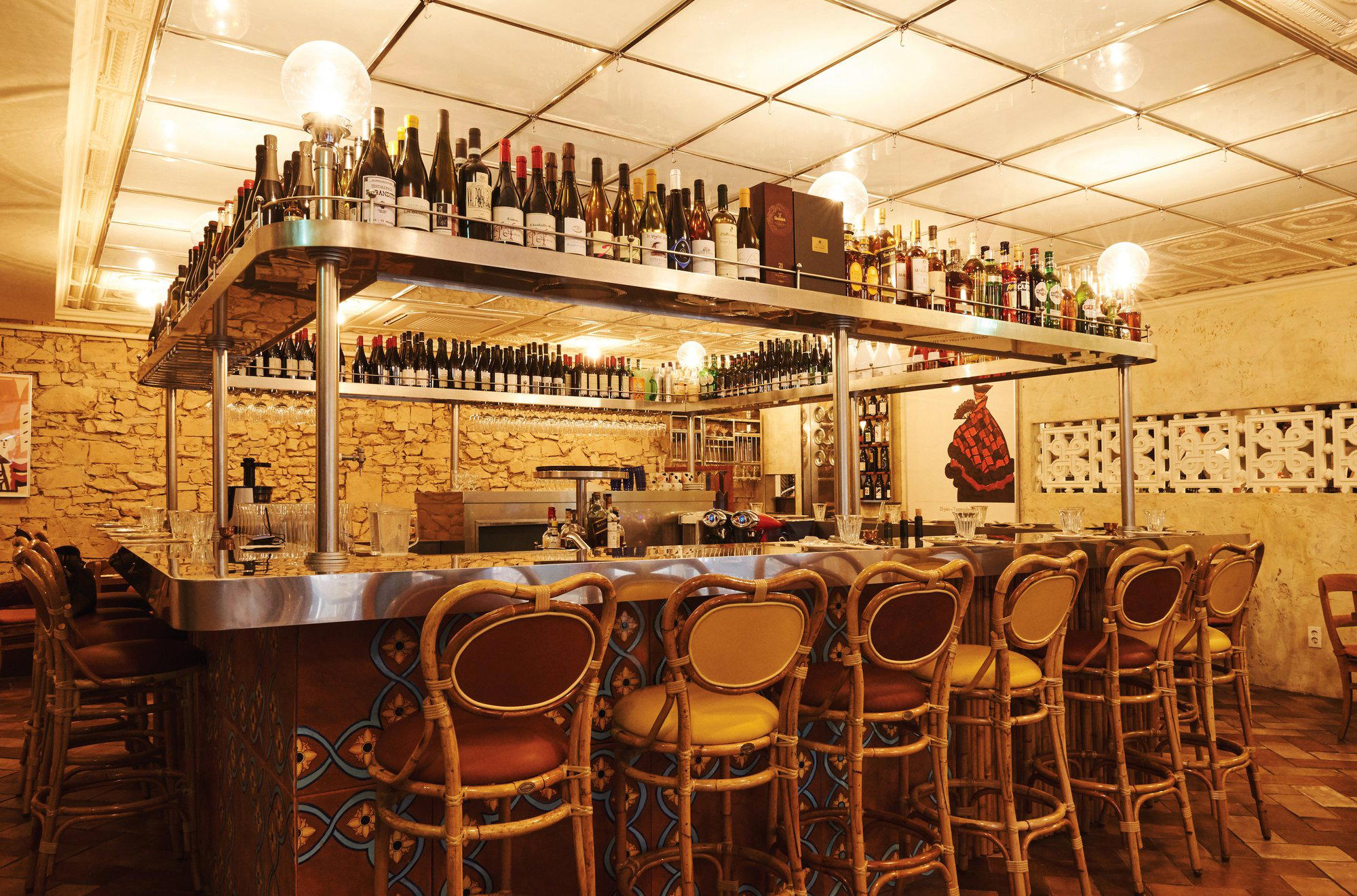
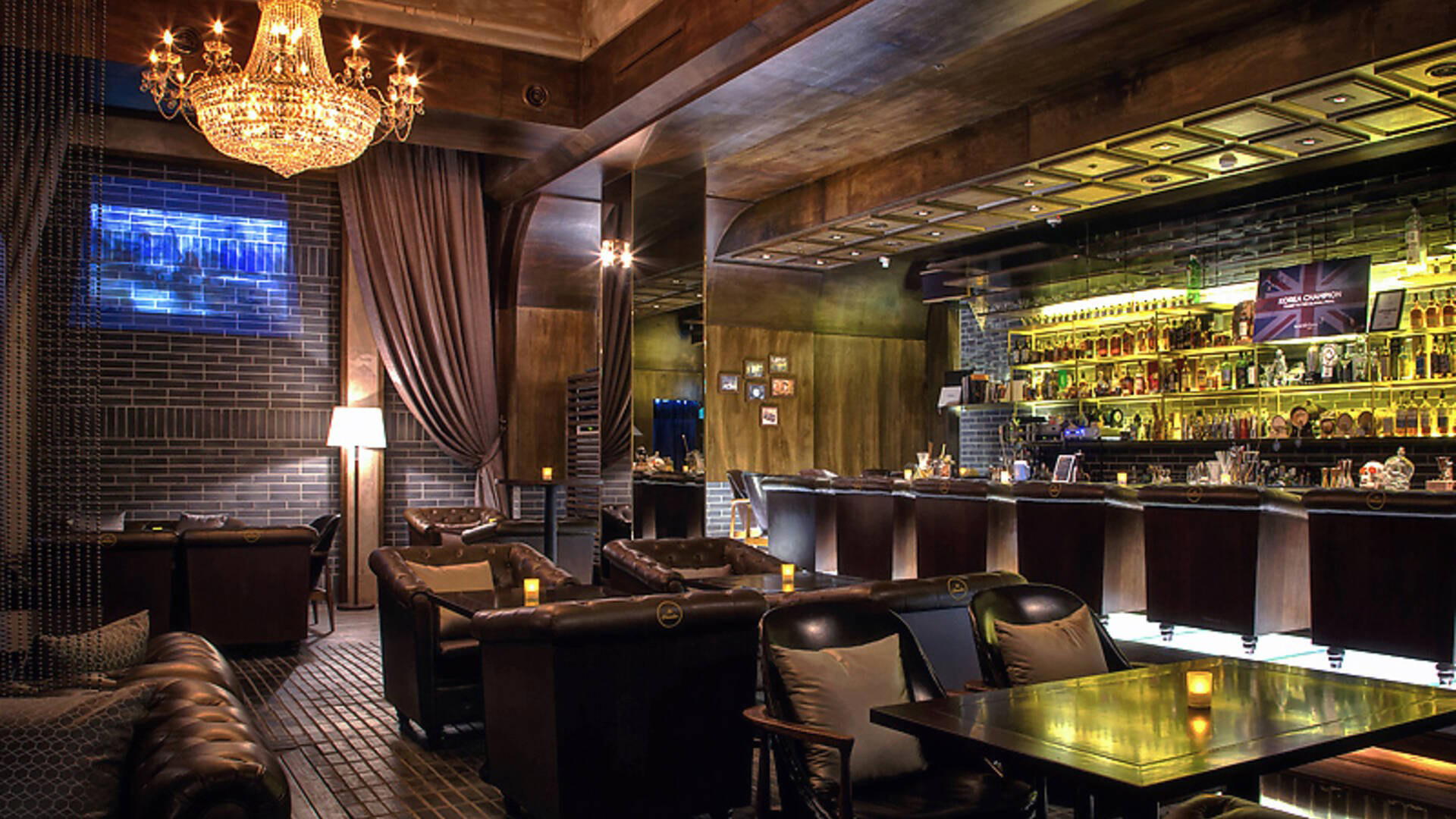
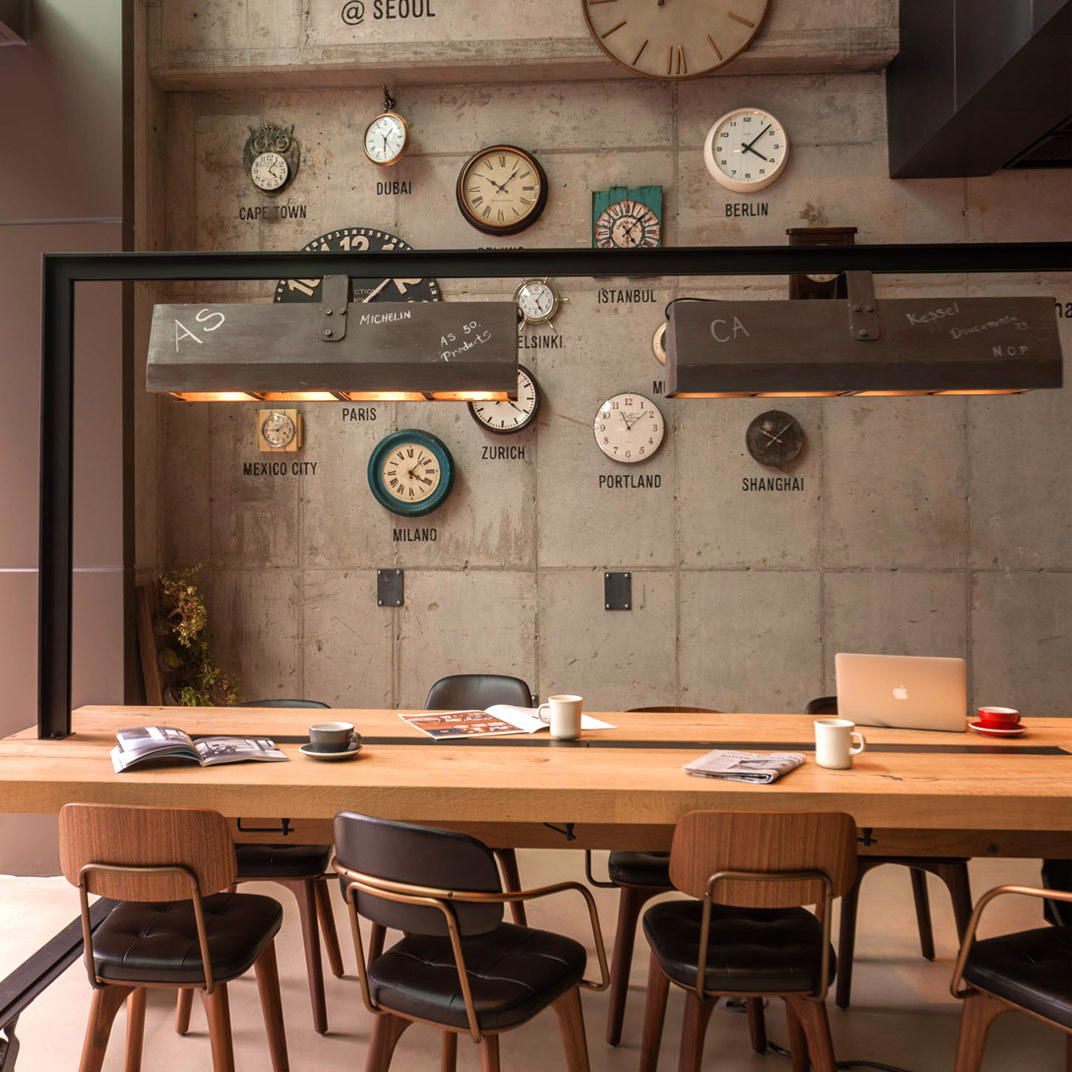
Polished, stylish interior with modern cafe-like decor catering to trend-conscious diners.