
Tabelog 100 #24
Our verdict
Kunimoto Shinkan Yakiniku sits in Hamamatsucho, Minato City, within a neighbourhood that quietly hosts some of Tokyo's most deliberate grilling traditions. The yakiniku format here reflects a broader shift in how Tokyo's meat-focused dining tier structures its menus: less about spectacle, more about cut sequencing and provenance. For visitors oriented around Japan's premium grilling culture, Hamamatsucho offers a lower-profile entry point than Roppongi or Ginza without sacrificing seriousness.

Pearl is the En Primeur Club membership app, where members save venues, book tables and use the concierge.
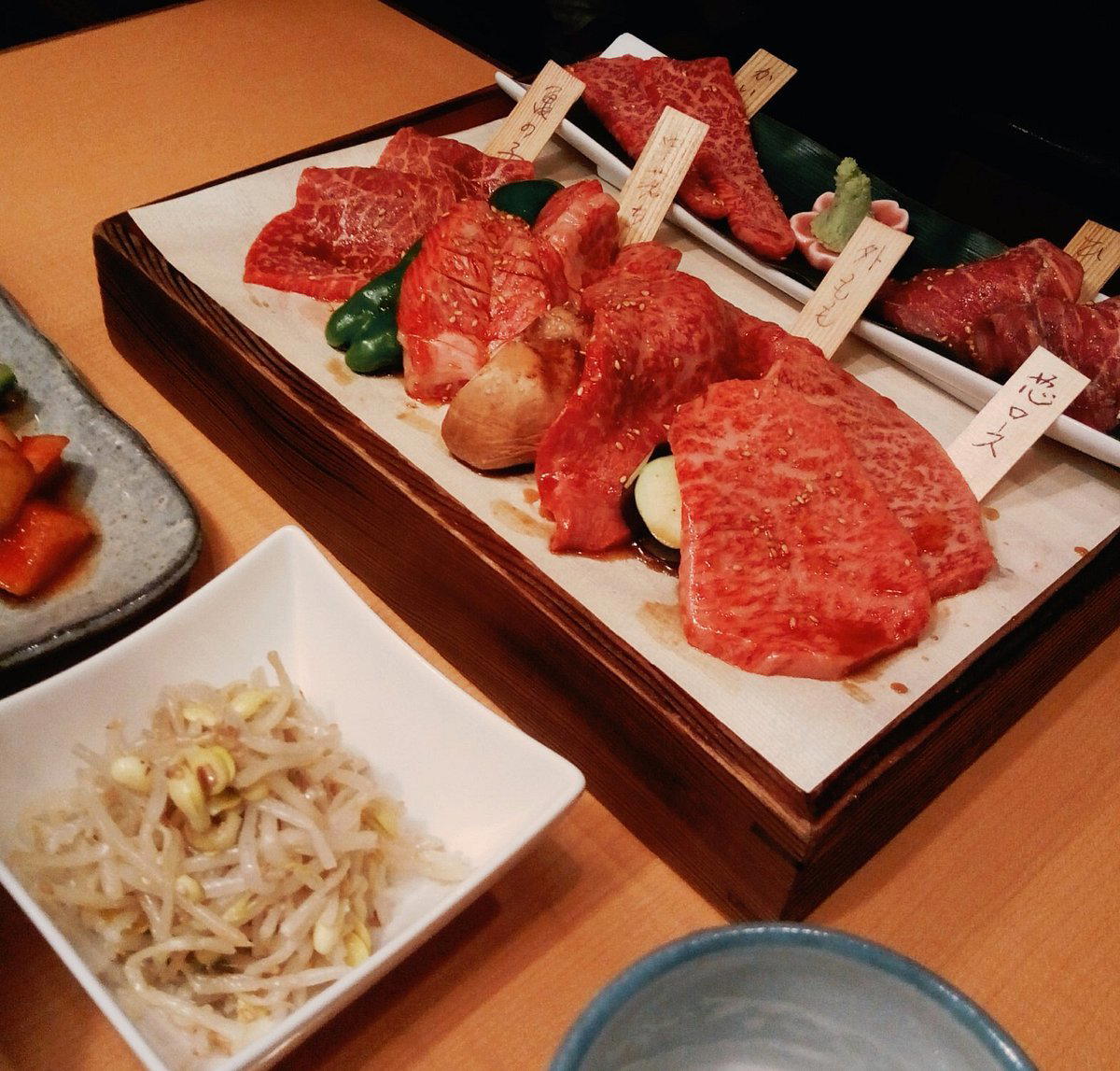
The menu
What to order
- Premium assorted meats
- Kiriotoshi
- Top sirloin
- Flap meat
Smoke, Sequence, and the Logic of Tokyo Yakiniku
There is a particular quality to Hamamatsucho at dusk. The salaryman current thins out around the station exits, the refined expressway overhead carries its permanent low hum, and the side streets between the main road and the waterfront settle into something quieter and more purposeful. This is not the dining district Tokyo publishes in English-language guides. It is a neighbourhood where restaurants exist primarily for the people who work and live nearby, which tends to produce a different kind of seriousness than the kind you find in Ginza or Roppongi. Kunimoto Shinkan Yakiniku operates within this context, in a part of Minato City that rarely appears on premium dining itineraries but carries its own internal logic.
Where Yakiniku Sits in Tokyo's Meat Dining Tier
Tokyo's yakiniku scene has stratified considerably over the past fifteen years. At the leading, a small cluster of Michelin-recognised yakiniku counters in Ginza and Nishi-Azabu price against fine dining rather than casual grilling, with Wagyu grades and tableside service to match. Below that sits a wider middle tier: serious, often neighbourhood-rooted restaurants where the beef sourcing is deliberate, the menu architecture is thought through, and the experience is built around the ritual of the grill rather than around performance. Kunimoto Shinkan Yakiniku occupies territory in this part of the market, in a city where even mid-tier yakiniku carries expectations about beef quality and cut knowledge that would be considered specialist-level elsewhere.
Kunimoto Shinkan Yakiniku does not appear to operate in that bracket. It reads as a neighbourhood-anchored establishment where the draw is consistency and the clarity of the grilling format, not a tasting counter experience with elaborate service choreography.
The Architecture of a Yakiniku Menu
The way a yakiniku restaurant structures its menu communicates a great deal about its priorities. At the most considered end, the menu functions almost like an argument: it moves from lighter, leaner cuts that open the palate, through the fattier centre cuts that reward the residual heat of a well-managed charcoal grill, and toward offal or specialty items that reward regulars who order past the safe middle. This sequencing is not accidental. It reflects an understanding that grilling at the table is a progressive act, and that the cook's relationship to heat changes as the session continues.
Restaurants that organise their menus this way, rather than presenting a flat catalogue of cuts with no implied order, tend to be the ones where the kitchen has a point of view about how the meal should develop. The editorial angle of a yakiniku menu, to borrow a term from another discipline, is the truest indicator of intent. A menu that leads with premium brand-name beef, lists cuts alphabetically, and prices everything individually is optimising for the table's autonomy. A menu that suggests a sequence, groups cuts by character, and prices through a set structure is optimising for the chef's intended arc. Both approaches are legitimate; they simply produce different evenings.
In Hamamatsucho, where the clientele tends toward regulars with a working knowledge of the format, the menu architecture at a restaurant like Kunimoto Shinkan Yakiniku is likely shaped by that familiarity. Neighbourhood yakiniku in Tokyo tends to assume a baseline of cut literacy that tourist-facing restaurants in central districts cannot always assume. That assumption shapes what ends up on the menu and what gets explained versus what gets left to the diner to already know.
Hamamatsucho and the Case for Off-Circuit Dining
The argument for seeking out restaurants in areas like Hamamatsucho, rather than concentrating entirely in the established dining districts, is partly about value and partly about character. Tokyo's premium dining tier, from the three-Michelin counters of Ginza to the French-leaning tasting menus at places like L'Effervescence or Sézanne, is well documented and heavily booked. The infrastructure around those restaurants, including the booking platforms, the English-language concierge services, and the international press coverage, creates a predictable circuit that many visitors never leave.
Off that circuit, the restaurants are often more local in orientation, less accustomed to walk-in tourists, and in some cases more technically consistent precisely because they are cooking for people who will return next week. Hamamatsucho is connected enough to central Tokyo, with direct access to Yamanote Line services and proximity to the Tokaido Shinkansen corridor at Shinagawa, that it is not inconvenient. The neighbourhood simply requires a deliberate choice rather than defaulting to the familiar districts.
This pattern repeats across Japan's dining culture. In Osaka, restaurants like HAJIME attract international attention, while the surrounding city holds dozens of serious neighbourhood restaurants that rarely appear in foreign coverage. In Kyoto, Gion Sasaki is recognised internationally, while the broader Gion area has grilling and kaiseki establishments that function primarily for domestic regulars. The dynamic is not unique to Tokyo; it is structural to how Japanese restaurant culture distributes quality.
Planning a Visit
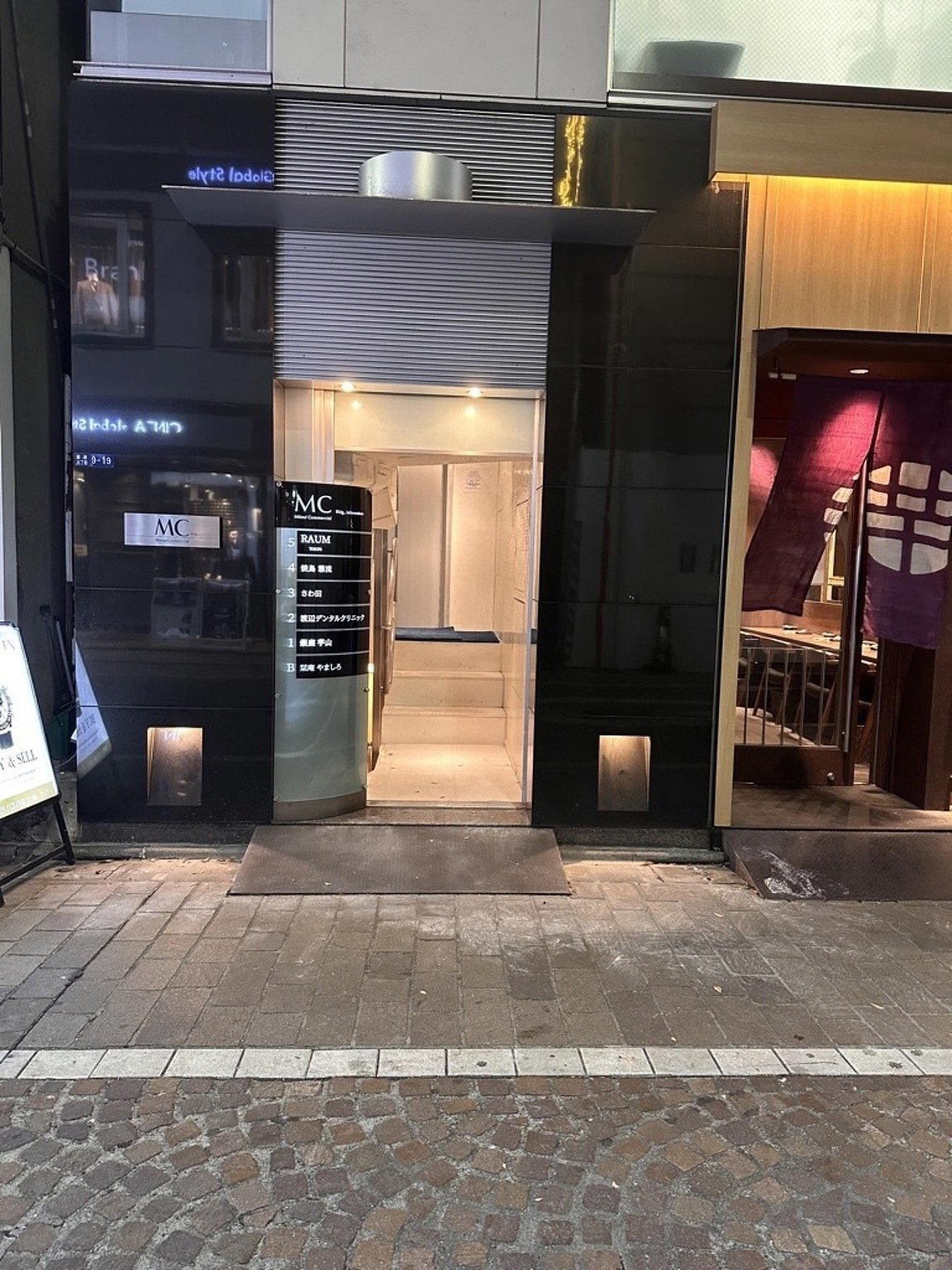
Kunimoto Shinkan Yakiniku is located at 2 Chome-8-9 Hamamatsucho in Minato City, a short walk from Hamamatsucho Station on the JR Yamanote Line and accessible from Daimon Station on the Oedo and Asakusa subway lines. For those building a wider Japan itinerary, covers serious dining across the country, including akordu in Nara, Goh in Fukuoka, and regional restaurants including a celebrated address in Nanao and a Sapporo institution worth building time around. For Tokyo specifically, the full picture of the city's dining scene is available in our Tokyo restaurants guide, which covers the range from tasting-counter French at Crony to grilling traditions across different neighbourhood tiers. Further afield, those interested in how grilling culture translates across formats might compare notes with Birdland in Sakai or Bistro Ange in Toyohashi for a sense of how Japan's regional dining outside the major cities handles meat-focused menus with a different set of constraints and expectations. For those curious how Korean-Japanese grilling culture translates in a Western fine dining context, Atomix in New York and the European-influenced technique at Le Bernardin offer useful contrasts in how structured tasting formats handle the question of sequence and provenance, even when the protein and the format differ considerably. Closer to home, a regional address in Takashima and another in Nishikawa Machi round out a picture of how Japan's grilling and meat traditions extend well beyond the capital.
Frequently asked questions
What's the must-try dish at Kunimoto Shinkan Yakiniku?
Is Kunimoto Shinkan Yakiniku reservation-only?
What is Kunimoto Shinkan Yakiniku known for?
How does Kunimoto Shinkan Yakiniku handle allergies?
Is Kunimoto Shinkan Yakiniku overpriced or worth every penny?
How does Kunimoto Shinkan Yakiniku compare to other yakiniku restaurants in Minato City?
Cuisine and Awards Snapshot
Comparable venues nearby, for context on price, style, and recognition.
| Venue | Cuisine | Price | Awards | Notes |
|---|---|---|---|---|
| Kunimoto Shinkan YakinikuThis venue (the venue you are viewing) | Classic Yakiniku | $100–150 | Tabelog 100 #24 | Not listed |
| HIGASHIYA GINZA | Modern Japanese Tea Salon & Wagashi | $50–100 | Not listed | Chūō |
| Tokyo Kyobashiya Curry | Additive-free Japanese curry house | $10–20 | Tabelog 100 #27 | Chūō |
| Akasaka Yakiniku Hachimen Roppi | Modern Wagyu Yakiniku | $50–100 | Tabelog 100 #88 | Minato |
| 365 Nichi to Nihonbashi | Artisan Japanese Bakery | $10–20 | Tabelog 100 #31 | Chūō |
| Tori Aroma | Hinai Jidori Yakitori Omakase | $50–100 | Tabelog 100 #31 | Chiyoda |
Recognition history
Dated appearances from independent guides and award organizations, with the underlying list record or original source where available.
Tabelog 100 #24 · No. 24
Tabelog · Tabelog 100 - Yakiniku - TOKYO - 2025
Continue exploring
More in Tokyo
Restaurants in Tokyo
All restaurants in Tokyo →
Bars in Tokyo
All bars in Tokyo →


Details
- Intimate
- Classic
- Date Night
- Business Dinner
- Group Dining
- Sake Program
- A La Carte
Current opening hours
- Monday
- Closed
- Tuesday
- 5–10 PM
- Wednesday
- 5–10 PM
- Thursday
- 5–10 PM
- Friday
- 5–10 PM
- Saturday
- 5–10 PM
- Sunday
- Closed
Hours can change for holidays and private events. Hours as of .
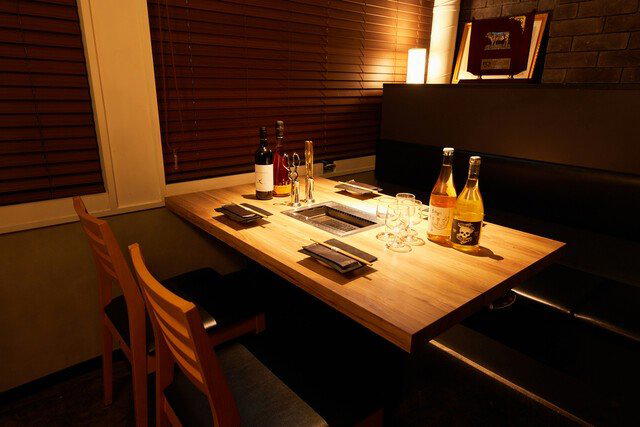
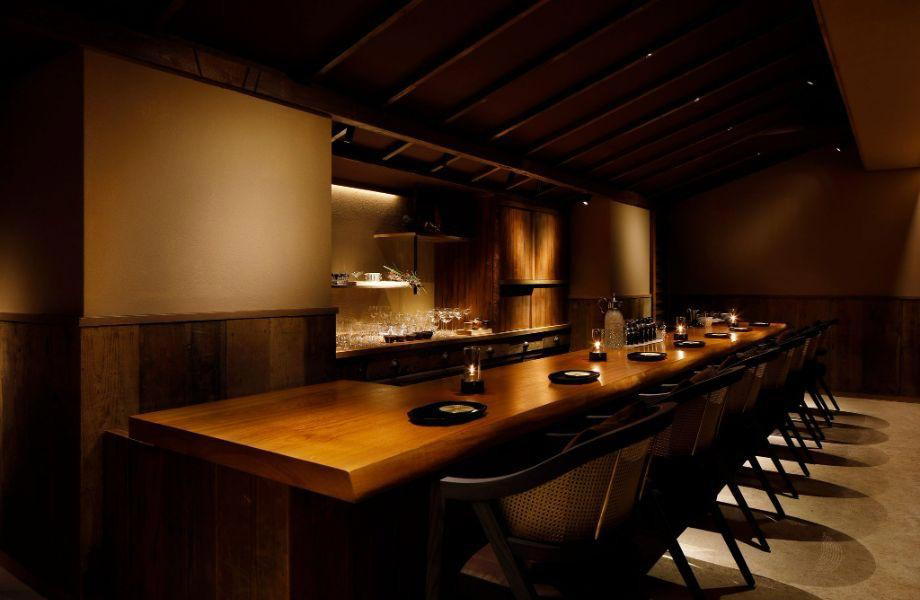
Cozy box seats in a simple, no-frills setting tucked in a back alley, creating an intimate and welcoming atmosphere.