
A compact bread counter inside Nihonbashi Takashimaya S.C., 365 Nichi to Nihonbashi belongs to Tokyo’s serious bakery culture rather than its café culture. Its Tabelog Bread TOKYO 100 selection in 2022 and counter-only format put it in the city’s high-conviction everyday-food tier: quick, precise, and built around takeaway as much as sitting down.
Pearl is the En Primeur Club membership app — saves, bookings, and concierge access live there. Same editors, same standards.
- Address
- Japan, 〒103-6199 Tokyo, Chuo City, Nihonbashi, 2 Chome−5−1 日本橋高島屋S.C.新館1階
- Phone
- +81 3-5542-1178
- Website
- ultrakitchen.jp
 Saves & bookings on Pearl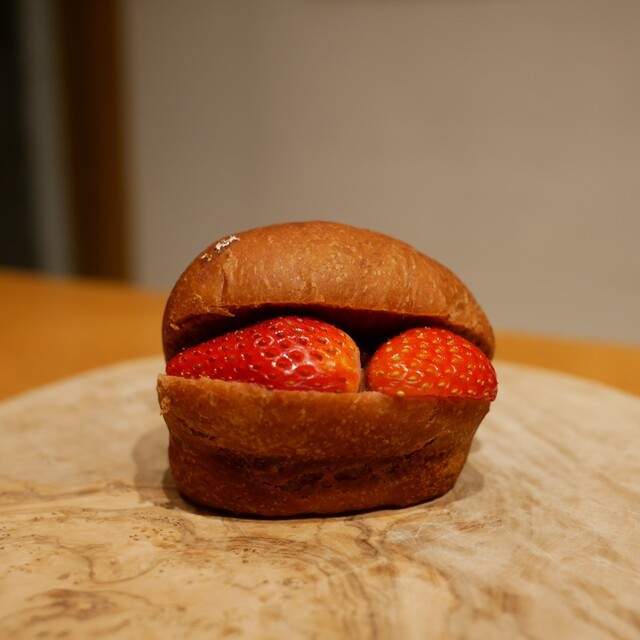
The first cue is not ceremony but compression: a department-store floor in Nihonbashi, a small counter, and the steady rhythm of shoppers treating bread with the same intent Tokyo applies to sushi, wagashi, coffee, and train-platform soba. In this part of the city, food retail is not a secondary act. Takashimaya and the surrounding Nihonbashi blocks turn daily eating into a curatorial exercise, where a bakery can sit beside patisserie, café service, prepared foods, and gift counters without losing seriousness.
365 Nichi to Nihonbashi fits that Tokyo pattern: compact footprint, focused category, fast decision-making. The useful way to read it is not as a leisurely brunch address but as part of the city’s bread economy, where department-store locations compete on precision, turnover, and immediate appeal. Its 2022 selection in Tabelog’s Bread TOKYO 100 gives the shop a clear credential in a category where local rankings matter because the field is dense and technically demanding.
A bread menu built for Tokyo's small-format eating culture
Tokyo bakery menus often reveal more through structure than through long explanation. The category rewards breadth, but not sprawl: sweet breads, savory breads, loaves, seasonal items, and portable pieces have to work for office workers, department-store shoppers, commuters, and gift buyers. That architecture favors clarity. A customer should be able to scan the case, choose quickly, and leave with something that works immediately or later in the day.
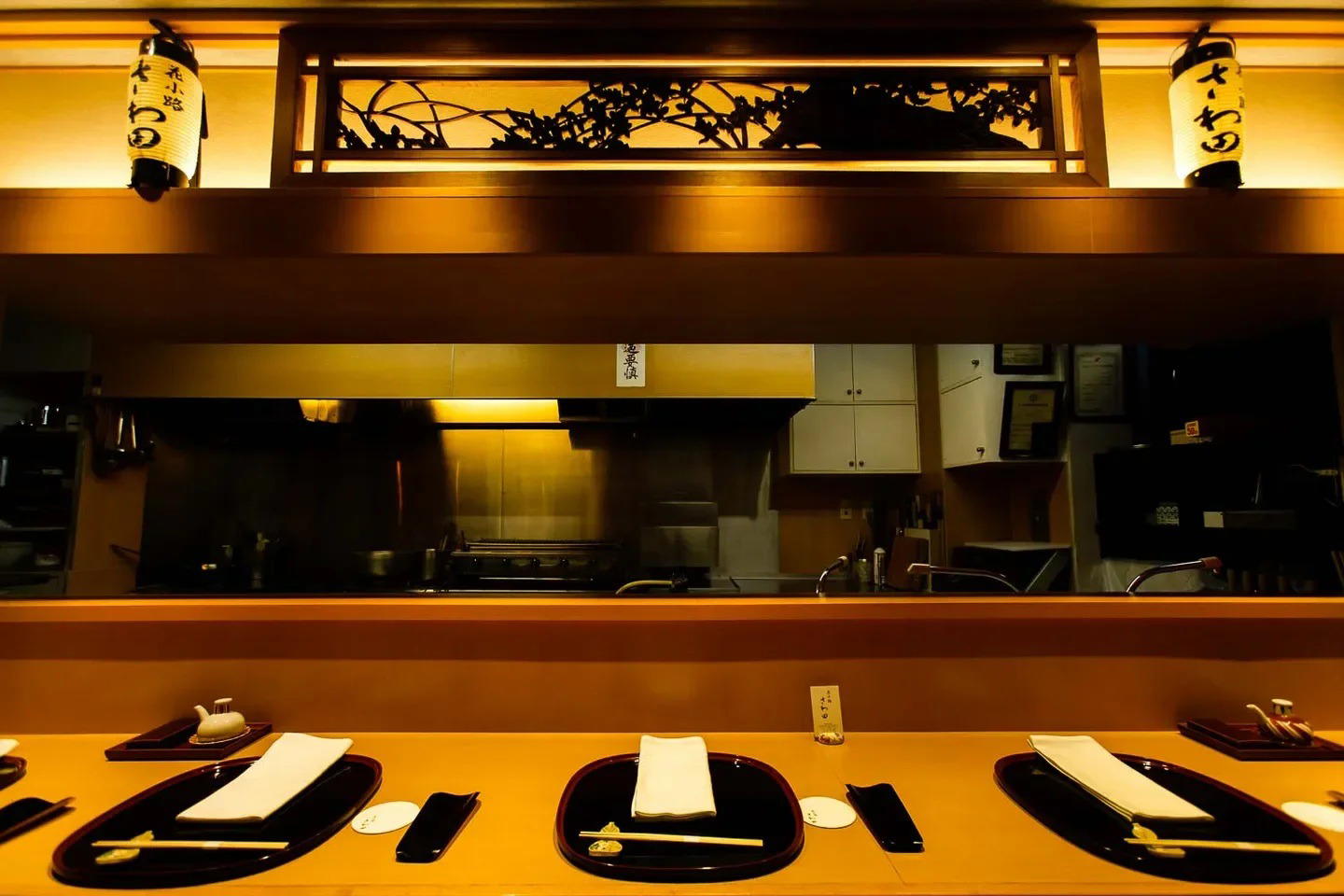
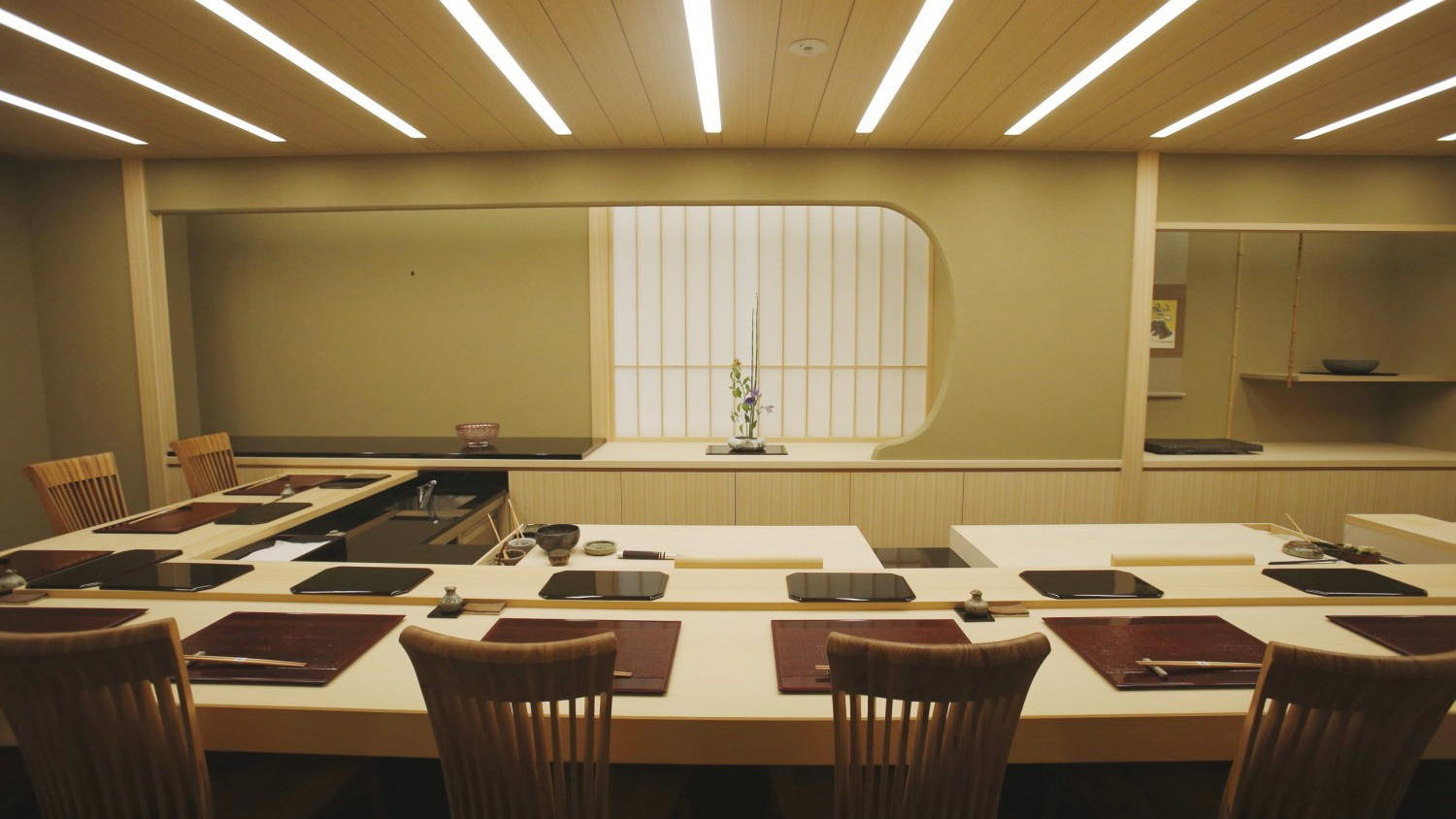
That is the relevant lens here. The shop’s listed category is bread, with breakfast available and takeaway service, which places it closer to Tokyo’s practical bakery tradition than to the city’s dessert-café circuit. The counter seating adds a brief pause, but the format remains disciplined. This is not a room designed to hold an afternoon. It is a small urban food stop where the menu has to carry the experience.
The local comparison is useful. Within the same Nihonbashi Takashimaya ecosystem, Brothers Nihonbashi takashimaya ten sits in a higher casual-spend band, AU BON VIEUX TEMPS Nihonbashi takashimaya ten brings a French pâtisserie register, and LE CAFE de Joel Robuchon Nihonbashi takashimaya ten reads as café-brasserie polish. Against those neighbors, 365 Nichi to Nihonbashi is the leaner proposition: bread first, quick service, minimal dwell time, and a lower-friction place in the day’s itinerary.
That distinction matters in Tokyo because department-store dining can easily become destination dining. Here, the appeal is sharper when treated as part of a route through Nihonbashi rather than the anchor of a meal. The city’s stronger bakeries often function this way: they make sense before a train, between errands, or as a controlled detour before a longer lunch elsewhere.
Nihonbashi gives everyday bread a luxury-retail frame
Nihonbashi is old Tokyo commerce in a polished contemporary suit. The neighborhood’s food culture is shaped by department stores, long-running specialty counters, office demand, and gift etiquette. That mix changes how a bakery is judged. Bread is not only breakfast or a snack; it becomes part of a broader culture of neatly packaged, carefully selected edible goods.
365 Nichi to Nihonbashi benefits from that frame without needing restaurant theater. The counter-only seating and compact service model suit the area, where many customers are moving through rather than settling in. The shop’s scale also keeps expectations aligned. This is not a place to assemble a long meal; it is a place to understand how Tokyo turns small purchases into serious taste decisions.
The Tabelog Bread TOKYO 100 recognition is the page’s strongest public trust signal, not because it makes the bakery immune to personal preference, but because it places the shop inside a selected Tokyo bread cohort. In a city where bakeries can be hyper-specialized and neighborhood loyalty runs deep, that kind of category recognition helps separate a serious stop from a convenient one.
For travelers building a day around the area, the bakery works well as a morning or midday food stop before moving into broader Tokyo dining. For a fuller restaurant map, see Our full Tokyo restaurants guide. Nearby and citywide contrasts include . 鮪と炭火焼き うお炭 秋葉原店, 12/10 Shinjuku ten, 124. KAGURAZAKA (Yakitori), 2D Cafe, and 3 Chome no Curry Ya San.
How to use it in a Tokyo itinerary
The smart approach is to treat the bakery as a precision stop, not a substitute for a full-service restaurant. Nihonbashi rewards grazing: bread here, coffee elsewhere, a department-store food hall pass, then a more structured lunch or dinner later. That rhythm is more faithful to the neighborhood than forcing every address into a single dining category.
Families will find the format easy from a cost and speed perspective, though the small counter setup means it is better for a quick purchase than a drawn-out sit-down. Solo travelers and couples are the cleaner fit: the experience is short, specific, and easy to fold into a shopping or transit route.
Travel planning around Tokyo should stay category-aware. Restaurants are only one layer; hotels, bars, experiences, and even wineries shape how a day works. Useful companion guides include Our full Tokyo hotels guide, Our full Tokyo bars guide, Our full Tokyo wineries guide, and Our full Tokyo experiences guide.
For readers comparing Japanese casual formats beyond central Tokyo, the broader EP Club map includes -Grilled beef Sukiyaki- KAMAKURA TANUKIAN 鎌倉 たぬき庵 in Kamakura.cafe in Osaka.know in Kumamoto, (Shoku) Vietnam in Kawasaki, [Curry Senmon Ten] Maruyama Kyoju. in Sapporo, [ki:] in Kyoto, Jōdo Saké Bar in Los Angeles, and Onigiri Time in Pasadena. The through-line is useful: small-format food can carry as much editorial weight as formal dining when the category is handled with discipline.
The verdict is simple. Come for a focused Tokyo bread stop inside a serious Nihonbashi retail setting, not for a long café session. The award signal, compact counter, and takeaway-first usefulness make it a strong fit for travelers who understand that some of Tokyo’s better eating happens in small increments.
Nearby-ish Comparables
Comparable venues by cuisine and category.
| Venue | Cuisine | Price | Notes |
|---|---|---|---|
| 365 Nichi to NihonbashiThis venue — the venue you are viewing | Artisan Japanese Bakery | $$$ | Not listed |
| Takasaki no Okan | Hot Sake Pairing Omakase | $$$ | Ikejiri Ohashi, Meguro |
| Sushiya | Edomae Omakase Sushi | $$$ | Chūō |
| Akasaka Totoya Uoshin | Traditional Seasonal Japanese Kaiseki | $$$ | Minato |
| かぶん | Yakiniku (Japanese BBQ) | $$$ | Minato |
| Kasumitei Matsubara | Kaiseki | $$$ | Minato |
Recognition history
Dated appearances from independent guides and award organizations, with the underlying list record or original source where available.
Tabelog 100 #31 · No. 31
Tabelog · Tabelog 100 - Bread - TOKYO - 2022







At a Glance
- Modern
- Cozy
- Minimalist
- Casual Hangout
- Solo
- Standalone
- Organic
- Local Sourcing
Current opening hours
- Monday
- 10:30 AM–8 PM
- Tuesday
- 10:30 AM–8 PM
- Wednesday
- 10:30 AM–8 PM
- Thursday
- 10:30 AM–8 PM
- Friday
- 10:30 AM–8 PM
- Saturday
- 10:30 AM–8 PM
- Sunday
- 10:30 AM–8 PM
Hours can change for holidays and private events. Last verified .
Compact urban bakery counter with focus on fresh bread selection and takeout.