Koraebul Kangnam
"Goraebul brings its seafood ingredients in from Gyeongsang province, where warm currents meet cold ones, which results in unique creatures and tastes. Some of the menu changes with what shows up at the market from the fisherfolk; other items, like abalone, octopus and clams, are standard. And if you’ve ever wanted to try whale, you might be able to do it here."
 Discover on Pearl
Pearl is the En Primeur Club membership app — saves, bookings, and concierge access live there. Same editors, same standards.
- Address
- 62 Nonhyeon-ro 79-gil, Gangnam District, Seoul, South Korea
- Phone
- +82 2 556 3677
- Website
- instagram.com
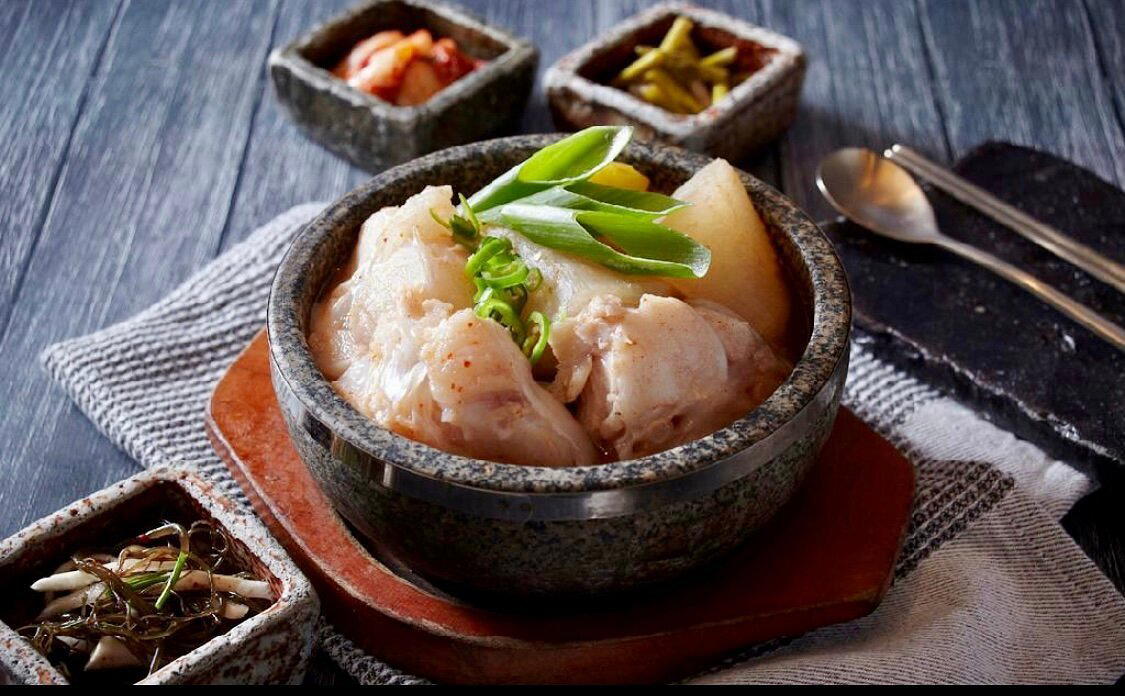
Gangnam's Korean Dining Corridor and Where Koraebul Sits
Gangnam District is home to Koraebul Kangnam, a high-end Korean seafood restaurant at 62 Nonhyeon-ro 79-gil in Seoul. Within a few blocks, you find restaurants operating across the full range of contemporary Korean cooking: tasting-menu formats drawing on joseon-era court traditions, casual grills anchored in regional charcoal technique, and hybrid formats that splice French structure into Korean ingredient logic. Koraebul Kangnam, addressed at 62 Nonhyeon-ro 79-gil, positions itself within this corridor. The name itself, "Koraebul" translates roughly to "whale fire" in Korean, signals a register tied to live-fire cooking, a format with deep roots in Korean culinary culture that has found renewed attention among Seoul diners over the past several years.
Approaching the Address
The immediate neighbourhood around Nonhyeon-ro 79-gil runs quieter than the main Gangnam arteries. Side streets in this part of the district tend to host venues that rely on reputation and repeat custom rather than walk-in foot traffic, which shapes the character of the dining room before you even enter. In Seoul's premium casual tier, this kind of address positioning often correlates with a clientele that books ahead and arrives with a clear intention. The physical approach, off a main boulevard, into a quieter lane, is a reliable indicator of the kind of experience the kitchen has designed for.
The Booking Logic: What to Know Before You Go
Given the address structure and the category Koraebul Kangnam occupies within Gangnam's dining scene, planning your visit requires the same discipline you would apply to any venue in the district's competitive bracket. Seoul's most-discussed Korean restaurants in the ₩₩₩ to ₩₩₩₩ tier, including Kwonsooksoo, Mingles, and Kwon Sook Soo in Gangnam-gu, routinely fill weeks in advance, and venues of comparable standing in the same neighbourhood operate on similar timelines. Gangnam dining at this tier is not a walk-in proposition.
This is standard practice across Gangnam's mid-to-upper dining tier and not a barrier specific to this venue.
Korean Live-Fire as a Culinary Frame
Live-fire cooking in Korea operates across a spectrum wider than the international perception of Korean barbecue tends to suggest. At the accessible end, charcoal grills handle pork belly and short rib in a convivial table-service format. At the refined end, wood and charcoal sources are selected for specific aromatic profiles, protein cuts are aged or marinated to interact with heat in controlled ways, and the sequencing of dishes follows a logic closer to a tasting menu than a shared-grill session. The "Koraebul" register sits somewhere within that range, and the name's reference to fire as a primary organizing principle places it in a category where technique, sourcing, and sequencing matter as much as the proteins themselves.
This approach has parallels elsewhere in the region. Mori in Busan operates within a similarly technique-led Korean format on the southern coast, while Doosoogobang in Suwon and Double T Dining in Gangneung each demonstrate how Korean cooking anchored in specific regional or method traditions can sustain serious dining propositions outside the capital. The Gangnam context adds a price-tier expectation and a clientele attuned to that kind of positioning.
The Gangnam Competitive Set
To understand what Koraebul Kangnam is doing, it helps to map its neighbours. The ₩₩₩₩ Korean dining bracket in Gangnam currently includes venues like Onjium, which works from court-cuisine scholarship, and 7th Door, which fuses Korean and contemporary frameworks. Eatanic Garden operates a contemporary format at the same price point. Zero Complex brings Korean-French hybridisation to the tier. Each of these represents a different argument about what premium Korean dining should be in 2024. A venue organised around fire, "Koraebul", is making a different argument: that the most credible form of refinement in Korean cooking runs through mastery of heat and ingredient rather than through the importation of European structure.
That argument has traction. Among Seoul's dining community, there is a clear current of interest in Korean formats that do not require a French scaffolding to claim seriousness. Mingles and Jungsik both earned Michelin recognition by engaging with that tension from different angles. Soigné and alla prima represent the innovative tier where Korean and international influences are in active dialogue. A restaurant whose name foregrounds fire is announcing a position within that conversation.
Planning Your Visit
Taxi and ride-hailing services in Seoul are reliable and relatively inexpensive from central districts. If you are combining this visit with other Gangnam dining, the neighbourhood density means that itineraries can be built efficiently: pre-dinner drinks at venues further along Garosugil or Cheongdam-dong before moving to a reservation in this quieter pocket of the district.
Injegol in Inje County and Baegyangsa Temple in Jangseong-gun offer a counterpoint to the urban Gangnam format, as does Cheon Jee (천지) in Jeju. The contrast between Seoul's technique-led fire cooking and the temple food or rural Korean traditions found outside the capital sharpens the reading of both. The live-fire precision argument has analogues at venues like Le Bernardin in New York City, where the organising principle is also a specific technique applied at the highest level of control, and Lazy Bear in San Francisco, where the communal-format premium dining model shares some structural DNA with how Korean group dining at this tier tends to work.
For additional Seoul context, Market Café in Incheon and The Flying Hog in Seogwipo sit in adjacent price tiers and formats that round out any understanding of Korean dining across the peninsula's range.
Fast Comparison
Comparable venues nearby, for context on price, style, and recognition.
| Venue | Cuisine | Price | Awards | Notes |
|---|---|---|---|---|
| Koraebul KangnamThis venue — the venue you are viewing | High-end Korean Seafood | $$$$ | , | |
| ì¼í¤í 리 í¤ì | Premium Yakitori Izakaya | $$$$ | , | 노고산동 |
| Tteurak | Premium Korean Beef BBQ | $$$$ | , | Cheongdam-dong |
| ê³ ì¬ë¦¬ ìµì¤íë ì¤ ì ë¹ | Modern French Fine Dining | $$$$ | , | 보문동 |
| Woo Tender | Premium Hanwoo Beef Korean BBQ | $$$$ | , | Gangnam |
| Charles H. | Cocktail Bar | $$$$ | , | Jongno-gu |
At a Glance
- Elegant
- Sophisticated
- Business Dinner
- Special Occasion
- Private Dining
- Local Sourcing
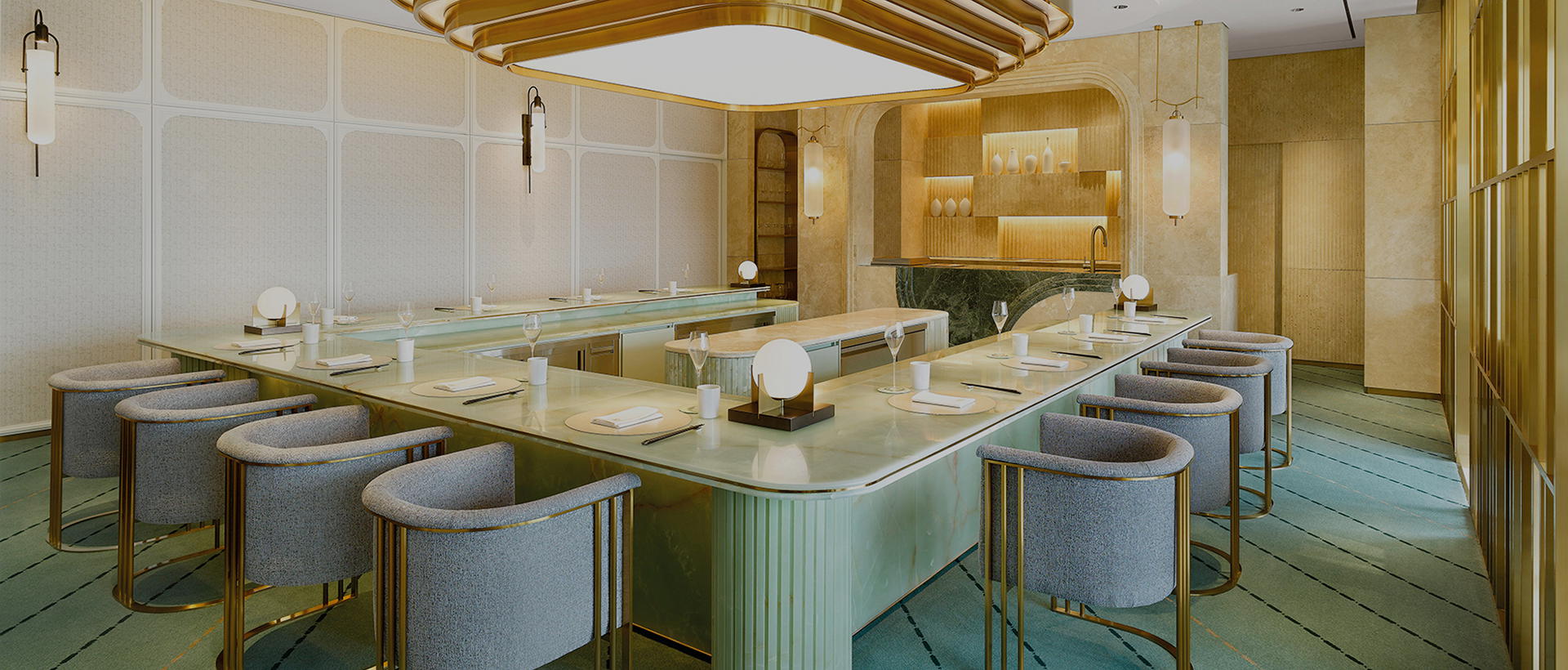
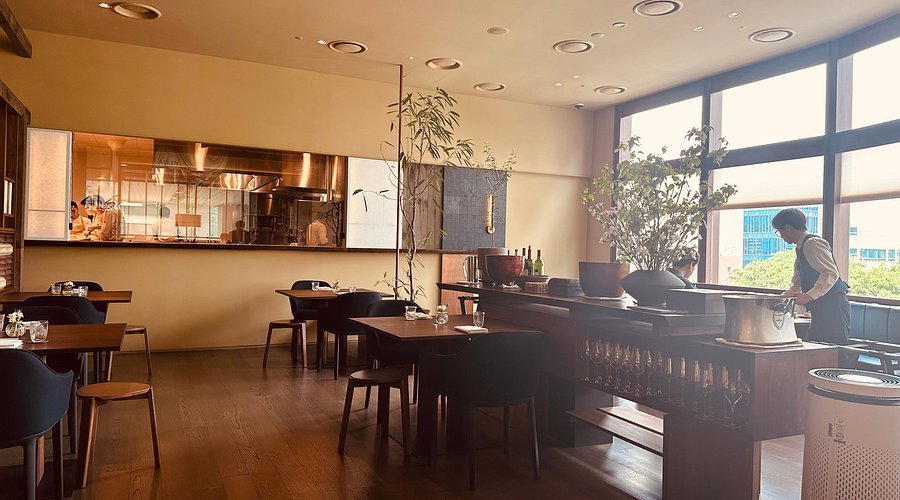
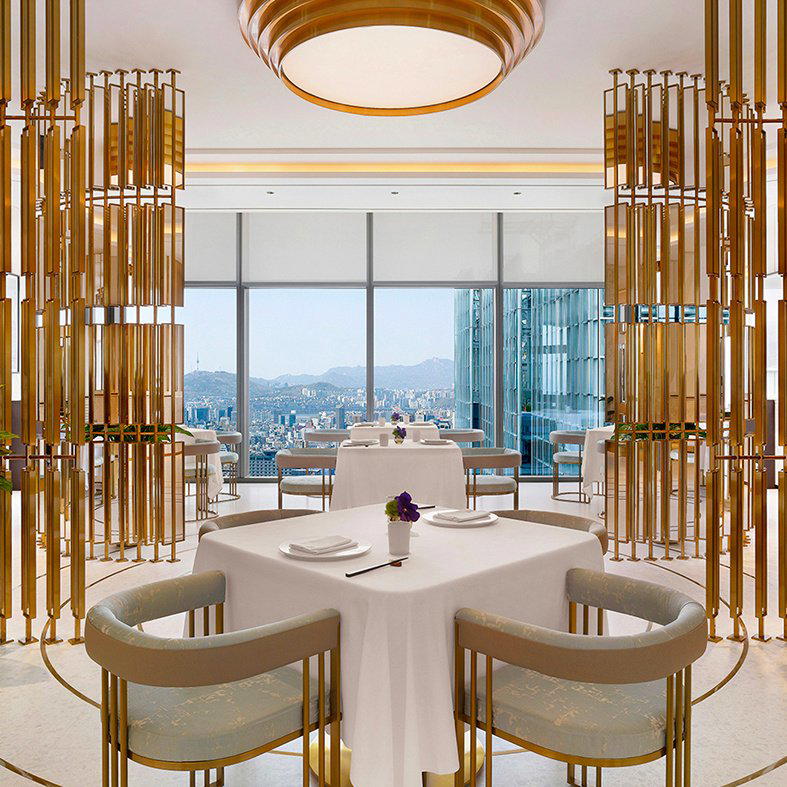
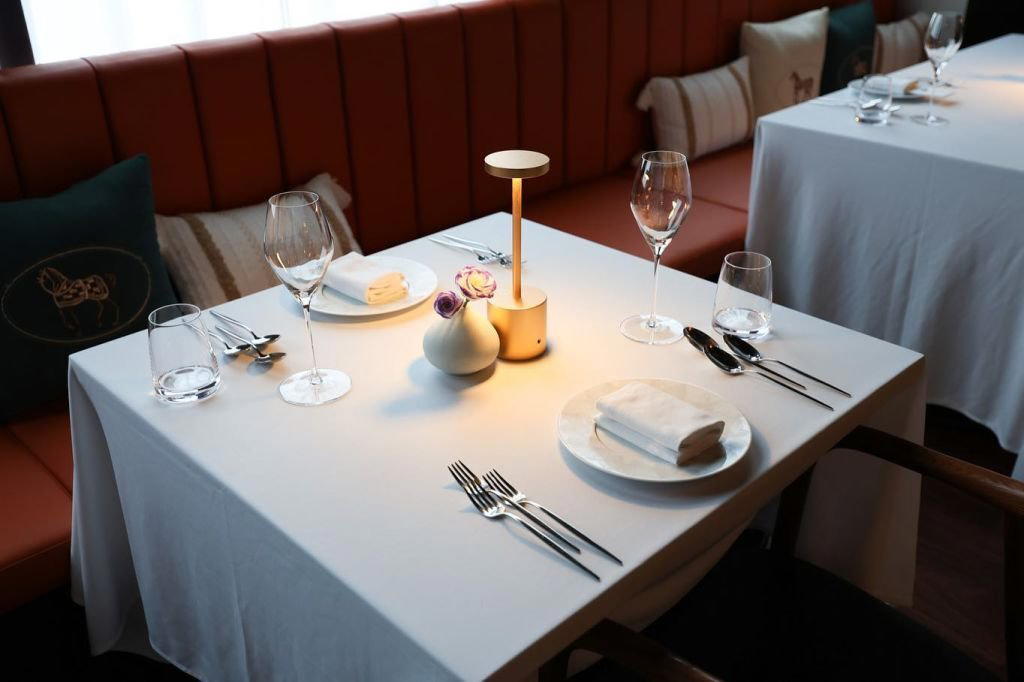
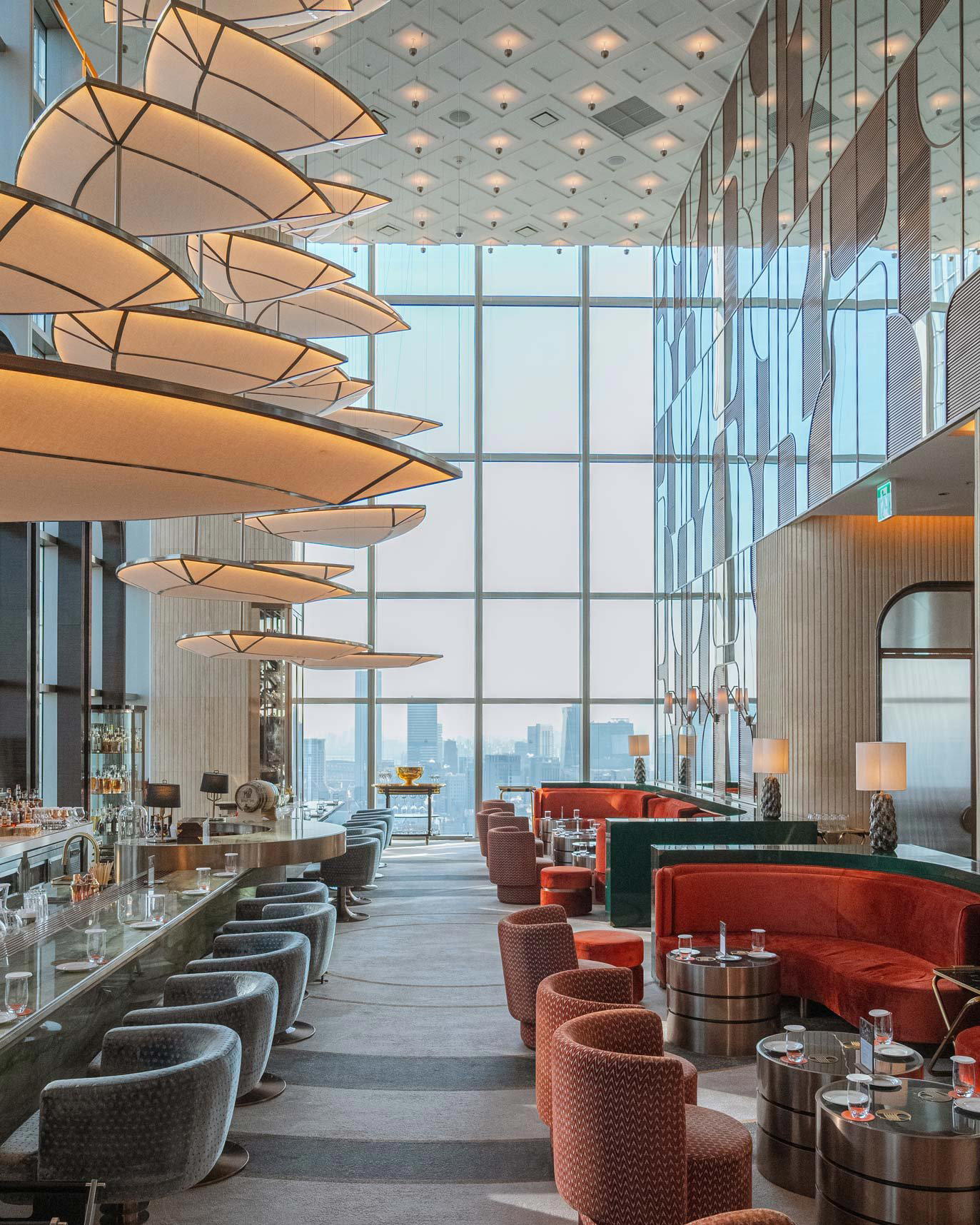
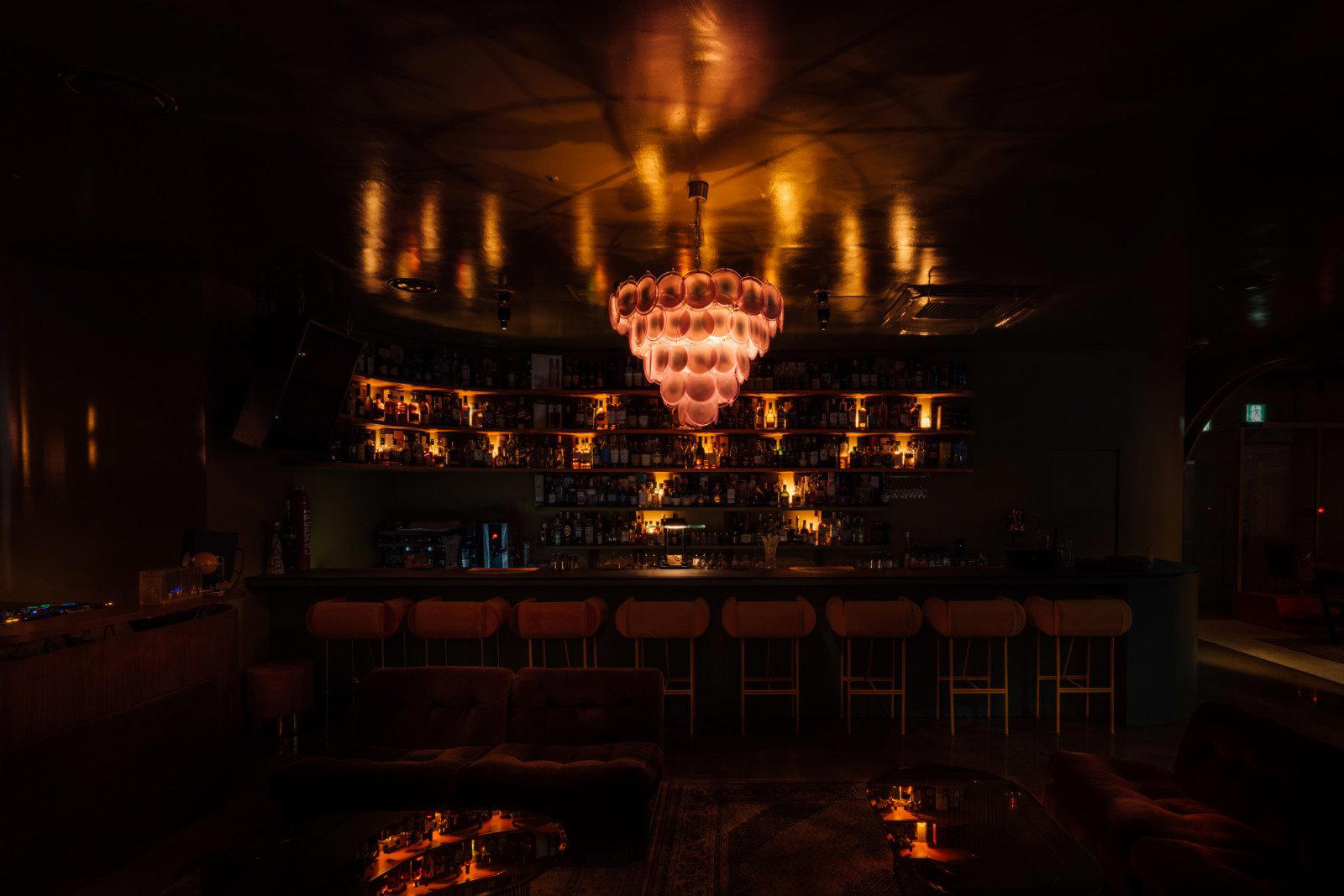
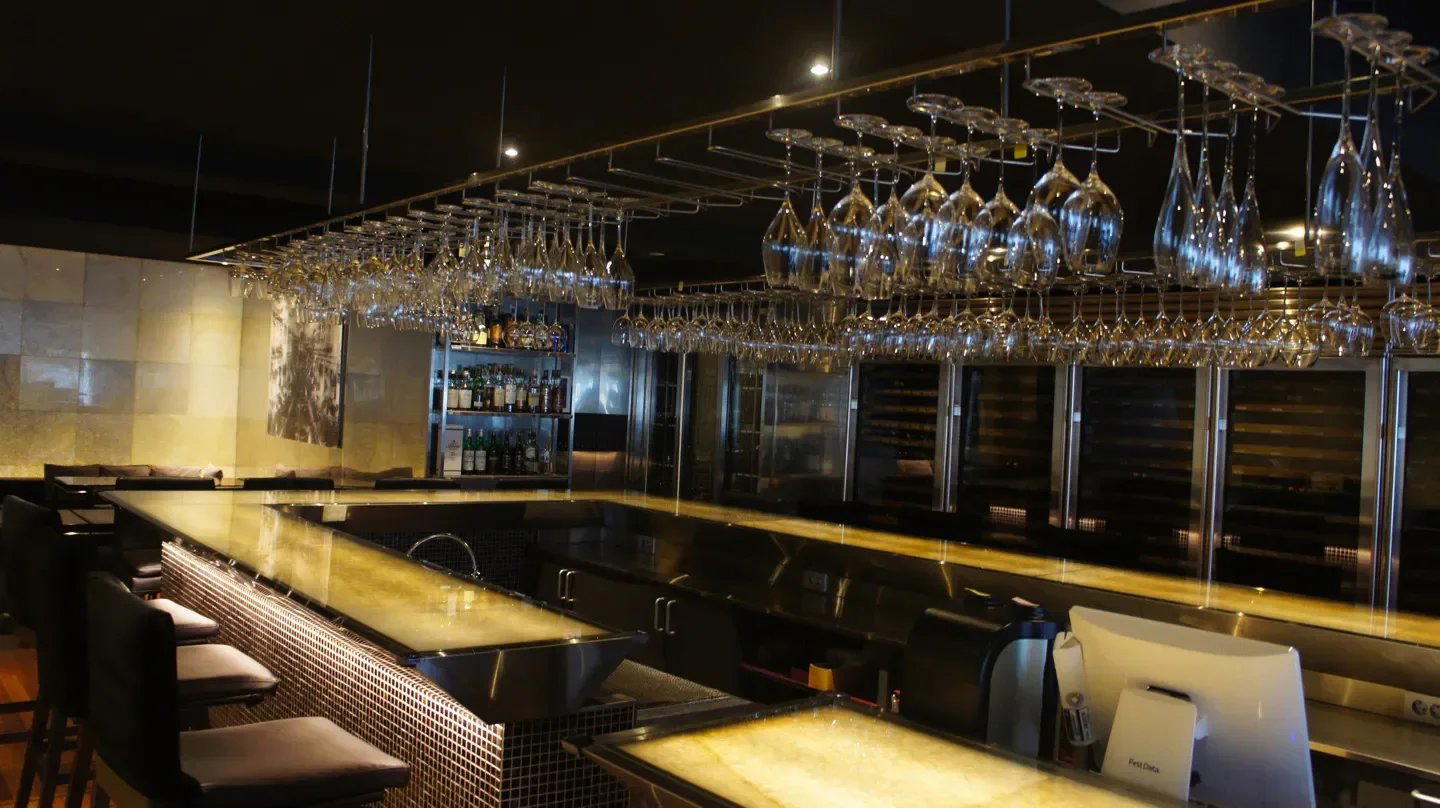
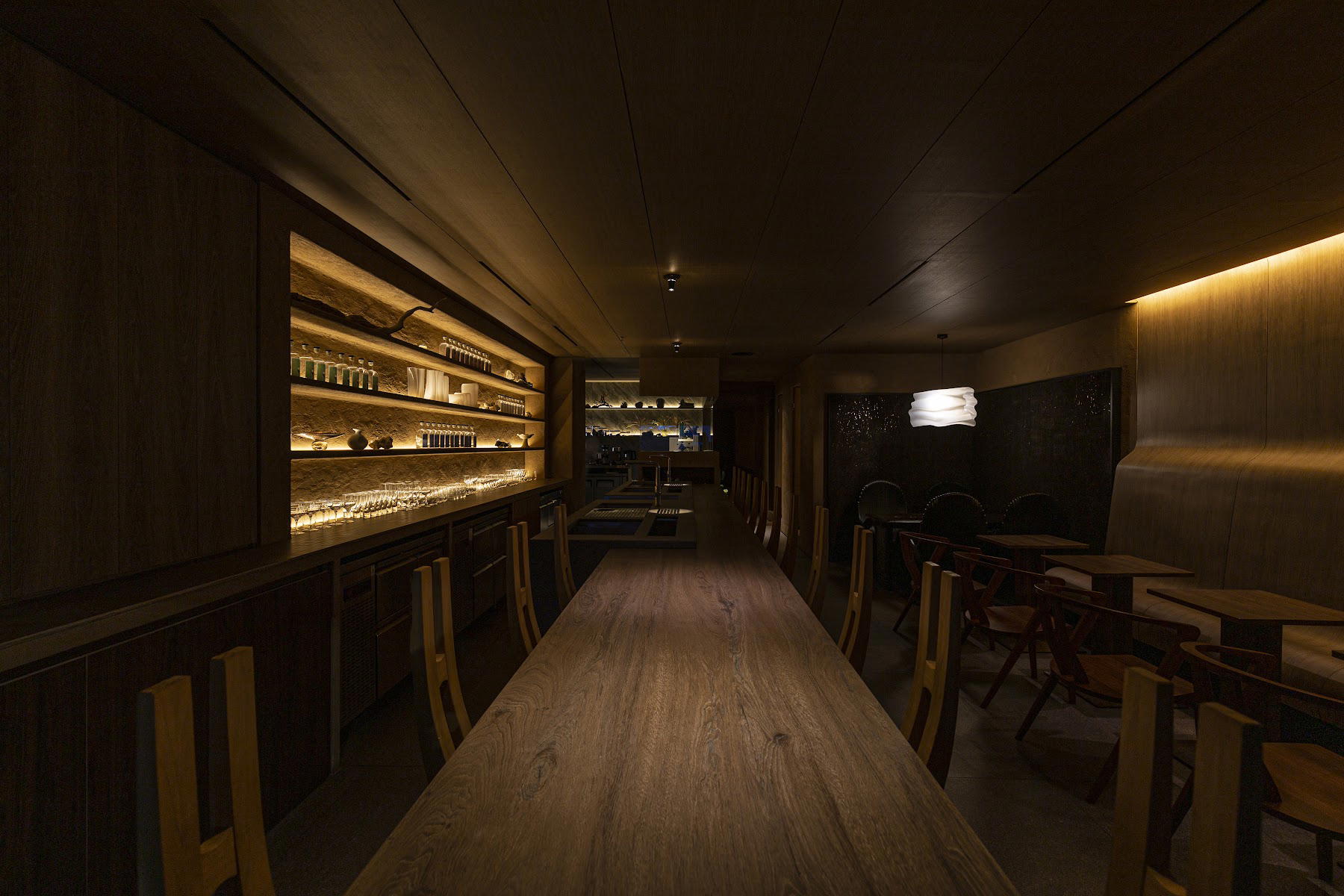
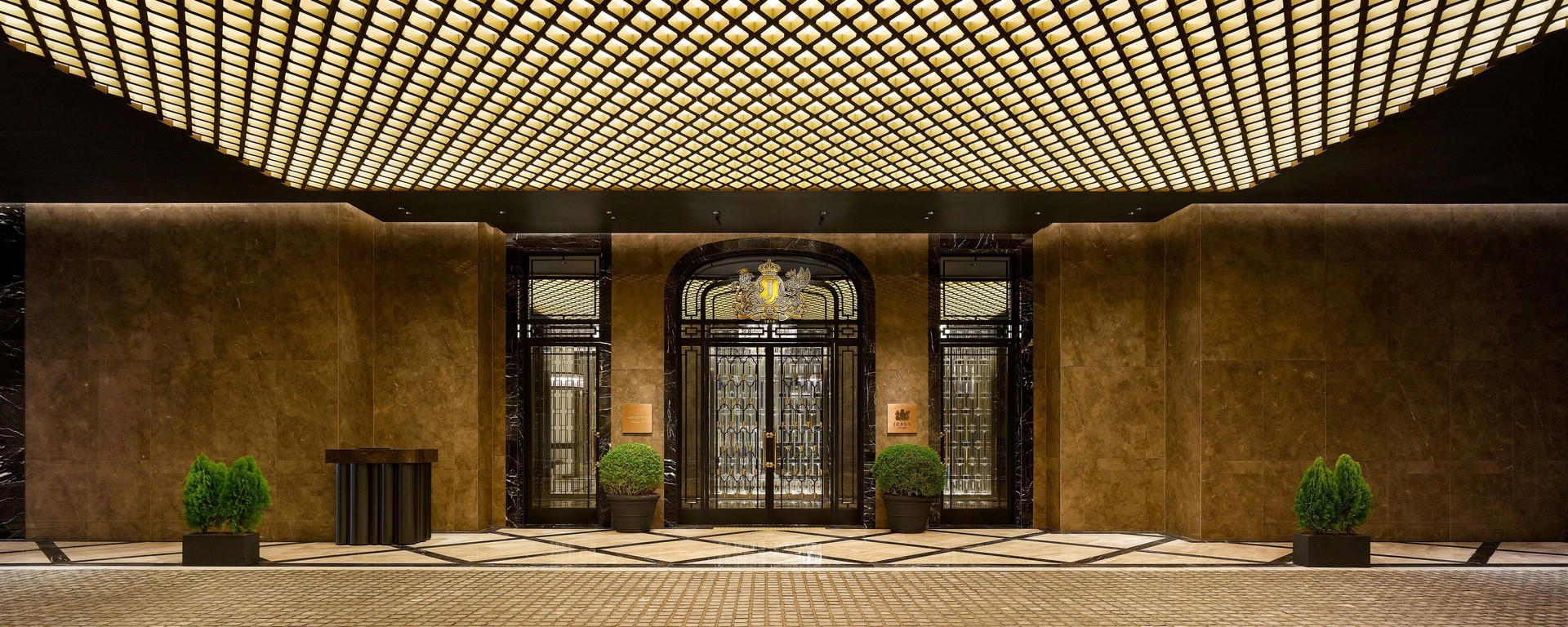
Sophisticated atmosphere suitable for business dinners with private rooms providing an intimate setting for fresh seafood feasts.