Our verdict
Pauli district, where the neighbourhood's working-class port history sits alongside a newer wave of casual-specialist dining. The format follows a pattern gaining traction across northern European cities: a focused noodle menu delivered with enough craft to hold its own in a city that also fields Michelin-starred counters and ambitious modern European kitchens.

Pearl is the En Primeur Club membership app — saves, bookings, and concierge access live there. Same editors, same standards.
- Address
- Clemens-Schultz-Straße 41, 20359 Hamburg, Germany
- Phone
- +491783987610
- Hours
- Mon–Thu 12–2:30 PM, 5:30–9 PMFri 12–2:30 PM, 5:30–10 PMSat 2–10 PMSun 2–9 PM
- Website
- kokomo-ramen.de
- Directions
- Get directions
- Booking
- Book on the venue's website
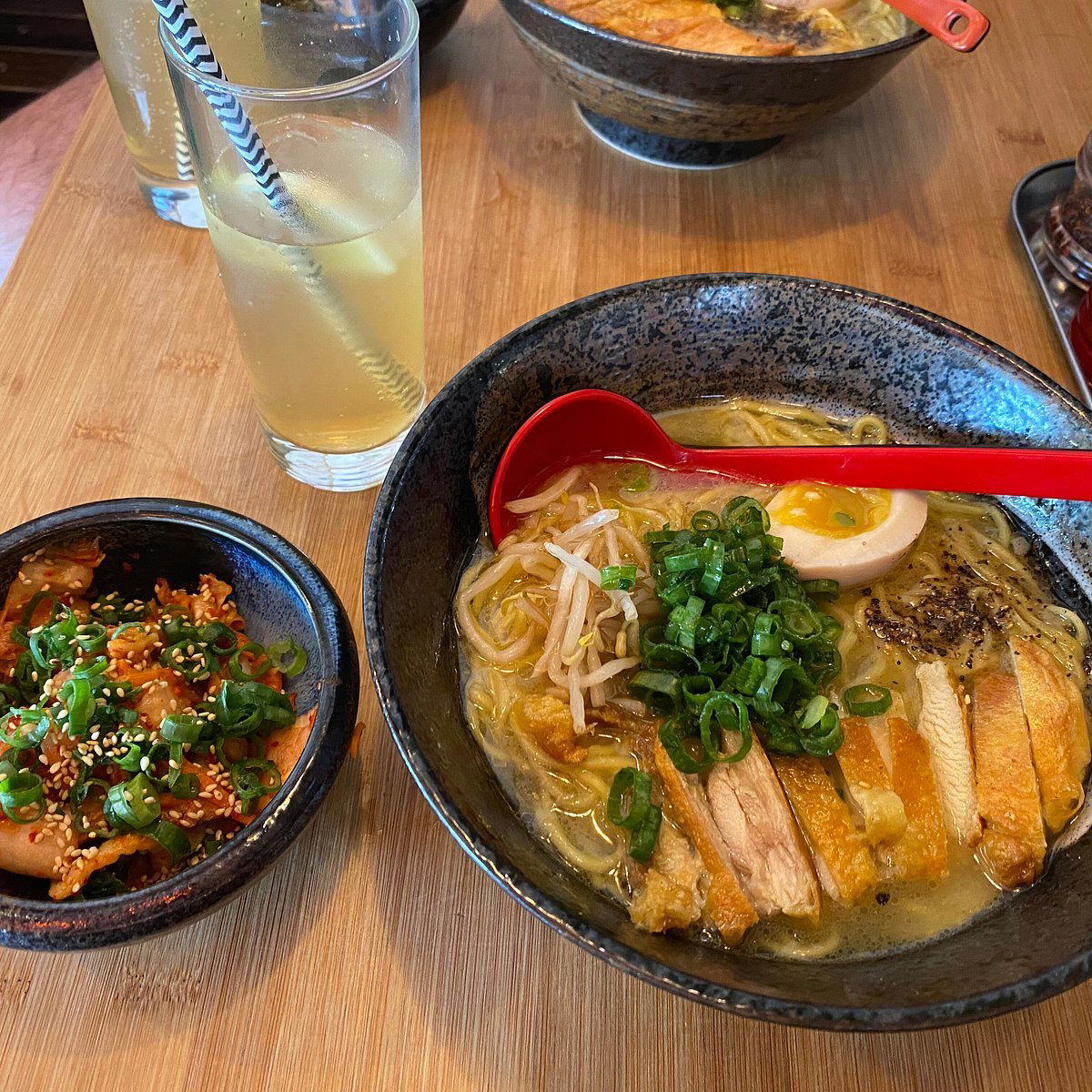
The menu
What to order
- Tonkotsu
- Shio Yuzu & Sea Salt
- Tokyo Chicken Ramen
- Korean Fried Chicken
- Gyoza
St. Pauli has spent the better part of a decade recalibrating its dining identity. Kokomo Noodle Club at number 41 sits squarely inside that shift.
The address places the venue within walking distance of the Schanzenviertel's café culture to the north and the harbour-adjacent development of HafenCity to the east, yet it reads neither as a Schanze overflow nor as a waterfront concept. It belongs to St. Berlin has moved furthest, with a cluster of ramen shops and pan-Asian noodle concepts that range from fast-casual to genuinely considered cooking. Seat turnover is typically higher than in a tasting-menu room, price points sit in a range accessible to regulars rather than occasion diners, and a well-executed broth or hand-pulled noodle can establish neighbourhood loyalty faster than most other formats. The challenge is differentiation: in a city where Aqua in Wolfsburg, Schwarzwaldstube in Baiersbronn, Vendôme in Bergisch Gladbach, and Victor's Fine Dining by Christian Bau in Perl, operate in a different register entirely, one built on classical French technique, long tasting menus, and extended booking windows. At the other end, the casual-specialist tier that includes venues like Kokomo represents a different thesis about where serious cooking can happen and who it is for. Atomix in New York City represents the high-formal end of Korean-influenced tasting menu dining, while the noodle and broth specialists operating in New York's outer boroughs and lower Manhattan serve a version of the same cuisine tradition at a fraction of the price and with none of the ceremony. Both formats are legitimate; they address different moments in a diner's week and different thresholds of occasion. The fine dining tier, represented by the venues above, is solid. The mid-market Mediterranean and modern European options are competitive. The fast-casual end is crowded. The focused craft-noodle segment, where execution matters more than price point and where the menu is narrow enough to allow genuine mastery, has room for growth. Pauli district, reachable by U-Bahn from St. Pauli station or a short walk from the Schanzenviertel. Contact details and current hours are best confirmed through the venue directly or via current local listings, as this information was not available at time of writing. Given the neighbourhood's foot-traffic character and the format's typical setup, walk-ins are a reasonable approach during off-peak hours, though arriving early in the evening reduces wait risk.enprimeurclub.enprimeurclub.com/restaurants/jan-munich-restaurant">JAN in Munich, ES:SENZ in Grassau, Waldhotel Sonnora in Dreis, Schanz in Piesport, Bagatelle in Trier, and CODA Dessert Dining in Berlin for the range of what German cooking is doing at its most considered.
Frequently Asked Questions
- What is the signature dish at Kokomo Noodle Club?
- Specific menu details for Kokomo Noodle Club were not available at time of publication. The venue's noodle-focused format suggests a tight menu built around broth and noodle craft rather than a broad kitchen programme.
- How far ahead should I plan for Kokomo Noodle Club?
- Because confirmed booking policies and current demand data are not available, planning depends on the format. Noodle specialists in St. Pauli-style neighbourhoods typically operate as walk-in or short-notice venues rather than extended-booking restaurants.
- What do critics highlight about Kokomo Noodle Club?
- No specific critical coverage of Kokomo Noodle Club was available at time of writing. The venue's position in St. Pauli's emerging casual-specialist tier places it in a category that tends to earn neighbourhood-level recognition before formal critical attention.enprimeurclub.enprimeurclub.
- Can Kokomo Noodle Club adjust for dietary needs?
- Noodle formats in this category commonly involve broth-based preparations where substitutions can be limited by the kitchen's core technique.
- The casual-specialist noodle format is structurally well-suited to solo dining: counter seating, shorter meal durations, and single-dish menus make it a lower-friction experience for one person than a tasting menu room. St.
Frequently asked questions
What is the signature dish at Kokomo Noodle Club?
How far ahead should I plan for Kokomo Noodle Club?
What do critics highlight about Kokomo Noodle Club?
Can Kokomo Noodle Club adjust for dietary needs?
Price and Recognition
Comparable venues nearby, for context on price, style, and recognition.
| Venue | Cuisine | Price | Notes |
|---|---|---|---|
| Kokomo Noodle ClubThis venue — the venue you are viewing | Authentic Japanese Ramen | $30–50 | Not listed |
| Moji Sushi | Japanese Sushi | Not listed | Alsterberg, Japanese Sushi |
| Daruma | Authentic Traditional Japanese Izakaya | $30–50 | Hammerbrook, Authentic Traditional Japanese Izakaya |
| kofookoo | Japanese Sushi All-You-Can-Eat | $20–30 | Sternschanze, Japanese Sushi All-You-Can-Eat |
| Wabisabi Ramen | Traditional Japanese Ramen & Sushi | $30–50 | St. Pauli, Traditional Japanese Ramen & Sushi |
| Katana Sushi | Traditional Japanese Sushi | $20–30 | Neustadt, Traditional Japanese Sushi |
Continue exploring
More in Hamburg
Restaurants in Hamburg
Browse all →
Bars in Hamburg
Browse all →
Hotels in Hamburg
Browse all →
Wineries in Hamburg
Browse all →
Details
- Cozy
- Lively
- Modern
- Casual Hangout
- Group Dining
- Family
- Solo
- Open Kitchen
- Standalone
- Beer Program
- Farm To Table
- Organic
- Local Sourcing
- A La Carte
- Counter Dining
- House Beer
- Iced Tea
- Vegetarian Friendly
- Vegan Options
- Gluten Free Options
- Organic Focus
Current opening hours
- Monday
- 12–2:30 PM, 5:30–9 PM
- Tuesday
- 12–2:30 PM, 5:30–9 PM
- Wednesday
- 12–2:30 PM, 5:30–9 PM
- Thursday
- 12–2:30 PM, 5:30–9 PM
- Friday
- 12–2:30 PM, 5:30–10 PM
- Saturday
- 2–10 PM
- Sunday
- 2–9 PM
Hours can change for holidays and private events. Last verified .
Warm and inviting with Japanese-style decorations, lanterns, and posters creating an authentic Japanese restaurant feel; lively but relaxed atmosphere with friendly service.