On the Stadtdeich waterfront in Hamburg's HafenCity fringe, Daruma occupies a stretch of the city where industrial heritage and contemporary dining have been converging for over a decade. The address places it within reach of the Elbe's working port atmosphere, and the name signals Japanese or Japanese-inflected cooking in a city that has absorbed Asian culinary traditions with increasing seriousness. Booking intelligence and seasonal timing matter here.
Pearl is the En Primeur Club membership app — saves, bookings, and concierge access live there. Same editors, same standards.
- Address
- Stadtdeich 1, 20097 Hamburg, Germany
- Phone
- +494940326632
- Directions
- Get directions
 Saves & bookings on Pearl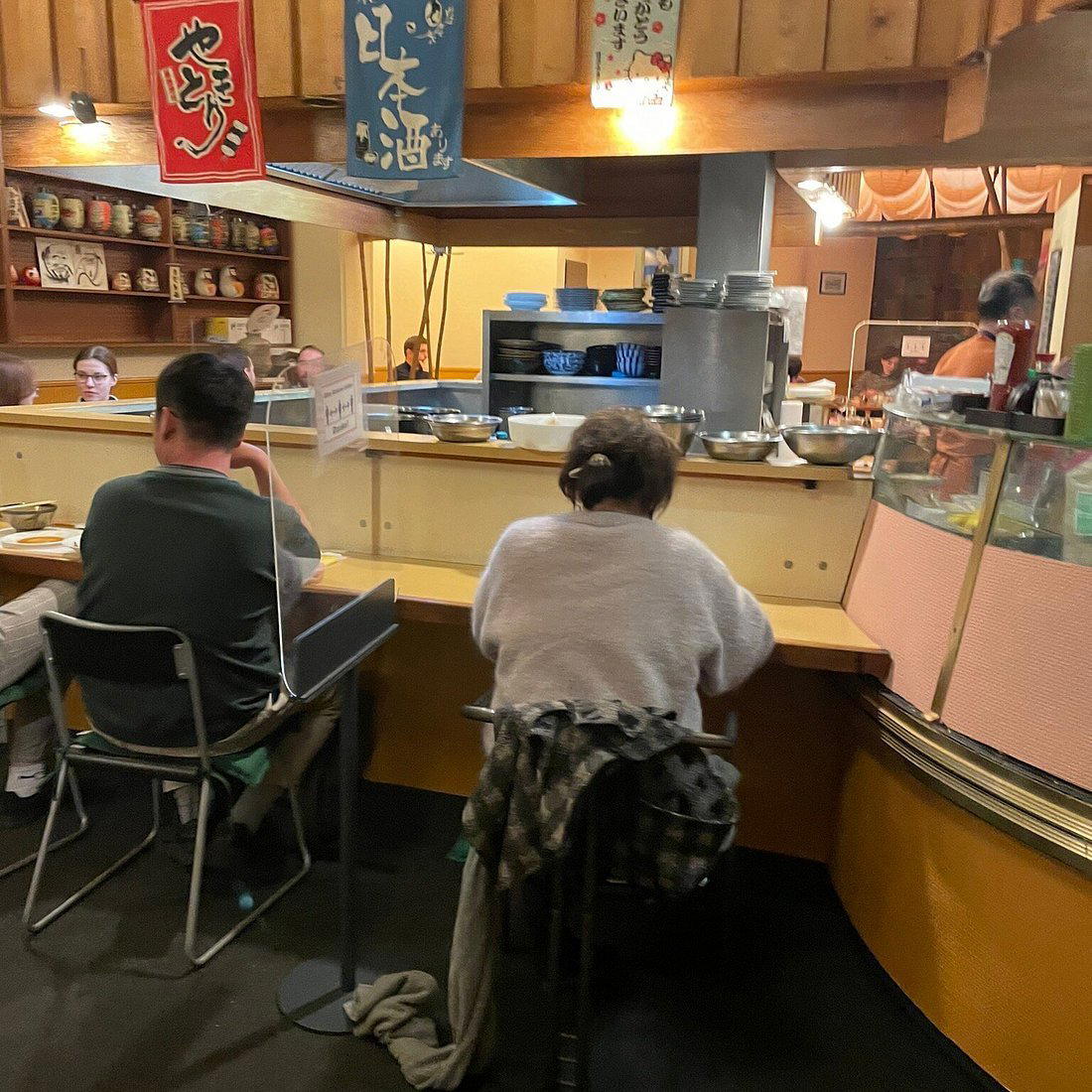
Where the Elbe Meets the Plate: Hamburg's Stadtdeich Dining Scene
Stadtdeich 1 is not a glamorous postcode by Hamburg convention. The address sits on the eastern edge of HafenCity's spillover zone, where the Elbe's industrial past has been slowly renegotiated by restaurants, studios, and creative businesses over the past fifteen years. In cities like Hamburg, where fine dining has historically concentrated in Rotherbaum and the Alster lakeside corridors, addresses this close to the working port carry a deliberate signal: the kind of restaurant that opens here is usually making a statement about its independence from the established circuit. That context matters before you even step inside Daruma. Daruma is an Authentic Traditional Japanese Izakaya in Hamburg, with a casual dress code, reservations recommended, and an average spend of about $45 per person.
Hamburg's restaurant culture has undergone a recognisable bifurcation over the past decade. The leading bracket, anchored by Restaurant Haerlin and The Table Kevin Fehling, operates in the €€€€ range with Michelin credentials and international reach. Below that, a second tier of ambitious restaurants, including 100/200 Kitchen and bianc, has been building serious reputations through distinct culinary philosophies rather than institutional weight. Daruma occupies this contested middle ground, where identity and sourcing discipline tend to carry more weight than trophy credentials.
The Sustainability Argument in German Fine Dining
Germany's high-end restaurant sector has been slower than its Nordic neighbours to centre sustainability as an explicit operational framework, but that is changing. Particularly instructive examples sit outside Hamburg: CODA Dessert Dining in Berlin has built an entire tasting format around waste reduction and ingredient utilisation, while ES:SENZ in Grassau has positioned itself within Bavaria's agricultural networks as a point of differentiation from the broader fine dining circuit. At the other end of the country, Schwarzwaldstube in Baiersbronn has long treated the Black Forest's foraging and farming calendar as both a sourcing strategy and a menu logic.
Restaurants trading on a Japanese identity, as Daruma's name suggests, operate within a distinct ethical sourcing tradition. Japanese culinary philosophy has always foregrounded provenance, seasonality, and the relationship between ingredient and technique. Where this intersects with European sustainability thinking, the result tends to be menus that cycle tightly with seasonal availability and kitchens that prioritise whole-animal or whole-vegetable utilisation over plate-first aesthetics. Hamburg's proximity to the North Sea and the agricultural hinterlands of Schleswig-Holstein gives any restaurant with this orientation a legitimate regional sourcing base to work from.
The Elbe waterfront address is not incidental to this framing. Hamburg's port identity has always made it a city of imports and exchanges, and the leading restaurants here have learned to treat that as a sourcing advantage rather than a limitation. The question with any restaurant in this position is whether the sustainability framing is operational discipline or marketing positioning. At Daruma, the address and the culinary register suggest the former, though the proof is in the kitchen's actual supply chain.
Japanese Culinary Tradition in a Northern European Port City
Hamburg has absorbed Japanese dining across multiple price points, from ramen counters in the Sternschanze quarter to omakase-adjacent formats in the city centre. The city's trading history and its significant Japanese business community have created genuine demand across the full range, not just at the entry level. This distinguishes Hamburg from, say, Frankfurt, where Japanese fine dining remains more niche, and places it closer to the position of cities like Amsterdam or Copenhagen, where Japanese technique has been genuinely metabolised into the local high-end dining conversation.
In this context, a restaurant operating under a Japanese name on the Stadtdeich is positioning itself within a specific competitive logic. It is not trading on novelty; Hamburg diners have sufficient Japanese dining literacy to read the signals. The relevant comparable set is not generic Asian restaurants but the smaller number of Hamburg addresses that treat Japanese technique or philosophy as a structural element of the menu rather than a surface aesthetic. Lakeside and bianc both demonstrate what it looks like when a kitchen commits to a coherent culinary identity at the €€€€ level; Daruma's proposition, whatever its precise format, sits within that broader argument about commitment versus compromise.
For comparative frame, Germany's most disciplined Japanese-inflected or Asia-influenced fine dining addresses tend to share a set of structural features: small capacity, ingredient-led menus, restrained plate aesthetics, and a sourcing philosophy that treats proximity and seasonality as defaults rather than exceptions. JAN in Munich and Vendôme in Bergisch Gladbach both illustrate how a coherent philosophical position can sustain a restaurant's identity over time. Internationally, the parallel is something like Le Bernardin in New York City, where a singular focus on ingredient quality and technique has proven more durable than format novelty.
Planning a Visit: What Hamburg's Stadtdeich Requires of You
Restaurants at Stadtdeich 1 require some advance orientation. The address is accessible by U-Bahn from Hamburg Hauptbahnhof, roughly a ten-minute walk from Meßberg station, and sits within the broader HafenCity zone that has become significantly easier to reach as the U4 line has extended. Parking in the immediate area is limited, as it is across most of Hamburg's inner port zones, so public transport or taxi is the default for most visitors arriving from the city's hotel cluster around the Alster.
For Hamburg's mid-to-upper dining tier, lead times of two to four weeks are standard for weekend bookings, with weekday availability generally broader. At the summit of the market, addresses like The Table Kevin Fehling operate on much longer booking windows; Daruma's position in the competitive set suggests something closer to the former than the latter, though direct confirmation with the restaurant is always advisable. Aqua in Wolfsburg and Waldhotel Sonnora in Dreis both illustrate how destination restaurants outside major cities can require planning equivalent to Hamburg's top tier; Daruma, as a city address, should be more accessible but warrants early contact nonetheless.
Hamburg's dining calendar has two peaks: the warmer months from May through September, when the port-adjacent terraces and waterfront positions become genuinely appealing, and the pre-Christmas period through December, when the city's food culture intensifies around its market and hospitality calendar. For a Stadtdeich address with potential terrace or water-view positioning, the late spring and summer window is the period worth planning around.
Know Before You Go
- Address: Stadtdeich 1, 20097 Hamburg, Germany
- Nearest transit: Meßberg (U4), approximately 10 minutes on foot
- Booking lead time: Reservations are recommended.
- Price context: Positioned within Hamburg's competitive mid-to-upper dining range; confirm current pricing directly
- nabemono
- donburimono
- gyoza
- sashimi
- grilled eel
- udon noodle soup
- tempura
Fast Comparison
Comparable venues nearby, for context on price, style, and recognition.
| Venue | Cuisine | Price | Notes |
|---|---|---|---|
| DarumaThis venue — the venue you are viewing | Authentic Traditional Japanese Izakaya | $$ | Not listed |
| Ume no Hana | Vietnamese-Japanese Fusion with Pho and Ramen | $$ | St. Pauli |
| Green Lovers | Fresh Salads & Bowls | $$ | Hamburg-Altstadt |
| New City Smash | Smash Burgers | $$ | Neustadt |
| Paledo | Superfood Café & Deli | $$ | Barmbek |
| Simply Food Hamburg | Italian Pizza and Pasta | $$ | Barmbek |
Continue exploring
More in Hamburg
Restaurants in Hamburg
Browse all →
At a Glance
- Rustic
- Cozy
- Intimate
- Date Night
- Group Dining
- Casual Hangout
- Special Occasion
- Open Kitchen
- Standalone
- Sake Program
Current opening hours
- Monday
- Closed
- Tuesday
- 6:30–10:30 PM
- Wednesday
- 6:30–10:30 PM
- Thursday
- 6:30–10:30 PM
- Friday
- 6:30–10:30 PM
- Saturday
- 6:30–10:30 PM
- Sunday
- Closed
Hours can change for holidays and private events. Last verified .
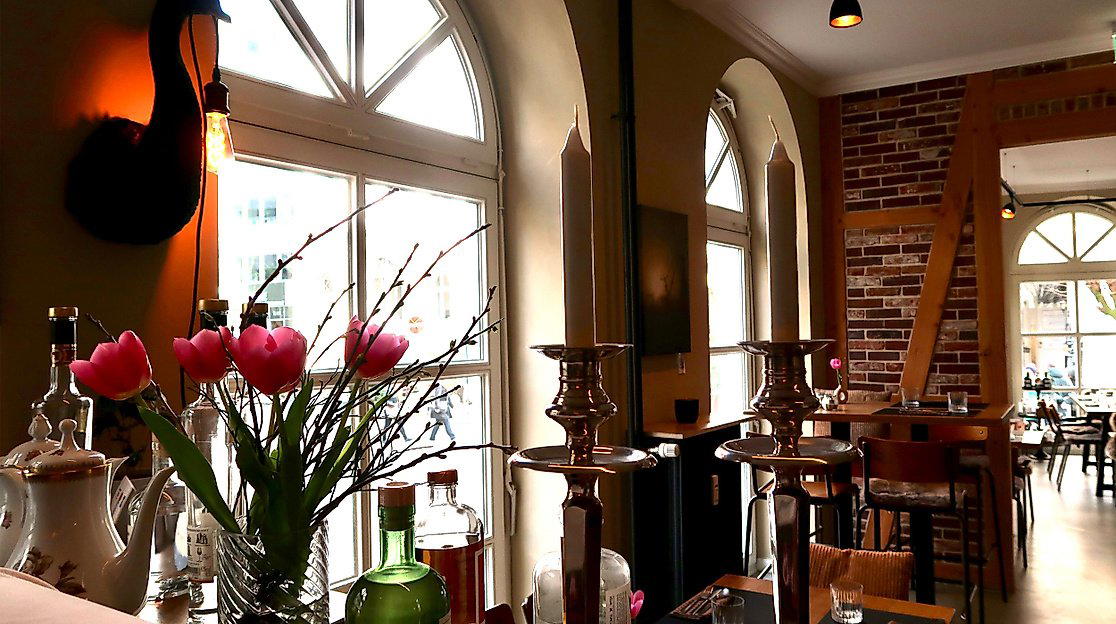
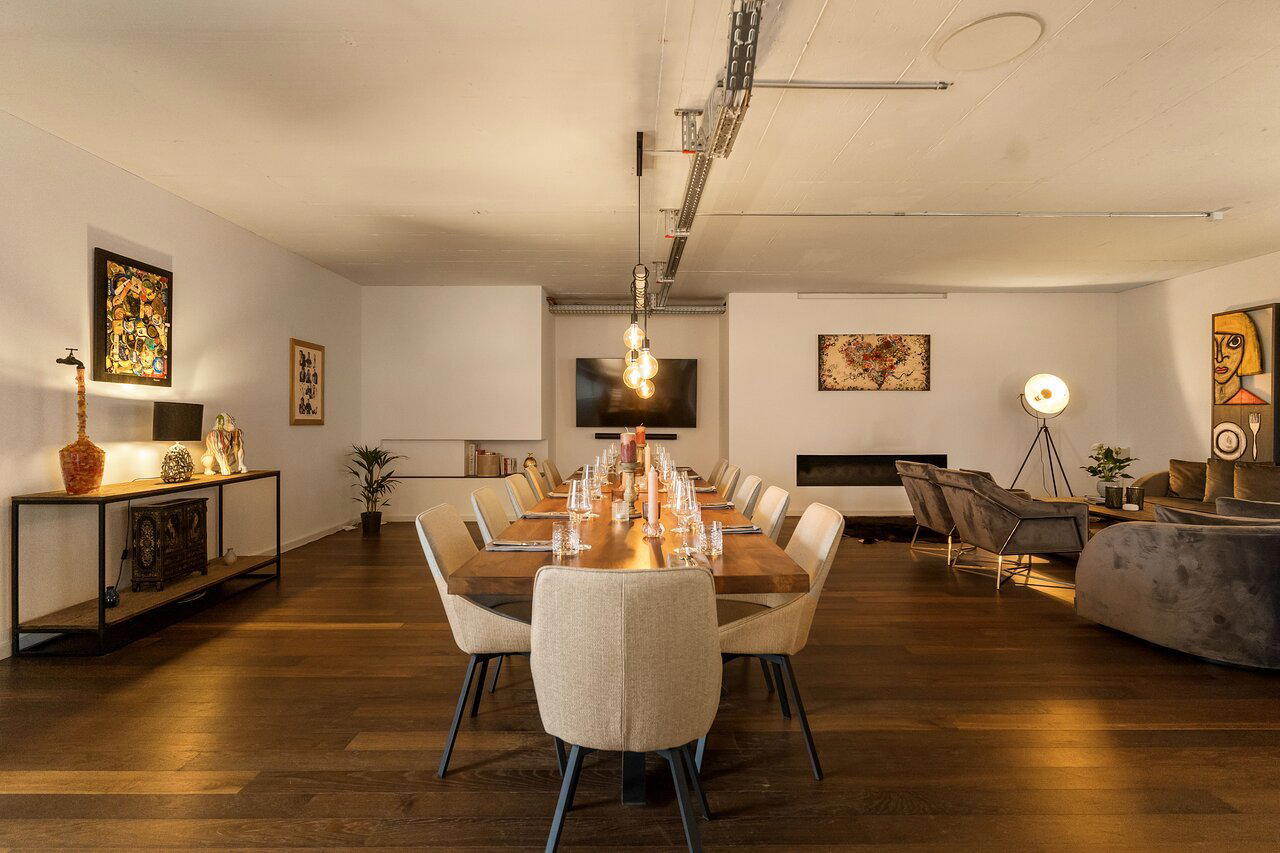
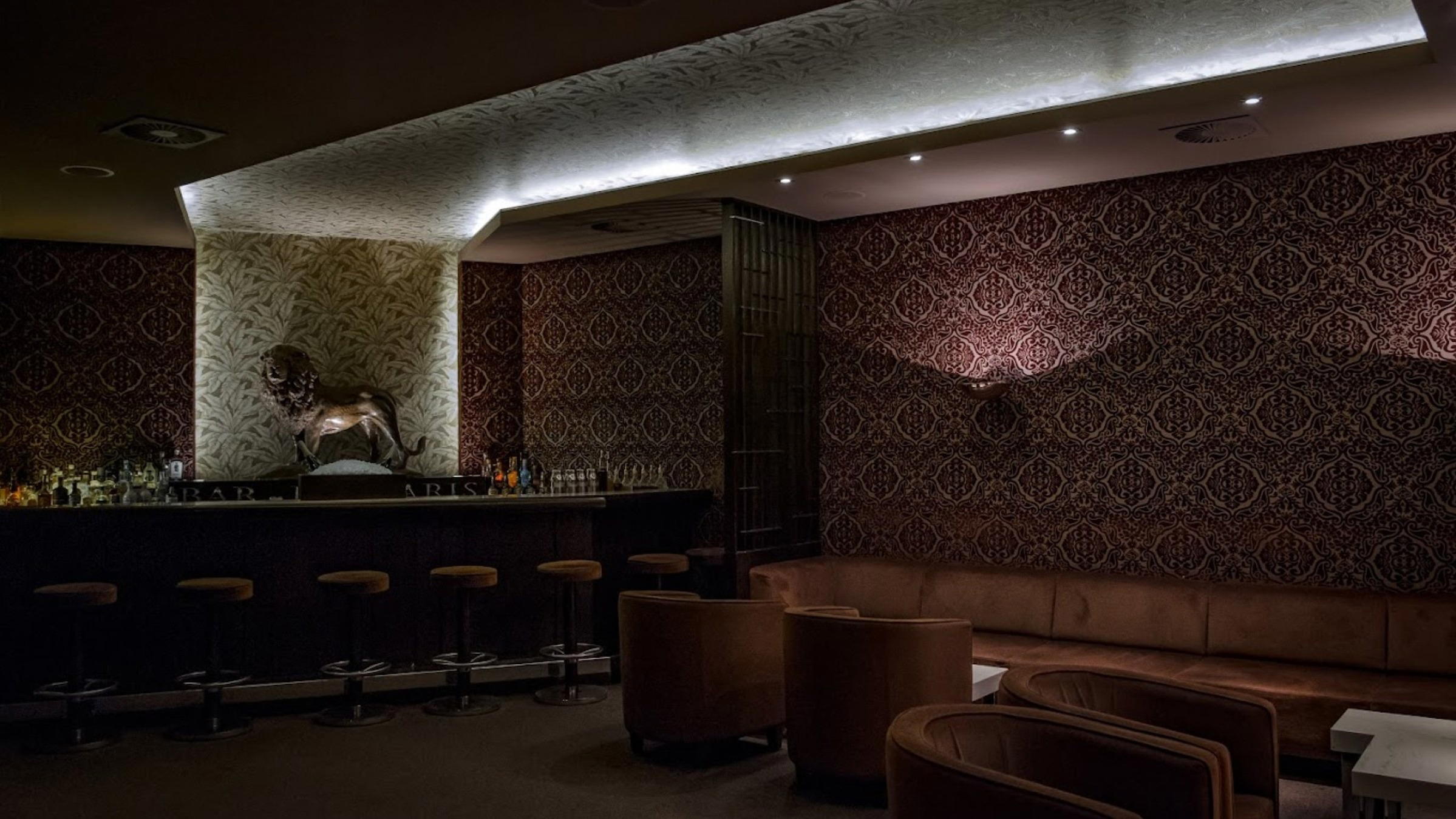
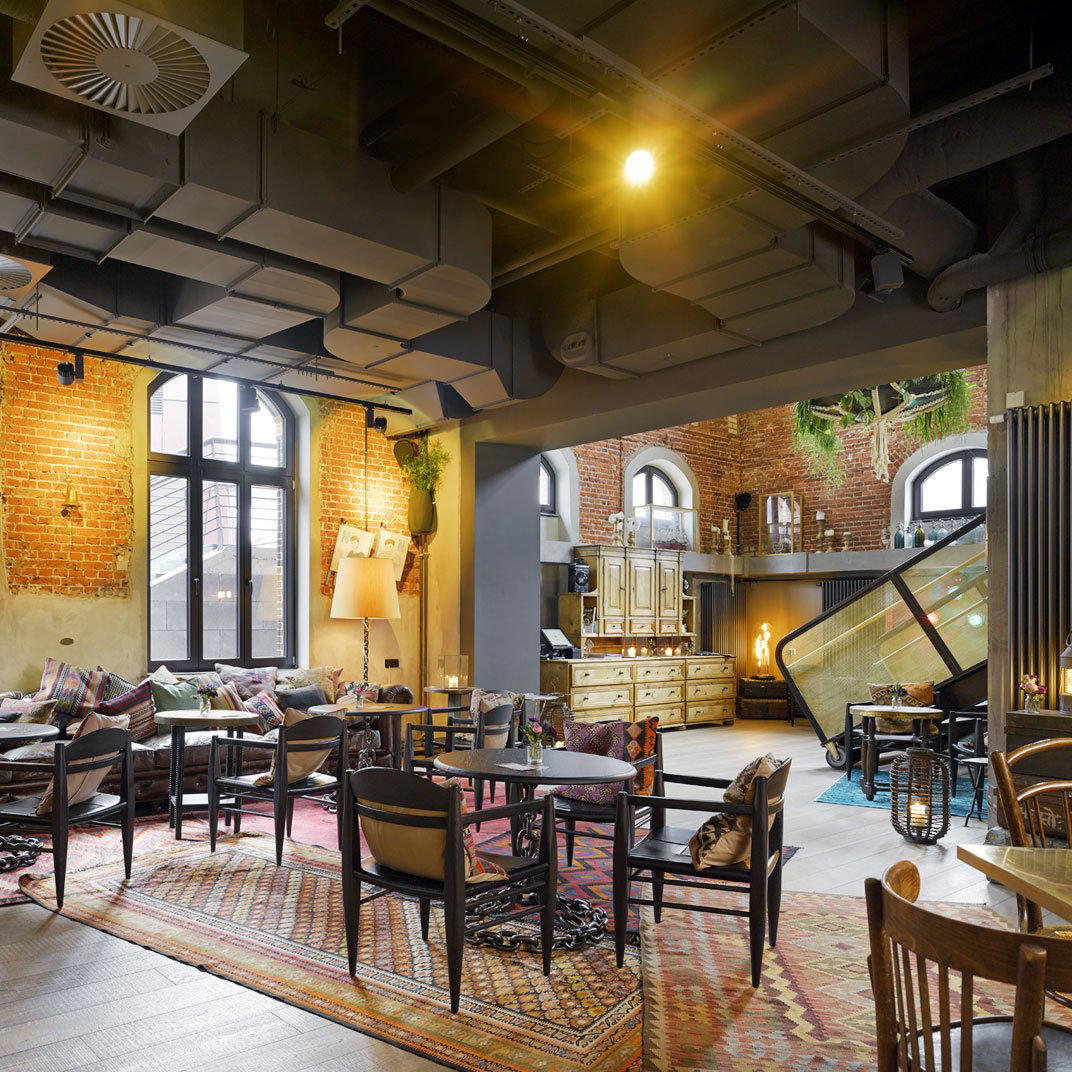
Simple, rustic, dated interior with original 1960s-70s decor; unpretentious pub-like setting with open kitchen where diners can observe the chef at work.