Our verdict
Moji Sushi occupies a quiet stretch of Alsterdorfer Strasse in Hamburg's Winterhude district, where the city's appetite for Japanese cuisine has grown well beyond the downtown sushi conveyor belt. The address places it inside a residential neighbourhood that rewards those who seek restaurants by reputation rather than foot traffic, which in Hamburg's sushi scene is increasingly how the serious spots are found.

Pearl is the En Primeur Club membership app — saves, bookings, and concierge access live there. Same editors, same standards.
- Address
- Alsterdorfer Str. 263, 22297 Hamburg, Germany
- Phone
- +494052162969
- Hours
- Mon–Thu 11:15 AM–9:45 PMFri 11:15 AM–10 PMSat–Sun 11:30 AM–10 PM
- Website
- mojisushi.simplywebshop.de
- Directions
- Get directions
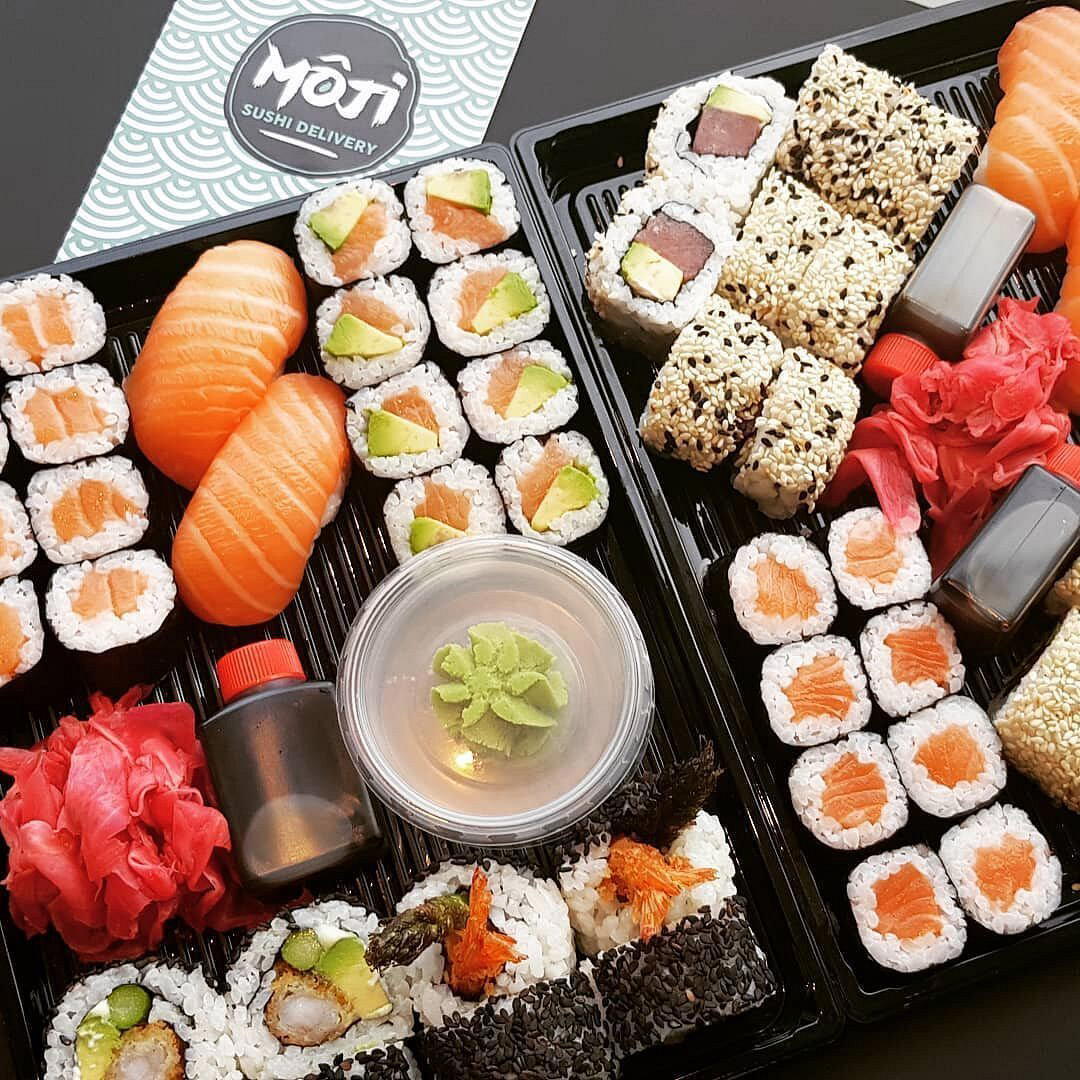
The menu
What to order
- Duck sushi
- Poke bowls
- Kikiri rolls
Hamburg's Sushi Scene Beyond the City Centre
Japanese cuisine in Hamburg has followed a trajectory familiar to other northern European port cities: an early phase dominated by all-you-can-eat formats and conveyor belts, followed by a slower emergence of counter-led, product-focused restaurants that compete on sourcing and technique rather than volume. The address at Alsterdorfer Strasse 263 places Moji Sushi in Winterhude, a residential quarter north of the Alster lakes where several of Hamburg's more considered dining rooms have taken root away from the obvious tourist circuits of the Altstadt and HafenCity waterfront.
In Hamburg's broader dining picture, the high-end conversation is still largely dominated by French-influenced tasting menus. Restaurant Haerlin and The Table Kevin Fehling anchor the upper tier of formal dining, while newer creative formats like 100/200 Kitchen and Mediterranean-leaning rooms such as bianc and Lakeside have broadened what the city expects from an ambitious dinner. Sushi at a serious level occupies a smaller, quieter niche within that ecosystem, which is precisely what makes a neighbourhood address worth paying attention to.
Reading the Menu: What the Structure Signals
In any sushi restaurant, the menu architecture is the clearest statement of intent the kitchen makes. The division between rolls assembled to maximise flavour impact for unfamiliar diners, traditional nigiri built around the quality of a single fish and a precise amount of rice, and omakase or chef-led sequences represents a hierarchy that tells you immediately where a kitchen places its ambitions.
Restaurants that lead with elaborate rolls and sauce-heavy presentations are optimising for accessibility. Those that anchor their offering in nigiri and sashimi, with rice temperature and fish sourcing treated as the central variables, are making a different argument: that the dish itself, in its most reduced form, is where the kitchen wants to be judged. Across Germany's more carefully observed Japanese dining rooms, from the higher-end counters in Berlin and Munich to notable addresses in Hamburg itself, this shift toward product-first menus has been the defining movement of the past decade.
At the category level, Germany has seen genuine development in Japanese cuisine beyond the major metropolitan centres. Atomix in New York City demonstrates what a menu built on research and cultural context can communicate to a diner through format alone; Le Bernardin in New York City shows how sustained fish-focused cooking earns institutional authority. These are different formats and different price brackets, but the editorial logic of a menu, what it foregrounds and what it excludes, applies equally to a neighbourhood sushi room in Winterhude as to a three-star counter on the East Side of Manhattan.
Winterhude and the Neighbourhood Context
The Winterhude district sits roughly four kilometres north of Hamburg's central station, bounded by the Alster to the west and characterised by Gründerzeit apartment blocks and independent retail. It is not a dining destination in the way that the Schanzenviertel or parts of Eppendorf draw visitors explicitly for restaurants, but it supports a loyal local dining culture that has increasingly attracted kitchens unwilling or unable to pay the rents of more trafficked postcodes.
This pattern, a quality restaurant finding its audience in a residential quarter rather than a commercial strip, is common across European cities where real estate pressure has pushed independent operators outward. In Hamburg's Japanese dining segment, it means a visitor needs to be intentional: the address is not something you stumble across. That intentionality tends to filter the room toward guests who already know what they are looking for, which shapes the atmosphere in ways that a high-footfall location rarely achieves.
The Broader German Fine Dining Frame
Understanding where Moji Sushi sits requires some sense of what Germany's serious restaurant culture looks like beyond Hamburg's borders. The country's top-recognised kitchens include addresses like Aqua in Wolfsburg, Schwarzwaldstube in Baiersbronn, Vendôme in Bergisch Gladbach, and Victor's Fine Dining by Christian Bau in Perl, all operating in a French-classical or modern European register. Restaurants that work outside that tradition, whether the dessert-focused format of CODA Dessert Dining in Berlin, or seasonal lakeside cooking at ES:SENZ in Grassau, tend to build recognition more slowly because they are working against a deeply embedded critical framework. Japanese-inflected kitchens, particularly those not operating at an omakase price point with explicit Michelin positioning, occupy a lower profile in that national conversation, which says more about the critical apparatus than the quality of the cooking.
For comparison: Hamburg itself has access to broader fine dining ranges including Schanz in Piesport, Waldhotel Sonnora in Dreis, Bagatelle in Trier, and JAN in Munich as reference points when considering how Japanese cuisine fits into Germany's restaurant hierarchy. Our full Hamburg restaurants guide maps the city's dining character across neighbourhoods and price tiers.
What to Expect at the Table
The structural question any menu-first read of Moji Sushi should ask is whether the kitchen is making decisions about what to exclude, which is usually the harder editorial act in any cuisine, or whether it is expanding to accommodate every request. Restraint in menu architecture, a shorter list built around what the kitchen can execute at its highest level, is almost always the signal worth trusting in Japanese dining.
Do I need a reservation for Moji Sushi?
For neighbourhood sushi restaurants in Hamburg with established local followings, booking ahead is the standard practice rather than the exception. A residential address like Alsterdorfer Strasse 263 will have a smaller dining room than a high-street venue, which makes walk-in availability less predictable.
What has Moji Sushi built its reputation on?
Hamburg's more considered Japanese dining rooms tend to build reputation on sourcing consistency and a clear menu position, whether that means a focus on traditional nigiri forms, a tighter edit of what the kitchen prepares, or a sustained relationship with a local audience that returns on merit.
Can Moji Sushi handle vegetarian requests?
Vegetarian options at Japanese restaurants in Germany have expanded considerably as kitchens respond to dietary diversity in European markets, but the specifics vary significantly by venue. Contact Moji Sushi directly via their current phone number or website to confirm what the kitchen can accommodate for dietary requirements.
Is eating at Moji Sushi worth the cost?
Price-to-quality judgements in Japanese dining depend heavily on what tier you are comparing against. Hamburg's high-end dining rooms in the €€€€ bracket, such as The Table Kevin Fehling or bianc, operate on a different value proposition than a neighbourhood sushi address.
How does Moji Sushi's location in Winterhude affect the dining experience?
Winterhude's residential character means the dining room draws primarily from a local Hamburg audience rather than visitors following a hotel concierge list. That shift in clientele tends to produce a more settled atmosphere than centre-city restaurants designed partly for occasion dining and partly for tourism. For a sushi restaurant specifically, where the pace of service and the quiet focus on what is on the plate matter as much as the food itself, a neighbourhood setting in a district like Winterhude, served by Hamburg U-Bahn connections and away from the main tourist circuits, can be an advantage rather than an inconvenience.
Frequently asked questions
How do I find Moji Sushi?
Moji Sushi is located at Alsterdorfer Str. 263, 22297 Hamburg, Germany, Hamburg.
How does Moji Sushi compare to Japanese restaurants in Hamburg's city centre?
Moji Sushi's location at Alsterdorfer Str. 263 puts it roughly four kilometres north of Hamburg's central station in Winterhude, outside the tourist and hotel-concierge circuit that drives much of the city-centre Japanese dining trade. Restaurants in this position tend to compete on neighbourhood loyalty rather than volume, which typically produces a quieter room and a more local clientele. For visitors, the trade-off is a short transit journey in exchange for a dining room not oriented around hotel guests or city-centre footfall.
What's the must-try dish at Moji Sushi?
At a neighbourhood sushi restaurant in Hamburg, the reliable indicator of kitchen confidence is typically the nigiri selection rather than composed rolls — the former reveals sourcing discipline, the latter can mask it. Ask the kitchen what arrived that week.
Do I need a reservation for Moji Sushi?
Moji Sushi is located at Alsterdorfer Str. 263 in Winterhude, a residential district where dining rooms draw a consistent local following rather than passing foot traffic. That kind of repeat-customer base tends to fill tables on weekday evenings as reliably as weekends. Booking ahead is the standard approach for neighbourhood restaurants with this profile, not a precaution reserved for special occasions.
What has Moji Sushi built its reputation on?
In Hamburg's north, beyond the city-centre dining corridor, restaurants with durable local standing typically earn it through sourcing consistency and a clear menu position rather than PR cycles. Its address on Alsterdorfer Strasse places it within a residential catchment that rewards reliability over novelty.
Can Moji Sushi handle vegetarian requests?
Vegetarian coverage at Japanese restaurants across Germany has broadened considerably over the past decade, with most kitchens now offering options beyond cucumber and avocado rolls as standard. Contacting the restaurant directly before your visit is the practical step here.
Is eating at Moji Sushi worth the cost?
As a frame of reference, Hamburg's city-centre Japanese restaurants range from budget lunch sets under €15 to omakase counters pushing €120 and above. A Winterhude neighbourhood sushi restaurant typically occupies the mid-range, where value is measured against sourcing quality and portion discipline rather than ceremony.
Budget Reality Check
Comparable venues nearby, for context on price, style, and recognition.
| Venue | Cuisine | Price | Notes |
|---|---|---|---|
| Moji SushiThis venue — the venue you are viewing | Japanese Sushi | Not listed | Not listed |
| Kokomo Noodle Club | Authentic Japanese Ramen | $30–50 | St. Pauli, Authentic Japanese Ramen |
| Badshah | Homestyle North Indian | $10–20 | St. Georg, Homestyle North Indian |
| kofookoo | Japanese Sushi All-You-Can-Eat | $20–30 | Sternschanze, Japanese Sushi All-You-Can-Eat |
| Ume no Hana | Vietnamese-Japanese Fusion with Pho and Ramen | $20–30 | St. Pauli, Vietnamese-Japanese Fusion with Pho and Ramen |
| Kebab House KURTULAN | Traditional Turkish Kebab House | $10–20 | Neumuehlen, Traditional Turkish Kebab House |
Continue exploring
More in Hamburg
Restaurants in Hamburg
Browse all →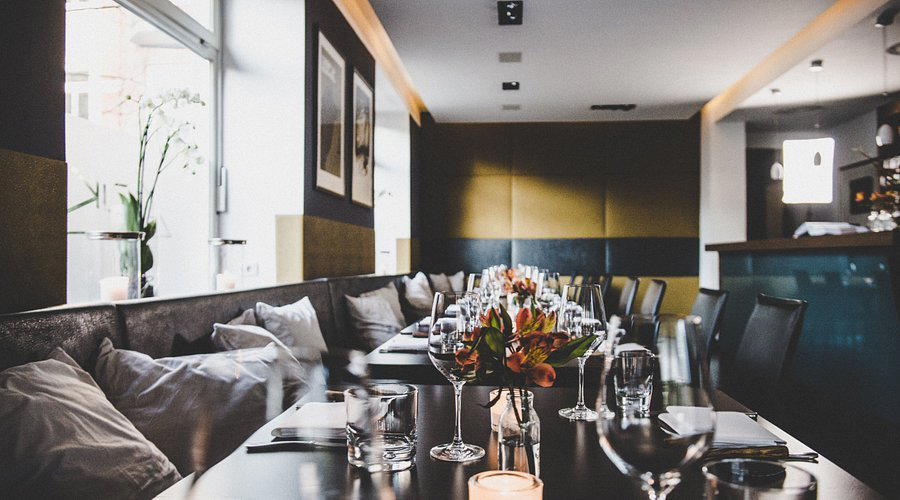
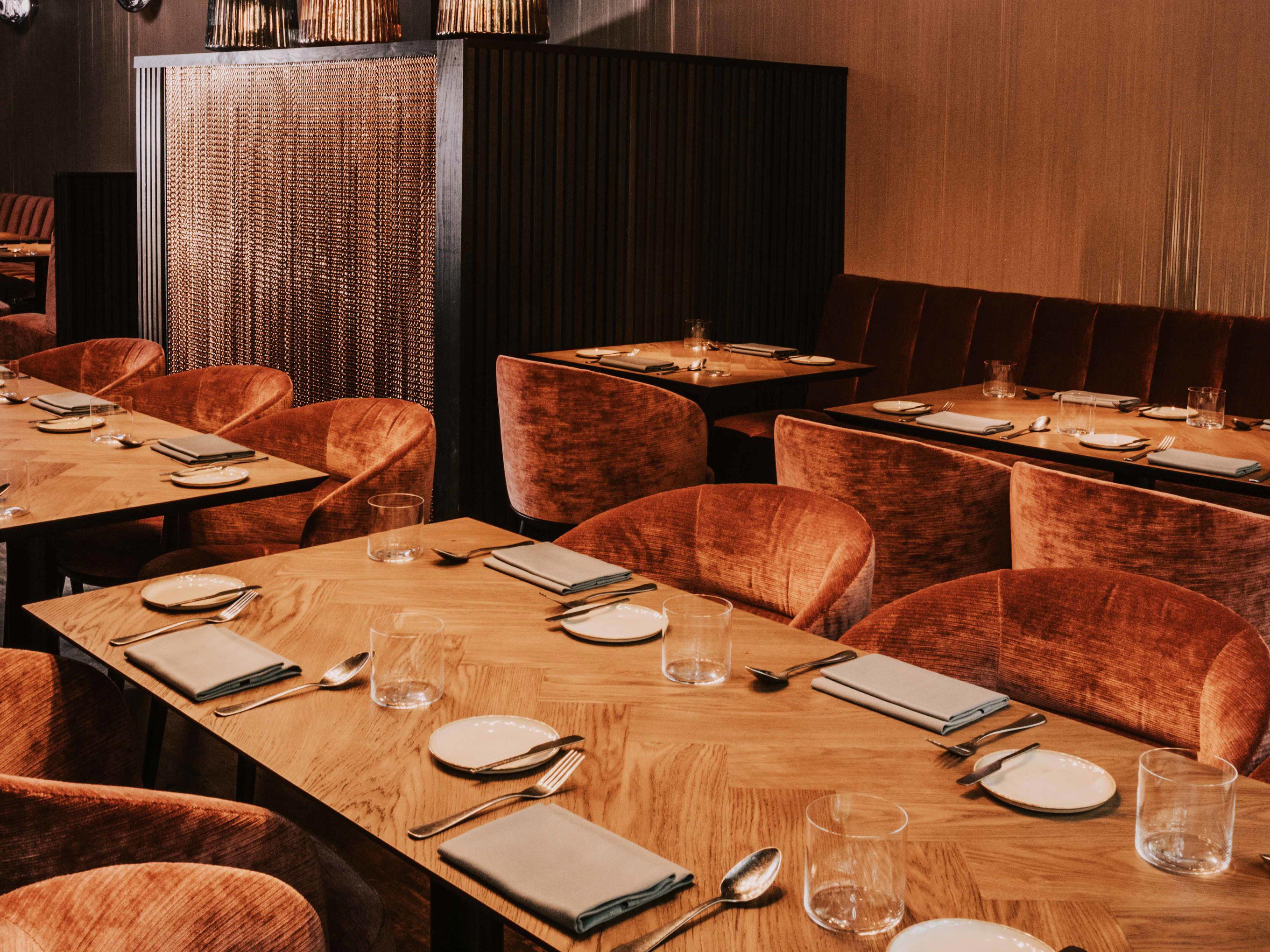
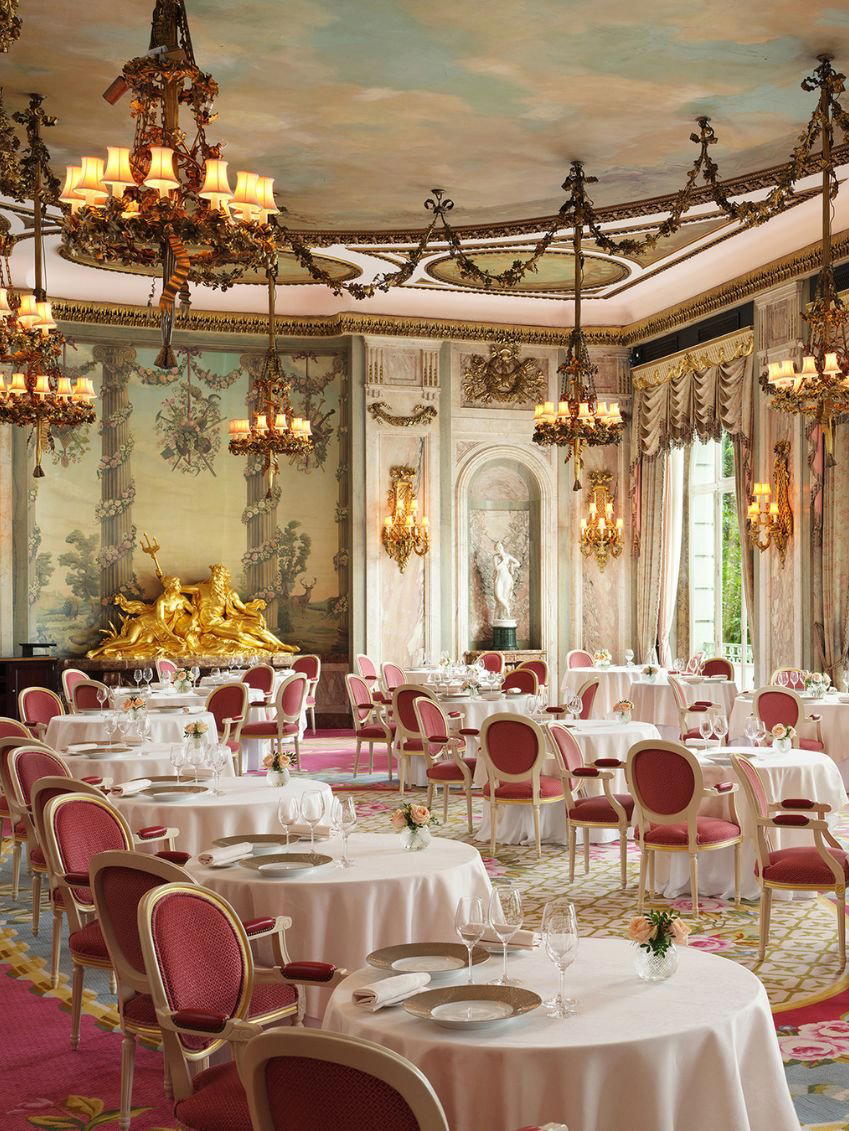
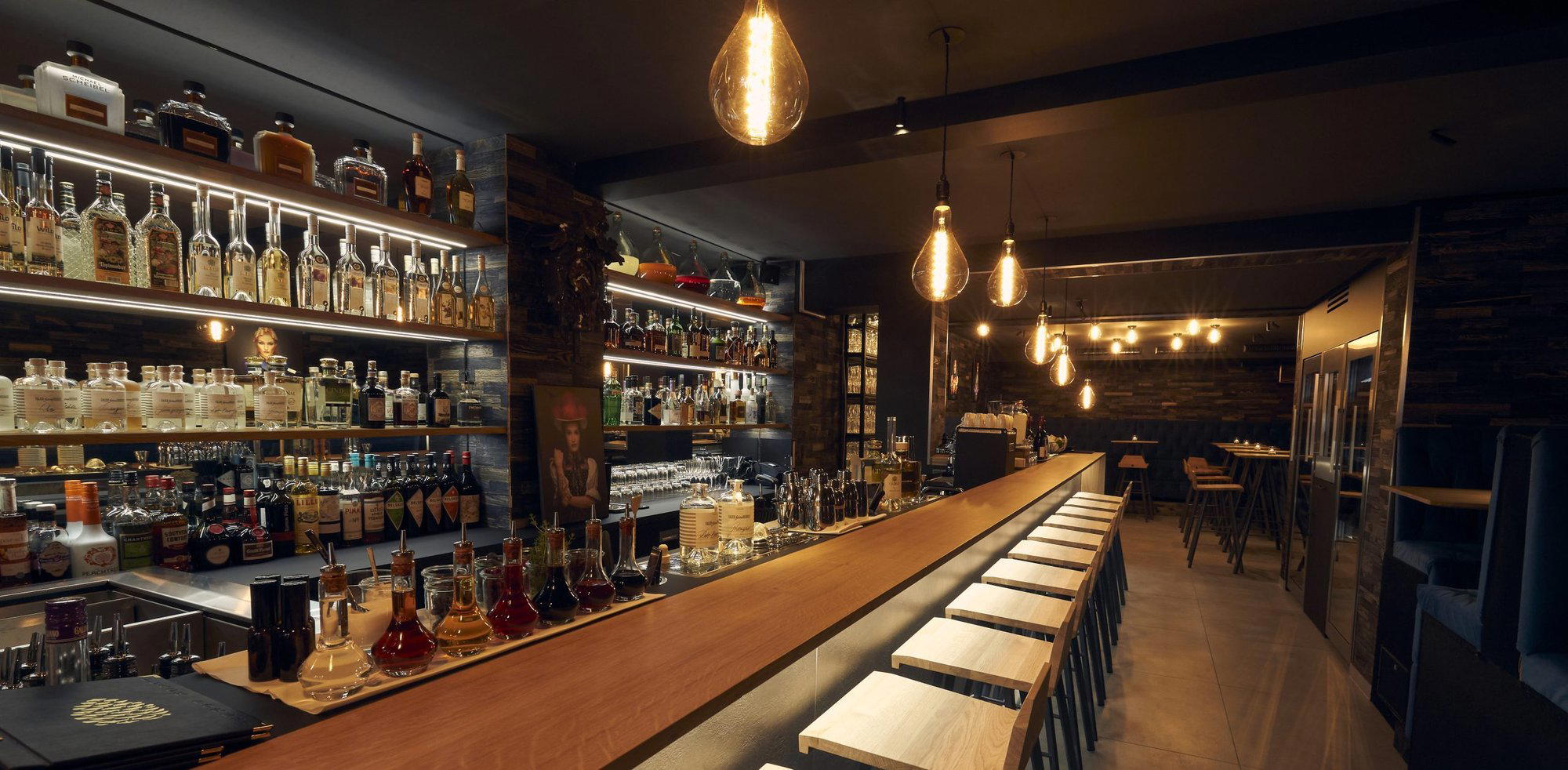
Bars in Hamburg
Browse all →

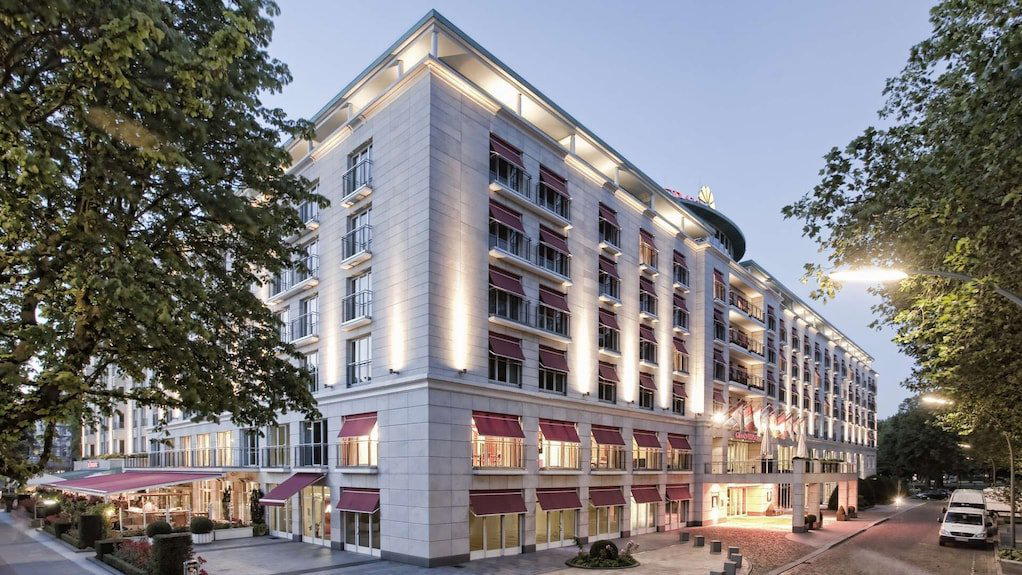
Hotels in Hamburg
Browse all →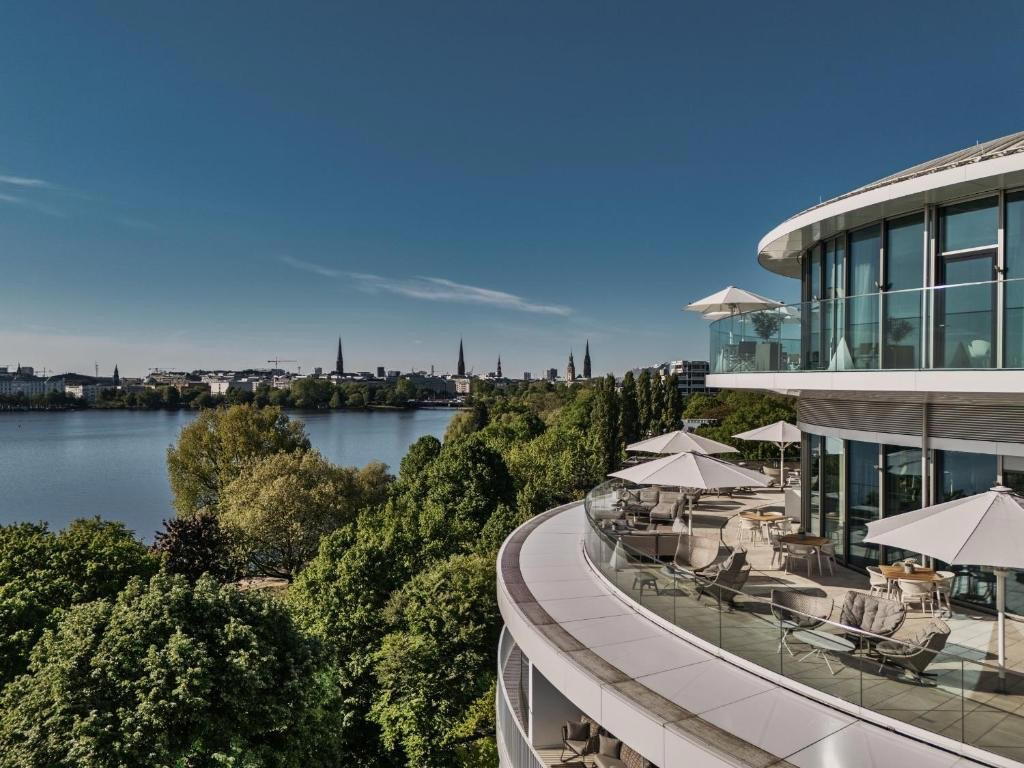
Wineries in Hamburg
Browse all →
Details
- Casual
- Casual Hangout
- A La Carte
Current opening hours
- Monday
- 11:15 AM–9:45 PM
- Tuesday
- 11:15 AM–9:45 PM
- Wednesday
- 11:15 AM–9:45 PM
- Thursday
- 11:15 AM–9:45 PM
- Friday
- 11:15 AM–10 PM
- Saturday
- 11:30 AM–10 PM
- Sunday
- 11:30 AM–10 PM
Hours can change for holidays and private events. Last verified .
Simple, small environment with frequent delivery activity.