Katana Sushi occupies a corner of Großneumarkt 52 in Hamburg's Neustadt district, where the city's appetite for Japanese cuisine meets a compact, considered setting. Positioned in a neighbourhood that balances residential calm with accessible foot traffic, it sits apart from the higher-decibel dining corridors of the Schanzenviertel. For Hamburg's sushi scene, this address carries a certain understated coherence.
Pearl is the En Primeur Club membership app — saves, bookings, and concierge access live there. Same editors, same standards.
- Address
- Großneumarkt 52, 20459 Hamburg, Germany
- Phone
- +494033989340
- Website
- katanasushi.de
- Directions
- Get directions
 Saves & bookings on Pearl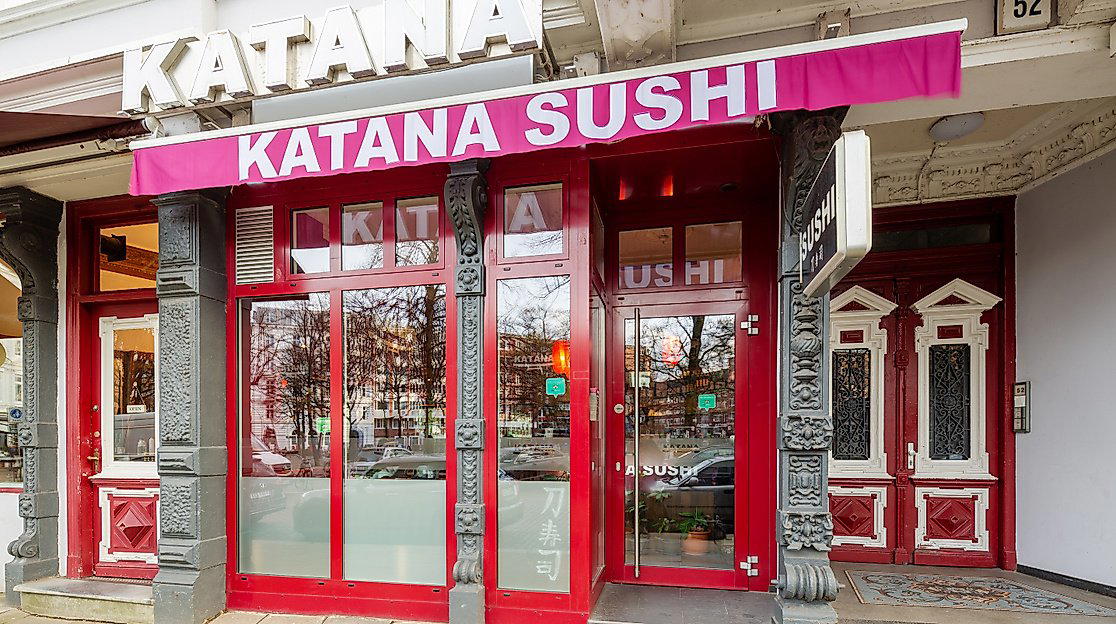
A Corner of Neustadt, A Study in Restraint
Hamburg's Japanese dining scene has never been monolithic. It stretches from conveyor-belt operations near the main station to stripped-back omakase counters that require forward planning and a willingness to commit to the chef's pace. Between those poles sits a working middle tier: neighbourhood sushi restaurants that neither perform for tourists nor hide behind exclusivity. Katana Sushi, at Großneumarkt 52 in the Neustadt district, occupies that middle register. The address itself sets the tone before you step inside. Großneumarkt is a quieter square in the western pocket of the city centre, flanked by low-rise residential blocks and modest retail. It doesn't draw the same foot traffic as the Schanzenviertel or the HafenCity waterfront, which shapes the kind of room Katana Sushi has had space to become.
The Physical Container
In Japanese restaurant design, the relationship between space and experience is rarely incidental. The counter format, where a sushi chef works within arm's reach of the diner, is a structural commitment to a particular kind of meal: sequential, attentive, without the buffer of a wide dining room. Whether Katana Sushi operates on a counter model or across a more conventional table layout is not confirmed in publicly available records, but the address tells part of the story. A ground-floor space on a mid-scale Hamburg square typically runs to modest dimensions, which in practice means intimacy by default rather than design intent. Smaller rooms in this neighbourhood tier tend to reward regulars and penalise casual drop-ins who haven't thought about timing.
That spatial logic connects to a broader pattern in how European cities have absorbed Japanese dining culture. The first wave of Japanese restaurants in cities like Hamburg often occupied large, dimly lit rooms modelled on the Western idea of what an Asian restaurant should look like. The current generation, particularly those operating outside the tourist zones, has moved toward smaller, more functional spaces where the food rather than the decor carries the atmosphere. Katana Sushi's Neustadt location puts it in that second category by geography alone.
Hamburg's Sushi Scene in Context
To understand where a neighbourhood sushi restaurant sits in Hamburg's dining map, it helps to sketch the wider picture. At the formal end, Hamburg's fine dining circuit runs through houses like Restaurant Haerlin, with its classical French lineage, and The Table Kevin Fehling, which operates at the creative-tasting-menu tier with a committed counter format and three Michelin stars. Mediterranean and modern European positions are held by venues like bianc and Lakeside, both working in the €€€€ bracket. The 100/200 Kitchen covers a different creative angle altogether. None of these are direct competitors for Katana Sushi, but they define the ceiling of the market that filters demand downward through price tiers.
Japanese cuisine specifically occupies a narrower lane in Hamburg than in Berlin or Munich. The German city with the most developed sushi counter culture is arguably Munich, where venues like JAN demonstrate how Japanese technique can integrate with European fine dining frameworks. In Hamburg, the Japanese restaurant scene has grown steadily but without the density of London or Paris. That relative scarcity gives a well-run neighbourhood sushi address a certain practical value: there are fewer alternatives at the same price point, and regulars tend to commit.
What the Neustadt Address Implies About the Experience
Großneumarkt is not a destination square in the way that Hamburg's Fischmarkt or the Alster lakeside attract visitors on a weekend circuit. Diners who find their way to Katana Sushi are, almost by definition, making a deliberate choice rather than wandering in. That self-selection shapes the room in ways that matter: the clientele skews local and returning, the pace is set by neighbourhood habit rather than tourist throughput, and the kitchen can calibrate to a more consistent demand pattern.
This dynamic is not unique to Hamburg. Across Germany's mid-sized cities, the restaurants that develop the most reliable reputations are often those that sit slightly off the main circuits, where the absence of tourist volume forces a reliance on quality and repetition to keep regulars returning. For context on how this plays out at the fine dining level nationally, venues like Schwarzwaldstube in Baiersbronn and Waldhotel Sonnora in Dreis have built enduring reputations precisely by operating away from urban centres, dependent on reputation rather than footfall. The mechanism at a neighbourhood sushi level is similar, if less refined.
Planning a Visit
Katana Sushi sits at Großneumarkt 52 in Hamburg's Neustadt, reachable on foot from the U-Bahn station Rödingsmarkt in under ten minutes, or from the Rathaus area in roughly the same time. As with most independent sushi restaurants operating in compact spaces, arriving without a reservation on a Friday or Saturday evening is a risk worth considering carefully. Specific opening hours and booking options are not confirmed in current public records, so contacting the restaurant directly or checking current listings before visiting is the practical approach. For broader planning across Hamburg's dining scene, the EP Club Hamburg restaurants guide covers the city's full range of options across cuisines and price tiers.
For those building a wider itinerary around serious eating in northern Germany, Aqua in Wolfsburg is within reach for a day trip, and the broader German fine dining circuit extends south through Vendôme in Bergisch Gladbach, ES:SENZ in Grassau, Victor's Fine Dining by Christian Bau in Perl, Schanz in Piesport, and Bagatelle in Trier. If your reference points for Japanese-adjacent fine dining run toward New York, Atomix and Le Bernardin represent the precision-focused end of that spectrum. Closer to home, CODA Dessert Dining in Berlin shows how German cities are pushing format boundaries at the creative edge of the dining calendar.
Continue exploring
More in Hamburg
Restaurants in Hamburg
Browse all →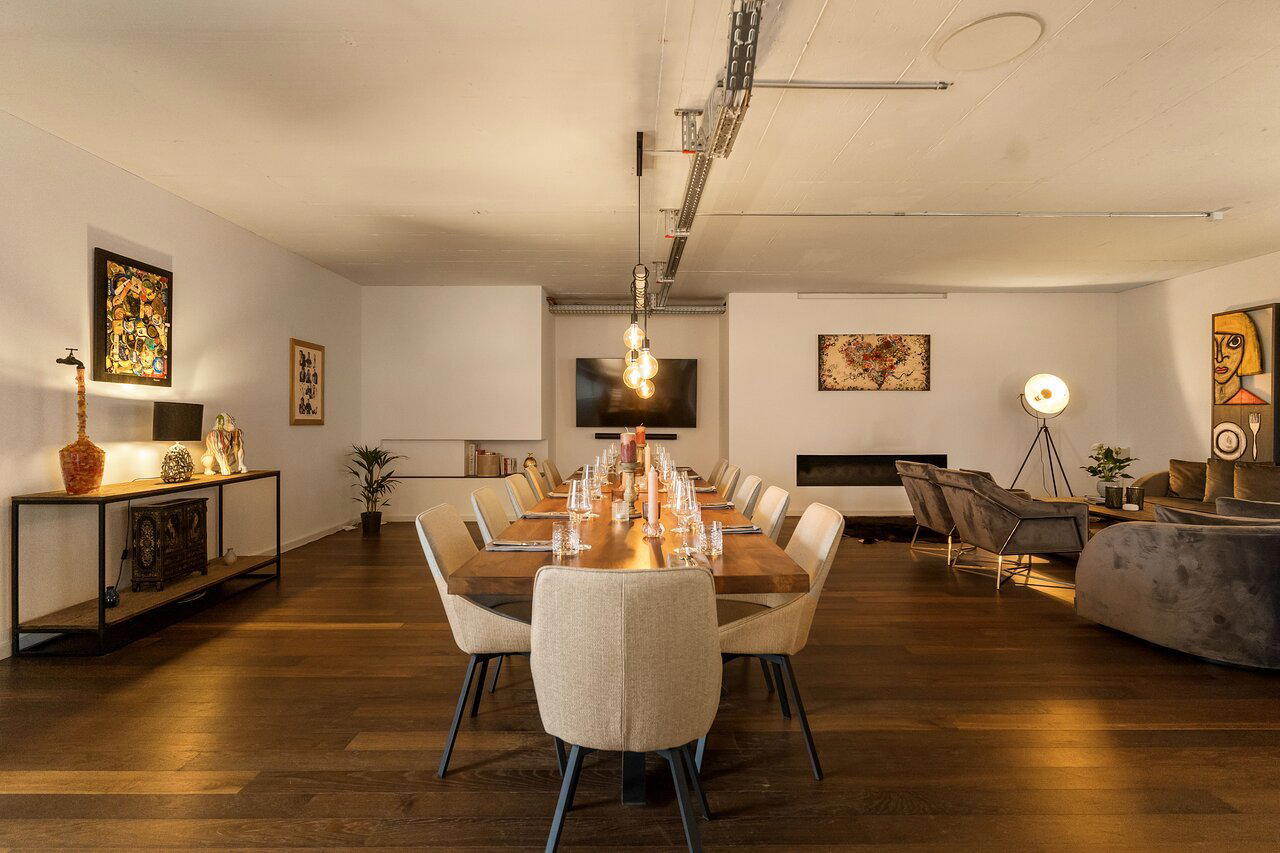
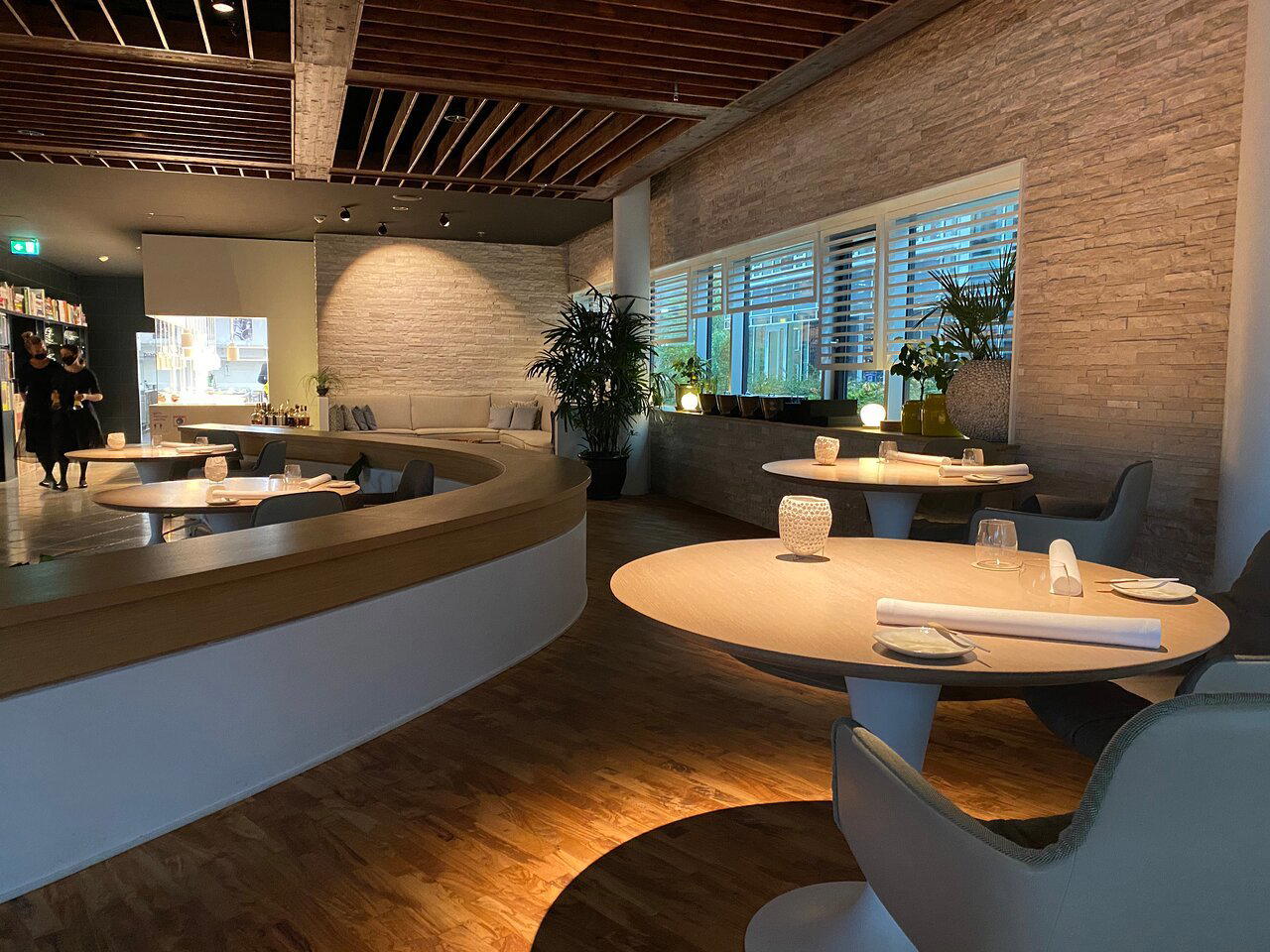
Bars in Hamburg
Browse all →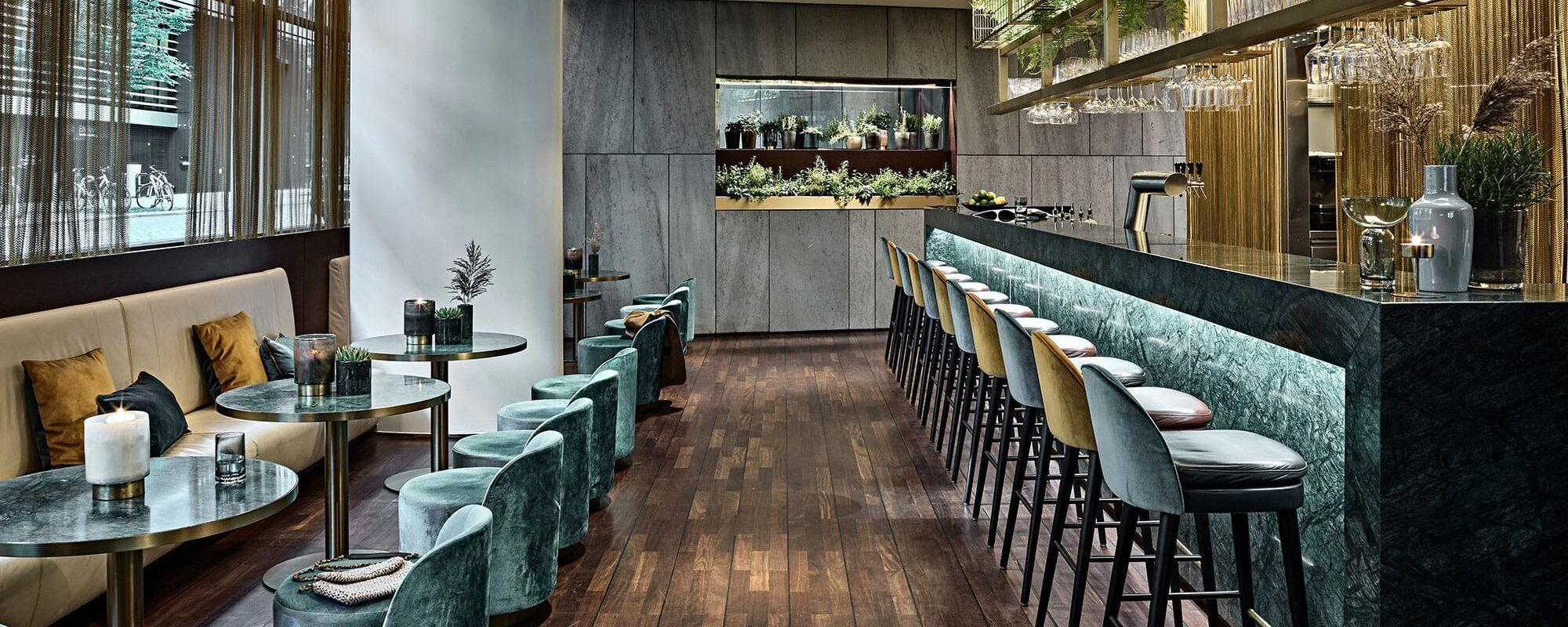
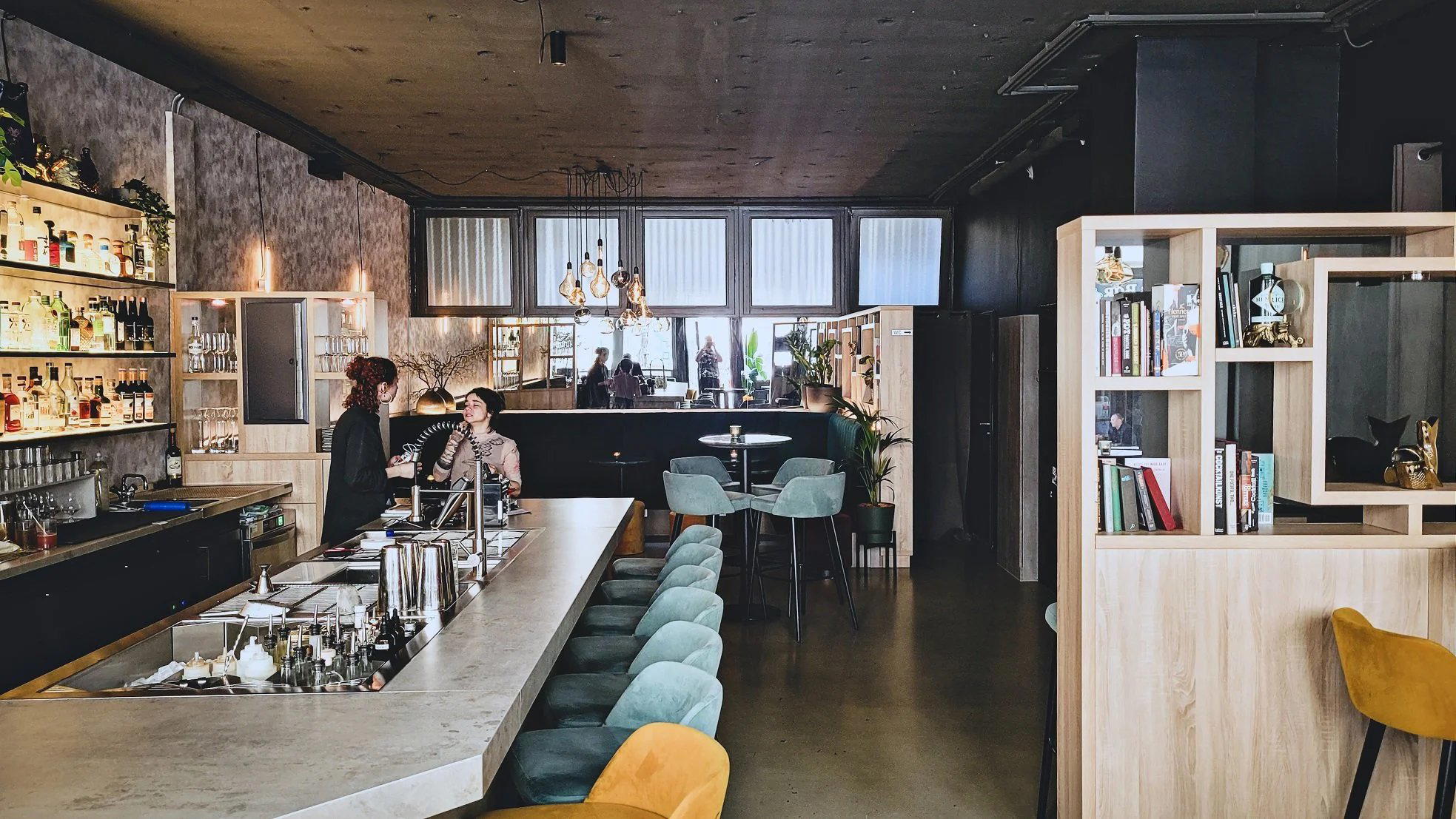
Hotels in Hamburg
Browse all →
Wineries in Hamburg
Browse all →
At a Glance
- Cozy
- Casual
- Casual Hangout
- Group Dining
- Solo
- Open Kitchen
- Sustainable Seafood
Current opening hours
- Monday
- 12–2 PM, 6–9 PM
- Tuesday
- 12–2 PM, 6–9 PM
- Wednesday
- 12–2 PM, 6–9 PM
- Thursday
- 12–2 PM, 6–9 PM
- Friday
- 12–2 PM, 6–9 PM
- Saturday
- 6–9 PM
- Sunday
- Closed
Hours can change for holidays and private events. Last verified .
Casual and laid-back with charming Japanese lanterns and street-side seating in a quiet part of town, creating a cozy neighborhood atmosphere.
Know Before You Go
- Getting there
- Großneumarkt 52, 20459 Hamburg, Germany