
Holding a Michelin star in both 2024 and 2025, The Lisbeth brings regional cuisine into focus on Deichstraße, one of Hamburg's most photographed stretches of canal-facing architecture. Chef Lennon Silvers Lee leads a program where collaboration between kitchen, floor, and glass shapes each service. At €€€ pricing, it occupies a considered middle tier within Hamburg's fine-dining scene.
Pearl is the En Primeur Club membership app — saves, bookings, and concierge access live there. Same editors, same standards.
- Address
- Deichstraße 32, 20459 Hamburg, Germany
- Phone
- +49 40 36096767
- Website
- restaurant-lisbeth.de
- Directions
- Get directions
 Saves & bookings on Pearl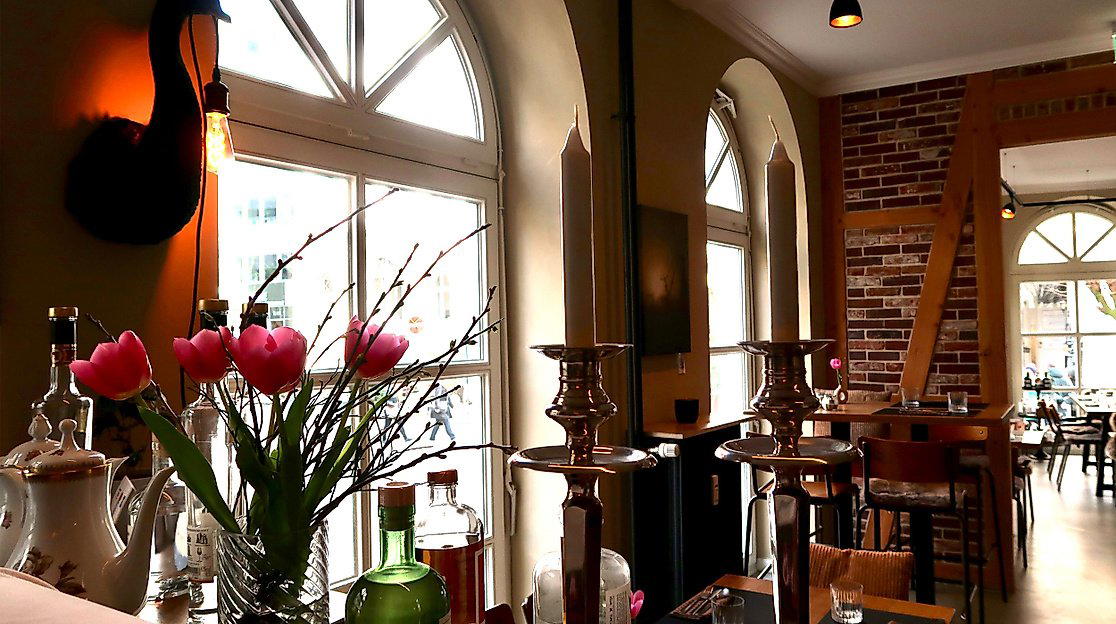
Where Regional Cuisine Meets Canal-Side Hamburg
Deichstraße is one of the few streets in Hamburg where the architecture does the talking before you've stepped inside anywhere. The narrow lane of 17th-century merchant houses running alongside the Nikolaifleet has long been one of the city's most recognisable addresses, and the dining options along it have historically skewed toward the reliable rather than the ambitious. The Lisbeth changes that calculus. Positioned on a street better known for its postcard views than its Michelin-starred kitchens, it represents the kind of venue that quietly repositions a neighbourhood's culinary reputation, not through spectacle, but through consistent, awarded work.
The restaurant has held a Michelin star in consecutive years, confirmed for both 2024 and 2025. In the context of Hamburg's fine-dining circuit, which includes three-star work at The Table Kevin Fehling and the long-established classicism of Restaurant Haerlin, a sustained single star at the €€€ price point positions The Lisbeth in a distinct tier: accessible relative to the city's leading tables, but clearly operating with the discipline and consistency that Michelin's inspectors reward across seasons, not just on a single strong night.
The Regional Argument, Made Seriously
German regional cuisine sits in an interesting position in the country's fine-dining conversation. For years, the prestige end of the market defaulted to French-influenced creativity or international technique, while regional specificity was left to the mid-market. That division has been narrowing. Across Germany, a generation of chefs has been making the case for regional sourcing and tradition as a serious fine-dining framework, not as a nostalgic flourish, but as a genuine culinary foundation. You can see the same argument made at different scales and settings, from Fahr in Künten-Sulz to Gannerhof in Innervillgraten, both working regional identity with seriousness of purpose.
The Lisbeth fits that broader movement, applying it specifically to Hamburg and northern Germany's coastal and agricultural traditions. This is a city with a distinctive pantry: North Sea fish, estuary produce, the influence of a port city that has been absorbing ingredients from elsewhere for centuries. A kitchen that works this territory carefully has material to work with. Chef Lennon Silvers Lee's approach channels that regional specificity into a format the Michelin Guide has found award-worthy two years running, which is as close to an objective signal of quality as this category offers.
The Collaboration at the Centre of Each Service
The editorial angle on The Lisbeth that makes most sense is not the kitchen alone. Fine dining at this level functions as a system: what arrives at the table is the product of coordination between the people cooking, the people pouring, and the people running the floor. The restaurant's consistent recognition suggests that system is working. A single Michelin star in Germany is not awarded for cooking in isolation; inspectors assess the full experience, which means service consistency, the coherence of food and beverage pairing, and the rhythm of a meal from arrival to the final course.
In Hamburg's Michelin tier, that kind of team coherence distinguishes the sustained performers from the one-season stories. 100/200 Kitchen operates with a similarly collaborative model in the creative space, while the more Mediterranean-inflected bianc and the lakeside-positioned Lakeside each offer different templates for how Hamburg's awarded restaurants structure the relationship between food identity and setting. The restaurant's choice to anchor itself in regional cuisine sets a clear expectation, and the team's job is to deliver on that promise with enough consistency to satisfy Michelin's inspectors on return visits.
At the €€€ price point, the front-of-house dynamic also carries commercial significance. Diners spending at this level but below the city's upper-tier €€€€ addresses, among them The Table Kevin Fehling, bianc, and Lakeside, are making a considered choice. The floor team's ability to communicate the regional cuisine framework, to guide wine choices that support rather than overshadow the kitchen's direction, and to calibrate the pace of a meal is what converts a competent dinner into the kind of experience that drives return visits and recommendation.
Hamburg's Fine-Dining Tier and Where The Lisbeth Sits
Hamburg has a more complex fine-dining scene than the city's casual reputation sometimes suggests. The port city image, strong merchant wealth, a preference for directness, a cultural slight suspicion of excess, has historically produced a dining culture that values quality without theatrics. That character shows up in the kind of restaurants the city has sustained over decades: technically serious, often formally restrained, rarely showy for its own sake.
Within that context, the restaurant's positioning is coherent. It is not trying to compete with the three-star ambition of The Table Kevin Fehling, nor does it operate with the French-classical weight of Restaurant Haerlin. It occupies a middle register, a Michelin-starred regional restaurant at a price point that makes it accessible to a wider dining audience than the city's leading tables. Compared to creative fine dining peers elsewhere in Germany, the regional focus gives it a distinct identity: JAN in Munich, Schwarzwaldstube in Baiersbronn, and Vendôme in Bergisch Gladbach each represent different takes on what German fine dining can be, but none of them are working Hamburg's specific northern pantry. Aqua in Wolfsburg and CODA Dessert Dining in Berlin further illustrate how widely the category has diversified across the country, with ES:SENZ in Grassau adding another data point on regional ambition in the south. The restaurant's argument is specific to Hamburg, which is precisely what makes it worth visiting on its own terms.
For a broader survey of where the restaurant sits within the city's full dining offer,
Planning a Visit
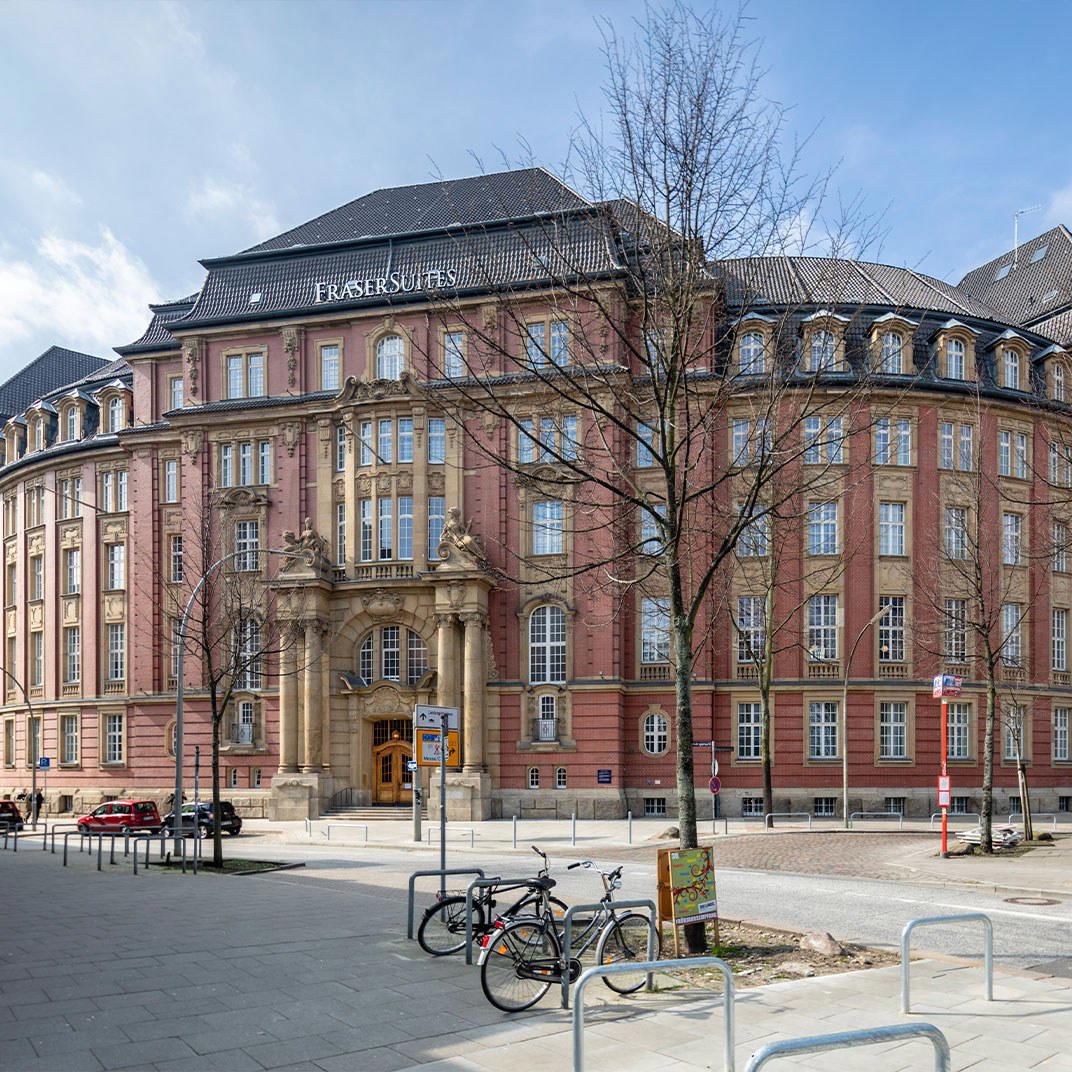
The restaurant is at Deichstraße 32, 20459 Hamburg, on the stretch of canal-facing historic buildings that runs through the Altstadt district. The address is walkable from Hamburg Hauptbahnhof and easily reachable from the central U-Bahn network; Deichstraße itself is a short walk from Rödingsmarkt station on the U3. The restaurant is open Monday through Thursday from 6:30 to 10:30 PM, Friday from 12:30 to 3:30 PM and 6:30 to 10:30 PM, and closed Saturday and Sunday. Reservations are essential.
What Regulars Order at The Lisbeth
The restaurant's menu centres on regional cuisine, with northern German and Hamburg-specific produce providing the editorial through-line. Regulars tend to anchor their choices in whatever is expressing the season most clearly, at a Michelin-starred restaurant working regional sourcing seriously, the dishes that move fastest are those where the provenance is most visible and the kitchen's handling most direct. Fish from the North Sea and estuary, locally sourced vegetables, and the kinds of ingredients that define Hamburg's agricultural hinterland are the logical focus.
Wine programme, as part of the team's collaborative dynamic, is worth engaging with through the service staff rather than approaching independently. At this level of regional cuisine focus, the floor team's guidance on pairing is usually one direct route to one coherent meal. Asking about the season's focus is the question that tends to unlock the meal regulars return for.
Cuisine Lens
Comparable venues nearby, for context on price, style, and recognition.
| Venue | Cuisine | Price | Awards | Notes |
|---|---|---|---|---|
| THE LISBETHThis venue — the venue you are viewing | Modern North German Fine Dining | $$$$ | Michelin 1 Star | Not listed |
| Landhaus Scherrer | Michelin-Starred North German Fine Dining | $$$$ | Michelin 1 Star | Neumuehlen |
| Jellyfish | Modern Seafood Fine Dining | $$$$ | Michelin 1 Star | Eimsbuttel |
| HYGGE Brasserie & Bar | Seasonal German Brasserie | $$$ | Bib Gourmand | Gross Flottbek |
| Zeik | Nordic | $$$$ | Michelin 1 Star | Anscharhoehe |
| Petit Amour | Modern French with Nordic Influences | $$$$ | Michelin 1 Star | Ottensen |
Recognition history
Dated appearances from independent guides and award organizations, with the underlying list record or original source where available.
Michelin 1 Star
Michelin
Michelin 1 Star
Michelin
Michelin 1 Star
Michelin
At a Glance
- Intimate
- Trendy
- Elegant
- Cozy
- Sophisticated
- Date Night
- Special Occasion
- Historic Building
- Local Sourcing
- Farm To Table
- Street Scene
Current opening hours
- Monday
- 6:30–10:30 PM
- Tuesday
- 6:30–10:30 PM
- Wednesday
- 6:30–10:30 PM
- Thursday
- 6:30–10:30 PM
- Friday
- 12:30–3:30 PM, 6:30–10:30 PM
- Saturday
- Closed
- Sunday
- Closed
Hours can change for holidays and private events. Last verified .
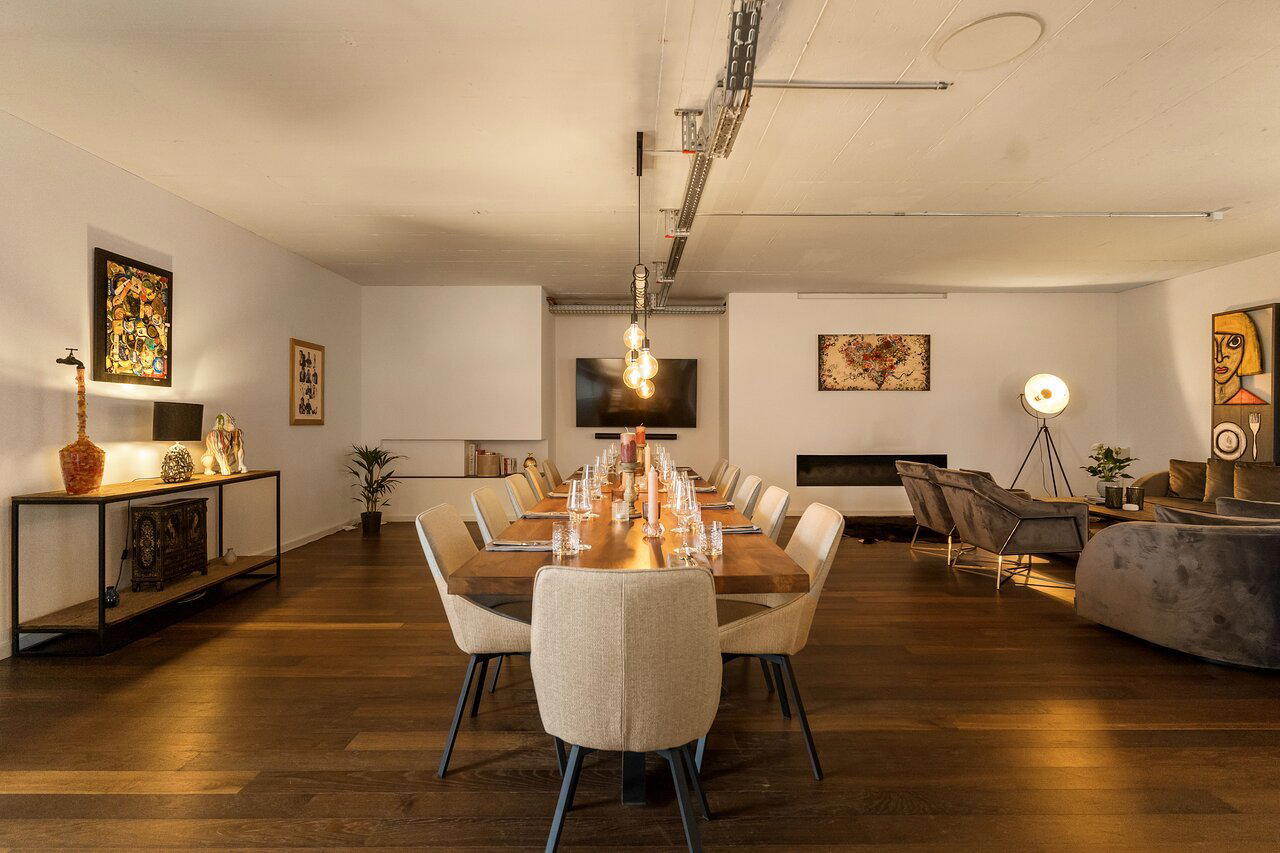
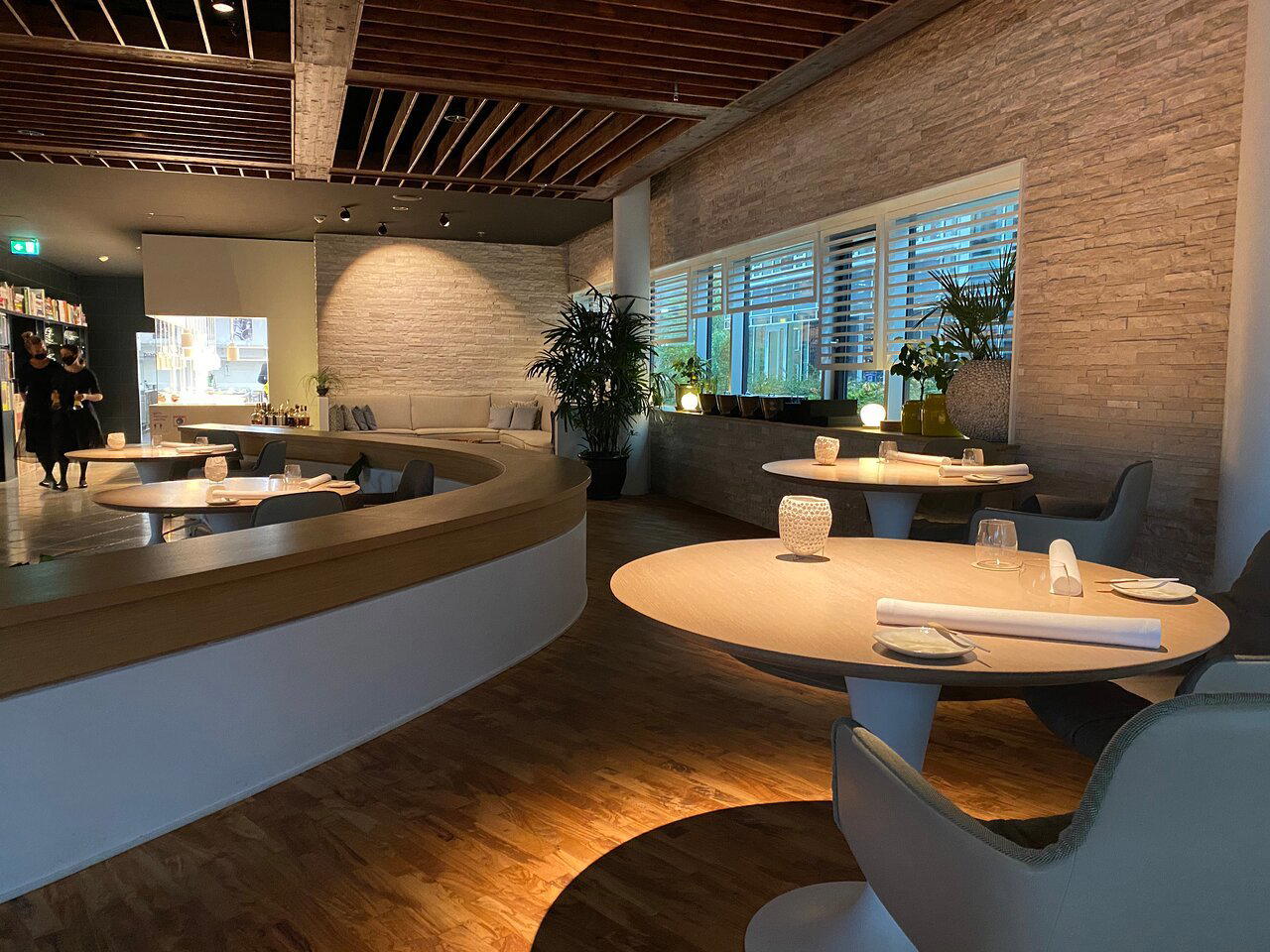
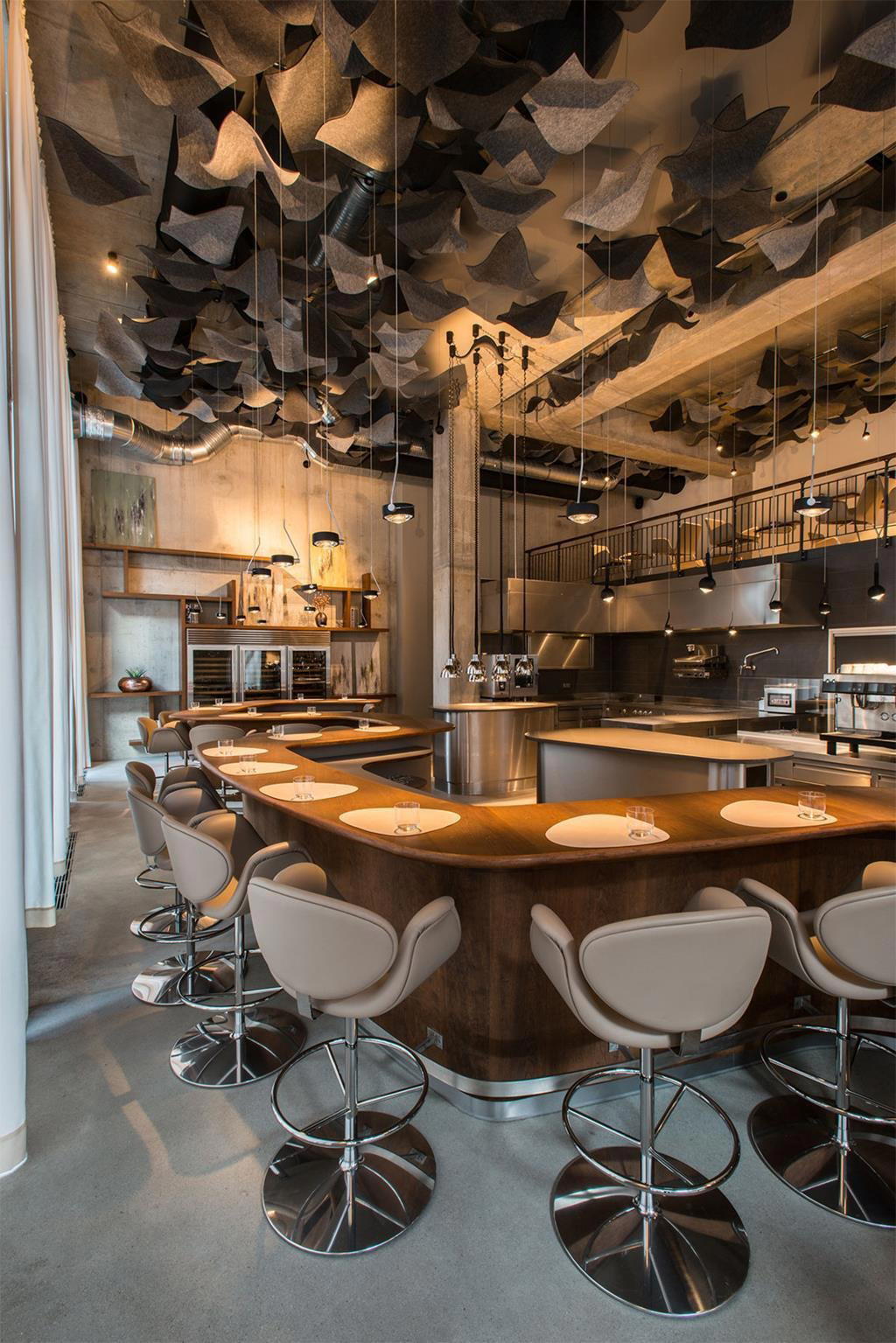
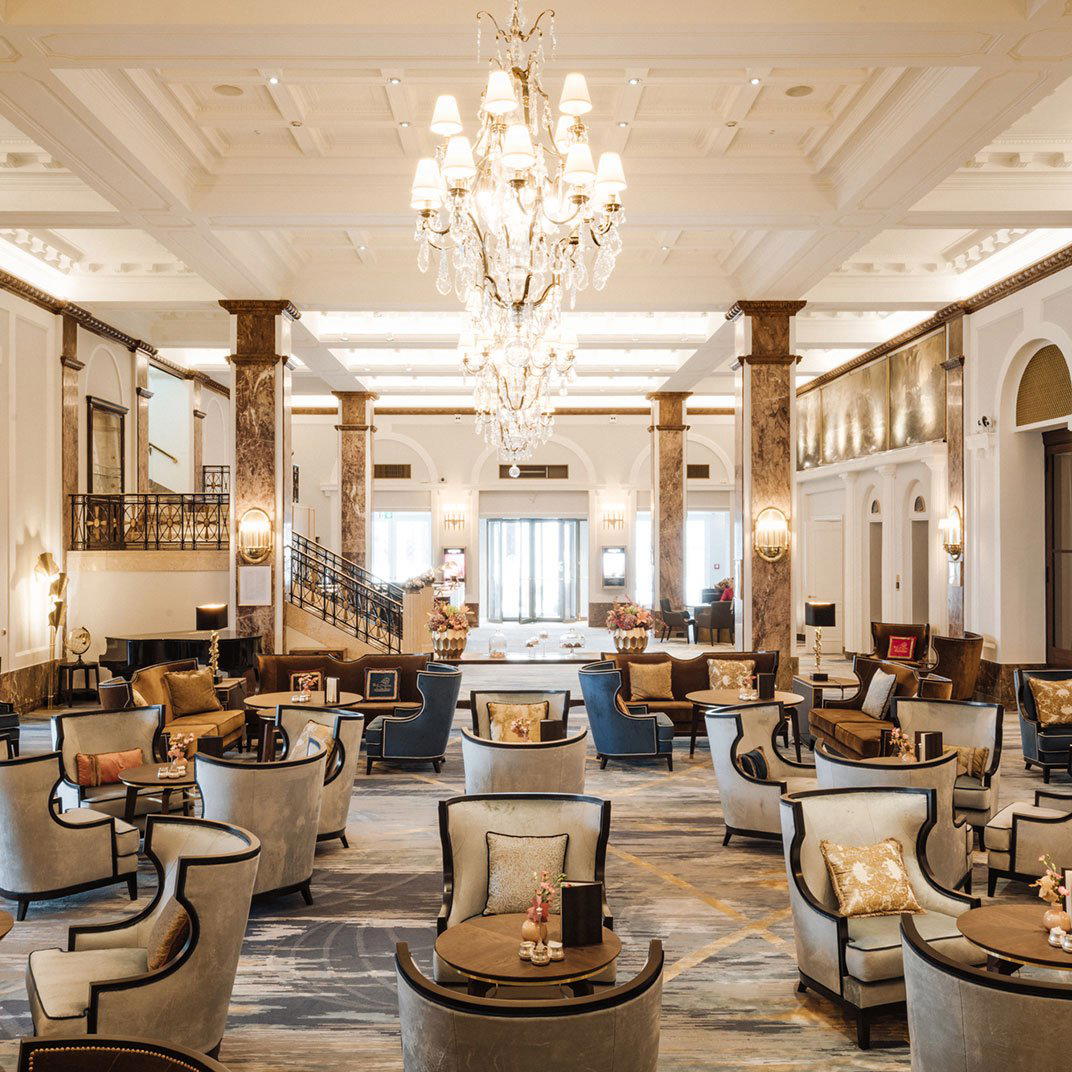
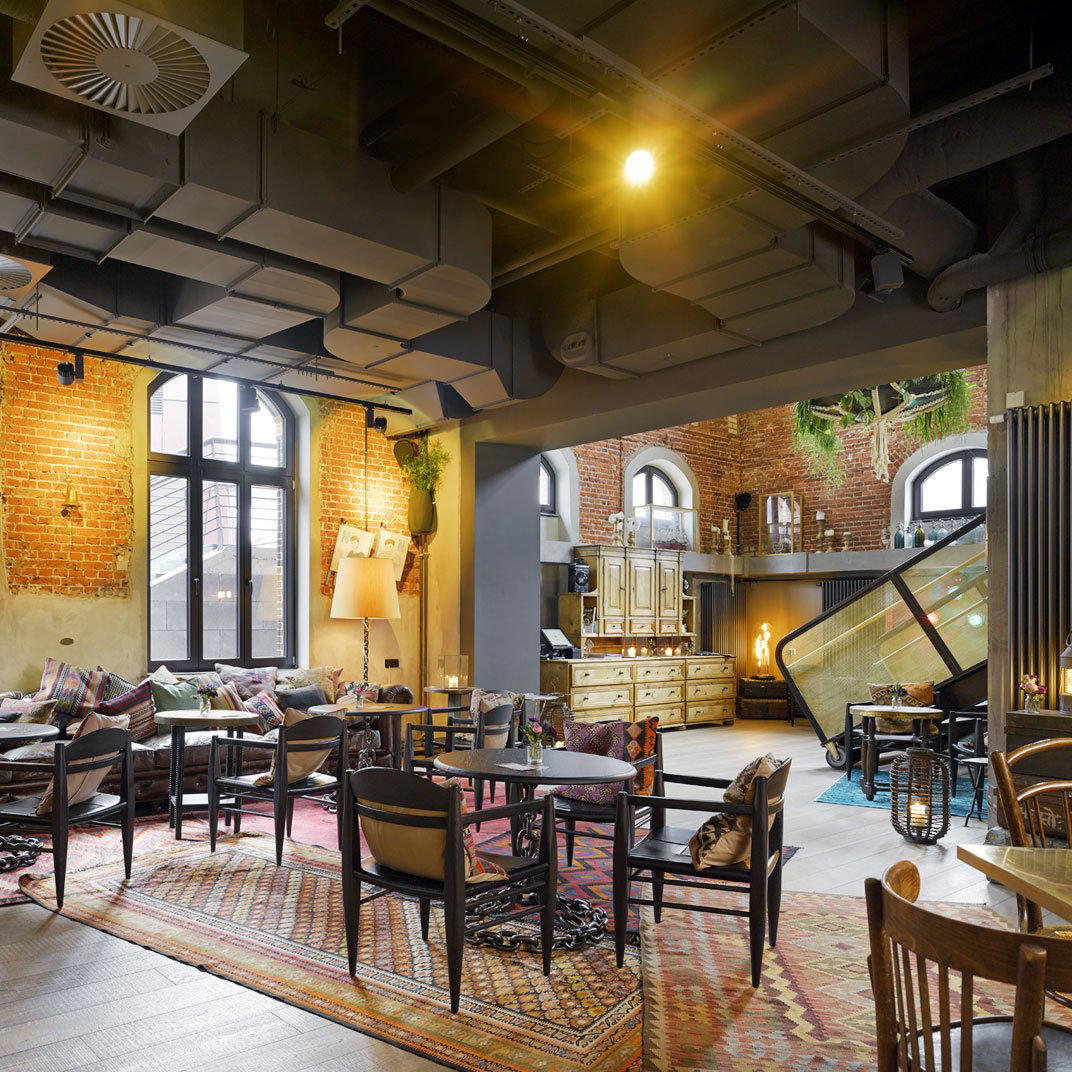
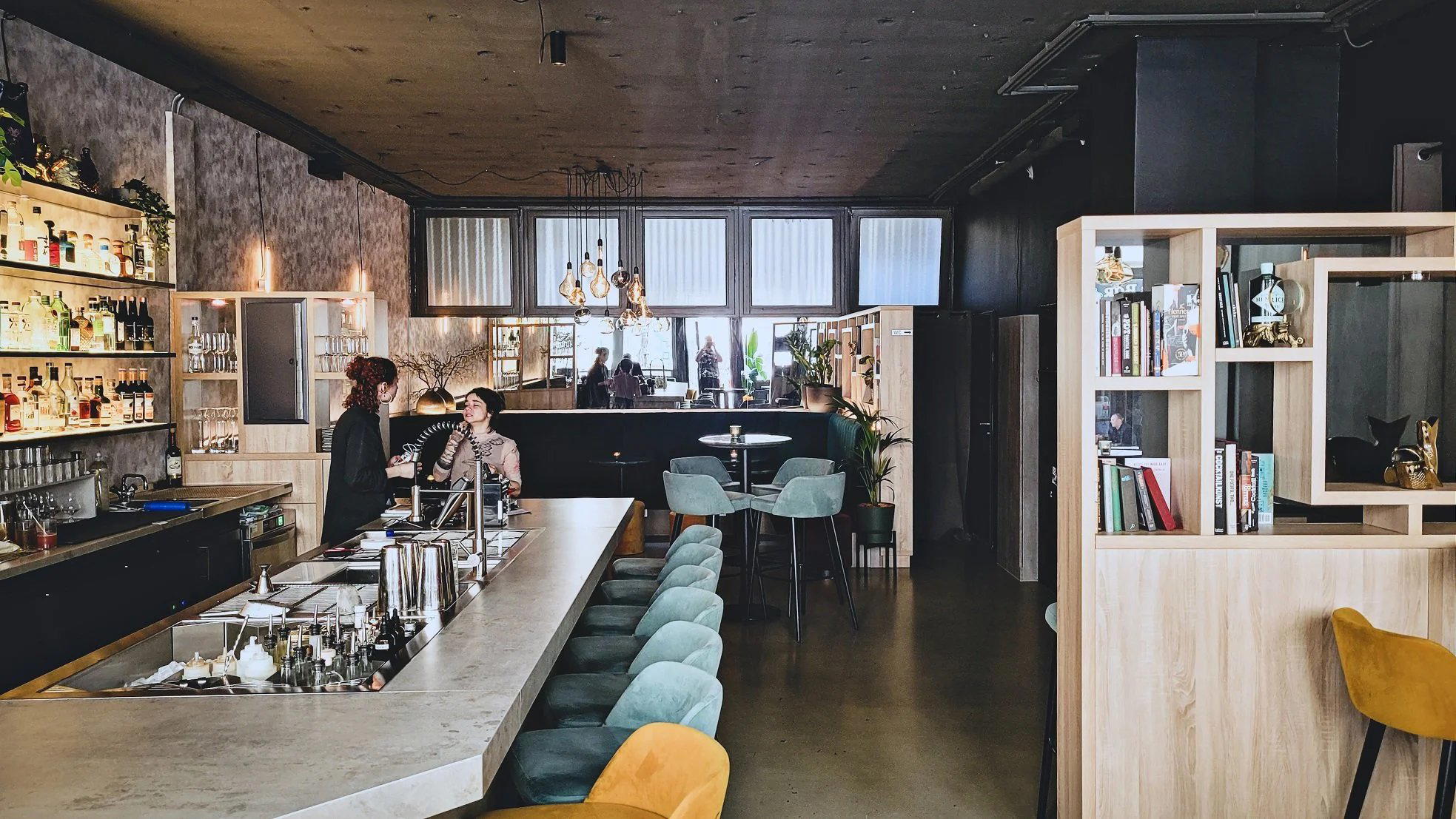
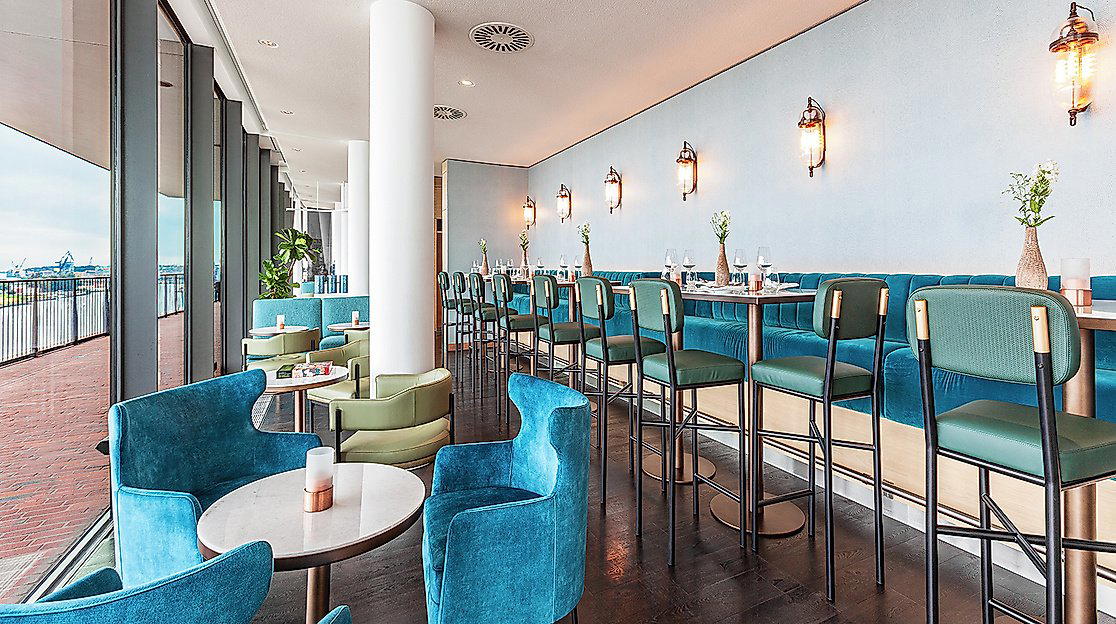
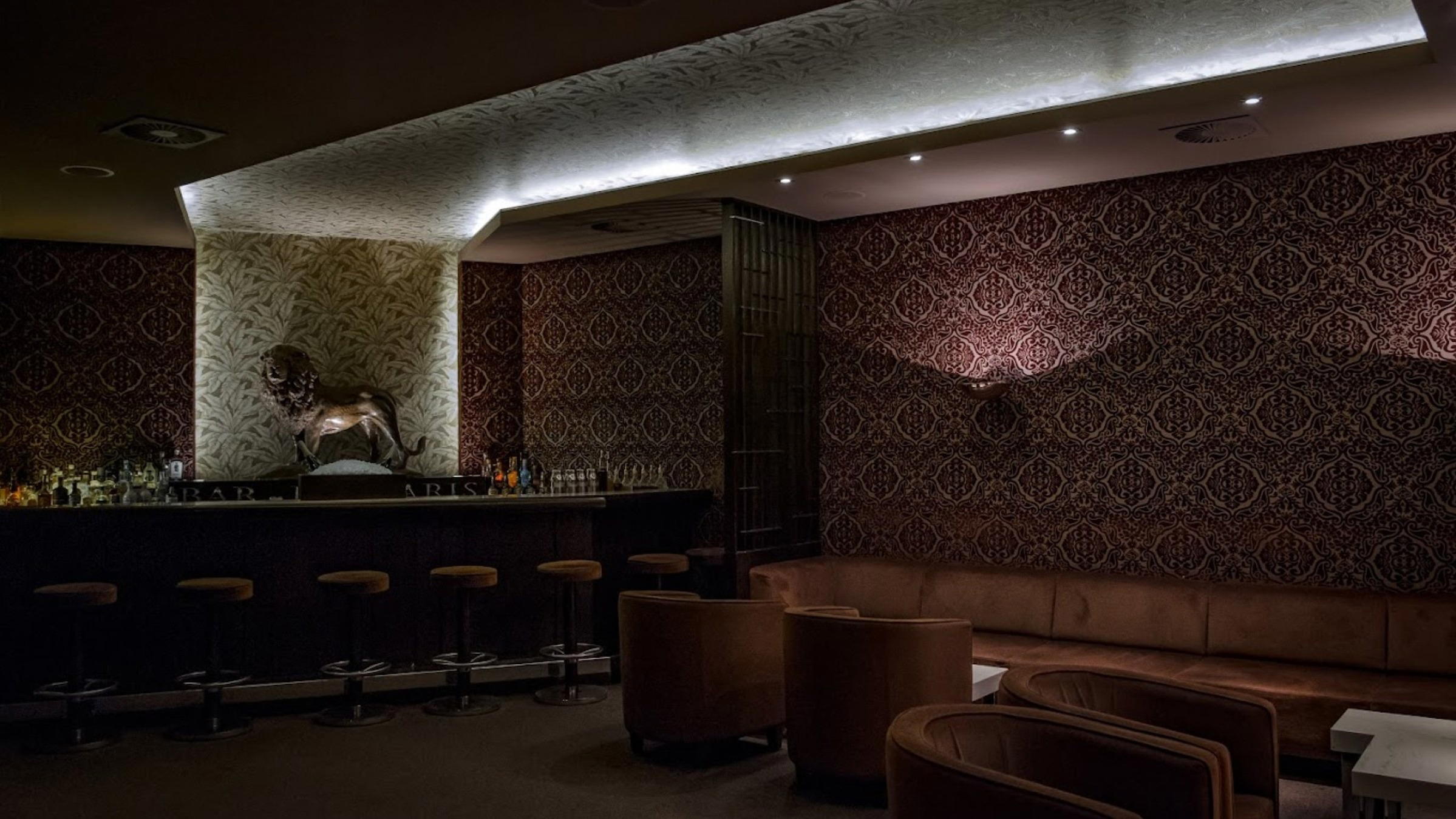
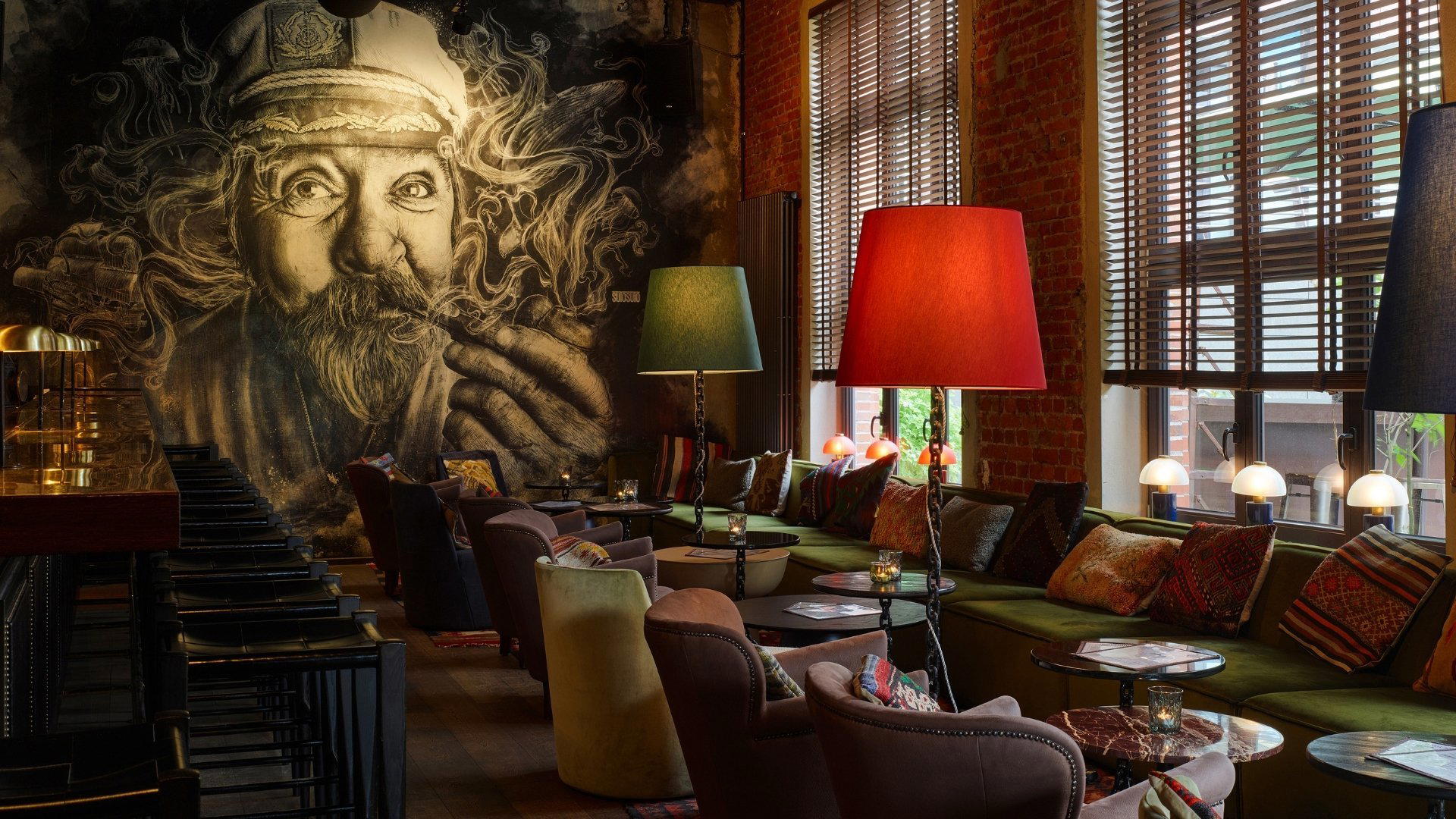
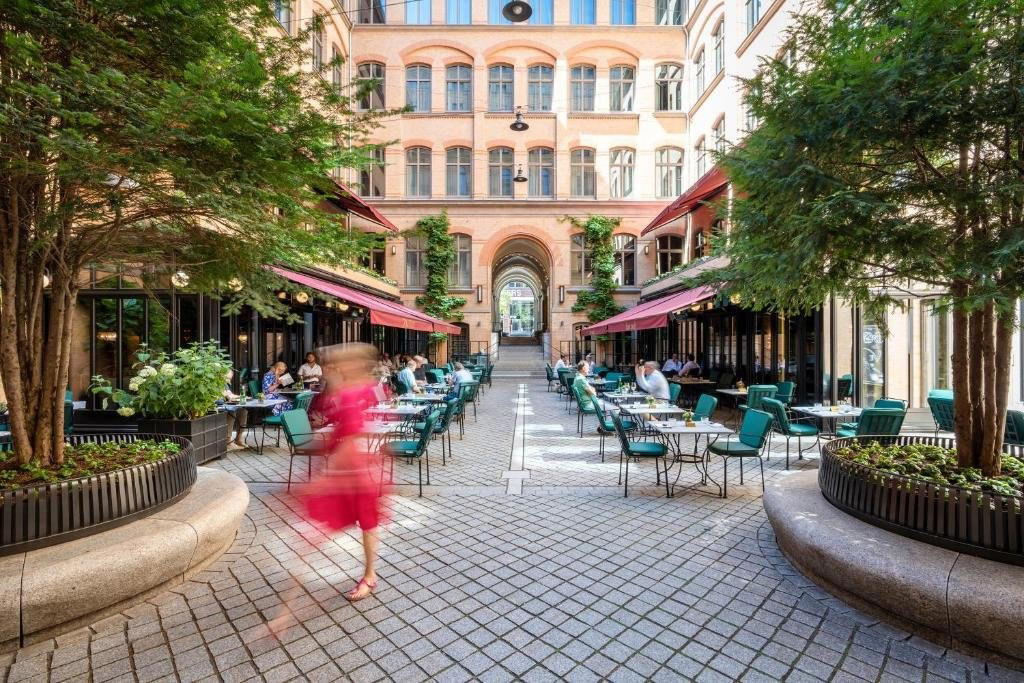
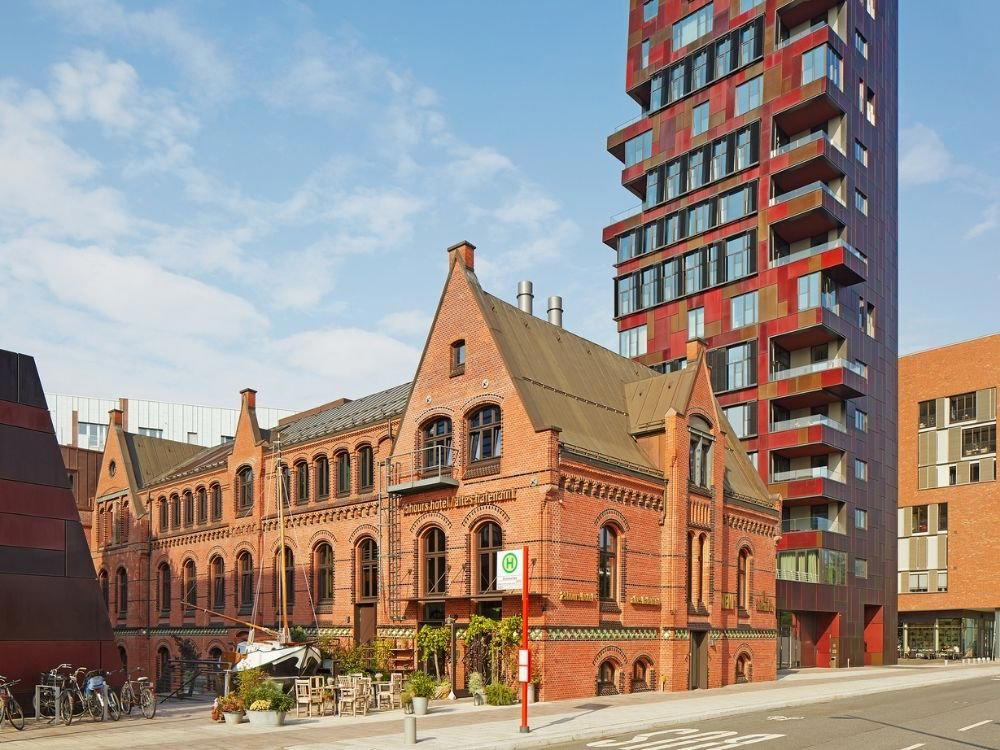
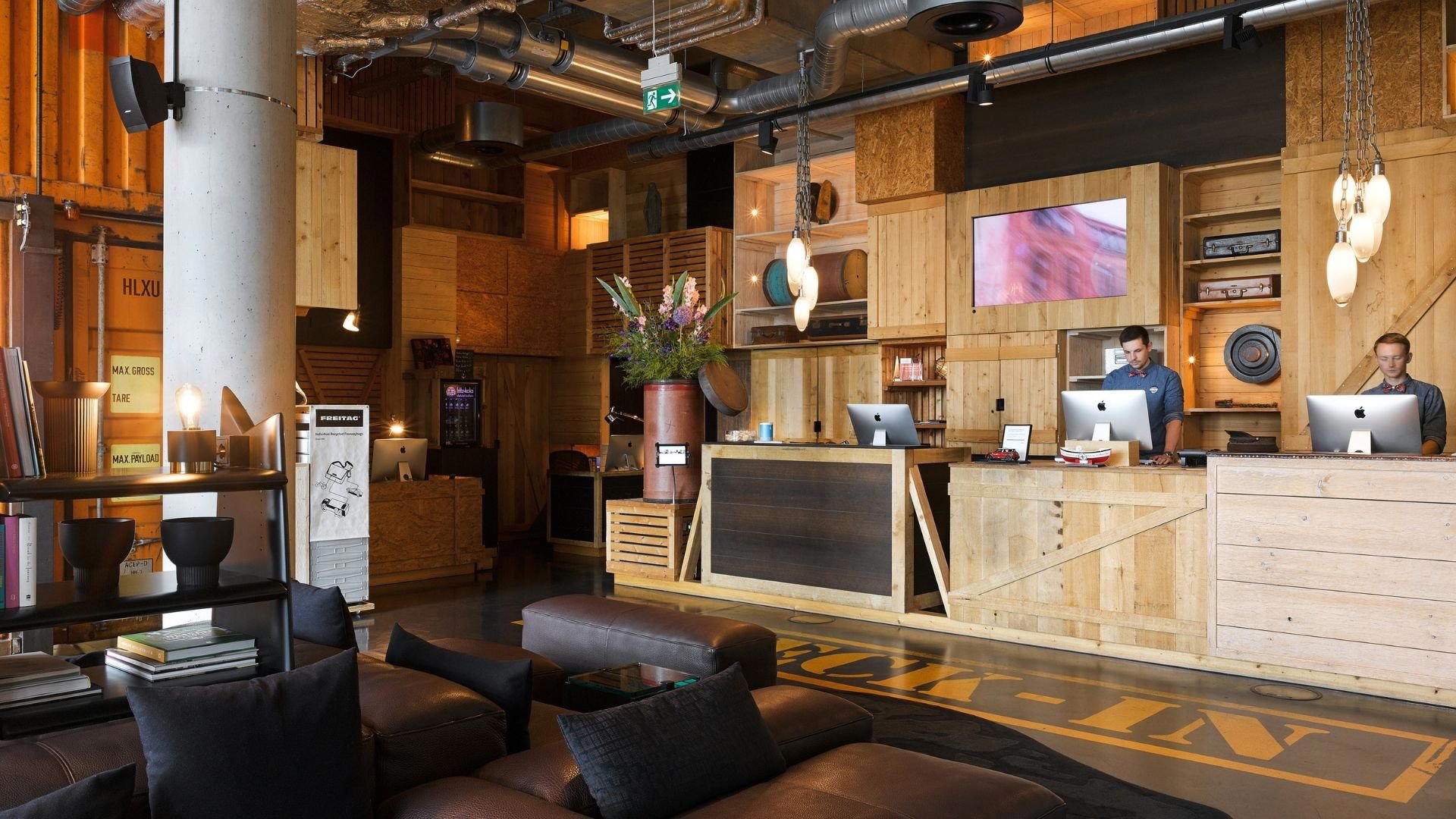
Historical walls blend with hygge and stylish, industrial-chic elements creating a warm, laid-back intimate atmosphere.