
Kodaira Udon Kodaira honten places suburban Tokyo udon in the same conversation as the city’s better-known central counters. Its Tabelog 100 Udon EAST 2024 selection, compact 26-seat format, and wheat-noodle focus make it a useful address for readers tracking Tokyo’s everyday noodle culture beyond the usual station-area ramen and sushi routes.
Pearl is the En Primeur Club membership app — saves, bookings, and concierge access live there. Same editors, same standards.
- Address
- 300-2 Meguritacho, Kodaira, Tokyo 187-0013, Japan
- Phone
- +81 42-300-3133
- Website
- udon-kodaira.biz
 Saves & bookings on Pearl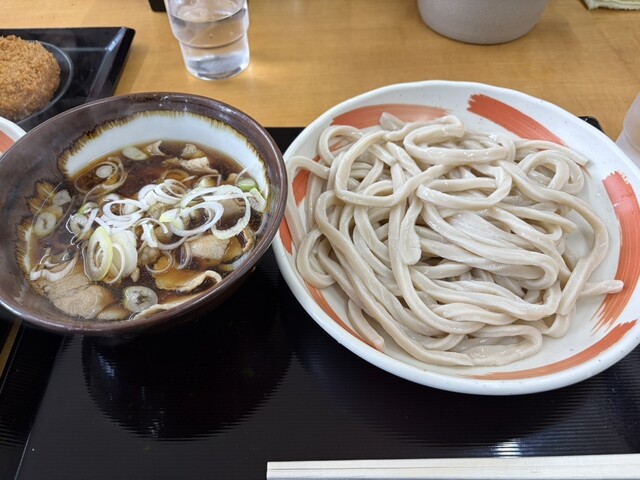
Suburban udon in western Tokyo moves at a different tempo from Ginza sushi theatre or Shinjuku ramen queues. The room is built for turnover without ceremony, and attention falls on wheat, broth, chew, and portion rather than performance. Kodaira Udon Kodaira honten fits that category: a noodle shop where the ingredient story begins with flour and water, then appears through texture rather than garnish.
Tokyo udon is often overshadowed by ramen abroad, but in the city it plays a sharper everyday role: fast, cheap, family-friendly, and technically serious at once. That explains why a suburban address can matter. The point is not luxury, but repeatability. A shop selected for Tabelog 100 Udon EAST 2024 is judged in a field where consistency, noodle structure, and local loyalty matter more than dining-room polish.
Wheat noodles, suburban rhythm, and why Kodaira matters
In fine dining, sourcing is often explained through named farms and producers. Udon folds that question into the noodle: flour, dough handling, resilience after boiling, and the way broth frames the chew. Without theatre, this style asks diners to read technique through repetition. A low-cost bowl can still reveal discipline within seconds.
Kodaira sits west of central Tokyo, outside the hotel-heavy circuits of Marunouchi, Roppongi, and Shibuya. In outer wards and suburban municipalities, noodle shops compete less through destination-dining language than neighborhood utility: families, workers, students, and regulars return because the format holds. The address also explains the practical room, with counter seating and tables serving different meals rather than staging one premium experience.
The Tabelog recognition gives this everyday format a measurable signal. Kodaira Udon Kodaira honten was selected for Tabelog 100 Udon EAST in 2024, with earlier udon-list selections in 2022 and 2020. That is the relevant credential, not chef mythology or a tasting-menu narrative. In Tokyo, where algorithmic scores and local review culture can shape dining as much as guidebooks, repeated selection suggests sustained attention across more than one cycle.
Compared with central Tokyo noodle addresses, Kodaira sits in a functional price-and-format tier. Goto Udon Bizenya operates in a slightly higher everyday bracket, while Teuchi Udon Fukusuke and Yoshifuji sit closer to the same low-cost udon conversation. The useful comparison is not superiority, but how each expresses Tokyo’s noodle economy: handmade intimacy, speed, regional style, or, in Kodaira’s case, scale kept small enough for focus yet large enough to work as a neighborhood canteen.
A no-reservations udon shop in a city obsessed with booking systems
Tokyo’s premium dining is increasingly reservation-driven, but udon remains a corrective force. A no-reservations shop changes expectations: timing and appetite matter more than securing a seat weeks ahead. For travelers building itineraries around fixed omakase slots, a serious noodle meal can sit between museums, parks, or residential wandering without the same planning burden.
The 26-seat room, divided between counter and table seating, defines the experience. Counter seats suit solo diners and quick meals; tables suit families and friends. Children and strollers are welcomed, and the no-smoking policy matches contemporary casual Tokyo dining norms. None of this reads as luxury, which is the point. Udon at this level is not imitating kappo or sushi. It is public food with a craft spine.
Payment and access details reinforce the category. Electronic money is accepted, while credit cards and QR-code payments are not. Parking is available, a detail more natural in Kodaira than central Shibuya. Take-out is offered, another sign the shop is embedded in local routines rather than built only for visitors. Travelers should treat it as a western Tokyo food stop, not a central-city detour squeezed between appointments.
The broader Tokyo map helps place it. Readers comparing casual and specialist addresses can move from noodle culture to grilled seafood at . 鮪と炭火焼き うお炭 秋葉原店, Shinjuku dining at 12/10 Shinjuku ten, or yakitori at 124. KAGURAZAKA (Yakitori). For lighter, more visual café culture, 2D Cafe offers another Tokyo casualness, while curry specialists such as 3 Chome no Curry Ya San show how single-category restaurants can carry as much identity as multi-course rooms.
How to read this stop within a wider Japan itinerary
For a premium traveler, Kodaira Udon Kodaira honten does not replace Tokyo’s formal meals; it corrects them. An itinerary built only around counters, tasting menus, and hotel restaurants misses the everyday food systems that make Tokyo deep. Udon gives that system a clear lens: wheat instead of rice, broth instead of wine pairings, speed instead of ceremony, and a price tier where regulars determine endurance.
The sourcing angle is also more honest here than in many luxury rooms. Reduced to essentials, ingredient quality has fewer hiding places. Flour must carry chew, broth must work without excess, and the kitchen must repeat the process through service. That is why a Tabelog 100 udon selection matters: it points to craft measured in small variations rather than grand gestures.
EP Club readers building a Tokyo stay can use Our full Tokyo restaurants guide for dining context, then balance meals with Our full Tokyo hotels guide, Our full Tokyo bars guide, Our full Tokyo wineries guide, and Our full Tokyo experiences guide. Beyond Tokyo, the same single-category lens extends to -Grilled beef Sukiyaki- KAMAKURA TANUKIAN 鎌倉 たぬき庵 in Kamakura.cafe in Osaka.know in Kumamoto, (Shoku) Vietnam in Kawasaki, [Curry Senmon Ten] Maruyama Kyoju. in Sapporo, and [ki:] in Kyoto. For readers tracing Japanese drinking and rice culture abroad, Jōdo Saké Bar in Los Angeles and Onigiri Time in Pasadena sit on the same wider map of focused, ingredient-led formats.
The editorial case is simple: this is not a detour for spectacle. It is a way to understand how Tokyo rewards technical confidence in modest rooms. In a city where prestige often comes with scarcity, Kodaira’s udon argues for another seriousness, built on wheat, repetition, and local demand.
What It’s Closest To
Comparable options at the same price tier.
| Venue | Cuisine | Price | Notes |
|---|---|---|---|
| Kodaira Udon Kodaira hontenThis venue — the venue you are viewing | Musashino-style Udon Noodle Shop | $ | Not listed |
| Hekkelun | Classic Japanese Kissaten | $ | Toranomon/Shinbashi |
| Niboshi Iwashi Ramen En Hachioji honten | Niboshi-focused Hachioji ramen | $ | Hachioji |
| Rich na Curry no Mise Asano | Japanese curry & katsu curry shop | $ | Machida |
| BERG | Beer Cafe | $ | Shinjuku |
| Meguro Hiiragi Himonya kouen doori ten | Taiyaki & Japanese Wagashi Shop | $ | Meguro |
Recognition history
Dated appearances from independent guides and award organizations, with the underlying list record or original source where available.
Tabelog 100 #54 · No. 54
Tabelog · Tabelog 100 - Udon - EAST - 2024
Continue exploring
More in Tokyo
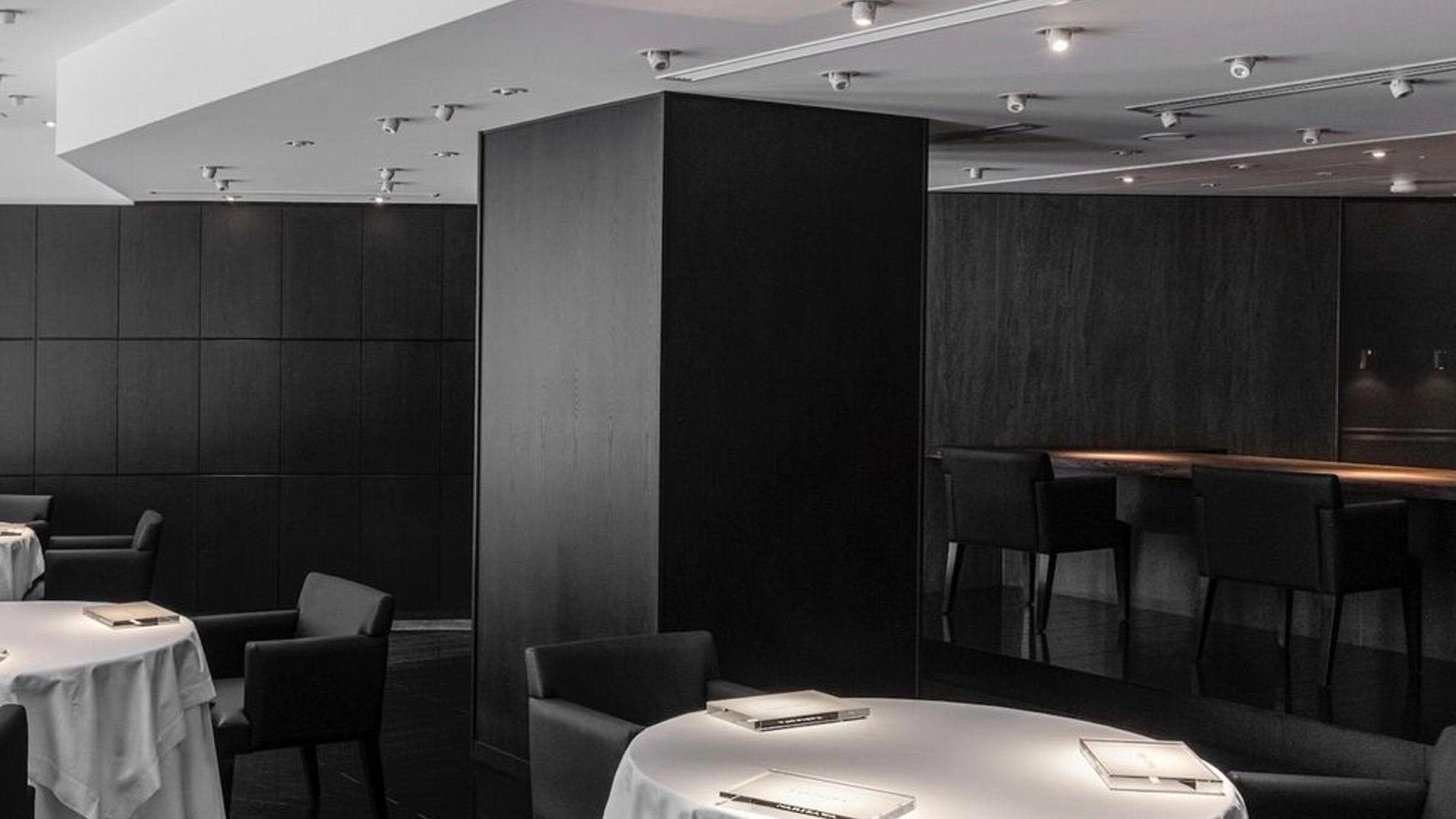
Restaurants in Tokyo
Browse all →



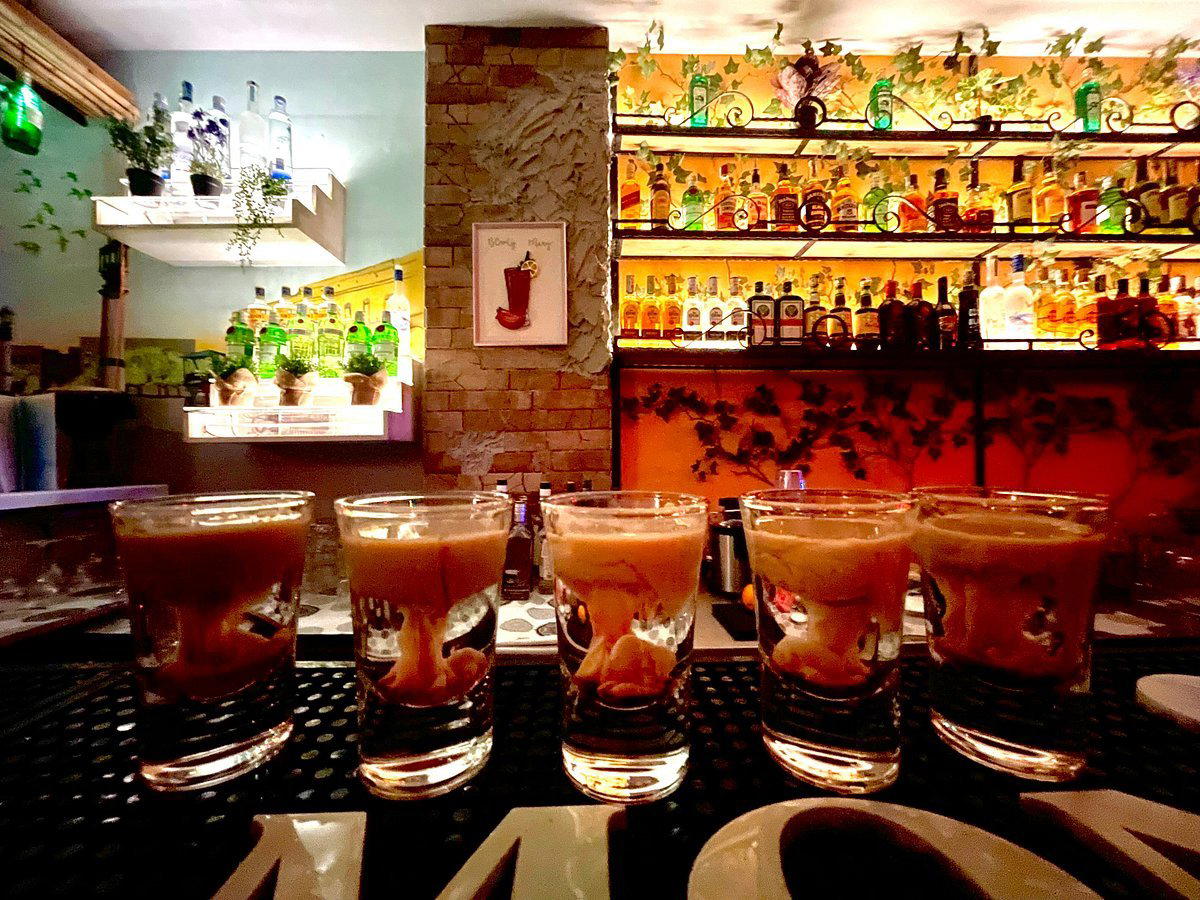
Bars in Tokyo
Browse all →



Hotels in Tokyo
Browse all →




Wineries in Tokyo
Browse all →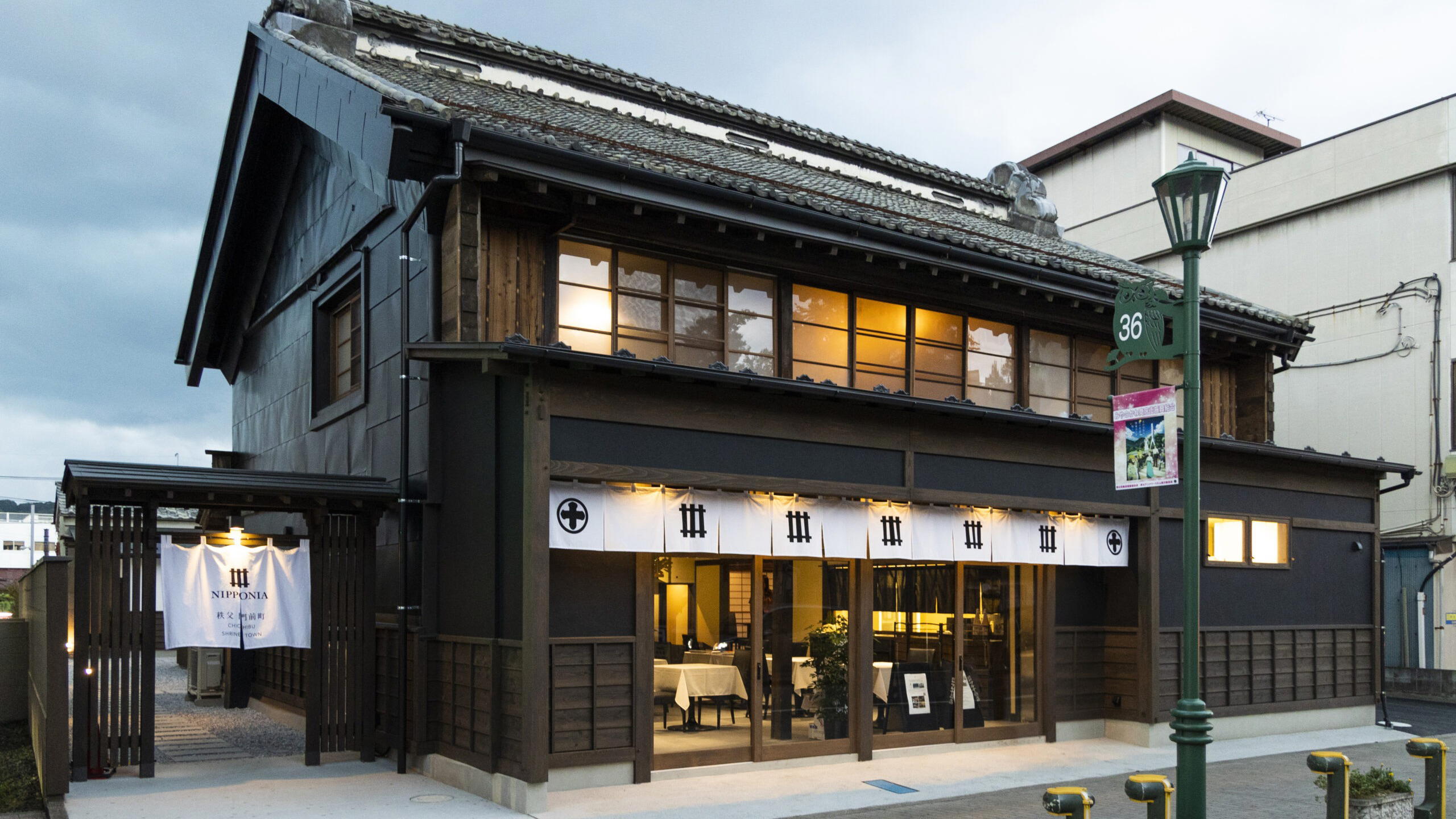
At a Glance
- Cozy
- Classic
- Solo
- Family
- Casual Hangout
- After Work
- Group Dining
- Standalone
Current opening hours
- Monday
- 11 AM–8 PM
- Tuesday
- 11 AM–8 PM
- Wednesday
- 11 AM–8 PM
- Thursday
- 11 AM–8 PM
- Friday
- 11 AM–8 PM
- Saturday
- 11 AM–8 PM
- Sunday
- 11 AM–8 PM
Hours can change for holidays and private events. Last verified .