Šadrvan Roštilj kod Jonuza
On a central Novi Pazar street, Šadrvan Roštilj kod Jonuza represents the kind of roštilj-focused dining that has defined Serbian grill culture for generations. The format is direct: fire, meat, and the unhurried rhythm of a communal table. For visitors tracing the Sandžak region's food traditions, this address on 28. novembra 12 sits at the practical center of that search.
Pearl is the En Primeur Club membership app — saves, bookings, and concierge access live there. Same editors, same standards.
- Address
- 28. novembra 12, Novi Pazar, Serbia
- Phone
- +381665505600
- Directions
- Get directions
 Saves & bookings on Pearl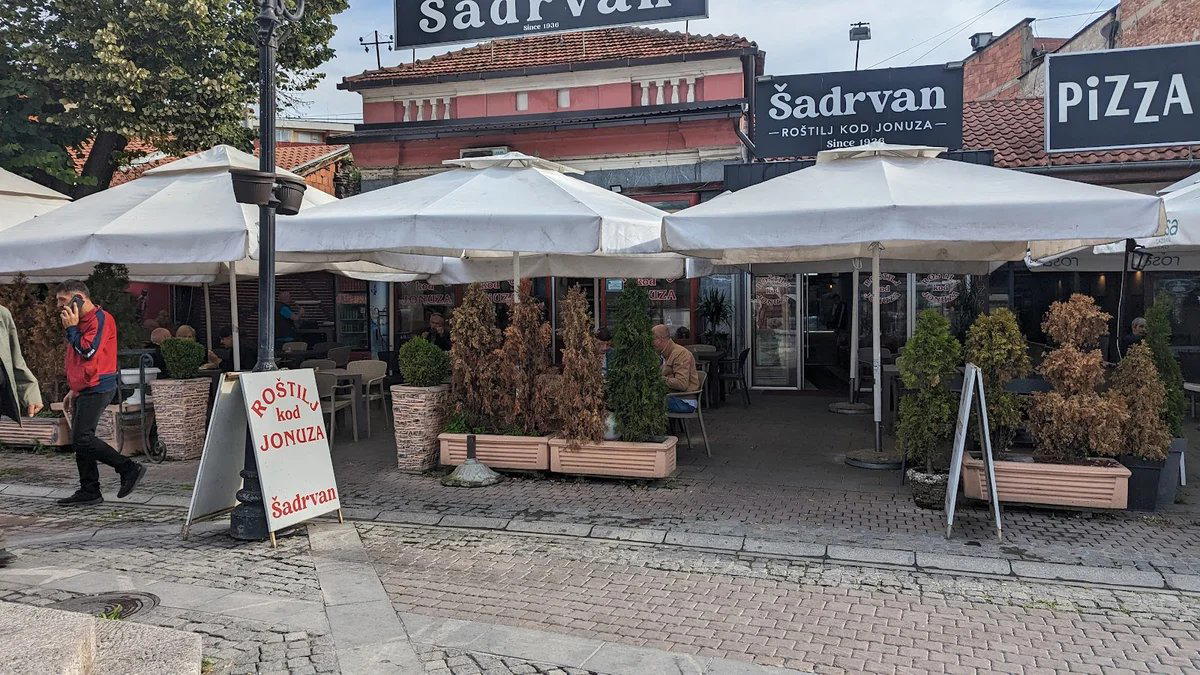
Where the Grill Defines the Meal
In Novi Pazar, the smell of charcoal and cevapi tends to reach you before the restaurant does. Along the streets of the city center, roštilj culture operates less as a trend and more as a fixed social institution, one that predates any current dining vocabulary. At 28. novembra 12, Šadrvan Roštilj kod Jonuza serves traditional Balkan grilled meat in Novi Pazar. The approach is not about reimagining the format. It is about executing it in a context where locals have long standards and short patience for novelty that does not earn its place.
Novi Pazar sits in the Sandžak region of southwestern Serbia, at a geographic and cultural crossroads that has shaped its food in visible ways. The roštilj house in this city carries different weight than its counterpart in the north. It is both an everyday institution and a point of local pride, and the regulars who occupy these tables tend to know exactly what they want before they sit down.
The Ritual of the Roštilj Table
Dining at a Novi Pazar roštilj follows a rhythm that visitors from outside the region occasionally misread as informality. It is not informal so much as it is practiced. Ordering happens quickly, portions arrive without ceremony, and bread appears as infrastructure rather than an opening gesture. The meal is paced by appetite rather than by a chef's sequence, and this distinction matters. There is no tasting progression, no amuse-bouche to signal intent. The fire is the intent.
The Serbian grill tradition at this level centers on a short menu of items done at volume and temperature: ćevapi, pljeskavica, ražnjići, and their various accompaniments. Ajvar, fresh onion, and kajmak are not garnish here; they are structural to how the plate functions. At a place like Šadrvan Roštilj kod Jonuza, this is the grammar of the meal, and understanding it is more useful than approaching it with the expectations you might bring to a sit-down dinner elsewhere in Serbia.
The pacing customs here also reflect the communal logic of the format. Tables tend to fill with groups rather than couples, and the meal extends as conversation does. No one is moving you along. In regional roštilj culture, this is the standard contract between the house and the guest, and it is one of the defining characteristics of the dining tradition that Novi Pazar maintains more consistently than larger Serbian cities where international dining norms have started to compress the meal timeline.
Context Within Novi Pazar's Dining Scene
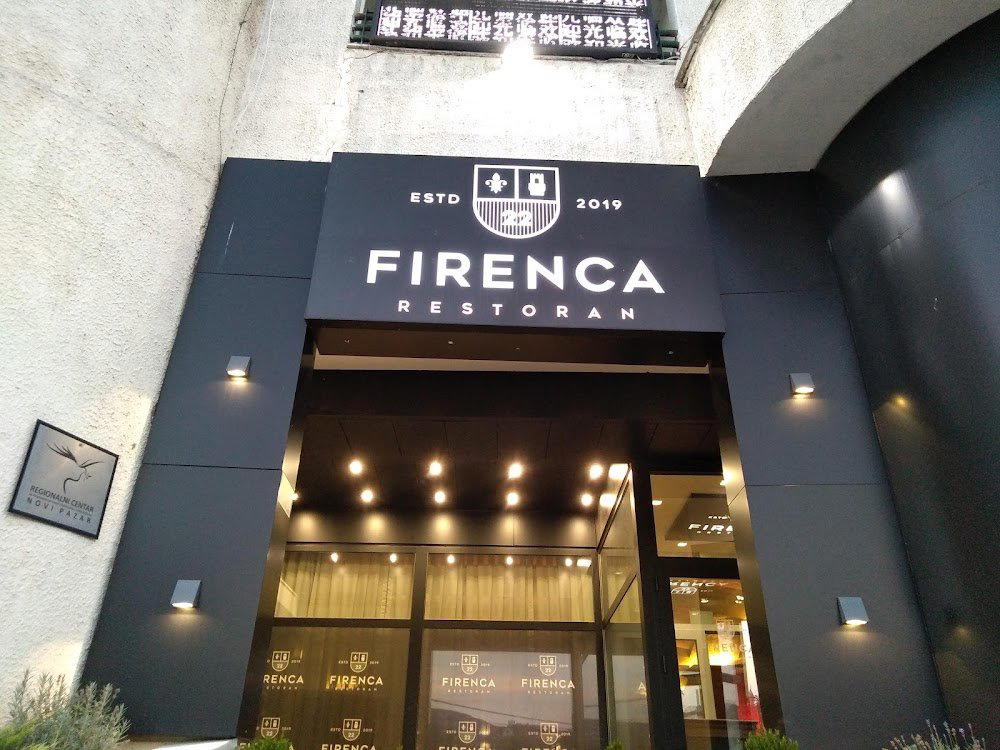
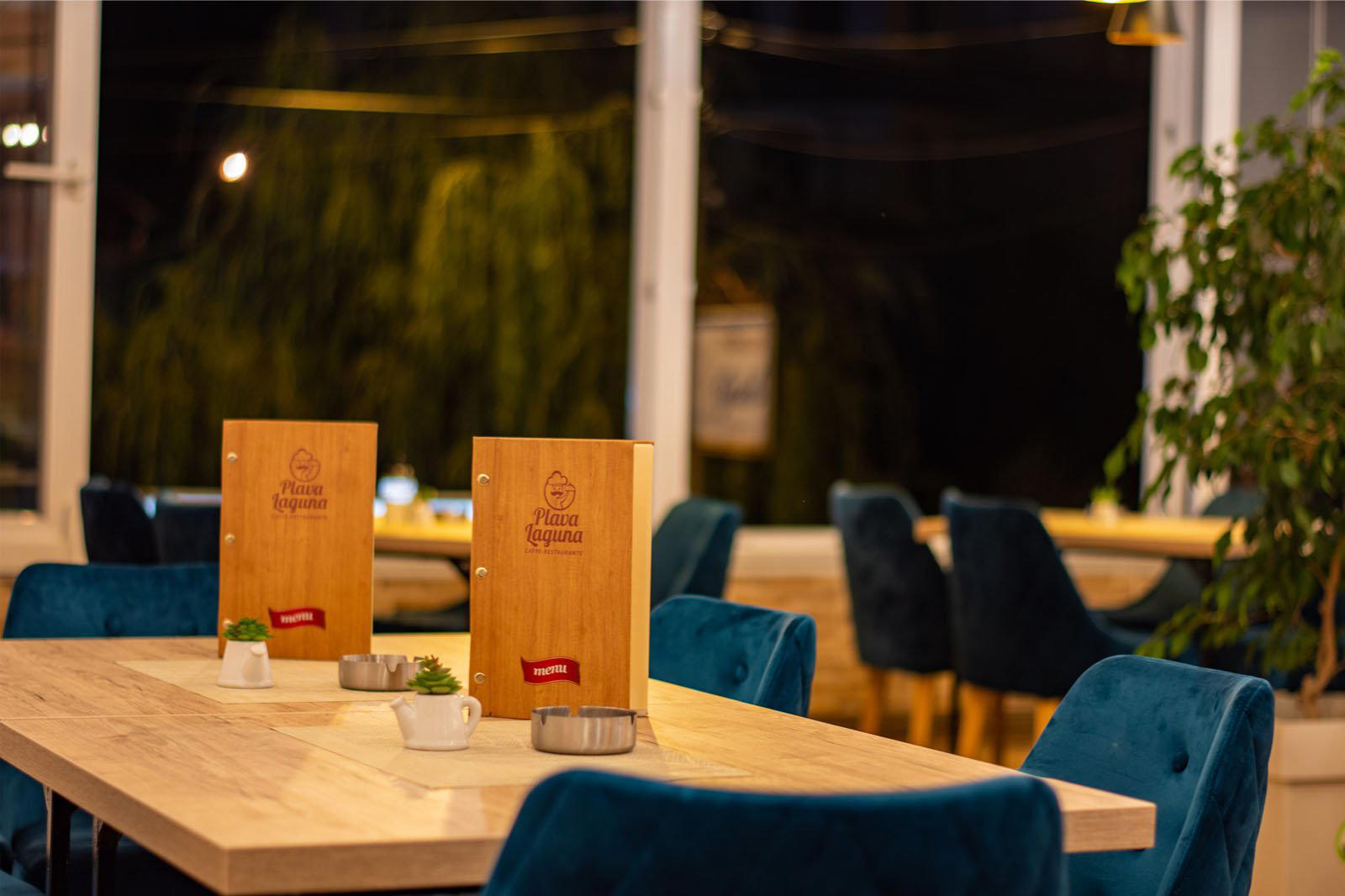
Novi Pazar's restaurant options span from ethnographic dining rooms that foreground Sandžak culture to simpler, canteen-adjacent operations built around throughput. Šadrvan Roštilj kod Jonuza occupies the grill-focused tier of that range. For visitors looking to map the city's full dining character, the picture widens when you add places like etno restoran Gaziya, which leans into the ethnographic register, or PLAVA LAGUNA and FIRENCA 22 for contrast in format and positioning. There is also a closely related address, Šadrvan | Kod Jonuza, which shares name lineage and is worth distinguishing from this location when planning your visit.
Across Serbia, the roštilj house format persists as democratic dining institution in the country. From Kod Brana in Cacak to KAFANA DUKAT in Pirot and Aleksandar Gold in Uzice, the same fire-first logic repeats in different regional inflections. What distinguishes the Novi Pazar version is the Sandžak seasoning profile and the specific cultural weight that the city places on these meals as social events rather than quick stops. The format is the same; the meaning is locally calibrated.
Visitors coming from outside the Balkans sometimes draw comparisons to Turkish mangal culture or Bosnian roštilj traditions, and those comparisons are not wrong. The Sandžak region's Ottoman history is present in the spice balance and in the bread formats that accompany the meat. This is not a generic Serbian grill. The geographic position of Novi Pazar inflects the tradition in ways that a visitor paying attention will notice on the plate.
Planning Your Visit
The restaurant is located at 28. novembra 12 in central Novi Pazar, within walking distance of the city's main commercial strip and the Ras fortress area that draws most visitors to the region. Phone and website details are not listed; one reliable approach for visitors is to arrive directly. Reservation customs are walk-in friendly. For comparison at the international level, the distance between this format and something like Atomix in New York City or Le Bernardin in New York City is not simply price; it is a fundamentally different philosophy about what a meal is for.
Category Peers
Comparable venues nearby, for context on price, style, and recognition.
| Venue | Cuisine | Price | Notes |
|---|---|---|---|
| Šadrvan Roštilj kod JonuzaThis venue — the venue you are viewing | Traditional Balkan Grilled Meat | $ | Not listed |
| etno restoran Gaziya | Traditional Serbian Ethnic Cuisine | $$ | Novi Pazar |
| Šadrvan | Kod Jonuza | Novi Pazar Ćevapi Grill | $ | city center |
| FIRENCA 22 | International Casual Grill | $$ | Kej 37. Sandžačke Divizije |
| PLAVA LAGUNA | Fresh Seafood & Fish Grill | $$ | Kej 37. Sandžačke Divizije |
| Restoran Kod Jukića | Balkan Barbecue | $$ | Sjenica |
Continue exploring
More in Novi Pazar
Restaurants in Novi Pazar
Browse all →
Hotels in Novi Pazar
Browse all →
Wineries in Novi Pazar
Browse all →
At a Glance
- Rustic
- Casual
- Well Known
- Casual Hangout
- Group Dining
- Late Night
- After Work
- Garden
- Standalone
- Local Sourcing
- Garden
Current opening hours
- Monday
- Open 24 hours
- Tuesday
- Open 24 hours
- Wednesday
- Open 24 hours
- Thursday
- Open 24 hours
- Friday
- Open 24 hours
- Saturday
- Open 24 hours
- Sunday
- Open 24 hours
Hours can change for holidays and private events. Last verified .
Casual, open-air garden atmosphere with a lively local vibe; rustic and unpretentious with a focus on traditional grilled fare.