
KURODARUMA brings Osaka’s tachinomi culture into a sharper Honmachi frame: compact, social, and built around standing-bar rhythm rather than formal dining ceremony. Its selection for Tabelog 100 Tachinomi 2025 places it within Japan’s current conversation around casual drinking rooms with serious local traction.
Pearl is the En Primeur Club membership app — saves, bookings, and concierge access live there. Same editors, same standards.
- Address
- 4 Chome-8-8 Honmachi, Chuo Ward, Osaka, 541-0053, Japan
- Phone
- +81 50-1353-5792
- Website
- instagram.com
 Saves & bookings on Pearl
After office hours, Honmachi’s grid of banks, wholesalers, and corporate lobbies gives way to smaller rooms where the counter matters more than the tablecloth, and a short stop can become a full evening. KURODARUMA belongs to Osaka’s tachinomi tradition: standing to drink, eating in quick succession, and letting the room’s layout set the pace.
The format is the first clue. A stand-up bar asks less ceremony from guests but more discipline from the operation: movement must be efficient, drinks quick, and the social contract different from a reservation-led kappo or long-form tasting counter. In Osaka, where eating out prizes immediacy and value over hushed ritual, this compact format is a serious genre, not a compromise.
A standing-room format in a business district that rewards speed
Tachinomi is often mistaken by visitors for a budget shortcut. Better examples work by compression: shorter dwell time, tighter spacing, direct service, and a menu built for drinking rather than procession. KURODARUMA’s Tabelog 100 Tachinomi 2025 selection signals a category judged on its own terms, not as a lesser cousin of izakaya dining.
That matters in Honmachi. Between Umeda’s commercial gravity and Namba’s nocturnal pull, the neighbourhood has its own after-work logic: earlier starts, practical spending, and rooms filled with people who know exactly how long they want to stay. A standing bar fits that rhythm better than a drawn-out restaurant. The appeal is not theatrical scarcity, but controlled looseness: turnover, proximity, repeat use.
The drinks frame is Japanese at its core, with sake and shochu joined by wine. That mix reflects Osaka’s current casual-drinking culture: wine is no longer only a formal-dining signal, while sake and shochu remain the backbone of rooms where food and alcohol share equal weight. Compared with Osaka restaurants such as Sumibi Yakitori Morita, Ajikitcho Bumbuan, ETXOLA, and gastroteka bimendi, this is a different choice: less full seated arc, more density, pace, and a room that does not demand overcommitment.
The room is the editorial point, not a backdrop
Design in a tachinomi bar is measured not by grand gestures but by how bodies fit. Forty seats, table seating, private rooms, an open terrace, power outlets, free Wi-Fi, and sports viewing create a more flexible container than the stereotype of a narrow standing counter. The result is a hybrid: after-work drinking room, casual group stop, and neighbourhood utility.
That flexibility separates it from Osaka’s more destination-driven dining rooms. Private rooms change the social geometry, letting small groups use a standing-bar address without giving every conversation to the main floor. Terrace access shifts the mood, especially in milder months, when Osaka’s post-work drinking culture spills outward. Pets allowed on the terrace add informality, but the point is spatial: the bar absorbs several versions of casual Osaka drinking rather than enforcing one script.
The room also has practical modernity. Power outlets and Wi-Fi are not romantic, but they show how newer casual venues in business districts serve guests moving between work, trains, and evening plans. Honmachi is not a late-night entertainment quarter like parts of Minami; its better rooms understand that the first drink may come with a bag, laptop, or group deciding whether the evening continues elsewhere.
For a wider map of the city’s food and drink range, Our full Osaka restaurants guide gives the restaurant context, while Our full Osaka bars guide is the better companion for drinking-led routes. Travellers building a full itinerary can also use Our full Osaka hotels guide, Our full Osaka experiences guide, and Our full Osaka wineries guide to separate where to stay, what to do, and where to drink.
Where it sits in Osaka's casual dining spectrum
Osaka is unusually good at keeping casual formats legitimate. Department-store food halls, counter ramen, takoyaki stalls, kissaten, bakeries, standing bars, and specialist restaurants coexist without imitating fine dining. KURODARUMA’s role in that ecology is clear: a tachinomi room with enough recognition to interest reservation-chasing travellers, and enough everyday function to avoid becoming a trophy stop.
The comparison prevents category confusion. Choosing between this and a premium yakitori counter is not choosing better or worse, but between time structures. Seated tasting formats create focus and sequence; stand-up drinking rooms create momentum. Osaka rewards both on different nights. The sharper itinerary pairs them intelligently rather than forcing one to behave like the other.
That range appears across the city’s broader restaurant map. Nearby or citywide casual addresses such as.cafe, 52CHO-ME BAKERY, 551 Horai (551蓬莱), 99 Pizza Napoletana Gourmet, and a canto (Italian) show how Osaka supports specialist formats at different levels of formality. The useful traveler’s move is to stop ranking them by ceremony and read them by function: breakfast, snack, standing drink, full dinner, late stop.
Beyond Osaka, the same category logic applies across Japan and abroad. -Grilled beef Sukiyaki- KAMAKURA TANUKIAN 鎌倉 たぬき庵 in Kamakura. 鮪と炭火焼き うお炭 秋葉原店 in Tokyo.know in Kumamoto, (Shoku) Vietnam in Kawasaki, [Curry Senmon Ten] Maruyama Kyoju. in Sapporo, [ki:] in Kyoto, Jōdo Saké Bar in Los Angeles, and Onigiri Time in Pasadena each express casual specificity differently. The lesson travels: the strongest low-ceremony rooms are rarely vague. They know their format, pace, and evening.
KURODARUMA is useful not because it offers a grand thesis on Osaka dining, but because it clarifies one. The city’s casual drinking culture is not an afterthought to its restaurant culture; it is one system that keeps Osaka eating with speed, sociability, and a firm sense of value.
A Pricing-First Comparison
Comparable venues for orientation by cuisine and category.
| Venue | Cuisine | Price | Notes |
|---|---|---|---|
| KURODARUMAThis venue — the venue you are viewing | Not listed | $$ | Not listed |
| Menya JouRoku (麺屋 丈六) | Namba, Takaida-Style Tamari Shoyu Ramen | $$ | Not listed |
| Rakuraku Udon | Katano, Handmade Udon | $$ | Not listed |
| Yoshoku Bistro Awano | Not listed | $$ | Chūō, Yoshoku (Japanese-style Western bistro) |
| MUGUNI | Not listed | $$ | Chūō, Omurice-focused Yoshoku (Japanese Western-style) |
| OXYMORON Kitahama | Chūō, Japanese Curry Cafe | $$ | Not listed |
Recognition history
Dated appearances from independent guides and award organizations, with the underlying list record or original source where available.
Tabelog 100 #68 · No. 68
Tabelog · Tabelog 100 - Tachinomi - 2025
Continue exploring
More in Osaka
Restaurants in Osaka
Browse all →




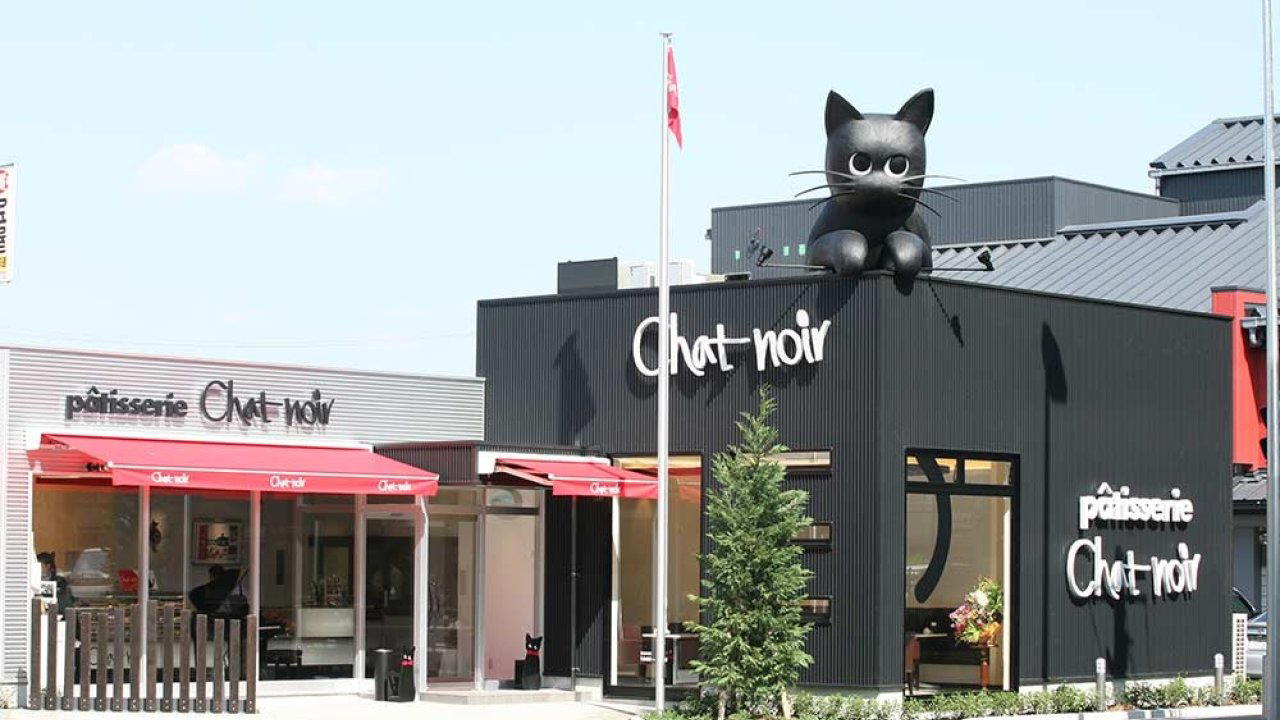
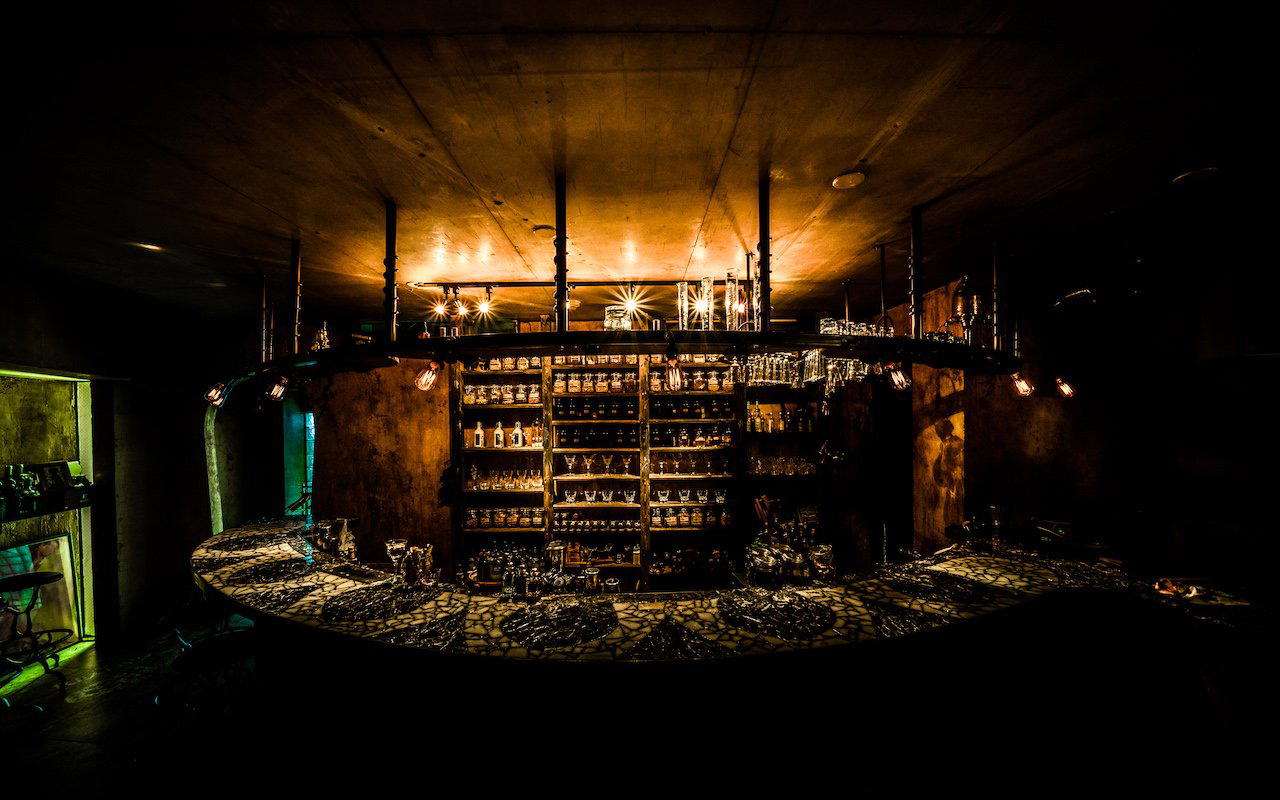
Bars in Osaka
Browse all →

Hotels in Osaka
Browse all →



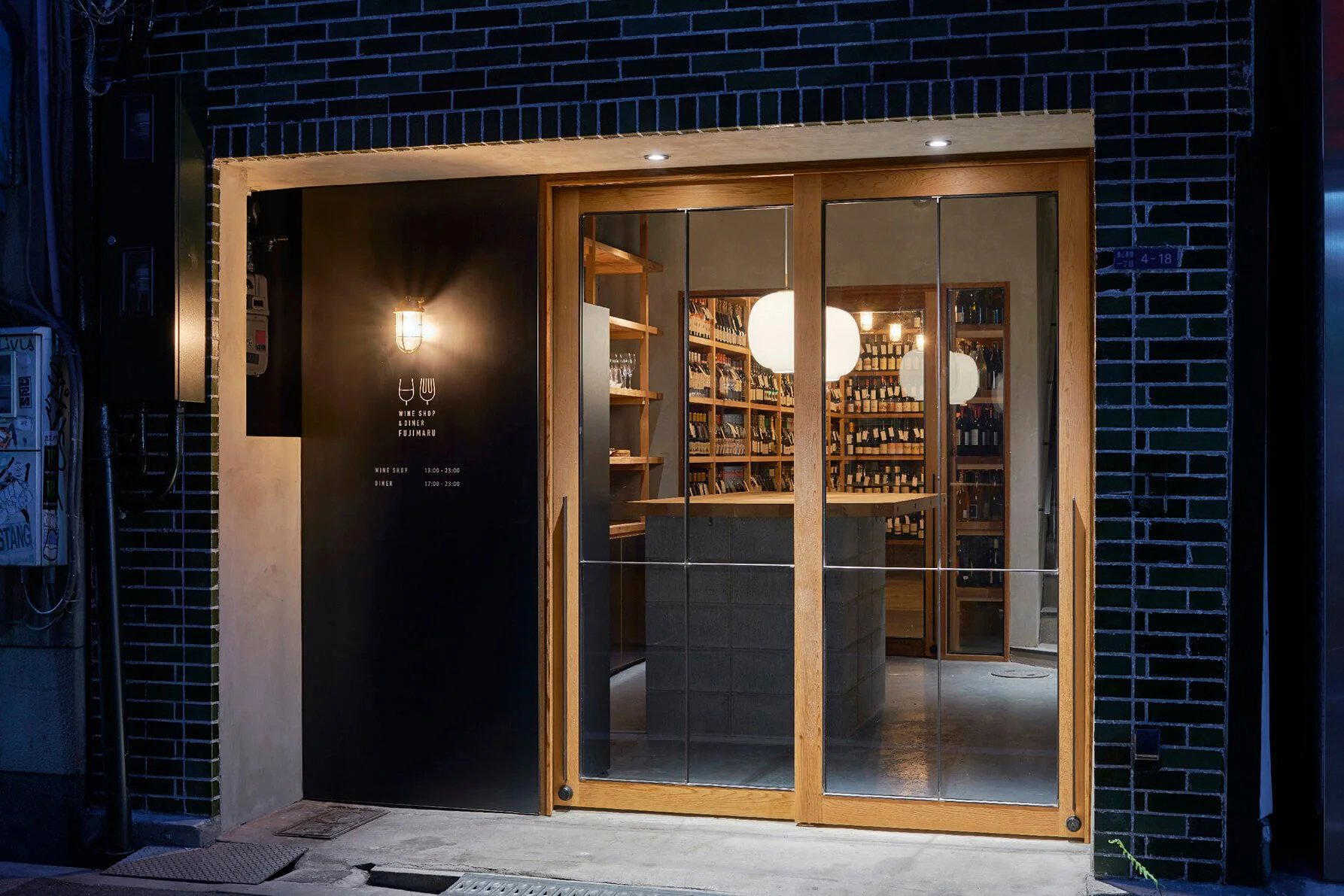
Wineries in Osaka
Browse all →
At a Glance
- Lively
- Cozy
- Trendy
- Energetic
- Intimate
- After Work
- Casual Hangout
- Group Dining
- Solo
- Late Night
- Standalone
- Beer Program
Current opening hours
- Monday
- 4 PM–12 AM
- Tuesday
- 4 PM–12 AM
- Wednesday
- 4 PM–12 AM
- Thursday
- 4 PM–12 AM
- Friday
- 4 PM–12 AM
- Saturday
- 4 PM–12 AM
- Sunday
- 4 PM–12 AM
Hours can change for holidays and private events. Last verified .
Casual and energetic standing-bar atmosphere with guests gathering shoulder-to-shoulder around the counter, enjoying creative small plates and drinks in a warm, buzzy neighborhood spot.