
Chinese Shunsai Chaamaen gives Fujisawa a serious Chinese address with a sourcing-led point of view: fish, lighter menus, sake, shochu, and wine all sit inside the frame. Its Tabelog Chinese EAST “Tabelog 100” 2026 selection places it in a regional conversation beyond the usual Tokyo gravity, with a compact room and a category that includes brothless tantan-men.
Pearl is the En Primeur Club membership app — saves, bookings, and concierge access live there. Same editors, same standards.
- Address
- Japan, 〒251-0055 Kanagawa, Fujisawa, Minamifujisawa, 20−15 第一興産18号館 6F
- Phone
- +81 466-27-7824
- Website
- cha-ma-en.com
 Saves & bookings on Pearl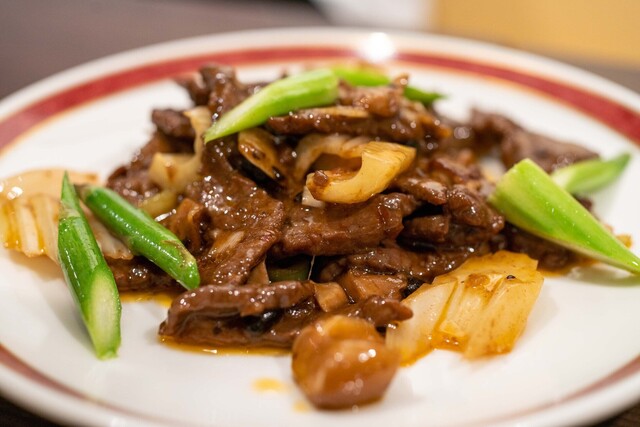
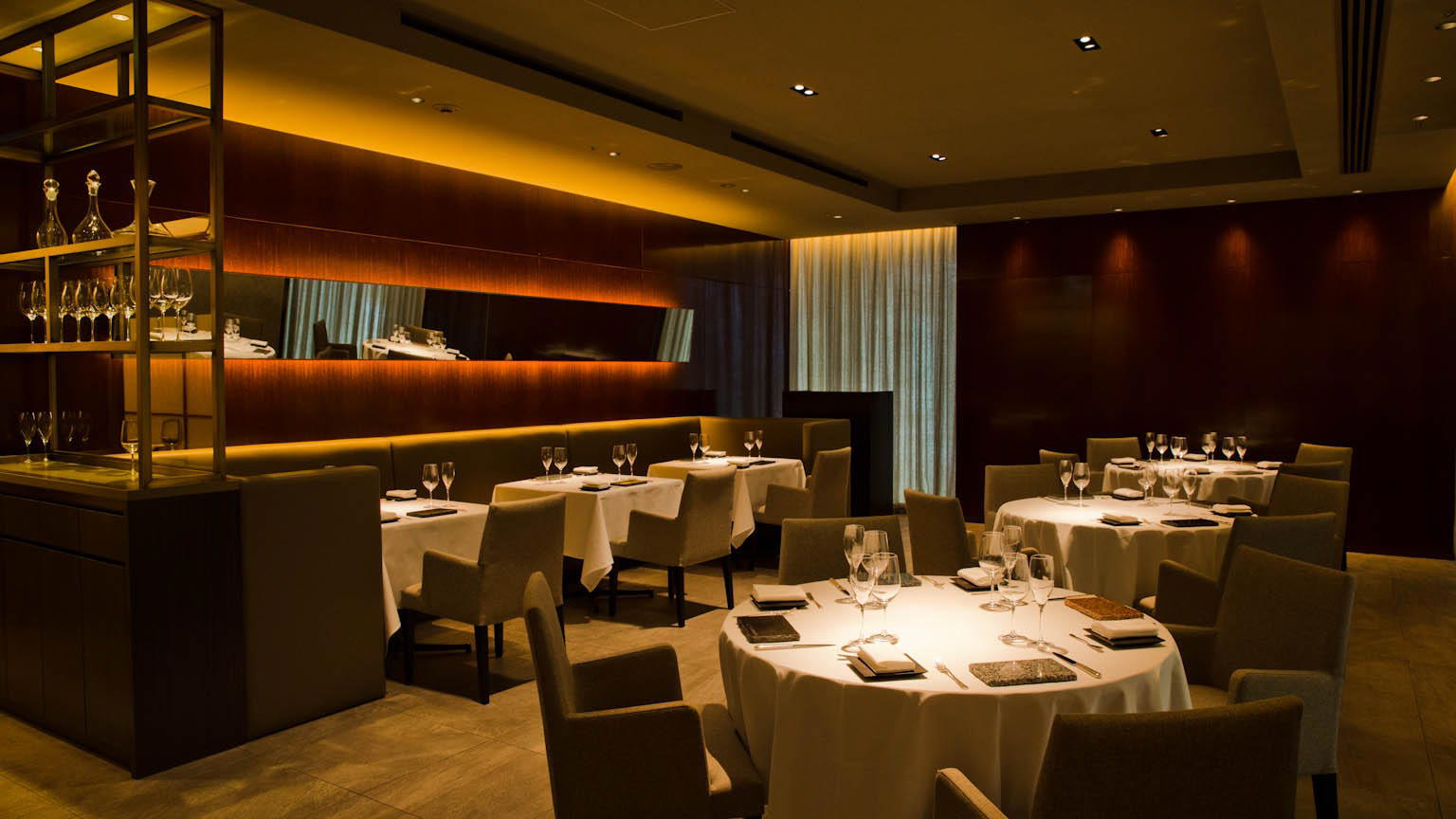
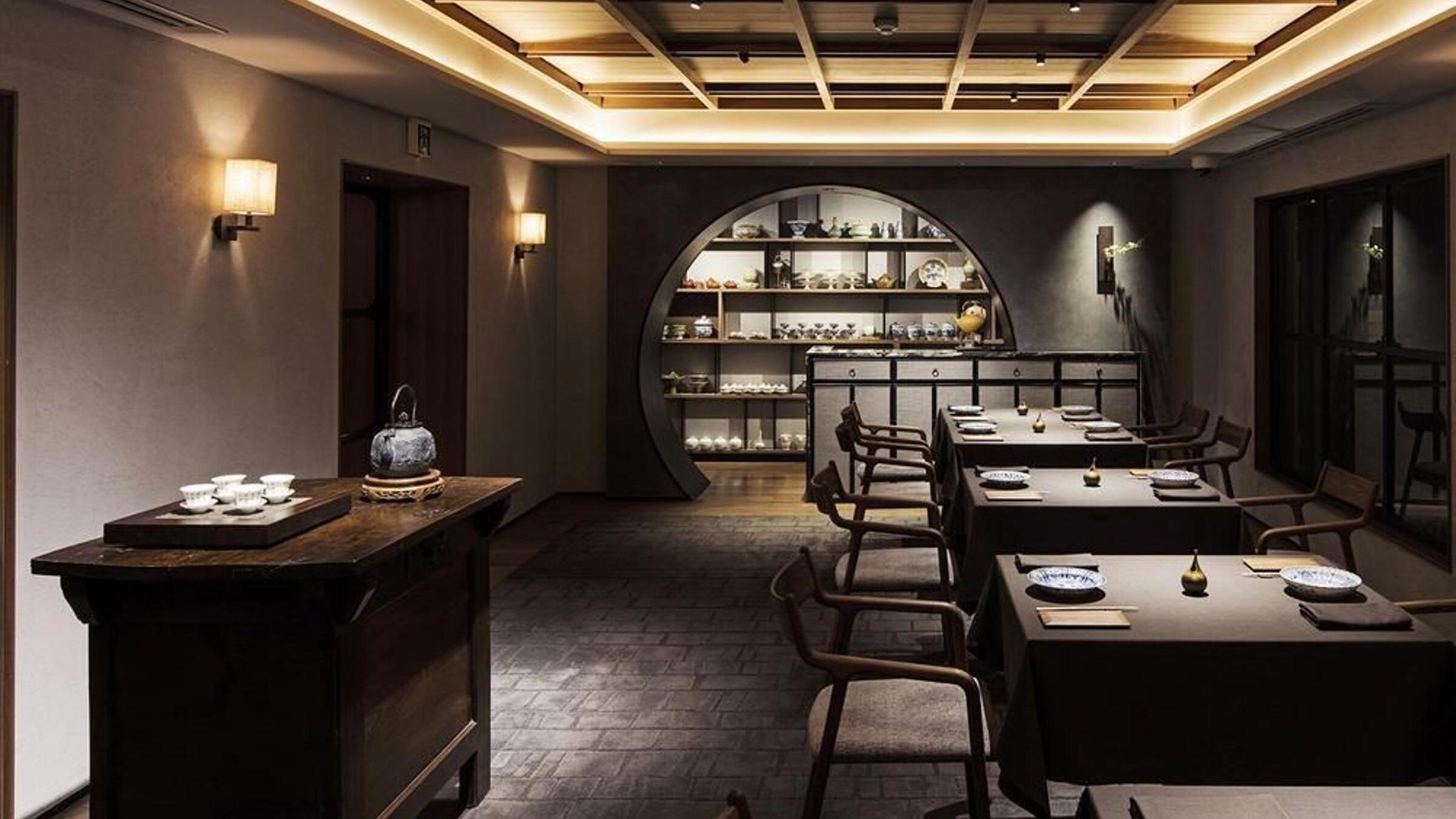
From a sixth-floor room in Minamifujisawa, the appeal is less street-level theatre than a controlled remove from it: city lights, a small dining room, and the sense that Fujisawa’s restaurant culture works differently from the capital’s. Tokyo often turns Chinese dining into either hotel Cantonese ceremony or counter-format Sichuan precision. Here, the signal is quieter and more local: Chinese cooking filtered through Kanagawa’s coastal appetite for fish, lighter courses, and drinks that do not treat sake as an afterthought.
That matters because Fujisawa sits between commuter city and seaside gateway. Diners passing through for Enoshima and Shonan often default to seafood, izakaya, ramen, or casual station meals. A Chinese kitchen with Tabelog Chinese EAST “Tabelog 100” 2026 recognition changes the map. Chinese Shunsai Chaamaen belongs to the smaller group of Fujisawa restaurants where regional attention, limited capacity, and ingredient focus make the decision feel planned rather than opportunistic.
Fish-led Chinese cooking in a city that usually points diners toward the coast
The useful way to read this restaurant is through sourcing, not décor or chef mythology. Its public category sits under Chinese and brothless tantan-men, while the food notes point specifically to fish and a health-conscious menu. That combination places the cooking outside the heaviest expectations of Japanese Chinese dining, where fried texture, starch, and chili oil can dominate the table. Fujisawa gives the format a different pressure: coastal produce and a customer base used to seafood as a primary reason to dine out.
Brothless tantan-men is a telling anchor. In Japan, the dish often acts as a bridge between Chinese seasoning and noodle-shop directness: sesame, spice, minced meat or aromatics, and a sauce that clings rather than floats. In a broader meal, it can read as comfort rather than luxury. Paired with a fish-conscious kitchen, it suggests a restaurant that is not chasing banquet excess. The more interesting proposition is balance: a Chinese meal that can carry spice, oil, and fermented depth without losing sight of freshness.
The drinks list also points to a Fujisawa-specific reading of Chinese dining. Sake, shochu, and wine are all part of the program, which matters in Japan because Chinese restaurants at this level increasingly compete not only on technique but on how well they fit the rhythm of local drinking. Sake with seafood, shochu with spice, wine with courses: those choices make the restaurant legible to diners who might otherwise reserve serious pairing expectations for sushi, kaiseki, or French rooms.
Why the recognition carries weight outside Tokyo
Tabelog’s Hyakumeiten lists are imperfect as dining canon, but they are useful signals in cities where Michelin coverage and English-language criticism are thinner. A Chinese EAST “Tabelog 100” 2026 selection, with earlier selections in 2024, 2023, and 2021, gives this address a continuity signal rather than a single-year spike. The Tabelog score of 3.71 adds another data point in a market where ratings above the mid-threes can indicate meaningful local consensus, especially outside the central Tokyo dining machine.
Within Fujisawa, the comparison set is mixed rather than one-note. Sushi Tomi sits in a similar dinner spend band, which means diners choosing between the two are often deciding between Japanese counter tradition and a more flexible Chinese format. fu-fu shisen occupies a slightly lower dinner band and gives the city another Chinese reference point, while elarte pulls the conversation toward Western-leaning dining. That range is the point: Fujisawa’s serious meals are not only sushi before or after the beach. They are increasingly category-specific rooms that reward advance planning.
Capacity sharpens that reading. A 20-seat dining room is not large enough to absorb casual demand when recognition lands, and private use is listed for up to 20 people. That scale suits a restaurant built around courses, pacing, and a narrow operating window rather than volume. It also means the experience is closer to a chosen evening than a quick station-area fallback, even though the location keeps it tied to the city’s transport spine.
How to place it in a Fujisawa itinerary
Fujisawa is often treated as a base for Kamakura, Enoshima, and the Shonan coast, but its dining scene is more useful when read as a set of compact specialisms. For seafood and local classics, Asahi Honten offers another way into the city’s appetite. For Italianate coastal cooking, clarita da marittima broadens the frame. Meat-focused diners can look at COOKER'S GRILL. Against that spread, Chinese Shunsai Chaamaen is the call when the meal needs structure, regional credibility, and a lighter hand with Chinese technique.
The practical rhythm is simple enough: this is a compact, reservation-friendly restaurant with lunch and dinner operating on different terms, a non-smoking room, no private rooms, and no parking. Cards, electronic money, and PayPay are listed, which makes payment easier than at many small Japanese restaurants. Families are accommodated, but the guidance around preschool children at dinner makes lunch the cleaner option for younger guests. For travellers building a wider plan, Our full Fujisawa restaurants guide is the natural companion, while Our full Fujisawa hotels guide, Our full Fujisawa bars guide, Our full Fujisawa wineries guide, and Our full Fujisawa experiences guide help place the meal inside a longer stay.
Readers comparing beyond Fujisawa can use nearby and broader Japan references to calibrate style and spend: -Grilled beef Sukiyaki- KAMAKURA TANUKIAN 鎌倉 たぬき庵 in Kamakura. 鮪と炭火焼き うお炭 秋葉原店 in Tokyo.cafe in Osaka.know in Kumamoto, (Shoku) Vietnam in Kawasaki, [Curry Senmon Ten] Maruyama Kyoju. in Sapporo, Jōdo Saké Bar in Los Angeles, and Onigiri Time in Pasadena. The sharper point remains local: Fujisawa rewards diners who look past the obvious coastal script, and this room gives Chinese cooking a credible place in that edit.
Comparison Snapshot
Side-by-side context: comparable cuisine and price.
| Venue | Cuisine | Price | Notes |
|---|---|---|---|
| Chinese Shunsai ChaamaenThis venue — the venue you are viewing | Seasonal Chinese with soupless dandan noodles | $$$ | Not listed |
| Koan | Traditional Kaiseki | $$$$ | Kugenuma |
| Sushi Tomi | Traditional Sushi Counter | $$$ | Fujisawa |
| Asahi Honten | Japanese Senbei & Octopus Crackers | $ | Enoshima |
| Iida Bokujo | Dining | Not listed | Fujisawa |
| POURQUOI | European-style bakery & cafe | $ | Fujisawa |
Recognition history
Dated appearances from independent guides and award organizations, with the underlying list record or original source where available.
Tabelog 100 #44 · No. 44
Tabelog · Tabelog 100 - Chinese cuisine - EAST - 2026









At a Glance
- Cozy
- Intimate
- Date Night
- Business Dinner
- Group Dining
- Solo
- Special Occasion
- Casual Hangout
- Standalone
- Extensive Wine List
- Local Sourcing
Current opening hours
- Monday
- 5–9 PM
- Tuesday
- 5–9 PM
- Wednesday
- Closed
- Thursday
- 5–9 PM
- Friday
- 5–9 PM
- Saturday
- 12–3 PM, 5–9 PM
- Sunday
- 12–3 PM
Hours can change for holidays and private events. Last verified .
A compact, reservation-focused Chinese dining room near Fujisawa Station with a calm, low-key atmosphere suited to relaxed meals rather than loud banquets.