
fu-fu shisen gives Fujisawa’s Chinese dining scene a tightly defined counterpoint: Sichuan-based cooking built around seafood, vegetables, organic seasonings and natural wine rather than meat or dairy. Its 2026 selection for Tabelog 100 Chinese EAST, 10-seat scale and course-only structure place it in the city’s small-format, reservation-led tier.
Pearl is the En Primeur Club membership app — saves, bookings, and concierge access live there. Same editors, same standards.
- Address
- 神奈川県藤沢市鵠沼橘1-1-15 富洋ビル 1F
- Website
- tabelog.com
- Directions
- Get directions
 Saves & bookings on Pearl
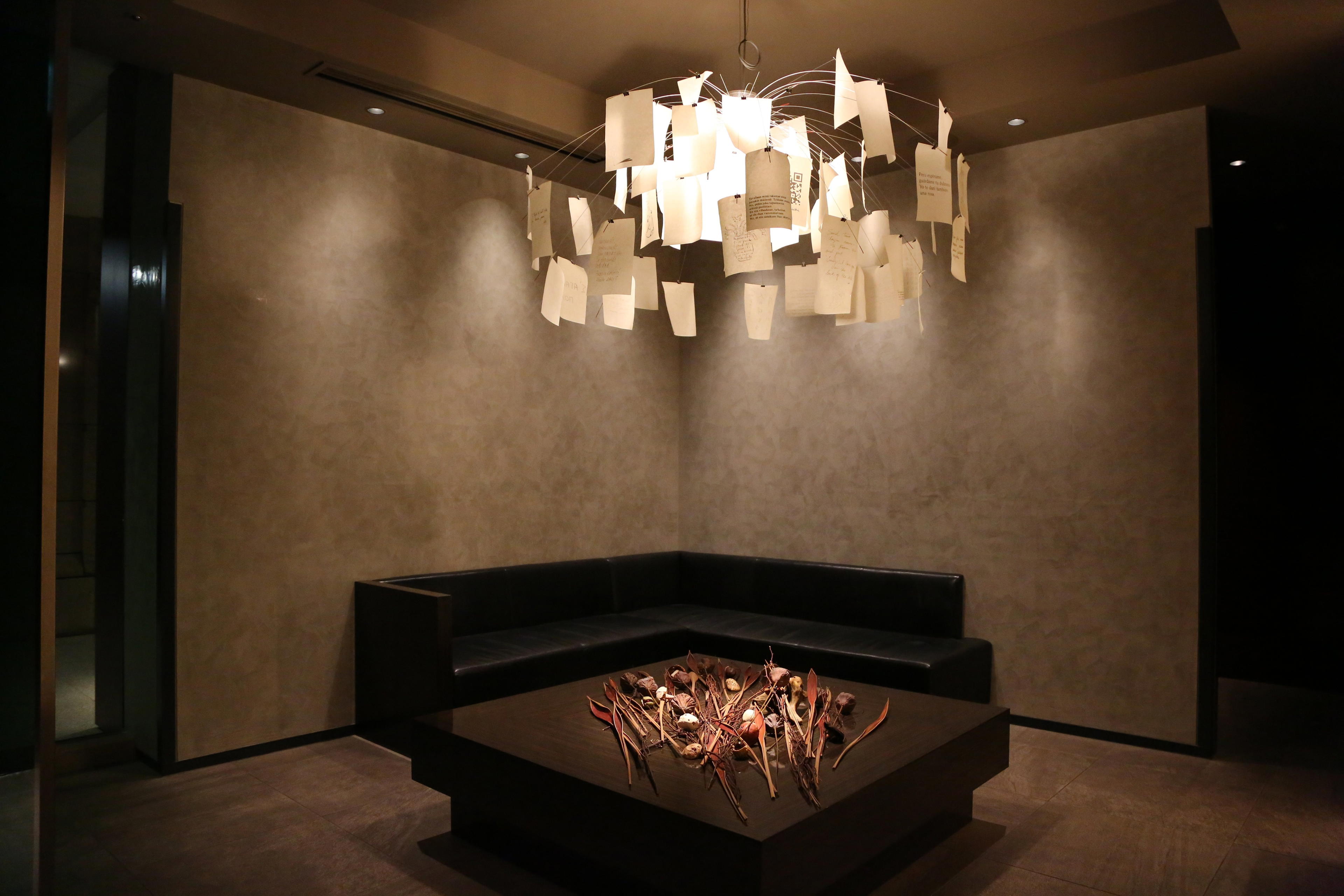
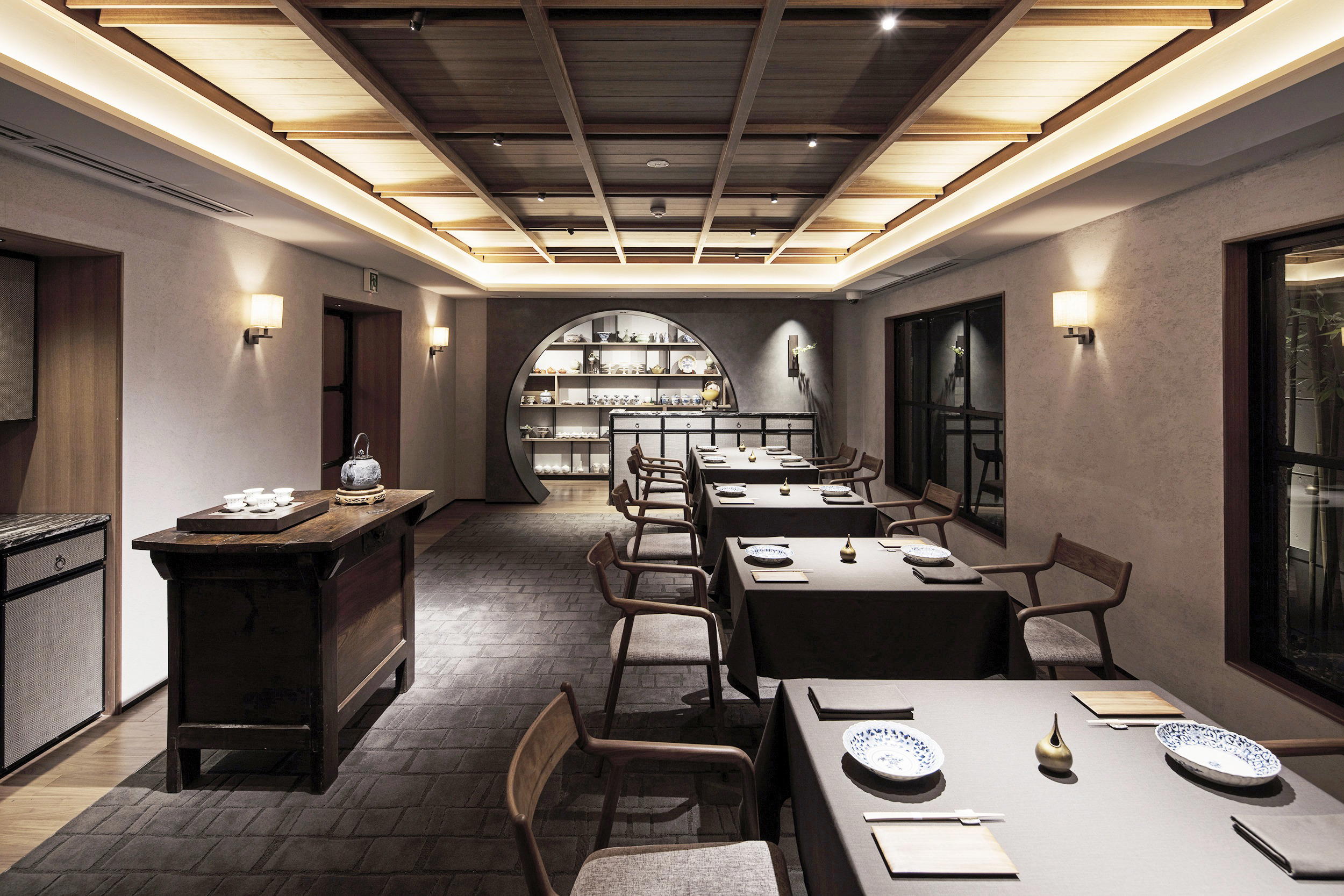
On the quieter side of Fujisawa’s station orbit, the appeal is compressed: a 10-seat room, counter presence, and a deliberately narrow kitchen brief. Fujisawa dining often reads through the Shonan coast, commuter traffic, ramen counters, izakaya habit, and weekend movement between Enoshima and Kamakura. In that mix, fu-fu shisen takes a more exacting lane: Sichuan-based Chinese cooking without meat, dairy, or chemical seasonings, built around seafood, vegetables, organic seasonings, and organic beet sugar.
That stance matters because Sichuan cooking is often reduced abroad to heat. In Japan, serious Chinese restaurants are precise about oil, stock, seasoning balance, and course rhythm, from hotel dining rooms to compact neighbourhood specialists. Here the point is not softened Sichuan, but a different architecture: without meat or processed meat products, structure must come from vegetables, fish, handmade components, and seasoning depth. Dim sum, yum cha, and medicinal categories signal a broader Chinese register than chilli shorthand.
Seafood, vegetables and Sichuan structure without the meat base
Plant-forward Chinese cooking is easier to find in major Japanese cities; Fujisawa is a smaller stage, making the format more revealing. Avoiding meat, dairy, and chemical seasonings removes default sources of weight. Organic vegetables and organic seasonings carry more responsibility; olive oil and sunflower oil suggest a lighter fat profile than the animal richness of banquet-style Chinese dining. This is sourcing as editorial position, not decoration.
The course format reinforces that discipline. One type of course is offered per group, limiting table sprawl and pushing the meal toward a tasting structure. For diners used to sharing à la carte plates, the tempo changes: less negotiation, more trust in sequence. In a 10-seat room, with one table for two, one table for four, and four counter seats, the cooking has little room to hide behind volume. The maximum seated party size of four keeps it closer to a compact specialist restaurant than a celebratory banquet room.
The drinks list places the restaurant inside a current Japanese pattern: natural wine with Chinese food. That pairing has moved from novelty to serious category in Tokyo and surrounding prefectures, because spice, acidity, fermented flavours, and vegetable-led cooking often work better with wines chosen for texture and lift than with heavy reds or prestige bottles. Shochu and cocktails are also listed, but wine is the sharper signal, tying the meal to younger, cross-genre dining culture rather than a traditional Chinese template.
Fujisawa's small-format dining tier is more serious than its beach-city image
Fujisawa is often treated as a gateway city, a practical stop before Enoshima, Kamakura, or the coast. Its dining scene is more varied. The comparison set runs from casual noodle pricing at Men Dokoro Rajuku to higher-ticket sushi at Sushi Tomi and Chinese dining at Chinese Shunsai Chaamaen. Against that field, fu-fu shisen’s dinner range of JPY 8,000 to JPY 9,999 sits below some local high-price counters but above everyday station dining: not an impulse meal, yet not priced like Tokyo’s luxury Chinese rooms.
Tabelog’s 2026 Chinese EAST 100 selection gives the restaurant a credible external marker where Michelin coverage and English-language attention can be uneven outside central Tokyo. Its Tabelog score of 3.62 and prior 2023 selection add continuity rather than a single-year spike. The award does not make it a trophy table; it places it within a curated eastern Japan Chinese category, a meaningful signal for diners sorting through Kanagawa’s quieter specialist rooms.
Japan’s stronger small restaurants often make guests meet the format halfway. Reservations are required by 5:00 PM the day before, with party size, date, course choice, allergies or disliked ingredients, and phone number sent through Instagram message or LINE. Same-day cancellations carry a 100 percent course-fee charge. That policy is normal for a small course-led room with low capacity, but it shapes who should go: diners who can commit, communicate allergies clearly, and accept a focused menu.
How to read it in a Fujisawa itinerary
The restaurant works better as an evening anchor than an add-on after a loose coastal day. Last entry is 19:30, Monday is closed, and operating days run Tuesday through Sunday evening, with irregular closures flagged through social channels. Fujisawa Station is the transport reference point, practical for travellers staying locally or moving between Kanagawa and Tokyo by rail. Parking is not provided, though paid parking is nearby; treat it as a station-area dinner.
Family planning needs attention. Children under elementary school age are not admitted, and seating is limited. Private rooms and private use are unavailable, so the meal suits small adult parties rather than groups seeking isolation. Credit cards are accepted, electronic money is not, and PayPay is listed for QR payments. None changes the food, but it prevents small frustrations during a tightly scheduled dinner in Japan.
For broader planning, Fujisawa rewards a mixed map rather than a single category hunt. Coastal casual restaurants, station-area counters, and specialist rooms sit close together. Readers building a wider route can compare the city’s restaurant spread through Our full Fujisawa restaurants guide, then cross-check where to sleep in Our full Fujisawa hotels guide, drink in Our full Fujisawa bars guide, taste locally through Our full Fujisawa wineries guide, or plan around activities in Our full Fujisawa experiences guide.
Nearby dining research can stretch beyond Chinese cooking. In Fujisawa, Asahi Honten, clarita da marittima, COOKER'S GRILL, and elarte show the local range. Regional extensions can include -Grilled beef Sukiyaki- KAMAKURA TANUKIAN 鎌倉 たぬき庵 in Kamakura, (Shoku) Vietnam in Kawasaki, and, for broader Japan mapping. 鮪と炭火焼き うお炭 秋葉原店 in Tokyo.cafe in Osaka.know in Kumamoto, and [Curry Senmon Ten] Maruyama Kyoju. in Sapporo. Overseas comparisons sit outside the Fujisawa decision, but Jōdo Saké Bar in Los Angeles and Onigiri Time in Pasadena offer useful contrast for how Japanese and Asian dining formats travel abroad.
The editorial reason to choose fu-fu shisen is clear: it shows how a small Kanagawa restaurant can use sourcing rules to change the grammar of Sichuan cooking. Seafood and vegetables are not side notes, and the absence of meat is not a compromise. In Fujisawa, where the dining map is often read too casually, that makes it a serious specialist address with a format that rewards planning.
Snapshot
Nearby venues at a similar price tier for orientation.
| Venue | Cuisine | Price | Notes |
|---|---|---|---|
| fu-fu shisen | Organic Pescatarian Sichuan Course Dining | $$$ | Fujisawa |
| Chinese Shunsai Chaamaen | Seasonal Chinese with soupless dandan noodles | $$$ | Fujisawa |
| Sushi Tomi | Traditional Sushi Counter | $$$ | Fujisawa |
| Iida Bokujo | Dining | Not listed | Fujisawa |
| Uzu to Kaminari | Modern Ramen | $$ | Hon-Kugenuma |
| Koan | Traditional Kaiseki | $$$$ | Kugenuma |
Recognition history
Dated appearances from independent guides and award organizations, with the underlying list record or original source where available.
Tabelog 100 #43 · No. 43
Tabelog · Tabelog 100 - Chinese cuisine - EAST - 2026









At a Glance
- Cozy
- Modern
- Intimate
- Date Night
- Special Occasion
- Celebration
- Solo
- Standalone
- Design Destination
- Chefs Counter
- Extensive Wine List
- Craft Cocktails
- Farm To Table
- Organic
- Local Sourcing
- Sustainable Seafood
A small, stylish and relaxing hideout near Fujisawa Station, with only 10 non-smoking seats split between a short counter and a couple of tables, creating an intimate, quietly busy atmosphere suited to lingering over a set course.