Michelin Plate
Our verdict
Kiyosuminosato AWA holds consecutive Michelin Plate recognition (2024 and 2025) in a city where the bar for Japanese dining is set by some of the country's most demanding audiences. Situated in Nara's older residential quarters, it occupies the mid-range tier of a scene that runs from counter kaiseki to convivial izakaya formats, and earns its standing through consistency rather than spectacle.

Pearl is the En Primeur Club membership app, where members save venues, book tables and use the concierge.
The menu
What to order
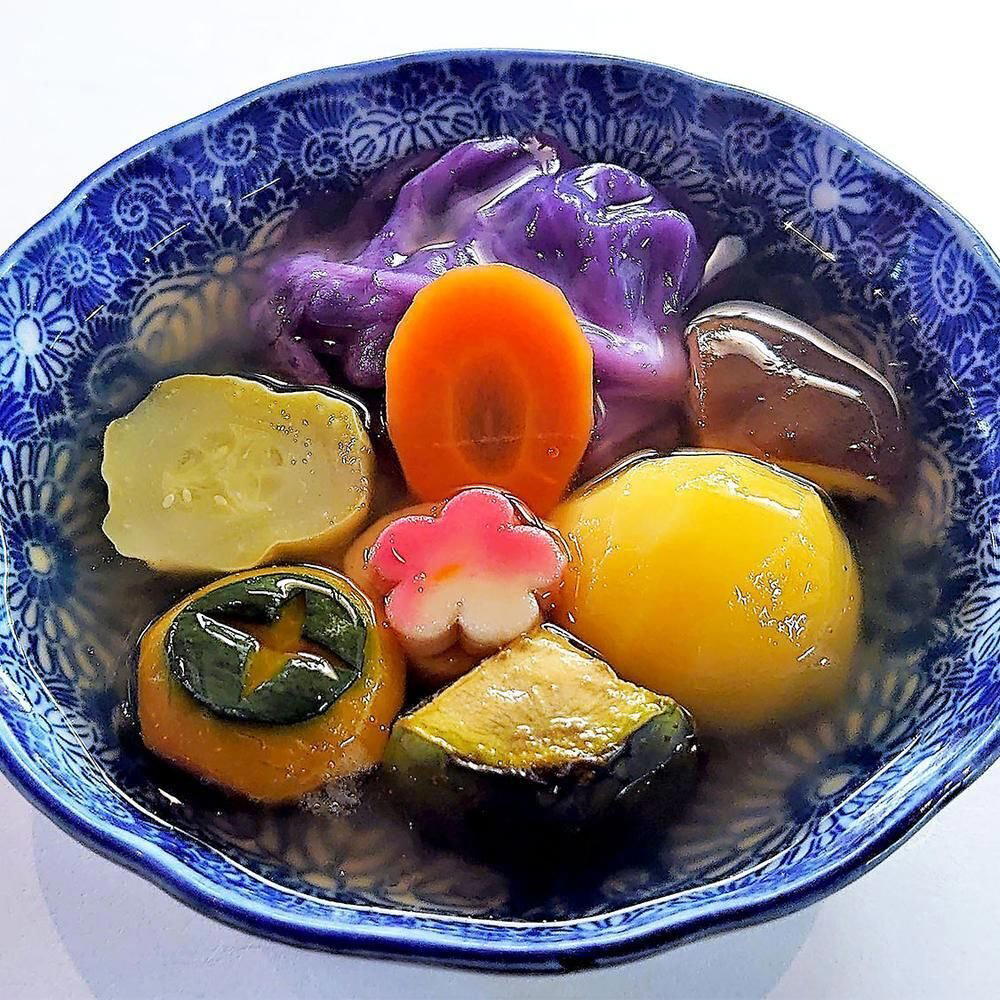
- Soy milk nabe
- Grilled seasonal vegetables
- Takiawase
Where Nara's Communal Table Tradition Takes Root
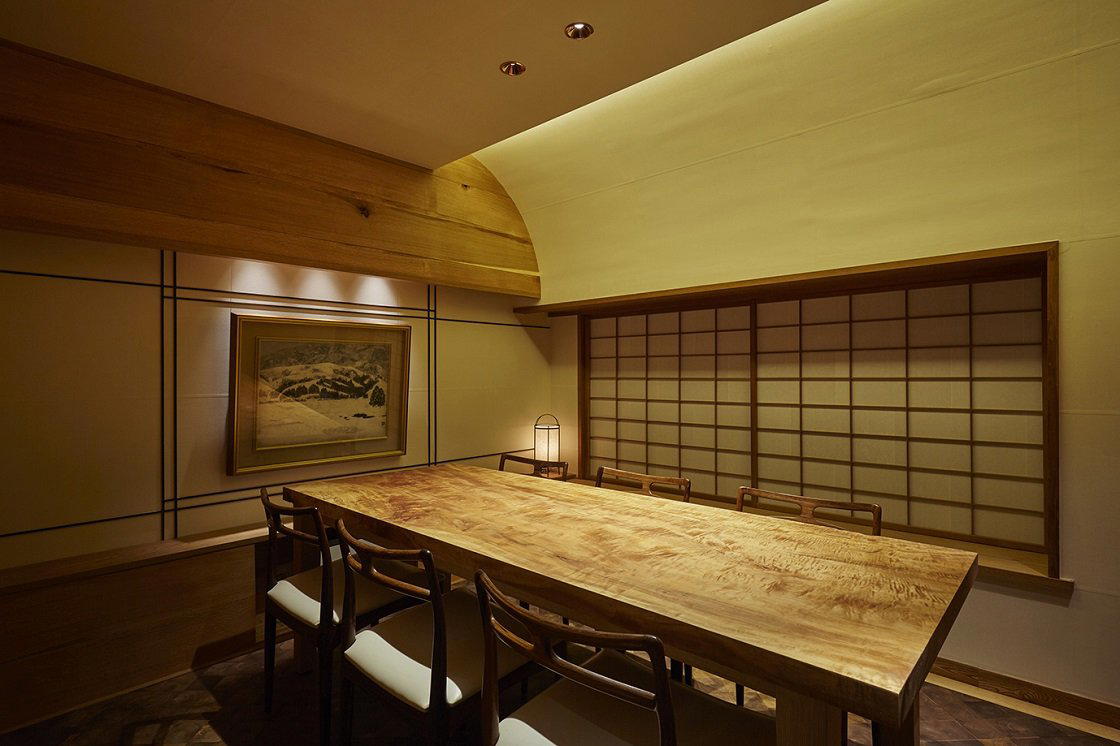
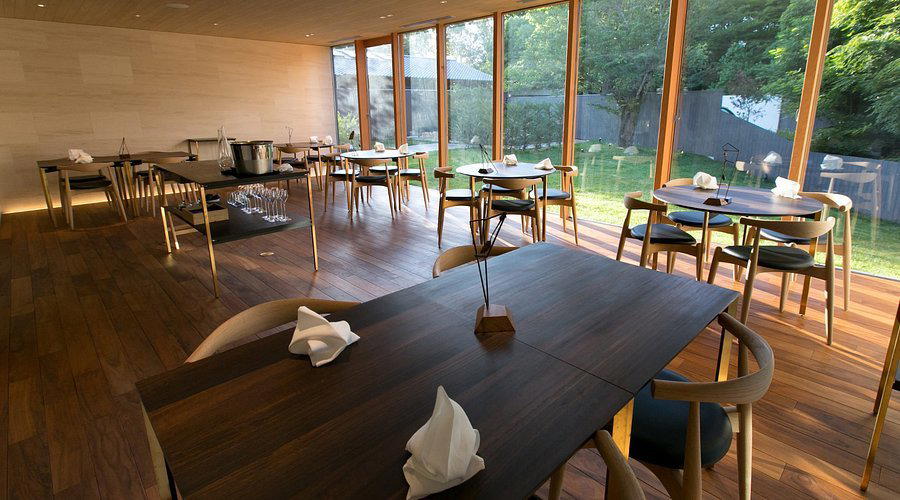
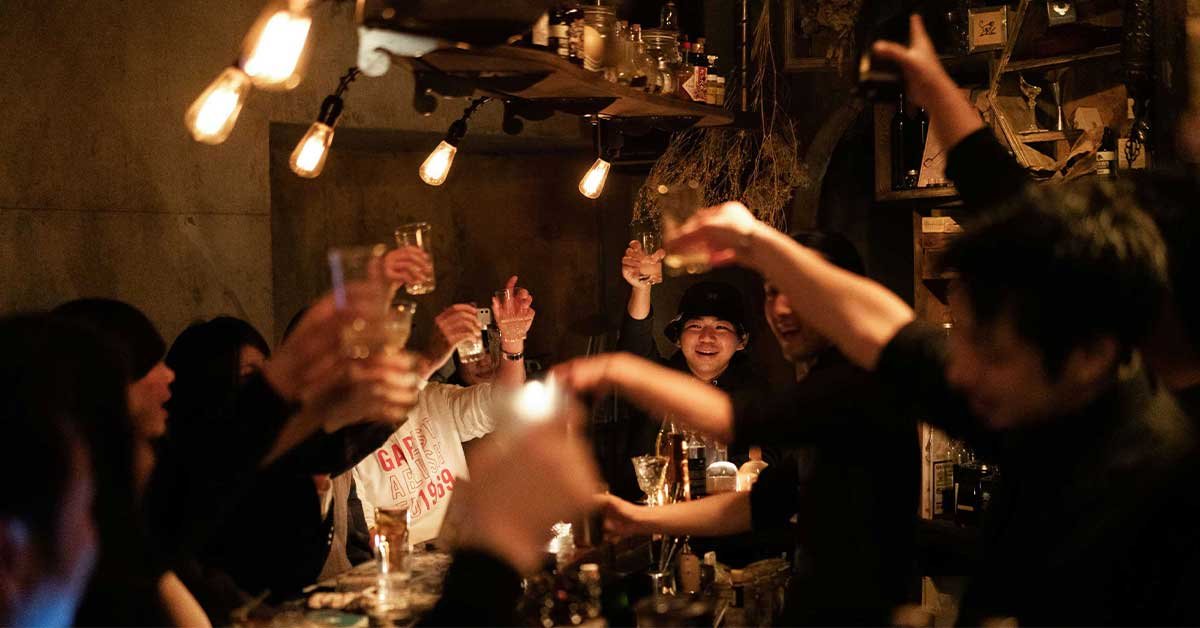
There is a particular kind of evening that Nara does quietly well: the long, unhurried table where drinking and eating arrive in no set order, where the conversation accumulates alongside the small plates, and where the architecture of the meal is social rather than ceremonial. This is izakaya culture in its more considered register, not the fluorescent-lit, high-volume chains of Japanese train stations, but the slower, more deliberate version that takes root in older cities with a habit of reflection. Kiyosuminosato AWA, at 861 Takahicho in Nara's inner residential quarter, sits inside that tradition. Its address alone signals something: this is not the tourist corridor near Kintetsu Nara Station, but the kind of street where a local recommendation still carries weight.
The Michelin Plate and What It Signals
Consecutive Michelin Plate recognition in 2024 and 2025 places Kiyosuminosato AWA in a specific tier of Nara's dining scene. The Plate designation, which Michelin introduced to acknowledge restaurants serving good food that falls short of star consideration, functions as a calibration tool for the informed traveller. In a city where starred ambition is expressed by venues such as NARA NIKON (two Michelin stars) and Oryori Hanagaki, the Plate tier marks a different but coherent proposition: consistent quality, accessible pricing, and a format that rewards return visits rather than one-off pilgrimage. Kiyosuminosato AWA's price range of ¥¥ reinforces that positioning. This is not a venue pricing against Nara's kaiseki ceiling; it is pricing against the mid-range of a city that has learned, over centuries of hosting pilgrims and scholars, how to feed people well without theatrics.
For comparison, venues such as Tsukumo and Ajinokaze Nishimura occupy adjacent rungs of the Nara dining conversation, each representing a distinct approach to Japanese cooking in a prefecture that sits between Osaka's appetite for spectacle and Kyoto's formalism. Kiyosuminosato AWA, through its sustained Michelin attention and ¥¥ positioning, reads as the kind of place that earns a different kind of loyalty: not the diner who books months ahead for a once-in-a-decade experience, but the one who returns seasonally, each time finding the same reliable framework and small, incremental evolutions within it.
Izakaya as Social Architecture
The izakaya format, at its most functional, is a permission structure: it allows a group to eat and drink in parallel rather than sequence, to order without agenda, and to let the meal extend or contract according to the rhythm of the people around the table rather than the pacing of a kitchen brigade. Japan's broader izakaya culture has become one of the country's most exported dining ideas, transplanted into cities from London to Los Angeles with varying degrees of fidelity. In Nara, far from the trend cycles of Tokyo's bar scene, where venues like Myojaku and Azabu Kadowaki sit in a more formal register, the format tends toward the rooted rather than the referential. A Nara izakaya draws on proximity to Yamato ingredients: river fish, mountain vegetables, fermented products tied to the prefecture's long brewing and preservation traditions. AWA, as a name evoking bubbles or foam, carries an implicit nod to the drinking dimension of that culture, the cold draft, the ceramic cup, the glass that arrives before anyone has decided what to eat.
Nara in the Kansai Dining Context
Nara is the overlooked interval in most Kansai itineraries, a city that most visitors allocate half a day to before returning to Osaka or Kyoto for dinner. That pattern represents a real missed opportunity. The city's dining scene has developed with less pressure for international visibility than its neighbours, which has allowed a tier of mid-range Japanese restaurants to consolidate around local ingredients and local audiences rather than inbound tourism. That score, modest in absolute terms, carries more weight as a signal of genuine neighbourhood standing.
In that company, Nara registers as a prefecture with a distinct culinary identity, shaped by Buddhist food culture, proximity to ancient trade routes, and an ingredient base that differs meaningfully from coastal Japan. Kiyosuminosato AWA is one of the addresses where that identity is expressed at a price point most travellers can access without prior planning.
Planning Your Visit
The address at 861 Takahicho places Kiyosuminosato AWA within Nara's central urban area, reachable on foot or by short taxi from Kintetsu Nara Station. For visitors arriving from Osaka or Kyoto on the Kintetsu limited express, Nara makes a natural addition to a Kansai itinerary, either as a dedicated half-day or as the anchor of a one-night stay. Explore EP Club's full Nara hotels guide for accommodation options that pair with an evening at this end of the price spectrum. The ¥¥ pricing suggests an accessible spend per head by Japanese standards, making it a practical choice for those who want Michelin-acknowledged quality without committing to the kaiseki price tier. For broader planning across Nara's dining, drinking, and cultural programming, see our full Nara restaurants guide, full Nara bars guide, full Nara wineries guide, and full Nara experiences guide.
Nearby in the EP Club Nara database, Ajinotabibito Roman offers a point of comparison for the city's mid-range Japanese cooking, while Harutaka in Tokyo and 1000 in Yokohama illustrate how different Japanese cities approach the same broad tradition from distinct angles. Nara's version of that tradition, grounded, ingredient-led, and oriented toward the communal rather than the performative, is what Kiyosuminosato AWA represents within the city's current dining conversation.
What to Order
The approach that works well in this format is to arrive with appetite and time rather than a fixed agenda, to let the drinking and eating inform each other, and to treat the meal as a duration rather than a sequence. That is, in essence, what izakaya culture asks of anyone willing to engage with it on its own terms. The Michelin Plate signals that the kitchen is worth that engagement.
Frequently asked questions
Is Kiyosuminosato AWA award-winning?
Kiyosuminosato AWA has received recognition including: Michelin Plate (2025); Michelin Plate (2024).
Is Kiyosuminosato AWA focused on a specific cuisine style?
What's the must-try dish at Kiyosuminosato AWA?
EP Club's records don't confirm specific menu items for Kiyosuminosato AWA, and the izakaya format is built around ordering across categories rather than anchoring on a single dish. The ¥¥ price range suggests an accessible spread where grazing broadly outperforms singling out one item. Consecutive Michelin Plate recognition in 2024 and 2025 points toward consistent kitchen execution across the menu rather than one headline dish carrying the room.
Is Kiyosuminosato AWA more mid-range or high-end?
Pricing at Kiyosuminosato AWA is listed as ¥¥.
At-a-Glance Comparison
A quick peer reference to anchor this venue in its category.
| Venue | Cuisine | Price | Awards | Notes |
|---|---|---|---|---|
| Kiyosuminosato AWAThis venue (the venue you are viewing) | Sustainable Yamato Vegetable Kaiseki | $30–50 | Michelin Plate | Not listed |
| akordu | Modern Spanish with Nara Influences | $150–200 | 2 Michelin Stars · La Liste Top Restaurants | Spanish, Innovative |
| Wa Yamamura | Traditional Kaiseki | $100–150 | 1 Michelin Star | Kaiseki, Japanese |
| Araki | Seasonal Japanese Tempura and Kaiseki | $100–150 | Michelin Plate · Tabelog Bronze #23 | Sushi, Japanese |
| Tama | French with Local Nara Ingredients | $50–100 | Michelin Plate | Okinawan, French |
| NARA NIKON | Kaiseki | $150–200 | 2 Michelin Stars · La Liste Top Restaurants | Japanese |
Recognition history
Dated appearances from independent guides and award organizations, with the underlying list record or original source where available.
Michelin Plate
Michelin
Full recognition history (3 entries)
Michelin Plate
Michelin
Michelin Plate
Michelin