
Michelin Plate
Our verdict
Kinari practices a cooking philosophy that Osaka has cultivated for centuries: kinari style, meaning food prepared in its natural state, with minimal intervention and a light dashi that lets ingredients speak without amplification. Recognised with a Michelin Plate in both 2024 and 2025, the restaurant sits in a price tier shared by some of Osaka's most considered Japanese kitchens, offering a format where seasonal restraint is the discipline, not the concept.

Pearl is the En Primeur Club membership app — saves, bookings, and concierge access live there. Same editors, same standards.
- Address
- Japan, 〒107-0062 Tokyo, Minato City, Minamiaoyama, 2 Chome−24−8 1F
- Phone
- +81 50-3187-9115
- Hours
- Mon–Thu 11:30 AM–3 PM, 5:30–10 PMFri 11:30 AM–3 PM, 5:30–10:01 PMSat 11:30 AM–3 PM, 5:30–10 PMSun Closed
- Website
- wa-kinari.jp
- Directions
- Get directions
- Booking
- Book on TableCheck
The Logic of Less: Osaka's Kinari Tradition
In a city whose food culture is defined by the phrase kuidaore — eating until you drop — Osaka's most quietly influential cooking tradition runs in the opposite direction. Kinari, as both a culinary philosophy and a style name, is built on the premise that the leading expression of an ingredient is the one closest to its native state. No heavy reduction, no architectural plating, no sauce that announces itself before the food does. The technique is demanding precisely because it removes the cook's safety net: when seasoning is minimal and dashi is light, there is nowhere to hide an inferior product or a lapsed judgement.
This is the tradition that the restaurant Kinari, recognised with a Michelin Plate in 2024 and again in 2025, works within. The recognition is a signal about quality threshold rather than prestige category, Michelin awards the Plate to kitchens cooking at a high level without yet reaching starred territory, but in a city where three-starred Japanese restaurants like Kashiwaya Osaka Senriyama operate at ¥¥¥¥, a ¥¥¥ room committed to this philosophy occupies a considered middle tier: serious in intent, more accessible in price.
What Kinari Cooking Actually Means at the Table
The kinari style is not a modern invention reframed as philosophy. It is a documented Osaka approach with roots in the city's merchant-class food culture, where the raw material, Osaka sitting at the confluence of rivers and near the sea, dictated what cooking could reasonably do to improve on nature. The answer, historically, was: not much. The cook's role was selection, timing, and restraint.
Takiawase, a dish in which vegetables and proteins are simmered separately to preserve their individual characters before being composed in the bowl, is a direct expression of this. The preparation requires a light dashi, typically kombu-forward and delicate, rather than one rich enough to dominate. The dish appears across kaiseki and Japanese home cooking alike, but in the kinari register it is a test of whether the cook trusts the ingredients enough to leave them exposed. At Kinari, this preparation is executed with minimal seasoning, a decision that reads as confidence rather than restraint for its own sake.
The chef's background as a cooking school instructor adds a specific kind of credibility here. Instructors operate in an environment where technique must be communicable and reproducible, where the reasoning behind each step must hold up to questioning. That discipline tends to produce cooks whose fundamentals are precise rather than impressionistic, which is exactly what kinari-style cooking demands.
Where Kinari Sits in Osaka's Japanese Dining Tier
Osaka's Japanese restaurant scene at the ¥¥¥ level is not homogeneous. Some rooms at this price point operate within kaiseki structure, sequential courses that move from light to heavy, following seasonal logic with strict formality. Others take a more relaxed format, prioritising ingredient sourcing and simplicity over ceremonial progression. Kinari's alignment with the kinari tradition places it in the latter camp, closer in spirit to restaurants where the quality of a single piece of produce or the clarity of a broth carries the meal than to those where the architecture of the menu is the primary statement.
At the ceiling of the market, the three-starred Japanese rooms operate at ¥¥¥¥ and above, which means Kinari's ¥¥¥ positioning offers an entry point into serious, philosophically grounded Japanese cooking without requiring that upper bracket budget.
The chef's unbleached cook's uniform is a detail worth noting not as aesthetic affectation but as a coherent extension of the kinari philosophy: naturalness as a discipline applied not just to food but to the entire register of the experience. It is a consistent position, not a styling choice.
Osaka, Tokyo, and How Regional Japanese Cooking Diverges
The kinari approach is specifically Osaka in its orientation. Tokyo's Japanese fine dining at a comparable level tends toward either the precision of Edo-mae technique, where the cook's intervention is highly visible in the handling of fish, the temperature of rice, the sequence of cuts, or the international-Japanese hybrid register seen at rooms like Myojaku and Azabu Kadowaki. Kyoto's kaiseki tradition, represented at the extreme by a room like Gion Sasaki in Kyoto, channels naturalness through seasonal formality and visual precision rather than through outright minimalism of intervention.
Osaka's kinari tradition is different from all of these. Its argument is simpler and, in some ways, more demanding: that the leading dashi is the one you barely notice, that a vegetable simmered correctly should taste more like itself than it did raw, and that the cook's skill is most visible in what is absent from the plate. Across Japan's broader dining map, from Harutaka in Tokyo to Goh in Fukuoka to akordu in Nara, each regional city has developed its own grammar of high-level Japanese cooking. Kinari's style belongs to Osaka's grammar specifically, rooted in the city's history and its relationship with fresh produce and clean water.
Know Before You Go
| Detail | Information |
|---|---|
| Cuisine | Japanese (kinari tradition) |
| Price Range | ¥¥¥ |
| Recognition | Michelin Plate 2024, Michelin Plate 2025 |
| Address | Minami Aoyama 2-24-8 1F, Minato City, Tokyo |
| Booking | Contact directly; no online booking confirmed |
| Hours | Not publicly listed, confirm before visiting |
For broader Osaka planning, see our full Osaka restaurants guide, our full Osaka hotels guide, our full Osaka bars guide, our full Osaka wineries guide, and our full Osaka experiences guide. If you are extending your Japan trip, 1000 in Yokohama and 6 in Okinawa offer useful reference points for how Japanese fine dining varies across the archipelago.
Frequently asked questions
How much does it cost to eat at Kinari?
Pricing at Kinari is listed as ¥¥¥.
How do I find Kinari?
Kinari is located at Japan, 〒107-0062 Tokyo, Minato City, Minamiaoyama, 2 Chome−24−8 1F, Osaka.
Is Kinari Michelin-listed?
Kinari has received recognition including: ‘Kinari’ is a traditional culinary style of Osaka, practiced since early times. The term means ‘in its natural state’; cooking that lets the native flavour of the ingredients come fully to the fore. The chef, who was once an instructor at a….
What do regulars order at Kinari?
The dish most associated with Kinari's approach is takiawase: vegetables and proteins simmered separately in a light dashi with minimal seasoning, designed to express the ingredient's native flavour rather than mask it. This preparation sits at the centre of the kinari cooking tradition, a documented Osaka style whose guiding principle is cooking 'in its natural state.' The Michelin Plate recognition in both 2024 and 2025 aligns with precisely this kind of quietly technical, restraint-led cooking.
What's the best way to book Kinari?
No online booking platform is confirmed for Kinari in current available data. At ¥¥¥ Japanese restaurants in Osaka carrying Michelin recognition, direct contact by phone or through a hotel concierge is the standard approach. Arriving without a reservation at this tier is generally unreliable; lead time of several weeks is common for rooms of this calibre in the city.
What It’s Closest To
Comparable options at a glance, pulled from our tracked venues.
| Venue | Cuisine | Price | Awards | Notes |
|---|---|---|---|---|
| KinariThis venue — the venue you are viewing | Japanese Kaiseki | Not listed | Michelin Plate | Not listed |
| HAJIME | Avant-Garde Japanese Fine Dining | $300–500 | 3 Michelin Stars · World's 50 Best #83 | French, Innovative |
| La Cime | Modern French with Japanese Ingredients | $150–200 | 2 Michelin Stars · World's 50 Best #13 | French |
| Kashiwaya Osaka Senriyama | Seasonal Kaiseki Omakase | $200–300 | 3 Michelin Stars · La Liste Top Restaurants | Japanese |
| Taian | Traditional Japanese Kaiseki Omakase | $150–200 | 3 Michelin Stars · La Liste Top Restaurants | Kaiseki, Japanese |
| Fujiya 1935 | Modern Japanese with European influences | $100–150 | 2 Michelin Stars · La Liste Top Restaurants | Innovative |
Recognition history
Dated appearances from independent guides and award organizations, with the underlying list record or original source where available.
Michelin Plate
Michelin
Full recognition history (3 entries)
Michelin Plate
Michelin
Michelin Plate
Michelin
Details
- Intimate
- Quiet
- Elegant
- Minimalist
- Sophisticated
- Date Night
- Solo
- Special Occasion
- Chefs Counter
- Open Kitchen
- Sake Program
- Tasting Menu
- Counter Dining
- Sake
- Pescatarian Friendly
Current opening hours
- Monday
- 11:30 AM–3 PM, 5:30–10 PM
- Tuesday
- 11:30 AM–3 PM, 5:30–10 PM
- Wednesday
- 11:30 AM–3 PM, 5:30–10 PM
- Thursday
- 11:30 AM–3 PM, 5:30–10 PM
- Friday
- 11:30 AM–3 PM, 5:30–10:01 PM
- Saturday
- 11:30 AM–3 PM, 5:30–10 PM
- Sunday
- Closed
Hours can change for holidays and private events. Last verified .
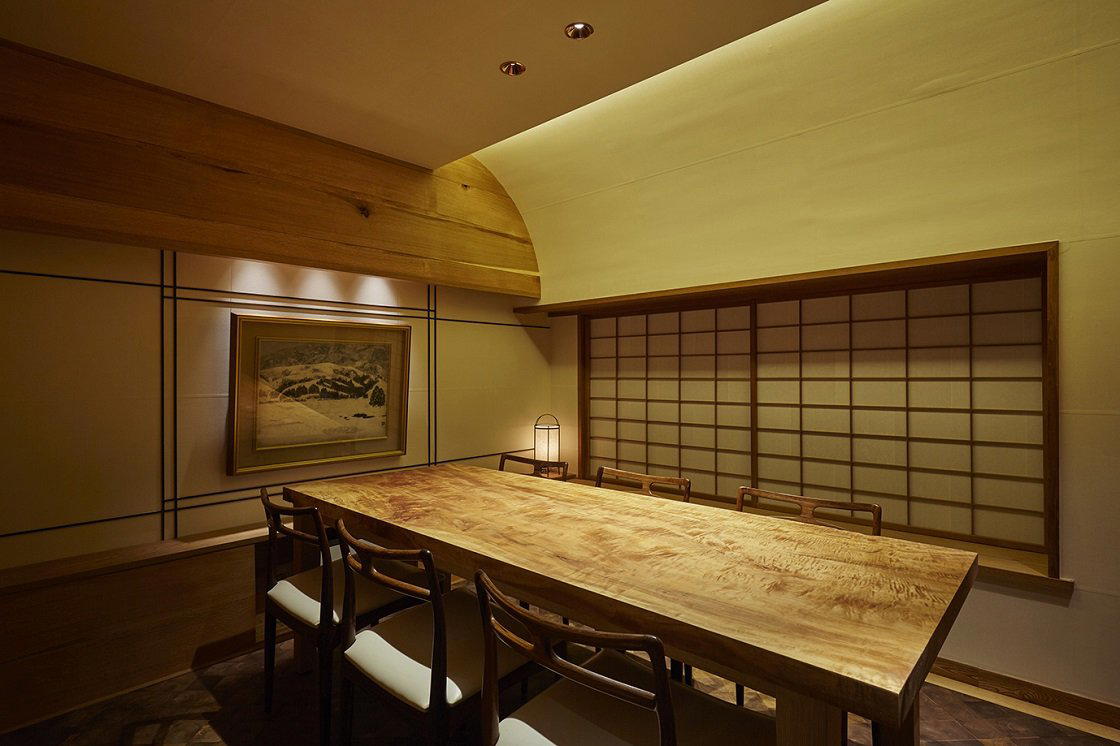
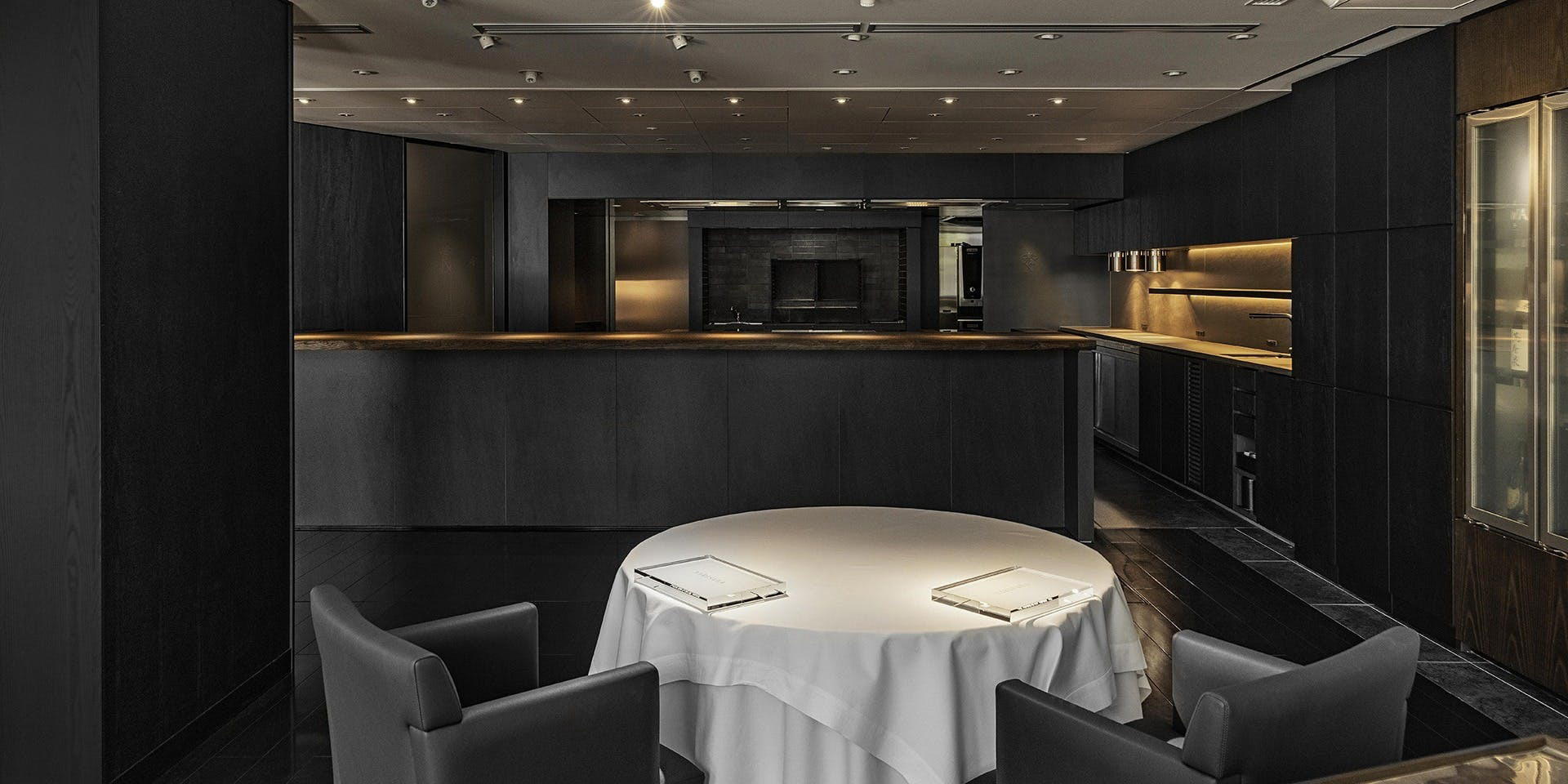
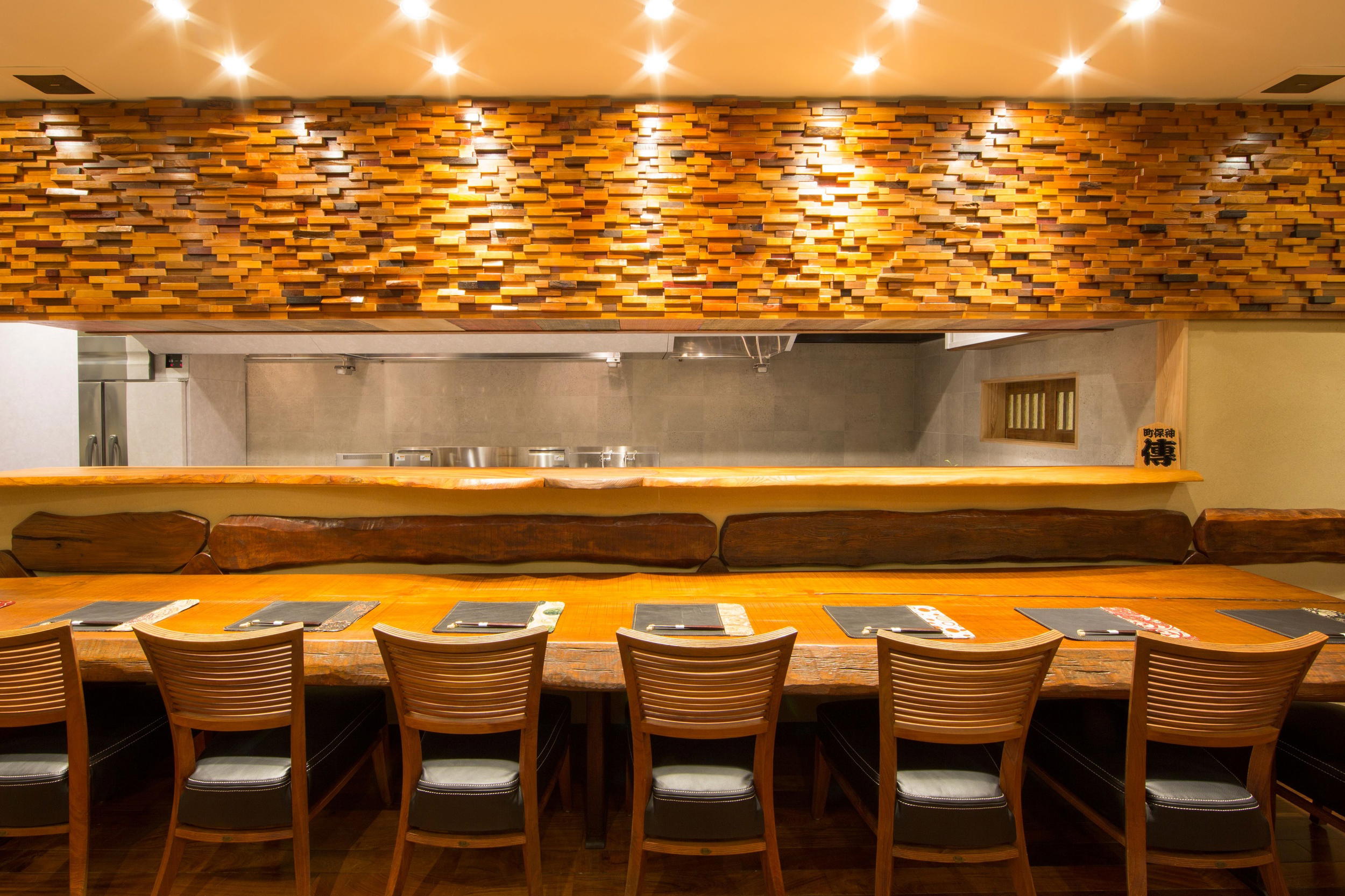
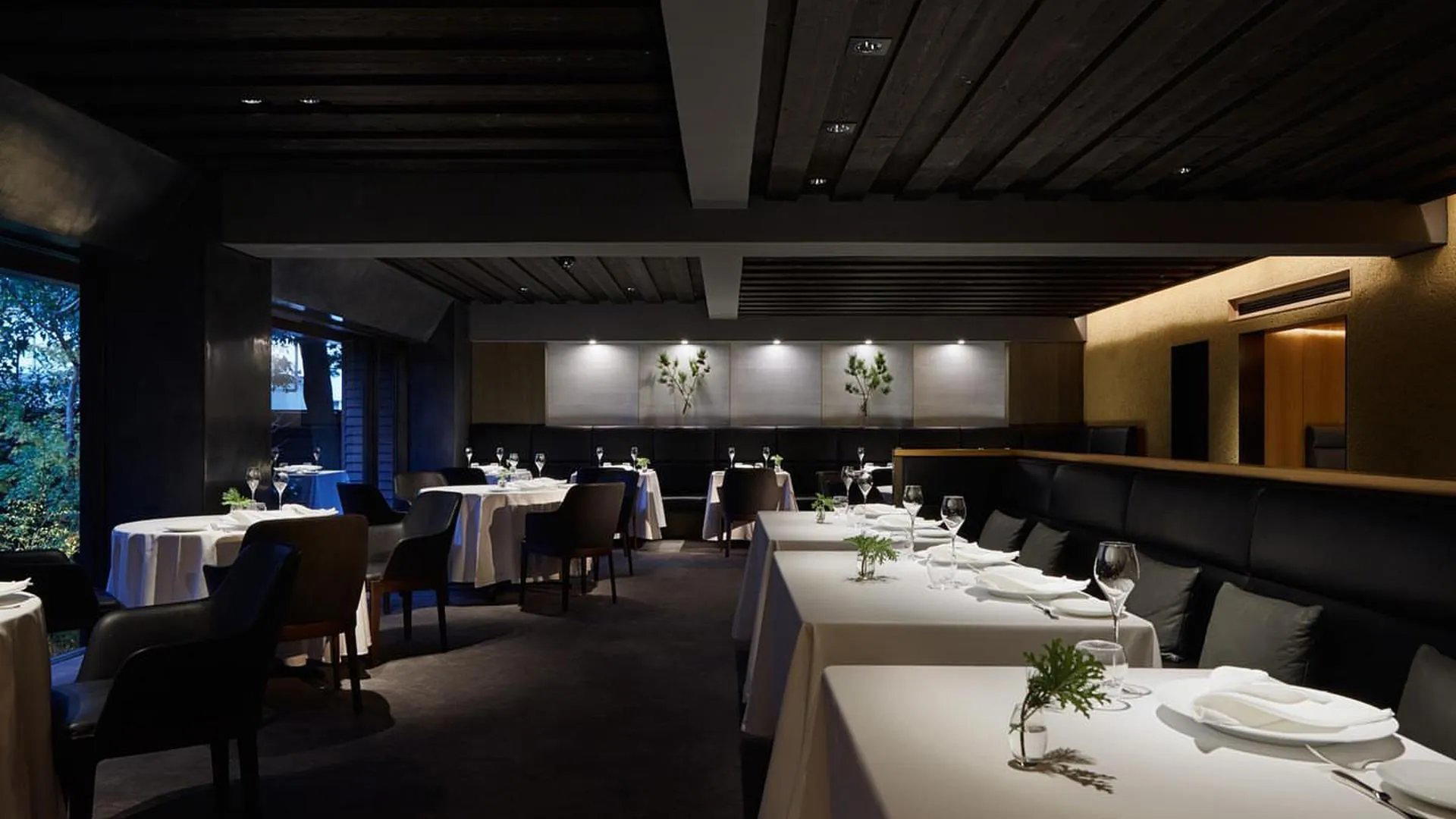
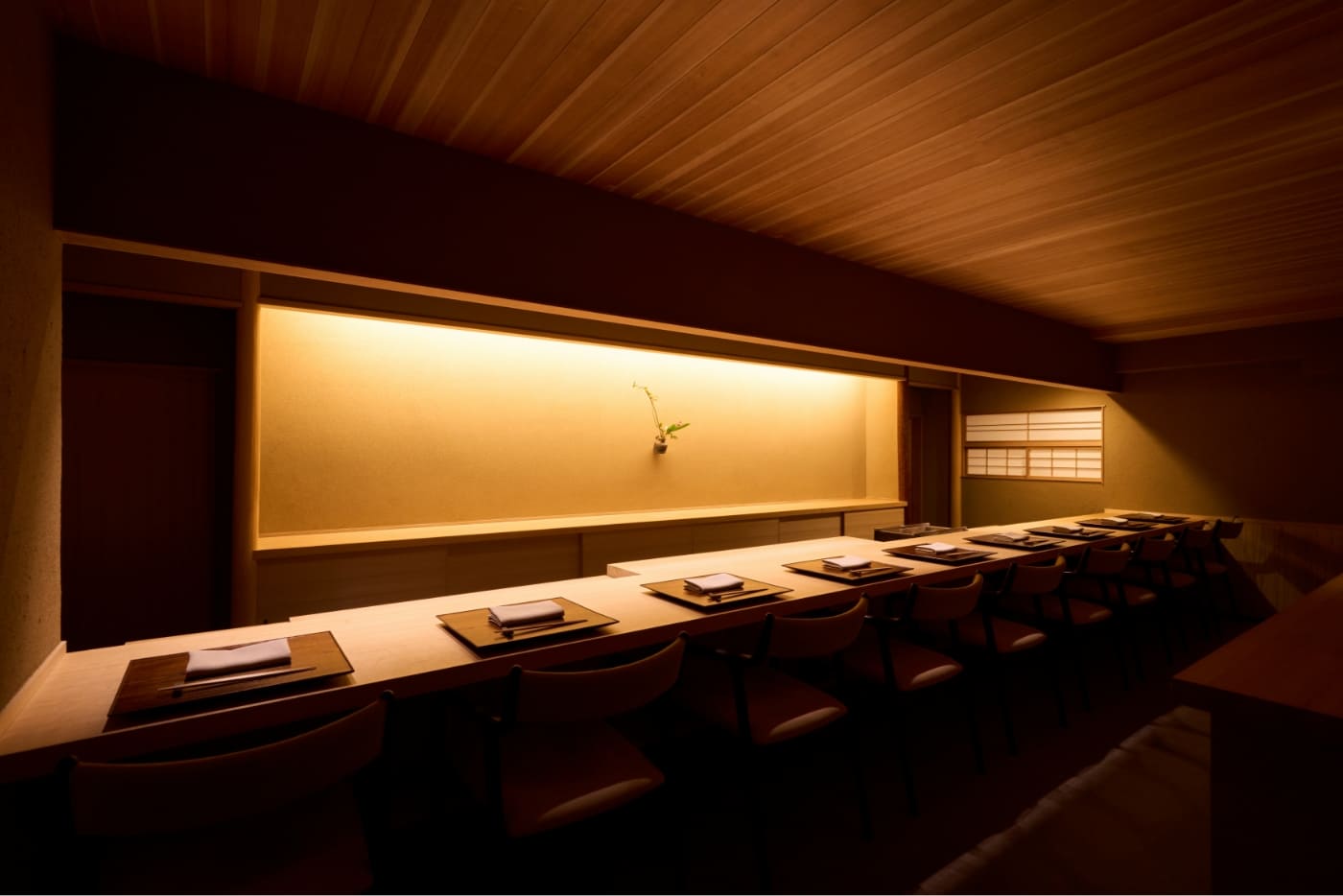
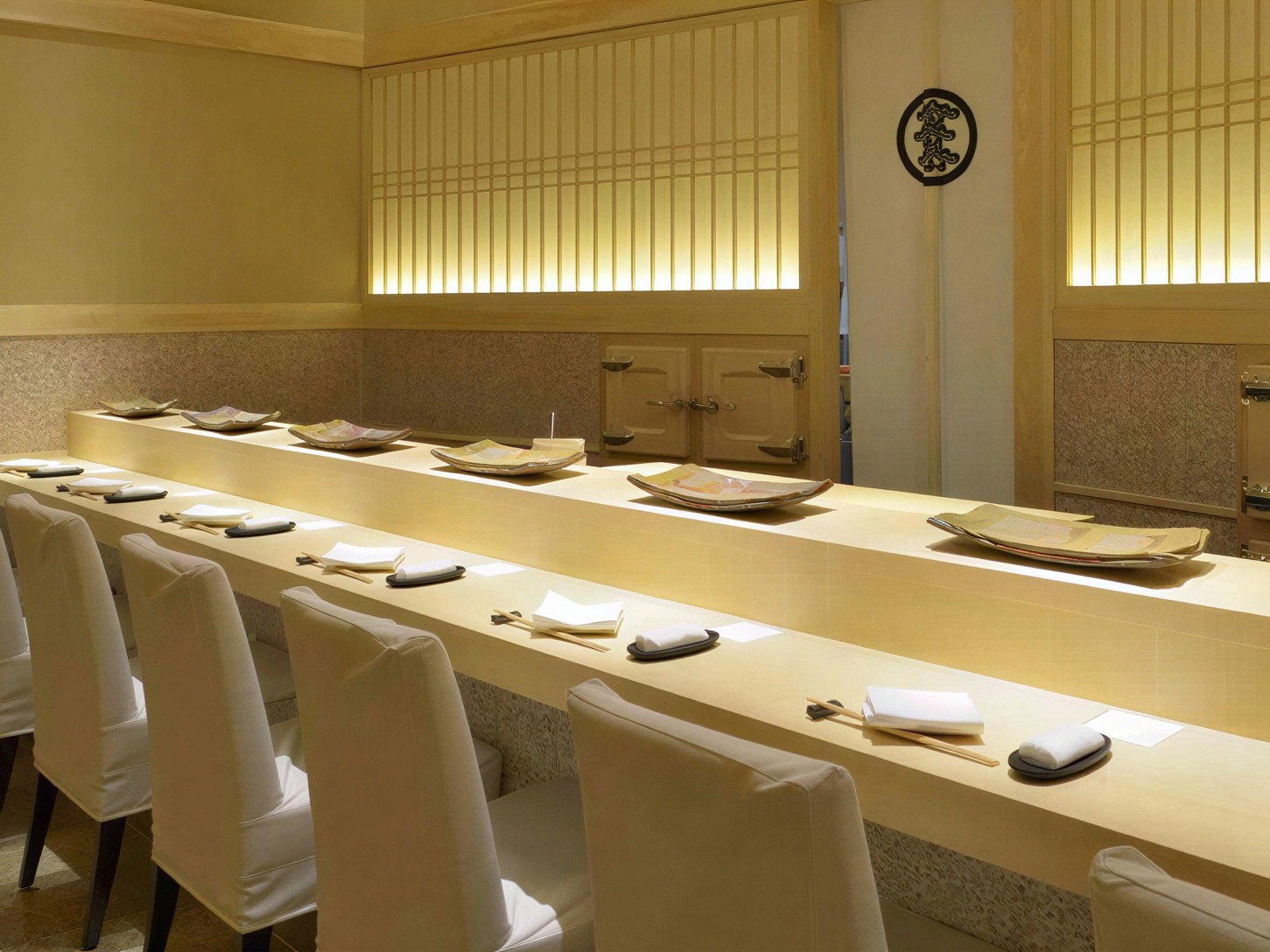
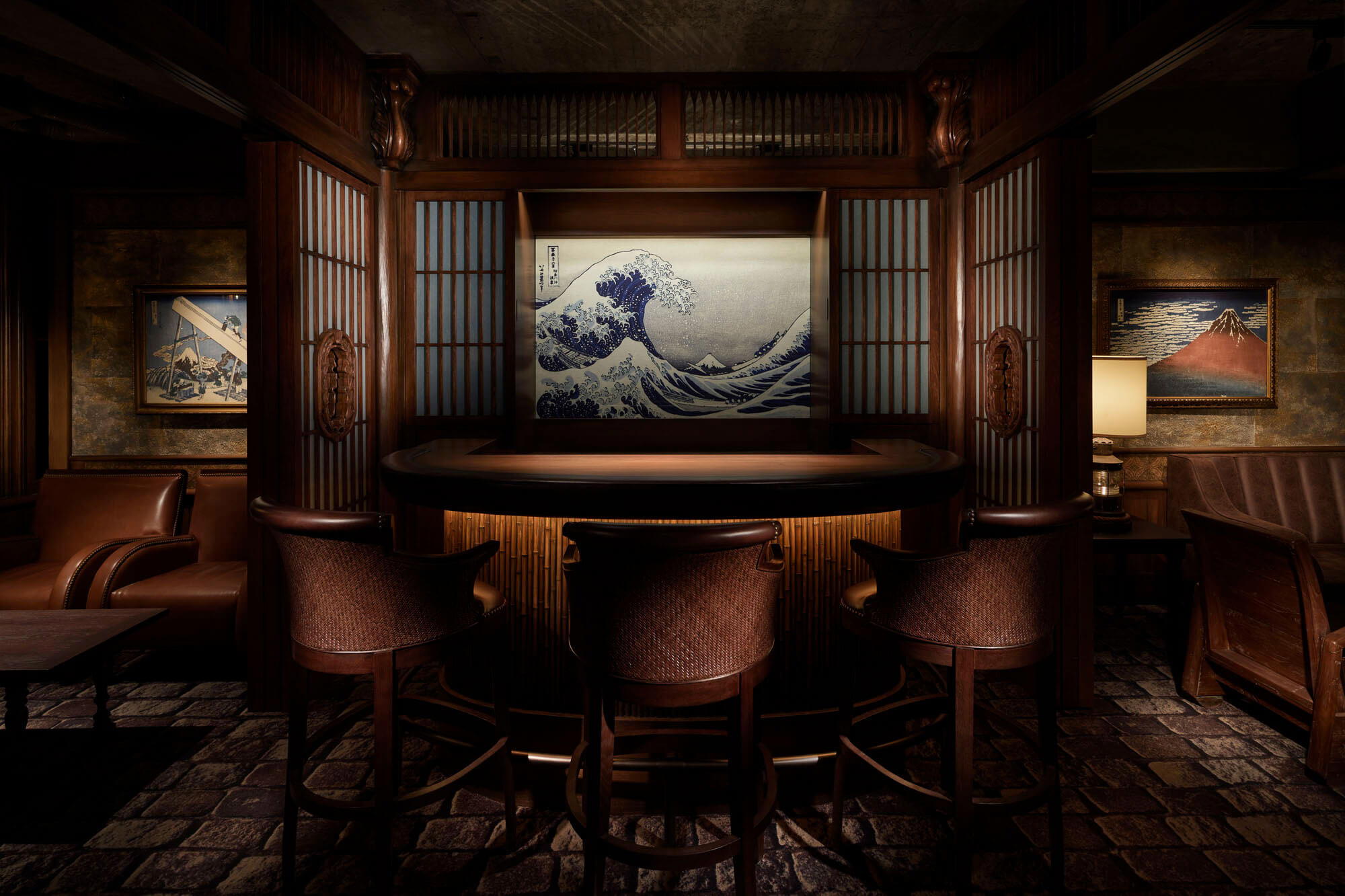
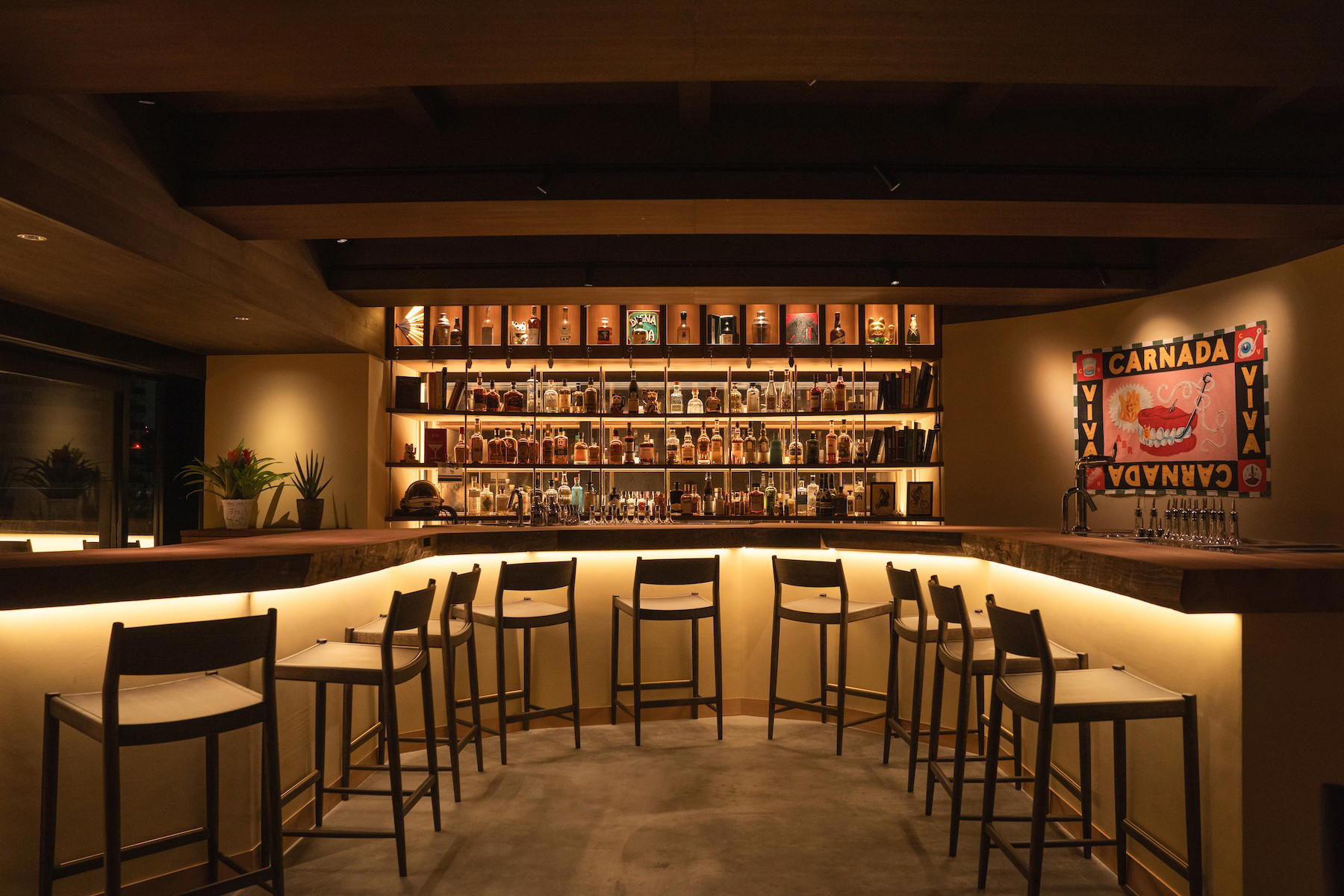
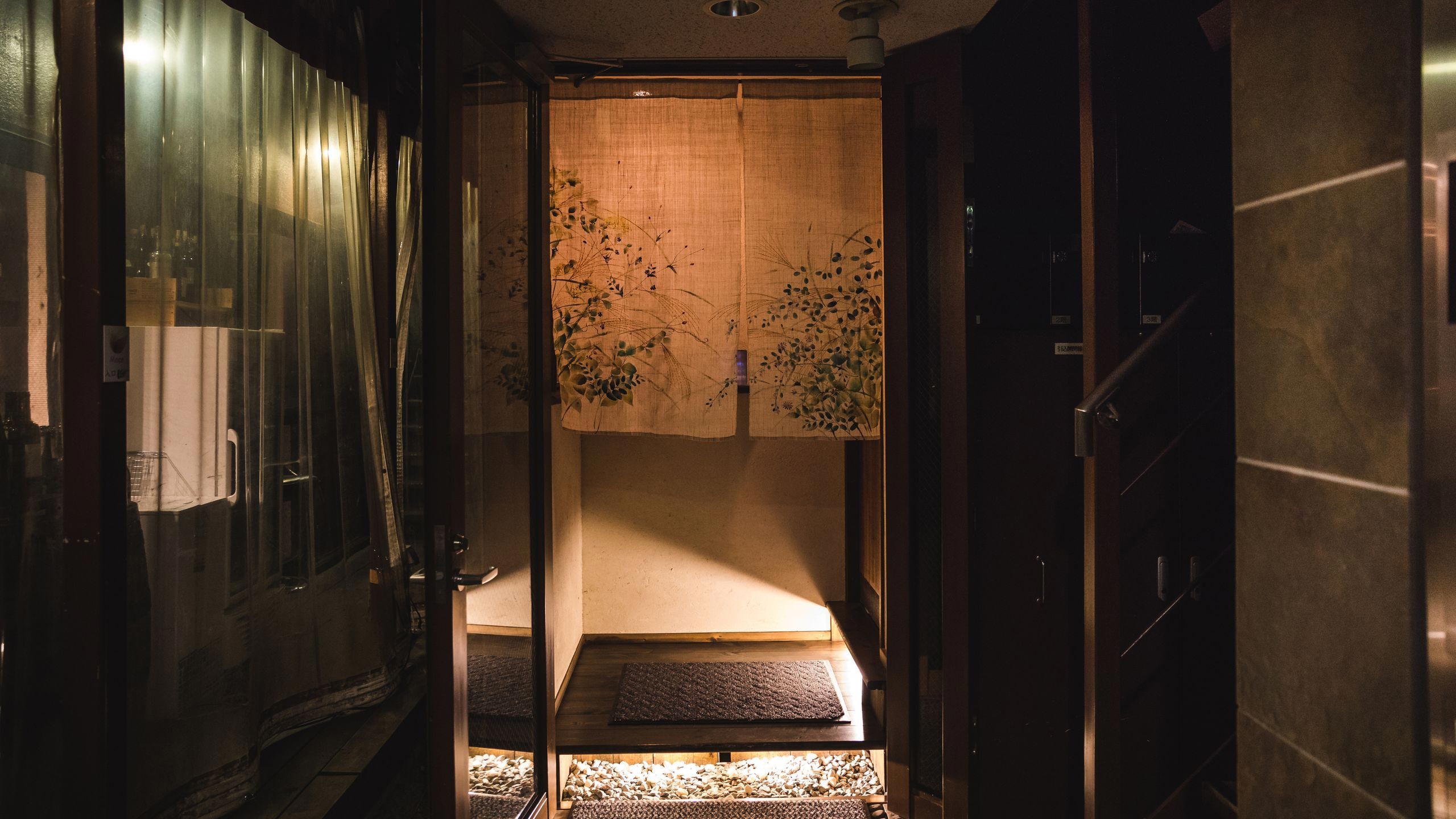
Serene woods and natural textures create a hushed, meditative atmosphere centered around the uncluttered chef's counter.