
Tabelog 100 #94
Our verdict
Kimiya sits in Ikoma, Nara Prefecture, a city more often treated as a commuter corridor between Osaka and Nara than as a dining destination in its own right. That context shapes what the restaurant represents: a reason to stop rather than pass through.

Pearl is the En Primeur Club membership app, where members save venues, book tables and use the concierge.
Ikoma as a Dining Stop: The Case for Slowing Down
The Kintetsu Osaka line deposits visitors into Ikoma Station in under thirty minutes from Osaka-Namba, and most keep moving, toward Nara's deer parks, or back toward Osaka's restaurant density. That pattern is worth questioning. Nara Prefecture has developed a quieter but serious dining culture, one that draws on some of Japan's oldest agricultural traditions and proximity to Yoshino cedar forests, Yamato river valleys, and mountain producers who supply restaurants far better-known than those in the prefecture itself. Ikoma, positioned at the western edge of the prefecture against the Ikoma mountain range, sits within that supply network.
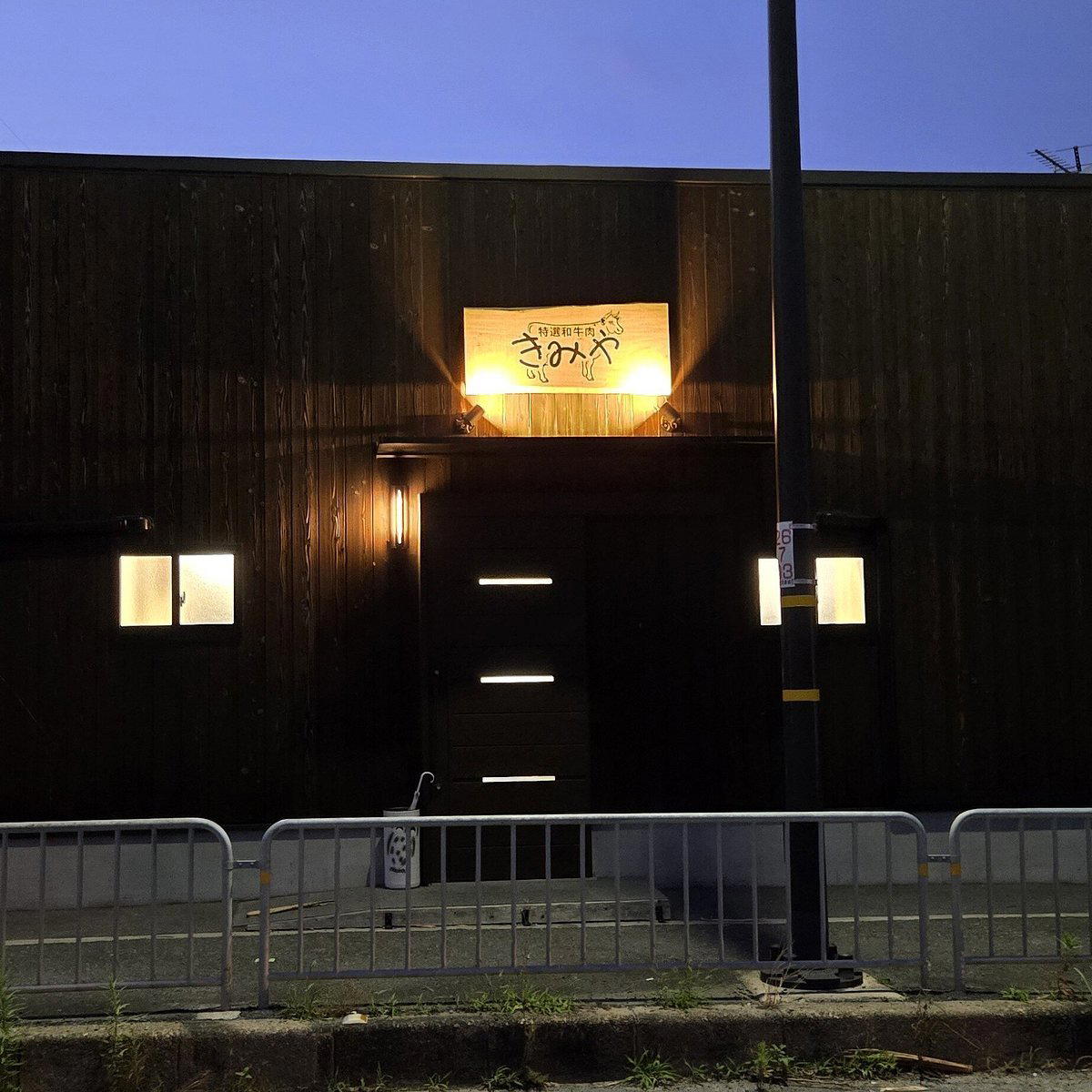
Kimiya is located at 906 Shikanohatacho, an address that places it in a residential quarter of Ikoma rather than a commercial strip, which in Japan often signals a destination restaurant operating on reservation demand rather than foot traffic. Venues in this position typically build their menus around a defined sourcing logic: they are not filling covers from passing trade, which means ingredient quality and preparation can be the organising principle rather than throughput. Whether that holds specifically for Kimiya requires direct confirmation, but the address pattern is consistent with that model across comparable Japanese dining culture.
Nara's Ingredient Geography and Why It Matters Here
To understand what a serious kitchen in Nara Prefecture has access to, it helps to map the region's produce. Yamato vegetables, a collective term for heritage cultivars grown in the Yamato basin for centuries, include varieties of daikon, burdock, and chrysanthemum greens that have largely disappeared from mass agriculture. The prefecture's deer population, protected for over a millennium around Kasuga Grand Shrine, has shaped the broader ecology of upland farming. Yamato beef, though less internationally marketed than Matsusaka or Kobe, comes from cattle raised in small numbers by Nara Prefecture farmers and carries its own denomination. Persimmons from the Yoshino and Gojo areas are among the most prized in western Japan for both fresh consumption and the dried hoshigaki that appears on kaiseki courses across Kyoto and Osaka through late autumn.
A kitchen sourcing from within this geography has material that most urban restaurants in Osaka or Kyoto have to work harder to access. The proximity advantage is real: shorter supply chains to mountain producers, relationships with farmers operating at a scale too small to supply city wholesalers, and seasonal timing that favors restaurants close to the source. This is the structural argument for dining in prefectures like Nara rather than defaulting to the major cities nearby. For context on what Osaka's top-end creative kitchens do with similar Kansai-region sourcing, HAJIME in Osaka represents the high end of that conversation.
The Broader Kansai Fine Dining Frame
Ikoma's dining scene sits within a larger Kansai regional picture that includes some of Japan's most formally recognised restaurants. Kyoto's kaiseki tradition, anchored in venues like Gion Sasaki in Kyoto, sets one register. Nara has its own version of that sensibility, historically connected to Buddhist temple cooking and the shojin ryori tradition, which placed strict demands on vegetable preparation and seasonal rotation long before the term farm-to-table existed in Western vocabulary. That heritage runs through Nara's serious kitchens even where the menu is not explicitly vegetarian.
Within Nara city itself, akordu in Nara represents the prefecture's engagement with European technique applied to local ingredients, a format that has gained traction across Japan as chefs trained abroad return to regional bases. Ikoma, closer to Osaka, sits in a slightly different zone: accessible enough to draw diners from the city, distinct enough to offer something they cannot find there. That positioning is increasingly common across the Kansai suburbs, and it tends to produce restaurants with a specific audience: local regulars who form the base, and urban visitors who make the trip with intent.
For comparison across Japan's range of serious destination dining, from Tokyo's precision sushi counters like Harutaka in Tokyo to Fukuoka's ingredient-forward creative cooking at Goh in Fukuoka, the pattern that holds across prefectural destinations is that proximity to agricultural source tends to translate into menu specificity that urban venues cannot easily replicate.
Planning a Visit: What to Know Before You Go
In Japan, this profile is not unusual for small destination restaurants that operate primarily through local word of mouth, reservation-only formats, or intermediary booking services. Given the address in a residential part of Ikoma, confirming opening days and reservation availability before making the journey from Osaka or Nara city is worth the extra step. For a broader view of what Ikoma's dining scene offers, our full Ikoma restaurants guide covers the wider picture.
Ikoma Station is the practical gateway, with Kintetsu Nara Line and Kintetsu Keihanna Line services connecting from Osaka and Nara. The address at Shikanohatacho is uphill from the station toward the Ikoma mountain foothills, a detail worth noting if travelling without a car, as the terrain around Ikoma rises quickly from the valley floor.
Further Afield: Japan's Regional Dining Circuit
Visitors building a broader itinerary around Kansai-region dining have a number of reference points worth noting. Beyond the Nara-Osaka axis, the western Japan circuit extends toward venues like Denko Sekka in Hiroshima and, for those tracking Japan's more remote ingredient-focused kitchens, 湖畔荘 in Takashima near Lake Biwa. Further north, 三本木 花川製 in Nanao illustrates how Hokuriku coast seafood defines the menu logic of restaurants in that zone, a different ingredient geography but the same principle of source proximity shaping what ends up on the plate. For those comparing Japan's regional dining model to international equivalents, Atomix in New York City offers a useful counterpoint: Korean fine dining built on a similar sourcing rigour, operating in a very different urban context.
Additional regional Japan reference points across EP Club's coverage include 夙川庵之 in Sapporo, 羽根屋 in Nishikawa Machi, Birdland in Sakai, Bistro Ange in Toyohashi, Blue Ocean Steak in Nakagami District, bodai in 那智勝浦町, and Cafe Naoshima Konichiwa in Naoshima, each reflecting a distinct regional ingredient identity. For a global reference on what sustained sourcing discipline looks like at the highest level, Le Bernardin in New York City remains the clearest example of how a single-ingredient focus, in that case, seafood, can define an entire restaurant's identity across decades.
Frequently asked questions
Is Kimiya child-friendly?
Given its address in a residential quarter of Ikoma, 906 Shikanohatacho, and its limited digital footprint, this reads as the kind of small, locally rooted establishment where an advance call would settle the question directly, if contact details become findable.
What should I expect atmosphere-wise at Kimiya?
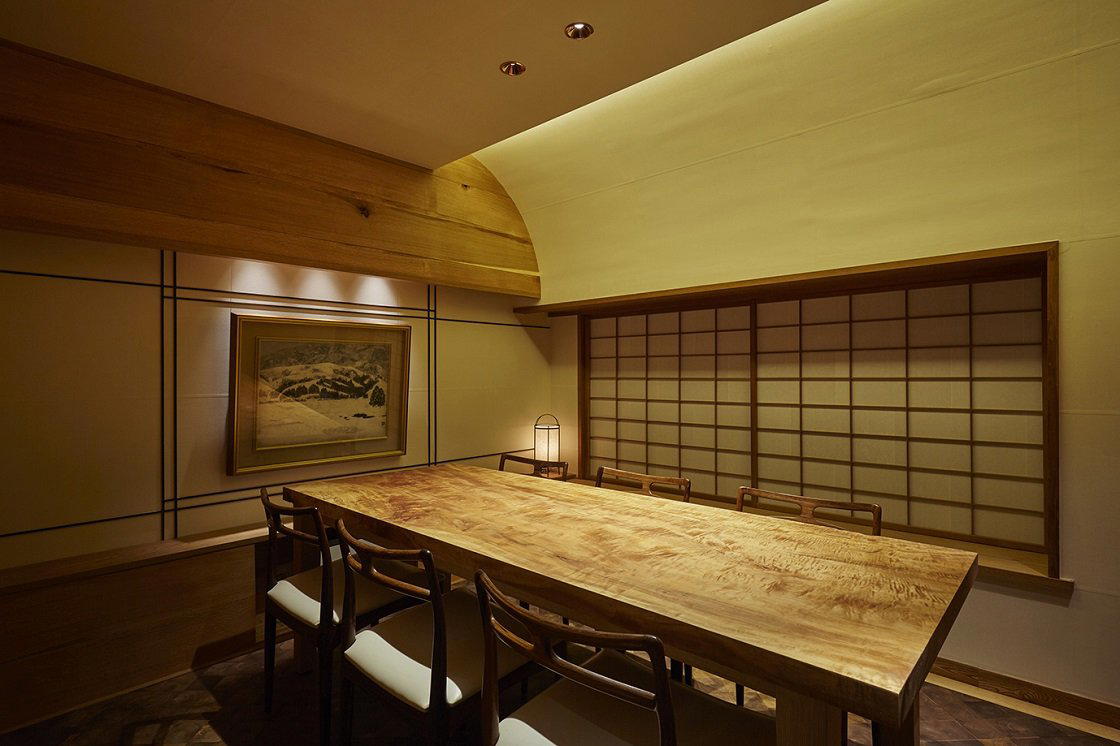
Kimiya is located in Ikoma, a city most travellers pass through rather than stop in, which tends to favour quiet, neighbourhood-scaled rooms over destination-dining theatrics. No published interior photographs or seating counts are available. The address in Shikanohatacho points away from any commercial strip, suggesting an intimate, low-key setting rather than an open, high-volume dining room.
How far is Kimiya from Osaka, and is it practical as a standalone dining trip?
Ikoma Station sits on the Kintetsu Osaka line, placing it under thirty minutes from Osaka-Namba. At 906 Shikanohatacho, Kimiya is in a residential pocket of Ikoma rather than on a transit-friendly main road, so factor in local travel time from the station. Whether the trip stands alone depends on your itinerary: Ikoma also serves as a reasonable midpoint between Osaka and Nara city, making a combined half-day feasible.
What do people recommend at Kimiya?
No menu details, dish descriptions, or critic tasting notes are available in the public record at the time of writing. Nara Prefecture's broader larder, Yamato vegetables, Yoshino cedar-smoked ingredients, Yamato beef, gives serious kitchens in the region strong seasonal material to work with, though what Kimiya specifically does with those ingredients is not documented here.
Where do I go for Kimiya?
Kimiya is located at 906 Shikanohatacho, Ikoma, Nara 630-0115, Japan, Ikoma.
Should I book Kimiya in advance?
The combination of a residential Ikoma address and a near-absent digital presence suggests this is not a walk-in-friendly venue. Anyone planning a visit should exhaust local Japanese-language search channels or contact Ikoma's tourism office for current booking guidance before making the trip from Osaka or Nara city.
Quick Comparison
Comparable venues nearby, for context on price, style, and recognition.
| Venue | Cuisine | Price | Awards | Notes |
|---|---|---|---|---|
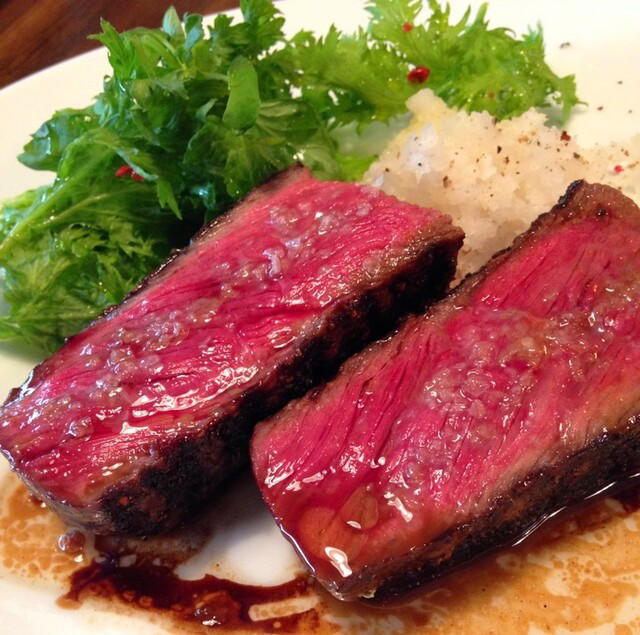
| KimiyaThis venue (the venue you are viewing) | Special Select Wagyu Yakiniku | $150–200 | Tabelog 100 #94 | Not listed |
| Ramen Torikaji Ippai | Specialty Chicken Ramen Shop | $10–20 | Tabelog 100 #9 | Ikoma |
| æ æ¨ | japanese | Not listed | Not listed | Ikoma District |
| Mori no Restaurant Lucky Garden | Sri Lankan curry & cafe in a forest garden | $30–50 | Tabelog 100 #66 | Ikoma |
| Sushi Morita (もり田) | Kyushu-mae Sushi | $50–100 | Not listed | Kokurakita-ku |
| Inoue (井上) | Modern Yakiniku | $150–200 | Not listed | Ginza |
Recognition history
Dated appearances from independent guides and award organizations, with the underlying list record or original source where available.
Tabelog 100 #94 · No. 94
Tabelog · Tabelog 100 - Yakiniku - WEST - 2025
Continue exploring
More in Ikoma
Restaurants in Ikoma
All restaurants in Ikoma →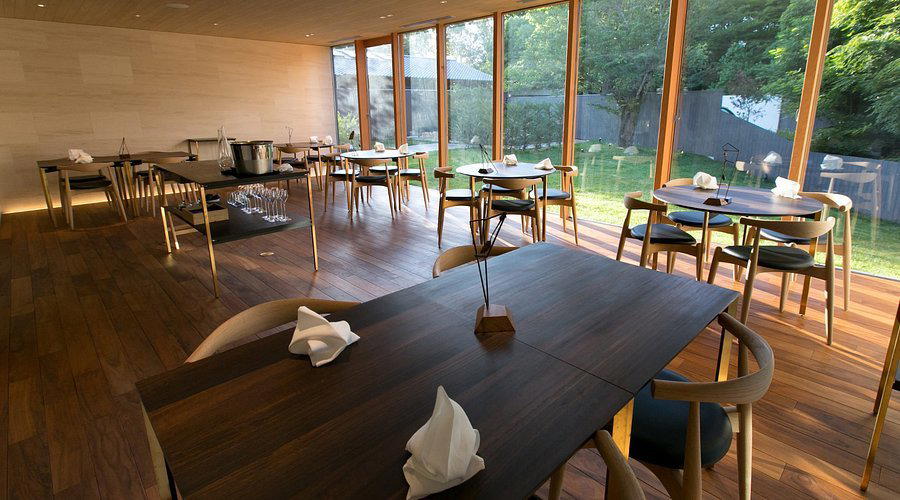


Bars in Ikoma
Browse all →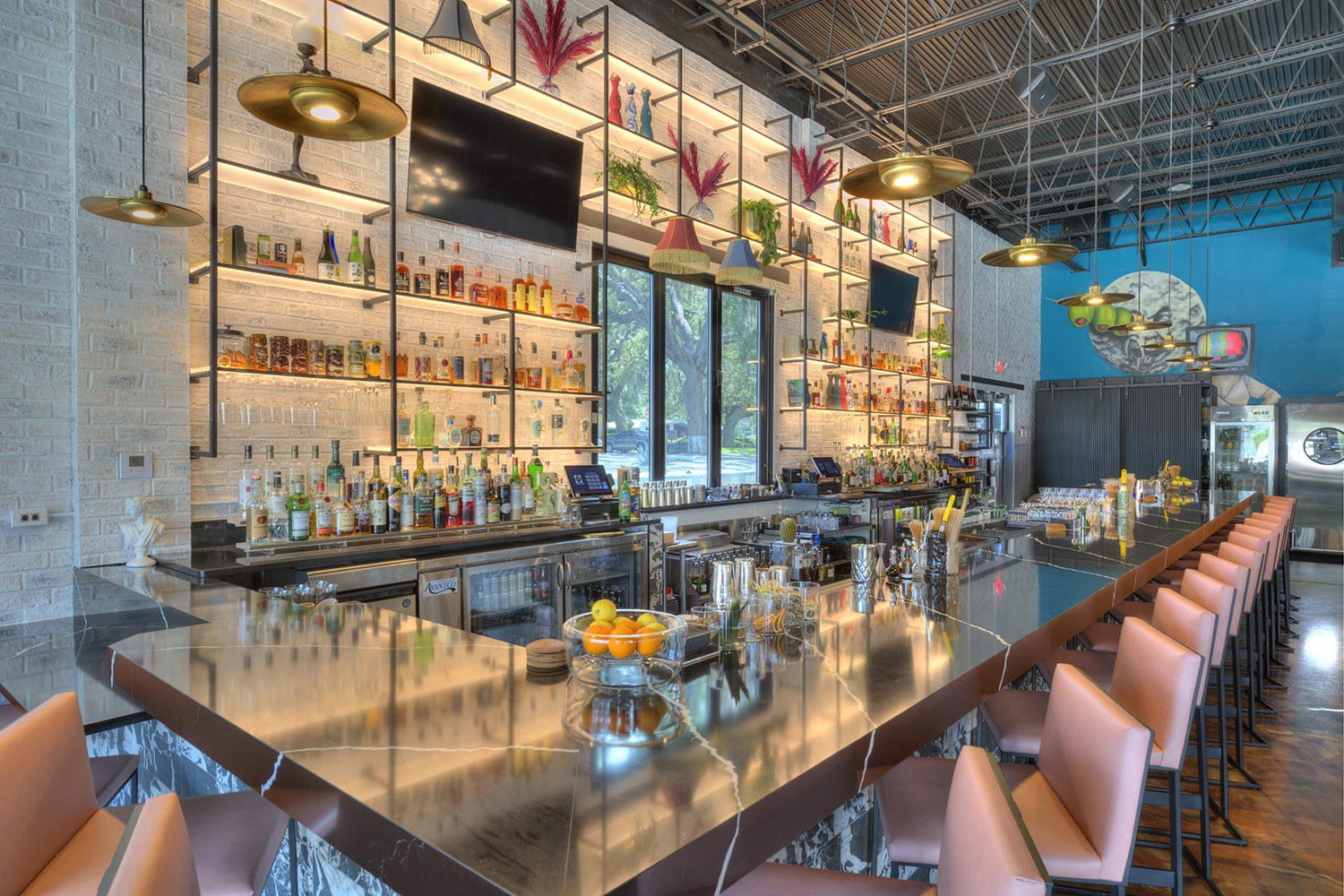
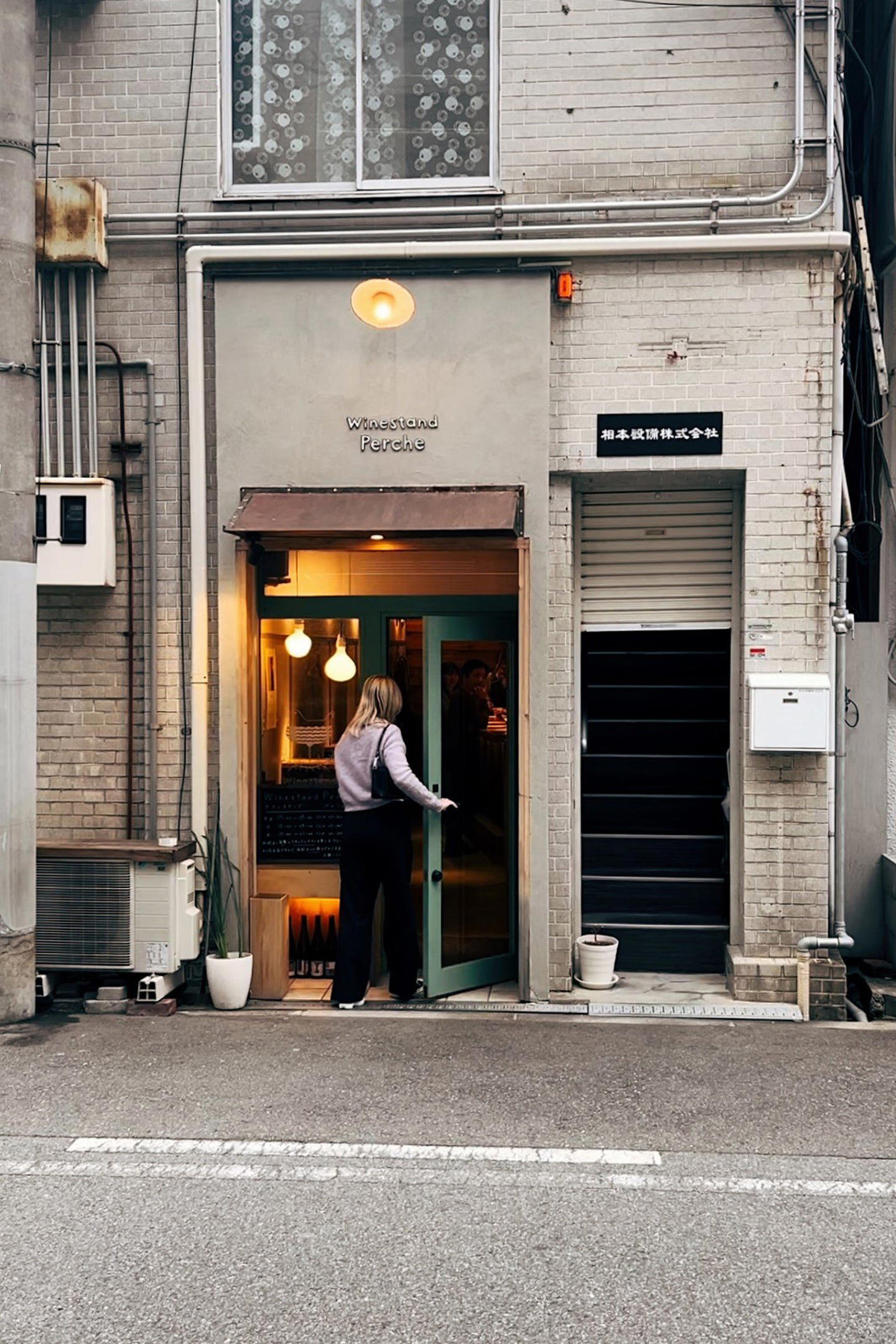
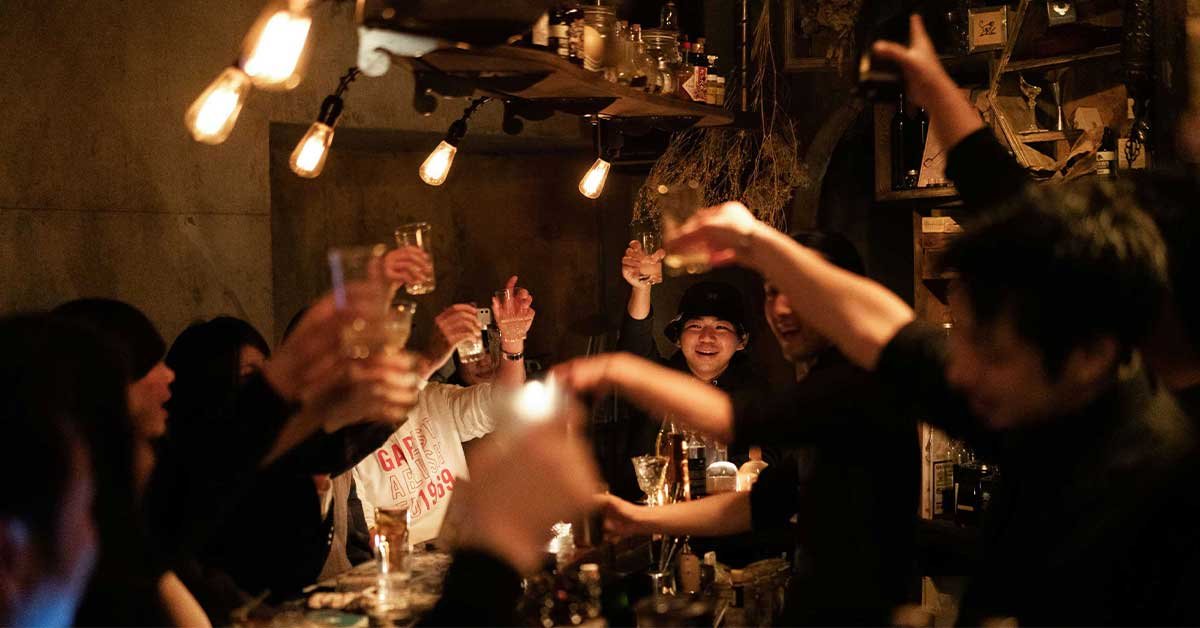
Hotels in Ikoma
Browse all →


Wineries in Ikoma
Browse all →
Details
- Elegant
- Intimate
- Sophisticated
- Special Occasion
- Date Night
- Open Kitchen
- Sake Program
- A La Carte
Current opening hours
- Monday
- Closed
- Tuesday
- Closed
- Wednesday
- 5–10 PM
- Thursday
- 5–10 PM
- Friday
- 5–10 PM
- Saturday
- 5–10 PM
- Sunday
- 5–10 PM
Hours can change for holidays and private events. Hours as of .
Focused luxury with table-only seating and reverent meat service.