Sushi Morita (もり田)
Our verdict
Sushi Morita (もり田) serves Kyushu-mae Sushi from a chef’s counter in Kitakyushu, with a sake program, quiet room, and leisurely pacing for lunch or dinner.

Pearl is the En Primeur Club membership app, where members save venues, book tables and use the concierge.
The menu
What to order
- Uni and caviar nigiri
- Murasaki uni
- Ark clam
- Anago
Uogamachi After Dark: The Sushi Counter as Cultural Artifact
The second floor of a low-rise building on Uogamachi, one of Kokurakita's older commercial streets, is an address that requires local knowledge to find. Sushi Morita (もり田) sits above the pavement-level noise of central Kitakyushu, accessed by a staircase that separates the counter from the foot traffic below. That physical remove is not accidental. In Japan, the sushi counter has historically operated as a space apart from ordinary commerce, a room where the logic of the market is temporarily suspended in favor of the logic of craft.
Kitakyushu occupies a position in Japan's dining geography that is easy to underestimate. The city is not Fukuoka, whose food reputation has been amplified by international press. It is not Osaka or Tokyo, where omakase counters compete on global visibility. What Kitakyushu offers, particularly in Kokura, is a dining culture shaped by proximity to Shimonoseki and the Kanmon Strait, waterways that have historically concentrated some of the finest seafood in northern Kyushu. A sushi address in this district is not operating in isolation. It is working within a regional seafood tradition that runs from the Genkai Sea to the inland markets of Fukuoka Prefecture.
The Grammar of the Sushi Counter in Northern Kyushu
To understand a counter like Sushi Morita, it helps to understand what the northern Kyushu sushi tradition emphasizes. This is not the lean, austere Edomae orthodoxy of Tokyo, where aged fish and vinegared rice are calibrated to near-clinical precision. Nor is it the more casual, gari-heavy formats of casual chain sushi. Regional Kyushu counters tend to draw from a different sensibility: local fish varieties that rarely appear on Tokyo menus, a willingness to use regional soy profiles, and rice preparations that reflect local water and rice-growing traditions rather than a fixed metropolitan standard.
The Uogamachi address places Sushi Morita inside Kokura's compact but serious dining district. Kokura has, over the past decade, developed a cluster of counter restaurants that operate in the mid-to-upper price bracket without the metropolitan visibility of Fukuoka venues. Comparison venues in the area include Tenzushi (天寿し 京町店), another sushi address in Kitakyushu's Kyomachi district, and Nikaku, which operates in a different format but within the same concentrated dining corridor. That concentration matters: it means the counters in this area are pricing and benchmarking against each other, creating a local competitive tier that is more sophisticated than the city's low profile might suggest.
Sushi Morita in the Northern Kyushu Counter Hierarchy
Japan's sushi counter hierarchy has sharpened considerably since the mid-2010s. At the leading end nationally, venues like Harutaka in Tokyo represent the allocation-controlled, reference-level Edomae tradition. In Kansai, the broader kaiseki and omakase formats have converged, as seen in properties like Gion Sasaki in Kyoto. In Fukuoka, venues such as Goh demonstrate how regional identity can anchor international-level dining credentials. Sushi Morita operates in a different register: a Kitakyushu counter address that is embedded in local dining culture rather than positioned for external recognition.
That positioning is not a limitation. Some of Japan's most consistent sushi experiences exist in exactly this format: counters that do not pursue Michelin visibility, do not cultivate international media, and are instead maintained for a local clientele that returns because the product is dependable. It indicates that the counter is operating within a local logic rather than an export-facing one, a distinction that matters when choosing between the spectacle of a recognized address and the quieter authority of a neighborhood institution.
For reference, Kitakyushu's broader dining scene includes venues across multiple formats: Inakaan (田舎庵 小倉本店) anchors the unagi tradition in the city, while Terasawa and Terroir Aitoibukuro represent the city's reach into more European-influenced fine dining. Sushi Morita exists in a different column of that matrix: specifically Japanese, specifically seafood-focused, embedded in a street-level commercial neighborhood rather than a hotel or contemporary dining complex.
Reaching the Counter: Practical Orientation
The venue address places it in Kokurakita-ku, Uogamachi, a district that is walkable from Kokura Station, the city's main rail hub, which sits on the Sanyo Shinkansen line and connects directly to Hakata (Fukuoka) in approximately fifteen minutes and to Hiroshima in around forty. That rail access is what makes Kitakyushu a realistic dining day-trip from Fukuoka or an extension of a Hiroshima itinerary, rather than a destination requiring dedicated multi-night planning. The second-floor location on Uogamachi means the venue is not street-visible in the way that ground-floor restaurants are; finding it on a first visit benefits from having the address confirmed before arrival.
For a counter-format sushi restaurant of this type in Kitakyushu, the general expectation in Japan is that reservations are accepted by phone and that walk-in availability is limited, particularly on evenings and weekends. Visitors planning around a specific date should verify current operating conditions before travel. Our full Kitakyushu restaurants guide covers the broader dining context for planning a visit to the city.
Kitakyushu's dining scene, while less internationally documented than Fukuoka's, connects to a wider Kyushu and national pattern. Japan's sushi counter tradition extends from Hokkaido to Kyushu, and some of the most instructive comparisons come from regional counters outside the major metros: venues like 一本木 有川製 in Nanao, which operates within Ishikawa Prefecture's Noto Peninsula seafood tradition, or 岱々山乃 in Sapporo, which sits inside Hokkaido's cold-water seafood culture. Regional Japanese sushi counters share structural similarities in format while drawing on completely different ingredient pools, a distinction that makes the Kitakyushu version, with its Kanmon Strait sourcing geography, a meaningfully different experience from its northern or metropolitan equivalents.
For those building a broader Japan itinerary that incorporates serious dining, the Kansai and Nara comparison set is also relevant: HAJIME in Osaka and akordu in Nara both operate in formal, recognized formats at the other end of the visibility spectrum, as does Atomix in New York City for those mapping Korean-Japanese fine dining intersections internationally. Sushi Morita does not compete in that tier of visibility, but understanding where it sits in that larger map helps calibrate expectations correctly.
Frequently asked questions
What's Sushi Morita (もり田)'s location?
Sushi Morita (もり田) is located at 小倉北区魚町2-5-17 (インクスポットビル 2F), 北九州市, 福岡県, 802-0006, Kitakyushu.
Is Sushi Morita (もり田) in Kitakyushu worth visiting from Fukuoka city?
Kokura Station, the main rail hub serving Kokurakita-ku and walkable from the Uogamachi address, is approximately 17 minutes from Hakata by Shinkansen. That journey time makes Sushi Morita a realistic destination for visitors based in Fukuoka city who want to compare the northern Kyushu counter tradition against the better-documented Hakata sushi scene. The Uogamachi location is not a venue that announces itself, which is precisely the point for those seeking counters outside the main Fukuoka dining circuit.
What's the signature dish at Sushi Morita (もり田)?
What is known is that the counter operates within the northern Kyushu sushi tradition, which differs from the leaner Edo-mae style by emphasising regional fish from the waters around Kitakyushu and the Genkai Sea. Any question of a single signature dish is best directed to the venue directly on visit.
What's the best way to book Sushi Morita (もり田)?
No phone number or website is currently documented for Sushi Morita at its Uogamachi, Kokurakita-ku address. For counters of this type in Kitakyushu, the most reliable approach is an introduction through a local contact or a concierge familiar with the northern Kyushu dining scene. Walk-in availability at second-floor counter venues in this district is typically limited.
What's Sushi Morita (もり田) best at?
Sushi Morita's position on Uogamachi, one of Kokurakita's older commercial streets, places it within a counter tradition that prioritises regional northern Kyushu seafood over the Tokyo-centric Edo-mae approach. The format itself, a second-floor counter requiring local knowledge to locate, reflects the kind of deliberate restraint that defines the more serious end of the Kitakyushu sushi scene.
Can Sushi Morita (もり田) adjust for dietary needs?
No dietary policy is documented for Sushi Morita. Counter-format sushi in Japan, particularly at venues operating within a traditional northern Kyushu framework, typically follows a set sequence driven by the chef's daily fish selection. Guests with specific dietary requirements should communicate these well in advance of their visit, ideally at the point of booking.
Budget and Context
| Venue | Cuisine | Price | Awards |
|---|---|---|---|
| Sushi Morita (もり田)This venue (the venue you are viewing) | Kyushu-mae Sushi | $50–100 | Not listed |
| Teruzushi | Entertainment Sushi | $300–500 | Tabelog Bronze #459 · The Best Chef One Knife |
| Tsubasa | Kokura-Style Sushi | $50–100 | Tabelog Bronze #481 |
| Nikaku | Edomae Sushi | $150–200 | Tabelog 100 #73 |
| Terasawa | Traditional Japanese Fine Dining | Not listed | Tabelog Bronze #457 |
| Terroir Aitoibukuro | Modern Japanese Tasting Menu | Not listed | Tabelog Bronze #458 |
Continue exploring
More in Kitakyushu
Restaurants in Kitakyushu
All restaurants in Kitakyushu →
Bars in Kitakyushu
Browse all →
Details
- Elegant
- Intimate
- Classic
- Special Occasion
- Date Night
- Chefs Counter
- Sake Program
- Sustainable Seafood
- Counter Dining
- Pescatarian Friendly
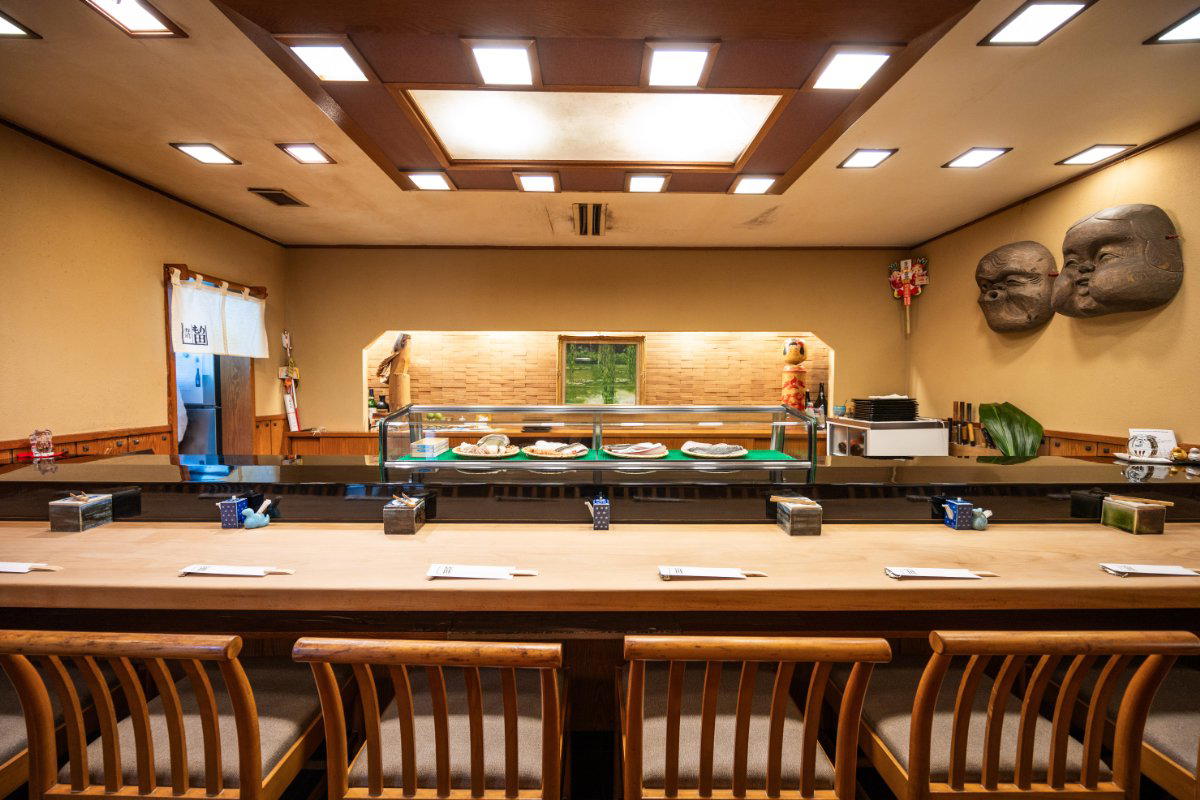
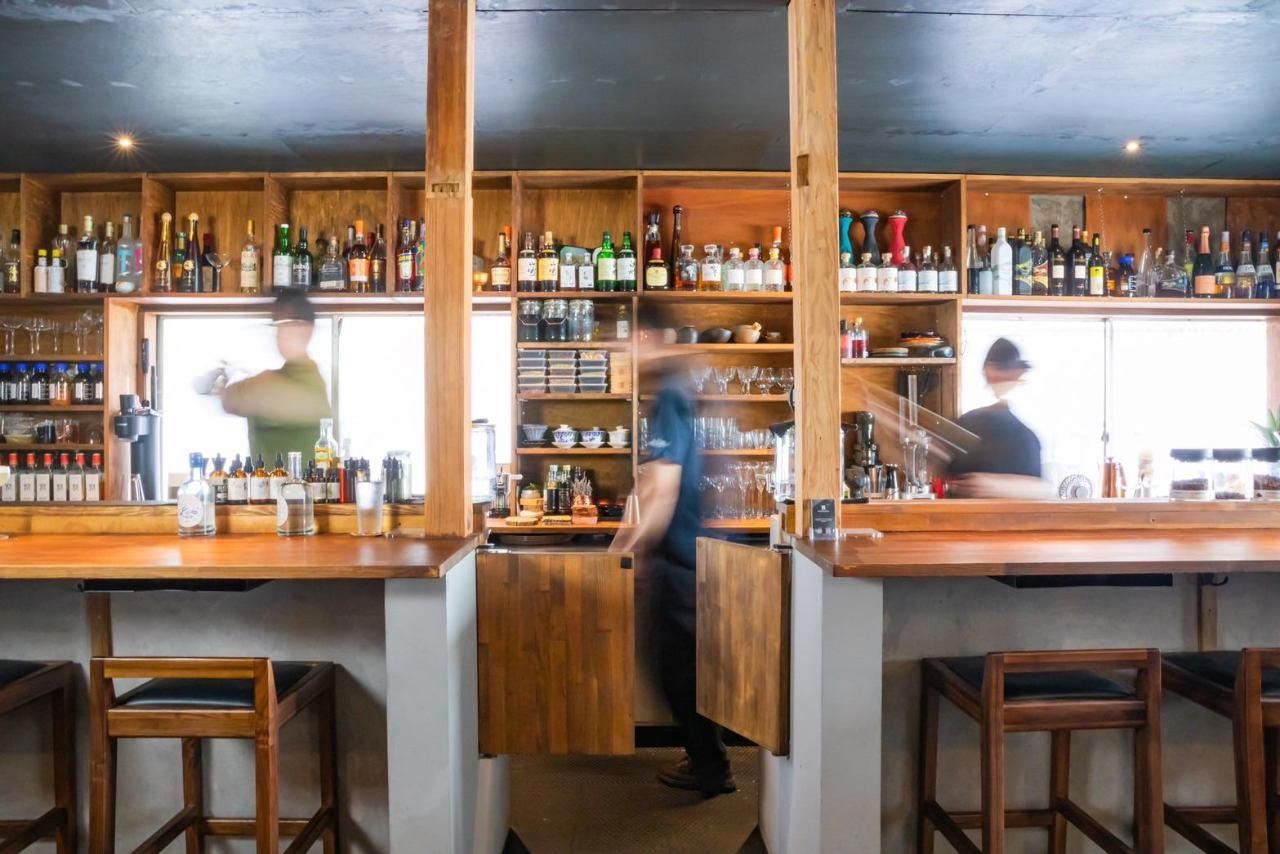
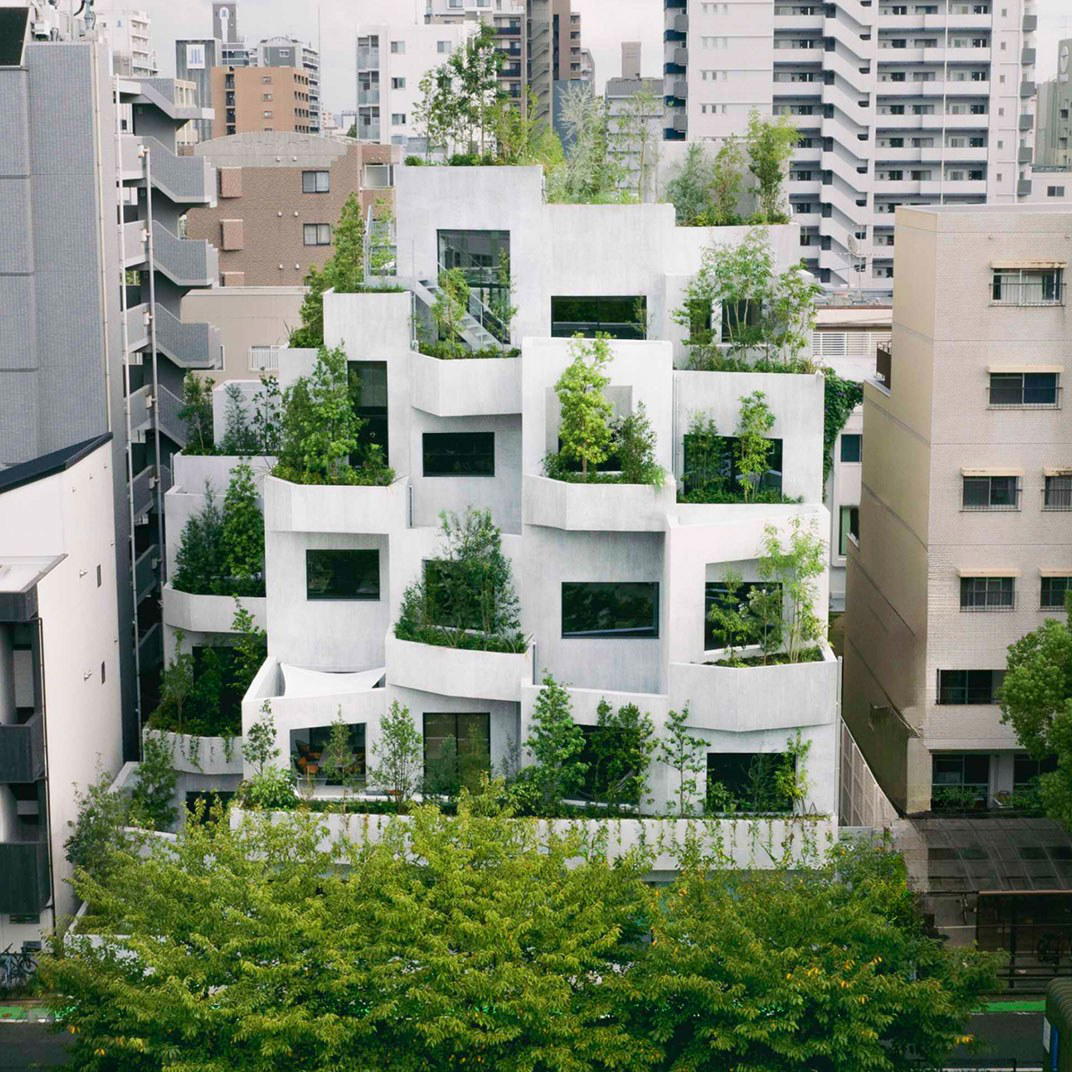
Simple decor with unspoken elegance, featuring lacquer and bamboo countertops creating an intimate sushi bar atmosphere.