Kazbek brings the food traditions of the Caucasus mountains to Moscow, framing Georgian, Azerbaijani, and North Caucasian cooking through the lens of sourcing and regional specificity. In a city where modern Russian restaurants dominate the upper tier, Kazbek occupies a distinct position: a serious address for the cooking of a region whose ingredient culture runs deeper than its Moscow reputation suggests.
Pearl is the En Primeur Club membership app — saves, bookings, and concierge access live there. Same editors, same standards.
- Address
- Moscow, Russia
- Website
- mykazbek.ru
 Saves & bookings on Pearl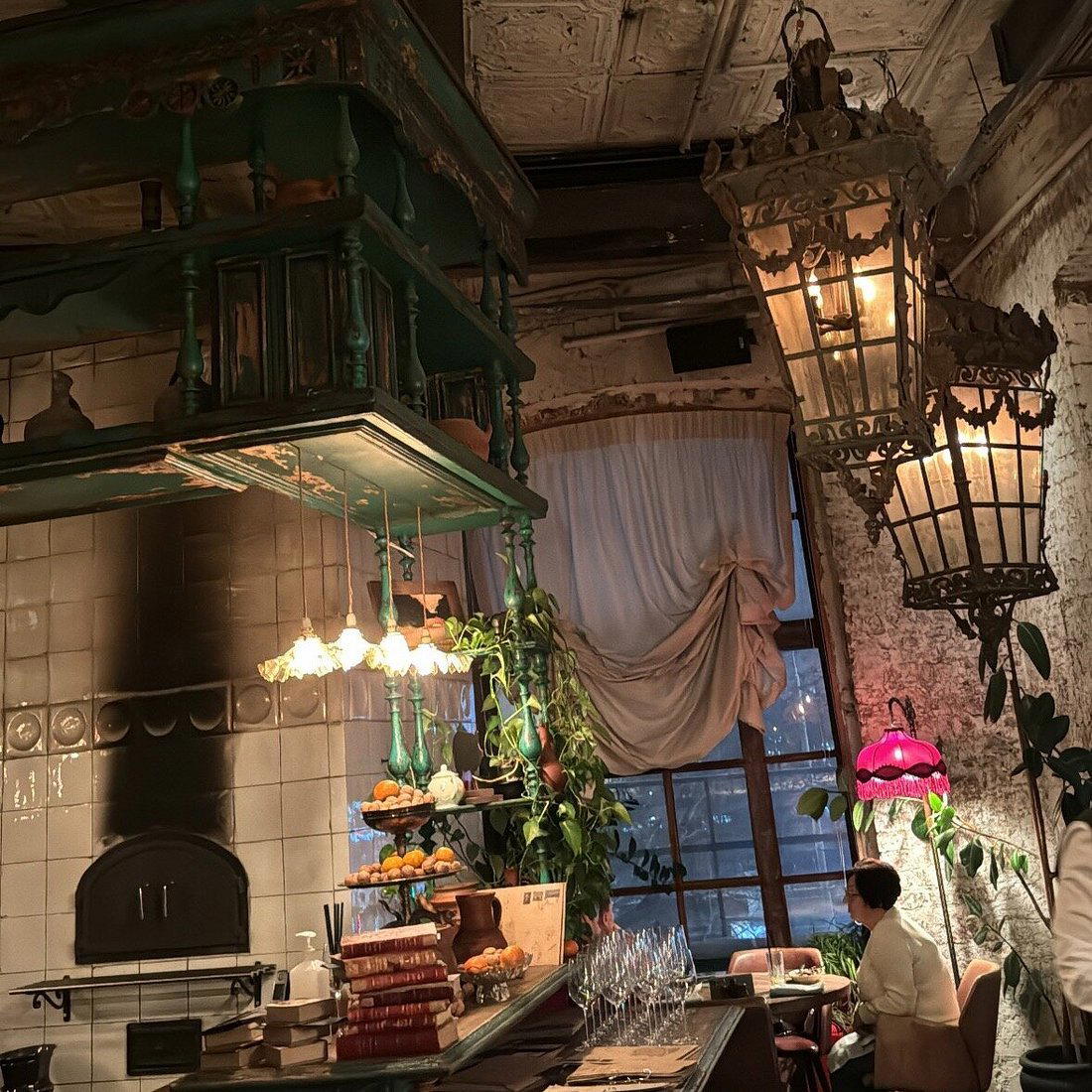
Where the Caucasus Arrives in Moscow
There is a particular quality to restaurants that take a regional cuisine seriously enough to follow its ingredients back to their source. In Moscow, where the prestige dining conversation has long orbited around venues like White Rabbit (Modern Russian) and Twins Garden (Modern European), Kazbek operates in a different register. The cooking here draws on the food traditions of the Caucasus, a region spanning Georgia, Azerbaijan, Armenia, and the North Caucasian republics, each with its own ingredient logic, fermentation culture, and livestock heritage. That specificity is what separates a restaurant like this from the broader category of pan-Caucasian Moscow dining.
The Caucasus has always been a region where geography determines what ends up on the table. High-altitude pastures produce lamb and beef with a flavor profile distinct from lowland animals. Walnut groves in western Georgia supply the nuts that form the backbone of sauces and stuffings. Wild herbs, some with no direct equivalent in European cooking, grow at elevations that limit cultivation. A restaurant that takes these source conditions seriously is making a different set of decisions from one that treats Caucasian food as an aesthetic posture.
The Sourcing Logic Behind Caucasian Cooking
Across Russia's upper-tier dining scene, ingredient provenance has become a credibility signal. The conversation is most developed at modern Russian addresses, where chefs have spent the better part of a decade rebuilding domestic supply chains. Caucasian-focused restaurants face a different version of this challenge: the relevant ingredients are not Russian in origin, and importing them with fidelity to their source region requires active relationships with producers rather than reliance on commodity distributors.
The distinction matters on the plate. Tkemali, the tart plum sauce foundational to Georgian cooking, depends on specific sour plum varieties that don't translate to substitution. Churchkhela, the walnut-and-grape-juice confection eaten across the region, requires the right grape must and the patience of a traditional drying process. Suluguni cheese, pulled and brined in a manner closer to fresh mozzarella than to aged hard cheeses, loses its character quickly in transit. The sourcing decisions a kitchen makes around these ingredients are not invisible to the diner; they determine the texture, acidity, and depth of almost every dish.
For context, the broader Moscow restaurant scene at the higher end, including addresses like Varvary (Russian Cuisine) and Accenti, has built much of its reputation on exactly this kind of sourcing discipline. Kazbek positions itself within that same expectation set but applies it to an entirely different culinary geography.
The Caucasian Table in a Moscow Context
Moscow has had Georgian restaurants for decades. The category is one of the city's most familiar, and familiarity has not always been kind to quality. The challenge for any serious Caucasian address is differentiating from the established layer of mid-market Georgian dining that Muscovites grew up with, without abandoning the communal, produce-forward character that makes the tradition worth engaging with in the first place.
The cooking of the Caucasus is built for sharing. Spreads of small plates, bread as a vehicle rather than an afterthought, grilled meats timed to arrive at their own pace: the format resists the sequential tasting menu logic that dominates Moscow's most formally ambitious rooms. This is not a limitation. It reflects a different theory of hospitality, one where the table accumulates rather than progresses, and where the quality of the bread and the freshness of the herbs carry as much weight as the main protein.
Restaurants working in this tradition across Russia's cities, from Alanskaya Kukhnya in Krasnodar to Dzhani Restorani in Nizhny Novgorod and Khmeli Suneli in Yekaterinburg, each move through the tension between regional authenticity and the expectations of a local dining public that may know the food only through its most diluted urban versions. In Moscow, that tension is sharpest, because the comparison set is most visible.
Moscow's Competitive Frame for Serious Regional Cooking
The upper tier of Moscow dining has developed rapidly over the past decade, and the critical conversation has become more sophisticated about what distinguishes a serious kitchen from a concept. Awards and formal recognition, of the kind that White Rabbit has accumulated through international lists, have raised the baseline expectation for what a premium Moscow restaurant needs to demonstrate. At the same time, restaurants that work outside the modern Russian idiom occupy a different evaluation frame, one where regional fidelity and sourcing depth matter more than tasting menu architecture.
Kazbek operates in that second frame. Its comparable set is not the Michelin-decorated modern European rooms, but rather the serious regional specialists who have made Moscow's dining scene more genuinely plural than it appeared a decade ago. Aist occupies adjacent territory in the city's premium casual register. The comparison points outside Moscow are instructive too: 1913 in Saint Petersburg demonstrates how Russian cities can sustain serious, historically grounded cooking outside the capital's frame, while globally, restaurants like Atomix in New York City show how deeply rooted regional cuisines can command the same critical attention as European fine dining when the sourcing and technique are taken seriously.
Planning Your Visit
Moscow's dining geography rewards some advance thinking. The city's premium restaurant district has shifted and expanded over the years, with serious addresses now distributed across central neighborhoods rather than concentrated in a single zone. Booking ahead is advisable for dinner, particularly on weekends, when Moscow's restaurant culture runs late and tables turn slowly at places where the format encourages long meals. The spread-and-share logic of Caucasian dining means groups of three or four will get more range from the menu than couples, though the format works at any table size. Those traveling beyond Moscow who want to track similar regional cooking traditions across Russia will find value in the contrast offered by addresses like Kukhterin in Tomsk and Grisha in Omsk, each of which reflects how Russia's regional cities are developing their own serious dining identities on terms distinct from the capital.
Quick Comparison
Comparable venues nearby, for context on price, style, and recognition.
| Venue | Cuisine | Price | Notes |
|---|---|---|---|
| KazbekThis venue — the venue you are viewing | Authentic Georgian | $$ | Not listed |
| Chito-Ra | Authentic Georgian | $$ | District Central (TsAO) |
| Pizzeria Vesuvio | Neapolitan Pizza | $$ | North-Eastern (SVAO) |
| Scrocchiarella | Roman-style Pizza | $$ | Boulevard Ring |
| Doctor Zhivago | Modern Russian with Soviet Heritage | $$$ | Tverskoy District |
| Officina | Authentic Italian | $$ | Boulevard Ring |

At a Glance
- Elegant
- Classic
- Rustic
- Lively
- Date Night
- Family
- Group Dining
- Celebration
- Business Dinner
- Terrace
- Live Music
- Design Destination
- Standalone
- Extensive Wine List
- Street Scene
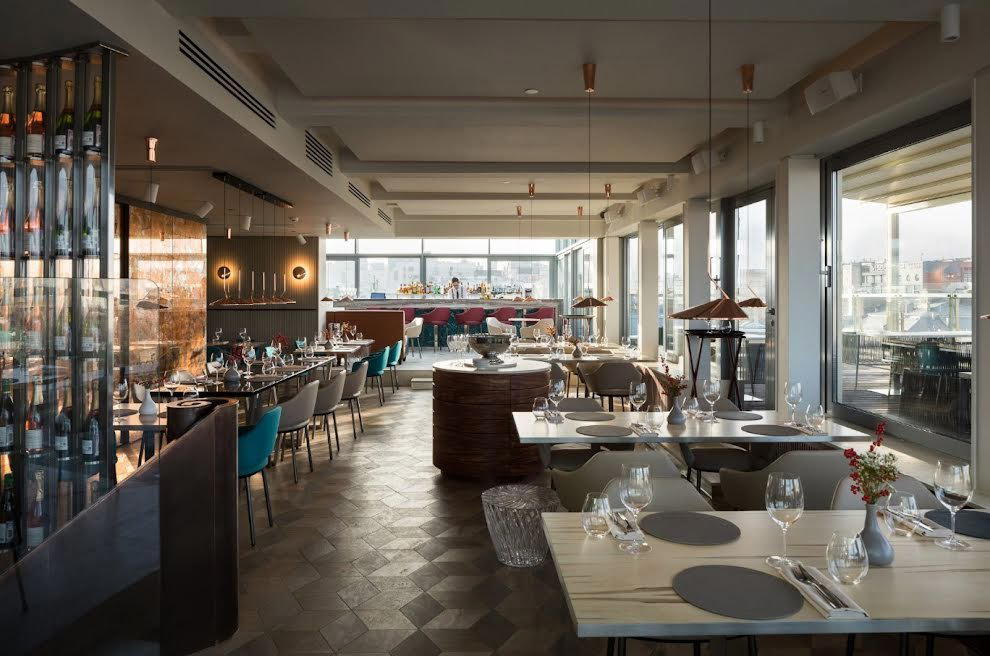
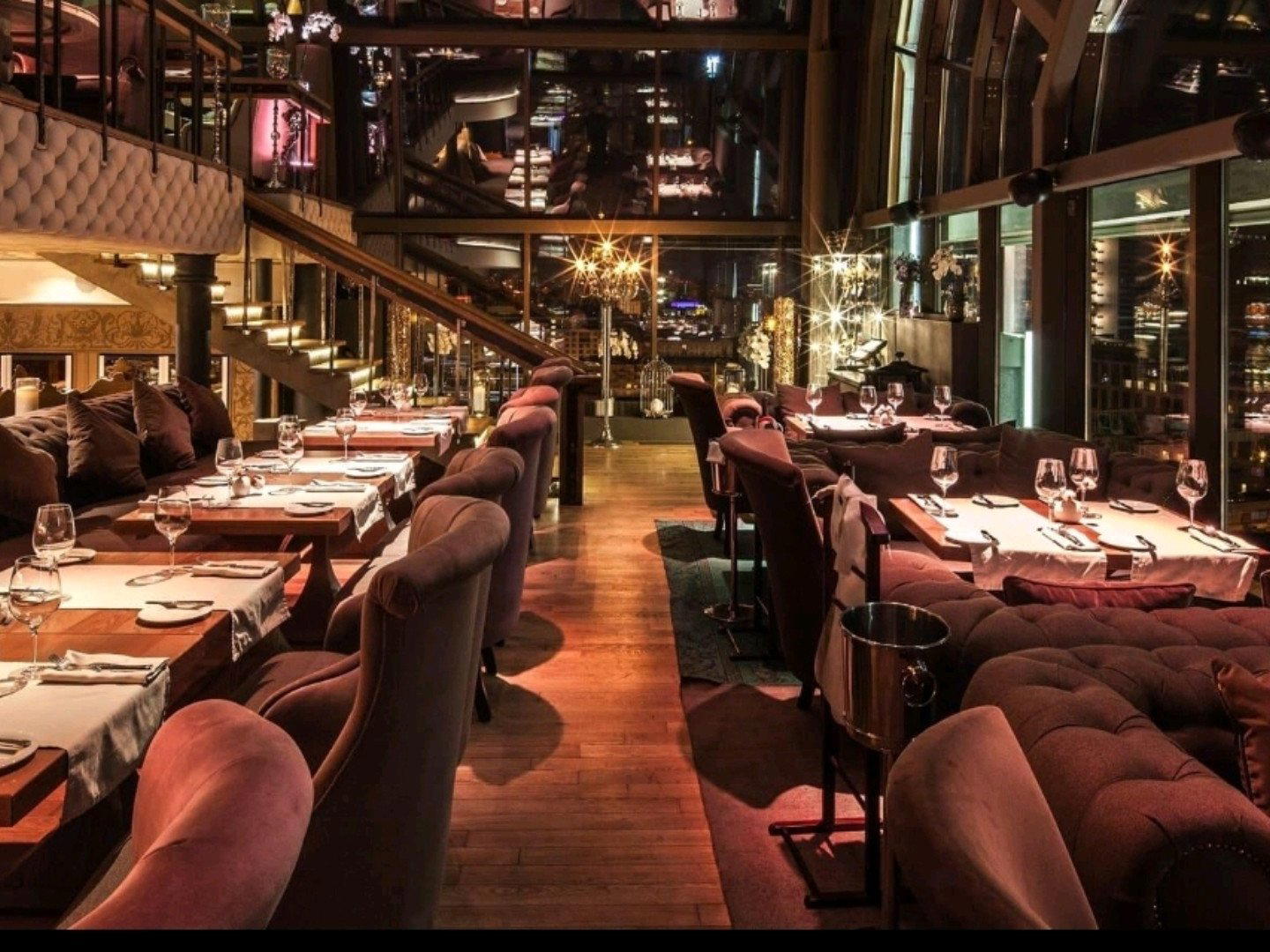
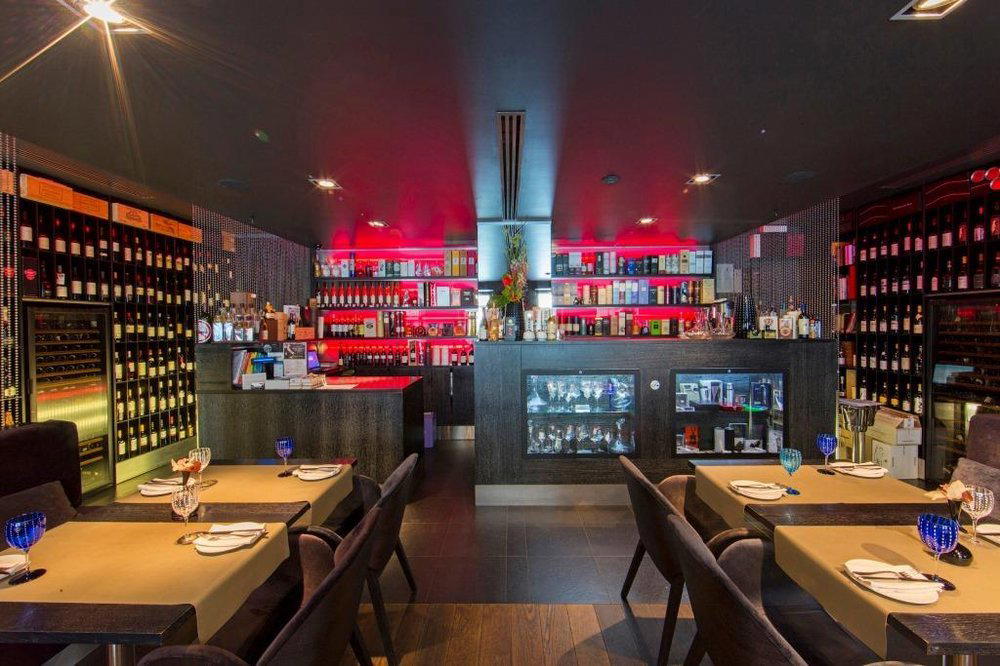
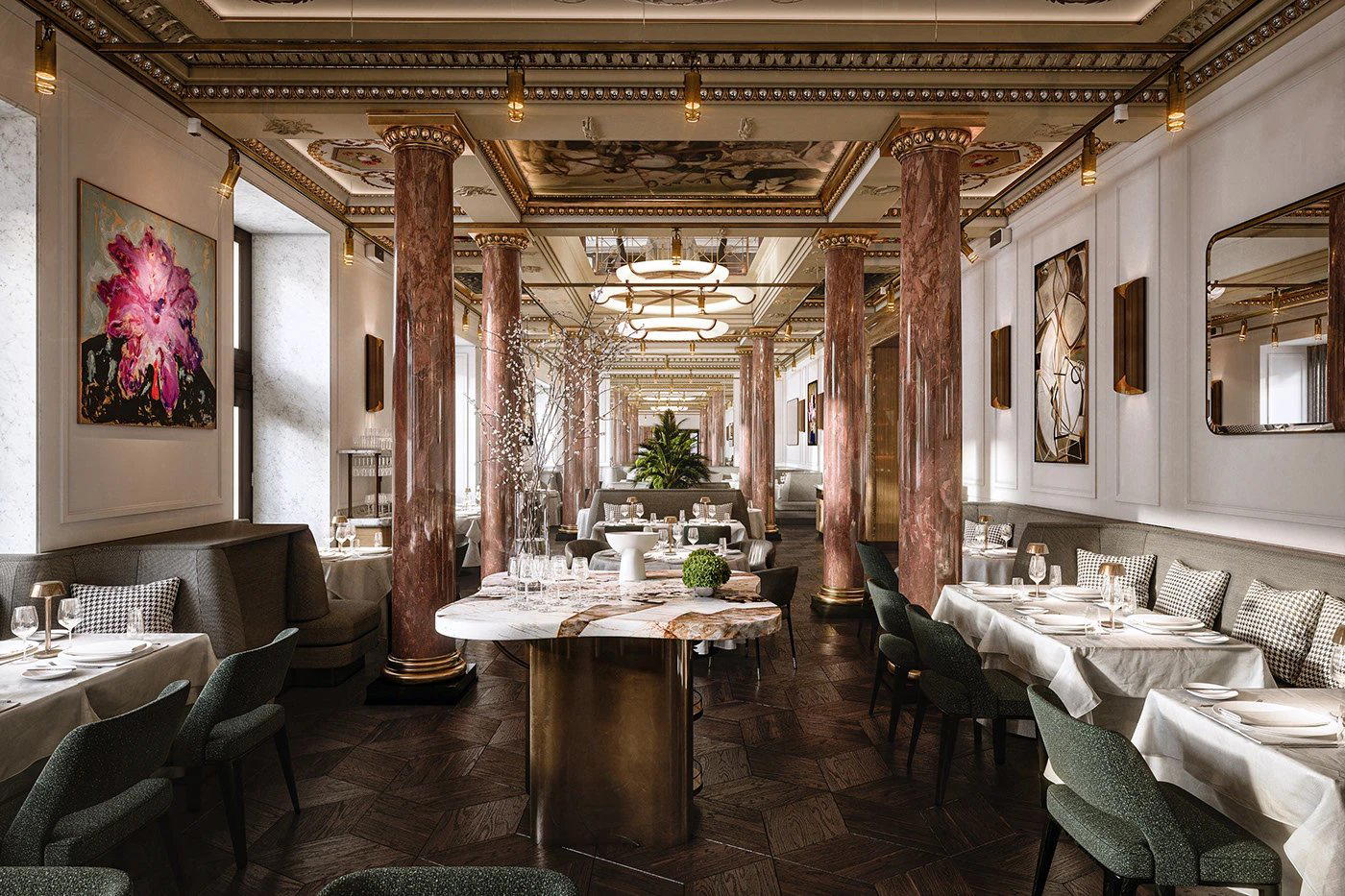
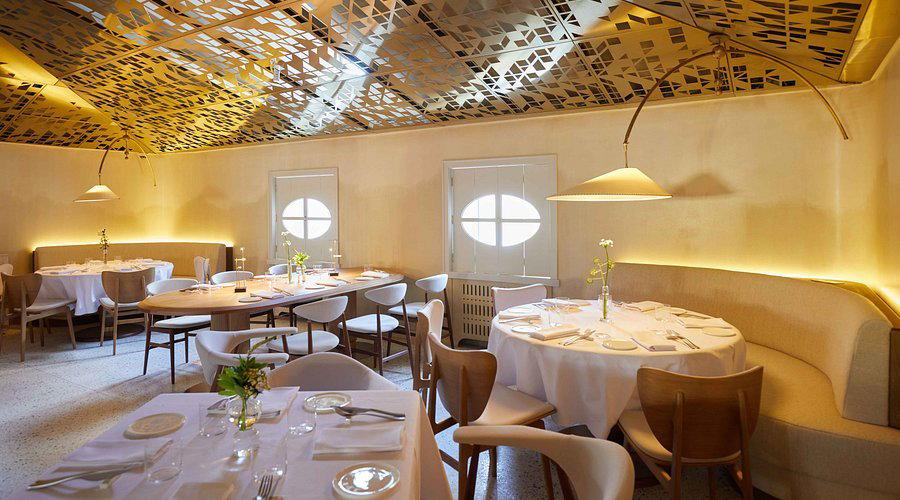
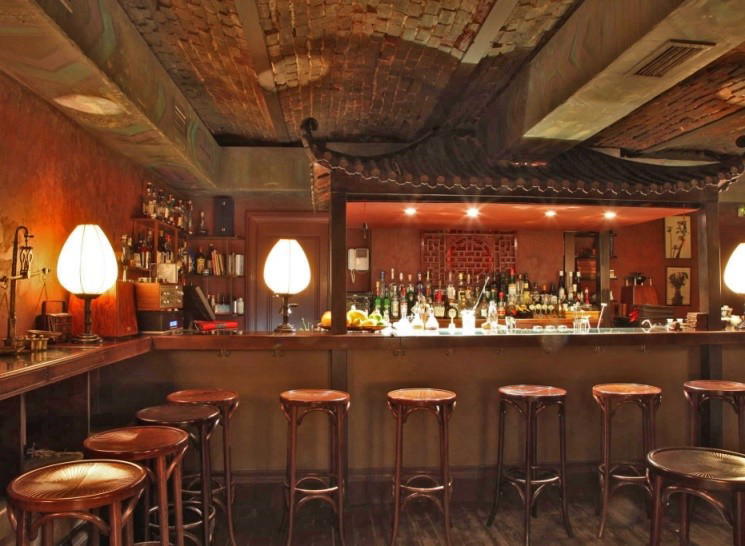
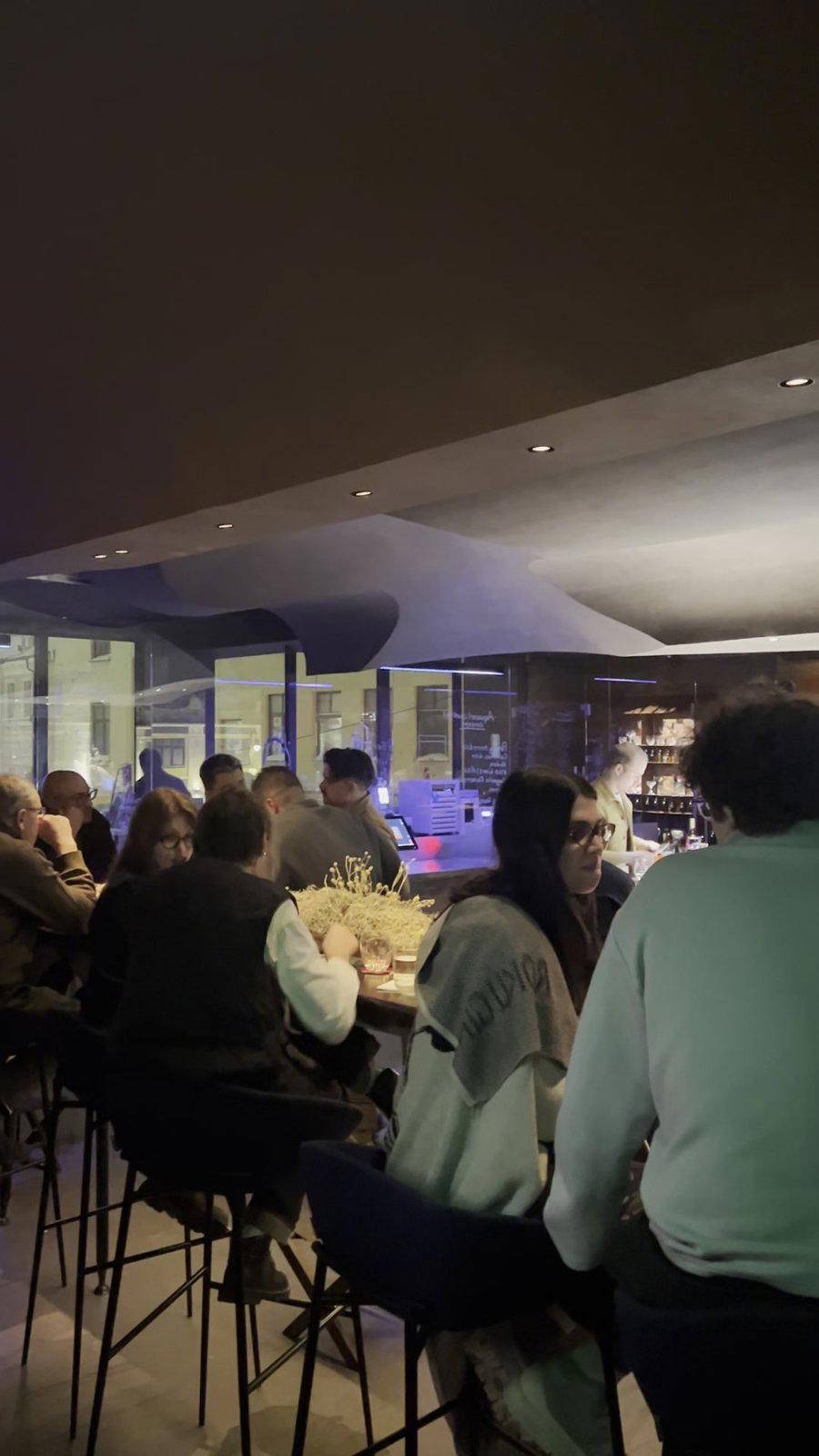
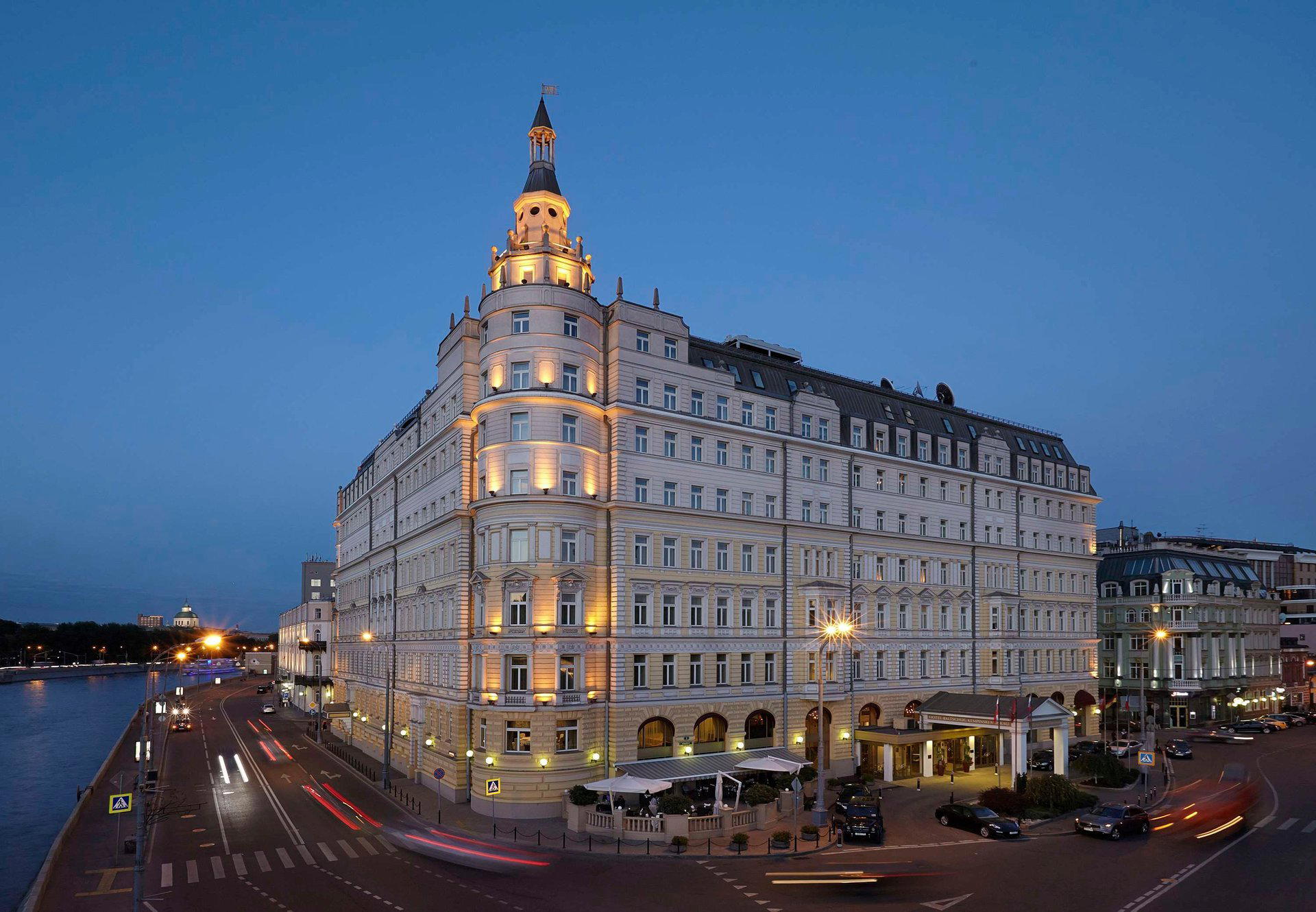
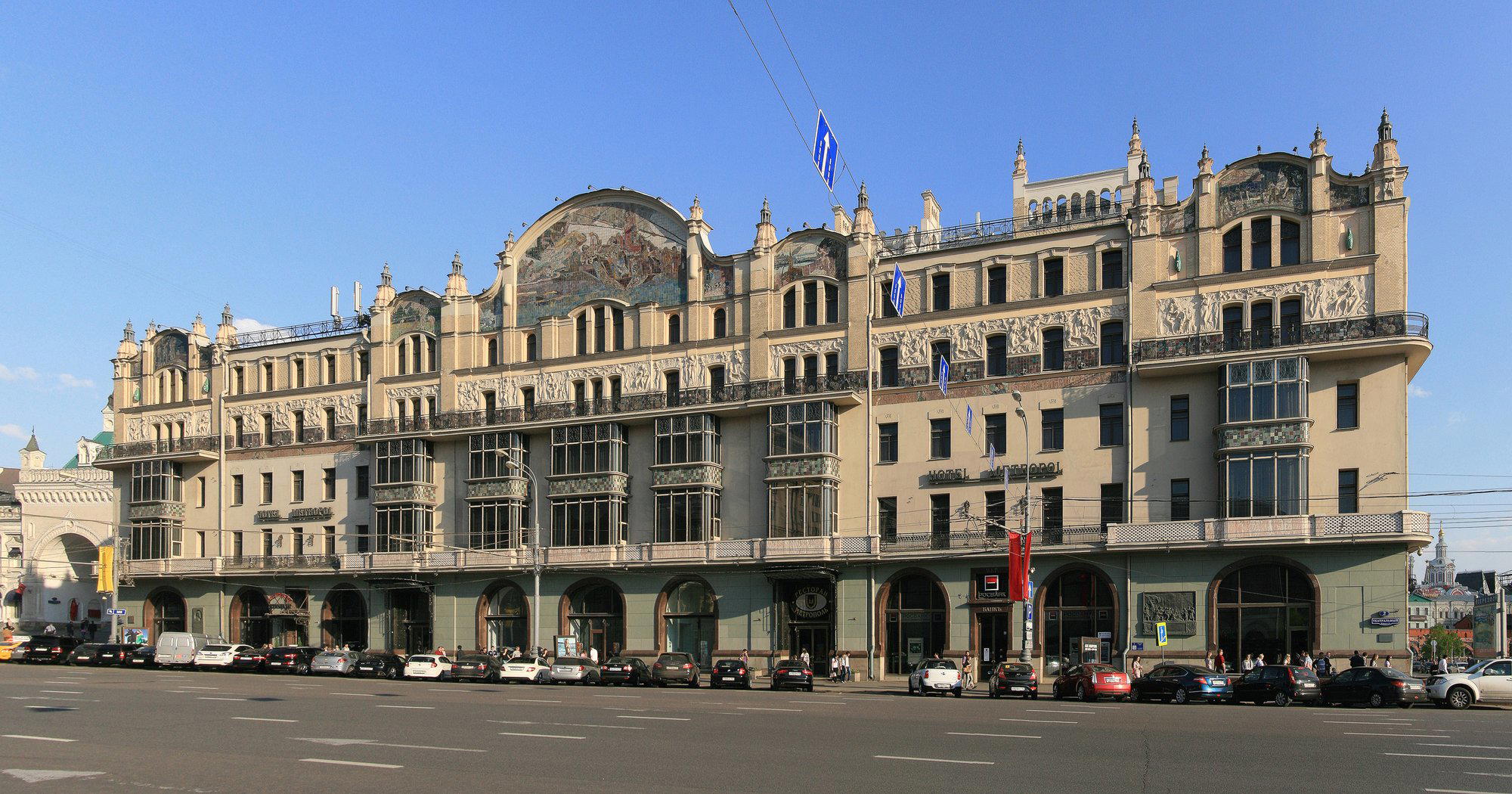
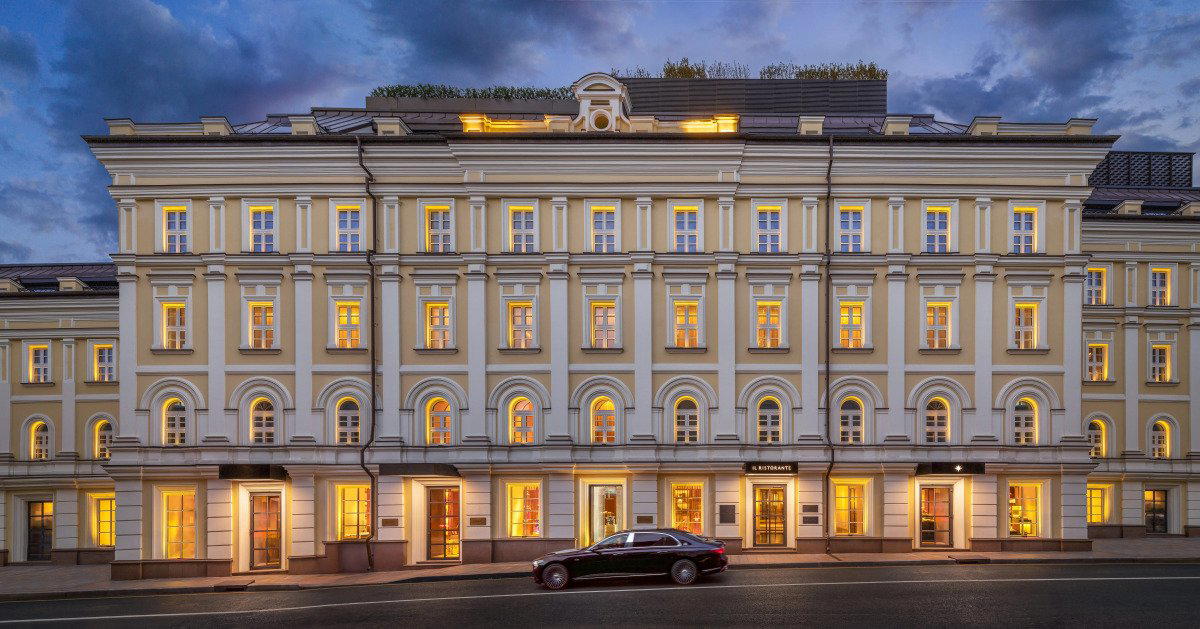
Bright and atmospheric, with plenty of daylight, textured floors, distressed walls, carved wood details, and a classical Georgian feel; music evenings and DJ sets add a livelier terrace atmosphere.