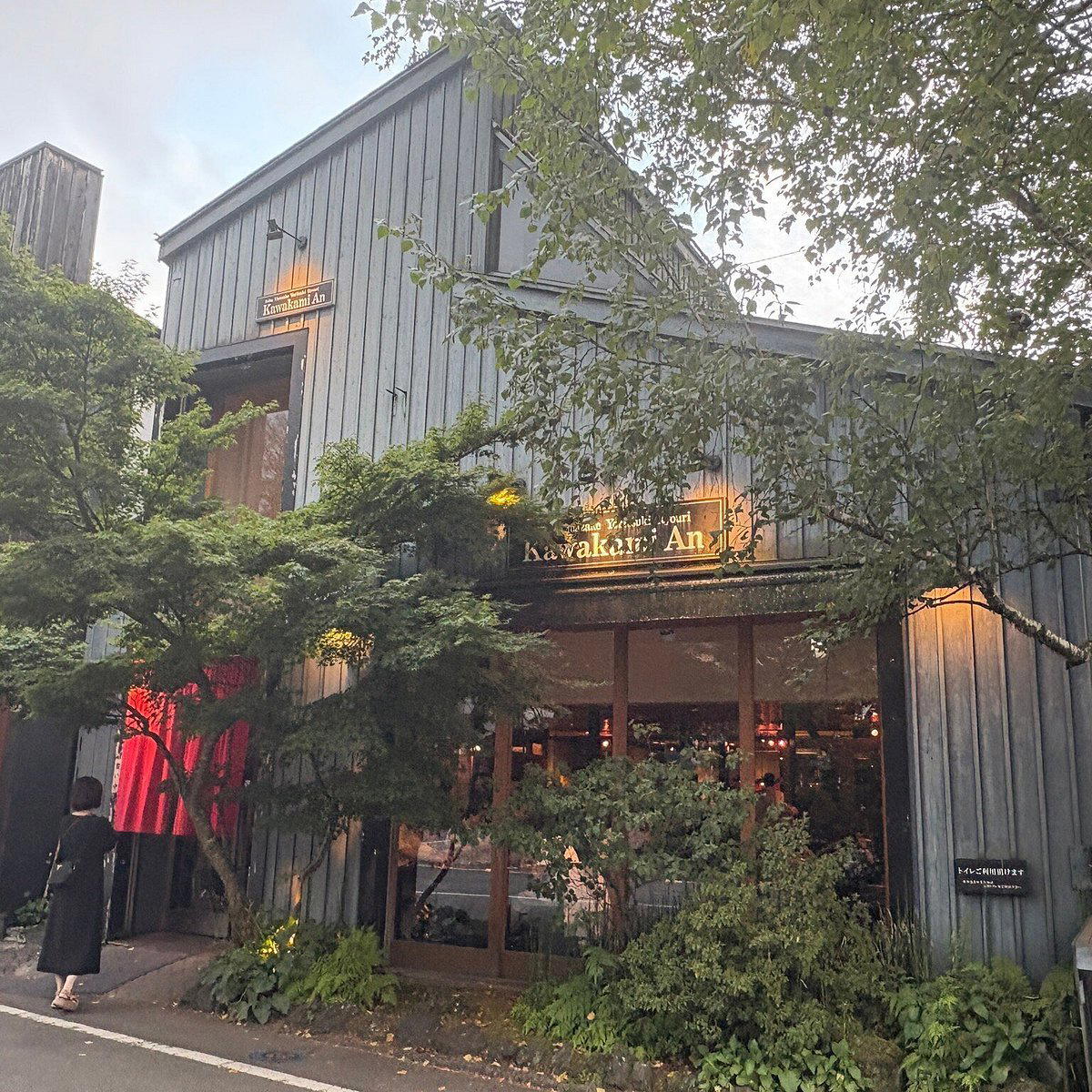
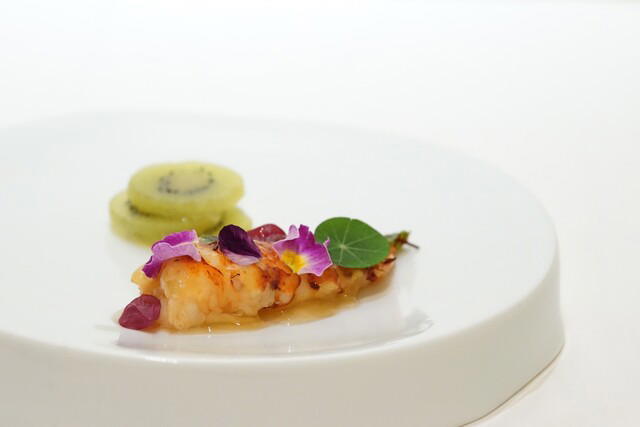
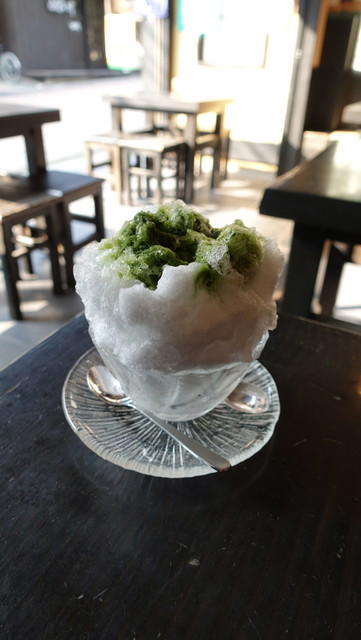
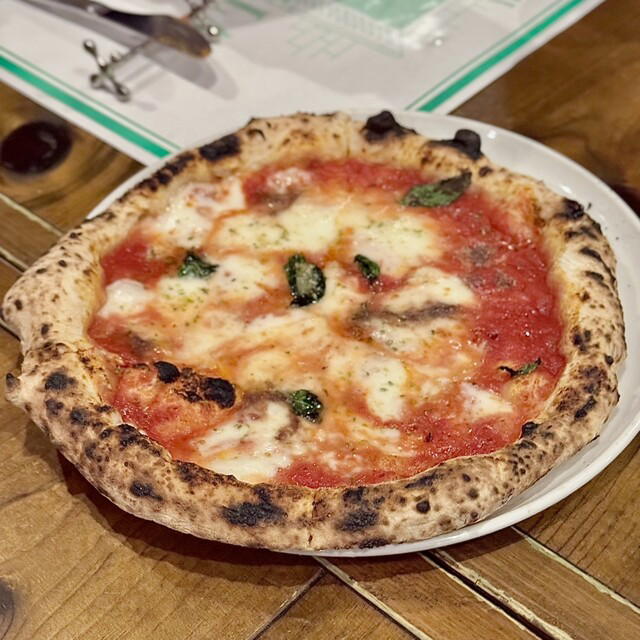
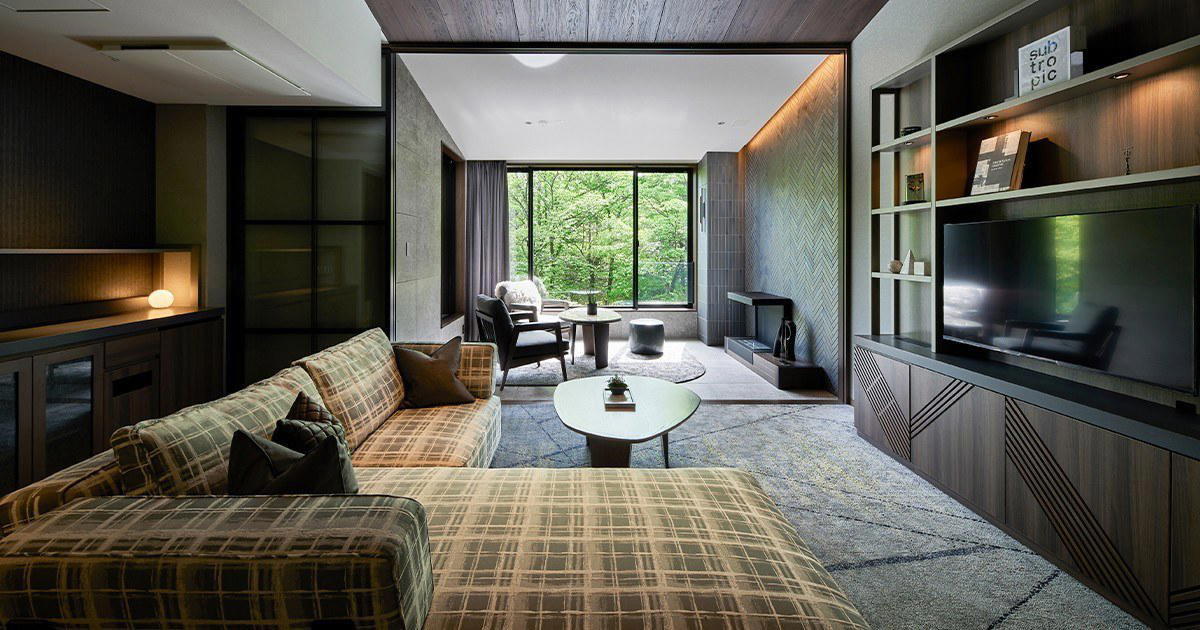
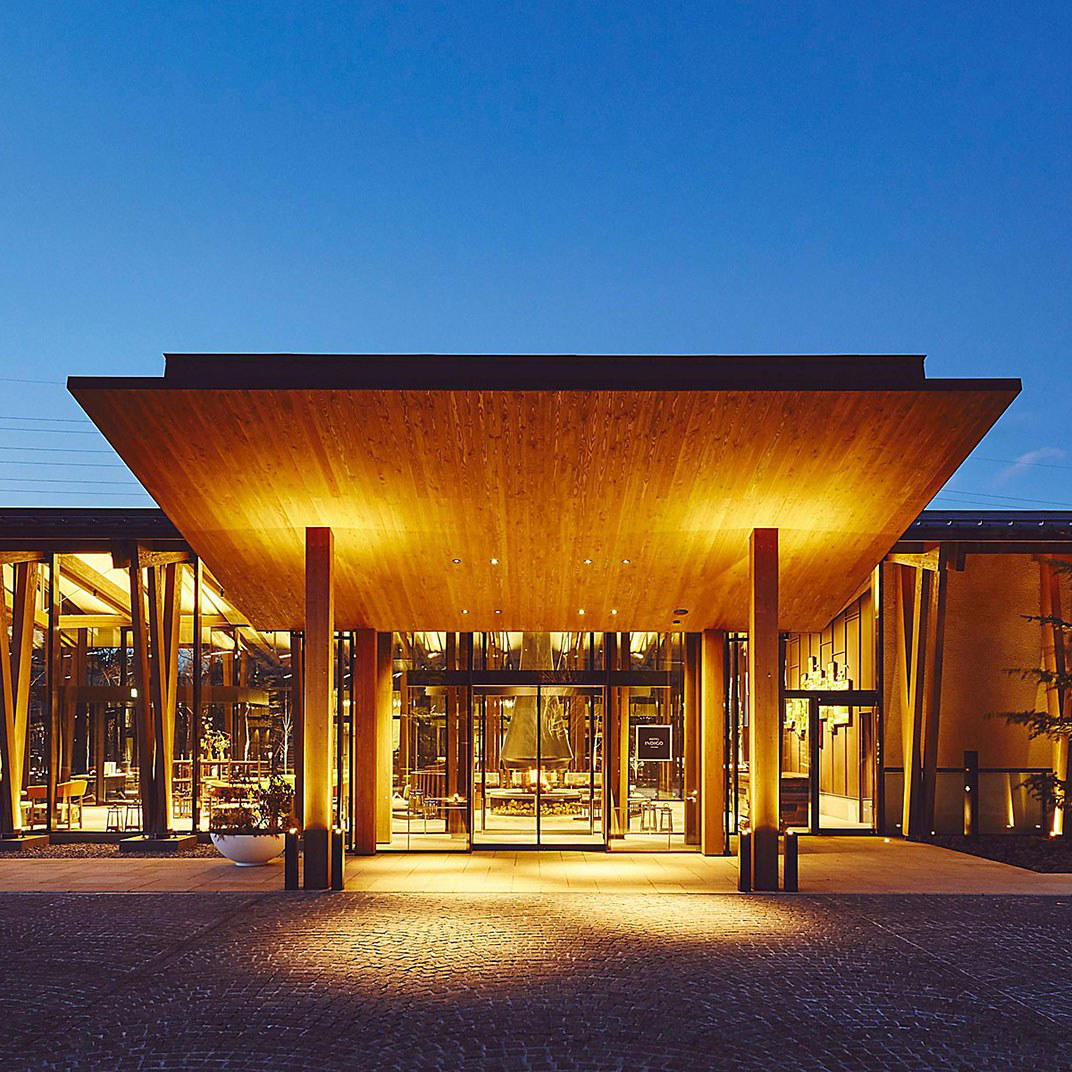
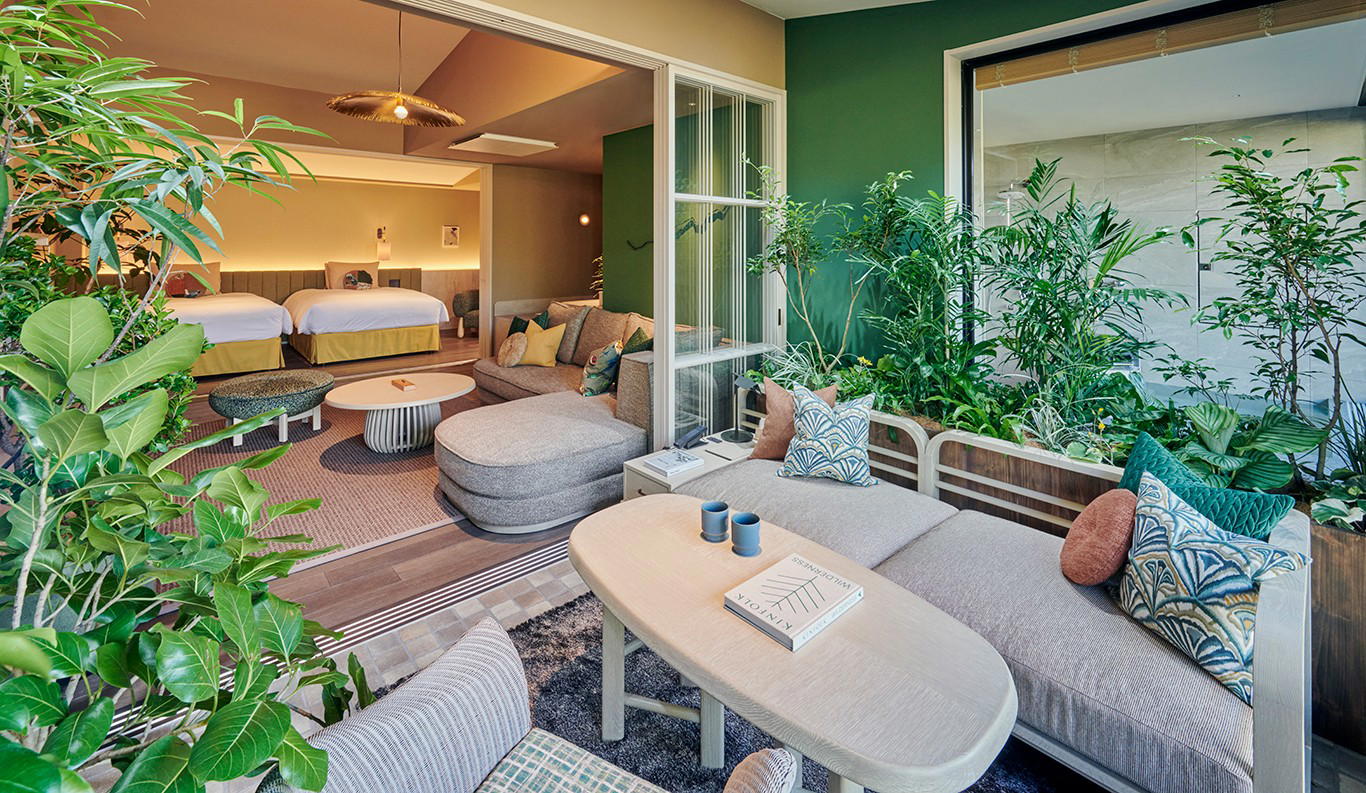
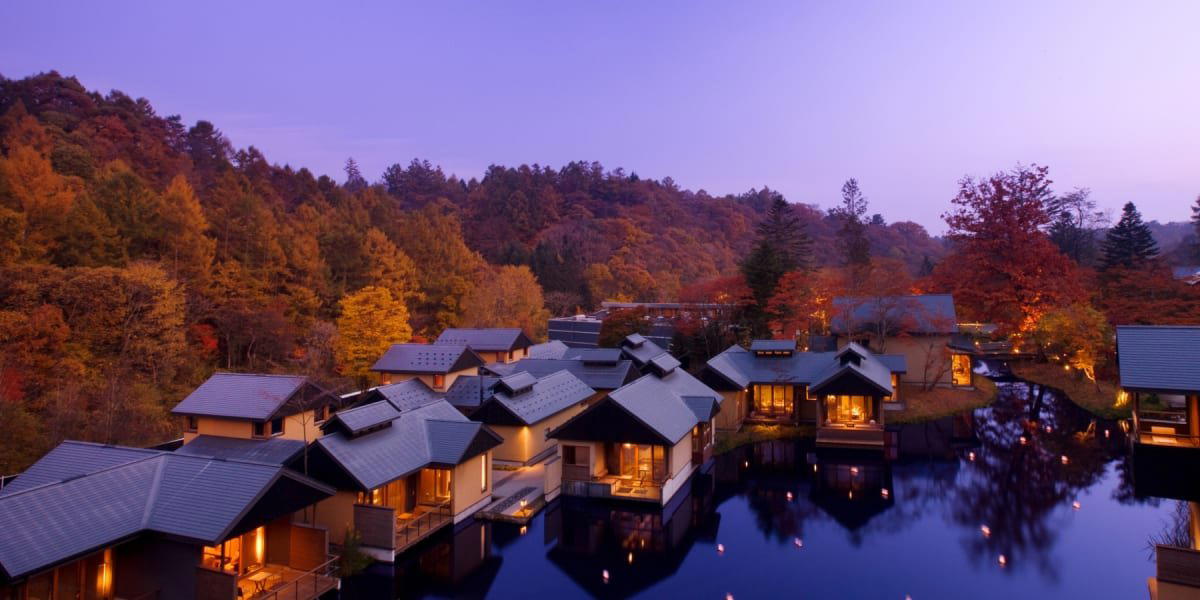
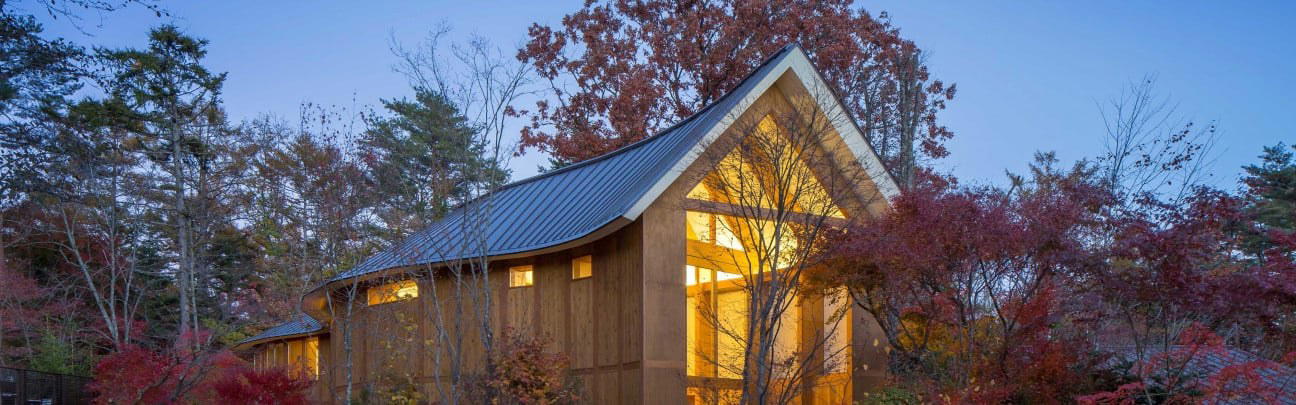
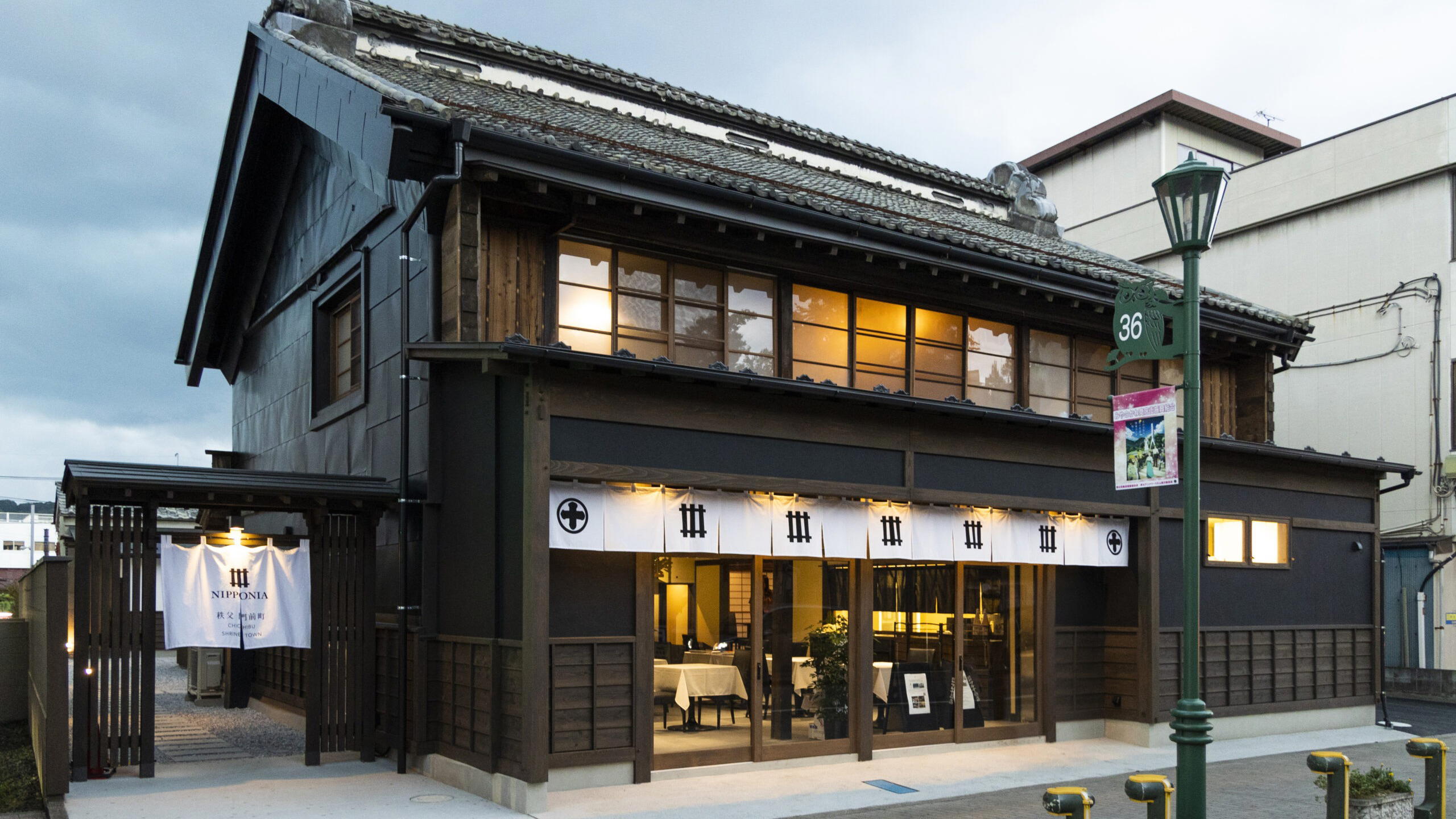
That restraint has a practical dimension as well. Karuizawa's dining scene is smaller and less competitive in the Michelin sense than Kyoto, Tokyo, or Osaka, which means the restaurants operating here tend to develop their identities through relationship with local producers rather than through the award-chasing mechanisms that define urban fine dining. Kawakami-an's context is different, more isolated, more dependent on seasonal rhythms, and in some respects more directly tied to the food it serves.
Ingredient Sourcing as the Central Logic
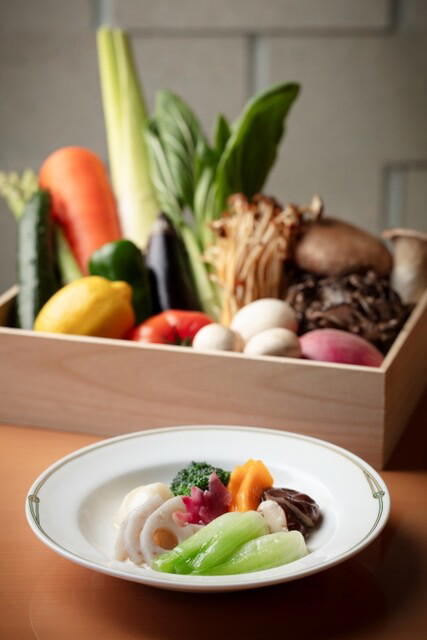
The Nagano highlands have supplied Tokyo's better restaurants with seasonal produce for decades. Karuizawa-area farms benefit from the same volcanic soil and elevation that define the Yatsugatake and Nishimakizone growing regions, territory that produces some of the most sought-after summer vegetables in the country. What distinguishes a restaurant like Kawakami-an from its urban counterparts is geographical compression: the distance between field and kitchen collapses in a way that is structurally impossible in Tokyo or Osaka, where even restaurants with dedicated farm relationships are managing logistics across significant geography. Here, the sourcing relationship is a matter of proximity.
This matters to the composition of the menu in ways that go beyond seasonal variation. When produce arrives within hours of harvest, preparation methods shift. The case for heavy sauce work or extended braising weakens when the ingredient itself is carrying maximum flavour. Japanese soba traditions, which have deep roots in the Nagano region, operate on a similar principle: the noodle's character comes from the buckwheat's freshness and the miller's skill, not from what you add to it. Karuizawa's broader dining culture reflects this inheritance. Visitors looking for the full range of what Nagano-region sourcing can produce across different formats should also consider Sajiro Caffe and En Boca, both of which engage the local supply chain from different culinary angles.
For a more experimental interpretation of highland ingredients, Restaurant Naz takes an innovative approach that places Karuizawa more squarely within Japan's contemporary fine dining conversation, alongside urban referents like Harutaka in Tokyo or akordu in Nara.
Karuizawa in the Wider Japanese Dining Circuit
Japan's regional dining culture has matured considerably over the past decade, and the pattern is consistent: cities and resort towns outside the Michelin-saturated triangle of Tokyo, Osaka, and Kyoto are producing serious restaurants that reward the detour. Goh in Fukuoka demonstrated that Kyushu could sustain a French-Japanese counter of genuine ambition. Nanao's 一本木 石川制, Sapporo's 古代山乃, and Takashima's 湖畔庵巌 each represent a similar logic in their respective regions: serious cooking in a non-metropolitan context, where the relationship between location and ingredient is the primary editorial statement. Karuizawa's position within this pattern is defined by its function as a retreat rather than a destination city, which shapes both who visits and what the kitchen has to work with across the seasons.
Visitors arriving from international markets who are calibrating Karuizawa against global fine dining touchstones would find the comparison most useful against similarly grounded regional formats. The register here is not the technical ambition of Le Bernardin in New York City or the modernist precision of Atomix. It is quieter and more place-specific, sitting closer to the tradition of restaurants in the Japanese alps and lake districts, properties like 奥羽屋 in Nishikawa Machi or Birdland in Sakai, where geography rather than culinary fashion sets the terms.
Planning a Visit
Karuizawa is approximately 70 minutes from Tokyo Station by Hokuriku Shinkansen, which makes it practical as a day trip or short overnight from the capital. The resort town is most active from late spring through early autumn, with August representing peak visitor density and the widest seasonal produce availability. Winter access is direct by rail but the town operates at reduced capacity outside the summer season. Travellers planning a broader Nagano or central Honshu circuit should cross-reference our full Karuizawa restaurants guide for category-level curation across the town's dining tiers. Booking should be approached through direct contact with the restaurant; in a town of Karuizawa's size and character, reservation windows are shorter than in major cities, but popular tables in summer can fill several weeks ahead. Given the sparse publicly available data for Kawakami-an specifically, confirming current hours, format, and dietary accommodations directly with the venue before visiting is advisable.
Those with allergy requirements or specific dietary needs should communicate directly with the restaurant at the time of booking. In common with most serious Japanese establishments operating in a seasonal format, the kitchen's flexibility on substitutions is leading established in advance, and the depth of that flexibility will depend on the current menu's composition. Formats similar to Kawakami-an's in other parts of Japan, such as Bistro Ange in Toyohashi, apply a comparable expectation: early communication is standard practice, not an exception.