
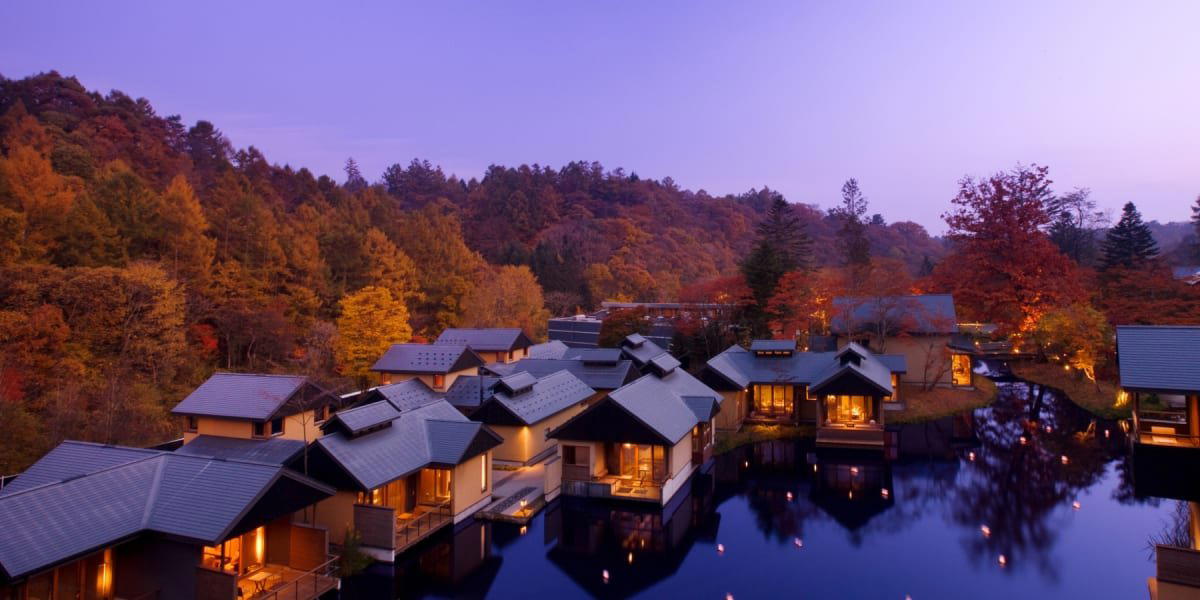
Shishi-Iwa House gives Karuizawa’s resort tradition a design-led frame: quiet architecture, forest-town pacing, and a level of restraint that suits travellers more interested in space and proportion than spectacle. Its 2026 Tablet Hotels Design Awards recognition places it firmly in the conversation around Asia’s architecture-forward stays.
Pearl is the En Primeur Club membership app — saves, bookings, and concierge access live there. Same editors, same standards.
- Address
- 2147-768 Nagakura, Karuizawa-machi, Kitasaku-gun, Nagano 389-0111, Japan
- Website
- shishiiwahouse.jp
 Saves & bookings on Pearl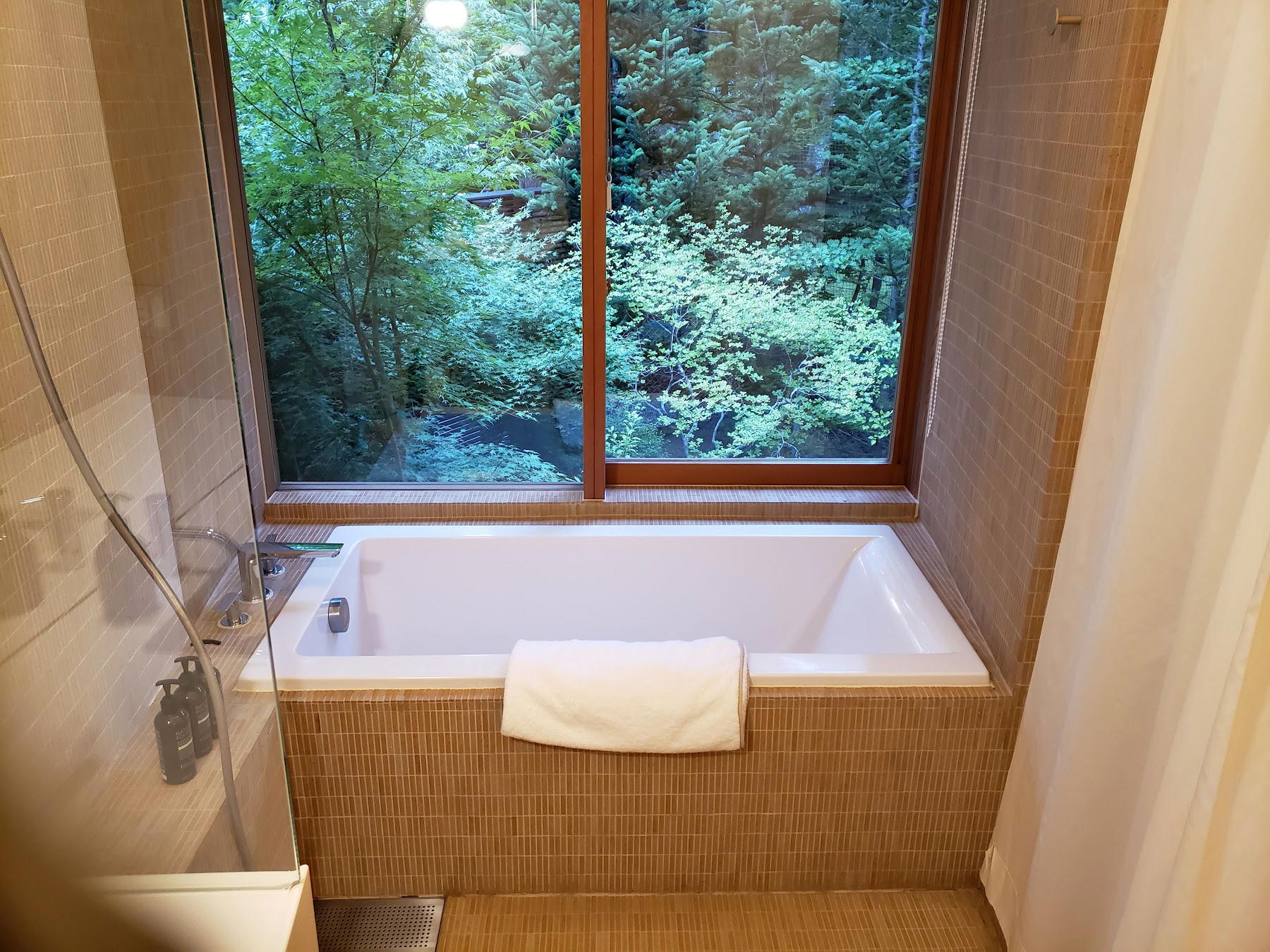
Approaching Karuizawa, the mood changes before any hotel room enters the discussion. The town has long traded on altitude, trees, and a slower summer rhythm: a mountain resort culture shaped by Tokyo escapees, villa owners, and travellers who come for cooler air rather than urban theatre. In that setting, Shishi-Iwa House is less about resort scale than architectural control. The point is the relationship between building, woodland, and quiet domesticity, a format that makes sense in a place where privacy and seasonal retreat carry more weight than lobby drama.
Karuizawa’s hotel scene splits into several registers: ryokan-influenced stays, villa-style hideaways, and contemporary design properties that read the town through architecture rather than nostalgia. Shishi-Iwa House belongs to the last group. Its recognition in the Tablet Hotels Design Awards 2026 matters because design hotels in Japan can too easily become exercises in surface: pale wood, soft lighting, and a vocabulary of calm repeated until it loses meaning. Here, the editorial interest is sharper. The property sits in Karuizawa, not Tokyo or Kyoto, so the design brief has to answer a different question: how much architecture is enough when the surrounding environment is already doing the heavy lifting?
Architecture takes the lead in Karuizawa's forest-hotel tradition
The stronger mountain hotels in Japan understand restraint as a practical discipline, not a decorative mood. Karuizawa rewards buildings that know when to recede. Guests are not coming for skyline views or urban density; they are coming for a resort town where the pace is measured by walks, meals, and time indoors when the weather closes in. A design-led hotel here has to frame that rhythm without overexplaining it.
That is the useful lens for Shishi-Iwa House. The address places it in Nagakura, within Karuizawa-machi in Nagano Prefecture, a part of town associated with residential quiet rather than station-front convenience. That location gives the stay a different character from larger hospitality compounds: the experience is less about moving through a full-service resort ecosystem and more about inhabiting a carefully edited architectural setting. For travellers choosing Karuizawa specifically for design, that distinction matters.
The Tablet Hotels Design Awards 2026 recognition gives the property a credible external signal in a category where taste claims are often vague. Awards do not make a hotel successful on their own, but they help locate it within a field of architecture-conscious Asian stays, where spatial composition, material choices, and the handling of privacy are as important as conventional luxury markers. In Karuizawa, that puts the emphasis back where it should be: on how the built environment mediates the forest-town experience.
The experience is quiet, edited, and better suited to slow travel than hotel-hopping
This is not the Karuizawa to book for maximal facilities or a dense itinerary built around constant movement. The stronger argument is for a stay that treats the hotel as part of the destination rather than a base camp. That suits travellers who care about architecture, reading rooms, long breakfasts, and the cadence of a residential resort town. It is also a useful counterpoint to Japan trips overloaded with rail transfers, restaurant reservations, and urban checklists.
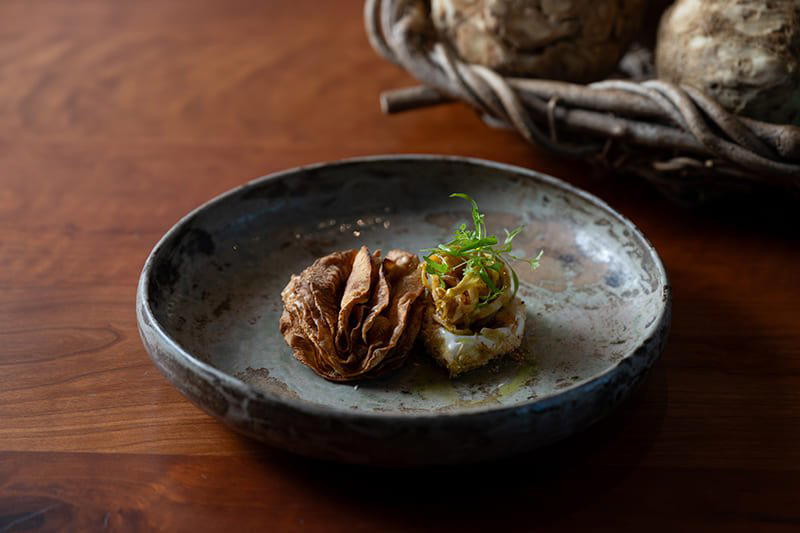
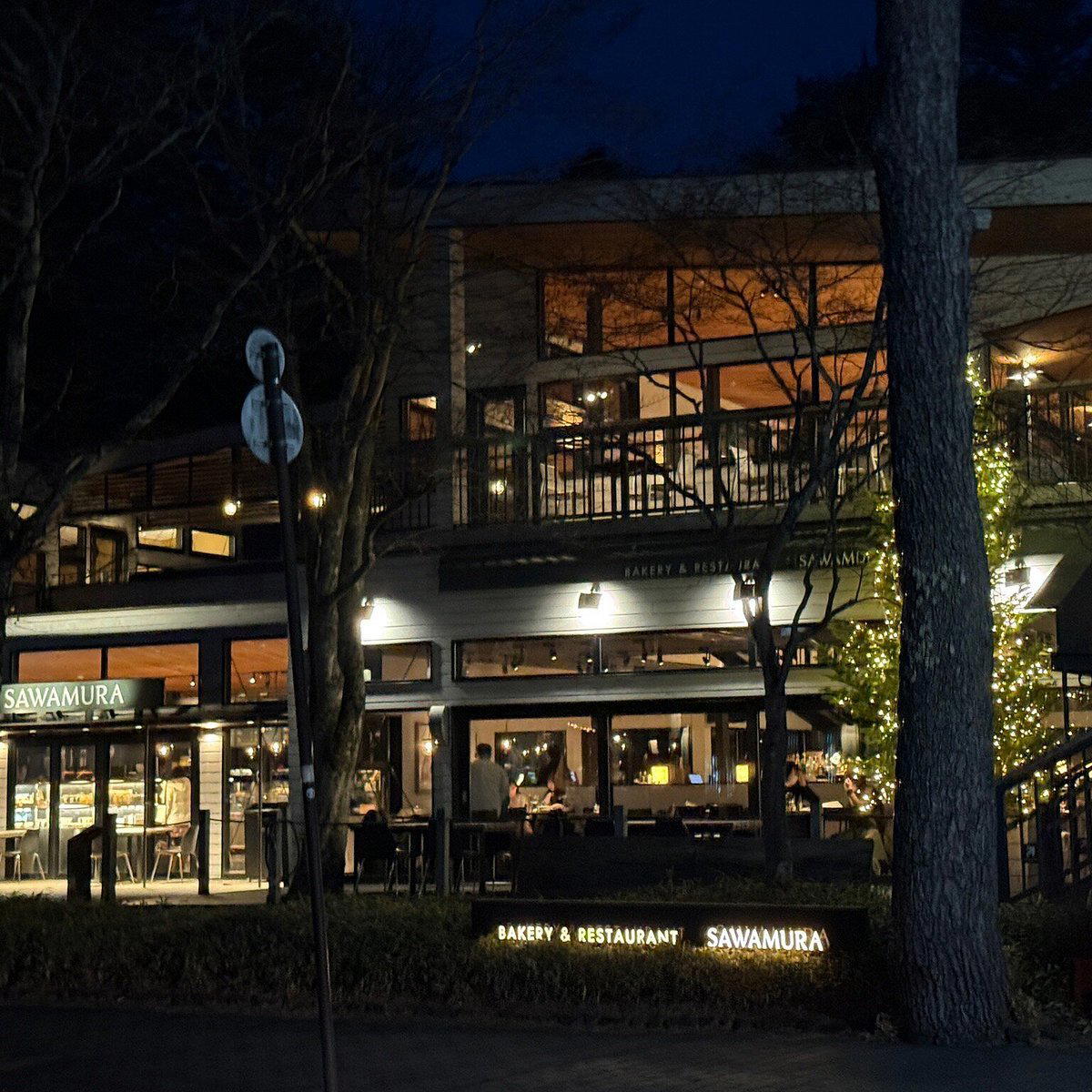
Food and drink should be considered within the wider Karuizawa rhythm rather than as the sole reason to stay. The town’s dining identity is seasonal and spread out, with hotel restaurants, villa-area dining rooms, bakeries, cafés, and produce-driven cooking all playing a role. Travellers planning meals around the stay should consult Our full Karuizawa restaurants guide, then treat the hotel choice as a decision about pace: how much of the trip should be shaped by staying in, and how much should be structured around the town.
For hotels, Karuizawa rewards precision. A property can be luxurious without feeling grand, and architectural seriousness often counts for more than visible excess. The hotel is strongest for travellers who want that quieter register, especially those who value design recognition as a filter. It is a less obvious choice for visitors seeking resort sprawl, extensive on-site programming, or a high-energy social scene. The better fit is a two- or three-night pause in a broader Japan itinerary, where the point is to let Karuizawa’s weather, woods, and residential tempo set the agenda.
Planning the Karuizawa stay around design, dining, and nearby context
Karuizawa works well when the hotel decision is made before the daily plan. Staying in Nagakura encourages a slower map of the town, with more emphasis on atmosphere than rapid sightseeing. Travellers comparing categories should use Our full Karuizawa hotels guide for the local hotel field, with Our full Karuizawa bars guide, Our full Karuizawa wineries guide, and Our full Karuizawa experiences guide filling in the rest of the stay.
Useful local hotel context includes Fufu Karuizawa Wind in the Sunshine, Fufu Kyu-Karuizawa Restful Forest, Hoshinoya Karuizawa, and SHISHI-IWA-HOUSE Karuizawa. For broader Japan hotel planning, relevant reference points include 〒600-8176 Kyoto, Shimogyo Ward, Kitamachi, 190 ホテルカンラ京都 in Kyoto Shi, 1 Hotel Tokyo in Tokyo, 3-chōme-6-12 Honmachi in Osaka Shi, 7c villa&winery in Fujikawaguchiko, Ace Hotel Kyoto in Kyoto, Akan Tsuruga Bessou Hinanoza in Hokkaido, ALMIS NAKIJIN in Nakijin, Kunigami Gun, Aloft Osaka Dojima in Osaka, Amanemu in Mie, Amanemu in Shima, ANA Holiday Inn Tosu in Tosu, ANA InterContinental Appi Kogen Resort in Hachimantai, ANA InterContinental Beppu Resort & Spa in Beppu! Xaus Lodge in Dawid Kruiper. Here Baa Atoll Maldives in Baa Atoll, and "Róże i Zen" Apartamenty. Pokoje Gościnne in Torun.
How It Compares
Comparable venues nearby, for context on price, style, and recognition.
| Venue | Cuisine | Price | Awards | Notes |
|---|---|---|---|---|
| Shishi-Iwa HouseThis venue — the venue you are viewing | Architect-driven forest retreat that blends contemporary Japanese design, art, and culinary culture with close contact to nature. | $$$$ | 5-Star | Not listed |
| Fufu Karuizawa Wind in the Sunshine | Hotel | Not listed | Michelin 1 Key | Karuizawa |
| Hoshinoya Karuizawa | Contemporary luxury ryokan reimagined as detached pavilions following traditional Japanese architectural principles with biophilic design philosophy. | $$$$ | 5-Star | Karuizawa |
| Fufu Kyu-Karuizawa Restful Forest | Small luxury forest resort | $$$$ | Michelin 1 Key | Kyu-Karuizawa |
| SHISHI-IWA-HOUSE Karuizawa | architectural retreat harmonizing with nature | $$$$ | Michelin 1 Key | Karuizawa |
| Higashiyama Shikikaboku | Contemporary ryokan blending modern architecture with traditional Kyoto craftsmanship | $$$$ | 5-Star | Higashiyama |
Recognition history
Dated appearances from independent guides and award organizations, with the underlying list record or original source where available.
Tablet Hotels Best New Hotel Designs (Asia)
Tablet Hotels · Tablet Hotels Design Awards 2026: Best New Hotel Designs (Asia)
Continue exploring
More in Karuizawa
Hotels in Karuizawa
Browse all →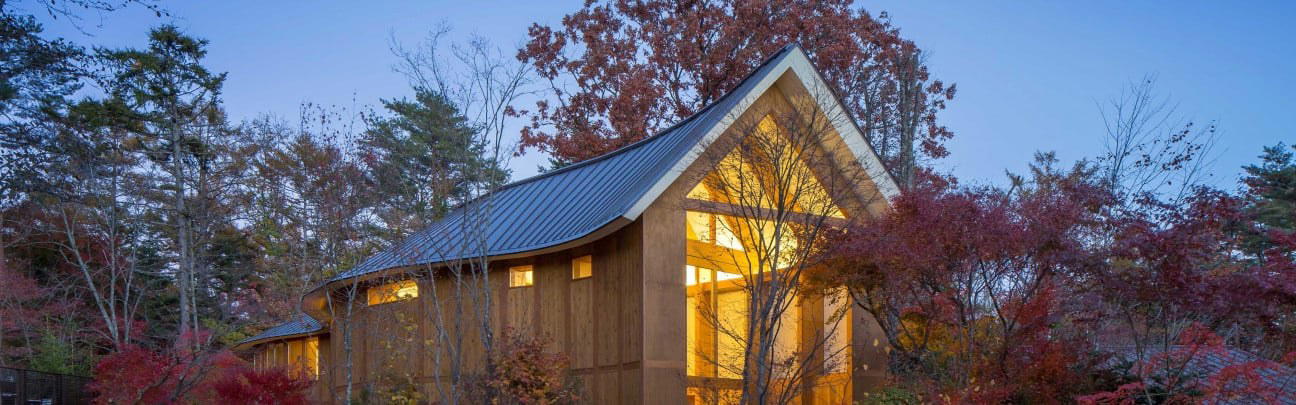
At a Glance
- Intimate
- Modern
- Scenic
- Sophisticated
- Quiet
- Minimalist
- Weekend Escape
- Romantic Getaway
- Wellness Retreat
- Group Retreat
- Anniversary
- Destination Wedding
- Design Destination
- Garden
- Terrace
- Historic Building
- Private Dining
- Panoramic View
- Wi Fi
- Spa
- Concierge
- Mountain
- Garden
- Wi Fi
- Spa
- Concierge
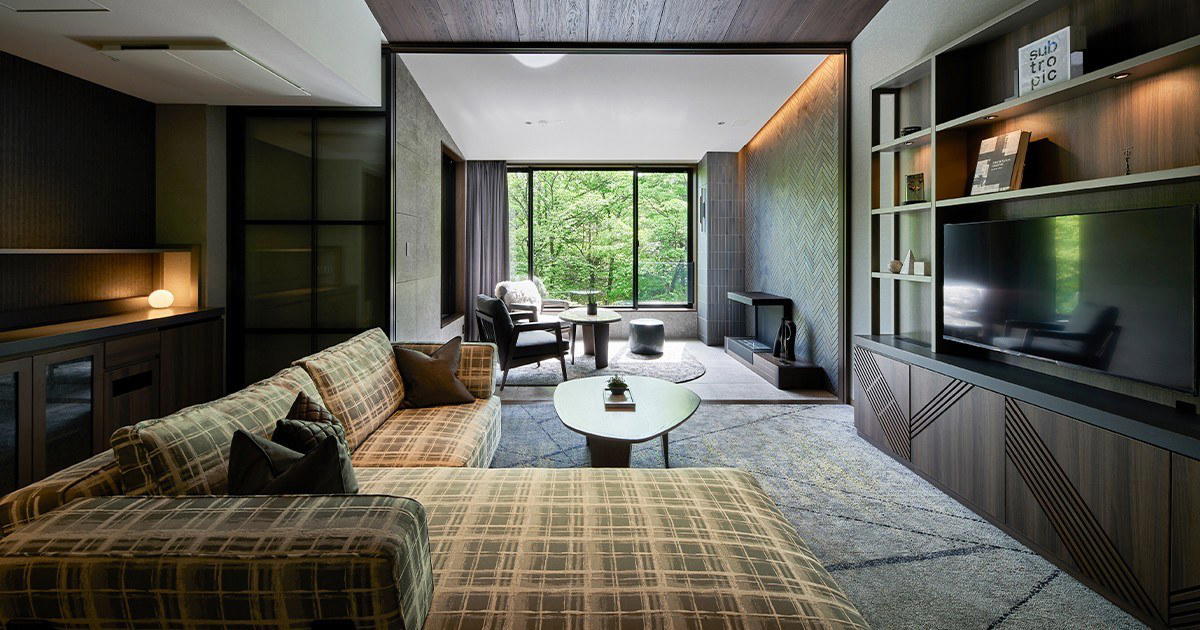
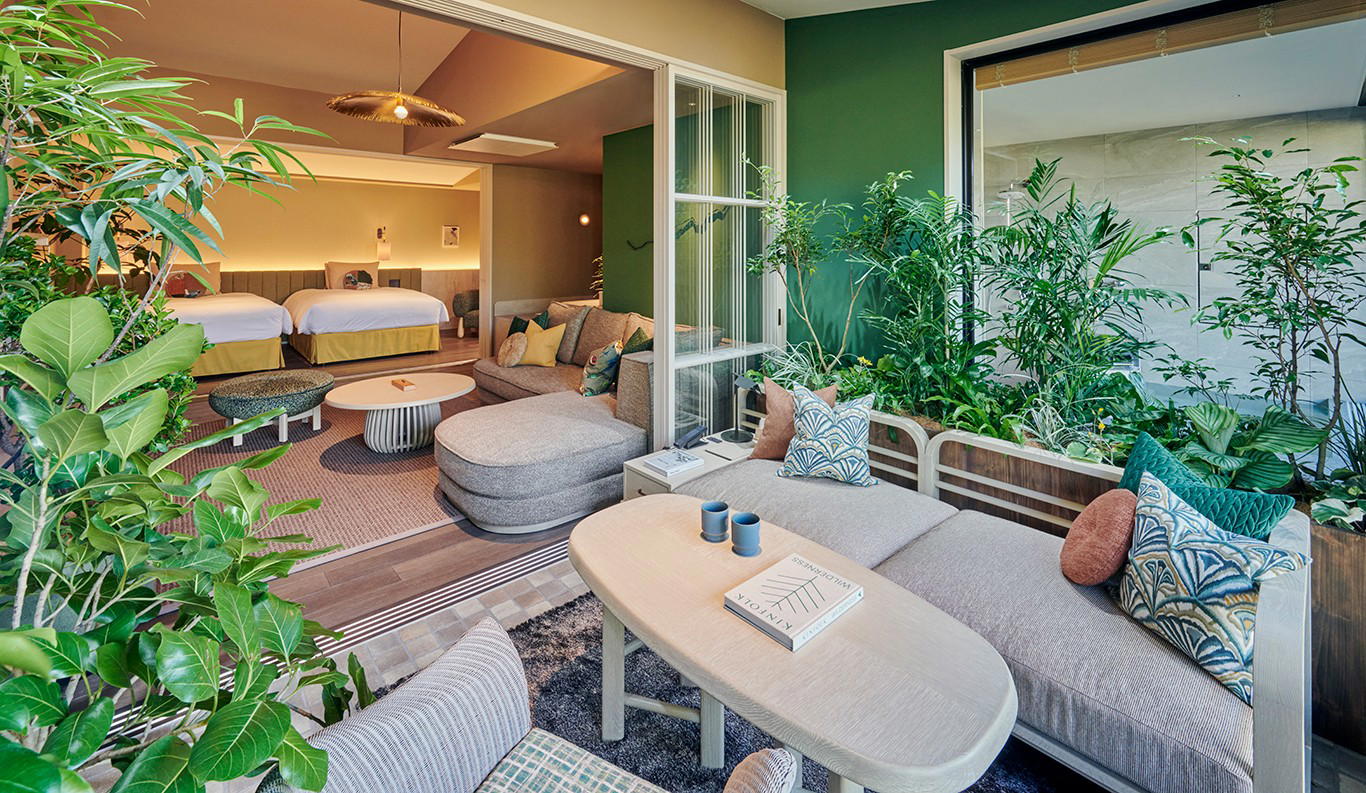
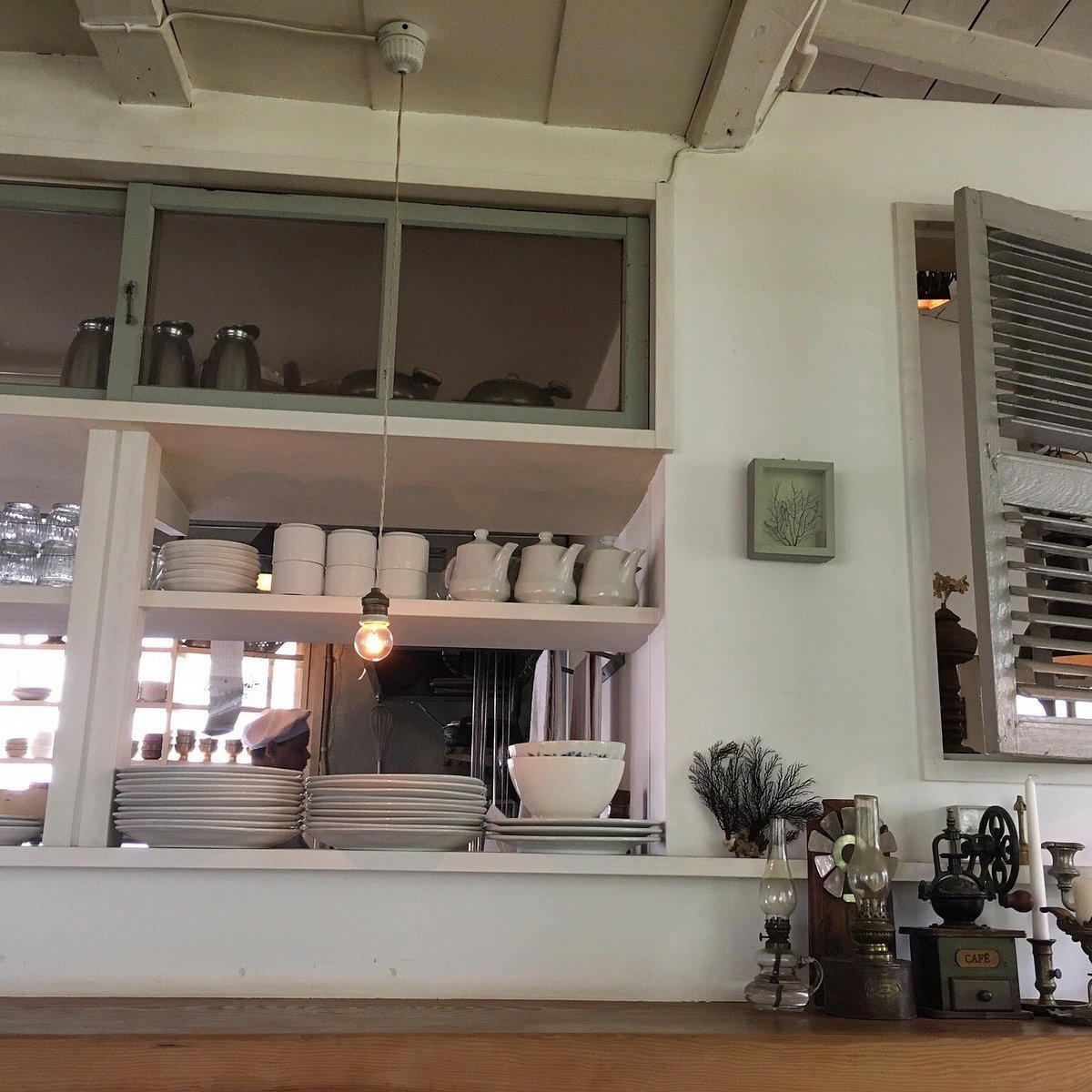
Calm, meditative and design-forward, with warm timber interiors, soft natural light from large windows, and a strong sense of immersion in the surrounding forest, creating a peaceful retreat-like atmosphere rather than a conventional hotel feel.