Our verdict
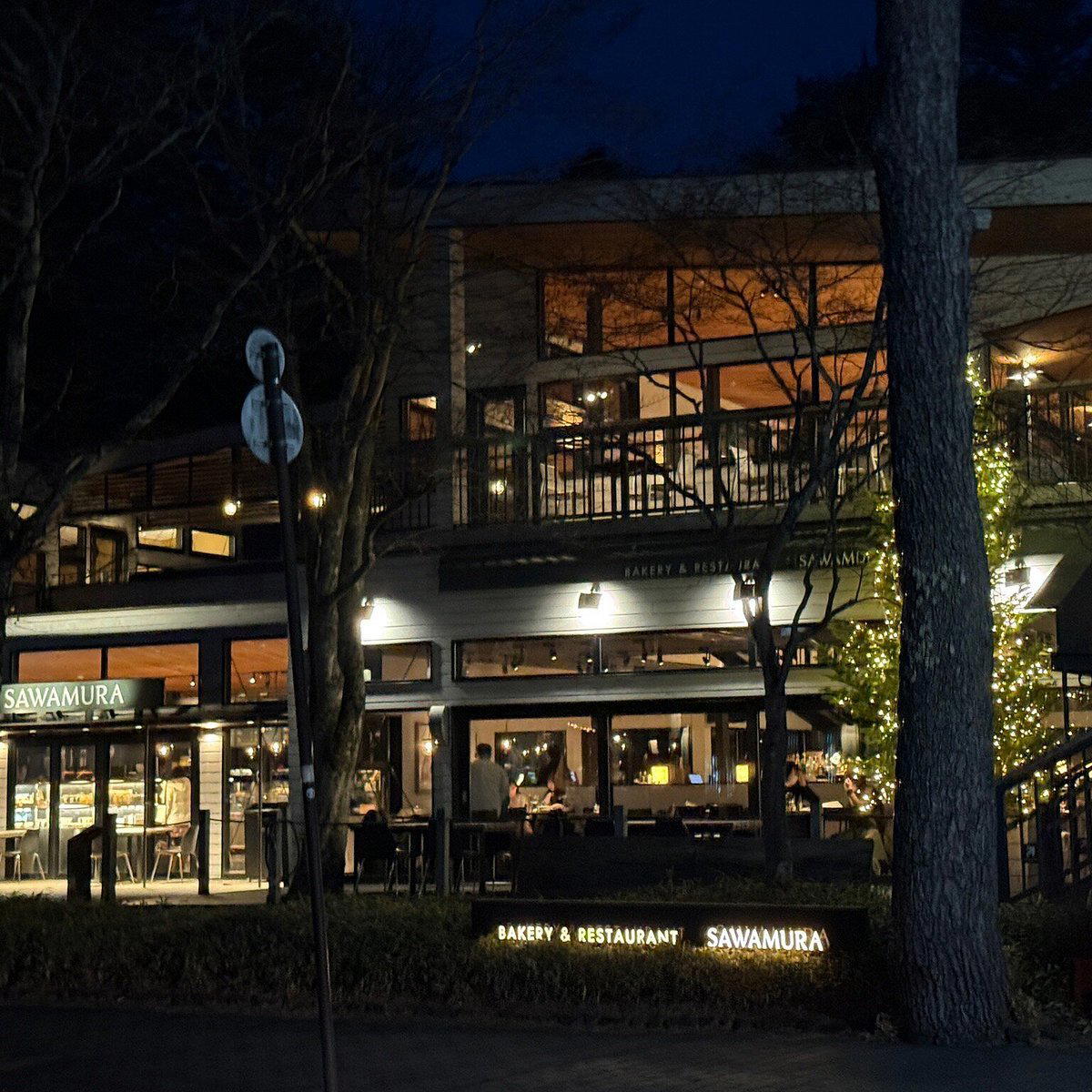
Sawamura brings a European bakery-and-restaurant format to Karuizawa's resort-town rhythm, pairing freshly baked bread with a casual dining menu that draws both weekend Tokyoites and local regulars. The combination of an in-house bakery counter and a sit-down dining room places it in a distinctive category among the town's restaurants, where the ritual of the meal begins at the bread shelf.

Pearl is the En Primeur Club membership app, where members save venues, book tables and use the concierge.
The menu
What to order
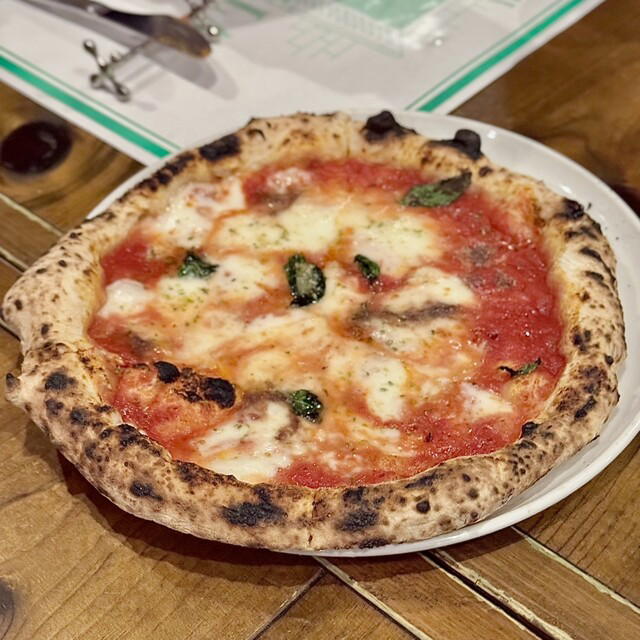
- Karuizawa Neapolitan
- Croissants
- Pain au vin Shinshu
Bread First: How Sawamura Shapes the Meal
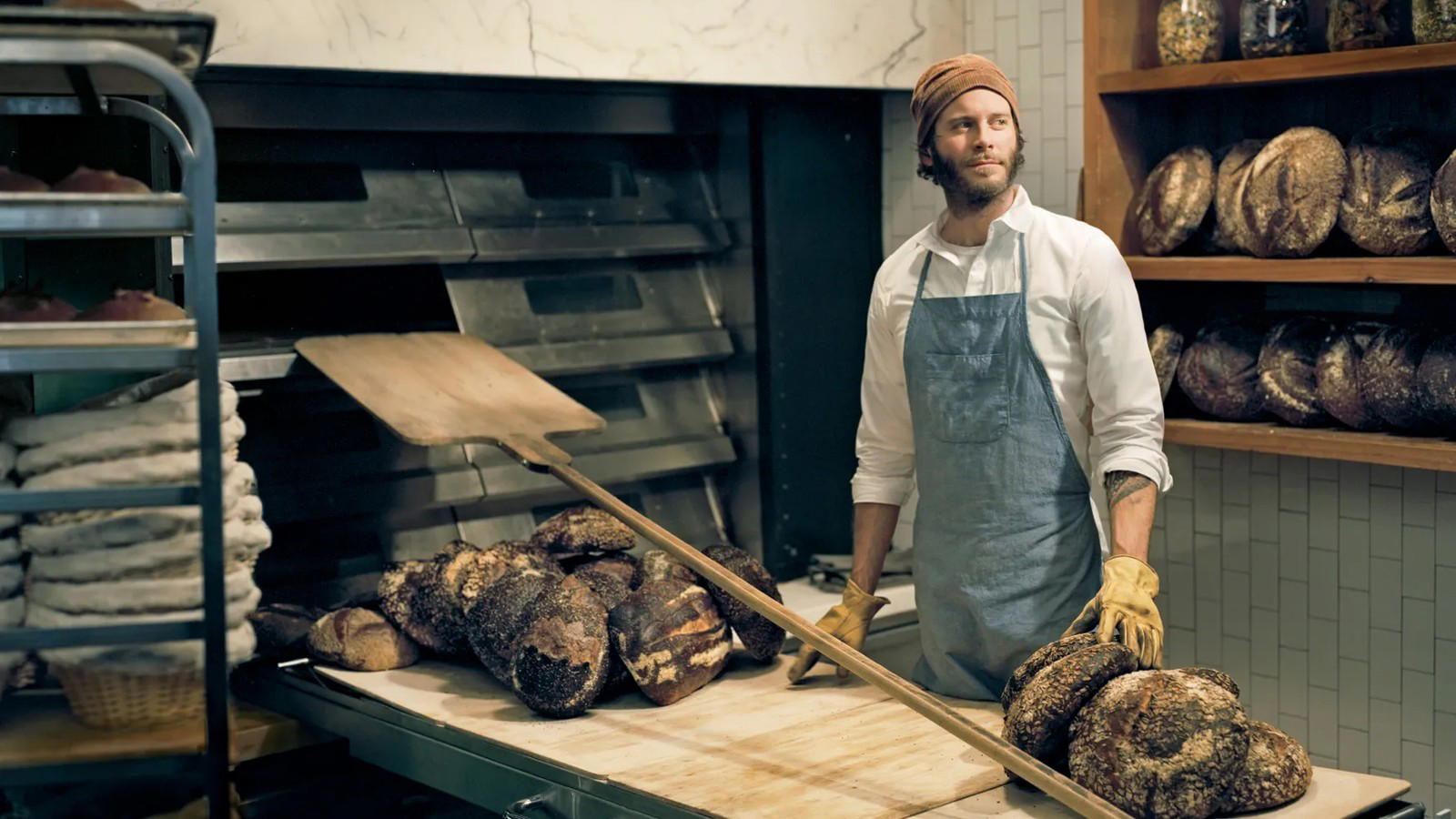
In Karuizawa, the dining ritual often begins before you sit down. At Bakery & Restaurant Sawamura, the convention is to pass through the bakery section on the way in, scanning the day's loaves and pastries before the restaurant menu ever reaches your hands. This ordering of events is not incidental. It reflects a European boulangerie model that has found a particular resonance in Karuizawa, where Tokyo's professional class retreats on weekends and brings with it a set of continental food expectations that the local restaurant scene has adapted to meet over several decades.
The bakery-first format positions Sawamura differently from the other dining options in the town. Where Kawakami-an anchors itself in Japanese soba tradition, and Restaurant Naz operates in the innovative tasting-menu register, Sawamura's model is closer to an all-day European café-restaurant hybrid, one where bread is a structural element of the meal rather than an afterthought. That distinction matters when you are planning how to spend a morning or afternoon in Karuizawa, particularly in the shoulder seasons when the town is neither flooded with summer visitors nor closed down for winter.
The Karuizawa Context: Resort Dining on Its Own Terms
Karuizawa operates on a different clock from Tokyo. The pace is slower by design, and the dining culture reflects that. Restaurants here tend to be destination visits rather than quick stops, and the expectation of lingering over a meal is built into how places are formatted and staffed. Sawamura fits into this rhythm. The combination of a browsable bakery counter and a seated restaurant means you can calibrate the length of your stay, from a short stop for bread and coffee to a longer lunch or dinner. That flexibility is relatively uncommon in a town where most places commit you to a full sit-down experience from the moment you arrive.
The weekend dynamic shifts the equation considerably. Karuizawa swells with visitors from Tokyo on Saturdays and Sundays, particularly from late spring through early autumn, and popular spots fill quickly. Arriving early or visiting on a weekday gives you a different experience of the same place, quieter and more local in character. That seasonal and weekly variation is part of how Karuizawa's restaurant culture works across the board, and Sawamura is no exception. For comparison, Sajiro Caffe and En Boca each attract similar weekend crowds, which makes mid-week visits to any of them a noticeably more relaxed proposition.
The Dining Ritual at Sawamura
The structure of a meal at Sawamura is shaped by the bakery counter as much as by the kitchen. Bread in this format is not a preliminary distraction but an active element of the table, and the European reference point is consistent throughout. This is a model that works well in Karuizawa precisely because the town's visitor base skews toward people who have spent time in Europe and hold a specific set of expectations about what good bread means for the experience of a meal.
Pacing at a bakery-restaurant hybrid like this tends toward the unhurried. You choose bread, you sit, you eat in a way that allows the bakery counter to serve as a kind of social anchor for the experience. It is a format that has become more common in Japan's resort and secondary-city dining scenes over the past decade, as operators have recognised that the theatre of visible baking and a browsable counter creates a different register of hospitality from the conventional restaurant entry. In more formal registers, you can see a comparable attention to ritual pacing at places like Gion Sasaki in Kyoto or HAJIME in Osaka, though those operate at a different price tier and format entirely. The underlying principle, that the structure and sequence of a meal communicates something about the establishment's values, is shared across the spectrum.
Where Sawamura Sits in Japan's Broader Dining Conversation
Japan's premium dining conversation is often centred on Tokyo and the major cities, where Michelin density is high and tasting-menu culture has become its own genre. Karuizawa sits outside that conversation in useful ways. It is a resort town with a distinct dining personality, one shaped by seasonal tourism, by the preferences of a relatively affluent weekend visitor base, and by a local population that has developed its own food culture over time. Sawamura's format is legible within that context in a way it might not be in a denser, more competitive urban environment.
For readers building a wider picture of Japanese dining across regions, the contrast is instructive. Harutaka in Tokyo and Atomix in New York City represent one pole of the formality-and-precision spectrum. akordu in Nara and Goh in Fukuoka show how European technique integrates with Japanese regional identity in mid-size cities. Sawamura operates in a different register entirely, one that prizes accessibility and the informal pleasure of good bread over ceremony, which is precisely what Karuizawa's resort rhythm requires. For a broader map of the town's options, the full Karuizawa restaurants guide gives the clearest orientation across formats and price points.
The regional dining picture extends further. 一本杉 川嶋 in Nanao, 炭火焼肉 in Sapporo, 湖畔荘 in Takashima, 庄羽屋 in Nishikawa Machi, Birdland in Sakai, and Bistro Ange in Toyohashi each demonstrate how Japan's secondary and regional markets have developed distinct dining identities that operate largely independently of the Tokyo conversation. Sawamura's Karuizawa presence is a case study in the same pattern: a format calibrated precisely to its location rather than imported wholesale from an urban model.
Planning Your Visit
Karuizawa is most easily reached from Tokyo via the Hokuriku Shinkansen from Tokyo Station, with journey times around seventy-five minutes depending on the service. The town is compact enough to cover on foot or by bicycle, and Sawamura's location within the resort area makes it a natural stop within a broader day itinerary. Weekday visits between late spring and early autumn give you the leading combination of pleasant weather and manageable crowds. The town's summer peak in July and August brings the highest visitor volumes, which affects wait times at popular spots across the board. Winter visits are possible but require confirming that specific venues are operating, as some close or reduce hours significantly between December and March.
For a meal at Sawamura, the bakery format means the experience scales from a fifteen-minute bread-and-coffee stop to a full sit-down lunch without requiring a change of venue. Booking ahead for the restaurant portion is advisable on weekends, as Karuizawa's visitor patterns are predictable and popular places fill on a reliable schedule. Arriving earlier in the day tends to give you a wider selection from the bakery counter, since popular loaves and pastries can sell through by early afternoon on busy days.
Frequently asked questions
How does Bakery & Restaurant Sawamura differ from a standard Tokyo bakery-café?
Sawamura operates in Karuizawa rather than Tokyo, which changes the context considerably. Resort-town pacing means the meal is structured for longer stays rather than quick urban turnover, and the restaurant component sits alongside the bakery as a full dining format rather than a counter-service add-on. That combination, a production bakery feeding a sit-down restaurant in a mountain resort, is uncommon in Japan's dining geography outside the major cities.
What dish is Bakery & Restaurant Sawamura famous for?
Sawamura's reputation in Karuizawa is built on its bread. The bakery section operates as a destination in its own right, and the bread produced there carries through into the restaurant meal, it is not a side item but a structural element of how the dining experience is arranged. Specific loaves and pastries vary by season and availability.
Should I book Bakery & Restaurant Sawamura in advance?
Karuizawa draws significant weekend and holiday traffic from Tokyo, roughly seventy-five minutes away on the Hokuriku Shinkansen. During peak resort seasons, summer and autumn in particular, Sawamura sees high footfall both at the bakery counter and in the restaurant. Booking ahead for the restaurant is advisable; the bakery counter operates on a first-come basis and popular items sell out.
What's Bakery & Restaurant Sawamura best at?
The format that defines Sawamura is the integration of a working bakery into a sit-down restaurant in a resort town that otherwise skews toward either casual cafes or formal Japanese dining. That positioning, neither purely a bakery nor a conventional restaurant, gives it a distinct place in Karuizawa's dining options. The bread-first approach is what most visitors come for.
Can Bakery & Restaurant Sawamura handle vegetarian requests?
Bakery-anchored restaurants in Japan generally offer vegetarian-friendly options through their bread, pastry, and vegetable-forward dishes, and Sawamura's format lends itself to that.
Is Bakery & Restaurant Sawamura worth it?
For visitors making the trip from Tokyo to Karuizawa, Sawamura offers something the capital's dense restaurant scene does not replicate easily: a slower-paced meal built around serious bread in a resort setting. Whether it merits a standalone trip depends on your expectations, but as a dining anchor for a Karuizawa weekend, its format holds up. No Michelin or major award data is currently listed for the venue.
When is the best time to go to Bakery & Restaurant Sawamura?
Karuizawa peaks in summer (July to August), when Tokyo residents use it as a retreat, and in autumn when the foliage draws visitors. Both periods bring the heaviest demand at Sawamura. Arriving early in the day gives access to the widest bread selection before it depletes, and weekday visits are generally less pressured than weekends throughout the year.
Cuisine and Awards Snapshot
| Venue | Cuisine | Price | Awards |
|---|---|---|---|
| Bakery & Restaurant SawamuraThis venue (the venue you are viewing) | Japanese-Style Western Bakery & Cafe | $30–50 | Not listed |
| Restaurant Naz | Innovative Japanese with Nordic Techniques | $300–500 | La Liste Top Restaurants · Tabelog Gold #18 |
| Sajiro Caffe | Nepalese-Indian Curry Cafe | $10–20 | Not listed |
| Kawakami-an | Authentic Shinshu Soba & Duck Specialties | $20–30 | Not listed |
| En Boca | Wood-Fired Vegetable Pizza | Not listed | Not listed |
Continue exploring
More in Karuizawa
Restaurants in Karuizawa
All restaurants in Karuizawa →
Hotels in Karuizawa
All hotels in Karuizawa →
Wineries in Karuizawa
Browse all →

Details
- Cozy
- Classic
- Scenic
- Brunch
- Casual Hangout
- Open Kitchen
- Terrace
- Sake Program
- Local Sourcing
- Garden
- A La Carte
- Coffee
- Wine
- Vegetarian Friendly
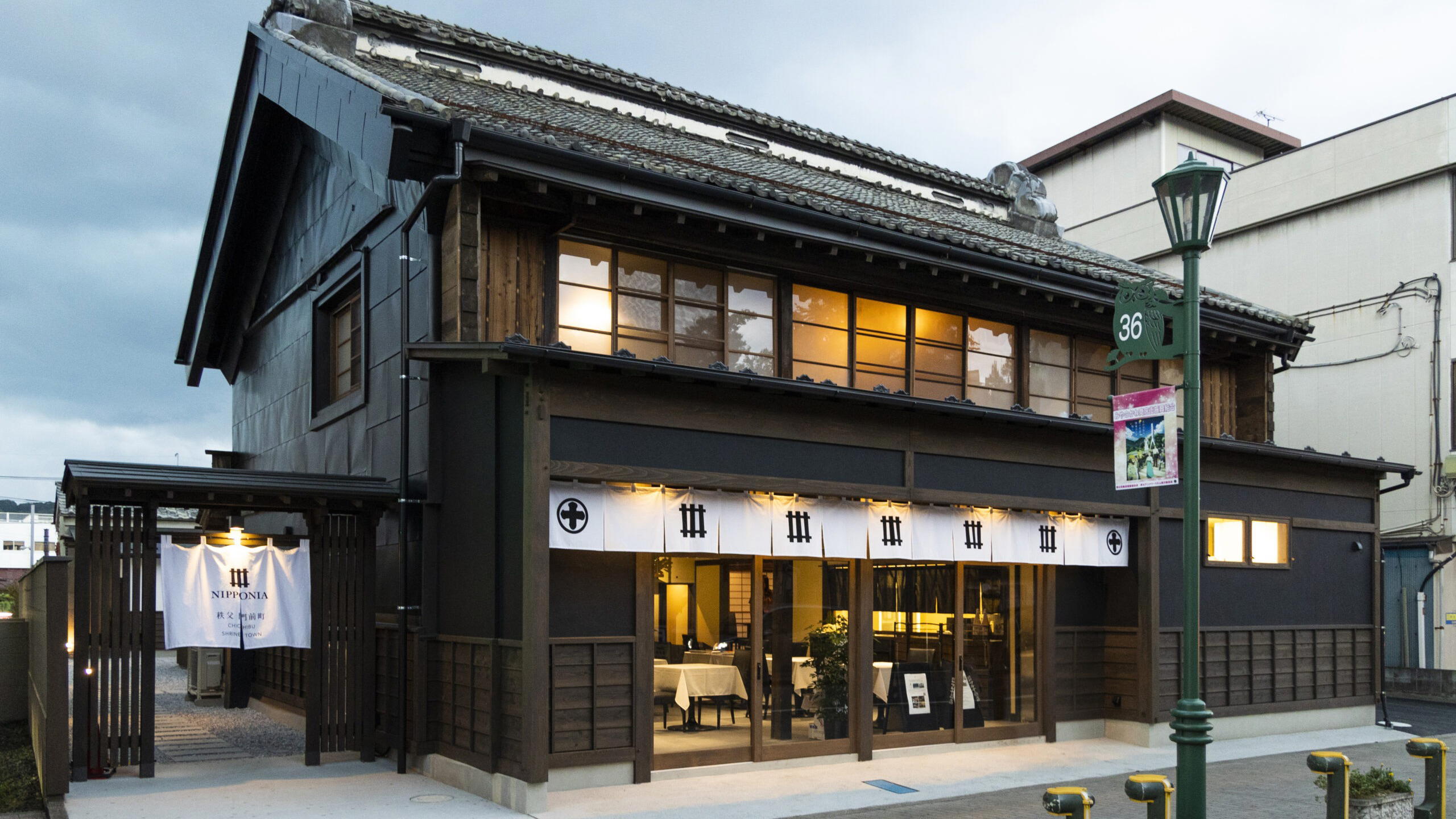
Calm and spacious atmosphere with natural light, blending cozy bakery charm and elegant restaurant seating across two floors.