
Michelin Selected
Hoshinoya Karuizawa occupies a forested river valley in Nagano's highland resort town, where the Hoshino Group's architecture-led approach shapes an immersive retreat around hot spring water and native woodland. The property sits within a broader premium tier that prioritises site-specific design over branded uniformity, placing it in a distinct competitive set among Japan's leading nature-integrated resorts.

Pearl is the En Primeur Club membership app — saves, bookings, and concierge access live there. Same editors, same standards.
- Address
- 星野, Karuizawa, Kitasaku District, Nagano 389-0111, Japan
- Phone
- +81 50 3134 8091
- Website
- hoshinoresorts.com
- Directions
- Get directions
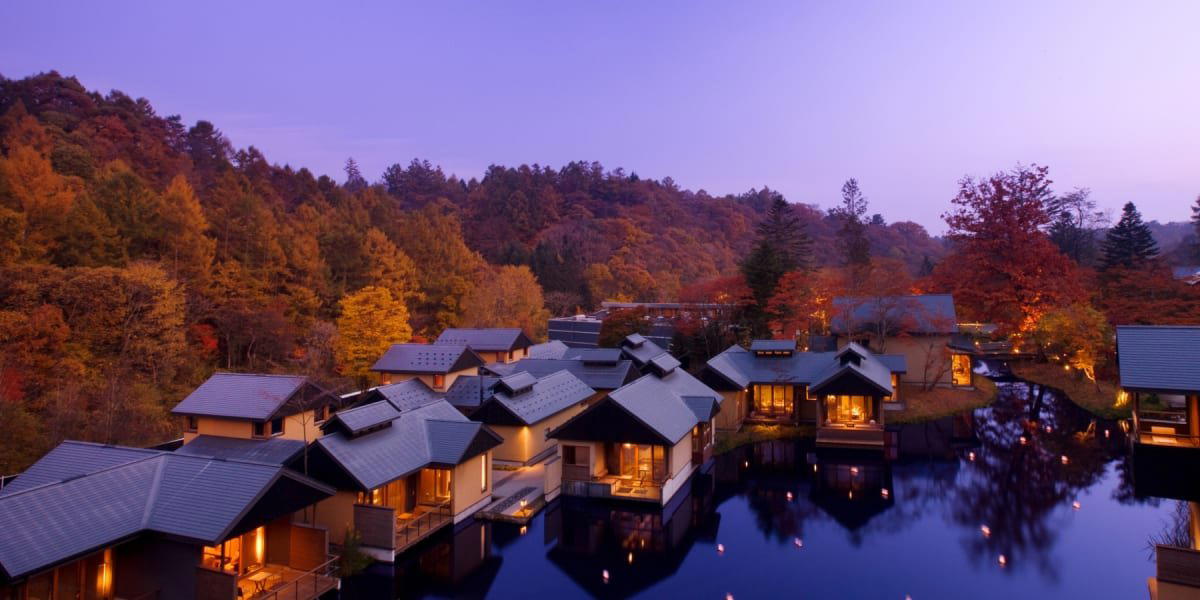
Where the Forest Sets the Terms
Karuizawa's reputation as Japan's premier highland escape was built over more than a century, first by foreign missionaries seeking cooler summers, then by Tokyo's cultural and business elite who made the shinkansen-accessible plateau their preferred weekend address. Within that context, the resort town has split across two distinct hospitality registers: the villa-and-golf-club model that has anchored the area since the Meiji era, and a newer wave of design-led properties that use the surrounding birch forest and volcanic river valley as primary architectural material. Hoshinoya Karuizawa belongs firmly to the second category, and has done so since the Hoshino Group redeveloped the site into what became the flagship expression of its Hoshinoya brand.
The property sits along the Yukawa River in a valley dense with konara oak and birch, and the approach from the main road already signals the architectural intention: the built environment recedes wherever possible. Low-slung pavilion structures follow the river's edge rather than commanding it. Materials are calibrated to weather and age into the surroundings rather than assert themselves against them. This approach to site-specific design, where the terrain dictates form rather than accommodating it, has become something of a reference point for how premium Japanese resorts position themselves against the international luxury hotel model.
Architecture as the Programme
Hoshinoya Karuizawa's design language deserves examination as a category statement, not just a property feature. Japanese resort architecture at the premium tier has moved through several phases over the past two decades: the ryokan-revival period that leaned on historic aesthetic codes, an international modernist phase imported through global hotel groups, and a more recent school that attempts to synthesise both. The Hoshinoya brand, of which Karuizawa is the original, represents a particular answer to that synthesis, where contemporary construction methods and spatial planning are subordinated to a reading of the specific landscape.
The village-like cluster of accommodation units, connected by covered walkways above the river, is the defining spatial gesture. Rather than a central lodge with radiating rooms, the layout asks guests to move through the landscape to reach amenities, making the forest itself part of the daily spatial experience. That decision has design consequences that filter through the entire stay: sound, light, and temperature shift between interior and exterior in ways that a conventional corridored hotel would eliminate.
Within Karuizawa itself, the comparison set is instructive. SHISHI-IWA-HOUSE Karuizawa operates at the smaller, more curated end of the design-hotel spectrum, with Shigeru Ban's architecture generating a very different spatial proposition. Fufu Karuizawa Wind in the Sunshine and Fufu Kyu-Karuizawa Restful Forest occupy a softer, more conventional luxury register. Hoshinoya sits between the architect-signature intensity of SHISHI-IWA-HOUSE and the resort-comfort orientation of the Fufu properties, offering a design-led experience at greater scale than the former without compromising the site-integration principles that distinguish it from the latter.
Hot Springs and the Thermal Logic of the Property
The Yukawa River valley produces the onsen water that feeds the property's communal and private bathing facilities, and this geological fact is not incidental to the architecture. The thermal infrastructure is woven into the spatial programme in ways that make the hot spring as much an environmental condition as an amenity. Outdoor bathing areas are positioned to engage the forest sightlines. The relationship between hot water and cold air, particularly pronounced in the highland autumn and winter, becomes a structured sensory condition that the architectural planning anticipates rather than merely accommodates.
This approach to thermal integration sits within a broader Japanese resort tradition. Properties like Gora Kadan in Hakone and Asaba in Izu have long made the onsen the organisational logic of the guest experience, with architecture, programme, and food all arranged around bathing culture. Zaborin in Hokkaido extends this to a snow-country context. Hoshinoya Karuizawa operates in this tradition while inflecting it through the specific forest-and-river environment of the Nagano highlands.
Karuizawa's Position in Japan's Premium Resort Circuit
For travellers building an itinerary across Japan's premium ryokan and resort tier, Karuizawa functions as the accessible highland entry point within two hours of Tokyo by shinkansen from Ueno or Tokyo stations. That proximity places it in a different planning logic than more remote properties. ENOWA Yufu in Yufu, Araya Totoan in Kaga, and Nishimuraya Honkan in Kinosaki-cho each require more committed travel. Karuizawa, by contrast, functions as a long weekend destination reachable without a domestic flight, which shapes both its guest profile and its booking patterns.
The broader Japanese luxury hotel circuit also includes urban properties with a fundamentally different spatial proposition. Bvlgari Hotel Tokyo and HOTEL THE MITSUI KYOTO operate on city-hotel logic, where the architecture engages an urban fabric rather than a forest valley. Hoshinoya Karuizawa's value is precisely the inverse proposition: removal from that urban logic into a landscape that the architecture has been designed to make legible. For travellers whose itinerary includes one of the urban properties alongside a nature retreat, the Karuizawa property is among the most geographically efficient options from Tokyo.
For those extending across other regions, properties such as Halekulani Okinawa, Jusandi in Ishigaki, Sekitei in Hatsukaichi-shi, Azumi Setoda in Onomichi, Atami Izusan Karaku in Atami, and ANA InterContinental Beppu Resort & Spa represent the geographic breadth of Japan's premium accommodation tier. Fufu Kawaguchiko and Fufu Nikko complete the Fufu network for those comparing forest-and-mountain properties across different highland settings. Our full Karuizawa restaurants and hotels guide covers the broader destination context.
Planning the Stay
Karuizawa's highland climate means the property reads differently by season. The birch forest turns in late October and early November, making autumn the most photographed period and also the most competitive for reservations. Summer draws the traditional Tokyo escape crowd seeking relief from lowland humidity, while winter brings a quieter, colder version of the landscape that suits the onsen programme most directly. Direct shinkansen service from Tokyo to Karuizawa station runs in under ninety minutes on the Hokuriku Shinkansen, with the property requiring transport from the station. Booking lead times for peak autumn weekends tend to extend well beyond the standard advance window, and the property's village-format accommodation means that room categories vary meaningfully by position relative to the river and forest cover.
Side-by-Side Snapshot
| Venue | Cuisine | Price | Awards |
|---|---|---|---|
| Hoshinoya KaruizawaThis venue — the venue you are viewing | This venue | $750–1,000 | Michelin Selected |
| Fufu Karuizawa Wind in the Sunshine | Michelin 1 Key | $500–750 | 1 Michelin Key |
| Fufu Kyu-Karuizawa Restful Forest | Michelin 1 Key | $500–750 | 1 Michelin Key |
| SHISHI-IWA-HOUSE Karuizawa | Michelin 1 Key | $300–500 | 1 Michelin Key · Mr & Mrs Smith Seal of Approval |
Recognition history
Dated appearances from independent guides and award organizations, with the underlying list record or original source where available.
Michelin Selected
Michelin
Continue exploring
More in Karuizawa
Hotels in Karuizawa
Browse all →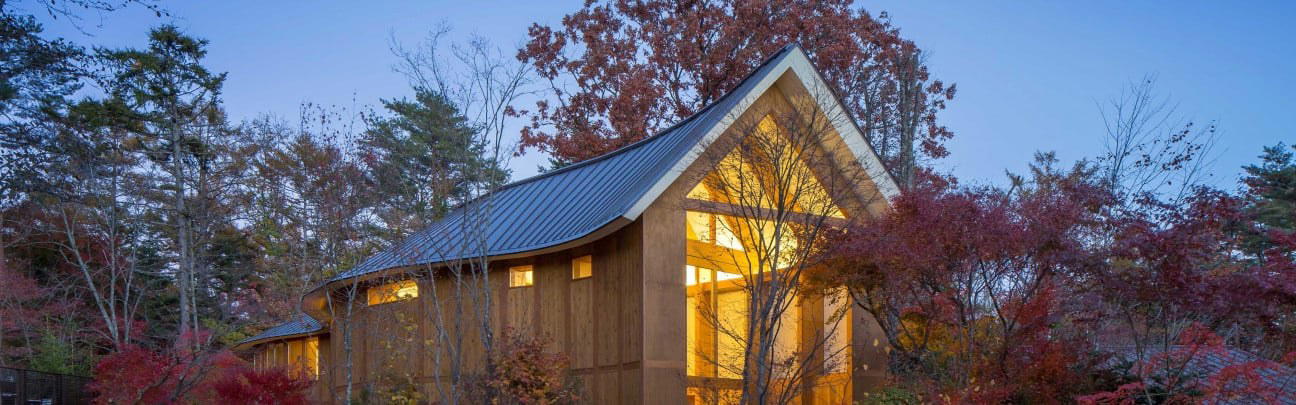
Restaurants in Karuizawa
Browse all →
Wineries in Karuizawa
Browse all →

Details
- Romantic
- Quiet
- Scenic
- Elegant
- Minimalist
- Intimate
- Romantic Getaway
- Wellness Retreat
- Anniversary
- Family Vacation
- Private Villa
- Garden
- Terrace
- Panoramic View
- Destination Spa
- Historic Building
- Design Destination
- Spa
- Restaurant
- Kids Club
- Concierge
- Room Service
- Garden
- Mountain
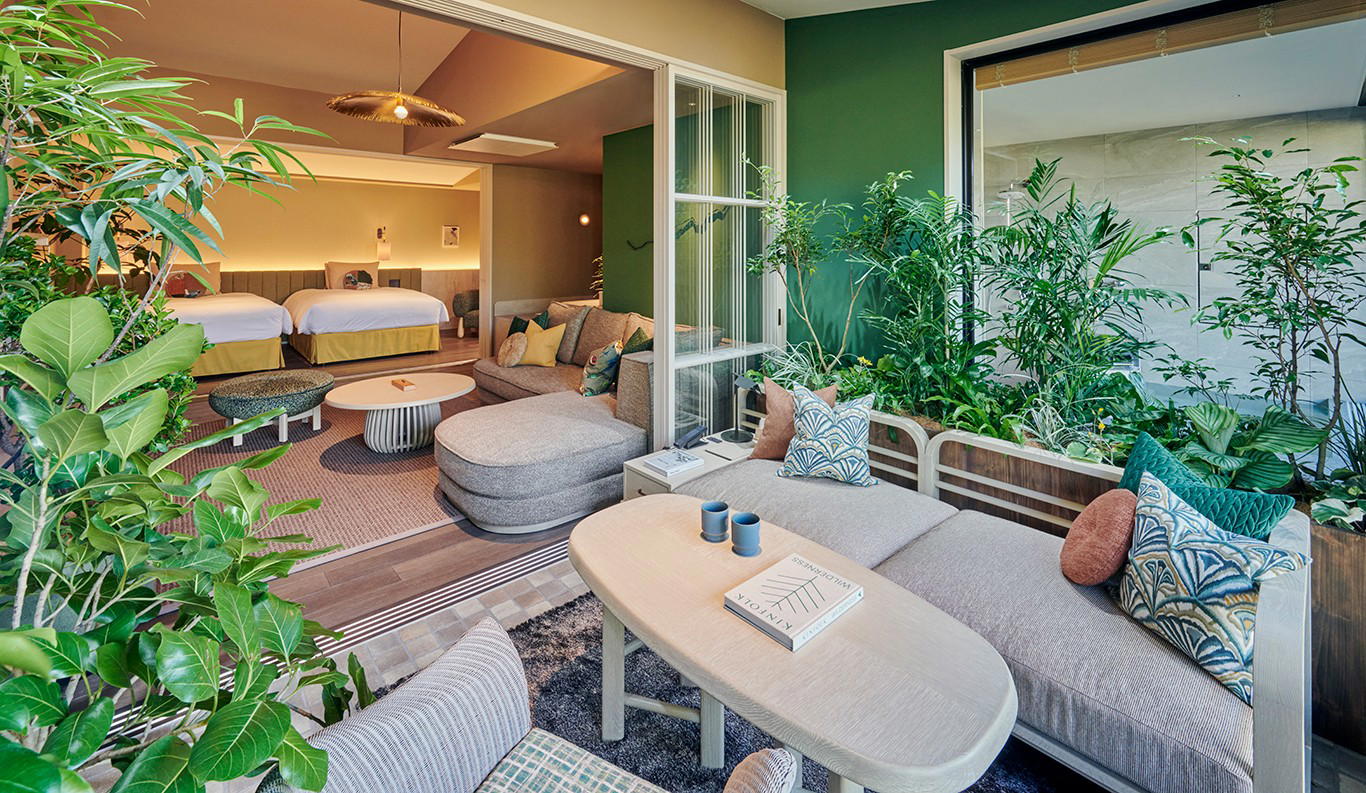
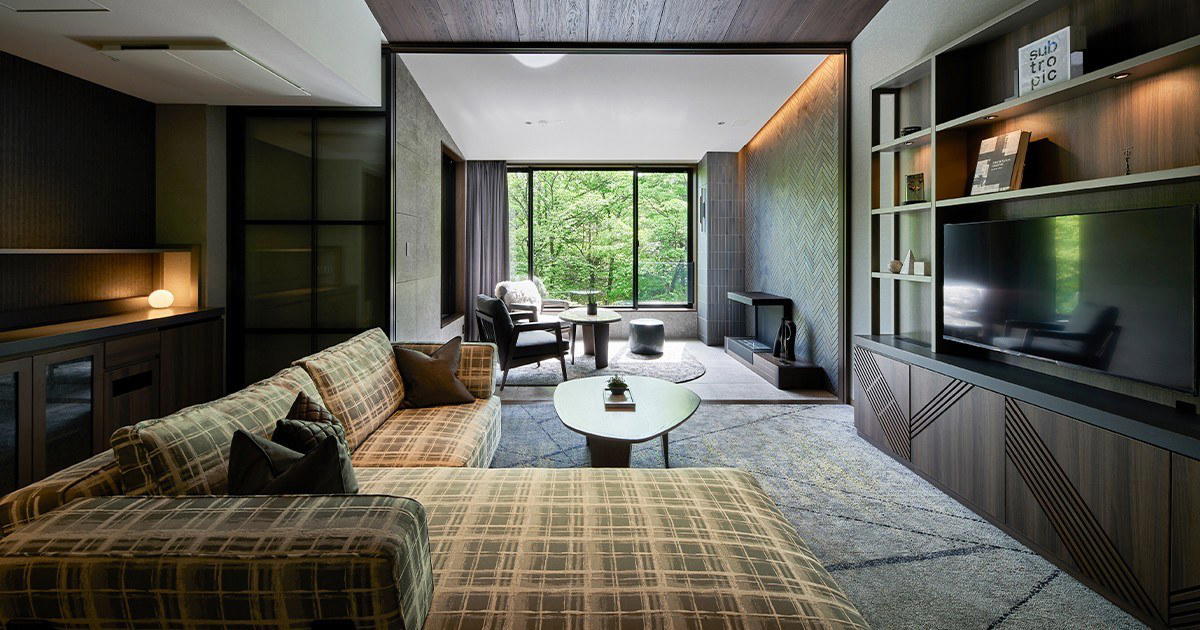
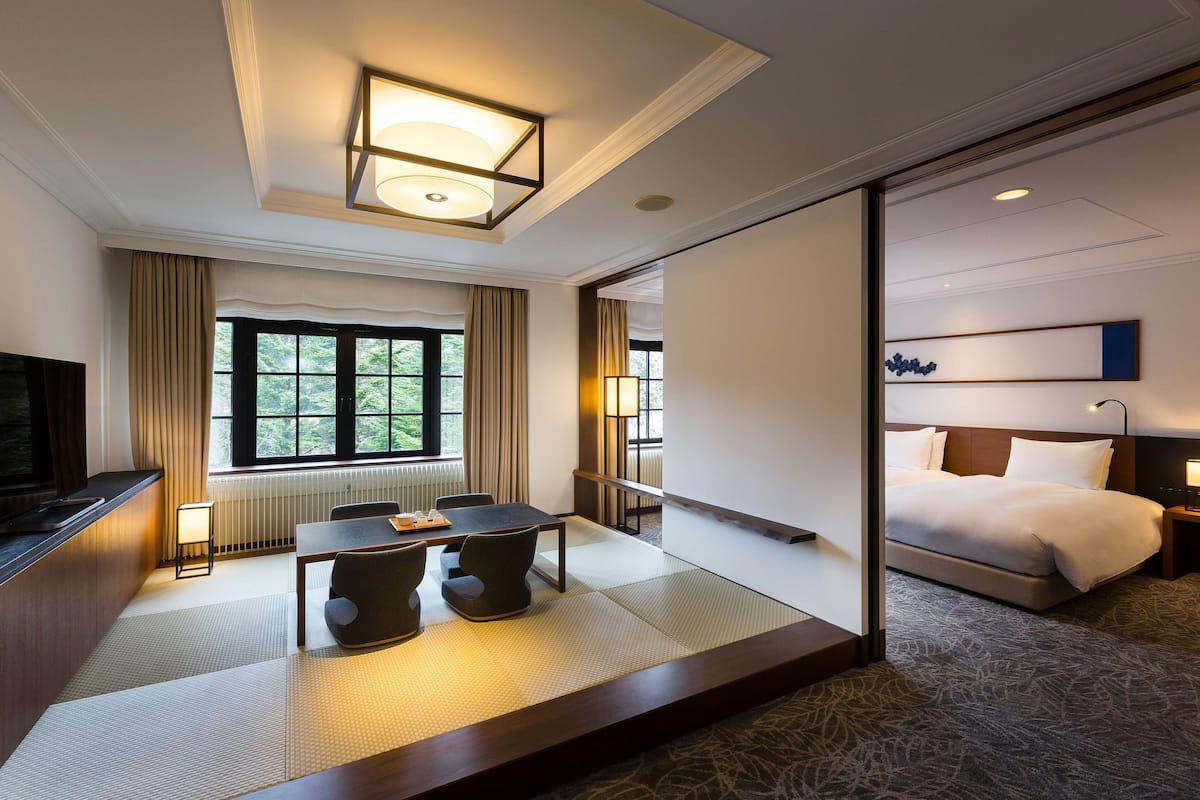
Serene and tranquil with natural lighting from expansive terraces, emphasizing connection to the surrounding forest and water features through minimalist, refined interiors that evoke traditional ryokan aesthetics.