



1 Michelin Key · Mr & Mrs Smith Seal of Approval · Tablet Hotels Best New Hotel Designs (Asia)
Three architecturally distinct houses by Pritzker laureates Shigeru Ban and Ryue Nishizawa sit in the forested hills above Karuizawa, an hour from Tokyo by shinkansen. Thirty-three rooms across Western and tatami configurations, a Michelin one-key rating (2024), and a French-Japanese restaurant drawing on Nagano's seasonal produce place this well outside the standard resort category. Tatler named it among Asia-Pacific's best hotels in 2025.

Pearl is the En Primeur Club membership app — saves, bookings, and concierge access live there. Same editors, same standards.
- Address
- 2147-768 Nagakura, Karuizawa, Kitasaku District, Nagano 389-0111
- Phone
- +81 267-31-6658
- Website
- shishiiwahouse.jp
- Directions
- Get directions
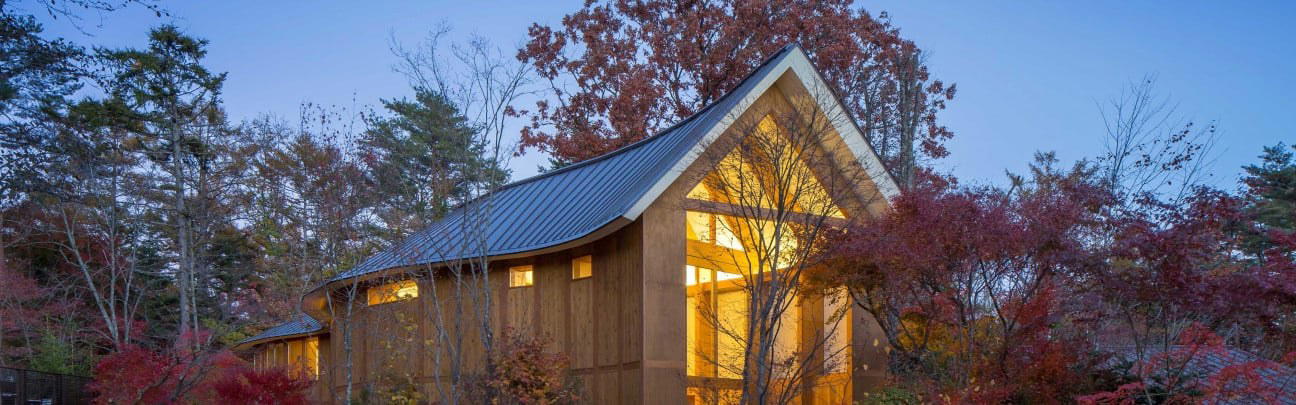
Where the Forest Becomes the Architecture
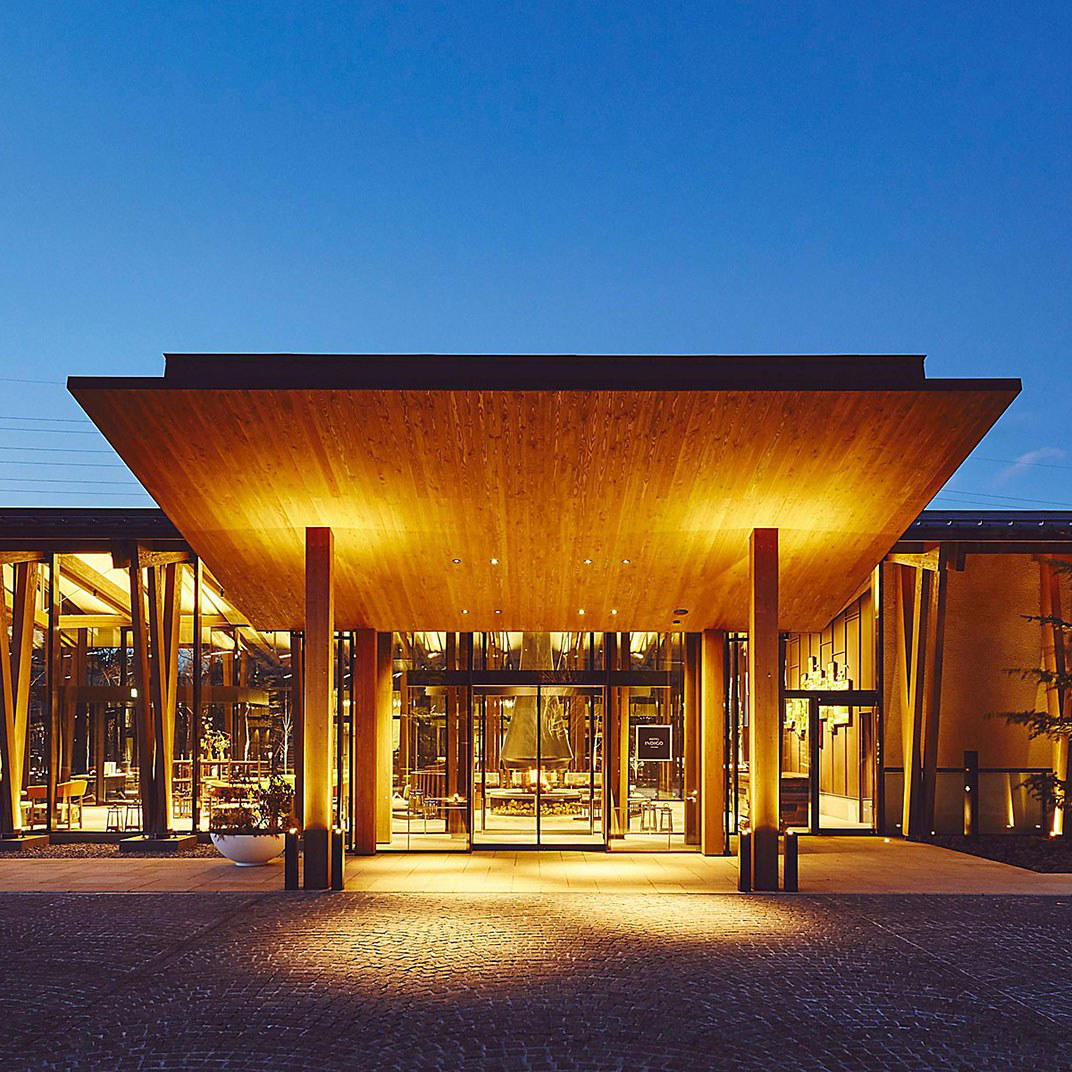
Karuizawa has served as Tokyo's highland release valve for well over a century, drawing the capital's creative and moneyed classes into the Kitasaku district's cedar-dense hills since the Meiji era. The elevation, the cooler air, and the enforced distance from the city have always been the point. What has changed, in recent years, is what greets guests when they arrive. The standard resort formula of large lobbies and amenity lists has given way, in certain properties here, to a more precise argument: that the landscape itself is the amenity, and that architecture is the most honest way to frame it.
SHISHI-IWA-HOUSE makes that argument more literally than most. The property is not one building but three separate houses, each commissioned from architects operating at the discipline's highest level. Shigeru Ban and Ryue Nishizawa, both Pritzker Prize recipients, designed the structures. The Pritzker is architecture's closest equivalent to a Nobel, and having two winners shape a single small property in the Nagano hills is a credential that few hospitality projects anywhere can match. Tatler recognised the result by including SHISHI-IWA-HOUSE in its Leading Hotels Asia-Pacific 2025 list, and the property holds a Michelin one-key designation from 2024, the guide's rating for hotels where the stay itself is considered worth a journey.
What an Hour from Tokyo Actually Delivers
The shinkansen from Tokyo to Karuizawa runs in under seventy minutes, which makes this one of the more accessible high-altitude escapes in Japan. That proximity shapes what SHISHI-IWA-HOUSE can be: it draws heavily on the capital for its guests while offering an environment that Tokyo's density makes structurally impossible. Forest bathing, serious hiking across the surrounding plateau, and the particular quiet of a Nagano woodland are all within reach of the houses themselves.
Among Karuizawa's premium options, the property occupies a specific position. Hoshinoya Karuizawa has long anchored the area's ryokan-inflected luxury tier, and properties like Fufu Karuizawa Wind in the Sunshine and Fufu Kyu-Karuizawa Restful Forest bring a warmer, more traditional sensibility. SHISHI-IWA-HOUSE cuts a different silhouette: its identity is explicitly architectural and contemporary, positioning it closer to properties like Benesse House on Naoshima, where staying and engaging with serious design are inseparable acts, than to the conventional onsen resort category.
For a broader view of what Karuizawa's dining and accommodation scene currently offers, the EP Club Karuizawa guide maps the full range across the district.
Thirty-Three Rooms Across Three Houses
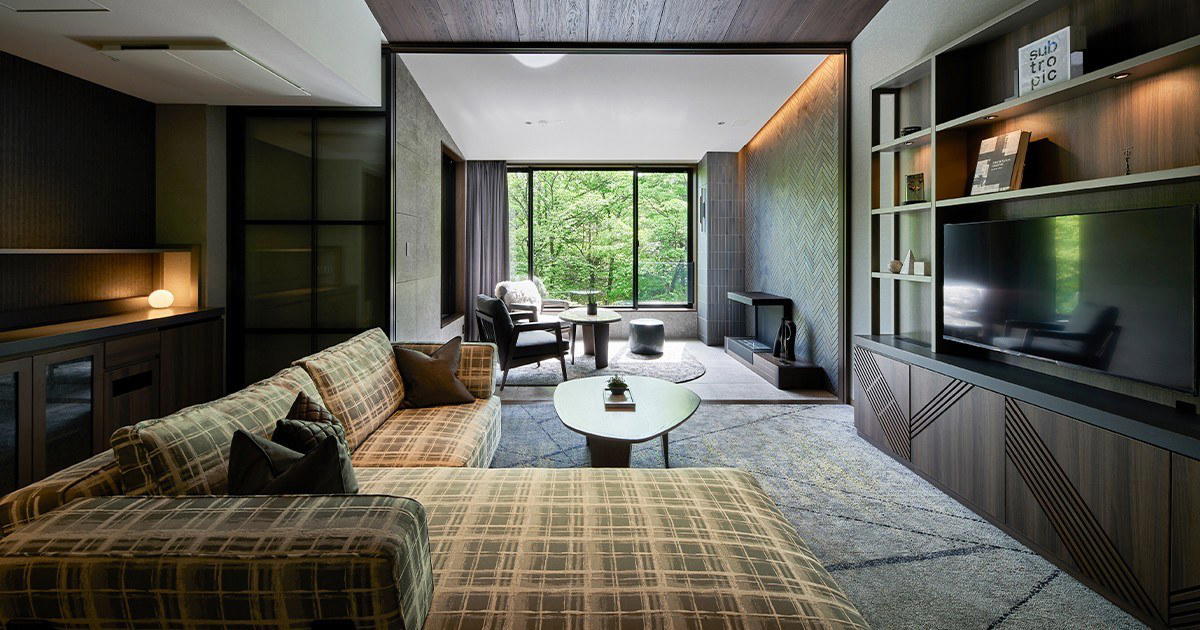
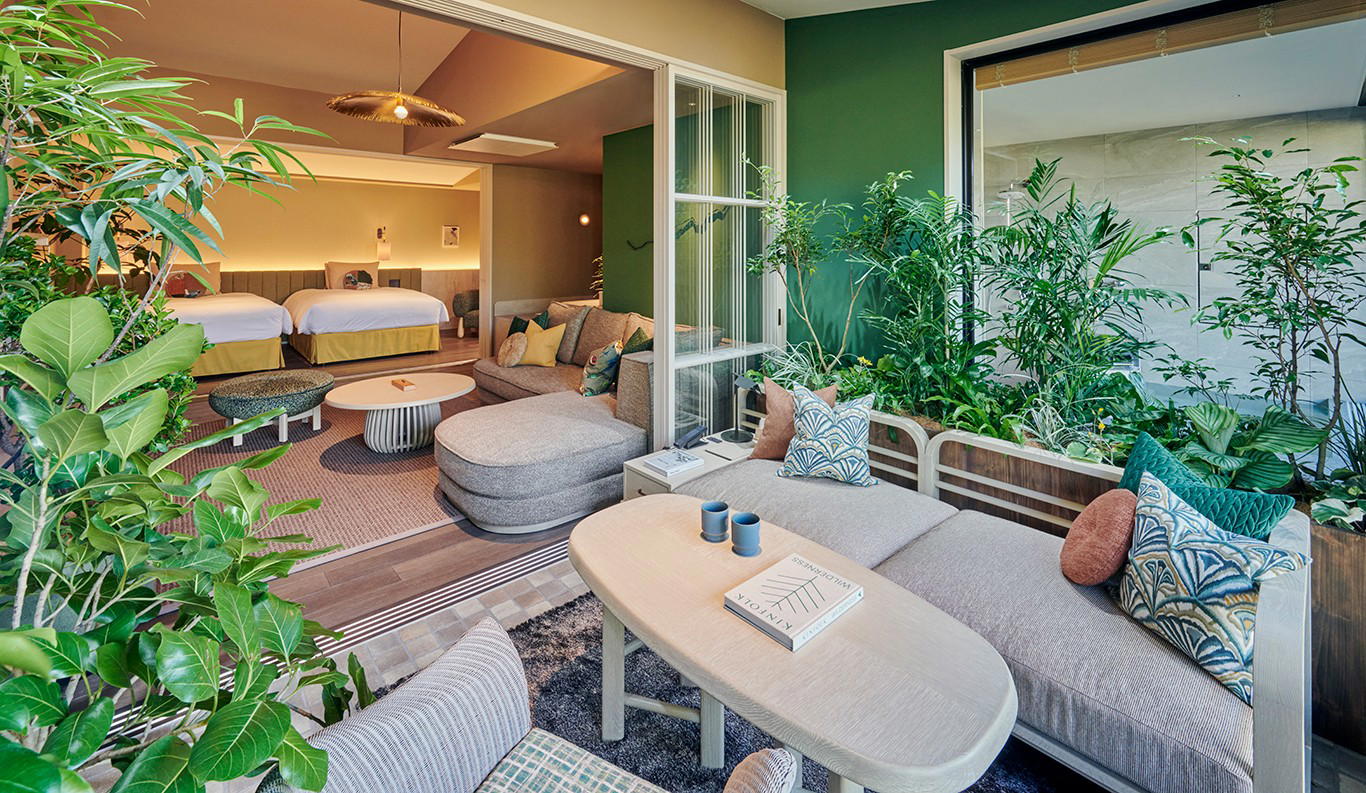
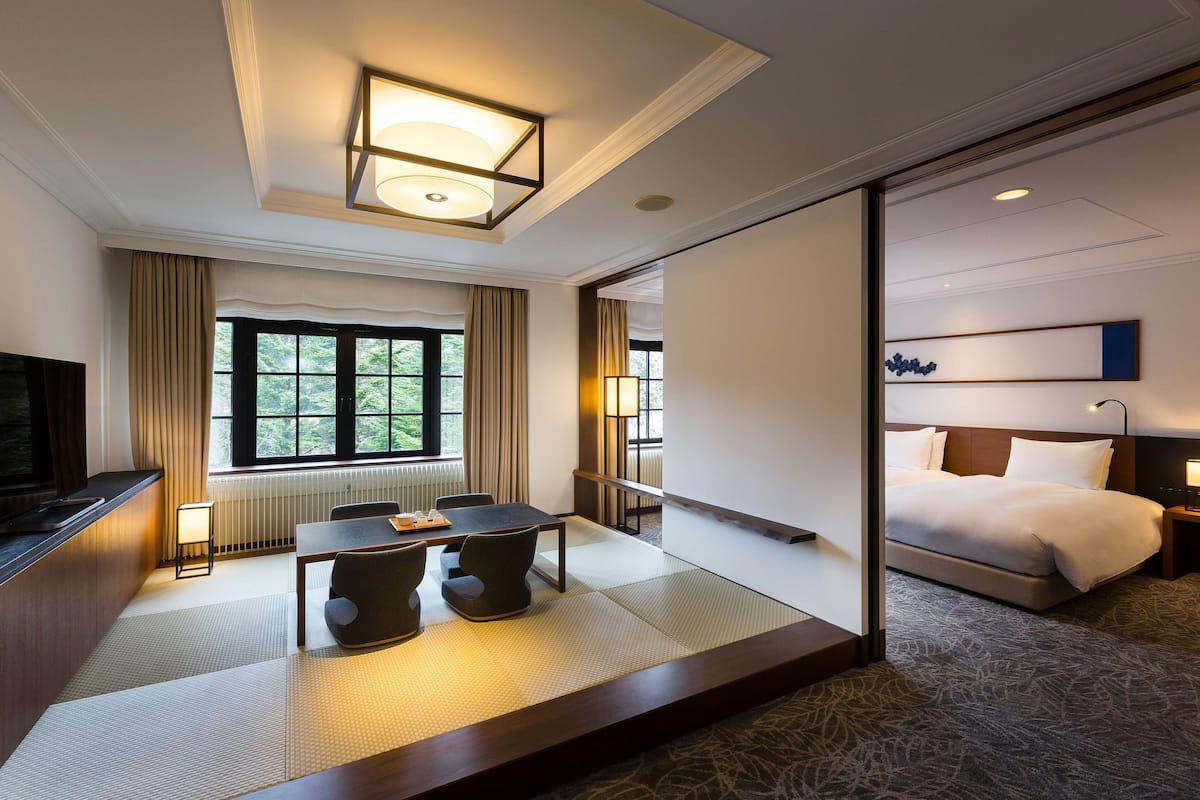
The 33 rooms are distributed across the three houses, with options in both Western and tatami formats. That split reflects a deliberate positioning: the property does not force a choice between the international guest's comfort expectations and the Japanese spatial tradition. Tatami rooms, with their floor-level sleeping arrangements and measured proportions, represent the more architecturally specific experience; the Western configurations allow the architecture to read differently, with different furniture sightlines and a different relationship to the forest framing outside each window.
The nightly rate at comparable properties in Japan's design-led tier, from Zaborin in Hokkaido to ENOWA Yufu in Oita, tends to run considerably higher, which makes this entry point relatively accessible for the category.
Shola: French-Japanese in the Nagano Forest
Japan's French-Japanese culinary tradition runs deep, with a generation of chefs who trained in France returning to build restaurants around local ingredients and Japanese structural precision. Shola, the property's restaurant, sits within that lineage. Chef Masashi Okamoto's menu draws on local and seasonal Nagano produce, working in the French-Japanese format that blends European technique with the discipline of Japanese ingredient sourcing.
An on-site restaurant at a design-led property in this tier could easily function as an afterthought, a convenience for guests who don't want to travel to town. Shola's Michelin recognition suggests it operates as something more purposeful than that. The cuisine earns its place in the broader context of Japan's regional French-Japanese kitchens, a category that includes some of the country's most serious cooking precisely because proximity to produce tends to sharpen intent. Guests should note that Shola is closed Mondays and Tuesdays, though it remains open on public holidays (with the following day taken as the closure instead). Planning around this schedule is worth factoring into any booking, particularly for shorter stays.
For guests comparing the dining dimension of a Karuizawa visit against other Japanese property-restaurant combinations, Gora Kadan in Hakone and Asaba in Izu represent comparable destination-ryokan pairings, though their food traditions differ considerably from Shola's French-Japanese approach.
Beyond the Room: Architecture Library and Cultural Programming
Properties that invest heavily in a single idea, here architecture as the organising principle, tend to back that idea with programming depth or risk the concept feeling thin. The on-site architecture library and ongoing arts and culture program at SHISHI-IWA-HOUSE function as extensions of the core argument: that understanding the buildings you are sleeping in enriches the experience of being in them. This kind of interpretive layer is more common in museum-affiliated properties (Benesse House being the obvious Japanese example) than in standard hospitality, and its presence here reinforces the property's position in the design-destination category rather than the lifestyle resort one.
The outdoor offer follows naturally from the location: hiking and forest bathing in the Karuizawa highlands are accessible directly from the houses, without the need for transfers or resort-organised excursions. This is one of the practical advantages of the property's address, set within the forest rather than adjacent to it.
Where SHISHI-IWA-HOUSE Fits in Japan's Wider Landscape
Japan's design-led accommodation category has expanded considerably in the past decade, with properties from Amanemu in Mie to Azumi Setoda in Onomichi establishing that a certain kind of traveller will commit significant detour and budget to stay somewhere that treats architecture and place as primary rather than incidental. SHISHI-IWA-HOUSE operates within that framework, with the added advantage of its Tokyo proximity making the commitment considerably lower than a trip to more remote properties.
Those extending a Japan visit to include Karuizawa might stack it against urban stops at Bvlgari Hotel Tokyo or Hotel The Mitsui Kyoto. The contrast in register is significant, and deliberate: SHISHI-IWA-HOUSE does not attempt to replicate urban luxury in the forest. It offers something the capital cannot: architecture designed specifically to disappear into its surroundings, and a pace that the Nagano elevation imposes rather than merely suggests.
Other properties in Japan's high-end rural tier worth comparing directly include Araya Totoan in Kaga, Nishimuraya Honkan in Kinosaki, Atami Izusan Karaku, Sekitei in Hatsukaichi, Halekulani Okinawa, Jusandi in Ishigaki, Fufu Kawaguchiko, Fufu Nikko, ANA InterContinental Beppu, and ENOWA Yufu. For travellers curious about how Japan's design-hospitality model translates internationally, Aman New York, The Fifth Avenue Hotel, and Aman Venice offer useful reference points on a different continent.
Planning a Stay
SHISHI-IWA-HOUSE sits at 2147-768 Nagakura, Karuizawa, Kitasaku District, Nagano 389-0111. The shinkansen from Tokyo to Karuizawa Station is the standard access route, with the journey running under seventy minutes on the Hokuriku Shinkansen. The property's website is the primary booking channel. Rates from approximately $315 per night.
Compact Comparison
Comparable venues nearby, for context on price, style, and recognition.
| Venue | Cuisine | Price | Awards | Notes |
|---|---|---|---|---|
| SHISHI-IWA-HOUSE KaruizawaThis venue — the venue you are viewing | Not listed | $300–500 | 1 Michelin Key · Mr & Mrs Smith Seal of Approval | Not listed |
| Shishi-Iwa House | Not listed | $300–500 | 1 Michelin Key · Mr & Mrs Smith Seal of Approval | Karuizawa, Architect-driven forest retreat that blends contemporary Japanese design, art, and culinary culture with close contact to nature. |
| Hoshinoya Karuizawa | Not listed | $750–1,000 | Michelin Selected | Karuizawa, Contemporary luxury ryokan reimagined as detached pavilions following traditional Japanese architectural principles with biophilic design philosophy. |
| Fufu Karuizawa Wind in the Sunshine | Hotel | $500–750 | 1 Michelin Key | Not listed |
| Fufu Kyu-Karuizawa Restful Forest | Not listed | $500–750 | 1 Michelin Key | Kyu-Karuizawa, Small luxury forest resort |
| Hakone Gora Karaku | Not listed | Not listed | 1 Michelin Key | Gora, Modern Japanese ryokan with luxury onsen facilities |
Recognition history
Dated appearances from independent guides and award organizations, with the underlying list record or original source where available.
Michelin 1 Key
Michelin
Mr & Mrs Smith Seal of Approval
Mr & Mrs Smith
Tablet Hotels Best New Hotel Designs (Asia)
Tablet Hotels · Tablet Hotels Design Awards 2026: Best New Hotel Designs (Asia)
Tatler Listed in Best Hotels Asia-Pacific
Tatler
Full recognition history (6 entries)
Michelin 1 Key
Michelin
Michelin 1 Key
Michelin
Continue exploring
More in Karuizawa
Hotels in Karuizawa
Browse all →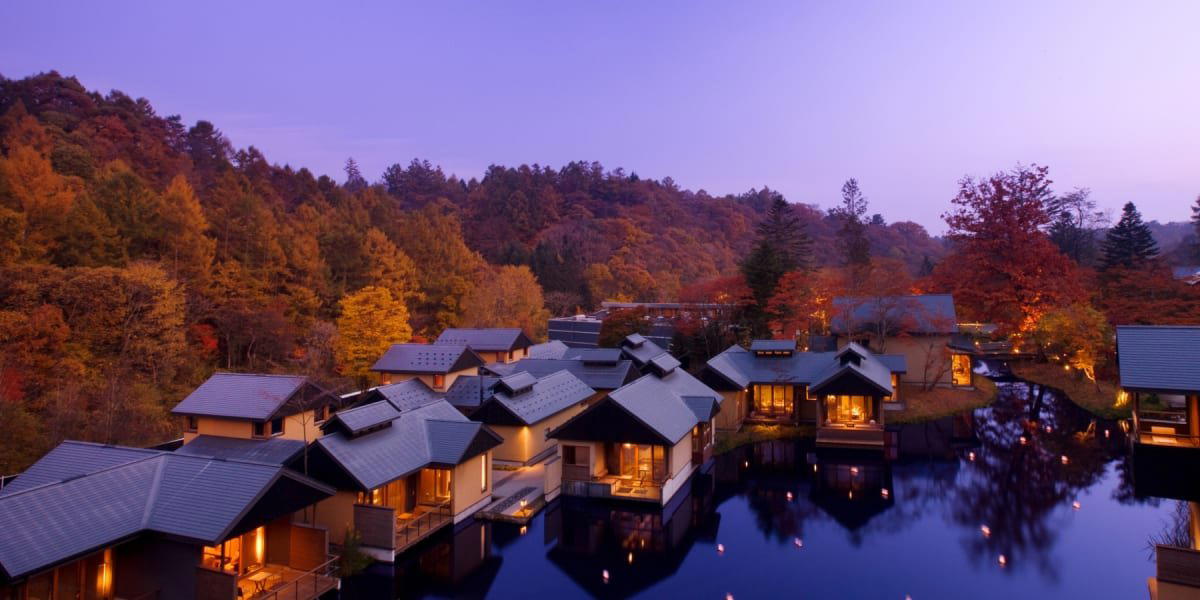
Restaurants in Karuizawa
Browse all →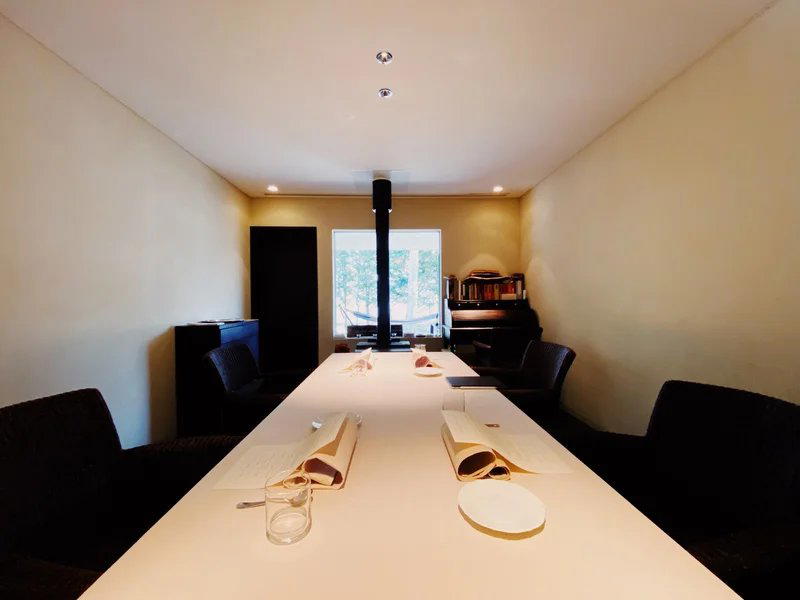
Wineries in Karuizawa
Browse all →

Details
- Quiet
- Scenic
- Elegant
- Minimalist
- Sophisticated
- Romantic Getaway
- Wellness Retreat
- Weekend Escape
- Anniversary
- Panoramic View
- Garden
- Historic Building
- Design Destination
- Wi Fi
- Restaurant
- Concierge
- Spa
- Mountain
- Garden
Serene and tranquil with natural light, hinoki wood scents, forest views, and a peaceful retreat atmosphere praised in guest reviews.