
Tabelog 100 #56
Our verdict
Kyoto’s serious café culture is not only about coffee; it also runs through sweets counters, small rooms, and quiet service choreography. kashiya belongs to that compact tier, with repeated Tabelog 100 selections across sweets and café categories and a 16-seat format that rewards visitors who treat it as a focused stop rather than a casual fallback.

Pearl is the En Primeur Club membership app, where members save venues, book tables and use the concierge.
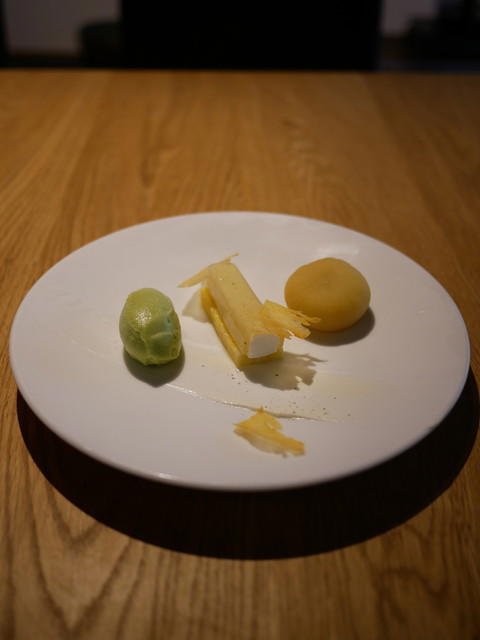
Approaching Kyoto’s smaller café rooms, the mood shifts before the menu. Across Kyoto, away from department-store dessert floors and tourist-heavy tea lanes, the room matters: fewer distractions, slower pacing, and service built on restraint rather than theatrical explanation. In that setting, kashiya belongs to Kyoto’s serious sweets-and-café circuit, where the meal is short, margins narrow, and front of house must manage quiet demand without turning the experience into a queueing spectacle.
Kyoto has long treated sweets as cultural literacy, not an afterthought. Wagashi traditions, kissaten habits, matcha service, and contemporary café formats overlap naturally here. The better rooms understand proportion: sweetness must sit beside bitterness, temperature, and texture; service must be attentive without crowding; and the space must absorb visitors arriving between temple walks, gallery stops, or dinner reservations. kashiya’s placement in Tabelog’s Cafe WEST “Tabelog 100” 2025 list shows it is judged within western Japan’s demanding café field, not as a novelty dessert address.
A small sweets room in Kyoto's café tier
Kyoto’s useful distinction is between cafés that serve sweets and sweets specialists using the café format as a controlled stage. The latter category is tighter, requiring coordination between kitchen production, pacing, table management, and light hospitality that keeps a compact room from feeling transactional. kashiya sits in that focused bracket where service, timing, and the room’s mood all matter. Turnover and dine-in comfort have to coexist without making the visit feel rushed.
That team dynamic is the point. In a high-end restaurant, hierarchy is visible through chef, sommelier, and captain. In a Kyoto sweets café, collaboration is quieter but no less important: the kitchen controls portion and preparation, the room controls pace, and counter or floor staff protect the atmosphere. The shared-room character is central to the experience. This is not a venue for a long celebratory meal; it is a precise interlude in a city that often does serious eating in smaller increments.
The category also explains the audience. Tabelog lists the venue under café and sweets, placing it between everyday Kyoto utility and destination-level dessert planning. That hybrid position is increasingly common in Japan’s stronger café cities: casual in spend, limited in scale, yet recognized enough to plan around. Compared with Kyoto dining rooms such as Sumiyakisosaitoriya Hitomi, Tha Sakai, Doujin, Akagakiya, or Niomon MUI, this is a different decision. It is not competing for dinner; it competes for the carefully chosen afternoon.
Recognition matters because Kyoto has depth in this category
A single café award can be a snapshot. Recognition in this field says more about consistency, especially in a city where sweets carry deep local expectation and heavy visitor attention. kashiya’s Tabelog 100 selection in the Cafe WEST category for 2025 matters because the venue is being read through both café and sweets lenses, not merely through décor or social-media visibility.
For travelers, the choice becomes clearer. Kyoto rewards selective scheduling; too many visitors fill the day with temples, then treat cafés as whatever is closest. Better to assign different meals different jobs. Formal dining carries seasonality and ceremony. Other compact dining rooms bring their own rhythms and appetites. A sweets café can reset the day without becoming a full meal. The city’s dining map sharpens when that distinction is respected.
This is also where Kyoto differs from Tokyo and Osaka. Tokyo’s café scene often rewards density and trend velocity; Osaka can turn dessert into high-energy urban snacking. Kyoto’s stronger rooms lean toward quiet calibration. That does not mean old-fashioned. It means service format, room size, and food category are expected to work together. A compact sweets café here is judged by how little it needs to announce itself.
How to fit it into a Kyoto day
The practical read is simple: treat the café as a planned stop, not an emergency option. Kyoto rewards a lighter pause between cultural time, shopping, walking, and more formal meals. A midday or afternoon stop makes more sense than folding it into a heavy dining sequence. Because kashiya is a recognized café-and-sweets address, day-of flexibility and timing matter more than trying to make it behave like a full restaurant reservation.
Visitors building a broader Kyoto itinerary can pair this sweets stop with a sharper restaurant plan through Our full Kyoto restaurants guide, then separate the trip by category rather than mood: Our full Kyoto hotels guide for where to stay, Our full Kyoto bars guide for late evening, Our full Kyoto wineries guide for wine-led planning, and Our full Kyoto experiences guide for cultural time around meals. Nearby restaurant research can also include other Kyoto dining rooms, casual counters, sweets shops, and cafés, depending on how much of the day you want to devote to food.
For readers comparing Japanese dining beyond Kyoto, the lesson is category discipline. A sweets café should not be assessed like a full dinner, late-night counter, curry stop, or sake bar. Reference points elsewhere can be useful only in broad terms, because kashiya’s role is narrower and more Kyoto-specific: a compact, recognized sweets-and-café room for travelers who understand that the city’s lighter stops can carry as much intent as dinner.
Frequently asked questions
Where is kashiya located?
Kyoto.
What does dinner at kashiya typically cost?
Pricing at kashiya is listed as Dinner: JPY 1,000 - JPY 1,999; Lunch: JPY 2,000 - JPY 2,999.
When can I go to kashiya?
Check kashiya’s official channels or current listing information before going, as hours can change.
What makes kashiya worth seeking out?
kashiya has been selected for Tabelog 100 in the Cafe WEST category for 2025, and that matters in Kyoto, where sweets addresses are closely watched. It reads as a focused café-and-sweets stop rather than a general-purpose restaurant.
Can kashiya handle vegetarian requests?
The venue is listed as a Cafe, Sweets address in Kyoto, which usually means a narrower offer than a full restaurant. Vegetarian diners should expect sweets and cafe items rather than a dedicated plant-based menu, so the fit depends on the day’s selection.
Is kashiya a family-friendly restaurant?
kashiya is listed as a Cafe, Sweets address in Kyoto. For family visits or other practical needs, check the venue's official channels for the latest details.
The Quick Read
Comparable options at the same price tier.
| Venue | Cuisine | Price | Awards | Notes |
|---|---|---|---|---|
| kashiyaThis venue (the venue you are viewing) | Modern Kyoto cafe & sweets | $20–30 | Tabelog 100 #56 | Not listed |
| Sumiyakisosaitoriya Hitomi | Traditional Yakitori | $50–100 | Michelin Bib Gourmand · Tabelog 100 #2 | Yakitori |
| Tha Sakai | Modern Wood-Fired Japanese | Not listed | Not listed | French |
| Doujin | Kyoto Kaiseki | $500+ | La Liste Top Restaurants · Tabelog Gold #7 | Kaiseki |
| Akagakiya | Classic Kyoto Izakaya | $30–50 | Tabelog 100 #70 | JPY 3,000 - JPY 3,999 |
| Niomon MUI | Kappo Japanese | $100–150 | Michelin Plate | Japanese |
Recognition history
Dated appearances from independent guides and award organizations, with the underlying list record or original source where available.
Tabelog 100 #56 · No. 56
Tabelog · Tabelog 100 - Cafe - WEST - 2025
Continue exploring
More in Kyoto
Restaurants in Kyoto
All restaurants in Kyoto →
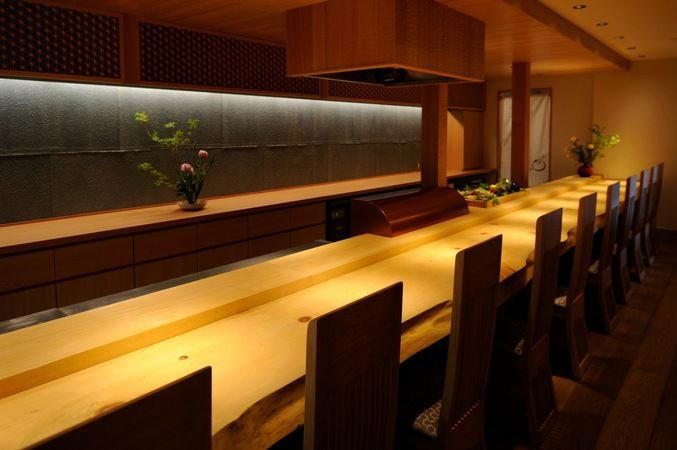
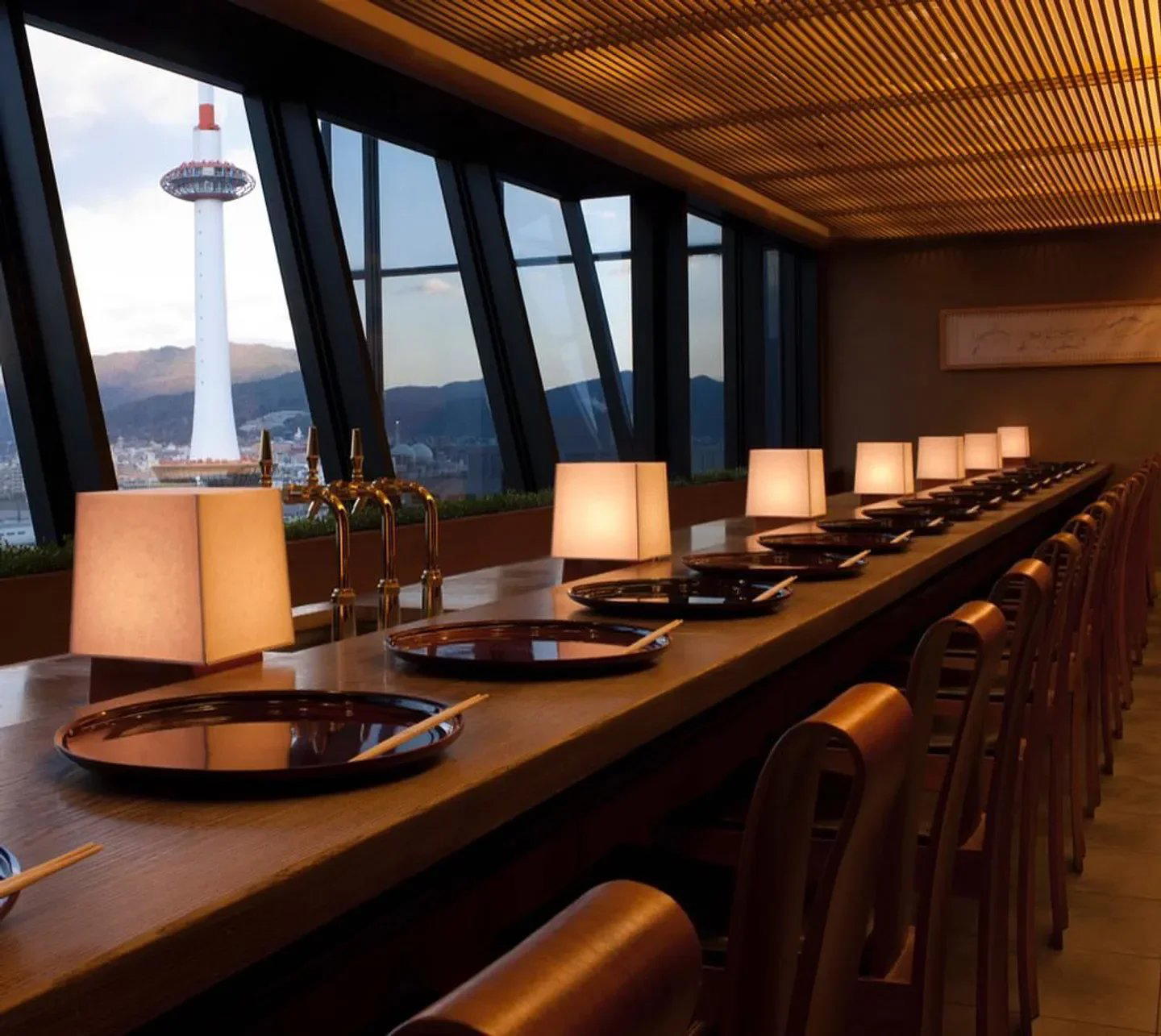
Bars in Kyoto
All bars in Kyoto →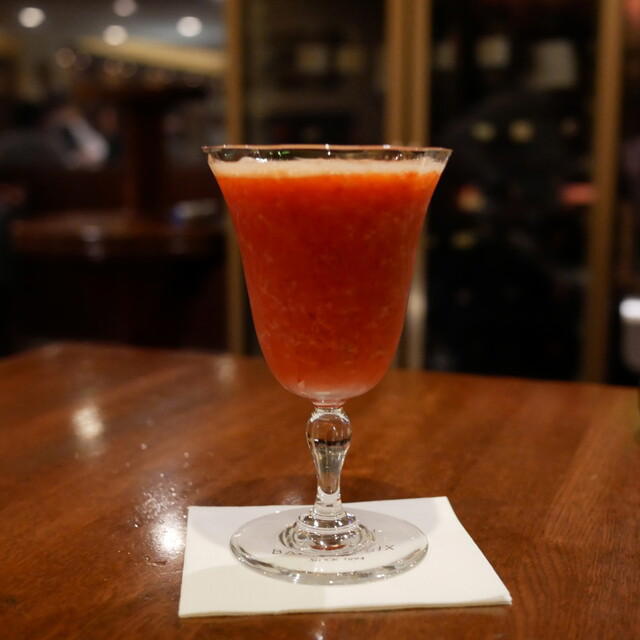
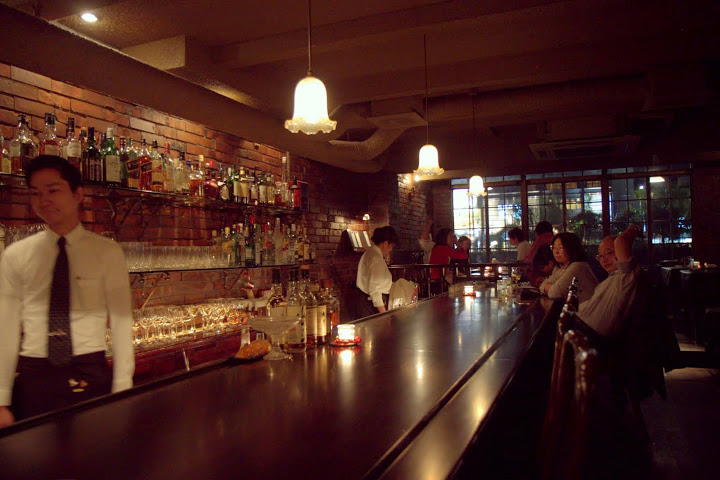
Hotels in Kyoto
All hotels in Kyoto →
Wineries in Kyoto
Browse all →
Details
- Cozy
- Modern
- Quiet
- Casual Hangout
- Date Night
- Solo
- Family
- After Work
- Standalone
- Design Destination
- A La Carte
- Small Plates
Current opening hours
- Monday
- 12–7 PM
- Tuesday
- Closed
- Wednesday
- 12–7 PM
- Thursday
- 12–7 PM
- Friday
- 12–7 PM
- Saturday
- 12–7 PM
- Sunday
- 12–7 PM
Hours can change for holidays and private events. Hours as of .
A stylish yet relaxed, non-smoking cafe with a calm, quiet atmosphere and thoughtfully designed interior suited to lingering over refined sweets.