
Tabelog 100 #70
Our verdict
Akagakiya belongs to Kyoto’s older izakaya grammar: low-key rooms, counter-and-tatami pacing, sake and shochu rather than cocktail theatre, and a dinner built for conversation. Its Tabelog 100 Izakaya WEST 2025 selection gives it a clear quality signal without pushing it into formal tasting-menu territory.

Pearl is the En Primeur Club membership app — saves, bookings, and concierge access live there. Same editors, same standards.
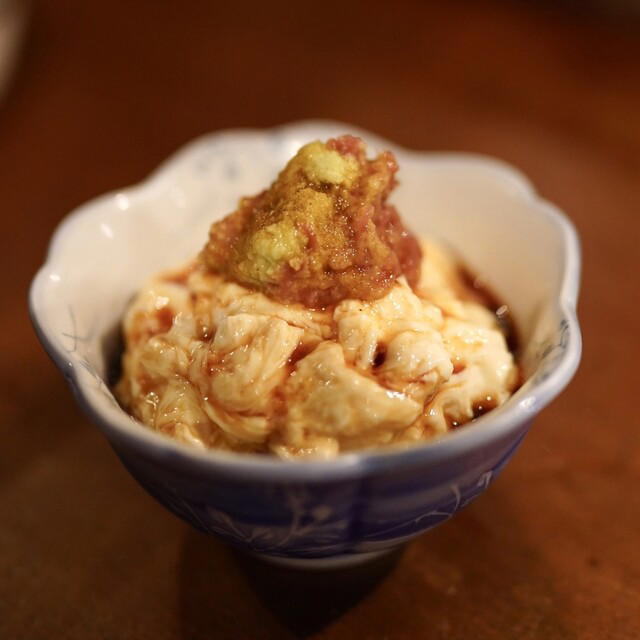
The menu
What to order
- Oden
- Cabbage roll
- Shime saba (vinegared mackerel)
- Fried chicken
Kyoto’s serious izakaya culture is not built on spectacle. The better rooms tend to announce themselves through small signals: a counter close enough to read the rhythm of service, raised tatami seating that slows a group meal, and a drinks list anchored in sake and shochu rather than imported bar language. Akagakiya sits inside that tradition, closer to a neighbourhood drinking house than a polished restaurant set piece, which is exactly why it matters in a city often reduced to temple-side kaiseki and hotel dining.
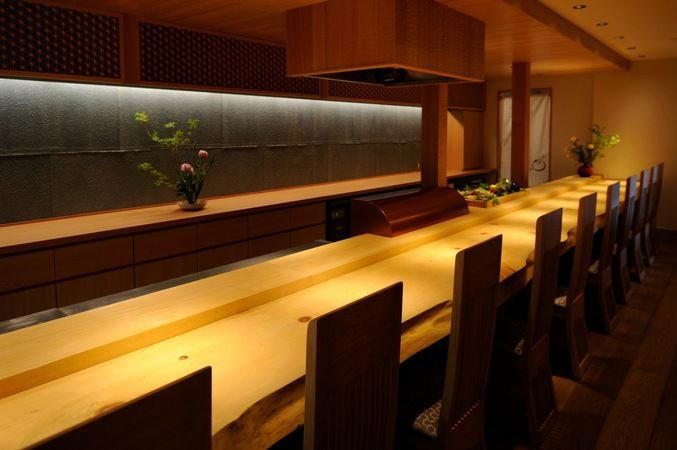
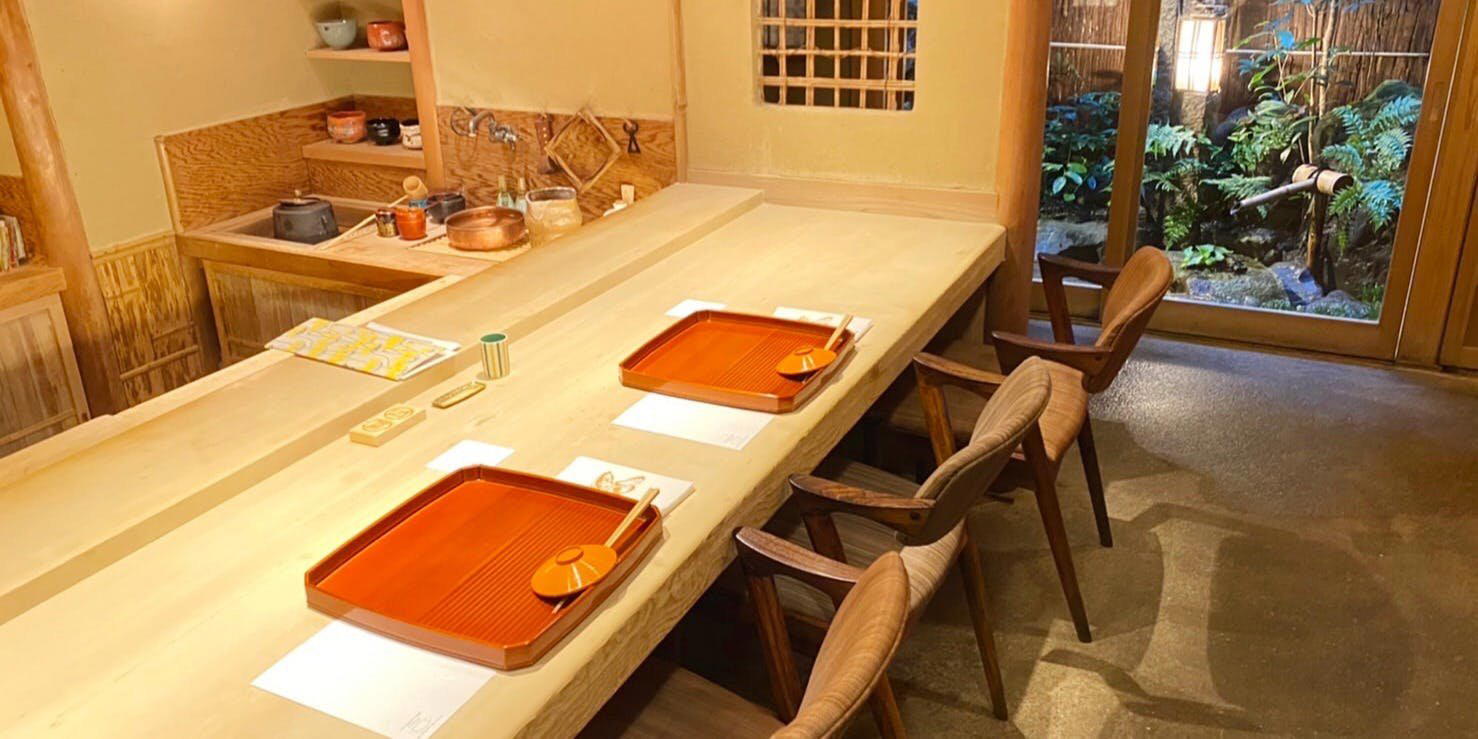
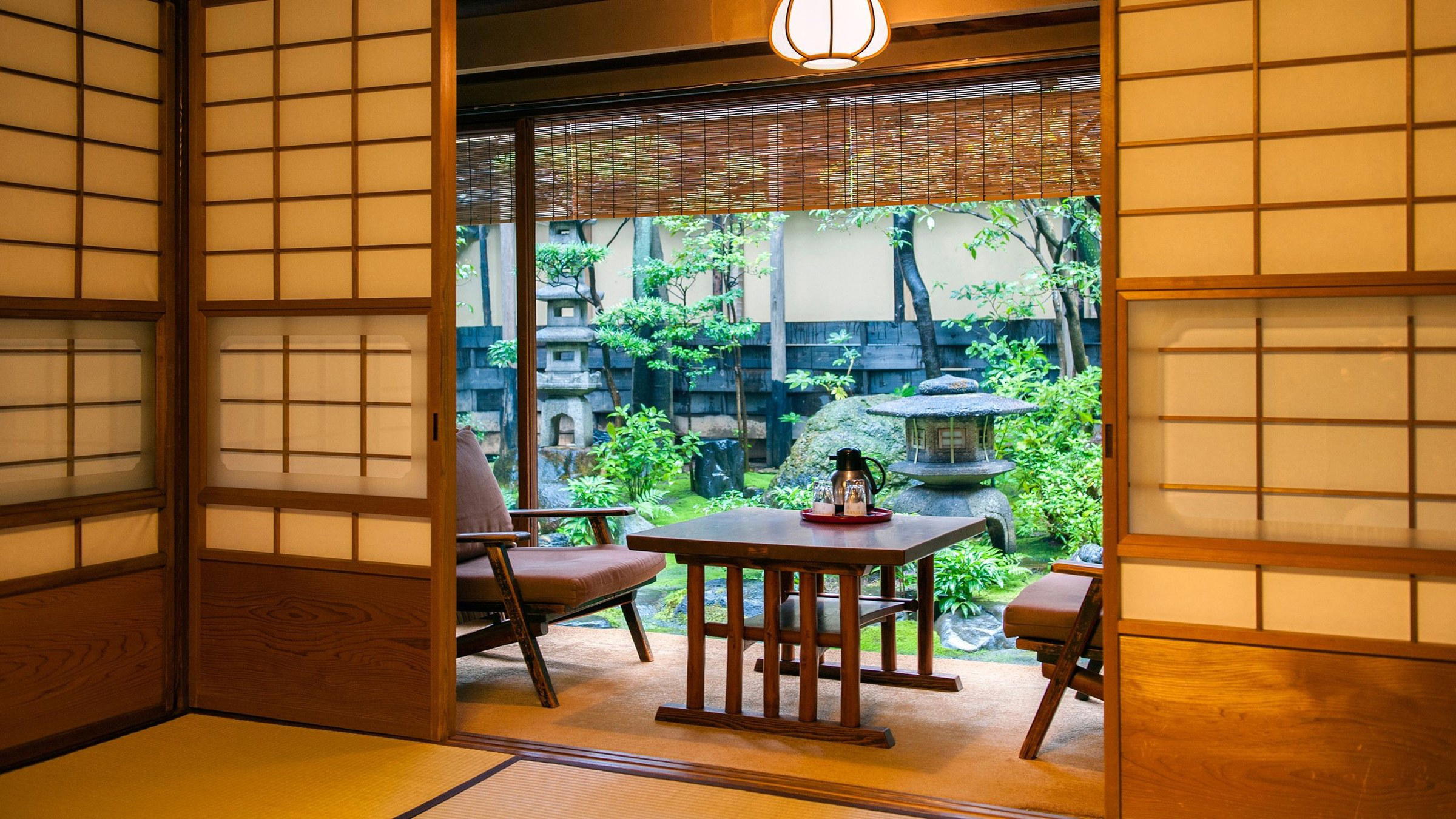
The category can be misunderstood by visitors. An izakaya is not simply a casual restaurant with small plates; it is a social format, with food paced around drinking, shared ordering, and a room that accepts looseness. Kyoto adds its own restraint to that model. Compared with louder urban izakaya districts in Tokyo or Osaka, the city’s stronger examples often feel lower in volume and more domestic in scale. Akagakiya’s 41-seat layout, split between counter seats and raised platform seating, places it in that middle ground: intimate enough to read as local, large enough to work for friends rather than only solo regulars.
Kyoto izakaya culture, without the performance layer
There is a useful distinction between restaurants that serve Japanese food and rooms that preserve Japanese drinking culture. Akagakiya is listed as an izakaya, with sake and shochu named as core drinks, and that tells the reader more than a cuisine label alone. The point is sequencing: drink first, order in waves, let the table move between conversation and food rather than submit to a fixed tasting arc.
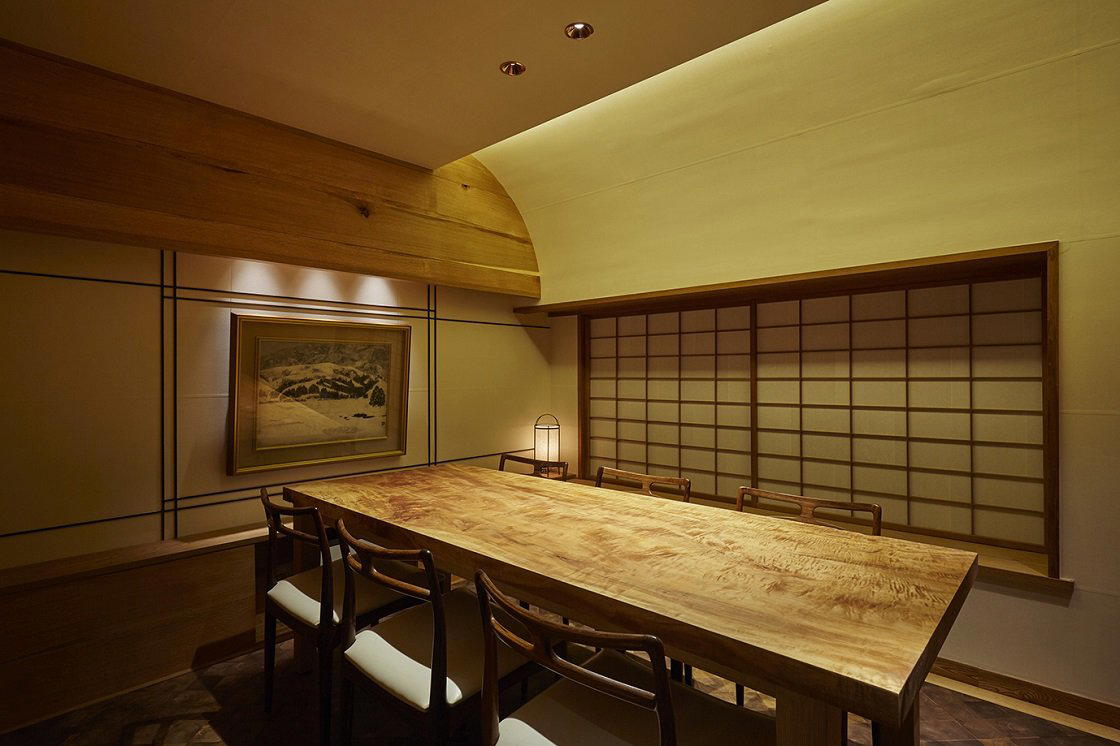
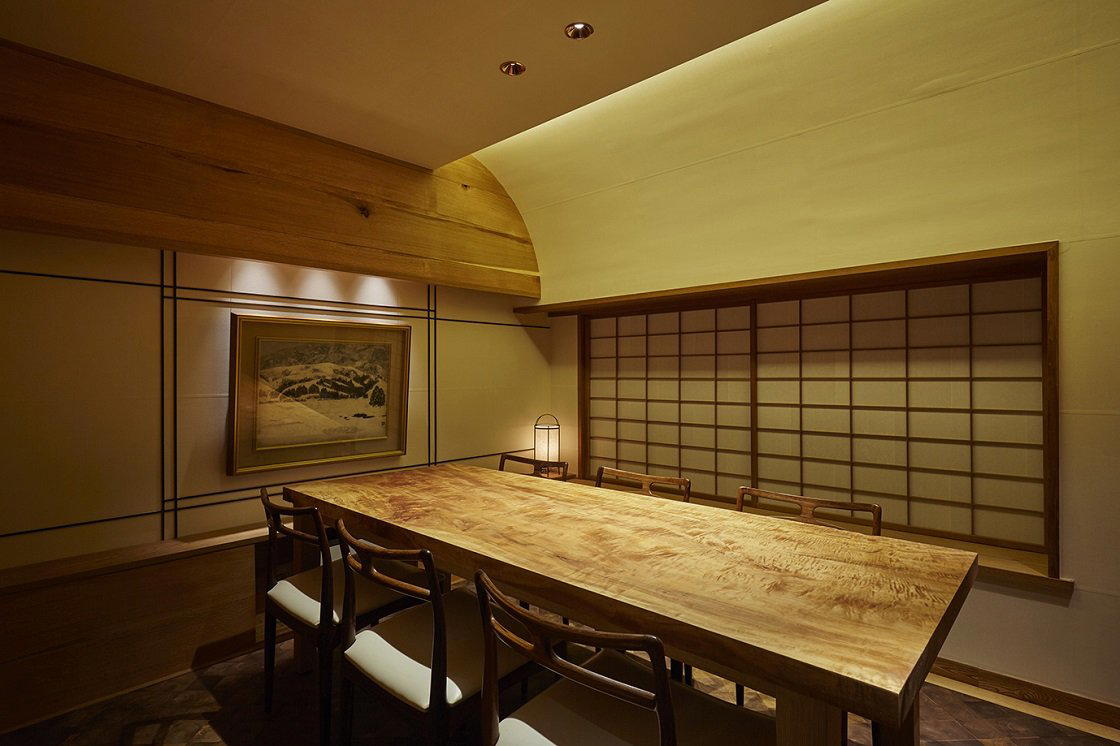
That format also explains why the room carries weight. Counter seating rewards diners who want to watch the mechanics of service; tatami seating suits groups who plan to stay through several rounds. The venue’s two private rooms add another old-Kyoto signal, because privacy in this category is less about luxury than about protecting the cadence of a gathering. Smoking is allowed, which will divide readers. For some, it reinforces the older tavern atmosphere; for others, it is a practical reason to choose a different room. The editorial point is plain: this is not a sanitized international dining room, and it should not be judged as one.
Tabelog’s 2025 Izakaya WEST 100 selection gives the place a public benchmark within western Japan’s izakaya field. The same recognition appears in earlier years, including 2024, 2022, and 2021, which matters because izakaya reputation is often built through repeat local use rather than a single review cycle. A Tabelog score of 3.70 is also meaningful in Japan’s rating culture, where scores tend to cluster tightly and higher numbers are harder to earn than on many global platforms.
Where it sits among Kyoto's casual and specialist tables
Kyoto dining is unusually stratified. At one end are formal Japanese restaurants and hotel counters; at another are specialist casual rooms that do one thing with discipline. Akagakiya belongs to the latter side of the map, but not in the same lane as yakitori-focused Sumiyakisosaitoriya Hitomi, French-leaning Tha Sakai, or the more formal Japanese bracket represented by Niomon MUI. Its value is the breadth of the izakaya format: drinks, shared plates, counter proximity, and a room that can hold both regulars and informed visitors without changing its grammar.
That makes it a useful anchor for reading Kyoto beyond postcard dining. A visitor building a night around different registers of the city might pair this kind of tavern intelligence with other local references such as 3TOKU6MI Shijo karasuma ten, 551蓬莱, [ki:], Abbesses, and Aburi Mochi Honke Nemoto Kazariya. Those names do not form a single genre; together they show how Kyoto moves between tavern, snack, French dining, and long-running sweets culture.
The wider Japan map sharpens the distinction. A Kyoto izakaya night reads differently from -Grilled beef Sukiyaki- KAMAKURA TANUKIAN 鎌倉 たぬき庵 in Kamakura. 鮪と炭火焼き うお炭 秋葉原店 in Tokyo.cafe in Osaka.know in Kumamoto, (Shoku) Vietnam in Kawasaki, and [Curry Senmon Ten] Maruyama Kyoju. in Sapporo. Even Japanese drinking culture abroad, from Jōdo Saké Bar in Los Angeles to Onigiri Time in Pasadena, usually filters the format through a different service expectation.
The right way to read the room
The smarter approach is to treat Akagakiya as an atmosphere-led dinner rather than a dish-hunting exercise. The public materials do not define a single named speciality, and that is not a weakness in this category. Izakaya meals often work through accumulation: a drink, a first order, a second round, a change in pace, and a table that becomes more relaxed as the evening goes on. Searching for a single trophy plate misses the social design.
Logistically, this is a dinner-only tavern rhythm rather than an all-day dining stop, and the counter carries its own rules: reservations are available, but counter seats are not reserved. That detail matters because it preserves a walk-in, regular-friendly energy at the part of the room where the service is easiest to watch. Payment is cash-oriented, with credit cards, electronic money, and QR payments not accepted, so planning should be old-school as well. Parking is unavailable, which is normal enough for central Kyoto dining and another reason to approach the night on foot or by rail.
For broader planning, use Our full Kyoto restaurants guide alongside Our full Kyoto hotels guide, Our full Kyoto bars guide, Our full Kyoto wineries guide, and Our full Kyoto experiences guide. The rewarding Kyoto itinerary usually alternates registers: one formal meal, one specialist counter, one old tavern, and enough unscheduled time for the city to breathe between them.
Frequently asked questions
What's the price range at Akagakiya?
Pricing at Akagakiya is listed as JPY 3,000 - JPY 3,999.
What are the operating hours at Akagakiya?
Hours at Akagakiya: Mon: 5–11 PM; Tue: 5–11 PM; Wed: 5–11 PM; Thu: 5–11 PM; Fri: 5–11 PM; Sat: 5–11 PM; Sun: Closed.
Where is Akagakiya located?
Akagakiya is located in Kyoto.
What's the signature at Akagakiya?
Akagakiya is an izakaya, so the draw is the room itself: 11 counter seats, 30 seats on a raised platform, and two private rooms in Kyoto’s Sakyo Ward. Its Tabelog 100 Izakaya WEST 2025 selection is the clearest marker of what it does well, rather than a named signature dish.
How It Stacks Up
Comparable venues by cuisine and price in the same metro.
| Venue | Cuisine | Price | Awards | Notes |
|---|---|---|---|---|
| AkagakiyaThis venue (the venue you are viewing) | Classic Kyoto Izakaya | $30–50 | Tabelog 100 #70 | Not listed |
| Mentakumi Takamatsu (麺匠 たか松) | Takamatsu Ramen | $10–20 | Not listed | central Kyoto |
| Touhichi (らぁ麺 とうひち) | Chicken Shoyu Ramen | $10–20 | Michelin Bib Gourmand · Tabelog 100 #76 | Ichijoji |
| Katsukura (かつくら 四条東洞院店) | Traditional Kyoto Tonkatsu | $20–30 | Not listed | Kawaramachi, Kiyamachi, Ponto-cho |
| Zen Kasho In Kyoto muromachi honten | Traditional Japanese sweets & matcha cafe | $10–20 | Tabelog 100 #53 | Nakagyō |
| Yoshokudo Noro | Japanese Yoshoku (Western-Style Cuisine) | $30–50 | Tabelog 100 #97 | Nakagyō |
Recognition history
Dated appearances from independent guides and award organizations, with the underlying list record or original source where available.
Tabelog 100 #70 · No. 70
Tabelog · Tabelog 100 - Izakaya - WEST - 2025
Continue exploring
More in Kyoto
Restaurants in Kyoto
All restaurants in Kyoto →
Bars in Kyoto
All bars in Kyoto →
Hotels in Kyoto
All hotels in Kyoto →
Wineries in Kyoto
Browse all →
Details
- Lively
- Cozy
- Classic
- Intimate
- After Work
- Casual Hangout
- Group Dining
- Solo
- Standalone
- Private Dining
- Historic Building
- Sake Program
- Beer Program
- A La Carte
- Small Plates
- Counter Dining
- Sake
- Shochu
- Beer
Current opening hours
- Monday
- 5–11 PM
- Tuesday
- 5–11 PM
- Wednesday
- 5–11 PM
- Thursday
- 5–11 PM
- Friday
- 5–11 PM
- Saturday
- 5–11 PM
- Sunday
- Closed
Hours can change for holidays and private events. Last verified .